What do you think?
Rate this book


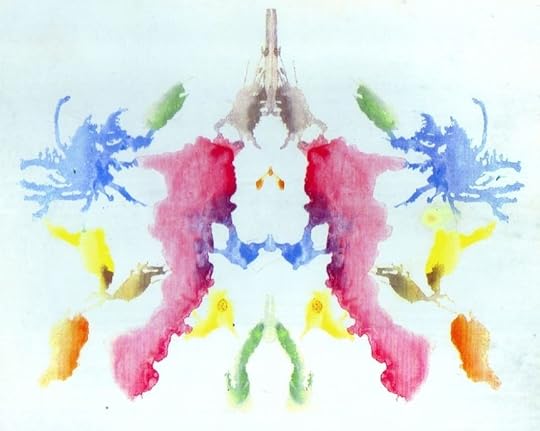
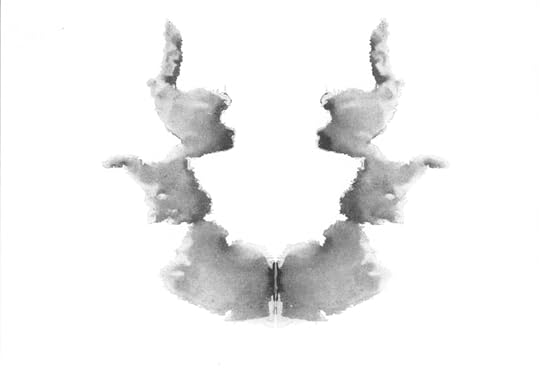
En 1917, en un remoto asilo de Suiza en el que trabajaba solo, el psiquiatra Hermann Rorschach desarrolló un experimento para poner a prueba la mente humana: un conjunto de diez manchas de tinta de colores, cuidadosamente diseñadas. Durante años, Rorschach luchó con las teorías de Freud y Jung, al mismo tiempo que absorbía los movimientos estéticos de su época, desde el futurismo al dadaísmo. Él mismo artista visual, llegó a creer que quiénes somos tiene menos que ver con lo que decimos –como pensaba Freud–, que con lo que vemos.
Luego de una muerte temprana, el test de Rorschach rápidamente llegó a Estados Unidos, donde adquirió vida propia. Adoptado por los militares luego del ataque a Pearl Harbor, resultó fundamental en los juicios de Nuremberg y en las junglas de Vietnam. Se volvió un sine qua non de la publicidad, un cliché en Hollywood y el periodismo, una inspiración para todos, desde Andy Warhol a Jay Z. También tomaron el test millones de personas a lo largo y ancho del planeta, desde delincuentes hasta aspirantes a distintos puestos de trabajo, padres en batallas legales por la custodia de sus hijos y gente con trastornos mentales o simplemente con la esperanza de entenderse mejor. Todavía hoy se sigue usando en todo el mundo en etapas de diagnóstico.
En esta biografía, la primera sobre Hermann Rorschach, Damion Searls indaga en cartas inéditas y diarios personales, en entrevistas con su familia, amigos y colegas hasta hoy desconocidas, para contar la inesperada historia de la creación del icónico test, su controvertida reinvención y su notable permanencia en el tiempo, todo lo cual revela la potencia de la percepción. Elegante y original, Las manchas de tinta brilla con luz propia como una síntesis extraordinaria de arte y ciencia.
“Impresionante por donde se lo mire… parte biografía de Hermann Rorschach, súper detective psicoanalítico, y parte crónica de la sobrevida de su test en la práctica clínica y la imaginación popular… Searls es un escritor con tantos matices como rigurosidad académica… en verdad fascinante.” —New York Times Book Review
500 pages, Kindle Edition
First published April 2, 2015


In principle, then, the Rorschach test rests on one basic premise: Seeing is an act not just of the eye but of the mind, and not just of the visual cortex or some other isolated part of the brain but of the whole person. If this is true, a visual task that calls upon enough of our perceptual powers will reveal the mind at work.


Descended from artists on both sides of his family, Hermann Rorschach had a lifelong belief in perception as the point of intersection between mind, body, and world. He wanted to understand how different people see, and at the most fundamental level, seeing is, as the painter Cezanne said of color, “the place where our brain and the universe meet.”


Alone among the pioneers of psychology, Rorschach was a visual person and created a visual psychology. This is the great path not taken in mainstream psychology, even though most of us today, even the talkiest and most bookish, live in a predominantly visual world of images on surfaces and screens. We evolved to be visual. Our brains are in large part devoted to visual processing—estimates run as high at 85 percent—and scientists are beginning to take that fact seriously; advertisers in quest of “eyeballs on the page” started to take it seriously a long time ago. Seeing runs deeper than talking.



I’ve lost count of the number of times I’ve heard, after describing this book to someone: “It’s like the Rorschach test is a Rorschach test~ It can mean anything!” I want to say No, it isn’t. However tempting it may be to “present both sides” and leave it at that, the inkblot test is something real, with a particular history, actual uses, and objective visual qualities. The blots look a certain way; the test either works in a given way or it doesn’t. The facts do matter more than our opinions of them.