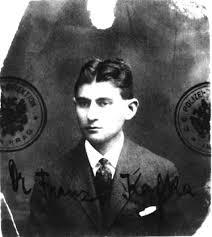
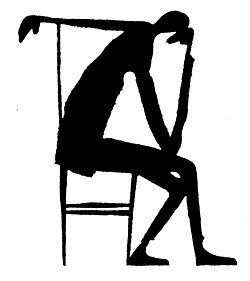
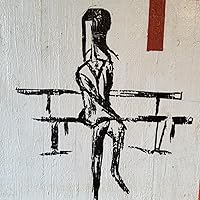
»Allzu leicht ist man geneigt, auf den Wegen der Ausdeutungen zu vergessen, daß es sich im Fall Kafkas in erster Linie um einen Dichter handelt, um einen Prosakünstler - einem Kleist oder Hebel verwandt und vergleichbar -, der nur mit höchsten Maßstäben zu messen oder der, genauer, selber ein Maßstab ist. Seine Gestalten und ihr Verhalten sind bei aller Exzentrizität des Standpunktes, von dem aus sie gesehen werden, von einer so unmittelbar bezwingenden Richtigkeit und Evidenz, daß ihnen unerschöpfliche Sinnfülle zuzuströ-men scheint. Weit davon entfernt, einsinnig allegorisch oder symbolisch gemeint zu sein, stellen sie sich vielmehr als wunderbar genau erfundene Detektoren zur Erkundung des Verborgenen dar. Nur darf man sie nicht bei ihren Worten nehmen wollen, die jeweils bereits entstellt aufgefangene, nach einem fehlerhaften Code entschlüsselte Meldungen, immer nur Ansichten, Meinungen, Vermutungen sind. Ihre Zeugniskraft liegt allein in dem Anschein der Wahrheit, der an ihnen sichtbar wird: ›Unsere Kunst ist ein von der Wahrheit Geblendetsein: Das Licht auf dem zurückweichenden Fratzengesicht ist wahr, sonst nichts.‹« Friedhelm Kemp
Prague-born writer Franz Kafka wrote in German, and his stories, such as "The Metamorphosis" (1916), and posthumously published novels, including The Trial (1925), concern troubled individuals in a nightmarishly impersonal world.
Jewish middle-class family of this major fiction writer of the 20th century spoke German. People consider his unique body of much incomplete writing, mainly published posthumously, among the most influential in European literature.
His stories include "The Metamorphosis" (1912) and "In the Penal Colony" (1914), whereas his posthumous novels include The Trial (1925), The Castle (1926) and Amerika (1927).
Despite first language, Kafka also spoke fluent Czech. Later, Kafka acquired some knowledge of the French language and culture from Flaubert, one of his favorite authors.
Kafka first studied chemistry at the Charles-Ferdinand University of Prague but after two weeks switched to law. This study offered a range of career possibilities, which pleased his father, and required a longer course of study that gave Kafka time to take classes in German studies and art history. At the university, he joined a student club, named Lese- und Redehalle der Deutschen Studenten, which organized literary events, readings, and other activities. In the end of his first year of studies, he met Max Brod, a close friend of his throughout his life, together with the journalist Felix Weltsch, who also studied law. Kafka obtained the degree of doctor of law on 18 June 1906 and performed an obligatory year of unpaid service as law clerk for the civil and criminal courts.
Writing of Kafka attracted little attention before his death. During his lifetime, he published only a few short stories and never finished any of his novels except the very short "The Metamorphosis." Kafka wrote to Max Brod, his friend and literary executor: "Dearest Max, my last request: Everything I leave behind me ... in the way of diaries, manuscripts, letters (my own and others'), sketches, and so on, [is] to be burned unread." Brod told Kafka that he intended not to honor these wishes, but Kafka, so knowing, nevertheless consequently gave these directions specifically to Brod, who, so reasoning, overrode these wishes. Brod in fact oversaw the publication of most of work of Kafka in his possession; these works quickly began to attract attention and high critical regard.
Max Brod encountered significant difficulty in compiling notebooks of Kafka into any chronological order as Kafka started writing in the middle of notebooks, from the last towards the first, et cetera.
Kafka wrote all his published works in German except several letters in Czech to Milena Jesenská.
ربما تكون هذه هي القصة الأكثر إفزاعا في كل ما كتب ربما حتى عن روايته القصيرة مستوطنة العقاب ففي تلك الرواية نعرف من البداية أن هناك عقوبة ستنفذ
أما في قصة الحكم العجيبة تلك فإنك لا تعرف ما الذي أنت مقبل عليه والفزع كل الفزع يأتي مع سطور القصة الأخيرة
ألهذه الدرجة كره كافكا ذاته ألهذه الدرجة كان يشعر بالدونية ألهذه الدرجة رأي في أبيه وحشا لا يرحم
كتبت مسبقا عن علاقة كافكا بأبيه في ريفيــو المســـخ ولكن مجددا نعود إلى نفس النقطة
هذا الأب القاسي الذي دمر نفس مرهفة أنتجت لنا أدبا عظيما هذا صحيح لكننا نبقى نتوجع على هذا الفتى النحيل المريض المسكين الذي قبل مرار أن يسحقه الجميع فتارة يصير حشرة تتعفن وتموت بالنهاية وتارة كلبا يجوب الشوارع وتارة خلدا مختبئا في جحره وأخيرا بكلمة من أبيه يسرع الخطى إلى هلاكه
عندما وصلت لآخر نقطة في نهاية السطر الأخير كنت على درجة عالية من الفزع والذهول لم أصدق ببساطة أن الأمور يمكن أن تتطور لهذا الحد
لم يمهد لك كافكا لا يفعل أبدا اقرأ قصصه كلها وأنت تعلم أن عظمته تتجلى في أوجها حين يقترب من نهايتها
Kafka wrote this short story in a single night and dedicated it to Felice Bauer, a new friend, to whom he was engaged for a while. It might be thought a rather odd dedication, given that it's a chilling story of Georg's relationship with his disappointed father (as Herman Kafka apparently was with Franz).
As with many of Kafka's writings, windows feature. It starts with a man gazing out of a window, remembering his friend who emigrated to Russia three years earlier. In contrast, his father's window is firmly shut.
Georg is trying to write to his friend, and this is tricky because he is worried that his friend's life has stalled, so is reluctant to recount his own happy news, most particularly his forthcoming marriage (he assumes his friend has lost all chance of marriage).
Instead, he reports random gossip, but even this causes problems: "Thus it happened that three times in three quite widely separated letters Georg had announced the engagement of some indifferent man to some equally indifferent girl, until quite contrary to his intentions his friend began to develop an interest in this notable occurrence."
Thus far, it is a realistic story of an earnest young man, unsure of what is the right thing to do, with a dash of dry humour, but then it becomes more unsettling.
The father questions Georg's sanity and whether his friend exists. There is a confusing row during which the father lists his many disappointments with his son, and the reader is left uncertain of the truth and which, if any, of the characters, is sane.
It culminates with the father passing a terrible judgement on his son. And most shockingly of all, the son unquestioningly acquiesces.
Very short story, with a really powerful ending. Overall it had more of an effect on me than some of his novels. Felt a little like Chekhov too, so that's not a bad thing.
- لا ادري ايمكننا تقييم اعمال كافكا بشكل منفصل؟! اذا كان كذلك فهذا الكتاب لا معنى له... اما اذا اردنا ان نربط هذا الكتاب بما لحقه فهنا يكمن بيت القصيد، وفاتحة الأعمال واول الإبداع... ولذلك احترت في تقييمه!
- قرأت القصة عدة مرات، وقرأت بعدها البناء الأدبي للقصة، ومعنى بعض الجمل المرتبط اما بأساطير او بموقع المنزل واطلالته او برمزية الأسماء(روسيا) او الإسقاطات على حياة كافكا الشخصية (الصديق والوالد)... لكنها لم تقنعني.. وربما لهذا احترت في التقييم... - الترجمة واختلاف البيئة ثد يكون لهما تأثير ايضا في فهم هذا النص!!... لا ادري..
- اعتقد انني سأعود لهذه المراجعة بعد الإنتهاء من كل ما كتبه كافكا!!
داستانی درباره کشمکش بین یک پدر وپسر که منجر به اختلاف با پیامدهای هولناک میشود شخصیت اصلی پسرجوانی است بنام گئورگ که دوسال از مرگ مادرش میگذرد وبا پدرش زندگی میکند
در داستان داوری همانند مسخ ،عواقب ناشی از شکست پسر در پذیرش اقتدار پدر نشان میدهد.
کمی از جریان داستان که میگذرد،گئورگ به پدرش میگوید كه میخواهد برای دوستش در روسیه که در تنهایی است وشرایط بدی را میگذراند، نامهای بنویسد. پدر كه ظاهراً در بستر بیماری است، نخست از وجود چنان دوستی اظهار بیاطلاعی میكند اما پدر ناگهان روانداز را با چنان زوری از روی خودش پرت کرد که یکدم در هوا پرش داد و توی رختخواب برجهید وراست ایستاد.
قسمتی از متن
« پدر به صدایی نرم ونازک درآمد که : چون خانم دامنهایش را بالا زد،چون دامنهایش را اینجوری و اینجوری بالا زد،برایش خودشیرینی کردی و برای آنکه با دل آسوده باهاش صفا کنی ،یاد مادرت به ننگ آلوده ای ،به دوستت خیانت کرده ای و پدرت را طوری تو رختخواب چپانده ای که نمیتواند جنب بخورد اما میتواند جنب بخورد یا نمیتواند؟»
Probably the weirdest writer I have ever come across with one of his strangest stories. The Judgement appears simple and short but is infact multi-layered and complex, so much so that when I first stumbled upon this story, I thought 'Wtf happened'? Now having read more of literature and Kafka, the underlying tension begins to show itself, disguised innocously so that it is very very easy to miss. Indeed, the casual reader risks having the exact same reaction I had.
But it is precisely what makes this story such a rewarding experience for the meticulous reader. As soon as you begin noticing these contradictions, and you connect the events that happened later to the ones that happened before, you begin experiencing dissonance, because Kafka does a brilliant job of placing you inside the narrator's head, despite writing in third person.
If the purpose of literature is to evoke different experiences and emotions, then this story is an experience you've probably never had before. Read it, but carefully and meticolously, not very difficult to do because it is a very short story
المؤلم في أدب كافكا أنه، وفي كل رواية أو قصة قرأتها له، لم يكن يكتب إلا نفسه. بالتأكيد لم يكتب نفسه صراحة، لكن ولو على الأقل بجملة، أو إلماح، أو إسقاط بسيط عنه. هو يكتب بروحه، وبدمه - كما قال نيتشه وكركيجارد، لكن لا بالمعنى المجازي للكلمة. عن الوالد المتسلط، عن الابن المتلعثم، وعامل المتجر المغبون حقه، ومديره المتسلط - أو أبيه المؤلم في أدب كافكا أنك تحسه وتقرؤه، لا بوصفه خيال أو رمز أو قصة، لكن بوصفه واقع معيش.
In 1912, the year that this short story was written, Kafka complaints of exhaustion, weakness, insomnia and fainting episodes. Partnering with his brother in law to set up a small asbestos factory wore him out, plus he was in love (sometimes) with Miss B. (Felice Bauer). In his diaries, he often complained that he "didn't write anything".
However, he is under pressure by his friend Max Brod to finish his first collection of short stories titled "Betrachtung". And all of a sudden on the night of the 22nd to the 23rd of September 1912, from 22:00 in the evening to 6:00 in the early morning, he begins writing and completing this short story. The day finds him overwhelmed and physically exhausted.
The Judgment (Das Urteil ) Η Κρίση:
Ένας νεαρός έμπορος, ονόματι Georg Bendemann, διατηρεί μια μακροχρόνια αλληλογραφία με τον αποτυχημένο φίλο του που έχει μεταναστεύσει στη Ρωσία. Καθώς σταδιακά η ζωή του Georg καλυτερεύει (μετά τον θάνατο της μητέρας του, ο αυταρχικός πατέρας του αποσύρεται από την οικογενειακή επιχείρηση, πλέον ο Georg αρχίζει να παίρνει πρωτοβουλίες και αρραβωνιάζεται) αρχίζει να αποξενώνεται από τον παλιό του φίλο. Όλα ωστόσο ανατρέπονται όταν η πατρική φιγούρα μετατρέπεται σε Κριτή του γιου, μέσα από ένα παραληρηματικό κατηγορητήριο.
Το 1912, τη χρονιά που γράφτηκε αυτό το διήγημα, ο Kafka παραπονείται για εξάντληση, αδυναμία, αϋπνίες και λιποθυμικά επεισόδια. Η δουλειά στο μικρό εργοστάσιο που έχει στήσει με τον γαμπρό του τον καταπονεί και είναι ερωτευμένος (μερικές φορές) με την δα. Μπ. (Felice Bauer). Συνεχώς επαναλαμβάνει τη φράση "δεν έγραψα τίποτα". Ωστόσο πιέζεται από τον φίλο του Max Brod να τελειώσει τη πρώτη συλλογή διηγημάτων με τίτλο Betrachtung (Στοχασμοί).
Και ξαφνικά μέσα σε μια νύχτα 22α με 23η Σεπτεμβρίου 1912, από τις 22:00 το βράδυ ως τις 6:00 τα ξημερώματα ξεκινάει να γράφει και ολοκληρώνει το συγκεκριμένο διήγημα. Η ημέρα τον βρίσκει κατενθουσιασμένο (τρομαχτική ένταση και χαρά) αλλά και εξαντλημένο σωματικά (ελαφριοί πόνοι στην καρδ��ά, βάρος στην πλάτη, κούραση που άρχισε να περνάει στη μέση της νύχτας). Σε αυτήν την ημερολογιακή καταχώρηση αναφέρει τις πηγές της έμπνευσής του:
Σκέψεις επάνω στον Sigmund Freud.
Ένα σημείο επάνω στο μυθιστόρημα του Max Brod με τίτλο "Άρνολντ Μπιρ, το πεπρωμένο ενός Εβραίου" (Arnold Beer: The Fate of a Jew/ Arnold Beer: Das Schicksal eines Juden).
Ένα σημείο (δεν προσδιορίζει ποιο) από έργο του Jakob Wassermann (1873 – 1934).
Ένα άλλο σημείο από τη "Γιγάντισσα" (Die Riesin. Ein Augenblick der Seele) του Franz Werfel (1890 -1945) που είχε δημοσιευτεί σε περιοδικό στα 1912.
Το δικό του ημιτελές διήγημα που σώζεται από αποσπασματική καταγραφή στο ημερολόγιο του 1911 με τίτλο "Ο κόσμος της Πόλης" (Die stadtische Welt/ The Urban World).
Ο Kafka δεν αποφεύγει να δώσει εξηγήσεις για την αιτία που έγραψε αυτό το διήγημα. Ο κεντρικός ήρωας είναι φτιαγμένος σύμφωνα με τον εαυτό του (το Georg έχει τόσα γράμματα και το Franz) και περιγράφει την ολοκληρωτική αποξένωση από τον πατέρα του. Ωστόσο δεν του λείπει το χιούμορ. Όταν η αδερφή του διάβασε το διήγημα και παρατήρησε πως «Είναι το δικό μας σπίτι» ο Kafka σχολίασε ως εξής:
«Μου φάνηκε παράξενο ότι δεν είχε καταλάβει καλά τη διάταξη των χώρων και είπα: «Μα τότε ο πατέρας θα έπρεπε να μένει στην τουαλέτα».
• OMG! This is a very short story, with a very powerful influence! It paved the way, for me, towards Kafka’s letter to his father. I believe he was describing his father in the story. What a heartless father he had!
Ich habe diese kurze Erzählung bereits in meiner Schulzeit gelesen. Damals aber mit etwas weniger Freude und Interesse. 😉 Dieses Mal konnte ich das Ganze deutlich besser schätzen und habe mich auch für die Hintergründe interessiert. Die Erzählung ist ein gutes Beispiel für das Wort „kafkaesk“, gut zu lesen und spannend zum Interpretieren, war es aber auf jeden Fall. 😁👍🏻
„Anhand von Kafkas Erzählung «Das Urteil» lässt sich das literarische Deutungsmodell besonders gut vorführen: Hier scheint sich die Not eines jungen Mannes zu artikulieren, der von einem übermächtigen Vater an der Verwirklichung der eigenen Lebensziele gehindert wird. Seine Verlobung wird missbilligt, sein beruflicher Erfolg als Nutzniessertum abgewertet. Durch die autoritäre, verständnislose Haltung des Vaters wird der junge Mann letztendlich vernichtet. Der Versuch der Rebellion scheitert. Das patriarchalische Obrigkeitssystem siegt.“
Der Text ist sehr kurz und lässt viel Interpretationsspielraum. Die obere Interpretation des Verlags beschreibt das Ganze ziemlich deutlich und klar. Da ich das Buch mit meiner Frau zusammen gelesen habe, konnte man wunderbar darüber sprechen und wir kamen in etwa zum selben Schluss. Die Geschichte ist teilweise sehr verwirrend und man hat den Eindruck, der Vater und/oder der Sohn sind dement oder einfach verrückt aber wenn man die Geschichte von Kafka ein wenig kennt, wird klar, welche Probleme oder „Kämpfe“ er mit seinem Vater hatte. Sehr spannend, sehr kurz und sehr Interessant. 100% Empfehlung. 😁👍🏻
There is no need to emphasize that Kafka is talking here about his relationship with his father. However, I still do not know if I ever managed to get through "The Transfiguration" to the end. This story is so nightmarish, waaah! That's why I could't know how can I rate it without delay, or even more than that, what I felt about it!; I loved it in a bad way!, or maybe contrariwise I hated it in a good way!.
Dafür dass es mein erstes Buch von Franz Kafka war, war es eeeecht gut! Hatte mir schon im Vorhinein Gedanken gemacht, ob es nicht zu anspruchsvoll sein wird, aber es war gut. Teilweise etwas verwirrend und komplex, aber gut. Trifft meinen Geschmack von klassischer Literatur, aber absolut verständlich, dass das nichts für Jedermann ist & man kann es auch nicht an einem Tag verschlingen. Ich fand die Kurzgeschichte "Das Urteil" tatsächlich am besten. Danach hatte ich einen fetten Klos im Hals. "Die Verwandlung" hat sich für meinen Geschmack etwas zu sehr in die Länge gezogen und ich fand die Geschichte auch etwas zu sehr beklemmend (dafür ist Kafka bekannt, ich weiß ja).
"Ich kann nicht aus mir einen Menschen herausschneiden, der vielleicht für die Freundschaft mit ihm geeigneter wäre, als ich es bin. "
~zu ertrinken ist eines der schlimmsten Arten zu sterben genauso wie es für jedes Kind die größte Angst ist die eigenen Eltern zu enttäuschen und von ihnen verurteilt zu werden.
Das Buch zeigt auch wie jeder von uns in seiner eigenen Welt /Bubble leben und sich dabei von seinem nächsten entfremden kann.
Disappointing your Parents, keeping secrets from your friends are common themes everyone can identify with
Kafkas “Das Urteil” is a Short story about a Merchant writing intentional superficial letters to a Friend in Russia, entertaining him with the most basic of information to not make him jealous of feel bad about himself.
Georg, the merchant strictly following the rule that unsaid words cannot hurt, the truth or honesty doing more harm than good.
After a brief conversation with his father the story ends tragically.
It does not feel like a book, it feels like an arrogant telling of raw emotion. Youre only reading words, no imagination of rooms or looks, no sense of space and time. A Vakuum feeling tighter as the story withers away
Not a good book or a good story but a a gentle, sad mind
This is the second Kafka's piece that I have read. I noticed that both writings (The metamorphosis and The judgement) are very vague and sort of demanding. The stories are demanding our thoughts and creativity. They are all very straight forward and simple, however the simpleness creates its own deep philosophy. Franz Kafka is a great writer, who is really gloomy and deep. I really like this type of writing style, and I hope to read more of his writings.
There must have been a storm raging through his heart while Kafka sat down to write this short story and it shows. Readers who are fairly aware of his personal life and/or have read his books before will be able to trace out his declining mental health in this one. Also, if you are interested to learn more about his strained relationship with his father, who has always been an overbearing presence in his life, The Judgment will be a good choice.
Had to do some research into the meaning afterwards but that only added to my interest in this Kafka has got so much into such a short story it’s fascinating
A short but very profound story about different aspects:
1. The relationship between father and son.
2. How we change our emotions and thoughts quickly - we can go from empathy and generosity to anger, or from love to hate in a matter of seconds.
3. The guilt we carry from the most absurd things.
4. How each individual lives in their own world, with their own visions and selfishness.
5. The guilt that each one carries, however absurd it may be.
6. The verdict we impose on ourselves and others, by a constant judgment by our own references.
7. The place of power where we place ourselves over others - through social hierarchies (such as the relationship of father and son) and the ideas we develop, for example the supposed "pity" we feel for others, we constantly put ourselves above of others.
8. The different characters we create from ourselves that we show at work, in society and at home, in our intimacy.
9. The "well of vanity" that we are.
Around all of this, there are other issues constantly present in Kafka's stories: alienation, condemnation and absurd condemnation.
The narrative revolves around a character who becomes engaged and decides to tell his or her engagement to a friend who moved to another city and who is experiencing difficulties and who does not want to return to his hometown because of the shame of not having given in nothing in life.
The protagonist does not want to tell the friend of his engagement not to make him more unhappy. Georg works and lives with his father, a widowed and old man.
Most of the story takes place in a dark room, with the windows closed, in a conversation between the father and son about Georg's decision to tell his friend about his engagement and the speeches his father makes to him in the light of that event.
As in other stories, Kafka provokes to life the selfish proportions that defy and define the limits of itself: its horizon, its hopes, expectations, memories and depravations, reaching the end of itself: the absurd meaning.
_____
Uma história curta, mas muito profunda sobre diferentes aspectos:
1. A relação entre pai e filho.
2. Como mudamos de emoção e de pensamentos rapidamente - podemos ir da empatia e da generosidade à raiva, ou do amor ao ódio em questão de segundos.
3. A culpa que carregamos das coisas mais absurdas.
4. Como cada indivíduo vive em seu próprio mundo, com suas próprias visões e egoísmo.
5. A culpa que cada um carrega, por mais absurda que ela seja.
6. O veredito que impomos à nós mesmos e aos outros, por um julgamento constante por nossas próprias referências.
7. O lugar de poder onde colocamos nós mesmos sobre os demais - através de hierarquias sociais (como a relação de pai e filho) e sobre as idéias que desenvolvemos, por exemplo a suposta "pena" que sentimos pelos outros, constantemente nos colocamos acima dos demais.
8. Os diferentes personagens que criamos de nós mesmos que mostramos no trabalho, na sociedade e em casa, na nossa intimidade.
9. O "poço de vaidade" que somos.
Em torno de tudo isso, há outras questões constantemente presentes nas histórias de Kafka: a alienação, a condenação e a condenação absurda.
A narrativa gira em torno de um personagem que torna-se noivo e decide contar ou não seu noivado a um amigo que mudou-se para outra cidade e que passa por dificuldades e que não quer retornar à sua cidade de origem pela vergonha de não ter dado certo em nada na vida.
O protagonista não quer contar ao amigo de seu noivado para não deixá-lo mais infeliz. Georg trabalha e mora com o pai, um homem viúvo e já velho.
A maior parte da história se passa dentro de um quarto escuro, com as janelas fechadas, numa conversa entre o pai e o filho sobre a decisão de Georg contar do noivado ao amigo e os discursos que o pai faz para ele em função desse acontecimento.
Como em outras histórias, Kafka provoca apontando à vida as proporções egoístas que desafiam e definem os limites dela mesma: seu horizonte, suas esperanças, expectativas, memórias e depravações, chegando ao fim dela mesma: o absurdo que se significa.
This story introduces me to a new genre, of a book written by a thoroughly honest writer who was deeply sensitive. I have read books by authors, who fill you with awe for the clarity with which they write, for their smugness where the author is definitely on a higher plane than the reader. No Kafka is no less. But pouring out his soul on his flawed/toxic relationship with his father, he makes the tale a real world story, that is relatable and at once a puzzling, complex and deep tale which can only come from a highly sensitive person (also insecure, loving, selfish in maintaining their sanity to the extent of being two-faced, yet willing/ striving to belong) who finds himself unable to fit into his family or the world outside. Men who feel strongly and empathize but are also easily hurt and frustrated. There is of course a foil to the protagonist, his father. The strong, domineering and hence insensitive, direct hence crude, forthright and hence not so deep, very communicative yet harsh. Each bringing out the worst in the other. A tale of a toxic relationship that finally bursts open leading to undesirable consequences. The plot is not unusual but the writing is. Just when we are introduced to a seemingly balanced and sensitive, financially secure young man, who seems to have finally come on his own, we are so suddenly shaken off our wits when all his deep flaws as perceived by his father come to the fore driving him to shame and guilt for which he must be punished as decreed by his father. By acquiescing to his verdict our young man just finds his redemption although in a very abrupt end. The story I think intends to tell us in an autobiographical sense how accumulated wounds and insecurities can come to fore just by a simple trigger and storm and overwhelm and drown one's sanity. Unsettling story, stark and thought-provoking.