Jump to ratings and reviews
Rate this book

Herr aller Dinge #1

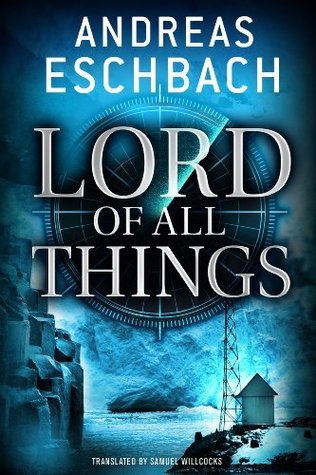
Lord of All Things

Rate this book

Winner of the 2012 Kurd-Laßwitz-Preis for best German science fiction novel, Lord of All Things is also a story about love against all odds.

They are just children when they meet for the first time: Charlotte, daughter of the French ambassador, and Hiroshi, a laundress’s son. One day, Hiroshi declares that he has an idea that will change the world. An unprecedented idea of how to sweep away all differences between rich and poor.

When Hiroshi runs into Charlotte several years later, he is trying to build a brighter future through robotics. Determined to win Charlotte’s love, he resurrects his childhood dream, convinced that he can eradicate world poverty by pushing the limits of technology beyond imagination. But as Hiroshi circles ever closer to realizing his vision, he discovers that his utopian dream may contain the seeds of a nightmare—one that could obliterate life as we know it.

Crisscrossing the globe from Tokyo to the hallowed halls of MIT to desolate Arctic islands and Buenos Aires and beyond—far beyond—Lord of All Things explores not only the dizzying potential of technology but also its formidable dangers.

656 pages, Kindle Edition

First published September 16, 2011

164 people are currently reading
1811 people want to read

About the author

Andreas Eschbach

160 books819 followers
Andreas Eschbach is a German writer who mostly writes science fiction. Even if some of his stories do not exactly fall into the SF genre, they usually feature elements of the fantastic.

Eschbach studied aerospace engineering at the University of Stuttgart and later worked as a software engineer. He has been writing since he was 12 years old. His first professional publication was the short story Dolls, published in 1991 in German computing magazine C't. His first novel was published in 1995. Five of his novels have won the Kurd-Laßwitz-Award, one of the most prestigious awards in the German SF scene.

His novels have also been translated into a number of languages, including English, French, Italian, Russian, Polish, Turkish and Japanese.

In 2002, his novel Das Jesus Video was adapted for German television. In 2003, his novel Eine Billion Dollar was adapted for German radio. As of 2006, his only novel translated into English was Die Haarteppichknüpfer, published in 2005 as The Carpet Makers.

Ratings & Reviews

What do you think?
Rate this book

Friends & Following

Create a free account to discover what your friends think of this book!

Community Reviews

5 stars
1,833 (45%)
4 stars
1,391 (34%)
3 stars
603 (14%)
2 stars
171 (4%)
1 star
56 (1%)
Displaying 1 - 30 of 341 reviews
Profile Image for Althea Ann.
2,255 reviews1,209 followers
March 11, 2015
WHAT THE HELL HAPPENED HERE?

Andreas Eschbach’s ‘The Carpet Makers’ impressed the hell out of me. I’ve been going around for a few years now, recommending it to all and sundry. I was wildly excited that he had a new book coming out in English, and bought it the very first time I saw it up for sale. I even recommended it to others before reading it myself. I hereby rescind that recommendation.

I would never in a thousand years have guessed that this book was by the same author. There’s no similarity. It’s definitely not an issue of translation, either – it’s a matter of content.
I feel like the book aims at being ‘a thinking man’s thriller’ – but it fails both at introducing new and fascinating philosophical concepts and at being thrilling.

Hiroshi is the half-Japanese son of a laundress working at the French embassy in Tokyo. He’s a precocious robotics genius whose skills lead him to befriending the ambassador’s young daughter, Charlotte. His situation leads to an early awareness of class differences and wealth disparity, which instills in him the ambition to someday eliminate poverty from the world. And he has a plan as to how to achieve this goal! (Don’t hold your breath though – the author is coy about what this idea is for over half of the book, and when it’s finally revealed, it’s quite underwhelming and unoriginal.)

After a slow and didactic exposition of these younger years, deus ex machina in the form of a previously-absent billionaire father allows Hiroshi to move to the United States, experience culture shock, and attend MIT.

Then, in a third section, an unlikely concatenation of coincidences causes Charlotte to be present at the discovery of what seems to be super-powerful alien technology – technology that Just Happens to look just like what Hiroshi, now an eccentric recluse, has been working on.
The first two parts of the book are slow-moving personal drama, mixed with occasional didactic insertions of Liberal Thoughts. The third part comes off more as an attempt at a Michael-Crichton-style thriller. In striking contrast to the didactic insertions, the actual subtext of the book is very, very conservative and offensively sexist. Charlotte, a main character, seemingly exists only to be Hiroshi’s Muse (explicitly stated). Without him, she wanders around lost and accomplishing nothing, looking enviously at the women around her who have become personally fulfilled by bearing children, doing housework (yes, really), and caring for their men.

The book features a number of different geographical and cultural locations. None of them are portrayed convincingly. I find myself doubting whether the author has ever visited Japan or the United States, let alone the Arctic. The Japanese and Louisianan settings were just nonexistent and neutral. The Boston setting – especially to someone who’s actually been on both the Harvard and MIT campuses plenty – is just flat-out wrong. I feel like the author did his research by watching some 1980s frat-house comedy movie. He also has the definite opinion that ANY woman enrolled at MIT or Harvard is there to “achieve her MRS. Degree” and once she catches the right husband, she’ll be happy. No one at these schools seems to put much thought or time into their studies.

The worst part (or maybe just a bit that epitomizes and illustrates the whole attitude of the book): Ok, there’s an Artic research expedition going on. Two men, two women. One of the men is taking photos for the media. He says: “Ladies! … Could you do something that looks like you’re working? From over here it looks like Adrian [the other guy] is doing everything and you two are just standing watching.” The ‘girls’ giggle and respond “Well, that’s what’s happening, isn’t it?” Then the guy directs them what to do so it *looks* like they’re competent researchers, for the press. Throughout the book, it’s like this. Men are the ‘doers.’ Charlotte has a special talent, but it’s just something she’s born with, not something she works at or uses effectively. Over 650 pages, this gets really aggravating.

I’m adding one star for a cool (and devastating) theory as to why, in a galaxy filled with planets, we’ve never been contacted by alien life. But that’s one worthwhile paragraph in a book that overall, is not worth the time.
Profile Image for Mario the lone bookwolf.
805 reviews5,439 followers
May 23, 2023
Some grains of nanotech are sprinkled over a primarily character focused work.

Sci fi plot partly separated from the protagonists' life
There are some good moments of the same quality as one is used from US and UK authors, especially the rare scenes with real sci-fi tech and the research and thriller style conspiracy surrounding it, the rest is European literature business as usual disguised as sci-fi, but mostly character driven stories with their redundancy problems irrelevant to the scientific plot, because no fusion of plot and characters, no real promise, progress, and payoff on the meta and advanced plot level is happening. If I would want to read about average people, I would read books without any fantastic or sci-fi elements, thank you.

Tell me what happens, not how characters feel when it happens
So there it is again, the incapability of most European authors to do worldbuilding and do exposition in suspenseful dialogues and action that show the world, character development, etc., while always several elements are combined, switched, and a cool big question in the background with evil entities is waiting to haunt the heroes and make is suspenseful to read.

Please be correct with naming genres. Or just copy and paste good ideas
Without Eschbachs´ writing skills and talent, this would be a very average one, so it is an emotional, character introspection driven story with some pieces of Sci-Fi and tropes thrown over and through the whole thing. I really don´t want to be cruel, it´s a solid 4 star, but I don´t get why European authors and publishers define works that have close to nothing to do with real sci-fi as mindboggling milestones of the genre, when just the working concepts of UK and US authors that are writing for decades, some soon a century ago, with great success would have to be copied.

Fantastic realism ruined everything
Iain M Banks once said that fantastic realism, I will subjectively add snobbish fringe quality Nobel prize literature attitude, ruined Europe´s sci-fi literature and I couldn´t agree more with that. The few really great authors at the level of the grand English ones aren´t read and the ones who don´t write sci-fi are getting famous and successful in this genre, it´s very, very strange, as if European readers would be afraid of novels that don´t have close to at least 75 percent boring, present day character drivel.
Profile Image for Ryandake.
404 reviews58 followers
August 9, 2015
this review refers to the audiobook version.

i think the title is missing a punctuation mark: Lord, Of All Things.

i'm going to go on a bit in this review, and be SUPER-SPOILERY. consider yourself warned.

.
.
.
.
.
.

still with me? ok let's go.

is this the Andreas Eschbach who wrote The Carpet Makers? really? the same guy, not his evil twin? cause i adore The Carpet Makers. it rocks on so many levels, from its construction to its conclusions. but Lord of All Things... lordy, lordy, lordy.

let me get the good stuff out of the way, since it will be brief: there are some really interesting scientific ideas in this book, and for the most part they're explicated clearly and not at mind-numbing length. Eschbach balanced the needs of story against the need for education pretty well, and this is very much more easily said than done.

the opening, introducing us to the lonely child and proto-geek Hiroshi and the diplomat's daughter Charlotte, was also rather fetching.

there you go. that's all the good stuff.

so the book's all about Hiroshi's desire to see the development of nanotech, so that nobody will ever have to do a McJob again. he wants to see everybody have all the toys they ever want without having to slave away to get them. if he can only just get his assemblers right...

Hiroshi also desires one other: Charlotte.

altho one can hardly understand why! Charlotte is such a spineless dishrag of a character, never really wanting anything her whole life, apparently. she just sort of drifts through the book like a dandelion seed, being in the right place at the right time for Hiroshi to explain things to her and to divest him of his virginity. she even generously develops brain cancer at the end so that Hiroshi can come save her from death with his super-duper nanites.

the women in this book... ugh.

here's the deal: not a woman passes through the pages without being described down to her navel (innie or outie). guys are described by their qualities; women are described by their appearance. and then criticized! as in, she could have done something better with her hair; she should never wear purple with that skin color. whatever. which is perhaps just as well, because no woman in the book ever seems to want to accomplish anything--presumably then they can just stay home and pluck their eyebrows.

this is not an example of an author trying to understand the opposite sex, and failing. this is writing the opposite sex purely from the point of view of (yep, you got it) the male gaze. with a heaping helping of male wish fulfillment.

and it is absolutely infuriating in this book, cause it's on every page.

other weirdness abounds: part of the book is set in the US, presumably in contemporary times. but it sounds like a totally weird mix of now and the 1950s. the sexual politics in particular are so 1950s they're almost laughable. maybe hookup culture doesn't exist in Germany (where Eschbach's from)? in Eschbach's US, women have sex with importunate men to get them in a marrying frame of mind. so that the women can then quit this educational foolishness and have babies.

ok, ok, trying to cool my jets on the women. really. i'm trying.

so! Hiroshi leads a stereotypically solitary geeky life, working against the fools who would sabotage him at every turn, to get his nano-machines going. other than that once with Charlotte, women don't get on the radar unless he needs a housekeeper. because he's dedicated, you understand? he's dedicated. we are told super-often that he's dedicated, just in case we might forget. we're supposed to admire this rather than find it a little obsessively creepy.

things bounce along through a number of pretty improbable events until we get to the end. Hiroshi's used nanotech flowing from his brain (his actual meat-brain, not the metaphorical one) to cure Charlotte's cancer and ridden off into the sunset, because of course government baddies Can't Allow Him To Live. he builds himself a nano Mandelbrot castle in the awareness that he'd rather die than be held captive. and then he commits ritual seppuku.

what?!?!? this guy who has never, not on any page of the book, showed any interest whatsoever in his native culture?!!?!? he suddenly gets out the short sword and the white robe, writes his death poem, and romantically exits the stage to the weeping of a nano-shamisen?

lordy, lordy. i could go on, there's just so much in this book that'll flay your sensibilities. i had an occasional sneaking suspicion while reading this that the publishers translated some early work of his and served it up in English as a contemporary work. i'll have to check this out, because this is not the Eschbach i know. this is a far, far less mature writer, in every sense of the word.

go read The Carpet Makers instead.
Profile Image for Alexandra .
936 reviews362 followers
December 25, 2014
Am Anfang schien dieser Roman von Andreas Eschbach ein wirtschaftliches bzw. moralisch ethisches Konzept zu beinhalten, wie man für alle Menschen Reichtum gewährleisten könne, und auf die Antwort war ich sehr gespannt. Nach einer traditionellen technisch in sich konsistenten theoretischen Lösung des Problems inklusive aller nachhaltigen Ressourcen- und Energiefragen bzw. -restriktionen bleiben wirklich nur noch gesellschaftliche Fragen übrig, was Menschen ohne Arbeit dann mit sich und ihrer Umwelt anfangen würden.

Eschbach vollführt an dieser Stelle der Geschichte die erste wunderbare Wendung, indem er ein epochales Scheitern des praktischen Experiments konstruiert, das ebenso logisch wie simpel ausgedacht ist und das tatsächlich einem perfektionistischen Techniker in der Theorie entgangen sein könnte. Herrlich! Dann dreht sich die Geschichte erneut um 180 Grad zu einem netten Liebesroman, in dem die beiden Hauptprotagonisten einfach nicht zueinander finden können und als mir gerade ein bisschen langweilig wurde, befinde ich mich innerhalb von ein paar Seiten in einer Szenariokombination von Lems Unbesiegbaren und Terminator 2 - Wahnsinn! Zum Schluss werden auch noch Alternativhypothesen bezüglich der Existenz von Ausserirdischen in unserem Universum aufs Tapet gebracht, die als Forschungshypothese genauso fundiert sind, wie die heute wissenschaftlich anerkannten Theorien.
Ich liebe die Logik des Autors und bin wirklich froh, dass er Luft- und Raumfahrt studiert hat, um mit seinen Hintergrundwissen solche Stories schreiben zu können.

4,5 Sterne (aber aufgerundet) denn die Liebesgeschichte war mir um eine Nuance zu lang :-)

Fazit absolut lesenswert, dieser Roman der viele ethische, wirtschaftliche, romantische, klassisch technische und Science-Fiction Elemente aufweist und daher für mich sehr schwierig einzuordnen ist.
Profile Image for Sarah Bookmarked.
84 reviews524 followers
September 1, 2018
2,5 Sterne

Die Grundthematik ist extrem spannend, aber leider konnte ich mit der Geschichte drum herum nicht viel anfangen. Über einen sehr langen Zeitraum hinweg erzählt das Buch lediglich die Lebensgeschichte von Hiroshi und Charlotte, die sich im Kindesalter kennen lernen und dann im Zuge ihrer beruflichen Laufbahn immer wieder aus den Augen verlieren. Da geht es um Beziehungen, wissenschaftliche Erfolge und Sinnkrisen, die mich aufgrund der flachen Charakterisierung aller handelnden Figuren kaum interessierten und das Grundthema in keinster Weise unterstützten. Als hätte man die eigentliche Geschichte zwanghaft strecken wollen.

Wenn es dann endlich wieder um die außergewöhnliche Erfindung von Hiroshi ging, habe ich das Hörbuch interessiert verfolgt, blieb aber auch immer etwas unzufrieden zurück, weil die wissenschaftlichen Aspekte nicht intensiv genug beleuchtet wurden. Obwohl das Buch also einen gewissen Science-Fiction Aspekt besitzt, wird es dem Genre durch seine Oberflächlichkeit nicht gerecht. Dadurch habe ich mich oft gefragt was der Autor nun eigentlich schreiben wollte. Alle Genre die hier vertreten sind werden nur halbwegs bedient, was für mich das ganze Buch sehr schwammig machte.

Ich habe es beendet, bin mir aber sicher, dass ich kein weiteres Buch von Andreas Eschbach lesen werde.
Profile Image for Jennifer Collins.
Author 1 book41 followers
February 12, 2014
Eschbach's Lord of All Things is a weave of nearly every major genre you could search out--though a science fiction novel at heart (at least by the end), it includes elements of romance, mystery, drama, horror, suspense, adventure, and even some small element of the supernatural. Probably, the book will lose some readers exactly because of this variety, but for many readers, I think it is exactly this variety that makes the book so impossible to walk away from. Perhaps because I read so little science fiction, this mix was especially effective for me, and might be most appealing to readers who have truly eclectic tastes...but one way or another, I'd expect any reader to find some entertainment here. And, importantly, the book is also a careful and believable exploration of day-to-day struggles--crazy as some of the events are, and extraordinary as some of the characters are, Eschbach never forgets that normal struggles and fears are at the base of any individual, and he does an admirable job of allowing those concerns to make his work all the more powerful and believable without ever losing the drive that comes from dipping into the genres noted above.

Following the lives of a man and woman whose lives boomerang against each other time after time, and taking its seed from a young boy who lives in poverty and dreams of fixing the world and, most importantly, eliminating poverty, the novel is magnificent in scope. Moving across the globe and landing in such settings as Boston, Tokyo, Scotland, the Arctic, and Buenos Aires, as quickly as the novel moves, it never becomes tedious or predictable--or rather, when you think it might be predictable, Eschbach takes an unprecedented turn that, in hindsight, fits perfectly, even as much as readers wouldn't have seen it coming.

On the whole, this is one of those works which, long as it is, can barely be put down for sleep once a reader has really begun, and there's something here for nearly everyone. True, it has some faults. Some scenes seem more tangent than necessity (especially in the first portion of the book), developing characters and motivations that only become clear much later and giving time to perhaps one too many subplots. And, really, only the two primary characters in the book are fully fleshed out and developed as much as one might hope for all of the characters. But, while some readers may end up seeing Eschbach as attempting too much...I have to say that I'll read anything else of his which I can find in translation. Whether you read this and become fascinated by the scientific drive, the politics of achievement, or the simple drama of living, there'll be something here to keep you involved.

Absolutely recommended.

Oh, and on a sidenote, I also need to mention that this book was received through the Goodreads First Reads Giveaway Program. I signed up for it on a whim, and I'm not sure how I lucked into getting it, but I am so glad that I did!
Profile Image for Oleksandr Zholud.
1,541 reviews155 followers
December 14, 2023
This is a novel that mixes an SF, fantasy, thriller, horror with a bit of action and romance from German SF writer Andreas Eschbach. Previously, I’ve read only The Carpet Makers by him, which is also good but quite different – as if they are written by different people. I read it as a part of the monthly reading for December 2023 at Speculative Fiction in Translation group.

The story starts with a boy and a girl (aged around ten) on a swing. The boy is named Hiroshi and he tells the girl named Charlotte: “I know what you’d have to do so that everyone could be rich,” – this is the very first sentence of the novel. Then they discuss that it isn’t a simple method of giving everyone money, but something else: “Why nobody had the idea of how to do it before me,” Hiroshi yelled. “It’s so incredibly simple.” So the story begins.

Readers soon discover that Hiroshi Kato is the son of a Japanese mother and an American father, now living with the former because of some bad blood with the father’s family. She works as a main in the French embassy and lives next to it. Charlotte Malroux is the daughter of a French diplomat and as a precaution, she isn’t allowed to leave the embassy. Hiroshi notes her once and is entranced, sitting all his free time near the window trying to spot her. Once Charlotte broke her doll and threw it away, but Hiroshi repaired and returned it, thus meeting her for the first time face to face. As it turns out, the boy is a talented mechanic, while the girl has a more unusual talent: if she touches a thing that belonged to someone, she can tell about that person, including their dreams, fears and hopes. The setting reminded me a bit of a Hugo-winning novel All the Birds in the Sky, with mixing SF and fantasy in protagonists’ talents, but the development of both stories is quite different.

Parents of both children are wary about their friendship, for they differ enormously in status due to their respective wealth. This makes Hiroshi think hard about a way to make everyone rich: “Rich people need poor people to do the work for them!” – so to make everyone rich, labor should be freely available in unlimited quantities.

The rest of the story is about their growing up, Hiroshi working in robotics and Charlotte pursuing a career in anthropology, where her unique gift gave her hints about pre-history civilizations. They also have rich personal lives. There are quite a lot of unexpected twists, even if two Chekhov’s guns are almost highlighted at the start.

A solid SF novel.
Profile Image for Die.
126 reviews6 followers
January 15, 2022
4.5 Sterne

In Herr aller Dinge geht es um den Jungen Hiroshi. Zu Beginn des Buches befindet man sich in Japan und bleibt da auch erstmal eine Weile. Ich empfand es sehr authentisch wie Eschbach das Leben in Japan geschildert hat. Keine ahnung ob es stimmt, aber steigt man in Japan im Bus hinten ein, zieht da eine Karte und zahlt beim aussteigen vorne? Zumindest wirkte es glaubwürdig.

Dann gibt es noch Charlotte, ein kleines Mädchen des französischen Botschafters in Japan. Hiroshi und Charlotte sind zu Beginn 10 Jahre jung und freunden sich miteinander an. Hiroshi hat eine Vision - er will dass es keine armen und reichen Menschen mehr gibt und hat dazu eine Vision. In beinahe der ersten Hälfte verfolgen wir ihre Leben. Sie werden älter und wir folgen ihren Leben. Das war so eine der Geschichten, zumindest auf den ersten ca 300 Seiten, bei der man sich einfach zurücklehnt und genießt. Es passiert gefühlt nicht viel - man liest von ihren Leben. Ihren Zielen, ihren Problemen, ihren Wünschen - aber stets glaubwürdig, realistisch und auch interessant.

Dann wird es plötzlich interessanter. Hiroshi deckt langsam auf wie er es schaffen will dass alle Menschen alles haben können. Eine Utopie. Dabei drängen sich auch immer mal wieder philosophische Fragen auf. Wir tun was wir tun damit andere Reicher werden. Wir arbeiten also quasi für die Reichen. Was wäre wenn man tun und lassen könnte was man will? Wenn man zb seine Leidenschaft an die Kunst verloren hat, aber in unserem Leben dieser Leidenschaft nicht nachgehen kann, weil man nicht genug verdient? Und was ist wenn es möglich sein sollte, dass alle Menschen gleich sind? Tolle Gedankenspiele, die sich in dieser Geschichte auftun ohne dabei abstrus zu werden. Nein, es fühlt sich alles so gar nicht mal abwegig an.

Nachdem wir dann also in der Mitte einen Spannungsbogen haben der hoch geht, fällt er wieder ein bisschen ab, ehe die Geschichte auf den letzten 200 Seiten dann so richtig Vollgas gibt und es alles möglich zu sein scheint.

Insgesamt hat mir dieses Buch sehr sehr gut gefallen, wenngleich es aber gerade in der ersten Hälfte, etwas kürzer hätte sein können. Wobei, vielleicht wäre dann das spätere Erlebnis nicht so gewesen wie es letztlich war. Immer schwierig 😅
Jedenfalls eine Geschichte die eine hohe...Dichte?...hat. Man liest 300 seiten und denkt sich, man hätte schon doppelt so viel gelesen. Ein toller Eschbach Roman
Profile Image for Gabi.
729 reviews163 followers
January 13, 2024
What happened to the author of the fantastic and unique hair carpet makers?
I went in with a lot of expectation and came out completely disappointed.
It started well with two children from different wealth classes being friends and talking about their dreams and quite interesting talents. But then it changed towards college/university days with so many flat characters, stereotypes and outright sexist writing that it had me cringing to no end. It felt as if all the potential set up in the first part was just blown away for some cheap college stuff. Plus the POV of a character was introduced who was completely superfluous to the whole story and was only there to be an a*** and stretch the novel unbearably.

The last part then had more of the 60 kind of look at females, emphasising more than once how content they felt caring for their men, cooking and keeping the house clean (and we are talking about women with degrees from Harvard). I had to look up the year of release - so irritated that made me.

Then it turns into a horror on the ice story, which was at least finally a bit exciting, even though still flat in a typical thriller way.

It is a shame, because there was such potential there, especially with Charlotte's intriguing gift that somehow went nowhere in the end.

At least it had the most inventive explanation for why we never received messages from alien lifeforms that I've read so far.

I think I don't exaggerate when I say this book could have well done with only half of its pages.

I will read one more book by this author to see if this one or the hair carpet makers were the exception.
Profile Image for Aleshanee.
1,720 reviews125 followers
June 23, 2015
Zum Inhalt

Das Buch beginnt recht ruhig mit dem Leben von Hiroshi in Tokio, der zusammen mit seiner Mutter in einer beengten Wohnung gegenüber der französischen Botschaft aufwächst. Als er zufällig die Tochter des französischen Botschafters, Charlotte, kennenlernt, ist er grade mal 10 Jahre alt, doch obwohl die beiden getrennte Wege gehen, scheint das Schicksal andere Pläne mit ihnen zu haben. Auf seinem Lebensweg begegnen Hiroshi ständig die Unterschiede, Hürden und Dogmen, die die Gesellschaft sich durch das Geld geschaffen hat.
Durch seine Mutter hat er schon als Kind lernen müssen, welch großen Unterschied es macht, ob Menschen viel oder wenig Geld haben. Seine Gedanken kreisen um dieses Thema, denn im Laufe seines Lebens wird er immer wieder mit den Spannungen der Gesellschaft konfrontiert, die alleine aufgrund des Geldes entstehen.
Doch er hat einen Plan und setzt als Erwachsener alles daran, dieses Ungleichgewicht aufzuheben: er hat eine Idee, wie alle Menschen gleich reich sein können ...

"Es ging, was Reichtum anbelangte, in Wirklichkeit gar nicht um Geld, wie alle immer dachten.
Es ging darum, wer die Arbeit tat!"
S. 76

Meine Meinung

Ich habe in einigen anderen Rezensionen gelesen, dass das Buch viel zu lang ist und man sich einiges hätte sparen können. Der Meinung kann ich mich nicht anschließen, denn ich fand das Buch von der ersten bis zur letzten Seite einfach nur fesselnd!

Zuerst habe ich natürlich auch ganz neugierig darauf gewartet, was denn nun dieser Plan ist, wie Hiroshi Kato die Menschheit von der Last der Macht des Geldes befreien will - aber Andreas Eschbach hat mich so geschickt mit der Geschichte der beiden Protagonisten in den Bann gezogen, dass das gar nicht mehr so wichtig war.
Dabei erzählt er aus der auktorialen Sichtweise und wechselt die Perspektiven meistens zwischen Hiroshi und Charlotte.

Die beiden haben keinen einfachen Start ins Leben, jeder von ihnen trägt eine andere Art von Last. Gerade Hiroshi, in armen Verhältnissen aufgewachsen, spürt sehr oft, wie sehr der Besitz von Geld, oder dessen Fehlen, den Menschen beeinflusst, während Charlotte niemals finanziellen Mangel leidet, es ihr dafür aber an Gefühlen fehlt.
Von ihrer Kindheit an erhält man einen Querschnitt ihres Lebens und wie das Schicksal zwischen ihnen die Fäden spinnt. Beide sind extrem eigenwillig und scheinen etwas gemeinsam zu haben; dabei kamen sie mir meistens vor wie Feuer und Wasser.
Obwohl ich mit keinem von beiden wirklich wahre Freundschaft schließen könnte, habe ich mit ihnen mitgefiebert und mitgelitten. Eschbach hat es hier wunderbar verstanden, echte Gefühle und Gedanken zu transportieren, die manchmal unangebracht scheinen, aber gerade darum nur allzu menschlich sind. Hiroshi hält hartnäckig an seinen Zielen fest, wirkt aber immer einsam, ohne wirklich Ruhe zu finden. Getrieben von seiner Idee und dem eisernen Willen, seinen Plan in die Tat umzusetzen, muss er viele Brücken hinter sich abreißen.
Charlotte ist ebenfalls einsam, aber auf ganz andere Art und Weise. Auch sie wirkt getrieben, doch hat sie kein Ziel vor Augen, auf das sie zusteuern könnte. Als würde sie nicht zu sich finden und eher unbedacht vor sich hin leben.

Zur Thematik gibt es wieder eine wahre Flut an Gedankengängen und Handlungssträngen, bei denen man die Hintergründe gar nicht vermutet und trotzdem läuft es doch immer wieder auf das leidige Thema Geld und Macht hinaus. Egal, ob es um die Lebensgewohnheiten der Japaner geht, die frühe (die sehr frühe) Menschheitsgeschichte, eine Polarexpedition oder die Nanotechnologie - der Autor baut alles so geschickt in die Geschichte ein und ich bewundere immer wieder das ganze Wissen, das er mit einfachen Worten so beeindruckend vermitteln kann!
Es klingt bunt zusammengewürfelt, aber es kommt im Laufe der Seiten immer mehr der Sinn dahinter hervor. Alles ist logisch aufeinander aufgebaut und obwohl ich nicht immer sofort wusste, wohin die nächste Entwicklung führen wird, war alles bis ins Detail konsequent und schlüssig durchdacht!
Die erste Hälfte des Buches wächst langsam heran, was sich aber nicht unnötig in die Länge gezogen hat, sondern nötig war, um den Effekt zu erhöhen. Denn die Geschichte entwickelt dann plötzlich eine Eigendynamik, die die Spannung extrem erhöht! Von einem Moment auf den anderen passiert auf einmal etwas völlig unerwartetes und ich bin nur noch fassungslos und fasziniert durch die Seiten geflogen! Gegen Ende hab ich sogar tatsächlich in einer Szene Gänsehaut gekriegt und einige Tränen sind geflossen. Wieder mal ein sehr beeindruckendes Buch von Herrn Eschbach :)

Manche Puzzleteile wurden etwas konstruiert auf den besten Platz gesetzt, aber das hat mich nicht wirklich gestört.

Fazit

Trotz der ruhigen Atmosphäre und dem langsamen Aufbau der Geschichte war ich von Anfang an fasziniert. Wie Andreas Eschbach hier mit der Idee spielt und so viele abwechslungsreiche Facetten zeigt und dennoch beim Thema bleibt war ein genialer Zug. Der Überraschungseffekt mit einem eiskalten Guß ist ihm auf jeden Fall gelungen! Eine wunderbare Geschichte, die einen zum Nachdenken bringt.

© Aleshanee
Weltenwanderer
Profile Image for Mihai.
87 reviews1 follower
February 6, 2017
I do not have a recent recollection of reading a book worse than this and I'm completely baffled as to why the germans awarded this young-adult wannabe saga with so many prizes.

"Lord of All Things" hits, one by one, in an amateurish frenzy, all the major faux-pas an author can make: "thought verb" abuse, boring walls of text that are never unpacked in credible dialogue, over explanations of ideas, weak character development, ridiculous female characters that hit all the male gender stereotypes, out of the ass twists that brutally turn the plot with the grace of a bulldozer running over a tulip plantation, nanotechnology spiced with pre-highschool science, a housemaid with a porn actress name and not to forget, ALIENS!

With a book like this you get the urge to blame everybody in the production chain: the author (were you 14 when you wrote this?), the editor (what were you smoking man?) and the translator (you sadist mofo!). One could've easily chopped 400 pages out of the 650 to shorten the ordeal and story-wise nothing would've been lost.

But my biggest pet peeve was how the author concocted this steamy mumbo-jumbo just to push his "uber-nerdy" idea and shove it down our throats like an engineer on a god damn mission. Every page in this book is a slave to the "grand" idea the author had at one point in his early young adult life: "how to solve poverty on the planet" and unlike Ayn Rand, which at least wrote a tolerable story around her shitty objectivist philosophy, this guy fails all the check boxes there are in the "how to write a story for dummies" book!

Long story short this is the story of a little japanese nerdy boy, Hiroshi, who befriends Charlotte, a special rich girl that can tell the story of the owners just by touching their things. While playing in the garden of the french embassy in Tokio, Hiroshi gets the idea of how to cure mankind of poverty, but doesn't share it with anybody yet. The magic pair then gets separated, they go to university where they meet again by sheer luck. Hiroshi is still a nerd, sleeps with this unimportant filler female character and Charlotte sleeps with the richest douche bag from Harvard. It's at this point when Hiroshi breaks up with his girlfriend like one throws away a pair of broken shoes and Charlotte proceeds to give him some sex out of mercy. Charlotte's rich cheating boyfriend finds out that his woman slept around and proceeds to administer some whoop-ass to Hiroshi, but beating up a japanese kid was never easy so he cannot defeat the native ninja moves our little man has. Charlotte then dumps his ass, after she finally comes together and confronts him with all his infidelities, all by touching his clothes and getting the magic vibes of course. Why couldn't she have touched his pants before to find out?...we're never told!

Our idyllic couple is again separated until one day when Hiroshi invites Charlotte to his special place on a remote island to show her his idea in practice: robots that could execute special tasks and combine in multi-purpose machines, able to self-replicate and save mankind from poverty. He really knows his ways with the ladies!

Things go bad and Hiroshi's robots fail as they copy over their tolerance errors and his mighty plan fails like a tower of cards. Charlotte in the meantime proceeds to fill the void in her life by sleeping around with a bunch of more unimportant male characters while Hiroshi moves in with an old housemaid with a porno name: Patricia Steel!

Hiroshi doesn't give up and takes his mission to the next level: nanotechnology. His idea is to just assemble matter, atom my atom, but he soon discovers the technology is not there for this. No kiddin'!

You have to imagine that he also explains all this boring techno-crap to Charlotte with the patience a kindergarden teacher has with his class of toddlers. I read all these pages and my soul was dying with every page turn!

We're at page 400 by now and the author decides to pull a 'deus ex machina' out of his ass and introduces Aliens. And not any kind of aliens, but an alien probe made with nanotechnology. How convenient! Hiroshi's problem is solved! Coincidence? I think not!

Shit goes haywire and Hiroshi proceeds to save the day and merges with the alien technology. He develops god like powers and while being chased by the military he commits suicide in a very special way.

Call me insensitive but the way he ended his life was the only thing put a smile on my face!

SPOILER AHEAD: he uses the alien nanotechnology to make a japanese sepuku knife out of the 4 grams of iron in his blood. Left without iron in his blood, he suffocates and dies in a 3D fractal Mandelbrot! I kid you not!

The book ends with Charlotte being given the remains of Hiroshi, the feather like knife made out of the iron in his blood and she looks back to the love that could have been between the two of them and proceeds to write the story of their lives together.

Mother of god!
Profile Image for Wendy.
621 reviews145 followers
October 18, 2015
This is a difficult book to recommend. The ratings on Goodreads vacillate between 1-2 stars and 4-5 stars. Either you love it or you hate it. I'm going to go right down the middle. I didn't love it, but nor did I hate it, and I can see why readers on either side of the scale feel the way they do about it.

The prologue offers an enticing hook: A young boy, Hiroshi, the son of a cleaning lady, promises his new friend Charlotte, the daughter of the French ambassador, that he will change the world by removing the distinctions between the rich and the poor. It seems like the promise of an idealistic child, as the story progresses from their childhood to adulthood, Hiroshi's genius and determination seems to be set to make his dream a reality. And though Charlotte does not believe as Hiroshi does that they are intrinsically bound together by fate, their paths continue to cross as Hiroshi sets about bringing a new world order.

The story is mainly told through the eyes of Hiroshi and Charlotte, but several other people in their lives get PoV chapters to continually support or throw cogs in the wheels of Hiroshi's plans. It begins with the pair as children, then slowly moves through pivotal moments in their lives where they come together and separate. At first, this deterred me, as the next step in their process was a very annoying college age where too much time was spent with a particular character obsessed with making good use of his penis. It established the character well enough, and his return later made sense, but I could have done with less of him during his young adult years. I also didn't quite understand how this transition worked for the overall plot, until further, less annoying time transitions were introduced and Hiroshi's plans really started to come together.

This is also where the science fiction aspect slowly started to slip in, as Hiroshi works to perfect his self-replicating robots that can do anything. Also of note, there is, as I understand it, real science involved, but Eschbach does not overwhelm with the descriptions. Often times, science fiction featuring brave new worlds begin when this world has already begun. Here, we see it being built from idea, upward--but we also discover, through links to Charlotte's unique paranormal ability, that perhaps things have been churning long before anyone ever imagined.

This is a slowburn book. Neither the relationship between Hiroshi and Charlotte, or Hiroshi's world changing plans ever moves at a fast pace--nor do they go where one might expect based on the usual genre tropes. For this, I really did appreciate Eschbach's process, and I certainly liked his characters and their bittersweet lives.

www.bibliosanctum.com
Profile Image for Phoenixfalls.
147 reviews86 followers
March 16, 2014
Overall Satisfaction:
Intellectual Satisfaction:
Emotional Satisfaction:
Bechdel Test: Pass
Johnson Test: Pass
Will I read more by this author? Maybe. Definitely not with this translator.

I loved Andreas Eschbach’s previous novel, The Carpet Makers, currently his only other novel translated into English. It was very much an idea-driven science fiction novel, old-fashioned in a very good way, fitting nicely in the tradition of Arthur C. Clarke and Larry Niven and Isaac Asimov. And the translation by Doryl Jensen was superb, the prose clear and spare and elegant in a way that made the eventual mystery reveal more powerful.

Unfortunately, I could not even finish Lord of All Things.

It is a much more modern novel. The Carpet Makers was episodic, each chapter essentially a short story of its own where the connection between them was simply that each story brought the narrative a little closer to the big reveal of the ending. Lord of All Things, on the other hand, is a continuous narrative, following Hiroshi Kato’s life from his childhood in Japan to his college years at MIT to what I assume will be his adult life as one of the world’s leading robotics experts.

The Carpet Makers’ strength was Eschbach’s (and Jensen’s) skill with building atmosphere, and with dispensing clues to the central mystery one by one at exactly the right pace to keep the dramatic tension rising. The strengths required by the story Lord of All Things seems to be telling are very different – this novel needs Hiroshi, at the very least, to be a compelling character, a character with charisma (for the reader, if not necessarily for the other characters around him). And with the number of words devoted to setting each scene it also really needs a writer with the gift of capturing a sense of place, the specific details that make it the French Ambassador’s compound in Tokyo or an MIT frat house instead of just a generic place where rich people live or place where college students get drunk. And for me, Eschbach failed at both of these elements, failed so miserably that I could not stand to read more than 160 pages of the 647 page novel.

(Read the rest of my review on my book review blog!)
68 reviews2 followers
March 24, 2018
Das Positive vorweg:

Herr aller Dinge ist angenehm geschrieben. Eschenbach schreibt nicht sonderlich kunstvoll, hat aber für Science-Fiction eine brauchbare Sprache gefunden und man kann seinen Roman schnell runterlesen. Seine beiden Protagonisten wirken realistisch und dazu sympathisch. Dieses Buch zu lesen, ist also alles andere als eine Quälerei.

Gleichzeitig hat das Buch aber einen Haufen Schwächen und die beginnen schon mit dem Grundthema: Wenn man den Beginn liest, erwartet man eine völlig andere Entwicklung und ich habe an dieser Stelle den Bruch mit meinen eigenen Erwartungen nicht positiv empfunden. Der Bruch war viel zu früh für einen finalen Twist, sondern er hat die Prämisse, warum man das Buch länger als nur ein paar Seiten gelesen hat, in Zweifel gestellt und könnte andere Leser dann auch völlig vom Weiterlesen abhalten.

Dazu kommt, dass ich den Eindruck habe, dass der Autor das Buch über einen sehr langen Zeitraum oder mit einer sehr langen Pause dazwischen geschrieben hat. Dies zeigt sich z.B. an Kleinigkeiten: Eine Unix-Workstation mit einem "Parallelprozessor" wird als Supercomputer bezeichnet. Dualcores gibt es auf dem Massenmarkt aber mindestens seit 2007.

Gleichzeitig geht ein Teil der Handlung spätestens ab der Mitte völlig verloren und bekommt nur noch eine Anstandserwähnung ganz am Ende. Ich persönlich fand diesen Aspekt der Handlung nicht gut, er passte auch nicht zum Rest der Handlung, aber war drin und definiert die zweite Protagonistin, verschwindet aber dann auf einmal fast völlig aus der Handlung und wird bis zum Ende nicht erklärt. Ich vermute, dass der Autor dort ursprünglich einen ganz anderen Verlauf der Handlung im Sinn hatte, dann aber nicht weiterwusste, das Schreiben des Buches für lange Zeit unterbrochen hat und dann nach Jahren nur einen Teil der Handlung fortgesetzt hat. Ergebnis ist aber, dass die zweite Protagonistin dadurch flach bleibt und ihre eigene Entwicklung nur noch vom anderen Protagonisten abhängig ist.

Und das Ende insgesamt? Dramatisches Klischee über Klischee und eindeutig der schwächste Teil des Buches, der einem leer zurücklässt, weil man letztlich nichts wirklich gelernt hat. Mehr von der kurzen Survival-Horror-Passage aus der Mitte oder dem daran anschließenden Teil wäre besser gewesen.

Fazit: Buch kann man lesen, wenn man Langeweile hat und es gerade bei Amazon oder sonstwo im Angebot ist, man sollte aber nicht allzuviel erwarten.
Profile Image for Bill Back.
11 reviews1 follower
April 26, 2014
I'm not even sure how I got this book in the first place, but it was on my Kindle, so I read it. And am I ever glad I did. It was fantastic.

The book is ostensibly a science-fiction book and it certainly has a lot of the classic elements of good sci-fii. But more importantly, this is a book about well developed characters, which are my favorite kind. I won't give away the details of the book, but it involves multiple characters with their own story lines that all interact over the course of decades.

If you like a good story with well developed characters, this book is a good choice.

Note: There is an English version, which is the one I read. I'm hoping some of this author's other books are translated to English as well, since my German is terrible.
Profile Image for Claire Du Thé.
7 reviews1 follower
December 23, 2023
Hab das Buch mit 16/17 Jahren vergöttert, 10 Jahre später finde ich die Charaktere etwas eindimensional, die hier beschriebenen Beziehungen zwischen Männern und Frauen stereotypisch + problematisch. Welchen Mehrwert haben die so ausführlich geschilderten Gedanken von James Bennett, außer voyeuristisches Interesse zu befriedigen?
Die Ideen, auf denen dieses Buch basiert, sind aber immer noch genial.
Profile Image for Bar Reads.
174 reviews20 followers
August 15, 2017
It starts in Tokyo with Hiroshi, the son of a laundress, and Charlotte, the daughter of the French ambassador.
He watches her standing in her garden looking up at the sky with her nightgown, when it's all rainy, and he's fascinated by her.
Later, he sees her throwing away a bag. That bag had a doll and Hiroshi took it and fixed it and brought it back to her.

Each of them has a special capability we see in the beginning of the book;
This is a sci fi book, but Charlotte has a bit of fantasy, where she can touch an object and instantly “feel” it's history.
Hiroshi has an idea about something big, ans he writes it in his notebook and keeps it to himself.

That started an epic journey of two people all over the world, starting very small and growing and growing until I couldn't contain my curiosity about what what happens next?

It's written as a third person omniscient narrator, we have a lot of point of views in this book, and they are not defined by chapters.
I love these kind of all knowing narrator point of views, they are less limited, but I do prefer it to be separated by chapters.

It talks about nano technology, ancient cultures & social inequality.

Charlotte and Hiroshi are very well developed, fully fleshed out and all the little things you see in the beginning and the middle, they all come together beautifully in the end, there is definitely a grand scheme and it very well thought out.

I listened to it on Audible, it's a brilliant narration of multiple point of views done brilliantly.

Iit was a good ending, narratively, you can see it was planned from page 1, very well thought out and fitting, it may not be wrapped up in a neat little bow, it may be a bit dark, but I could see it coming miles away, putting the pieces together, so I loved the ending, any other ending would be unrealistic and sugar coated and unnecessary.

The one complaint I have about this book, and it's very minor, is that one the point of view characters was so one dimensional and stereotypical and I could have done without it.
But it's a very small part of the book, some pov's only show up once in a while, so I wasn't particularly bothered by it.
4.7 stars.
Profile Image for Jens Walter.
82 reviews2 followers
October 24, 2021
Ich bin es bei Eschbach ja durchaus gewohnt, dass die Bücher immer eine Ecke länger sind, als gut für sie wäre. Dafür haben sie eigentlich immer eine sehr gute Grundidee und arbeiten diese auch nachvollziehbar und für den Leser recht zufriedenstellend ab.

Bei "Herr aller Dinge" ist es leider etwas anders. Hier ist die Grundidee gut - eigentlich gibt es sogar zwei spannende Ideen in diesem Buch - aber was er am Ende daraus macht, ist sehr unbefriedigend. Und die zweite, in meinen Augen sogar noch bessere Idee verläuft komplett im Sande.


So rettet sich das Buch auf wackelige 3 Sterne und lässt mich ob der vertanen Chance verstimmt zurück.
Profile Image for Einar Nielsen.
Author 16 books23 followers
August 15, 2015
If this is typical German sci-fi the German sci-fi is doing very well. It took me a while to get this book and I see from other reviews that some people don't like it. It starts out in one place and then becomes something completely different and repeats that trick a few times. For some time I had no idea where the author was going with this but then the end packs a really great punch and I didn't see it coming.

The story throws around many interesting ideas and looks at them closely, even weaves them together in interesting ways. I would have liked the protagonist didn't inspect human cruelty when he was explaining his Utopian society, but that point is tackled (at least to some extent) in the last part of the book.

The characters are the books main problem. I didn't like the male protagonist a lot, and secondary characters are sometimes the most interesting. Some antagonists didn't get there comeuppance, but life isn't always fair.

So I definitely recommend this, but if you are picky on characters have a look at some other review to make sure this book is for you.
Profile Image for CrossingJordan.
278 reviews43 followers
April 27, 2020
3,5 Sterne ?

Es ist lange her, dass ich so hin- und hergerissen bei einem Buch war. Schon während des Lesens überlegte ich immer wieder, wie ich "Herr aller Dinge" wohl bewerten werde. Letztendlich schwanke ich zwischen 3 und 4 Sternen und habe mich erst mal für die goldene Mitte entschieden. Meinungsänderung nicht ausgeschlossen. ^^

Anfangs war ich wirklich begeistert von dem Buch und habe das erste Drittel innerhalb von zwei Tagen gelesen. Danach gab es immer wieder Passagen, die mir zu lang oder für die Handlung nicht relevant vorkamen. Bis zuletzt war das auch die Liebesgeschichte. Der Showdown lieferte dann noch eine letzte schnelle Abfolge zwischen Genialität und Absurdität, gerne hätte ich über die eine oder andere Erkenntnis noch mehr erfahren.

Schlussendlich hat mich "Herr aller Dinge" aber wehmütig und nachdenklich zurückgelassen. Es wird wohl noch ein paar Tage dauern, bis ich meine Gedanken zum Buch final geordnet habe.
Profile Image for Birgit.
505 reviews55 followers
March 20, 2018
Alles in allem ein gelungenes Buch, das mich jedoch leider erst zu spät und zu wenig gefesselt hat, weshalb ich ziemlich lang gebraucht habe und es sich sehr gezogen hat.
Profile Image for Bjoern.
270 reviews22 followers
January 14, 2012
Was einen immer am meisten berührt, ist, wenn einem das einzige genommen wird das letztlich wirklich zählt... Hoffnung.

So fühle ich mich nach dem Ende dieses Buches, das mich von Anfang in in seinen Bann geschlagen hatte. Und was für eine Hoffnung hat Eschbach hier aufgebaut... vergleichbar midt seinem phänomenalen Roman "Ausgebrannt" begleiten wir in Herr aller Dinge den jungen Japaner Hiroshi durch ein Leben das nur einem Ziel gewidmet ist: die Armut zu besiegen, alle Menschen "reich" zu machen und ihnen ein Leben in Überfluss und Luxus zu ermöglichen.
Das Mittel zu diesem Zweck? Er sieht es in Nanomaschinen, winzig kleinen Apparaten, die wenn sie sich selbst vervielfältigen dazu in der Lage sind in unüberschaubaren Horden in einem Augenblick riesige Mengen Materie auf atomarer Ebene in andere Dinge umzuwandeln. Häuser, Kleidung, Schmuck... man muss nur den Bauplan liefern und die Naniten produzieren es mit unendlichem Fleiss. Und da es ihnen egal ist woher die Atome stammen, können sie zudem aus beliebigen Rohstoffen neue Dinge produzieren, 100% Recycling ohne Verarbeitungsverluste sind damit möglich!
Aber dieser Traum scheint unmöglich zu verwirklichen, bis er eines Tages durch den Zufallsfund einer Bekannten aus Jugendtagen die Lösung auf einem Silbertablett präsentiert bekommt... Und dazu noch mehr, unendlich viel mehr das er nie finden wollte. Entsetzliche Wahrheiten, die ihn zwingen zu entscheiden zwischen der Verwirklichung seines Kindheitraumes und der Zukunft der Menschheit!

Und hier findet er statt, dieser perfide, dieser schleichende Raub dessen was das Buch in seiner ersten Hälfte so großartig gemacht hat... Die Zukunftsvision des Hiroshi Kato ist so phantastisch und so vielversprechend, dass sie leider nicht funktionieren kann. Nein, nicht einmal funktionieren darf. Denn was die Welt sorglos und glücklich machen könnte hat auch das Potential sie in Sekunden auszulöschen und wem würde man mit so etwas bedrohlichem schon trauen? Regierungen? Militärs? Geheimdiensten? Wahrscheinlich nicht einmal diese Gruppen selbst.

Unter dem noch frischen Eindruck des Romans bin ich fast geneigt, ihn zum besten Werk zu erklären dass Andreas Eschbach bislang geschaffen hat. Nicht nur ist das Buch der Traum jedes Geeks, der sich auch nur am Rande mit den angeschnittenen Themen... Von Neumann Maschinen, Außerirdisches Leben, Nanotechnologie aber auch Anthropologie, Ökologie, allgemeiner Zukunftsforschung und der Frage wo kommt der Mensch her (solange einem nicht die Bibel als Antwort genügt) beschäftigt hat, mit Dutzenden intelligenter kleiner Diskussionen und Ideen in allen möglichen Fachbereichen und Trivialitätsstufen von Hard Science bis hin zu Roswell Verschwörungstheoretikern. Andererseits ist es auf seine ganz bizarre eigene Art aber auch so menschlich und emotional geladen (die zwei komplett verschiedenen Leben von Hiroshi und seiner Jugendbekannten Charlotte die sich trotzdem immer wieder überschneiden und berühren tragen dazu enorm bei, Charlotte ist ständig auf der Suche nach einem Sinn für ihr Leben und dem richtigen Partner um es zu verbringen und scheitert doch jedesmal grandios) so voll von wissenschaftlichen und politischen Überlegungen die eigentlich selbstverständlich und logisch sein sollten, aber doch den wenigsten Menschen wirklich klar sein dürften (zB wozu dient Geld wirklich, wer hat den Vorteil davon --> wieso gibt es Armut) ohne wirklich die Bodenhaftung zu verlieren und den Kontakt zu den Auswirkungen der gezeigten Entwicklungen zu verlieren, alles hat immer seine Folgen und manche Folgen sind gerade dadurch so erschreckend, dass sie bei der Formulierung eines Planes nicht einmal ansatzweise zu erkennen waren, aber doch unausweichlich erfolgen MUSSTEN!

Ein weiterer Bonus, unerwartet aber nicht weniger erfreulich, ist, dass hier Eschbach wirklich einmal ein Ende geschaffen hat, das zwar nicht den Effekt von herber Schokolade verströmt, aber doch einen zufriedenstellenden Punkt beschreibt an dem die Geschichte sich auserzählt fühlt und man nicht den Eindruck hat am spannendsten Punkt eines Lebens im Stich gelassen worden zu sein (wobei das eher eine Jugendsünde war, der Nobelpreis und König von Deutschland hatten auch schon passable Enden, während das Problem des abrupten Endes eher Frühwerke wie Jesus Video, eine Billion Dollar oder Quest betraf). Eschbach + lesenswertes Ende = 100% Fangasmus Garantie!
Ich muss bislang noch mein erstes Werk von Frank Schätzing lesen, aber auf dieser Ebene halte ich jederzeit die Fahne hoch für Andreas Eschbach als Deutschlands bestem Science Fiction Autoren der Gegenwart!
This entire review has been hidden because of spoilers.
Profile Image for Tanabrus.
1,980 reviews191 followers
January 3, 2016
Dopo aver letto i libri di Eschbach tradotti in italiano sono dovuto passare alle loro traduzioni inglesi, posto che non posso leggerli in originale.
E devo dire che probabilmente questo Lord of all things è il miglior libro di Eschbach che io abbia letto finora.

Un libro mutevole e sorprendente, che cambia aspetto più volte cogliendo il lettore di sorpresa.

Comincia mostrandoci i piccoli protagonisti della storia, Hiroshi e Charlotte, in Giappone, in quello che pare iniziare come un racconto YA.
Due bambini di estrazioni sociali, culturali ed economiche enormemente diverse che contrariamente a ogni regola, a ogni divieto e al volere dei loro genitori, diventano amici.

Poi diventa quasi un’opera Murakamiana con la scoperta dello straordinario potere di lei, in grado di vedere la storia degli oggetti che tocca, mentre lui diventa sempre più assorto e astratto, decidendo di sconfiggere la povertà eliminando il concetto stesso di ricchezza dal mondo.

Vira verso il manga sovrannaturale quando un antico artefatto quasi cattura la mente della piccola Charlotte, lasciandola in un evidente stato confusionale.
E tutto questo nella prima parte del libro.
Poi passano gli anni, cambia l’ambientazione.
Siamo in America, e siamo saltati in un libro di Doctorow. MIT, Harvard, robotica, feste delle confraternite ai college, ipotesi complottistiche sugli alieni, progetti tecnologici avanzatissimi.
La carriera di Hiroshi sembra destinata a vette di eccellenza, ma l’incontro deciso dal fato con Charlotte (che ora studia antropologia ad Harvard) cambia tutto.
Lei sta inseguendo il suo sogno di scoprire tracce di civiltà anteriori a quelle attuali, rivoluzionando la teoria di evoluzione umana dalle fondamenta, guidata da ciò che ha avvertito nel coltello del tempio, da piccola. Lui insegue il suo obbiettivo di eliminare la ricchezza dal mondo.
E quando la sua carriera universitaria comincia a crollare sotto il peso di vendette e invidie, lo vede come un segno del destino che lo spinge ad andare avanti nel suo cammino.

E da qui si susseguono i salti, alternando i punti di vista di Charlotte con quelli di Hiroshi.

Seguiamo Charlotte mentre passa da un amore sfortunato all’altro, seguendo la sua chimera che però è sempre più irraggiungibile. Una ragazza ricca e priva di problemi, incapace di stare bene con sé stessa o di riconoscere ciò che prova realmente per Hiroshi.
E vediamo Hiroshi passare dall’università a una multinazionale di Hong Kong dell’eccentrico signor Gu, scopriamo il suo piano per eliminare la ricchezza tramite la tecnologia, lo vediamo fuggire prima di venire inglobato dalla Cina e rinchiudersi in isolamento, lontano da governi e multinazionali, a riflettere sul suo fallimento e su come tornare in pista.

Fino alla spedizione in Siberia di Charlotte.
Nanotecnologia aliena, minacciosa e inarrestabile.
L’arrivo di Hiroshi come consulente, la sua grande vittoria, il progredire del suo piano.

E da qui, tutto corre verso la fine.


E’ possibile cambiare il mondo, rivoluzionarlo?
Può la tecnologia eliminare il bisogno di lavorare concedendo a tutti la ricchezza? Si può imporre con la forza un cambiamento simile?
E se la storia si ripete, come evitare la distruzione del mondo a opera di chi possa studiare questa tecnologia per piegarla ai suoi fini?


Una storia di fantascienza splendida e imprevedibile, scritta benissimo e che non lascia buchi narrativi di alcun genere.
Per me assolutamente migliore dei tre libri tradotti in italia, che erano comunque ottimi.
Profile Image for EmBe.
1,197 reviews26 followers
April 11, 2025
Mit diesem Roman ist Andreas Eschbach wieder einen anderen Weg gegangen.
Es ist die Geschichte von Charlotte Malraux und Hiroshi Kato, die sich seit den Kindertagen kennen und in denen sich als Heranwachsende die Liebe füreinander entwickeln. Indessen gehen die beiden einen eignen Weg, werden kein Paar. Beide haben zu den Dingen einen ganz eigenen Zugang. Sie kann Erinnerungen, die an Dingen haften, erkennen. Er bekommt als genialer Forscher einen ganz besonderen Zugang zur Materie, denn er entwickelt immer kleiner Maschinen, die aus alten Dingen neue erschaffen. Er macht mit etwas Bekanntschaft, einem Asteroiden mit unheimlichen Eigenschaften, die er zu beherrschen lernt, was ihn für viele bedrohlich macht.
Eschbach erklärte Charlottes Eigenschaft gar nicht. Sie ist für etwas sehr Privates, während Hiroshis Forschungen und Aktivitäten die gesamte Welt betreffen.
Eschbach setzt sie bewusst gegeneinander und sprengt so Genre-Grenzen. In seiner Position kann er das, er hat eine große Leserschaft, die ihm gerne auf seinen Pfaden folgt. Ich gehöre dazu und diesen Roman habe ich gerne und mit angenehmer Verwunderung gelesen.
Der Roman hat eine märchenhafte Atmosphäre, es ist ein trauriges Märchen freilich. Die Eigenschaften der beiden führen nicht zum persönlichen oder allgemeinem Glück. Es geht um die Beziehung Mensch und Materie, die an sich keine Bestimmung oder einen Sinn hat, sie ist einfach, der Mensch wird mit ihr konfrontiert. Da ist Eschbach wieder ganz bei seinen absurden Geschichten und seinem privaten Existentialismus, den er schon in seinem Erstling zeigte.
An Eschbach kommt man kaum vorbei, wenn man sich mit deutschsprachiger SF beschäftigt. So war es nicht verwunderlich, dass dieser Roman in den Lesezirkel des Stuttgarter Stammtisches aufgenommen wurde.
Profile Image for Ivo.
230 reviews19 followers
August 4, 2016
​Das Buch funktioniert auf mehreren Ebenen:

- In Harry-und-Sally-Manier beschreibt es die Beziehung zweier Menschen über viele Jahre hinweg, die wie füreinander geschaffen zu sein scheinen, aber nicht zueinander finden wollen,

- als Nano-Tech-Thriller wird die Geschichte eines begnadeten Wissenschaftlers geschildert, der eine großartige Vision hat, Rückschläge erleben muss, um dann doch auf überraschende Weise dem Ziel ziemlich nahe zu kommen,

- und zwischendrin gibt's sogar noch eine heftige Prise Roland-Emmerich'schen Haudrauf-Bombast.

Also ich hab's verschlungen.....
Profile Image for Pedro A. Ribeiro.
Author 1 book37 followers
October 15, 2017
This is a wonderful book. It really surprised me, since I didn't expected for it to have such a variety of subjects going on.
The plot twists are very well thought by the author, and the characters are very appealing as well.
It's a great story to read about, and think about many questions that are raised about our existence as a species.
Profile Image for Julie.
937 reviews8 followers
March 24, 2019
This is an extraordinary book unlike any I have read. The plot and characters are fascinating. I would call this a techno-suspense/thriller. I suggest you read the book description because it defies any words I can think of to explain it. It is one of those once every few years great reads that, for me at least, I will remember for a long long time.
Displaying 1 - 30 of 341 reviews

Can't find what you're looking for?

Get help and learn more about the design.