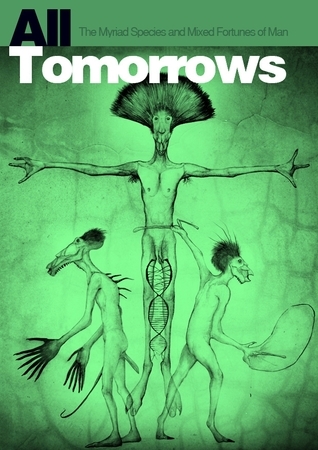
The story begins in the near future, as burgeoning population pressures force humanity to terraform and colonize Mars. After a brief but violent civil war between the two planets, the genetically engineered survivors begin a new wave of colonization, spreading across the galaxy. Everything is looking up for the human race... until the colonies encounter the Qu, technologically advanced aliens on a religious mission to remake the universe. Although humans fight valiantly, the Qu easily overpower humanity; as punishment, the aliens decide to genetically modify the survivors, turning most of them into mindless, animalistic creatures before departing.
- Who are we? - Colonials! - What do we sing? - Always look at the bright side of life!
I want to thank the Author, C. M. Kosemen, for the cool and crazy stuff he created. And most of all for his optimism! No, he didn't give me his book, at least not literally. I stumbled upon it on youtube.
This is a must read if you're into futurism, post humanism, evolutionism and a bit of good old lovecraftianesque terror from stars. First of all it's... short. Like two hours at maximum. But it's two hours packed with so many ideas and visions, that omg, you will need a reread (I did!). Also, your head will explode. Then it's simply interesting and fun. It has pictures! Which are very important. Also it's at times disturbing visually and philosophically. Yes, you might get nightmares if you're very sensitive. I guess. I didn't. But it still is fun. Especially when you get over the humanistic bullshit sentiments and instead get into all the animated youtube shorts that little community around this little book of body horror already has created. This is another bonus of this book - it's amazing how many people found it by accident and since then their interest has built a little subculture around it. You can find the book on author's website, http://cmkosemen.com/, it's free and don't thank me later for your nightmares. I also suggest checking out his other illustrations that you might find on his website.
A remarkable work, telling the dark future of humanity for the next billion years, as civilizations and species rose and fall. In terms of sheer existential horror, it reigns supreme, but there is a peculiar sense of optimism as well. My favorite of the post-human races was probably the ones who were turned into sapient filters by their alien conquerors, lacking all organs but brains and eyes, yet able to fully comprehend the horror of their predicament (makes "I Have No Mouth, and I Must Scream" look like a light and uplifting comedy). For 40 million years, they lived thus, until they have evolved sapient modular colonies of specialized beings, each organ alive and sapient, and created a new spacefaring civilization. Only to be driven extinct by hostile Machines, because all things end, and it is not the destination, but the trip that matters.
that was fucking weird, man. I'm scared of the future on a very good day, and now I am terrified. Telling a fiction post-human story in a non-fiction way is trippy and creppy. I don't think the book would've registered that much without the eerie and creepy illustrations.
This book is amazing.It`s a mature,dark yet optimistic and fantastical foray into humanity`s future.Although there are a lot of made-up technologies they seem possible.A nice break from the usual human-hate in favor of bats and rodents and the tons of hyper-optimistic predictions of humans turning into ,,grey aliens,, that plague speculative evolution nowadays.
Picked up the book after watching a Youtube video essay about it, and I wish I'd read the book first because the video was really comprehensive, and there's not much in the book that it didn't already cover. It was my first foray into speculative zoology and brought up a lot of interesting themes I'd never considered before (the strangest one was probably the idea of "tool breeders" who selectively evolve other species as biological tools).
I read another review comparing it to the short story I Have No Mouth and I Must Scream by Harlan Ellison, but in my opinion IHNMAIMS was a lot more disturbing because there were actual characters and tension. The illustrations in this book were sometimes spooky, but it's written more in the style of a field guide/history textbook than a narrative, so it didn't elicit any particular emotions in me. I guess IHNMAIMS retains the dubious honor of being the worst thing I've ever read.
A few inconsistencies bothered me; most notably, the author claims at the end to be an alien researcher studying humanity after our extinction, but throughout the rest of the book there are references to modern human society (such as subway commuters) that such an individual would have no way of knowing. I know how petty this complaint sounds but the book is only 100 pages and most of it is pictures, so I want the worldbuilding to be airtight. Also maybe it was the pdf format, but I had to reread a lot because I just could not process some of the sentences the first time through.
Three stars because the themes and illustrations were great, and I get the feeling that those things mattered more to Ramjet/Kosemen than the writing itself. As a reader, however, I didn't like the writing style or organization, and I wish the exploration of each future human and galactic event had been given more depth.
این یک کتاب نیست، یک جنون فلسفی و تصویری از آیندهی بشر است که در لباس علمیتخیلی پنهان شده؛ متنی که انگار داروین و نیچه و اچ.پی. لاوکرفت با هم نشستهاند و تصمیم گرفتهاند یک انجیل تکاملی بنویسند. همهی فرداها چیزی فراتر از «تاریخ آینده» است. این کتاب بهجای پیشبینی، آینده را تکهتکه میکند و از دل مرگ و تحریف و بازآفرینی، تصویری از هزاران گونهی انسانی به ما میدهد که هر کدام نتیجهی یک اشتباه، یک جنون خلاقانه یا یک گناه کیهانیاند. نویسنده با نثری سرد و بیاحساس، اما هولناک و شاعرانه، داستان میلیونها سال آیندهی بشر را مینویسد؛ از نخستین استعمار مریخ تا سقوط تمدنهای میانستارهای، از جنگ میان زمین و مریخ تا پیدایش گونههای پستانسانی که به دست موجوداتی خداگونه به نام کو تغییر شکل دادهاند. او انسان را نه به عنوان اشرف مخلوقات، بلکه به عنوان مادهی خامی برای آزمایشهای کیهانی تصویر میکند. گونهای که پس از میلیاردها سال، در هیئت هزاران شکل عجیب، شاید دوباره به خودآگاهی برسد. در جهان این کتاب، انسانهایی میبینیم که به کرم تبدیل شدهاند و در دل خاک میلولند، یا هیولاهای استخوانخوار، یا مخلوقاتی که فقط از پوست و عصب تشکیل شدهاند و زنده ماندهاند تا رنج را تجربه کنند. گاهی این صحنهها طنز سیاهاند، گاهی مذهبی، گاهی فقط مالیخولیایی. اما در عمق همهشان یک سؤال خفهکننده تکرار میشود: اگر تکامل ادامه پیدا کند، «انسان بودن» تا کجا معنا دارد؟ اثر رامجت را میتوان یک میلیونسالهنامهی پسا انسانی دانست. جایی میان زیستشناسی تخیلی، فلسفهی پوچی و ترس مذهبی از خداوندی که دیگر شبیه انسان نیست. زبانش مستندگونه است، اما بار احساسیاش مثل یک اعتراف آخرالزمانی میکوبد: بیهیچ قهرمانی، بیهیچ نجاتدهندهای، فقط بقا و تغییر و چرخهی بیپایانِ تولد و زوال. وقتی میخوانی، احساس میکنی داری به اسناد باستانی یک تمدن نابودشده نگاه میکنی؛ تصاویر سیاهوسفید گونههای جدید، هرکدام مثل یادگاری از سقوط یک بشریت فراموششدهاند. در پایان، انسان دوباره به آگاهی میرسد. اما دیگر نه در قالب گوشت و خون، بلکه در شکلهایی که خودِ انسانِ اولیه از دیدنشان دیوانه میشد. این کتاب کابوسِ تکامل است، روایت غیابِ معنا در جهانی که خدا، انسان را به شوخی گرفته است. رامجت از مرز خیال میگذرد و وارد ناحیهی ممنوعهی فلسفه و زیستشناسی میشود، جایی که دیگر چیزی مقدس نیست؛ نه بدن، نه ذهن، نه آینده. خواندنش مثل نگاهکردن به آینهای است که نه فقط صورت انسان، بلکه تمام تاریخش را مسخشده برمیگرداند. کتابی است که ذهن را میسوزاند، مغز را میجوشاند و ایمان را متلاشی میکند. بیاغراق: یکی از تاریکترین و درخشانترین متنهایی که در قالب تخیل علمی نوشته شده است.
With a first phrase like "after millennia of earthbound foreplay" you'd think the book is off to a great start. It should be good, right? Well, the history part of the book was relatively okay. It came across a bit like someone trying to write something cool and deep while actually just sounding very full of themselves. But at least it was entertaining! Meanwhile, the long sections of describing a multitude of different grotesque human subspecies like this is some old-timey circus could be done away with. Especially when the author has this strange obsession with skinny hairless human-y creations (wait, they keep the pubes and sometimes even head hair). Like, anyone with more understanding of biology would introduce more variety and stay clear from all these exaggerated genitalia (the bigass vore vaginas sound great for constant infections). I like body horror but most of this just ain't it. It's Iike reading about a bunch of shitty SCP entries. Only some of the very last alien designs were interesting. Overall it's all very uninspired and would have benefited from an editor or beta reader.
Yo no creí que en el lado de tik tok donde no se habla de libros iba a encontrar tremenda recomendación.
All Tomorrows es la historia de la humanidad colonizando diversos planetas en el espacio y creando alteraciones genéticas en sí misma, hasta que un día, luego de muchos años, se encuentran con otra forma de vida y la alteración genética se convierte en un castigo y no en una ventaja.
Las ilustraciones son geniales, todo el libro es genial, no hace falta que hayan personajes principales o una historia personal de uno; el libro relata la historia de la humanidad y lo hace muy bien, se siente como si todo fuera real. Lo recomiendo muchísimo.
Absolutely fucking bonkers. Dunno really what else to say about it other than it horrified me in a way nothing ever has before. Evolution as punishment? Wild. The art is...disturbing and fascinating.
This is the topic of my next YouTube video. Such a brilliantly haunting piece of body horror that never fails to unsettle me every time I look at any of the images of humanity shaped into something else. A super quick read that stays with the reader through the sleepless nights it surely provokes.
As you probably know, this online book has finally earned a much-deserved widespread following after fifteen years, largely thanks to the hugely popular Youtube summary by Alt Shift X. It is easy to see why people have taken to C. M. Kosemen's (aka Nemo Ramjet) work with so much enthusiasm. His imagination - expressed through storytelling and illustration - is extraordinary.
While there are a few minor errors in the writing itself, the story turns out to be compelling and memorable for some rather unexpected reasons. Much like Olaf Stapledon's Last and First Men or Star Maker, All Tomorrows does not follow the lives of individual characters, but entire species - most of which descended from present-day humanity. This is the sort of story where entire species and civilizations have their own character arcs - they face conflict, endure horrific circumstances, survive, adapt, emerge stronger than before, experience a well-earned life of peace and prosperity, face conflict again, are tragically wiped out or (in some cases) emerge victorious. It may as well be a metaphor for the many "varying fortunes" of humanity throughout history, expanded into the future throughout tens of millions of years.
Here is my rough summary of Kosemen's future history.
For such a relatively short work, All Tomorrows brims over with so many ideas that one could discuss and write about it endlessly. Koseman has created a new mythology for our troubled and complicated times.
An incredible work of imagination that covers the future of mankind over the next 1 billion years. I had no idea what to expect before reading it. Galactic in scale and grotesque in imagery. Over 110 pages, balanced with narrative and illustrations, the author gives us a glimpse of humans, post-humans and gods. Five stars.
”To those like the misguided; look at the story of Man, and come to your senses! It is not the destination, but the trip that matters. What you do today influences tomorrow, not the other way around. Love Today, and seize All Tomorrows!”
a very exhilarating read, with a very objective approach that ends up making you feel incredibly small and powerless but at the same time optimistic? and curious? because the future is endless and full of possibilities and vampires could genuinely become real at some point.
An optimistic and creative take on the future of humanity and the descendants that carry on our legacy. The illustrations included were unsettling but perfectly conveyed the devastation of the Qu invasion. There were issues with consistency in the writing, but my main issue is that it felt incomplete and read more like a draft.
It's difficult to say whether or not this is the most ableist book I've ever read. Incredible how quick the book is to laud eugenics by detailing how the only way to save humanity from itself is to create a perfect race of Star Men. After the Qu leave, the way the book details the diminished lives of the remade humans is clearly written by an abled person; the section on the Mantelopes is particularly noteworthy, for it details a species that has human intellect but everyone is a grasslands forager and unable to be anything more than that because of a lack of appendages that allow for tool manipulation. The section pays particular attention to how much their "disability" prevents them from using their intellect to change the world around them and how being "crippled" dooms their race. This book likes to throw around the words "cripple" and "degenerate" more than any work I've seen that isn't a school shooter's manifesto. Look, I get that it's speculative fiction, but coming from a real world where disabled people are capable of amazing things, let alone leading normal lives, this book is exceptionally lacking in the realm of imagination that exists outside of the futures dreamed up by phrenologists.
That's one of the most bizarre books i ever read, but still fascinating enough.
It puts simple life as we know it in perspective, and it challenges our vision of the future, what will become of homosapiens millions of years ahead, something strange and unexpected and repetitive at the same time, simply put: humans and life itself won't stay human after a billion year, but our humanity may still survive.
"The subconscious popular instinct against Darwinism was not a mere offense at the grotesque notion of visiting one's grandfather in a cage in the Regent's Park. Men go in for drink, practical jokes and many other grotesque things; they do not much mind making beasts of themselves, and would not much mind having beasts made of their forefathers. The real instinct was much deeper and much more valuable. It was this: that when once one begins to think of man as a shifting and alterable thing, it is always easy for the strong and crafty to twist him into new shapes for all kinds of unnatural purposes. The popular instinct sees in such developments the possibility of backs bowed and hunch-backed for their burden, or limbs twisted for their task. It has a very well-grounded guess that whatever is done swiftly and systematically will mostly be done by a successful class and almost solely in their interests. It has therefore a vision of inhuman hybrids and half-human experiments much in the style of Mr. Wells's "Island of Dr. Moreau." The rich man may come to breeding a tribe of dwarfs to be his jockeys, and a tribe of giants to be his hall-porters. Grooms might be born bow-legged and tailors born cross-legged; perfumers might have long, large noses and a crouching attitude, like hounds of scent; and professional wine-tasters might have the horrible expression of one tasting wine stamped upon their faces as infants. Whatever wild image one employs it cannot keep pace with the panic of the human fancy, when once it supposes that the fixed type called man could be changed. If some millionaire wanted arms, some porter must grow ten arms like an octopus; if he wants legs, some messenger-boy must go with a hundred trotting legs like a centipede. In the distorted mirror of hypothesis, that is, of the unknown, men can dimly see such monstrous and evil shapes; men run all to eye, or all to fingers, with nothing left but one nostril or one ear. That is the nightmare with which the mere notion of adaptation threatens us. That is the nightmare that is not so very far from the reality." -G.K. Chesteron, What's Wrong with the World
This is horrifyingly fascinating. I am going to be haunted by these ideas for a while and I will need a few rereads to process it. How did I not know this book existed? Amazing.