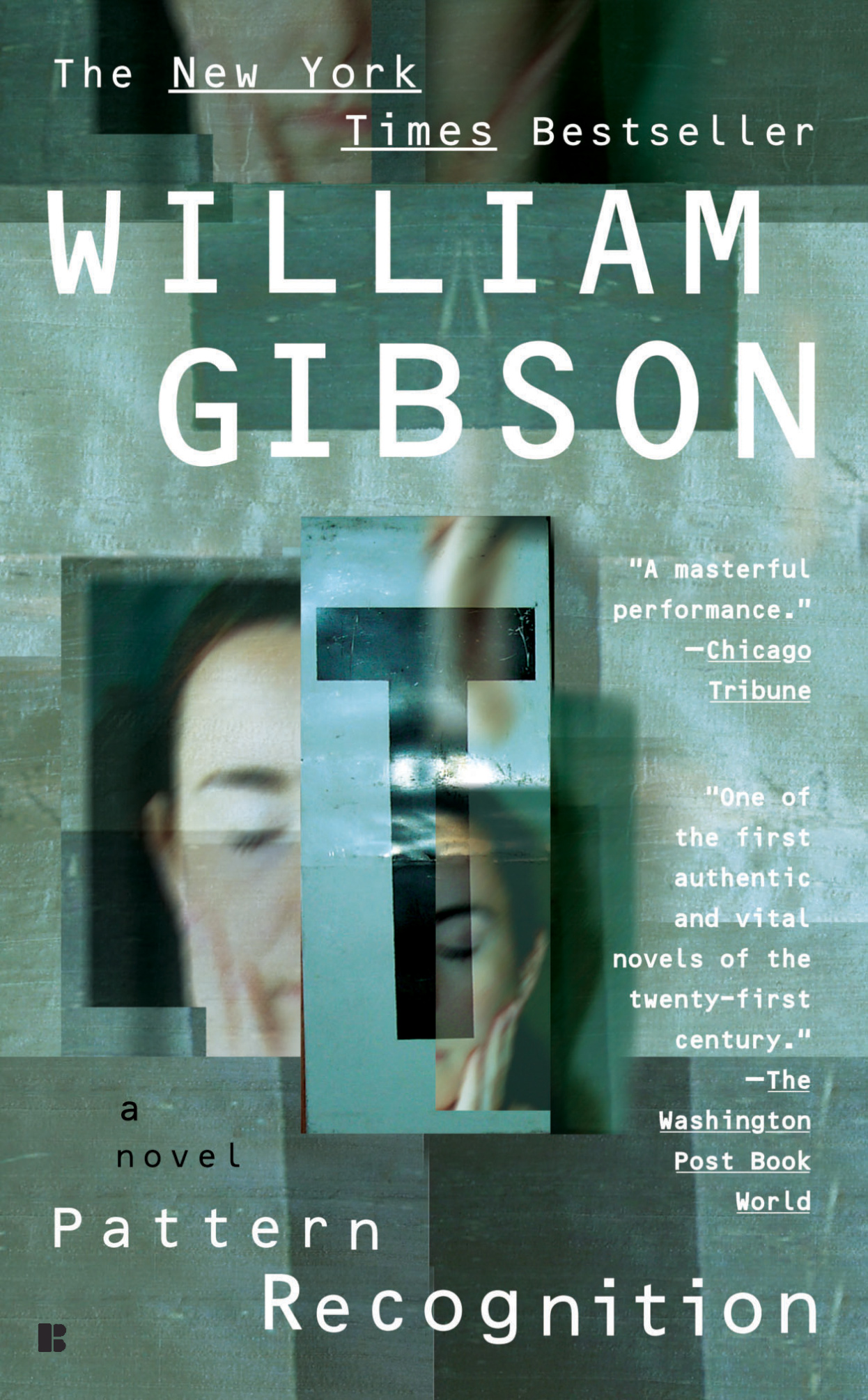
We have no future because our present is too volatile. We have only risk management. The spinning of the given moment's scenarios. Pattern recognition...
Cayce Pollard is a new kind of prophet — a world-renowned “coolhunter” who predicts the hottest trends. While in London to evaluate the redesign of a famous corporate logo, she's offered a different assignment: find the creator of the obscure, enigmatic video clips being uploaded to the Internet — footage that is generating massive underground buzz worldwide.
Still haunted by the memory of her missing father — a Cold War security guru who disappared in downtown Manhattan on the morning of September 11, 200l — Cayce is soon traveling through parallel universes of marketing, globalization, and terror, heading always for the still point where the three converge. From London to Tokyo to Moscow, she follows the implications of a secret as disturbing — and compelling — as the twenty-first century promises to be...
William Ford Gibson is an American-Canadian writer who has been called the father of the cyberpunk subgenre of science fiction, having coined the term cyberspace in 1982 and popularized it in his first novel, Neuromancer (1984), which has sold more than 6.5 million copies worldwide.
While his early writing took the form of short stories, Gibson has since written nine critically acclaimed novels (one in collaboration), contributed articles to several major publications, and has collaborated extensively with performance artists, filmmakers and musicians. His thought has been cited as an influence on science fiction authors, academia, cyberculture, and technology.
Zręcznie napisany thriller, o raczej umiarkowanym tempie akcji, aczkolwiek z kilkoma zaskakującymi zwrotami akcji po drodze do mocno rozczarowującego finału. Oś intrygi, o ile można w tym wypadku tak to nazwać, zdaje się prowadzić ku rozwikłaniu co najmniej jednej wielkiej tajemnicy, która ostatecznie okazuje się być raczej malutkim sekretem, o którym (prawie) wszyscy wiedzą - wykluczając główną bohaterkę. Bohaterka owa - o dziwo - nie jest hakerem, czy innym geniuszem cyberprzestrzeni i wie o komputerach mniej więcej tyle, co ja. Co w pewnym sensie zaskakuje, biorąc pod uwagę to, co generalnie sądzi się o twórczości Gibsona. Podsumowując, duże plusy za udatnie poprowadzoną akcję, ciekawie nakreślonych bohaterów i pierwszorzędną narrację i jeden przeogromny minus za zakończenie opowieści.