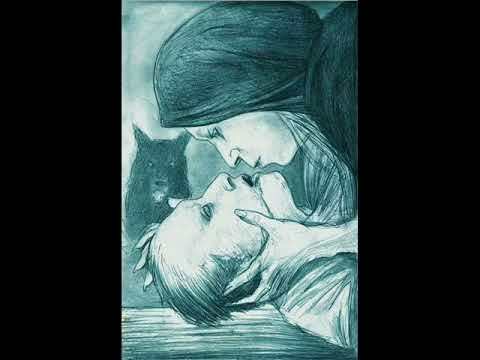
LA VENDETTA Y OTROS CUENTOS DE HORROR reúne catorce relatos escritos entre junio de 1882 y febrero de 1890, los años más fecundos de GUY DE MAUPASSANT (1850-1893). Junto a la presencia de la muerte, en forma de asesinato o suicidio, otros temas habituales en la narrativa del autor francés ingresan en las tramas argumentales como trasfondo de los comportamientos, como motivo del crimen o como incidencias laterales: el medio, el ambiente rural, los celos, la bastardía (la figura del hijo natural y los problemas sociales, morales y hereditarios de la filiación ilegítima), las ideas sobre el amor y el matrimonio, la rebelión contra Dios en nombre de una luciferina voluntad de negación, etc. También de Maupassant en esta colección: "El Horla y otros cuentos fantásticos".
Incluye los cuentos:
Confesiones de una mujer ("Confessions d'une femme"; 1882). Un drama verdadero ("Un drame vrai"; 1882). Una viuda ("Une veuve"; 1882). Un parricida ("Un parricide"; 1882). El huérfano ("L'Orphelin"; 1883). Denis ("Denis"; 1883). Una vendetta ("Une vendetta"; 1883). La confesión ("La confession"; 1883) Chali ("Chali"; 1884). El borracho ("L'ivrogne"; 1884) La confesión ("La confession"; 1884) La pequeña Roque ("La petite Roque"; 1885). Moiron ("Moiron"; 1887). El olivar ("Le champ d'oliviers"; 1890).
Henri René Albert Guy de Maupassant was a popular 19th-century French writer. He is one of the fathers of the modern short story. A protege of Flaubert, Maupassant's short stories are characterized by their economy of style and their efficient effortless dénouement. He also wrote six short novels. A number of his stories often denote the futility of war and the innocent civilians who get crushed in it - many are set during the Franco-Prussian War of the 1870s.
Last night after hearing The Weird Circle an Old Time Radio show, I heard the story Vendetta. I knew it must be a French writer and saw a short story of this name by Guy de Mauspassant but this was not the story I heard but since Mauspassant is on my list of authors, I read this really short story. A woman without family to avenge her son's murderer seeks to do the job herself with the assistance of a trained dog. There is a lot to think about seeking revenge and what length would you go and where was the justice system to help this poor lady in her distress. I classify this as horror because it gave me the chills while reading. I read this from a collection of his works. This is a story not easily forgotten. The radio show was based on Honroe de Balzac story which I will read soon. I knew the writer must be French.
The review above is my first, after having read a lot more of his stories, I revisit this short story five years later, I still am horrified but though I don't condemn her behavior, I can understand a little more and the strong feeling for the vendetta.
A widowed woman's son is murdered by his friend during a quarrel and escapes to a neighboring island where criminals flee. Having no relatives to seek revenge she decides to use her son's dog to kill the murderer. She starts this by starving the dog and doing classical conditioning to tear at the throat of the man which is accomplished. Why the man or other criminals were pursued to justice is unknown? The woman praying in church for this to be done and not seeking Providence to be the judge, but then if that is the case law and order would be in disarray. I can understand her anger but the brutalizing of the dog to do her mission was heart breaking. The quarrel was not known and who knows if the murderer was seeking his own revenge. I found this story looking for the Vendetta from the Weird Circle OTR show which I heard again last night but found out that as Honroe de Balzac's story. Highlight (Yellow) | Location 13134 The house of widow Saverini, clinging to the very edge of the precipice, looks out, through its three windows, over this wild and desolate picture. She lived there alone, with her son Antonia and their dog “Semillante,”
Highlight (Yellow) | Location 13135 a big, thin beast, with a long rough coat, of the sheep-dog breed. The young man took her with him when out hunting. One night, after some kind of a quarrel, Antoine Saverini was treacherously stabbed by Nicolas Ravolati, who escaped the same evening to Sardinia. When the old mother received the body of her child, which the neighbors had brought back to her, she did not cry, but she stayed there for a long time motionless, watching him. Then, stretching her wrinkled Highlight (Yellow) | Location 13139 hand over the body, she promised him a vendetta. She did not wish anybody near her, and she shut herself up beside the body with the dog, which howled continuously, standing at the foot of the bed, her head stretched towards her master and her tail between her legs. She did not move any more than did the mother, who, now leaning over the body with a blank stare, was weeping silently and watching it. The young man, lying on his back, dressed in his jacket of coarse cloth, torn at the chest, seemed to be Highlight (Yellow) | Location 13143 asleep. But he had blood all over him; on his shirt, which had been torn off in order to administer the first aid; on his vest, on his trousers, on his face, on his hands. Clots of blood had hardened in his beard and in his hair. His old mother began to talk to him. At the sound of this voice the dog quieted down. “Never fear, my boy, my little baby, you shall be avenged. Sleep, sleep; you shall be avenged. Do you hear? It’s your mother’s promise! And she always keeps her word, Highlight (Yellow) | Location 13147 your mother does, you know she does.” Slowly she leaned over him, pressing her cold lips to his dead ones. Then Semillante began to howl again with a long, monotonous, penetrating, horrible howl. The two of them, the woman and the dog, remained there until morning. Antoine Saverini was buried the next day and soon his name ceased to be mentioned in Bonifacio. He had neither brothers nor cousins. No man was there to carry Highlight (Yellow) | Location 13151 on the vendetta. His mother, the old woman, alone pondered over it. On the other side of the straits she saw, from morning until night, a little white speck on the coast. It was the little Sardinian village Longosardo, where Corsican criminals take refuge when they are too closely pursued. They compose almost the entire population of this hamlet, opposite their native island, awaiting the time to return, to go back to the “maquis.” She knew that Nicolas Ravolati had sought refuge in this village. Highlight (Yellow) | Location 13155 All alone, all day long, seated at her window, she was looking over there and thinking of revenge. How could she do anything without help — she, an invalid and so near death? But she had promised, she had sworn on the body. She could not forget, she could not wait. What could she do? She no longer slept at night; she had neither
rest nor peace of mind; she thought persistently. The dog, dozing at her feet, would sometimes lift her head and howl. Since her master’s death she often howled thus, as though Highlight (Yellow) | Location 13159 she were calling him, as though her beast’s soul, inconsolable too, had also retained a recollection that nothing could wipe out. One night, as Semillante began to howl, the mother suddenly got hold of an idea, a savage, vindictive, fierce idea. She thought it over until morning. Then, having arisen at daybreak she went to church. She prayed, prostrate on the floor, begging the Lord to help her, to support her, to give to her poor, broken-down body the strength which she needed in order to avenge her son. Highlight (Yellow) | Location 13163 She returned home. In her yard she had an old barrel, which acted as a cistern. She turned it over, emptied it, made it fast to the ground with sticks and stones. Then she chained Semillante to this improvised kennel and went into the house. She walked ceaselessly now, her eyes always fixed on the distant coast of Sardinia. He was over there, the murderer. All day and all night the dog howled. In the morning the old woman brought her some water in a Highlight (Yellow) | Location 13166 bowl, but nothing more; no soup, no bread. Another day went by. Semillante, exhausted, was sleeping. The following day her eyes were shining, her hair on end and she was pulling wildly at her chain. All this day the old woman gave her nothing to eat. The beast, furious, was barking hoarsely. Another night went by. Then, at daybreak, Mother Saverini asked a neighbor for some straw. She took the old rags which had formerly been worn by her husband Highlight (Yellow) | Location 13170 and stuffed them so as to make them look like a human body. Having planted a stick in the ground, in front of Semillante’s kennel, she tied to it this dummy, which seemed to be standing up. Then she made a head out of some old rags. The dog, surprised, was watching this straw man, and was quiet, although famished. Then the old woman went to the store and bought a piece of black sausage. When she got home she started a fire in the yard, near the kennel, and cooked the sausage. Semillante, Highlight (Yellow) | Location 13174 frantic, was jumping about, frothing at the mouth, her eyes fixed on the food, the odor of which went right to her stomach. Then the mother made of the smoking sausage a necktie for the dummy. She tied it very tight around the neck with string, and when she had finished she untied the dog. With one leap the beast jumped at the dummy’s throat, and with her paws on its shoulders she began to tear at it. She would fall back with a piece of food in her mouth,
Highlight (Yellow) | Location 13178 then would jump again, sinking her fangs into the string, and snatching few pieces of meat she would fall back again and once more spring forward. She was tearing up the face with her teeth and the whole neck was in tatters. The old woman, motionless and silent, was watching eagerly. Then she chained the beast up again, made her fast for two more days and began this strange performance again. For three months she accustomed her to this battle, to this meal conquered by a fight. She no longer chained her up, but just pointed to the dummy. She had taught her to tear him up and to devour him without even leaving any traces in her throat. Then, as a reward, she would give her a piece of sausage. As soon as she saw the man, Semillante would begin to tremble. Then she would look up to her mistress, who, lifting her finger, would cry, “Go!” in a shrill tone. When she thought that the proper time had come, the widow went to Highlight (Yellow) | Location 13186 confession and, one Sunday morning she partook of communion with an ecstatic fervor. Then, putting on men’s clothes and looking like an old tramp, she struck a bargain with a Sardinian fisherman who carried her and her dog to the other side of the straits. In a bag she had a large piece of sausage. Semillante had had nothing to eat for two days. The old woman kept letting her smell the food and whetting her appetite. They got to Longosardo. The Corsican woman walked with a limp. Highlight (Yellow) | Location 13190 She went to a baker’s shop and asked for Nicolas Ravolati. He had taken up his old trade, that of carpenter. He was working alone at the back of his store. The old woman opened the door and called: “Hallo, Nicolas!” He turned around. Then releasing her dog, she cried: “Go, go! Eat him up! eat him up!” The maddened animal sprang for his throat. The man stretched out his arms, clasped the dog and rolled to the ground. For a few seconds he Highlight (Yellow) | Location 13194 squirmed, beating the ground with his feet. Then he stopped moving, while Semillante dug her fangs into his throat and tore it to ribbons. Two neighbors, seated before their door, remembered perfectly having seen an old beggar come out with a thin, black dog which was eating something that its master was giving him. At nightfall the old woman was at home again. She slept well that night.
A very dark and disturbing tale. Some people are hell bent on revenge and this short story demonstrates the planning and lengths that some people will go to in order to get revenge.
La Vendetta or A Vendetta is a dark short story that shows a grieving old woman's passion to get revenge for her slain son. I gave this review 4 stars just because it did not fully wow me to the expectation that I had wanted to have, but I definitely do recommend this. The story shows how an old woman can take over and fulfill the Vendetta herself. Living alone with her dog in an area with poverty and bandits, she wishes that there were either a cousin, father, or brother to carry on this Vendetta. This shows that instead of women doing the job of killing it is mainly men that carry on Vendetta's. Through a feminist reading lens, this story has shown that the mother alone can pursue and fight for the same thing that a man can do. Through a critical race theory lens, instead of going to authorities to authorities to kill the sons killer, she has decided to do it herself. With her living in rage, anger, and distress she has no time to rest and can only focus on the action of killing the murderer. She trains her dog, doing harsh starvation mechanisms preparing for the day. Three months pass by where she completes the vendetta, and gets revenge for her son's death. She no longer is in stress anymore, and can finally rest the way she wanted to. Overall, this is a great dark and sad read, of a woman who gets the revenge she promised for her dead son.
This short story is about love, family loyalty and most of all revenge. The story focuses on a remote family - the widow Saverini, her dog and the loss of her beloved son and then the psychological state of the mother. There are no other significant characters in this story, no friends or family members offering condolescences or help, nothing except the murderer. The brutal murder of her son drives the widow to seek revenge; she is patient, calculating and determined and finally gets justice for her son and a good night's sleep.
This story takes you down a fairly dark corridor if you stop to think about it. My haiku doesn't do it justice, but I've arranged my thoughts into one all the same:
"Internalizing Pangs of hunger and remorse, In the name of love."
Relatos que profundizan en cadáveres, asesinatos y suicidios. Maupassant tiene una maravillosa habilidad para narrar estos sucesos espantosos y darle una sutil humanidad a lo inhumano, a lo bárbaro, libre de prejuicios.
En esta antología de relatos, el tema predominante es el crimen, ya sea por celos, venganza o simple maldad. Maupassant demuestra su maestría a la hora de narrarnos lo recovecos más oscuros del ser humano. He de añadir que estos relatos se alejan de la temática fantástica y sobrenatural. Resalto sobre todo la capacidad de Maupassant para engancharte con unas líneas de manera tal que es imposible dejar de leer. Sin lugar a dudas, todo un maestro.
A continuación, paso a valorar los catorce cuentos contenidos en esta antología:
- CONFESIONES DE UNA MUJER (***): sobre celos y venganza. - UN DRAMA VERDADERO (****): la realidad supera a la ficción. - UNA VIUDA (**): celos y suicidios. - EL PARRICIDA (****): venganza y justicia. - EL HUÉRFANO (****): sospechas y maldad. - DENIS (***): locura y redención. - UNA VENDETTA (*****): venganza perruna. - LA CONFESIÓN (****): celos y traición. - CHÂLI (****): regalos y amor. - EL BORRACHO (**): bebida y visiones. - LA CONFESIÓN (****): remordimientos póstumos. - LA PEQUEÑA ROQUE (*****): crimen y castigo. Imprescindible. - MOIRON (****): venganza contra Dios. - EL OLIVAR (****): una visita del pasado.
A woman gets revenge on a man for causing the death of her son. I read this via the 1001 Short Stories podcast. This story was very difficult to listen to for me because it involved a woman abusing a dog to make it vicious and willing to help her commit a crime in revenge for another man causing the death of her son and the dog’s master. As someone who just recently got a puppy, and loves dogs, this is one of the most uncomfortable and distressing stories I have ever read. I will need a break before trying more of Maupassant’s work. This is the first piece I have read by Maupassant so I am not certain how this compares to his other works. I need to read something more cheerful after finishing this story.
This entire review has been hidden because of spoilers.
This is one of those very short stories with the potential of being a much longer work. In some respects, it feels rushed, but this gives the narrative a fast pace, which I like.
The theme with the old woman training a dog to be a killer is something that’s cropped in certain TV shows & films that I’ve seen over the years.
This is another piece of literature I’ve read that alludes to someone crying “silent tears”. I always find this phrase silly, as it suggests that tears can also be noisy. You can cry silently or loudly, but tears themselves are always silent.
This is a disturbing book. I have longed thought mothers are not to be messed with. This book shows why. The vendetta is the story of a mother who lost her son, and how with very limited resources she set out to exert vengeance. It's a very disturbing book, yet necessary. I give it 3 stars.
The short story “A Vendetta” is a thriller/ dark short story written by Guy de Maupassant in the 1800’s. At first glance, the title stood out to me the most. It did not give away the genre of the story which made me read to find out. It grabbed my attention and made me read more. I have always liked a thriller story and after reading the first few paragraphs I understood why. “A Vendetta” clearly illustrates the theme of grief and nails what revenge feels like. The story opens with a background of the old widow mother named Saverini who lives in a small town looking over a river in Italy with her young son, Antoine and his dog, Semillante which the mother describes as a “big, thin beast”. The story shows that the house is “clinging” onto the edge of the cliff overlooking the river with “deadly straits” that describe the landscaping. Maupassant also says that the houses “look like the nests of wild birds” which suggested to me that the tone is threatening and that the author deliberately creates a scary and eerie atmosphere in the beginning paragraphs. One night after being out and stepping into a brawl, Antoine was stabbed by a man named Nicolas Ravolati. After leaving his lifeless body on the cobble stoned ground, Nicolas escapes to his house past the river. When seeing Antoine’s body, his very old mother did not cry but instead promised him a vendetta as her wrinkled hand is on his body with the dog howling beside her. To make matters worse, the widow had no one since she lived alone. She had no family to comfort her, and the neighbors were unsympathetic. What happens from that horrific opening is a tense trauma, in which Saverini finds a way to move past her sons death. Still on the loose, Nicolas was never charged with murder and escaped perfectly, or so he thought. The environment that Saverini lives in is dangerous since they never searched or found Nicolas. For months after, Maupassant explains how Saverini used the dog to symbolize her pain and suffering while she is grieving her son by not feeding the dog and training him for the unimaginable. She was holding rituals for Semillante, and every three days would feed him a perfectly cooked black sausage after days of harsh training. The dog would froth from the mouth and have its eyes fixated on the one sausage until he was able to eat it. Saverini would have him chained to a homemade kennel and would refer to Semillante as a “beast”. Maupassant illustrates that for the next three months, Saverini all alone, all day long sitting at her window, she was looking out over the river thinking of a revenge plan. As an older woman who is too old to complete her son’s vendetta that she promised him, she needed to get creative for her revenge. I found this intriguing since she was so determined as an older woman and never gave up on her promise. The author says, “She no longer slept and night; she had neither rest nor peace of mind; she thought persistently” which tells me that she has been spending every waking moment trying to find Nicolas and make him pay for what he did. I believe Salverini saw the vendetta as an honor code, meaning the family would be shamed or dishonored if she did not take vengeance against Nicolas. Maupassant’s story brings to life that as long as people have existed, they have wronged each other. Those who have been done wrong tend to seek revenge and feel as though they must gain it to feel relief. Revenge is sometimes on social media or even in schools between two friends. For example, after a relationship has ended badly, one person posts on social media spreading rumors about the other that had cheated on him. Revenge can be seen anywhere. “A Vendetta” gave me a stronger appreciation for thriller stories since I never know what will happen next. It gave me a better understanding and helped me be creative with how I think the story would have ended. Additionally, I am impressed with the story and am confident in saying that I have a greater appreciation for thriller stories.
El último de los seis libros en que Aurora Bermúdez selecciona y traduce, de forma admirable, lo mejor de la obra breve de Maupassant, dedicado al horror. Volumen que se refleja en El Horla y otros cuentos de terror, y en el que, como dice Bernárdez, si en este la inestabilidad de la mente y vida interior de los personajes alteran el mundo real, en "La vendetta..." nos encontramos eran acontecimientos el mundo real que inciden en la inestabilidad del mundo interior de los personajes. Entre los cuentos, alguna maravilla, como "La pequeña Roque", y otros cuentos en los que le vemos las costuras a Maupassant.
"Slowly she leaned over him, pressing her cold lips to his dead ones."
The widow Saverini lives with her grown son and her dog Semillante on the rocky flanks of the ancient town of Bonifacio, but one night her son is treacherously knifed to death by a certain Nicolas Ravolati, who immediately flees across the straits to Sardinia, where Corsican bandits traditionally sought refuge from the authorities and especially revenge-seekers. The poor, feeble, isolated widow swears revenge (the traditional ’vendetta’) and hatches a terrible means of achieving her end.
Si la traducción es correcta entonces la prosa del autor es brillante, pero los cuentos en su gran mayoría son insulsos, no atrapan y, cuando lo hacen, los finales son o previsibles o directamente se asemejan al final de un capítulo y no al final de un cuento. Entiendo que es una obra escrita hace muchos años y que para la época seguramente fue revolucionaria, pero lo tomé para que fuera una lectura de playa y no me satisfizo
While this tale is bloodthirsty and dark, normally right up my alley, it messes with man’s best friend. Nah, dawg, I don’t play games with my dogs, man. An unsettling story of revenge and the lengths one will go to achieve it.
Entretenida colección de historias de terror, que van desde el terror cotidiano, hasta el miedo más surrealista. Si te gustan las historias de terror, no debes dejar de leerte este libro.
La meilleure nouvelle de Maupassant que j’ai lu. Le personnage de la mère est très émouvant malgré le peu de lignes sur lesquelles se déroulent son histoire.