Bevölkerungsschwund, Bioterrorismus und Medikamentenknappheit gehören im England der nahen Zukunft zum Alltag. Die Regierung hat deshalb ein ebenso radikales wie fatales Gesetz erlassen: Personen über siebzig bekommen keine Antibiotika mehr. Werden sie krank, bleibt ihnen nur noch das Warten auf den Tod oder der Suizid. Kate ist Krankenschwester, doch statt ihre Patienten gesund zu pflegen, hilft sie ihnen nun beim Sterben. Nach einem dramatischen Ereignis beschließt Kate, sich auf die Suche nach ihrer Mutter zu machen, und stößt auf ein lange gehütetes Geheimnis ...
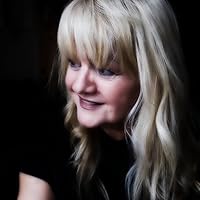
Eve writes speculative fiction, mainly about the things that scare her. Longlisted for the Guardian's Not the Booker Prize and described by Waterstones as "an exciting new voice in crime fiction", Eve Smith’s debut novel The Waiting Rooms, set during a global antibiotic crisis was shortlisted for the Bridport Prize First Novel Award and was a Guardian book of the month. Her second thriller, Off Target, about a world where genetic engineering of children has become routine, was a pick of the month in The Times, who described it as: "an astute, well-researched and convincing novel of ideas". Her third thriller, ONE, set in a one-child policy Britain ravaged by the climate crisis was longlisted for Best Novel in the British Science Fiction Association Awards and was a New Scientist and SciFiNow pick. Her latest novel, THE CURE, explores the catastrophic consequences of a cure for ageing which is hijacked by immortalists. Longlisted for Best Novel in the British Science Fiction Association Awards, it was a Times Best New Thriller Pick, and New Scientist and SciFiNow pick of the month. Eve attributes her love of all things dark and dystopian to a childhood watching Tales of the Unexpected and black-and-white Edgar Allen Poe double bills. In this world of questionable facts and news, she believes storytelling is more important than ever to engage people in real life issues. Eve’s previous job as COO of an environmental charity took her to research projects across Asia, Africa and the Americas, and she has an ongoing passion for wild creatures, wild science and far-flung places. When she’s not writing, she’s racing across fields after her dog, attempting to organise herself and her family or off exploring somewhere new. Follow Eve: @evecsmith on X www.evesmithauthor.com evesmithauthor on Instagram, Bluesky, TikTok, Facebook
To be honest, I am finding The Waiting Rooms by Eve Smith a little bit daunting to review. Not only is this an incredibly prescient book, addressing a host of important themes and issues, but also manages to balance this with being an incredibly compelling thriller. So I’ll take the bull by the horns and forge on…
The crisis facing us with the decreasing effectiveness and shortages of anti-biotics has been particularly of late, well documented. What Smith achieves here is a sober and timely reminder of how our dependence on and misuse of anti-biotics will eventually lead to a global health crisis, and how common ailments will become increasingly more deadly, without effective treatments available. The book is framed within this actually coming to pass, where the older members of society are prohibited from access to these drugs, and face a heart-breaking outcome because of this. What struck me most when reading this, with the world in the grip of a deadly pandemic, and depressingly more to come, was how believable this scenario actually is.
By punctuating the book with scientific evidence- which in no way detracts from the ebb and flow of the main narrative itself- Smith presents to us a truly chilling picture of the future. I was fascinated by these little vignettes, which added a real frisson to the ostensibly fictional world the author presents, and which added a vital layer of interest to the plot. As one strand of the book deals with a botanist, and the increasing need to harness the power of previously unused plants and flora to address the global anti-biotic crisis, with at times destructive results, the book raises some interesting questions about the advancement in medicine and science to try and counteract the potentially devastating situation we may find ourselves in.
One aspect of the book I particularly enjoyed, was Smith’s examination and presentation of her older characters. In Lily, who is gradually revealed to have had an absolutely fascinating past, Smith draws her character with a real sense of poignancy and sensitivity, with a salient reminder that older people have themselves lived a life of vitality, passion and usefulness, that often reduces some writers to cliche and stereotype. She was undoubtedly my favourite character, with glimmers of rebelliousness and lively intelligence, that added to the roundedness of her character overall. By interposing her back story in South Africa as a botanist , and the very real emotional trauma she experienced, both professionally and personally, as a result of her work there, this previous life remains at the forefront of the reader’s mind, as we see her in her latter years facing the unwelcome ramifications of her life and work there. I found her story incredibly touching and moving throughout, drawing a realistic picture of a woman torn between the heart and the head, and with a tragic back story that wends so powerfully into her existence in the present.
What Smith achieves so effectively is balancing the book, not only with the factual realities of a global health crisis, and the sharp and detailed characterisation of her protagonists, but a real sense of the visual in her story telling. I found the sections of the book set in South Africa particularly realistic, not only in her vivid descriptions of the landscape, atmosphere and flora and fauna, but also the more social detail with the scenes set within the healthcare system being particularly emotive and disturbing. Smith harnesses all of these aspects of this unique setting so vividly, that it adds a real vitality and interest to the bleak events that come to pass there, and that are unfolding across the world, adding another level to the reading experience. As I have said, with all these elements of fact and fiction working in harmony, it really lifts and enhances the book above the dystopian darkness that dwells at its heart. For this reason, I would highly recommend The Waiting Rooms as a powerful and fascinating thriller, albeit with a grim vision of the future which we dare not look away from.
Wow. Reading this in the current climate was scary and tense, but utterly addictive. The timing could not have been planned any better. The tagline - No Drugs, No Miracles, Just Fear - could be describing the Corona crisis. If the themes are dark and topical, the writing is exquisite. Breath held, I got to the finale with my heart in my mouth. Eve Smith weaves a complex and clever tale, merging countries and timelines; the result is a superb and satisfying novel.
An antibiotic resistance epidemic would be a scary thing to happen, but quite plausible in the near future. Author Eve Smith took my greatest fear as a doctor to write a convoluted, yet so convincing a plot that I had goosebumps as I read through the prose.
A powerful debut by a dynamic author, this dark read served as a beacon of light for the future. The author used all her knowledge and the research she had done to drum up a story which was absolutely at the edge of the seat kind of thriller.
Antibiotics resistance caused the governance to restrict its use. Nobody above 70 was given, where even a tiny scratch could cause their deaths. Assisted dying was encouraged for the terminal infectious cases. Set into this world were two women, one a nurse Kate, other a 69 year old woman Lily in a care home.
The author interspersed the prose with few medical truths along with the story of a botanist/scientist Mary who helped in the tuberculosis crisis in Africa. It took sheer talent to connect all their stories together like the almost tandem swirls seen through the kaleidoscope.
The subtle weaving of the different plotlines, set in Africa and UK, with three POVs, gave me the entire picture of how political machinations and personal agenda could change the world atmosphere. The perfect beginning of a pandemic.
The author’s brain was one scary place for me to reside in as I dreaded what more she could come up with. Different genres were brought into the story seamlessly. Dark horror in an essentially medical thriller set in a dystopian world, it was eerie in its premise, yet the characters brought out the humane side to the story. Not that all were nice. No siree…
Author Eve Smith was wicked all through. She linked the complex elements within a captivating prose, leaving no space for questions. At times, I felt she was a clairvoyant as things written were being seen in different parts of the world at different times. All that remained was a wicked mind.
A tale which appeared as fiction, but ask any doctor. We would all agree that every plot line in the book is a reality, just scaled down.
Well, now. Where do I even begin? If you’re looking for a thought-provoking, terrifying but realistic story that’s extremely apt for the crazy times we’ve been living in the last few months, … here it is! I’m hard pressed to think of any other book that blurs the lines of fiction as much as The Waiting Rooms does and I’d have no qualms whatsoever to sacrifice whatever it takes to please the powers-that-be so this type of situation can be avoided because it’s bloody scary, you guys!
There is a global antibiotic crisis caused by drug resistance. Ordinary infections are untreatable and a scratch from a pet can kill you. If you’re a person over the age of 70, you are royally screwed. The elderly are not allowed new antibiotics and are being sent to hospitals that carry the misleading name of “The Waiting Rooms”. It’s a bit like Hotel California. You can never leave. Nor will you ever get well. This crisis has been raging for the last twenty years. Some people remember how things used to be, for others this is the new normal. In the midst of all this, Kate starts searching for her birth mother. But Kate isn’t the only one. Someone else is trying to find Kate’s birth mother too.
It’s clear Eve Smith has done a ton of research on this. Even though the science sometimes went slightly over my head, I was endlessly fascinated by it all. That is also true of the truly stunning descriptions of South Africa, where we meet Mary at the beginning of what will ultimately become a global crisis. Mary is a botanist who is tasked with finding a new medicinal plant to help in the treatment of a new drug resistant strain of TB. But there’s a lot more to her story than that and the mystery surrounding Mary runs through the entire book.
Back in the present, we are introduced to Lily. Lily resides in one of the better retirement homes. She’s counting down the days to her 70th birthday, fully aware of the danger she’ll be in once she crosses that line. But there seems to be another kind of danger lurking in the corridors when Lily starts receiving odd messages that seem to taunt her about her past. A past nobody is supposed to know anything about. Lily was one of those characters I warmed to from the start and through her we get a rather sad insight into life at the retirement home and what happens when you’re unfortunate enough to be sent off to the waiting rooms.
You’d be forgiven for thinking Eve Smith has psychic powers because quite a few things in The Waiting Rooms are part of our current daily lives. Wearing masks outside, for instance. Keeping your distance from others. No shaking hands or any other kind of touching, really. Unless it’s for sexy time 😏. There was a time, not that long ago, when none of us would even be able to imagine what that’s like but we sure can now.
Thought-provoking and terrifyingly plausible, this is one of those stories that is just impossible to forget. I wasn’t entirely sure I even wanted to read it during our own crazy times but as it happens, I find it was the most perfect time to do so. The Waiting Rooms turned out to be one of the most captivating books I’ve had the pleasure of reading during all this lockdown craziness. A thoroughly impressive debut from Eve Smith and I can’t wait to see what she comes up with next. Highly recommended!
Decades of escalating drug resistance has led the world to a global antibiotic crisis. Ordinary, everyday infections are not so simple these days. A doctor cannot casually prescribe an antibiotic to cure what ails you. The tiniest of scratches could kill you. In order to keep the majority safe, no one over seventy is allowed new antibiotics. The elderly are sent to hospitals known as “The Waiting Rooms” where patients never leave. Twenty years have passed since the dawn of the crisis and Kate finds herself on the search for her birth mother. With only a name and her age, Kate soon discovers the woman she’s looking for has a disturbing past that could put her and her family’s lives in danger.
The premise for THE WAITING ROOMS is one that hits close to home during the world’s current pandemic status. For some reason I’m incredibly drawn to these types of all too realistic dystopian stories at the moment. I had high hopes for this book and what I found inside more than lived up to my expectations!
Eve Smith has carefully constructed a story that weaves together alternating narratives, as well as alternating timelines. The reader is gifted with Kate and Lily’s narratives in the present day, as well as look into Mary’s life starting over twenty years prior to the crisis. This look back in time allows the reader a firsthand account of what was going on in the world that led to this medical crisis. I loved all of the narratives, but if I had to pick a favorite I would probably say Mary’s because it was fascinating to see not only the decisions she made in her life, but also how they were linked to the crisis.
In addition to great alternating narratives, Smith also provides the reader with snippets of articles related to the crisis throughout the book. These articles gave me another perspective to the situations in both present day, as well as the past. I also felt like these added elements fully formed and brought to life Smith’s dystopian vision. I could feel the stress and tension within both timelines and the intense emotions radiating from our narrators.
Smith’s use of short chapters consistently kept me moving forward in the book. I wanted desperately to know what was going to happen in each narrative and the short chapters made it easy to binge multiples in order to find the answers I was after. Ultimately Smith gifts us with the connection between these different narrators in a conclusion that will have your heart racing!
I loved everything about THE WAITING ROOMS and think it’s the perfect dystopian read for those looking for something that hits close to home currently. This story is incredibly realistic and eerily possible, which makes it all the more entertaining and captivating to read!
A huge thank you to Orenda Books for my gifted copy!
Speculative fiction set in a dystopian world - UK and SOUTH AFRICA
You might think this novel is set at some point in the future. Fiction set in a dystopian world. But it is set in a parallel universe. The “Crisis” happened in the later 20th Century when Furbys and Tamagotchis were still favoured toys (remember them?), and the here and now could be at any point in the 21st Century. However, we are almost there with the threat of Coronavirus in 2020. It is like a sliding doors scenario; this could be – in some ways it IS – our present. What we do now as a world is crucial.
We, in our present society are teetering on the very edge of antibiotic resistance. We hear about it time and again, we are strongly advised to only take antibiotics when absolutely necessary. This novel looks at what might happen once there are no more medications that can treat simple and complex conditions. This story may be about antibiotic resistance but it is prescient in the era of Coronavirus.
A cat scratch can leave a wound infected. Now we take antibiotics to counteract the spread of infection. We are fortunate in most cases. In the author’s world, however, cats have to have their claws removed and they are being bred without claws to minimise human infection rates. TB is rife, STIs cannot be treated, UTIs kill – we know this will happen in real life if these conditions are left untreated. And yet we still consume antibiotics like sweets.
The author has given a lot of thought to the “what if” situation, and what she portrays, it has to be said, is a plausible situation. In her world the older people (over 70) are no longer offered antibiotics and if they fall ill, well, it is curtains for them, decreed by law. At the moment in the UK (mid May 2020), the over 70s are deemed vulnerable and may well be permitted to socialise only after other groups have taken their turn, as Lockdown is eased. In The Waiting Rooms she portrays a society where the government cracks down heavily, microbial security is paramount, borders are closed, and spontaneity has gone out of life. It has become a police state and there are severe penalties for infringements. In some ways this is George Orwell’s 1984+++. Actually and soberingly, it is only a few steps on from the current pandemic circulating.
The chapters are created from the perspectives of three women. Kate, who is a nurse in the contemporary situation. She knows she was adopted and once her adoptive mother, Pen, dies, she starts to have yearnings to discover her roots. Lily is an elderly and infirm woman, incarcerated at the moment in a nursing home – the waiting room of the title; and Mary is based in South Africa, a couple of decades back and finds herself at the point when the rates of TB infection are starting to rise dramatically. She is looking at plant alternatives to provide a possible cure in the place of antibiotics and is working on possible outcomes.
This is very much a novel of our times and a thought provoking story.
I thought the author found her stride about a 1/3rd of the way in. Early on I wrestled with the slightly fragmented narrative. The characters were at first a little diaphanous and I had to keep checking back to ascertain who was at the heart of the chapter. But then the author confidently took up the story and carried me along beautifully.
It may not be the best time to read The Waiting Rooms, or it could be the most perfect time. For this is a novel that will chill any reader right to the bone. What may have been merely a speculative fiction read just a few months ago has become, what really could be, a story of our time.
Before the COVID19 pandemic hit, I received my pre-publication proof of The Waiting Rooms and was instantly intrigued. I'm a fan of the most darkest and dystopian fiction; Margaret Atwood is one of my all-time writing heroes and The Handmaid's Tale is probably the best book I ever read, and Eve Smith and The Waiting Rooms really do challenge that long-held crown, for me.
Set in London, and featuring lead character Kate, the story opens twenty years post-Crisis. What was the Crisis you may ask, and how has it changed the world?
The Crisis was a global pandemic, millions died and life as it was known is merely a shadow in the past. Antibiotic resistance means that nobody over the age of seventy is ever offered antibiotics, and the older we get, the more prone we are to infection. A scratch from your much-loved cat can kill you. A chest infection spells the end. Of course, there are many people who oppose this, and there are regular demonstrations, and as generally healthy people get nearer and nearer to what is really a cut-off age, their fear increases.
Kate is a nurse. Every day she wears personal protective equipment and showers before entering certain areas of the hospital where she assists people to die. These people have signed to say that they agree that they must die, and in the hospital where Kate works, it's all very calm and very civil.
Kate was adopted as a baby. Her adoptive mother has recently died and she's decided that it is time to track down her birth mother. Not an easy decision, and she's going to uncover far far more than she expected.
Also central to the plot is Lily who is nearing seventy and lives in one of the better 'retirement' homes. She's a character with a history, and this clever author goes back, way before the Crisis and allows the readers to learn so much about her, about what shaped her and also so much more about the beginnings of the Crisis itself.
Throughout this darkest of stories, with such an horrific and terrifying premise, the author writes with a beauty and skill that is quite breathtaking. Her characters are perfectly formed, and the reader feels a real empathy for them, although there are doubts cast along the way which only adds to the feeling of tension that increases chapter by chapter.
The Waiting Rooms is frighteningly plausible, it really could be our reality, especially at the moment when we have no idea just how the current pandemic will shape our future. The author takes us into the world of drug development and experimentation and touches on areas of exploitation that could generate many conspiracy theories, yet could also be the truth, but not as we know it.
This novel is shockingly brilliant, and I devoured it. It is thought provoking yet written with such an exquisite touch and is a devastating yet eye-opening story of how humanity and science merge.
So very powerful, and comes very highly recommended by me.
"No one touches each other's hands anymore. Not unless they're intimate."
Decades of spiralling drug resistance have unleashed a global antibiotic crisis. Ordinary infections are untreatable and can kill. A sacrifice was required to keep the majority safe and now no one over seventy is allowed new antibiotics. The elderly are sent to hospitals nicknamed ‘The Waiting Rooms’ … hospitals where no one ever gets well.
When I first heard about this book at the beginning of the year it sounded like a Sci-Fi movie; something that felt both imaginable and unimaginable. Wearing masks and gloves and being unable to touch. Illness that is untreatable and deadly. That sounded like something from the Victorian era or a third world country where they can’t afford the medicine we have. Fast forward a few months and reading it during the current pandemic felt like getting a glimpse into our future. This book was suddenly a lot scarier and incredibly timely.
"Do you have any idea what it's like growing up in this 'safe world' of yours? How fucking suffocating it is? Nothing left to chance, endless checks and scans? ... I've seen the films: people rolled into bed with compete strangers! No body scans. No STD checks. No profile searches. I can't even hug a friend without asking!"
Multilayered, exquisitely told and tightly plotted, the novel weaves through different timelines to tell the story of the Crisis and out three narrators. As long-buried secrets are slowly unearthed, the full picture emerges to a shocking conclusion. The characters are richly drawn and I have to say that I had a soft spot for Lily. I can’t imagine how awful it must be to approach an age knowing that something treatable will likely kill you as you are deemed disposable and unworthy of treatment. My own grandmother has recently beat covid-19 at the age of 93 thanks in part to antibiotics and all I kept thinking how awful it would have been knowing she simply wasn’t getting that help because of her age.
It is clear that the author has done a lot of research on antibiotic resistance from how intelligently written this novel is. Even without the current pandemic this would read as something that could actually happen and it certainly made me think about things such as how we farm out animals. At the end of the book she writes about how she got her inspiration for the novel after reading frightening data about antibiotic resistance and has posted more information for readers on her website.
The Waiting Rooms is a captivating and thrilling debut that is both topical and timely. I highly recommend this thriller and can’t wait to read more from this author.
Das größte Problem, das ich mit diesem Buch hatte, war das Ausmaß des Schreckens, welches Eve Smith hier versucht zu erzeugen. Es ist schlichtweg absurd. Plötzlich reagiert der Mensch nicht mehr auf Antibiotika. Und da das der Autorin noch nicht genügt, schießen plötzlich wie Pilze (oops) alle möglichen Krankheiten aus dem Boden und der Menschheit ist sein komplettes Immunsystem abhanden gekommen. Diese Autorin weiß einfach nicht, wann es genug ist. Sie möchte einfach mit ihrem Roman auf dem Paniktrain aufspringen und lässt alle Logik fahren. Sie bestimmt einfach: "Jo, dass kannst du nicht mehr überleben". Einen Spritzer heißen Tee abbekommen? Von der Katze gekratzt? Ein Buch angefasst!!! Dann musst du jetzt leider sterben! Was für ein Bullshit. Medizinische Erkenntnisse wirft die Autorin einfach mal über Bord, passt ihr nicht ins Konzept, wird ignoriert. So, wie Smith die Situationen gestaltet, ist das einfach nur albern.
Das Traurige ist, dass ein einziger ihrer vielen Aspekte völlig gereicht hätte, um einen glaubwürdigen Roman zu schreiben. Ab 70 keine medizinische Hilfe. Das in Hinblick auf eine korrupte Gesellschaft, die nur noch gewinnorientiert agiert und die Alten den Staat z.B. nur unnötig Geld kosten... Sry aber dieser Roman ist einfach Müll.
I thought this was going to be a mystery where people are dying in the waiting rooms in a mysterious way. This book is so much more than that. It is scarier, much scarier.
With the current coronavirus going on this book is so timely and is so needed to be read. It's a wealth of information and a wealth of warnings. The overuse of antibiotics wasn't something I have ever thought about. I know it's not good to overuse like they used to but I always thought I don't get antibiotics at the doctor's, so I'm ok. But what I didn't know was that it's also in our meat and God knows what else. I'm getting them without realizing it. My body is building up a resistance without me realizing it and that's scary. That's super scary.
My god this book makes you think. It really makes you think.
Great interwoven story of the creators of the drugs and how they can be used for evil reasons. And warning, the first chapter will have you weeping. Another brilliant author from Orenda Publishing.
Dystopias are often best when they focus on the realistic and near at hand, and the antibiotic crisis certainly fits those criteria. Anyone thinking people could never act like they do in the novel might be pointed in the direction of a NPR news report a few days ago where a woman with an intellectual disability in Oregon was denied the ventilator she needed with the doctor, citing her "low quality of life", wanting her to sign a legal form to allow the hospital to deny her care. How frail humanity is. The dystopian angle is the very positive aspect of the novel and worth reading just for that. If there is a weakness for me it was in the story. It was pretty obvious very early on what was going to happen, and it was just a matter of waiting for that story to pan out. Slow but worth the time!
I gathered that this book is set not in the future but in an alternative though chillingly relevant fictional present; there are some suggestions of the years in which events took place, though not many. At some point which I took to be the recent past, the 'Crisis' has occurred: over 200 million deaths and counting, as spiralling drug resistance means that ordinary infections can kill, and the availability of antibiotics that actually work is severely limited. Seventy years old is the cut-off point for being allowed anything but over-the-counter medication. If ill, men and women wait for a painful death, or can choose to end their own lives.
The narrative zig-zags between present and past, a structure I always like, as the meshing of the two timelines is revealed so gradually. Kate, a nurse in the restriction and doom-filled present, has a husband and daughter, but knows she was adopted. The other main POV is that of Lily, a woman in a private care home facing her seventieth birthday. The chapters in the past centre around Mary, a biologist in South Africa, who meets the married Piet Bekker, and begins a love affair. It is clear almost from the start that Mary later becomes 'Lily' (ie, this is not a spoiler); the reasons why are revealed slowly, throughout the book. The plot centres round the Crisis itself, the part Mary and Bekker played in the TB pandemic, and family secrets.
I enjoyed reading this unusual story, which brings to mind many frightening real life predictions. The contrast between Lily, Kate and her daughter's world in the present and Mary and Bekker's carefree life at the end of the last century is heartrending, and makes me glad I am old enough to remember the 1960s-90s. A most memorable part for me was Mary's obsessive love for Bekker; her every emotion and action were so real. Bekker was horribly arrogant, and I felt so sad for her, especially as time went on; the 'other woman' is so often seen not as a person who matters. In order to avoid facing up to choices made by the husband and father, the family so often puts all blame on the girlfriend.
As for Africa, the sense of place was so vivid; it made me feel nostalgic for somewhere I have not been.
There were a couple of aspects about which I was not so sure; I couldn't work out why Lily, at just sixty-nine, seemed more like a woman in her nineties. Okay, she had crippling arthritis, but the other descriptions of her (papery skin, wispy white hair, etc) seemed unlikely. Several of my friends are in their late sixties, and look much the same as I do (I'm 61); my mother didn't seem that decrepit in her late eighties, and she had Alzheimer's. It's possible that I missed something; there was a lot of information to take in (if I did, please tell me!). Also, I wished there had been a little more explanation of the Crisis itself, exactly how it unfolded, what actually happened, rather than just snapshots; the accounts were a little haphazard, seeming almost random, and I felt it was here that the zig-zagging between time periods came unstuck. A bit of chronology might have helped.
On the whole, though, it's one of those 'not 5* but better than 4*' books, and one I definitely recommend.
It’s quite surreal to read a book that before this year would have simply been another futuristic thriller set in a post-modern world filled with drug-resistant viruses and elderly people being denied life-saving medication. Reading this now, in the times we’re currently living in made it all seem just that bit scarier and a whole lot more real.
Told in alternating timelines from different points of view, the story is told by Kate, Lily and Mary. With flashbacks to the years ‘Pre-Crisis’ in South Africa we see the unfolding of a story about the search for plant-based medication that can assist the rampant spread of TB in the country. In the present day, the reality is a frightening one. Reaching the age of 70 is basically a death-sentence as antibiotics can no longer be administered to anyone over that age should they succumb to any type of infection. The elderly are bundled off to ‘facilities’ and eventually ‘Waiting Rooms’ where they will die. And the slightest thing can cause infection: a scratch, a bump, a minor thoughtless move could mean the end of it all.
Kate has just lost her adopted mother and decides that now is the time to search for her birth-parents. Little does she know where the journey will lead her and her own family. The interactions between Kate and her own teenage daughter Sasha were moving and anxiety-ridden: a mother trying her best to protect her child from the harshest realities in a world where everything is frightening and can cause untold devastation. Meanwhile, Kate tries to quell memories of a time ‘before’ … before masks and gloves and fear of what each new stranger could introduce into your life. It all felt extremely real.
Touching on South African politics – although this isn’t dealt with in depth, but merely used as a conduit and backstory – the plot develops over a landscape where you can feel fear at every turn. It hangs over each of these chapters like a heavy blanket, adding to the atmosphere of foreboding that builds throughout the story.
This is a 4-star read that’s perfect for those who don’t mind reading about a topic that is very close to home for most of us at the moment. I wouldn’t exactly call it escapism right now, but the combination of medical facts with a human story is well executed and I’d highly recommend it.
I started this dystopian on a Saturday afternoon, before a pandemic had been made a pandemic and it horrified me then, now in our times I see it as a fictional masking of a very relevant message, one that adds to the fearful theme sewn throughout The Waiting Rooms. Eve has created a stunningly written pandemic feel dystopian, one that is both harrowing and emotive in theme and execution. This is a plausible tale of antibiotic resistance crisis that arises due to the human populations reliance upon antibiotics causing diseases or issues that once could be treated easily have now become more difficult, creating a higher death toll. Small infections are feared, childbirth statistics dropped due to fear of infection and an age of a patient could come between themselves and treatment. Where patients over a certain age are sacrificed for those who are deemed as healthier and more worthy of survival. Although, as a reader you're aware that this tale that Eve has weaved is of a fictional nature, as you delve into the information that she has researched into, that is when you realise that The Waiting Rooms could be one of the most realistic dystopian that you have ever read. A poignant read that entangles a medical tale with a more personal, heartfelt one will give you goosebumps and keep your heart tied to the characters that crop up throughout.
The Waiting Rooms is a superbly written novel that spans a twenty year time frame and thousands of miles from South Africa to Great Britain, one that revolves around grief, forgiveness and a possible medical future. The uneasy theme that echoes throughout the pages of this debut will hold your attention, like watching a train crash of humanity in slow motion. This novel shocked me, it sobered me and it gave me all the goosebumps that great books always do. For me The Waiting Rooms is one of the best dystopian reads that I have had the pleasure of reading, this book is going to be huge, it's a book that will stay with me - haunt me - and one I will scream about from the rooftops.
I could talk about the story line for The Waiting Rooms: a woman with a shady past that is now catching up with her mixed with a ‘present day’ search for a birth mother but I wont. That’s not the thing that grabbed me most about this book. What got me was the glimpse in to a future that Smith offered that could oh so easily be true. I read the book during lock down and sometimes felt positively uncomfortable reading about curfews, shopping delivery slots and mask wearing. I mean it was shortlisted for the Bridport Prize in 2017 so it hasn’t been speed written and thrown to publishing. Yet the vision it paints is so disturbingly accurate. It really feels like we are on the precipice of this book actually happening.
Instead of the Corona virus we are faced with an antibiotic crisis – they have stopped working and forgotten diseases such as TB have made a huge comeback. In a world where even a scratch from a kitten could kill you Smith reinforces this by little snippets (adverts/newspaper articles) about things such as ‘safe swimming experiences’. The fact some of the newspaper articles are set so far before the Crisis is also startling. The impression is very much given that we in 2020 are already too late for whatever crisis is waiting round the corner for us.
Smith doesn’t shy away from asking some brutal questions. Is denying drugs to the elderly just a different Final Solution? Mass mobs arrive in similar scenes to the recent Black Lives Matter protests. Once again driving the reality of The Waiting Rooms home to the reader. It’s unrelenting.
There were a few little plot niggles towards the end of the book but it didn’t spoil what overall was a good read. Disturbing in its accuracy, believe-ability, and current-ness. I’m not sure I enjoyed the book, the timing was wrong for me but I did like it. If you are struggling with lock down/Corona virus anxiety at the moment this might not be the book for you now. But it’s well worth a read, just make sure you don’t leave it too late.
2,5 Sterne In "Der letzte Weg" geht es um eine Zukunft, in der zunehmende Antibiotikaresistenzen die Menschheit dazu gebracht haben, Antibiotika zu rationieren, und dies mit schwerwiegenden Folgen, vor allem für die über 70-jährigen. Diese werden nicht mehr mit Antibiotika versorgt und so führen schon die kleinsten Infektionen häufig zum Tod. Ein Szenario welches erschüttert, aber gar nicht mal so abwegig erscheint, wenn man sich mal ein bisschen mehr mit der Thematik befasst und erkennt, dass die Geschichte auf unserem realen Umgang mit Antibiotika aufbaut. Die Idee hinter dem Buch hat mich total angesprochen und ist wohl aktuell wie nie. Ich muss allerdings zugeben, dass ich nur sehr zaghaft in die Geschichte gekommen bin und das Buch schon einige Längen für mich hatte. Vor allem mit der ein oder anderen zwischenmenschlichen Geschichte im Buch konnte ich nicht so viel anfangen. War ok, aber kein Muss!
The first few chapters paint an interesting picture about global antibiotic resistance. And that's all the book is good for.
After about a hundred pages on how bad the world became since everyone is resistance to antibiotics (rampant tuberculosis, trivial wounds become fatal e.g. cut/scrape/burn..) and some (slightly) moving parts on assisted suicide, it seems like the author ran out of ideas, and the novel turns into a mediocre page-turner on how a nurse finds her biological mother and her (not-so) dark past.
Tl;dr: hoping to read a dark, disturbing book on a post-apocalyptic, antibiotic resistant world; ended up reading some flavor of the month with little to no substance after the first few chapters.
Living in a time that seems straight out of a dystopian novel, the story of this novel is scarily relevant! Set in a time when there are restrictions on antibiotic usage and outright denial to those above 70, it is reminiscent of the current period somewhat where we are afraid to even catch a cold because that would mean going to the doctor and we don't know what that may lead to! However, when medicine is not allowed at all, the fear of falling ill pervades the minds of the elderly. And it becomes difficult to live. That's the premise of the book and it is told very well.
This was not good. It was farfetched, had about 4 stories going on at the same time (all of them were ass), and dear fuck Lily was annoying as hell. What started out well enough, quickly fell apart like the loose stool it is.
With Covid, Avian Flu and also the threat of resistance to antibiotics fresh in my mind I decided to read The Waiting Rooms. I have read the 2nd book Off Target by this author and it made a huge impression. The Waiting Rooms is an amazing book to read and at times one that can be quite uncomfortable.
This book is set up as having two timelines. One is pre-crisis and the other is a near-future setting. The pre-crisis draws the reader into a world where antibiotics are not working, and infections, diseases and illnesses are deadly for those who contract them. Wave after wave of resistant diseases is killing millions of people worldwide. The race to find alternative medicines and cures is on.
The near-future setting is one that we are sort of familiar with, face masks, no contact and being super careful about being in groups. However, the author has made it a much more dangerous scenario with riots, risks of attack and the dilemma of what to do with people who are too ill to continue with their lives.
While the story in the near future does have medical implications there is another underlying story. How this is connected to the pre-crisis setting is one that is intriguing and shows how things change over the decades. How dealing with one problem can set off a series of events that causes a larger problem in the future. I think this is something we can relate to easily when we look at fossil fuels and other industrial advances against the global climate we live in today. The author has taken a similar route and it is one that is all too easy to be able to realise.
This is a brilliant read. The terminology is basic to understand and the importance of decisions made and that have to be made is one that keeps the story moving. Events and characters have been woven and twisted so that I always wanted to what was going to happen next.
I adored the suspense and thrill of this story, but it also exudes an element of reality. An eye-opener of a thriller and one I would definitely recommend.
Potentially a challenging read at this time, with the world in chaos, borders closed for most travel, people falling ill with long term complications creeping up, and yet such a great book.
Antibiotic resistance is increasing, and the future laid out by Smith isn't unbelievable at all. In fact, it is all too possible. I loved the multiple layers in this story - that of the ethics behind restricting AB use by age, that of Kate and her decision to look for her birth mother, that of the story before - and after - the crisis event of medical terrorism that spread drug resistant TB.
Smith skillfully weaves in characters with great depth, who you want to know more about, with scientific accuracy which isn't in the slightest bit too highly pitched. It takes an author a lot of skill to make something both so incredibly relevant right now, and also so enjoyable to read.
The only disappointing thing about this novel is that it is a debut - which means there is no back catalogue of writing to explore. I wait future books by Eve Smith with anticipation!
All it takes is one dirty surface. One scratch or sneeze. We aren’t visitors anymore, we are targets. Targets for contagion.
And on that happy note, welcome to my review of The Waiting Rooms by Eve Smith! Huge thanks to Orenda Books for the proof copy and to Anne Cater for the tour invite.
I was kindly gifted The Waiting Rooms months ago and I was dead chuffed! A dystopian thriller is so up my street it’s practically in my back garden and The Waiting Rooms was one of my most anticipated 2020 reads. And then COVID-19 happened. While the virus was still in Asia I had a craving for dystopian books but I didn’t get the chance to pick this one up, and then when I did have time, my country went in lockdown and I couldn’t bear the thought of reading anything that reminded me even remotely of what was happening in real life. I really had to give myself some time (and a few pep talks) to get me to pick it up. Nevertheless, I was caught up in the story very quickly, and I managed to forget everything around me and focus on the lives and issues of the characters instead of my own. Although I have to admit there were some bits that were uncomfortably close to my situation mid-May when I was reading this…
We never used to be afraid of coughs. We barely noticed them. That was part of the problem.
I suspect Eve Smith must be something of a clairvoyant, or she has a firm grasp on the human psyche at the very least. She nails the actions and reactions of people in a health situation they’re not accustomed to and certain passages hit home in a way they might not have in the pre-coronavirus world.
He looks at me like a confused child, mouth agape. People just don’t get it, no matter how many times they’re told. It’s as if they think we’re making it up.
The Waiting Rooms has three storylines: before the Crisis, during and after, and three POVs: Mary, Lily and Kate. The before chapters are basically set in the world as we know it. They take us to a South Africa divided by apartheid where Mary discovers tuberculosis is a huge problem. The Crisis and post-Crisis chapters are where it gets speculative, the point where Eve Smith has taken the actual medical knowledge a step or two further in time: many viruses are drug-resistant, and she shows us what might happen if we don’t change our ways. The post-Crisis chapters are set in a near-future Britain where Kate is a nurse and Lily is in a care home and on the brink of turning 70, which is a big deal because all septuagenarians are cut off from drugs, and the smallest injury could be lethal. There is a link between these women, of course there is, you don’t need to be told that, but I’ll let you to discover just how they are linked. I admit I predicted it very early on but that didn’t rain on my parade at all. This is not a novel that sets out to shock the reader with its twists and turns (although there are those too, and there was one I’d completely missed and left me gasping at its reveal), this is a novel trying to shake its audience awake with one simple truth: if we keep this up, COVID-19 may be the least of our worries. Overuse and misuse of antibiotics may very well land us in a situation that is far worse. The Waiting Rooms is an important book, but do note that it’s also highly entertaining. It comprises a lot of information, Eve has clearly done her research, but it’s not an infomercial or a medical journal or whatever. I cared so much about these women and I read those last chapters with my heart in my throat. Harrowing but beautiful, poignant but thrilling, I loved this book so much and I enjoyed it way more than I ever thought I could in the current situation. The combination of adventure and drama and dystopian thriller and well, let’s call it medical horror, makes for a heady mix and an absolutely compelling read. I loved Eve’s writing, I’d never guess The Waiting Rooms was a debut if I hadn’t known it in advance, and I can’t wait to read more. Highly recommended!
Bevölkerungsschwund, Bioterrorismus und Medikamentenknappheit gehören im England der nahen Zukunft zum Alltag. (Auszug vom Klappentext) Nicht nur in England! Meiner Meinung nach ein weltweites Problem. Es ist wahrlich nicht neu, dass Antibiotika in vielen Fällen keine Wirkung mehr zeigt. Derzeit leben wir in einem totalen Paradox. Die Medizin macht es möglich, auch schwer kranken Menschen weitere Lebensjahre zu schenken. Menschen werden immer älter. Doch alte Menschen verursachen Kosten. Sind stellenweise in der Gesellschaft nur noch geduldet. Man mag über Ärzte und Medikamente geteilter Meinung sein. Doch man bedenke, wir alle wollen leben dürfen. Viele von uns gäbe es nicht mehr, wenn die Medizin keine so bahnbrechenden Fortschritte zu verbuchen hätte. Wir alle schimpfen gerne mal, dass Ärzte zu schnell Medikamente verschreiben. Zuviel und unnötig operieren. Mag schon auch was Wahres dran sein. Gilt das auch für die Zukunft? In dieser Dystopie,können wir uns mit dem Gegenteil schon mal vertraut machen. Leider könnte alles in diesem Buch einmal eintreffen.
Wunden sind gefährlich. Sie entzünden sich oft und führen zum Tod. Wenn man das siebzigste Lebensjahr erreicht hat, gibt es statt Medikamente Sterbehilfe. Ein kleiner Cocktail ins Jenseits. Wer mag mit Whiskygeschmack! Alte Menschen haben Glück, wenn sie in ein Pflegeheim kommen. Die meisten landen in einem trostlosen Betonbau. Abgesondert vom Rest der Welt. Die Krankenschwester Kate darf manchmal gar nicht darüber nachdenken wie sie ihren Beruf ausführt. Ihre Adoptivmutter hat auch Sterbehilfe bekommen. Ihre letzte Bitte an Kate: Such deine Mutter.
Ich möchte Euch nicht allzu viel erzählen. Ihr sollt den gleichen Lesegenuss erfahren wie ich. Ich habe zu lesen begonnen und war von Anfang an total geflasht. Hier gehören Gegenwart und Zukunft zusammen. Ich kann mir alles genauso in der Zukunft vorstellen. Denke, wir werden einmal um jedes Medikament, um jede ärztliche Behandlung froh sein. Ich habe mich gefragt, warum ich alles glaube, was in diesem Buch steht. Corona, Krieg, Demonstrationen, Erderwärmung und zuviele alte Menschen sind der Grund dafür. Eins und eins ist nun mal zwei! Nein, ich möchte nicht zu pessimistisch rüberkommen. Aber irgendwann kommt man um solche Gedanken nicht mehr herum. Irgendwann können wir alle nichts mehr schönreden. Der Schreibstil ist reine Magie. Der Inhalt beängstigend und faszinierend zugleich. Eine Familengeschichte rundet dieses grandiose Meisterwerk noch ab. Mal in der Gegenwart, mal in der Vergangenheit. Es fehlt Kate nicht an Warmherzigkeit. Es fehlt ihr oftmals (aber nicht immer) nur die Gelegenheit, diese auszuleben zu dürfen. Von einer alten Dame im Seniorenheim und Kate werden wir in die Zukunft geführt. In die Vergangenheit von der Forscherin Mary, die in Afrika nach einem Heilmitte für Tuberkolose sucht. Erschreckend, da tatsächlich wieder viele Menschen daran erkranken!
Fazit
Dieses grandiose Meisterwerk kann ich sehr empfehlen. Wer die Augen bisher vor der Realität verschlossen hielt, wird sie nach diesem Buch wahrscheinlich öffnen.
Herzlichen Dank Eve Smith. Das war das spannendste Buch, welches ich in der letzten Zeit gelesen habe.
The Waiting Rooms is an insightful, chilling and well researched tale of antibiotic resistance, shocking societal wrongs and personal drama. An accessible, page-turning read, the intellect and quality of the author’s brain shines through on every page and given it is so polished and slick, it is hard to believe that this is a first novel.
There is inevitably going to be a whole raft of ‘pandemic literature’ coming out over the next period but the clever and surprising thing is that this novel is utterly original - the idea for the story was conceived years ago and the book was completed well before the advent of Covid. It is mind blowing how the author foresaw with such clarity and precision what the future could potentially look like - although given the realities of growing microbe resistance, perhaps it wasn’t such a leap, more a refusal to stick ones head in the sand and hope for the best. The Waiting Rooms is not for the faint of heart, particularly given the parallels with our current, corona virus-induced ’normal’. The fact that we have recently been given a taster of things we take for granted being taken away overnight only makes the world of The Waiting Rooms more credible and hard hitting.
The main characters, in line with the book itself, feel authentic and very quickly get under your skin. I particularly liked the feisty, sharp ‘old’ lady Lily and was outraged, sickened and heartbroken on her and her peers’ behalf. I thought Kate’s daughter was an excellent character who showed (in a very subtle, understated way) what losses the new world’s rules bring for the individual. Imagine a world where you can’t go to a sweaty nightclub without risking your life? Imagine a world where you can’t hug or kiss a stranger, freely, without incurring risk? Ah yes - now, of course, we can, as can the people in Eve Smith's world who have also in the main not grown up with such restrictions and limitations. Parallels with the current global crisis situation abound in this story and it hits home again and again as we feel how possible the world depicted in The Waiting Rooms is, how close we are to it. Even without Covid, this book would have delivered punch after punch to the gut.
In summary, I read The Waiting Rooms because it was written by a dear and lovely friend of my sister. I would never have otherwise picked up a thriller, let along a medical one, but am SO glad I did - I read it in 3 sittings as I simply couldn’t put it down, it was brilliant - fast paced, horribly relevant to our current ’new normal’ and thoroughly riveting. Eve Smith’s attention to detail is exquisite - be it in the description of the flora and fauna of South Africa or of a rock concert or of dinner time in a care home. I felt like I was there, in every single scene. Brilliant, just brilliant, on so many levels - can’t wait for the next one, this is one hot new author to follow!
Wow, it’s deeply uncomfortable to read a disturbing book centred around a pandemic – right in the middle of a pandemic. Great timing, Orenda Books – this couldn’t have been published at a more opportune time.
The Waiting Rooms takes us into a world in which bacteria have largely become resistant to antibiotics, with dire consequences, particularly for those over 70. The story sweeps us from the streets of Johannesburg, where thousands lie dying of TB, to the gloriously-conjured open spaces of the African bush, to dystopian England, where risk of death from infections is huge.
Author Eve Smith weaves her story through time as well – from pre-crisis to post-crisis — and tells it from a number of points of view. She uses clever devices and great writing skills to ensure seamless flow in what could have been a convoluted story. The Waiting Rooms is beautifully plotted and the many strands come together flawlessly. Eve Smith’s descriptions of the African bush are breathtakingly accurate, so it didn’t come as any surprise to find that her NGO work had brought her to Africa. She manages to capture the spirit, beauty and wildness so beautifully (and I was thrilled to see a bit of Afrikaans thrown into the story!).
Parts of this story were so creepily like our current situation (we’re living in a world of COVID-19) it took my breath away. And it made me seriously wonder what the ‘new normal’ is going to be like for us post-pandemic.
The Waiting Rooms is not only about doom and gloom, however, and the human story is riveting. Kate is a nurse (post-crisis), which often involves her having to do things that wouldn’t have been considered ethical pre-crisis. On her deathbed, Kate’s adoptive mother urges her to find her birth mother, a recommendation that sends Kate on a journey she’s not sure she wants. Kate eventually discovers that her mother and father were remarkable people, but not necessarily in the best sense of the word.
I was totally drawn to Lily, a septuagenarian in a post-crisis home for the elderly. Now riddled with arthritis, Lily is still strong and astute, and we gradually learn about her chequered past. Eve Smith is sensitive but totally honest about the daily humiliations of ageing. “So now I’m trapped in a chair, dependent on people who treat me as though it’s my brain that’s wasting away, not my cartilage”, moans Lily at one stage.
My emotions ranged from horror to compassion to sadness while reading this gripping, well-told story. It also once again reminded me of the scourge we’re leading ourselves towards by our over-reliance on antibiotics. So while this was an enjoyable read, it’s also uncomfortable and illuminating in parts.
I was really looking forward to reading this book, obviously until Covid 19 hit the world leaving us in isolation and lockdown. This book didn’t seem like the type of read it would have done before lockdown. Because we all now know how scary things have become.
But despite it being a difficult time to read a book such as this, it seems in a way fitting, as it goes through the horror and pain of separation, the emotions involved, that is something maybe we can all understand right now. This is a well plotted, well thought out dystopian novel that will haunt you in ways, that we wouldn’t have thought possible just a few months ago. The author has obviously researched a lot of information on anti biotics and there overuse and ineffectiveness at this time.
The story is set in the not too distant future, where people have become resistant to antibiotics, something Drs have been saying for years. But now there is a global crisis - a normal infection can kill it has become untreatable, a bite or scratch from a pet can kill you. Even childbirth has dropped as people fear infection. People over the age of 70 are not allowed new antibiotics. In fact once you reach 70 you are shipped off to hospitals called The Waiting Rooms but you are never expected to recover. There are even forms to sign for voluntary euthanasia to prevent slow long deaths, it is something people are encouraged to sign. The narrative follows Kate a nurse, who deals with end of life care, she also starts searching for her birth mother, twenty years after the start of the crisis, she doesn’t realise she is putting her family in danger. Lily is a woman living in a care home, counting down the days to her 70th birthday, and Mary a botanist in South Africa pre crisis. Told through two timelines before the crisis and after.
As you read Lily’s narrative it can be heartbreaking as she approaches the age that she knows she will no longer get treatment, seeing others die from illnesses that were previously minor things. But Lily is also tormented by something she has done in the past, she is convinced that she is being targeted. Mary’s story is told in pre crisis in South Africa with discussions about TB and drug resistance, which gives the idea of what is to come, a sense of impending doom. Wearing face masks when going out for a meal, sterilising cutlery and worse have become the norm. The three main characters are well rounded, three dimensional and brilliantly written, the emotions feel so real. This is quite a thriller, made even more so with the current climate.
A brilliantly written novel, that I highly recommend for dystopian fans. Grab a copy now. A 5⭐️ read
This was a really interesting book about a very current topic. A lot of thought and research was clearly put in to the writing so at times it is quite technical, but still understandable.
This book was truly terrifying. I always find that reading a dystopian-based book gives me a little nervous thrill, that sense that what I’m reading could become reality and ‘The Waiting Rooms’ is absolutely no exception. It’s made even more terrifying by the fact that as I write this, the world is being turned inside out and upside down by COVID-19. The thought that drug resistance could be on the horizon when there is a very real pandemic currently occurring is chilling. Eve Smith has written an incredibly timely book that shouldn’t be over looked.
This book is told is three voices. We have Kate, a nurse working twenty years after the crisis has happened, Lily an elderly lady living in a care facility with her seventieth birthday looming closer and Mary, a biologist who twenty seven years before the crisis is researching the use of plants in medicine. I came to care about each one of these ladies. Kate is desperate to find her birth mother and also fighting everyday to keep her daughter safe in a world that could kill her. Lily sees her time running out, once you hit seventy you are refused any kind of medical care if you fall ill and she is also trying to hide from her past. A past that is making a threatening return. And Mary is a young woman, carrying out exciting research in an exotic location.
I really enjoyed the dual timeline of ‘The Waiting Rooms’, it was fascinating to read about life both pre and after the crisis. I really enjoyed reading about Mary’s research in Africa, the descriptions of the wildlife and the landscape were a high point for me. The dual timeline also had the added effect of really drumming in just how dramatically the world changed in such a short space of time.
As a debut novel, this book is outstanding. Eve Smith is a fiercely talented writer who I will be following forever more. Not only has she written a flipping good story, there is an impressive depth to her characterisation and she successfully blends the speculative fiction genre with the thriller genre producing a cracking mystery.
One of the most timely and thought-provoking books you will ever read,‘The Waiting Rooms’ is intense, emotive, chilling and fantastic. It’s a book not to be missed.