‘I mean I want to be a star, but I keep thinking we’re just ordinary blokes and we don’t have the killer instinct. I can’t keep myself composed continually like Bowie does. It’s like keeping your stomach in - mine flops out occasionally’.
Ian Hunter, Diary of a Rock ‘n’ Roll Star
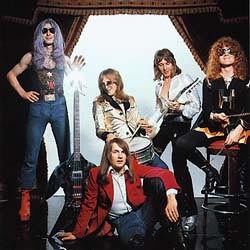
On the eve of a 1972 American tour with his band Mott the Hoople, lead singer Ian Hunter mops up the cat shit from the kitchen floor of his Wembley flat, pays his electricity bill having received a final demand, sends advanced rent to his landlord, and makes arrangements to have his Ford Anglia repaired having recently bashed it in an accident. It’s a suitably unglamorous prelude to his warts and all diary account of the tour itself. Hunter was thirty-three at the time and he wasn’t really a star; the title, to his considerable embarrassment, was insisted on by the publisher. He had been in the music business as long as the superstar likes of Paul McCartney and Mick Jagger and was older than both of them but still, as he says in the book, ‘forever on the way up’.
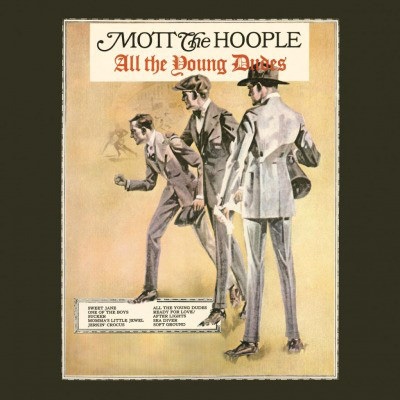
Mott the Hoople released their first album in 1969. In a rock scene which was becoming increasingly removed from its audience they quickly established a reputation as a hard gigging and down to earth people’s band. They numbered the young Mick Jones, later of punk band the Clash, among their fans. Commercial success, however, eluded them. Having come very close to breaking up earlier in 1972, following a gig in a converted gas holder in Switzerland, they were rescued from the precipice by superfan David Bowie, whose song All the Young Dudes finally gave them their first hit record. Hunter sensed that he was at last on the threshold of greater things, maybe even big success in the States, but as a seasoned journeyman he had no illusions about the wonderful business they call Show: ‘It may look flashy, but it’s over and you are finished before you know it - if you aren’t already broken by one thing it will be another. (…) If this sounds like self-pity, it’s not meant to - you have to be realistic, and the rock business is a dirty business full stop.’
There’s no sex or drugs here and not much rock ‘n’ roll as Hunter doesn’t write a great deal about the actual performances. Groupies haunt every hotel lobby but Hunter, who has recently got married, isn’t playing. His idea of fun in his downtime is to prowl around pawn shops with the band, often located in distinctly dodgy areas of the cities they visit, in search of guitars which can be sold at a profit back in London. It’s obvious that the group are strapped for cash. Just before their final gig in Memphis they have belongings and $270 stolen. Hunter has to borrow money to buy a Christmas present for his wife. There are constant arguments with promoters about billing - Mott are usually playing on bills with several other bands - and eventually the band start cancelling gigs when the promoters fail to meet their obligations, which puts them further out of pocket.
Hunter is also having serious digestive problems and spends a great deal of time squatting on the loo. Worried about his weight he doesn’t eat for three days and then nullifies the effort by overdoing the Budweiser. As the tour grinds on tiredness begins to take over, he finds that he wears his ‘underpants another day longer’ and is unsure if he is wearing clean socks or recycled dirty ones, he is increasingly short-tempered, has a row with guitarist Mick Ralphs, and gets into a slanging match with an officious air hostess. The book is full of the tedium and petty frustrations of life on the road, endless internal flights and hotel rooms, but Hunter’s excitement at being in America, home of the music he loves, is palpable nonetheless. Despite the often tedious reality of touring he remains enthralled by the rock ‘n’ roll myth and lives for that hour or two onstage each night when he connects with an enthusiastic audience. After all the tribulations, Diary ends on a high note with a triumphant gig in Memphis. Hunter’s ecstasy is unmistakable: ‘The gig was TREMENDOUS. We went down a storm; 3,700 people, and Joe Walsh went mad with us on the encores. (…) The crowd were up all the way through and I can hardly write for the excitement’.
This is an unremittingly honest frontline account from the classic era of rock which vividly evokes the early ‘70s; a time when everyone smoked everywhere and air travel still seemed exciting. Hunter writes from the heart in excellent conversational prose and conveys the mundane reality of a rock musician’s life while still somehow making it sound irresistibly romantic and seductive. While reading listen to All the Young Dudes, All the Way From Memphis, The Golden Age of Rock & Roll, Hymn for the Dudes, Roll Away the Stone, Marionette, Honaloochie Boogie, The Ballad of Mott the Hoople, Saturday Gigs: timeless rock ‘n’ roll anthems with witty lyrics which, just like the book, simultaneously demystify and mythologise the rock lifestyle.