
What do you think?
Rate this book


392 pages, Paperback
First published January 1, 1980


Then the first man from the north walked over to the wheat with his sickle, and the first man from the south grabbed his arm, and they grappled clumsily, awkwardly, roughly, brutishly, hunger against hunger, poverty against poverty, how dearly we buy our daily bread. The guards arrived and broke up the fight, attacking one side only, driving back with their sabers those from the south and corralling them as if they were animals.
أما السلاح الأقوى و الأقطع فهو الجهل. إنهم من الملائم ألا يعرفوا. ألا يقرأوا. ألا يكتبوا. ألا يحكو. ألا يفكروا. أن يعتبروا و يقبلوا أن الدنيا لا يمكن تغييرها. و أن هذه الحياة هي الاحتمال الوحيد. الممكن. بما هي عليه. و أن وراء هذه الحياة تنتظرهم الجنة.
⭐️⭐️
و قال الأب أجاماديس لنعاجه التي يرعاها: مملكتنا لا تقبع في هذه الدنيا. عانوا في حياتكم لتفوزوا بالسماء. و بقدر الدموع التي تزرفونها في وادي البلايا هذا ستكونون بقرب الرب عندما تتركون هذه الدنيا. فكل ما فيها خسارة. شيطان و لحم. و انتبهوا أنني لا أغمي عيونكم. ستكونون مخدوعين إن اعتقدتم أن الرب إلهكم يترككم أحرارا في الخير و الشر. في اليوم الآخر توضع الأعمال في الميزان. و من الأفضل أن نؤدي ديوننا في هذه الدنيا من أن نؤديها في الآخرة.
⭐️⭐️
خلال الأشهر الستة تلك حدثت تغيرات. البعض يراها قليلة. و البعض الآخر تبدو له هائلة. لا تلاحظ في المنظر الطبيعي إلا بالكاد. باستثناء تغييرات الفصول. أما التغيرات الأخرى فتصعق من يراها. كيف صار الأفراد عجائز. كيف قفزت الكهولة على أكتاف هؤلاء الآتين من السجن. و هؤلاء الذين لم يخرجوا من جبل لافري. و كيف كبر الغلمان.
there is no poetry in this, we'd like to see someone make a sonnet out of one man losing his grip on his axe and watching it skitter down the branch, catching the bark as it falls, and impaling itself in a bare foot, coarse and grubby, but so fragile, because when it comes to skin and the blade of an axe, there is little difference between the delicate, rosy foot of some cultivated maiden and the calloused hoof of a cork cutter, it takes the same time for the blood to spurt out.


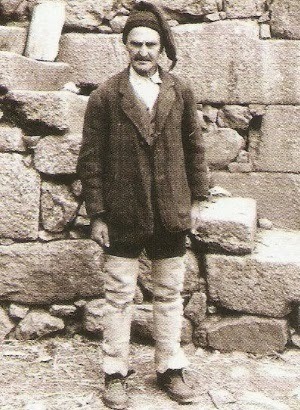
and it was with such men and women risen from the ground, real people first, figures of fiction later, that I learned how to be patient, to trust and to confide in time, that same time that simultaneously builds and destroys us in order to build and once more to destroy us.raised from the ground is one of saramago's most plaintive and personal tales, with strong characters as much at the whim of external forces as any in his other novels. beginning around the late 1800s and spanning the better part of a century through the coup that deposed salazar, the story follows the family's generations as each strives to overcome the past and seek for themselves a life easier than the ones their forebears knew. forever facing the misfortunes and daily humiliations that marked their years (including the ongoing threat of violence and imprisonment), the mau-tempos endeavored, and, quite literally, labored for their lives.
every day has its story, a single minute would take years to describe, as would the smallest gesture, the careful peeling away of each word, each syllable, each sound, not to mention thoughts, which are things of great substance, thinking about what you think or thought or are thinking, and about what kind of thought it is exactly that thinks about another thought, it's never-ending.


