

What do you think?

Selected Poems and Prose
Percy Bysshe Shelley was one of the leading English Romantics and is critically regarded among the finest lyric poets in the English language. His major works include the long visionary poems “Prometheus Unbound” and “Adonais,” an elegy on the death of John Keats. His shorter, classic verses include “Ozymandias,” “To a Skylark,” “Mont Blanc,” and “Ode to the West Wind.” This comprehensive and informative new edition collects his best poetry and prose, revealing how his writings weave together the political, personal, visionary, and idealistic.
920 pages, Paperback
Published January 31, 2017
About the author
Percy Bysshe Shelley
1,726 books1,438 followersWorks of Percy Bysshe Shelley, British romantic poet, include "To a Skylark" in 1820;
Prometheus Unbound
, the lyric drama; and "Adonais," an elegy of 1821 to John Keats.
The Cenci , work of art or literature of Percy Bysshe Shelley of 1819, depicts Beatrice Cenci, Italian noblewoman.
People widely consider Percy Bysshe Shelley among the finest majors of the English language. He is perhaps most famous for such anthology pieces as Ozymandias , Ode to the West Wind , and The Masque of Anarchy . His major long visionary Alastor , The Revolt of Islam , and the unfinished The Triumph of Life .
Unconventional life and uncompromising idealism of Percy Bysshe Shelley combined with his strong skeptical voice to make an authoritative and much denigrated figure during his life. He became the idol of the next two or three generations, the major Victorian and Pre-Raphaelite Robert Browning, Alfred Tennyson, Dante Gabriel Rossetti, Algernon Charles Swinburne, as well as William Butler Yeats and in other languages, such as Jibanananda Das and Subramanya Bharathy . Karl Marx, Henry Stephens Salt, and [authorm:Bertrand Russell] also admired him. Famous for his association with his contemporaries Lord Byron, he also married Mary Shelley, novelist.
The Cenci , work of art or literature of Percy Bysshe Shelley of 1819, depicts Beatrice Cenci, Italian noblewoman.
People widely consider Percy Bysshe Shelley among the finest majors of the English language. He is perhaps most famous for such anthology pieces as Ozymandias , Ode to the West Wind , and The Masque of Anarchy . His major long visionary Alastor , The Revolt of Islam , and the unfinished The Triumph of Life .
Unconventional life and uncompromising idealism of Percy Bysshe Shelley combined with his strong skeptical voice to make an authoritative and much denigrated figure during his life. He became the idol of the next two or three generations, the major Victorian and Pre-Raphaelite Robert Browning, Alfred Tennyson, Dante Gabriel Rossetti, Algernon Charles Swinburne, as well as William Butler Yeats and in other languages, such as Jibanananda Das and Subramanya Bharathy . Karl Marx, Henry Stephens Salt, and [authorm:Bertrand Russell] also admired him. Famous for his association with his contemporaries Lord Byron, he also married Mary Shelley, novelist.
Ratings & Reviews
Friends & Following
Create a free account to discover what your friends think of this book!
Community Reviews
Displaying 1 - 19 of 19 reviews

June 7, 2022
Shelley’s poetry will always have a special place in my heart. His poems were the first I truly loved, and to be totally honest, I didn’t even enjoy poetry before I read his words. He was my gateway into a lot of things.
There’s just so much power, optimism and vision in his writing. I find his ethos fascinating and it’s the reason I’m even writing a PhD. His ideas were the gateway into my research topic because his arguments on the vegetable diet are strikingly relevant today. Recently I gave a paper on this at a research conference, linking his activism with his diet and view for reform. Essentially, I’m trying to say that I would not be at this stage of my academic career had Shelley’s words not reached me.
There’s so much I could talk about here and so many poems I could quote and discussions I could present in this review. And this is because of the huge wealth of Shelley’s poetry and prose: he wrote so much. Unique to him though, among the romantic poets, is the fact he rivalled his poetic output with essays and prose. He supplemented his poetry with facts and it acts to enhance the quality of it because he makes his political and philosophical stance so clear. In this sense his poems become quite direct in their intent, and they really were designed to affect the reader in a number of ways. Ozymandias is a good example.
Ozymandias
Percy Shelley saw the world for what it was, and what it will be. He saw through the cracks of civilisation and human greed; he saw what man has become and will always be unless he changes. Ozymandias is a simple homage to human power, to human corruption and to human ruling. This is a poem with true universal value.

Ozymandias is not remembered. For all their monuments of human suffering and power, they achieved nothing. A statue does not define success; a stone likeness is not tangible to Godliness. All it does is evoke man’s own blackened heart. Human structures are futile. They are temporary, brief and finite. They will shatter and break like the men who built them. But nature, nature remains. Indeed, “the lone and level sands stretch far away” and will continue to stretch long after man ceases to walk them.
Notably, this poem has a strong afterlife, and it permeates modern culture because it is such a powerful allegory. Shelley argued that poets were "the unacknowledged legislators of the world" as they were those who tried to create changed through their words as they captured the problems of society through them. And this is precisely what Ozymandias does, it demonstrates how foolish humans can be and how empty our monuments are.
There's so much to say about this piece of writing, and this is just one of Shelley's works. There's so much more I want to add here but I know that if I really went into the topic of Shelley's work I'd go way beyond the character limit. So I will end by simply saying that I don't think I'll ever be finished with Shelley's words and ideas. His writing is certainly something I will be revisiting many times through my lifetime.
___________________________________
You can connect with me on social media via My Linktree.
__________________________________
There’s just so much power, optimism and vision in his writing. I find his ethos fascinating and it’s the reason I’m even writing a PhD. His ideas were the gateway into my research topic because his arguments on the vegetable diet are strikingly relevant today. Recently I gave a paper on this at a research conference, linking his activism with his diet and view for reform. Essentially, I’m trying to say that I would not be at this stage of my academic career had Shelley’s words not reached me.
There’s so much I could talk about here and so many poems I could quote and discussions I could present in this review. And this is because of the huge wealth of Shelley’s poetry and prose: he wrote so much. Unique to him though, among the romantic poets, is the fact he rivalled his poetic output with essays and prose. He supplemented his poetry with facts and it acts to enhance the quality of it because he makes his political and philosophical stance so clear. In this sense his poems become quite direct in their intent, and they really were designed to affect the reader in a number of ways. Ozymandias is a good example.
Ozymandias
Percy Shelley saw the world for what it was, and what it will be. He saw through the cracks of civilisation and human greed; he saw what man has become and will always be unless he changes. Ozymandias is a simple homage to human power, to human corruption and to human ruling. This is a poem with true universal value.
"I met a traveller from an antique land,
Who said—“Two vast and trunkless legs of stone
Stand in the desert. . . . Near them, on the sand,
Half sunk a shattered visage lies, whose frown,
And wrinkled lip, and sneer of cold command,
Tell that its sculptor well those passions read
Which yet survive, stamped on these lifeless things,
The hand that mocked them, and the heart that fed;
And on the pedestal, these words appear:
My name is Ozymandias, King of Kings;
Look on my Works, ye Mighty, and despair!
Nothing beside remains. Round the decay
Of that colossal Wreck, boundless and bare
The lone and level sands stretch far away.”
Ozymandias is not remembered. For all their monuments of human suffering and power, they achieved nothing. A statue does not define success; a stone likeness is not tangible to Godliness. All it does is evoke man’s own blackened heart. Human structures are futile. They are temporary, brief and finite. They will shatter and break like the men who built them. But nature, nature remains. Indeed, “the lone and level sands stretch far away” and will continue to stretch long after man ceases to walk them.
Notably, this poem has a strong afterlife, and it permeates modern culture because it is such a powerful allegory. Shelley argued that poets were "the unacknowledged legislators of the world" as they were those who tried to create changed through their words as they captured the problems of society through them. And this is precisely what Ozymandias does, it demonstrates how foolish humans can be and how empty our monuments are.
There's so much to say about this piece of writing, and this is just one of Shelley's works. There's so much more I want to add here but I know that if I really went into the topic of Shelley's work I'd go way beyond the character limit. So I will end by simply saying that I don't think I'll ever be finished with Shelley's words and ideas. His writing is certainly something I will be revisiting many times through my lifetime.
___________________________________
You can connect with me on social media via My Linktree.
__________________________________

January 21, 2017
Chronology
Introduction & Notes
Further Reading
Note on the Texts
The Poems
--The Irishman's Song
--Song ('Fierce roars the midnight storm')
--'How eloquent are eyes!'
--Fragment, or The Triumph of Conscience
--Song ('Ah! faint are her limbs')
--The Monarch's funeral: An Anticipation
--A Winter's Day
--To the Republicans of North America
--On Robert Emmet's Tomb
--To Liberty
--Written on a Beautiful Day in Spring
--'Dark Spirit of the desart rude'
--The Retrospect: Cwm Elan 1812
--Queen Mab
--'Mine eyes were dim with tears unshed'
--'O! there are spirits of the air'
--A Summer-Evening Church-Yard, Lechlade, Gloucestershire
--Sonnet. From the Italian of Dante
--To Wordsworth
--Feelings of a Republican on the Fall of Bonaparte
--Mutability
--Alastor; or, The Spirit of Solitude
--Verses written on receiving a Celandine in a letter from England
--Hymn to Intellectual Beauty [Versions A and B]
--Mont Blanc [Versions A and B]
--Dedication before Laon and Cythna
--To Constantia
--Ozymandias
--Lines Written among the Euganean Hills, October, 1818
--Julian and Maddalo
--Stanzas Written in Dejection---December 1818, near Naples
--The Two Spirits---An Allegory
--Sonnet ('Lift not the painted veil')
--Prometheus Unbound
--The Cenci
--The Mask of Anarchy
--Peter Bell the Third
--Ode to the West Wind
--To S[idmouth] and C[astlereagh]
--Love's Philosophy
--Goodnight
--Time Long Past
--On a Dead Violet: To ----
--On the Medusa of Leonardo da Vinci, In the Florentine Gallery
--To Night
--England in 1819
--Song: To the Men of England
--To ---- ('Corpses are cold in the tomb')
--The Sensitive-Plant
--An Exhortation
--Song of Apollo
--Song of Pan
--The Cloud
--'God save the Queen!' [A New National Anthem]
--Translation of Dante's Purgatorio, Canto XXVIII, lines 1-51
--Evening. Ponte a Mare, Pisa
--Ode to Liberty
--To a Sky-Lark
--Letter to Maria Gisborne
--To ---- [the Lord Chancellor]
--The Witch of Atlas
--Sonnet: Political Greatness
--Sonnet ('Ye hasten to the grave!')
--The Fugitives
--Memory ('Rose leaves, when the rose is dead')
--Dirge for the Year
--Epipsychidion
--Adonais
--'When passion's trance is overpast'
--Written on hearing the news of the death of Napoleon
--Epithalamium
--The Aziola
--Hellas
--'The flower that smiles today'
--The Indian Girl's Song
--'Rough wind that moanest loud'
--To the Moon
--Remembrance
--Listen to ---- [Sonnet to Byron]
--To ---- ('The serpent is shut out from Paradise')
--To Jane. The Invitation
--To Jane---The Recollection
--'When the lamp is shattered'
--'One word is too often prophaned'
--The Magnetic lady to her patient
--With a Guitar. To Jane
--'Far, far away, O ye / Halcyons of Memory'
--'Tell me star, whose wings of light'
--The Triumph of Life
--To Jane ('The keen stars were twinkling')
--Lines Written in the Bay of Lerici
The Prose
--From History of a Six Weeks' Tour
--From Preface to 'Laon and Cythna'
--An Address to the People on the Death of the Princess Charlotte
--From On Christianity
--On Love
--On Life
--The Coliseum
--From On the Devil, and Devils
--From A Philosophical View of Reform
--A Defence of Poetry
Notes
Appendix: The Contents of Shelley's Volumes of Verse Published in His Lifetime
Acknowledgements
Index of Titles
Index of First Lines of Verse
Introduction & Notes
Further Reading
Note on the Texts
The Poems
--The Irishman's Song
--Song ('Fierce roars the midnight storm')
--'How eloquent are eyes!'
--Fragment, or The Triumph of Conscience
--Song ('Ah! faint are her limbs')
--The Monarch's funeral: An Anticipation
--A Winter's Day
--To the Republicans of North America
--On Robert Emmet's Tomb
--To Liberty
--Written on a Beautiful Day in Spring
--'Dark Spirit of the desart rude'
--The Retrospect: Cwm Elan 1812
--Queen Mab
--'Mine eyes were dim with tears unshed'
--'O! there are spirits of the air'
--A Summer-Evening Church-Yard, Lechlade, Gloucestershire
--Sonnet. From the Italian of Dante
--To Wordsworth
--Feelings of a Republican on the Fall of Bonaparte
--Mutability
--Alastor; or, The Spirit of Solitude
--Verses written on receiving a Celandine in a letter from England
--Hymn to Intellectual Beauty [Versions A and B]
--Mont Blanc [Versions A and B]
--Dedication before Laon and Cythna
--To Constantia
--Ozymandias
--Lines Written among the Euganean Hills, October, 1818
--Julian and Maddalo
--Stanzas Written in Dejection---December 1818, near Naples
--The Two Spirits---An Allegory
--Sonnet ('Lift not the painted veil')
--Prometheus Unbound
--The Cenci
--The Mask of Anarchy
--Peter Bell the Third
--Ode to the West Wind
--To S[idmouth] and C[astlereagh]
--Love's Philosophy
--Goodnight
--Time Long Past
--On a Dead Violet: To ----
--On the Medusa of Leonardo da Vinci, In the Florentine Gallery
--To Night
--England in 1819
--Song: To the Men of England
--To ---- ('Corpses are cold in the tomb')
--The Sensitive-Plant
--An Exhortation
--Song of Apollo
--Song of Pan
--The Cloud
--'God save the Queen!' [A New National Anthem]
--Translation of Dante's Purgatorio, Canto XXVIII, lines 1-51
--Evening. Ponte a Mare, Pisa
--Ode to Liberty
--To a Sky-Lark
--Letter to Maria Gisborne
--To ---- [the Lord Chancellor]
--The Witch of Atlas
--Sonnet: Political Greatness
--Sonnet ('Ye hasten to the grave!')
--The Fugitives
--Memory ('Rose leaves, when the rose is dead')
--Dirge for the Year
--Epipsychidion
--Adonais
--'When passion's trance is overpast'
--Written on hearing the news of the death of Napoleon
--Epithalamium
--The Aziola
--Hellas
--'The flower that smiles today'
--The Indian Girl's Song
--'Rough wind that moanest loud'
--To the Moon
--Remembrance
--Listen to ---- [Sonnet to Byron]
--To ---- ('The serpent is shut out from Paradise')
--To Jane. The Invitation
--To Jane---The Recollection
--'When the lamp is shattered'
--'One word is too often prophaned'
--The Magnetic lady to her patient
--With a Guitar. To Jane
--'Far, far away, O ye / Halcyons of Memory'
--'Tell me star, whose wings of light'
--The Triumph of Life
--To Jane ('The keen stars were twinkling')
--Lines Written in the Bay of Lerici
The Prose
--From History of a Six Weeks' Tour
--From Preface to 'Laon and Cythna'
--An Address to the People on the Death of the Princess Charlotte
--From On Christianity
--On Love
--On Life
--The Coliseum
--From On the Devil, and Devils
--From A Philosophical View of Reform
--A Defence of Poetry
Notes
Appendix: The Contents of Shelley's Volumes of Verse Published in His Lifetime
Acknowledgements
Index of Titles
Index of First Lines of Verse

April 5, 2017
"The major directions of his thought and writings were formed early. At Eton (1804–10), where he was teased and bullied by the other boys, he developed (encouraged by the enlightened physician Dr James Lind) an enthusiasm for contemporary science, began to read radical writers, published a short Gothic novel and, on leaving school, collaborated with his sister on his first volume of verse."

Radical Romantic … Shelley. Photograph: The Bodleian Libraries of the Un/PA
"The primary task of poetry is to absorb and transform its sources in nature, art and thought, past and present, into instruments for knowing the world as it has become; in effect bringing a new reality into being. The corollary of these visionary, creative and ethical functions is Shelley’s celebrated declaration that ‘Poets are the unacknowledged legislators of the World" Introduction
The Irishman’s Song
"The stars may dissolve, and the fountain of light
May sink into ne’er ending chaos and night,
Our mansions must fall, and earth vanish away,
But thy courage O Erin! may never decay."
Lift not the painted veil which those who live
"Lift not the painted veil which those who live
Call Life: though unreal shapes be pictured there,
And it but mimic all we would believe
With colours idly spread,--behind, lurk Fear
And Hope, twin Destinies; who ever weave
Their shadows, o'er the chasm, sightless and drear.
I knew one who had lifted it--he sought,
For his lost heart was tender, things to love,
But found them not, alas! ... "
The Sensitive Plant
"...
The snowdrop, and then the violet,
Arose from the ground with warm rain wet,
And their breath was mixed with fresh odour, sent
From the turf, like the voice and the instrument.

Then the pied wind-flowers and the tulip tall,
And narcissi, the fairest among them all,
Who gaze on their eyes in the stream's recess,
Till they die of their own dear loveliness;
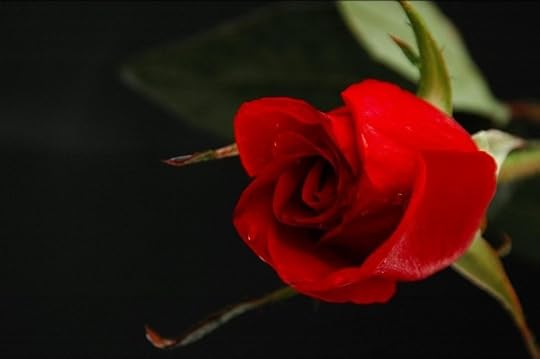
And the rose like a nymph to the bath addressed,
Which unveiled the depth of her glowing breast,
Till, fold after fold, to the fainting air
The soul of her beauty and love lay bare..."
Love’s Philosophy
"The fountains mingle with the river
And the rivers with the ocean,
The winds of heaven mix for ever
With a sweet emotion;
Nothing in the world is single,
All things by a law divine
In one another’s being mingle— .."
QUEEN MAB; A PHILOSOPHICAL POEM: WITH NOTES
"...
Those deserts of immeasurable sand,
Whose age-collected fervors scarce allowed
A bird to live, a blade of grass to spring,
Where the shrill chirp of the green lizard’s love
Broke on the sultry silentness alone,
Now teem with countless rills
and shady woods,
Corn-fields and pastures and white cottages;"
Radical Romantic … Shelley. Photograph: The Bodleian Libraries of the Un/PA
"The primary task of poetry is to absorb and transform its sources in nature, art and thought, past and present, into instruments for knowing the world as it has become; in effect bringing a new reality into being. The corollary of these visionary, creative and ethical functions is Shelley’s celebrated declaration that ‘Poets are the unacknowledged legislators of the World" Introduction
The Irishman’s Song
"The stars may dissolve, and the fountain of light
May sink into ne’er ending chaos and night,
Our mansions must fall, and earth vanish away,
But thy courage O Erin! may never decay."
Lift not the painted veil which those who live
"Lift not the painted veil which those who live
Call Life: though unreal shapes be pictured there,
And it but mimic all we would believe
With colours idly spread,--behind, lurk Fear
And Hope, twin Destinies; who ever weave
Their shadows, o'er the chasm, sightless and drear.
I knew one who had lifted it--he sought,
For his lost heart was tender, things to love,
But found them not, alas! ... "
The Sensitive Plant
"...
The snowdrop, and then the violet,
Arose from the ground with warm rain wet,
And their breath was mixed with fresh odour, sent
From the turf, like the voice and the instrument.
Then the pied wind-flowers and the tulip tall,
And narcissi, the fairest among them all,
Who gaze on their eyes in the stream's recess,
Till they die of their own dear loveliness;
And the rose like a nymph to the bath addressed,
Which unveiled the depth of her glowing breast,
Till, fold after fold, to the fainting air
The soul of her beauty and love lay bare..."
Love’s Philosophy
"The fountains mingle with the river
And the rivers with the ocean,
The winds of heaven mix for ever
With a sweet emotion;
Nothing in the world is single,
All things by a law divine
In one another’s being mingle— .."
QUEEN MAB; A PHILOSOPHICAL POEM: WITH NOTES
"...
Those deserts of immeasurable sand,
Whose age-collected fervors scarce allowed
A bird to live, a blade of grass to spring,
Where the shrill chirp of the green lizard’s love
Broke on the sultry silentness alone,
Now teem with countless rills
and shady woods,
Corn-fields and pastures and white cottages;"
August 26, 2023
The best way to describe Shelly is an outspoken polyamorous vegan, anti-fascist, chronically ill atheist spiritualist poet. And I will be returning to his poetry.

June 20, 2022
Non so trovare le parole giuste per descrivere ogni singola emozione che le opere di Percy Shelley mi hanno fatto provare, e non penso che sarò mai capace di trovarle. Bellezza, passione, amore, forza e tristezza che mi hanno investito come una valanga a ogni verso. Shelley per me è l'unico e solo. My lust for life.
October 20, 2024
Shelley starts opaque. I was drawn in by the more accessible masterpieces like Ozymandias, as well as a fascination for the history of the author and all the other remarkable people he shared his time with (it is indisputable that Mary WS, Byron, Keats and others all heavily influenced one another’s works, and the web of their lives outside of the literature deserves its own sitcom). But with time on my hands and analysis available online, I better discovered the wider works. It was then I realised the genius of Shelley’s talents that make these poems immortal.
The only thing I don’t like about this particular collection is that the notes for each poem are at the back in a separate section. It’s unwieldy to keep flicking back and forth. I think all commentary would have been better just after each poem. You could argue this makes the poems section more clunky, but you’re always going to use the contents page anyway to locate any given poem, given that there are almost 600 pages of them. I like to think Shelley would have approved of the cover art.
The only thing I don’t like about this particular collection is that the notes for each poem are at the back in a separate section. It’s unwieldy to keep flicking back and forth. I think all commentary would have been better just after each poem. You could argue this makes the poems section more clunky, but you’re always going to use the contents page anyway to locate any given poem, given that there are almost 600 pages of them. I like to think Shelley would have approved of the cover art.
October 12, 2021
PBS's status as a genius and a canonical poet is well established, I don't really think my review should spend any time elaborating what is already well known. So, perhaps I will talk a bit about the quality of this collection as an extensive introduction and portrait of the poet.
This collection includes all the major poetry except the epic poem Laon and Cythna, although it does include it's Preface and Dedication. Including that epic poem would have expanded this collection to well over 1000 pages, and, well, that seems inappropriate. Included in this collection are comprehensive introduction and notes to every poem. These notes are so complete that they include perhaps unnecessary repetitions. (We are reminded what the term "interlunar" means, for example, every time that term is used. I understand that this is important if the collection is to be used as a teaching copy, but it is slightly distracting for someone reading the collection from cover to cover) While slightly annoying, this is a good principle. Overall, I'm very satisfied with the collection.
A couple observations about Shelley. I think he is at his best when animated by his animosity, in his case this means his radical politics. Even "Oxymandias" is animated by his politics, and it is a perfect poem. "Adonais" is one of the many exceptions to the general rule laid out above. Shelley, in "A Defense of Poetry" essentially lays out a contradiction. Poets should, in general, avoid politics and discussion of contemporary (For them) morality because all these things are subject to time. However, for the immortal poets, any contemporary morality contained within their works acts as mere clothing for the eternal poetry borne beneath and through time. PBS doesn't lay out convincingly a way to distinguish between the two types of poets other than to say "Wait and see". How does one know oneself to be an eternal poet, and thus immune to the limiting effects of historical morality? PBS has no answer; one reaches the conclusion that PBS views these poets essentially like the Christian elect, if you are one you know you are and will act in accordance with virtue. PBS no doubt felt he was one of these people, because his poetry was so political. And he was right, to a certain extent. His most remembered poem "Oxymandias", I believe, was animated by Shelley's animosity towards tyrants, but is remembered today in both that way but also in a more general way, ironically, as a kind of memento mori of time's passing. Such are the contradictions that have deepened appreciation of Shelley since his young death.
This collection includes all the major poetry except the epic poem Laon and Cythna, although it does include it's Preface and Dedication. Including that epic poem would have expanded this collection to well over 1000 pages, and, well, that seems inappropriate. Included in this collection are comprehensive introduction and notes to every poem. These notes are so complete that they include perhaps unnecessary repetitions. (We are reminded what the term "interlunar" means, for example, every time that term is used. I understand that this is important if the collection is to be used as a teaching copy, but it is slightly distracting for someone reading the collection from cover to cover) While slightly annoying, this is a good principle. Overall, I'm very satisfied with the collection.
A couple observations about Shelley. I think he is at his best when animated by his animosity, in his case this means his radical politics. Even "Oxymandias" is animated by his politics, and it is a perfect poem. "Adonais" is one of the many exceptions to the general rule laid out above. Shelley, in "A Defense of Poetry" essentially lays out a contradiction. Poets should, in general, avoid politics and discussion of contemporary (For them) morality because all these things are subject to time. However, for the immortal poets, any contemporary morality contained within their works acts as mere clothing for the eternal poetry borne beneath and through time. PBS doesn't lay out convincingly a way to distinguish between the two types of poets other than to say "Wait and see". How does one know oneself to be an eternal poet, and thus immune to the limiting effects of historical morality? PBS has no answer; one reaches the conclusion that PBS views these poets essentially like the Christian elect, if you are one you know you are and will act in accordance with virtue. PBS no doubt felt he was one of these people, because his poetry was so political. And he was right, to a certain extent. His most remembered poem "Oxymandias", I believe, was animated by Shelley's animosity towards tyrants, but is remembered today in both that way but also in a more general way, ironically, as a kind of memento mori of time's passing. Such are the contradictions that have deepened appreciation of Shelley since his young death.
October 1, 2019
To see Shelley as a futurist or proto-futurist who sees nature as a multitude of impersonal force-fields capable of beauty and sublimity requires shaking away the prejudices against his florid language that later became the linguistic stuffing of Victorian album-verse. But that possibility, of reading him as a more benign Marinetti, far kinder, less cruel, less the cold eye cast upon death, than the infinitely suffering thing as versed in botany as political economy. The same who wrote "The Witch of Atlas" and those cloudy ethereal stanzas that make the better of Queen Mab also wrote a refutation of the Rev. Malthus as he wrote sympathetically of the Irish question.
He deserved to be liberated from both his admirers and detractors.
He deserved to be liberated from both his admirers and detractors.

April 28, 2021
Shelley is a pure genius. So tragic he died at 29, just imagine what else he could have written. Must read for anyone interested in Shelley or poetry.

January 10, 2025
"Poetry lifts the veil from the hidden beauty of the world, and makes familiar objects be as if they were not familiar."
Percy Bysshe Shelley é um daqueles autores cuja sensibilidade transforma palavras em algo quase palpável. Select Poems and Prose traz uma seleção poderosa de seus poemas e trechos em prosa, onde o romantismo e o idealismo político do autor brilham de maneira inconfundível. Sua poesia ressoa como um grito de liberdade, ao mesmo tempo delicado e revolucionário. Foi um mergulho de quase 30 horas nas profundezas da alma humana e na busca incessante pela perfeição, tanto na forma quanto na substância. Precisei fazer pausas para digerir o impacto de certos versos, e compreender melhor o idioma. Shelley não é fácil de ler; sua profundidade filosófica, combinada com um inglês arcaico, que não estou acostumada, exige atenção. Mas essa dificuldade torna a experiência ainda mais recompensadora.
Ler Shelley em inglês foi um desafio e tanto, já que a complexidade de suas imagens poéticas e a musicalidade de seus versos exigem uma leitura mais pausada. "Ode to the West Wind" foi a que mais me tocou. A ideia de ser "um instrumento de sua própria canção" me fez refletir sobre minha própria voz no mundo. É impossível não se emocionar com a intensidade com que ele escreve sobre amor, morte, natureza e revolução. Amo o Percy, e consigo enxergar agora a força que a Mary via nele. Um tanto rebelde, e por vezes descomprometido com a realidade, o que, talvez, o torne mais especial.
"Rise like lions after slumber, in unvanquishable number?" Shelley é arrebatador. Sua poesia ressoa como um grito de liberdade, ao mesmo tempo delicado e revolucionário. Foi um mergulho de quase 4 horas nas profundezas da alma humana e na busca incessante pela perfeição, tanto na forma quanto na substância.
A capa da Penguin, não reflete nem um pouco a complexidade do autor, é rasa, genérica. Percy é um dos grandes nomes do romantismo gótico, mais uma decepção para a coleção. Por falar em coleção, pretendo, assim que preencher as estantes, reler os grandes nomes do romantismo gótico... Byron, Percy, Mary... e por aí vai. Recomendo esse livro para leitores a partir de 16 anos, tanto pelo vocabulário desafiador quanto pelas ideias profundas e muitas vezes melancólicas.
Percy Bysshe Shelley é um daqueles autores cuja sensibilidade transforma palavras em algo quase palpável. Select Poems and Prose traz uma seleção poderosa de seus poemas e trechos em prosa, onde o romantismo e o idealismo político do autor brilham de maneira inconfundível. Sua poesia ressoa como um grito de liberdade, ao mesmo tempo delicado e revolucionário. Foi um mergulho de quase 30 horas nas profundezas da alma humana e na busca incessante pela perfeição, tanto na forma quanto na substância. Precisei fazer pausas para digerir o impacto de certos versos, e compreender melhor o idioma. Shelley não é fácil de ler; sua profundidade filosófica, combinada com um inglês arcaico, que não estou acostumada, exige atenção. Mas essa dificuldade torna a experiência ainda mais recompensadora.
Ler Shelley em inglês foi um desafio e tanto, já que a complexidade de suas imagens poéticas e a musicalidade de seus versos exigem uma leitura mais pausada. "Ode to the West Wind" foi a que mais me tocou. A ideia de ser "um instrumento de sua própria canção" me fez refletir sobre minha própria voz no mundo. É impossível não se emocionar com a intensidade com que ele escreve sobre amor, morte, natureza e revolução. Amo o Percy, e consigo enxergar agora a força que a Mary via nele. Um tanto rebelde, e por vezes descomprometido com a realidade, o que, talvez, o torne mais especial.
"Rise like lions after slumber, in unvanquishable number?" Shelley é arrebatador. Sua poesia ressoa como um grito de liberdade, ao mesmo tempo delicado e revolucionário. Foi um mergulho de quase 4 horas nas profundezas da alma humana e na busca incessante pela perfeição, tanto na forma quanto na substância.
A capa da Penguin, não reflete nem um pouco a complexidade do autor, é rasa, genérica. Percy é um dos grandes nomes do romantismo gótico, mais uma decepção para a coleção. Por falar em coleção, pretendo, assim que preencher as estantes, reler os grandes nomes do romantismo gótico... Byron, Percy, Mary... e por aí vai. Recomendo esse livro para leitores a partir de 16 anos, tanto pelo vocabulário desafiador quanto pelas ideias profundas e muitas vezes melancólicas.
January 14, 2026
I bought this because of an essay of CS Lewis, extolling Shelley and arguing that the conventional view of him is unfair. And so, though I find all the Rights of Man stuff super-repellent, I gave it a go. But I find that it is Lewis who has not given fair representation, or sufficient weight, to the arguments against Shelley. It's not that he believes in the perfectibility of man. It's not that he is against religion. It's that he is every cliche of the narcissistic, dilettante poet come true: self-satisfied, didactic yet essentially frivolous, living a life of luxury and privilege yet presuming to lecture the rest of the world on how it should operate. What a comfort it must have been to the Peterloo families, to have him stir in his sun-soaked Italian doze, roll onto his side and compose about ten pages of doggerel about the event! It was the act of an arrogant footler.
Even just purely as poetry, I find that he is over-, not under-rated. He has his moments, like Ozymandias and the Skylark; but that counts for little in such a huge mass of verse. On the whole he is nowhere near the level of Milton (to which he clearly aspires, particularly with Prometheus Unbound), or even the gorgeous, sensuous (if pointless) mood-music of Keats. He is more like Wordsworth, but without the latter's redeeming sincerity.
Where I come from we have a very apt description for people like him: he thinks he's it, and he's not. Far from being underrated or misunderstood, I think he is largely responsible - along with his mate Byron - for giving poetry and poets a bad name. The two of them trivialised it - not just by what they wrote, but by how they lived - to the point where it became difficult for a morally serious person to take it seriously, and difficult for an ordinary unpretentious person to take it as an ordinary unpretentious part of life. With them developed the stereotype of the poet as an irresponsible idler and fantasist.
Now I have this massive book on my hands. Charity shop here we come!...
Even just purely as poetry, I find that he is over-, not under-rated. He has his moments, like Ozymandias and the Skylark; but that counts for little in such a huge mass of verse. On the whole he is nowhere near the level of Milton (to which he clearly aspires, particularly with Prometheus Unbound), or even the gorgeous, sensuous (if pointless) mood-music of Keats. He is more like Wordsworth, but without the latter's redeeming sincerity.
Where I come from we have a very apt description for people like him: he thinks he's it, and he's not. Far from being underrated or misunderstood, I think he is largely responsible - along with his mate Byron - for giving poetry and poets a bad name. The two of them trivialised it - not just by what they wrote, but by how they lived - to the point where it became difficult for a morally serious person to take it seriously, and difficult for an ordinary unpretentious person to take it as an ordinary unpretentious part of life. With them developed the stereotype of the poet as an irresponsible idler and fantasist.
Now I have this massive book on my hands. Charity shop here we come!...
February 24, 2023
Finally finished! I really liked the lyric poetry, especially The Cloud and Time Long Past. The longer poems were more hit and miss: I loved The Mask of Anarchy and Queen Mab but found most of Prometheus Unbound and all of Hellas difficult to follow and a bit boring. The prose was a bit more dull, but there was much less of it, so at least I felt I was making progress. Having said that, I did really like A Defence of Poetry

July 13, 2022
The greatest Poetry Audiobook on CD ever!!!!!!!!!!!!!!!!!!!!!!!!!!!!!!!!!!!!!!!!!!!!!!!!!!!!!!!!!!!!!!!!!!!!!!!!!!!!!!!!!!!!!!!!!!!!!!!!!
This entire review has been hidden because of spoilers.
Read
September 7, 2022Really hard going. Not for the faint hearted!
February 12, 2026
The final essay was a magnificent crescendo to this behemoth. In Defense of Poetry indeed.
June 12, 2026
So musical, great descriptions of nature.
The defense of poetry prose piece is such a good defense of artistic creation in general
The defense of poetry prose piece is such a good defense of artistic creation in general

June 20, 2024
Läste dikterna en gång till och älskar de precis lika mycket som första gången jag läste dem!

September 24, 2019
This is what peak Romanticism looks like. The ideal, the totality, the lyrical, and the cataclysmic are all here. Shelley's entire agenda, in a word, is "unity"; in this light his work becomes singular.
"To suffer woes which Hope thinks infinite;
To forgive wrongs darker than death or night;
To defy Power, which seems omnipotent;
To love, and bear; to hope till Hope creates
From its own wreck the thing it contemplates;
Neither to change, nor falter, nor repent;
This, like thy glory, Titan, is to be
Good, great and joyous, beautiful and free;
This is alone Life, Joy, Empire, and Victory."
Nothing comes close.
also props cause he's a veggie
"To suffer woes which Hope thinks infinite;
To forgive wrongs darker than death or night;
To defy Power, which seems omnipotent;
To love, and bear; to hope till Hope creates
From its own wreck the thing it contemplates;
Neither to change, nor falter, nor repent;
This, like thy glory, Titan, is to be
Good, great and joyous, beautiful and free;
This is alone Life, Joy, Empire, and Victory."
Nothing comes close.
also props cause he's a veggie

August 13, 2024
Read it.
Displaying 1 - 19 of 19 reviews