

What do you think?

The Lost Get-Back Boogie
Iry Paret's done his time -- two years for manslaughter in Louisiana's Angola State Penitentiary. Now the war vet and blues singer is headed to Montana, where he hopes to live clean working on a ranch owned by the father of his prison pal, Buddy Riordan. In prison, Iry tinkered with a song -- "The Lost Get-Back Boogie" -- that never came out quite right. Now, the Riordan family's problems hand him a new kind of trouble, with some tragic consequences. And Iry must get the tune right at last, or pay a fateful price.
376 pages, Mass Market Paperback
First published January 1, 1986
About the author
James Lee Burke
106 books4,286 followersJames Lee Burke is an American author best known for his mysteries, particularly the Dave Robicheaux series. He has twice received the Edgar Award for Best Novel, for
Black Cherry Blues
in 1990 and
Cimarron Rose
in 1998.
Burke was born in Houston, Texas, but grew up on the Texas-Louisiana Gulf Coast. He attended the University of Louisiana at Lafayette and the University of Missouri, receiving a BA and MA from the latter. He has worked at a wide variety of jobs over the years, including working in the oil industry, as a reporter, and as a social worker. He was Writer in Residence at the University of Louisiana at Lafayette, succeeding his good friend and posthumous Pulitzer Prize winner John Kennedy Toole, and preceding Ernest Gaines in the position. Shortly before his move to Montana, he taught for several years in the Creative Writing program at Wichita State University in the 1980s.
Burke and his wife, Pearl, split their time between Lolo, Montana, and New Iberia, Louisiana. Their daughter, Alafair Burke, is also a mystery novelist.
The book that has influenced his life the most is the 1929 family tragedy "The Sound and the Fury" by William Faulkner.
Burke was born in Houston, Texas, but grew up on the Texas-Louisiana Gulf Coast. He attended the University of Louisiana at Lafayette and the University of Missouri, receiving a BA and MA from the latter. He has worked at a wide variety of jobs over the years, including working in the oil industry, as a reporter, and as a social worker. He was Writer in Residence at the University of Louisiana at Lafayette, succeeding his good friend and posthumous Pulitzer Prize winner John Kennedy Toole, and preceding Ernest Gaines in the position. Shortly before his move to Montana, he taught for several years in the Creative Writing program at Wichita State University in the 1980s.
Burke and his wife, Pearl, split their time between Lolo, Montana, and New Iberia, Louisiana. Their daughter, Alafair Burke, is also a mystery novelist.
The book that has influenced his life the most is the 1929 family tragedy "The Sound and the Fury" by William Faulkner.
Ratings & Reviews
Friends & Following
Create a free account to discover what your friends think of this book!
Community Reviews
Displaying 1 - 30 of 162 reviews

April 10, 2017
4.5 ★
“You’re a strange mixture of men, she said.”
This is the one that was rejected 111 times (I sort of get that) before being published 9 years later and nominated for a Pulitzer (I totally get that).
It’s quite unique from the others that would follow and a bit hard to describe. Despite not having a typically focused plot scheme, it was a fascinating read on the dynamics of a complicated male friendship and men are just . . . different.
It chronicals two ex-cons who drink and smoke from sunup to sundown and do stupid shite in Montana whilst fighting their demons, townfolk, and each other. The exchanges between them and how they support and fail each other are straight from Testosterone, and women as we know, are from Estrogen. Does that make any sense? No? Well, neither do they most of the time. They’re also the kind of men who can be rejected 111 times and still keep coming. This is certainly an open window into the soul of the author.
The thing is —> the prose, the prose, the prose. I have never read an author who can write about such seriously flawed, frequently unpleasant people, and make me enjoy it so much. There is always beauty with the ugliness. Artichokes come to mind—all those pokey leaves, then that hairy stuff, but then that heart to die for. I live in California. If JLB wanted to, he could sell me sunshine. If I met up with Iry Paret in a bar (a man who doesn’t do well with women because he always thinks of them as just women) would I go home with him? You bet. See, Jimmy even makes me say stupid shite.
Seriously now, what can I say, except that this book is better than anything I can write about it. I’m just a reader blinded by literature that shines so bright.
A special shout-out goes to Louisiana State University Press for finally saying “Yes Mr. Burke, we think you’re a hell of a writer.”
“You’re a strange mixture of men, she said.”
This is the one that was rejected 111 times (I sort of get that) before being published 9 years later and nominated for a Pulitzer (I totally get that).
It’s quite unique from the others that would follow and a bit hard to describe. Despite not having a typically focused plot scheme, it was a fascinating read on the dynamics of a complicated male friendship and men are just . . . different.
It chronicals two ex-cons who drink and smoke from sunup to sundown and do stupid shite in Montana whilst fighting their demons, townfolk, and each other. The exchanges between them and how they support and fail each other are straight from Testosterone, and women as we know, are from Estrogen. Does that make any sense? No? Well, neither do they most of the time. They’re also the kind of men who can be rejected 111 times and still keep coming. This is certainly an open window into the soul of the author.
The thing is —> the prose, the prose, the prose. I have never read an author who can write about such seriously flawed, frequently unpleasant people, and make me enjoy it so much. There is always beauty with the ugliness. Artichokes come to mind—all those pokey leaves, then that hairy stuff, but then that heart to die for. I live in California. If JLB wanted to, he could sell me sunshine. If I met up with Iry Paret in a bar (a man who doesn’t do well with women because he always thinks of them as just women) would I go home with him? You bet. See, Jimmy even makes me say stupid shite.
Seriously now, what can I say, except that this book is better than anything I can write about it. I’m just a reader blinded by literature that shines so bright.
A special shout-out goes to Louisiana State University Press for finally saying “Yes Mr. Burke, we think you’re a hell of a writer.”

August 19, 2022
Iry was just released from prison where he did a term for manslaughter. His family in Louisiana doesn’t really want him around. He decides that he needs a fresh start and packs his guitars and unfinished song to join his prison friend Buddy at Buddy’s family ranch in Montana. The setting is bucolic, but Buddy’s father has managed to earn the animosity of the whole town by championing the environment over jobs. Iry, finds himself in the middle of this conflict, and he needs to overcome his less socially acceptable impulses to get the life that he wants.
As usual, the author’s writing is beautiful, the descriptions are striking and the dialogue is realistic. Other authors would have turned this story into a violent testosterone-fest, but this book is more nuanced, even though the town is full of guns and anger, and the police take sides. The friendship between Iry and Buddy is tested on several levels. As a pleasant surprise, their differences are not settled by violence. As a warning, a bunch of animals are killed by vandals and hunters. Will Patton is the perfect narrator for Burke’s audio books. 4.5 stars
As usual, the author’s writing is beautiful, the descriptions are striking and the dialogue is realistic. Other authors would have turned this story into a violent testosterone-fest, but this book is more nuanced, even though the town is full of guns and anger, and the police take sides. The friendship between Iry and Buddy is tested on several levels. As a pleasant surprise, their differences are not settled by violence. As a warning, a bunch of animals are killed by vandals and hunters. Will Patton is the perfect narrator for Burke’s audio books. 4.5 stars

September 7, 2012
I'm just amazed at the ability of James Lee Burke to create characters who have such depth as Ivy Paret the ex-con who served his time in Angola (Louisiana) and is trying to begin a new life far away from his home town.
All of Burke's guys, his characters, think about right and wrong; about trying to find their way in a complicated world and how to make the best of everything they're dealt. Sometimes bad luck just happens, life happens and rising above it all takes perseverance, sometimes more than people have, unfortunately.
I was a bit concerned because most of Burke's books which I've read have been in the lushness of southern Louisiana and south Texas and I loved the his description of the southern part of the U. S.
Burke's second home is in Missoula, Montana, and is the site of this stand-alone.
Silly me, I was concerned that Burke couldn't include his lovely landscape description...it's Montana, for crying out loud. (I admit, I know nothing about Montana never having been there.)
However, there's just no way that Burke can leave out his lyrical landscape descriptions. He could probably describe the North Pole in such a way that I would want to be there and I hate cold.
I just came across this quote which speaks for itself. But I immediately thought of Burke and his finely drawn and unique characters and the burden they carry including one of my favorites, Burke's Dave Robicheaux.
"In the N.Y. Times Book Review for Feb. 2, 2012, critic Olen Steinhauer was writing about a John D. MacDonald contemporary, Elmore Leonard, but what he had to say about the best crime writers, that: “Our best crime writers are sometimes our most astute social novelists, concerned as much with our country’s ills as they are with sensational homicides.”
I certainly put James Lee Burke in that category which is, in my mind, a very small club of writers.
**********
Daniel brought me back to this review and when glancing through it, I could not remember the plot. The book was five stars, so I should have written a bit about this five star stand alone featuring Iry Paret.
Iry's a musician from Louisiana, just served two years in Angola and needs to start a new life. A friend, Buddy Riordan, a fellow he met in prison and was released earlier, invited Iry to Montana where his father owns a farm and Iry can begin again. His parole officer is watching to see if Iry can stay afloat on this side of the law. Iry knows that anything close to illegal can put him in handcuffs and back to Angola; manslaughter and murder are against the law in Montana, just like in Louisiana.
Unfortunately that cloud hanging over Iry's head follows him to Montana. Without trying, Iry is back walking the line between turning a blind eye to some troublemakers and the trouble they cause to Riordan's family or getting even and protecting his new family.
Always a presence, the finishing of a song he's started and heading back to Angola. Iry is walking a tightrope hoping he doesn't fall.
Great character, Iry, and don't know if I'll see him again, but would enjoy a second book. Of course, I admit, I'm easy when it comes to Burke...I'll read anything he's written.
All of Burke's guys, his characters, think about right and wrong; about trying to find their way in a complicated world and how to make the best of everything they're dealt. Sometimes bad luck just happens, life happens and rising above it all takes perseverance, sometimes more than people have, unfortunately.
I was a bit concerned because most of Burke's books which I've read have been in the lushness of southern Louisiana and south Texas and I loved the his description of the southern part of the U. S.
Burke's second home is in Missoula, Montana, and is the site of this stand-alone.
Silly me, I was concerned that Burke couldn't include his lovely landscape description...it's Montana, for crying out loud. (I admit, I know nothing about Montana never having been there.)
However, there's just no way that Burke can leave out his lyrical landscape descriptions. He could probably describe the North Pole in such a way that I would want to be there and I hate cold.
I just came across this quote which speaks for itself. But I immediately thought of Burke and his finely drawn and unique characters and the burden they carry including one of my favorites, Burke's Dave Robicheaux.
"In the N.Y. Times Book Review for Feb. 2, 2012, critic Olen Steinhauer was writing about a John D. MacDonald contemporary, Elmore Leonard, but what he had to say about the best crime writers, that: “Our best crime writers are sometimes our most astute social novelists, concerned as much with our country’s ills as they are with sensational homicides.”
I certainly put James Lee Burke in that category which is, in my mind, a very small club of writers.
**********
Daniel brought me back to this review and when glancing through it, I could not remember the plot. The book was five stars, so I should have written a bit about this five star stand alone featuring Iry Paret.
Iry's a musician from Louisiana, just served two years in Angola and needs to start a new life. A friend, Buddy Riordan, a fellow he met in prison and was released earlier, invited Iry to Montana where his father owns a farm and Iry can begin again. His parole officer is watching to see if Iry can stay afloat on this side of the law. Iry knows that anything close to illegal can put him in handcuffs and back to Angola; manslaughter and murder are against the law in Montana, just like in Louisiana.
Unfortunately that cloud hanging over Iry's head follows him to Montana. Without trying, Iry is back walking the line between turning a blind eye to some troublemakers and the trouble they cause to Riordan's family or getting even and protecting his new family.
Always a presence, the finishing of a song he's started and heading back to Angola. Iry is walking a tightrope hoping he doesn't fall.
Great character, Iry, and don't know if I'll see him again, but would enjoy a second book. Of course, I admit, I'm easy when it comes to Burke...I'll read anything he's written.

May 6, 2013
Whoa. Okay. I can't BELIEVE what it says in the preface, that this novel was REJECTED 111 times...and then nominated for the Pulitzer. It's raw, it's vivid, and in places so painful that I had to read it in small jags at a time to break it up. That's okay; it made this excellent novel last longer.
Here it is clear that the protagonist (and likely the writer) has ABSOLUTELY NO use for the American prison system or cops in general, though he is careful to avoid stereotyping his characters, and even his bad guys have their better moments as well. Since I agree with his perspective, I found myself nodding in synch with the bald, raw statements made by the narrator as well as multiple characters within the story line.
But the guy is no bleeding heart; he also recognizes that people sometimes make some terrible choices to get inside those walls, and that those newly emerged often wreak a lot of damage to themselves and sometimes to others before they hit their stride, supposing that they do.
This is brilliantly written, and I don't know what more to add to those who say that it is as much fun to read what he leaves unsaid as what he says outright. This early work shows a real gift, and it's fun to go back and find out where he started.
Highly recommended.
Here it is clear that the protagonist (and likely the writer) has ABSOLUTELY NO use for the American prison system or cops in general, though he is careful to avoid stereotyping his characters, and even his bad guys have their better moments as well. Since I agree with his perspective, I found myself nodding in synch with the bald, raw statements made by the narrator as well as multiple characters within the story line.
But the guy is no bleeding heart; he also recognizes that people sometimes make some terrible choices to get inside those walls, and that those newly emerged often wreak a lot of damage to themselves and sometimes to others before they hit their stride, supposing that they do.
This is brilliantly written, and I don't know what more to add to those who say that it is as much fun to read what he leaves unsaid as what he says outright. This early work shows a real gift, and it's fun to go back and find out where he started.
Highly recommended.

February 23, 2026
I loved the writing but didn't enjoy the story, set in the 50s or 60s based on references to the Korean War. Here's proof that even my beloved JLB can't hit 'em all outta the park.
A ne'er-do-well (aka a musician) named Iry/Zeno moves in with another ne'er-do-well (musician) named Buddy Riordan. The two met in prison during Iry's two-year stint in Angola. NDW #2 now lives in Montana and invites Iry to help his family purposefully introduce nutria (giant rats with bright orange teeth) into the ecosystem there. *shudder* As you can imagine, this scheme goes over poorly with the neighbors.

An actual nutria
Feeling that he owes the family some loyalty, Zeno involves himself in skirmishes where he and the Riordans are mostly on the losing end. After Zeno loses his truck and guitars to fire, and the Riordans lose a horse, a barn, an aviary, and a whole lot of sleep and peace, they all give it their best to drink and dope their ways into early graves.
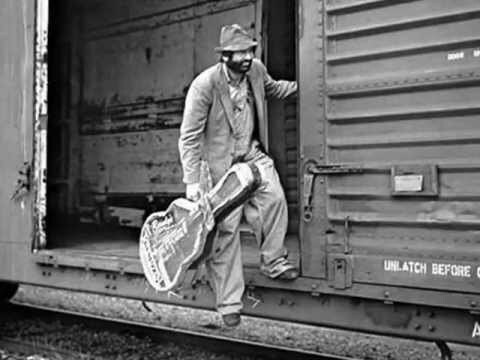
An actual ne'er-do-well
In some ways, I equated Zeno with Dave Robicheaux and Buddy with Clete Purcell. The difference is that Zeno and Buddy aren't really good guys; they're immensely selfish and generally unlikeable. At least Dave and Clete give hell to some truly bad people; here, the locals just don't want an invasive species introduced. Do both sides go about things the wrong way? You bet - but I found less to like about Zeno and Buddy.
A ne'er-do-well (aka a musician) named Iry/Zeno moves in with another ne'er-do-well (musician) named Buddy Riordan. The two met in prison during Iry's two-year stint in Angola. NDW #2 now lives in Montana and invites Iry to help his family purposefully introduce nutria (giant rats with bright orange teeth) into the ecosystem there. *shudder* As you can imagine, this scheme goes over poorly with the neighbors.
An actual nutria
Feeling that he owes the family some loyalty, Zeno involves himself in skirmishes where he and the Riordans are mostly on the losing end. After Zeno loses his truck and guitars to fire, and the Riordans lose a horse, a barn, an aviary, and a whole lot of sleep and peace, they all give it their best to drink and dope their ways into early graves.
An actual ne'er-do-well
In some ways, I equated Zeno with Dave Robicheaux and Buddy with Clete Purcell. The difference is that Zeno and Buddy aren't really good guys; they're immensely selfish and generally unlikeable. At least Dave and Clete give hell to some truly bad people; here, the locals just don't want an invasive species introduced. Do both sides go about things the wrong way? You bet - but I found less to like about Zeno and Buddy.

October 23, 2018
Recently paroled Ivy Paret is looking for a fresh start at his ex con friend Buddy Riordan's place. The trouble is Buddy's righteous, stoic father is waging a one man war against the town's main employment generating organization. He wants the courts to close down the mill on account of the air pollution it creates. This makes the Riordans public enemy number one and Paret guilty by association. So while Paret thinks he is running to normalcy, he is just going to be welcomed with a bullseye being painted on his back.
Burke is not especially plot heavy even when he is writing crime, so don't expect a lot of plot here. What the The Lost Get-Back Boogie instead has going for itself is beautiful and insightful writing. There is a layer of melancholy running throughout the narrative - a contemplation on loss. The loss of roots (as Paret moves from Louisiana to Montana), loss of innocence, loss of opportunities and lost time. The hills of Montana is given the same treatment that Burke would later provide to the bayous of Louisiana making them vivid yet exotic. There is a line that even the most stupid among us could figure out a stranger's motives if he is excessively cynical (paraphrasing). Simple but smart. There were quite a few passages like that which stayed with me after I was done with the book.
Burke's main strength lies in writing about these characters that will always be slightly off-kilter sideshows to the rest of society. Paret fits the bill but like all other Burke's protagonist he retains a morality and awareness of his flaws that keeps him sympathetic. In this book every bad decision emanates from a good place (when seen from the perspective of those who take it) and every self destructive act seems like an inescapable debt to one's personality.
Not everything is rosy here. Certain actions like descriptions of Paret fishing and boozing is overdone. It is a heavy read with a climax that provides some closure but no catharsis. Paret's drunken stupors are often sprayed with anecdotes from his past, whose quality are all over the map. But The Lost Get-Back Boogie in spite of its issues always remain a compelling read about a flawed man finding a semblance of purpose in life. Paret is a Southern country singer and according to him those songs glorify and romanticize Southern values that never really existed. But that doesn't mean he will give away the graft of the blues for the glitter of rock and roll. Similarly he chases something - a peaceful, prosperous, perfect new beginning; that he won't ever get. Doesn't mean it is a journey not worth taking for either him or the reader. Rating - 4/5.
Burke is not especially plot heavy even when he is writing crime, so don't expect a lot of plot here. What the The Lost Get-Back Boogie instead has going for itself is beautiful and insightful writing. There is a layer of melancholy running throughout the narrative - a contemplation on loss. The loss of roots (as Paret moves from Louisiana to Montana), loss of innocence, loss of opportunities and lost time. The hills of Montana is given the same treatment that Burke would later provide to the bayous of Louisiana making them vivid yet exotic. There is a line that even the most stupid among us could figure out a stranger's motives if he is excessively cynical (paraphrasing). Simple but smart. There were quite a few passages like that which stayed with me after I was done with the book.
Burke's main strength lies in writing about these characters that will always be slightly off-kilter sideshows to the rest of society. Paret fits the bill but like all other Burke's protagonist he retains a morality and awareness of his flaws that keeps him sympathetic. In this book every bad decision emanates from a good place (when seen from the perspective of those who take it) and every self destructive act seems like an inescapable debt to one's personality.
Not everything is rosy here. Certain actions like descriptions of Paret fishing and boozing is overdone. It is a heavy read with a climax that provides some closure but no catharsis. Paret's drunken stupors are often sprayed with anecdotes from his past, whose quality are all over the map. But The Lost Get-Back Boogie in spite of its issues always remain a compelling read about a flawed man finding a semblance of purpose in life. Paret is a Southern country singer and according to him those songs glorify and romanticize Southern values that never really existed. But that doesn't mean he will give away the graft of the blues for the glitter of rock and roll. Similarly he chases something - a peaceful, prosperous, perfect new beginning; that he won't ever get. Doesn't mean it is a journey not worth taking for either him or the reader. Rating - 4/5.

July 4, 2012
James Lee Burke is one of those rare writers who can describe a character or place so well you almost expect to bump into them or see the scenery out your window.
This novel was his introduction (or reintroduction in some cases) to a reading public after his earlier work had been out of print for 13 years. The fact that it was published in 1986 by a university press (LSU) after being rejected 111 times by commercial presses over a nine year period says something not very flattering about the taste of those big name publishers who in that same time period were publishing works by writers who haven’t an ounce of Burke’s talent. This opinion is justified by the fact The Lost Get-Back Boogie was nominated for a Pulitzer Prize (it should have won).
This was a re-read for me, so I’m not going to go deep on the plot. In brief, Iry Paret, a country musician fresh out of jail, accepts an invitation from Buddy Riordan, a prison friend, to come work on the family ranch in Montana. There Iry becomes deeply involved in an environmental dispute causing havoc for the family and falls in love with Buddy’s ex-wife, providing a hitch in his loyalty to a friend. It’s not a crime novel, though it has enough crime, violence and danger to satisfy the most jaded.
This novel was his introduction (or reintroduction in some cases) to a reading public after his earlier work had been out of print for 13 years. The fact that it was published in 1986 by a university press (LSU) after being rejected 111 times by commercial presses over a nine year period says something not very flattering about the taste of those big name publishers who in that same time period were publishing works by writers who haven’t an ounce of Burke’s talent. This opinion is justified by the fact The Lost Get-Back Boogie was nominated for a Pulitzer Prize (it should have won).
This was a re-read for me, so I’m not going to go deep on the plot. In brief, Iry Paret, a country musician fresh out of jail, accepts an invitation from Buddy Riordan, a prison friend, to come work on the family ranch in Montana. There Iry becomes deeply involved in an environmental dispute causing havoc for the family and falls in love with Buddy’s ex-wife, providing a hitch in his loyalty to a friend. It’s not a crime novel, though it has enough crime, violence and danger to satisfy the most jaded.

June 29, 2009
4.9999 stars. Read this one summer while housesitting - I would never have picked it up otherwise - and Burke surprised the hell out of me. I thought it would be a light, easy read. Nope.
The sensation of reading it stays with me - like my first time reading James Joyce or Vladimir Nabokov - Burke's style is so distinctive, without in the least bit altering from 'normal'.
And he is affecting. I haven't yet read his other works because it took such an emotional toll on me. That's all I can remember disliking about it: how goddamn sad it was, not in any overcooked 'best-laid plans gang aft agley' way, but with terrible realism: some people are just unlucky, some people are violent and mean, and god help them when they meet up.
Burke passed on judging his (intense & well-drawn) characters. Whether your run or fight isn't a reflection on your courage, he says; we do what we do because acting in character is the only choice open to us. It's how we're made. Repeating mistakes and acting like a dipshit is part of it.
A grim view of things, to be sure. But probably a realistic one.
My only quibble was the sexism - there are very few women and none of them useful, if I remember aright - but again, that's probably realistic of the characters, as well.
The sensation of reading it stays with me - like my first time reading James Joyce or Vladimir Nabokov - Burke's style is so distinctive, without in the least bit altering from 'normal'.
And he is affecting. I haven't yet read his other works because it took such an emotional toll on me. That's all I can remember disliking about it: how goddamn sad it was, not in any overcooked 'best-laid plans gang aft agley' way, but with terrible realism: some people are just unlucky, some people are violent and mean, and god help them when they meet up.
Burke passed on judging his (intense & well-drawn) characters. Whether your run or fight isn't a reflection on your courage, he says; we do what we do because acting in character is the only choice open to us. It's how we're made. Repeating mistakes and acting like a dipshit is part of it.
A grim view of things, to be sure. But probably a realistic one.
My only quibble was the sexism - there are very few women and none of them useful, if I remember aright - but again, that's probably realistic of the characters, as well.

September 22, 2011
Just a dynamo of a book. The reader can get utterly lost in the descriptive passages about the landscapes. The author's love for his characters and scenery is immense and heartfelt. The prose flows like Southern Comfort into a chilled glass with ice. The story revolves around a man named Iry, an ex-con trying to restart his live in Montana upon his release from prison. He gets a helping-hand from a friend he made in prison that gets him work on his fathers farm.
The father is currently not a popular man with the town locals after repeatedly trying to have the local pulp mill shut down. Iry gets pulled into the situation and struggles to stay on the right side of the law.
This is just an absolute tour-de-force and deserves a spot in my favorites list.

August 12, 2014
This book was written before I 'found' James Lee Burke, and I have managed to miss it until now - Please read this book. It is a remarkable look into a world we all know someone involved with. Finding your way back into society after serving time, turning your life around after prison has to be the most difficult thing I can imagine. James Lee Burke vision of this transition is astonishing and much better than my imagination could have come up with.
This book was rejected 111 times, and after a publisher finally printed it, was nominated for the Pulitzer Prize. Imagine that.
This book was rejected 111 times, and after a publisher finally printed it, was nominated for the Pulitzer Prize. Imagine that.

October 8, 2020
Summary: On release from prison, Iry Paret leaves Louisiana for Montana for a new start with his prisonmate, Buddy Riordan, only to find he has landed in the midst of new troubles.
Iry Paret has been released from Angola after his sentence for killing a man in a bar fight. He arrives home just in time to be with his father in his last days. He survived Korea, with a Purple Heart. He survived the brutalities of Angola. Despite offers from the family and some inherited land, he decides to leave Louisiana, with the permission of his parole board to start life anew with his prisonmate, Buddy Riordan, who lives on his father Frank’s ranch near Missoula, Montana.
Iry is a dobro and guitar player, a blues player. He hopes for a new start, with music gigs to supplement whatever he can make at the ranch. It seems possible, amid fresh fish from the river and spectacular views. He discovers instead that he has landed himself in the midst of trouble both of, and not of his own making.
Frank Riordan has alienated himself from the rest of the people in his community in his efforts to prevent paper companies from spewing foul smelling pollutants into the pristine air. To most people who either are loggers or work in the paper mills, that is the smell of money. Anyone connected to Frank faces the cold shoulder, or worse, including Iry. The town sheriff has it out for him and would just as soon send him back to Angola. Then he discovers his friend Buddy isn’t doing so well. His difficult relationship with his father and the other perceived failures including his failed marriage to Beth, result in periods of self-medicated oblivion or mania. To top it off, Beth comes on to Iry, who is equally attracted to Beth, and he ends up cuckolding his friend while he lives with him.
And the Lost Get Back Boogie? It’s a song Iry tries to write through much of the book but can never quite get the words for. It seems to represent the longing of this blues player to somehow “get back.” Get back to what? Maybe to life before the memories of the war? To life before Angola? And yet that life seems lost in fresh troubles, and the words don’t come.
This is James Lee Burke before Robicheaux, one of his early works. Yet it already bears the trademarks of his future works. Vivid descriptions of place, albeit of the rugged landscape of Montana rather than the lush Louisiana bayous. Characters torn between longing for peace, a sense of justice, and trouble that dogs their ways. A plot where trouble brews and grows from a number of directions.
This is a book for James Lee Burke fans who discovered him through his Robicheaux stories. As it turns out, he was writing good stories well before Robicheaux. Actually, this was the last novel before Robicheaux and the various Holland stories. It might be a good place to get to know James Lee Burke again for the first time.
Iry Paret has been released from Angola after his sentence for killing a man in a bar fight. He arrives home just in time to be with his father in his last days. He survived Korea, with a Purple Heart. He survived the brutalities of Angola. Despite offers from the family and some inherited land, he decides to leave Louisiana, with the permission of his parole board to start life anew with his prisonmate, Buddy Riordan, who lives on his father Frank’s ranch near Missoula, Montana.
Iry is a dobro and guitar player, a blues player. He hopes for a new start, with music gigs to supplement whatever he can make at the ranch. It seems possible, amid fresh fish from the river and spectacular views. He discovers instead that he has landed himself in the midst of trouble both of, and not of his own making.
Frank Riordan has alienated himself from the rest of the people in his community in his efforts to prevent paper companies from spewing foul smelling pollutants into the pristine air. To most people who either are loggers or work in the paper mills, that is the smell of money. Anyone connected to Frank faces the cold shoulder, or worse, including Iry. The town sheriff has it out for him and would just as soon send him back to Angola. Then he discovers his friend Buddy isn’t doing so well. His difficult relationship with his father and the other perceived failures including his failed marriage to Beth, result in periods of self-medicated oblivion or mania. To top it off, Beth comes on to Iry, who is equally attracted to Beth, and he ends up cuckolding his friend while he lives with him.
And the Lost Get Back Boogie? It’s a song Iry tries to write through much of the book but can never quite get the words for. It seems to represent the longing of this blues player to somehow “get back.” Get back to what? Maybe to life before the memories of the war? To life before Angola? And yet that life seems lost in fresh troubles, and the words don’t come.
This is James Lee Burke before Robicheaux, one of his early works. Yet it already bears the trademarks of his future works. Vivid descriptions of place, albeit of the rugged landscape of Montana rather than the lush Louisiana bayous. Characters torn between longing for peace, a sense of justice, and trouble that dogs their ways. A plot where trouble brews and grows from a number of directions.
This is a book for James Lee Burke fans who discovered him through his Robicheaux stories. As it turns out, he was writing good stories well before Robicheaux. Actually, this was the last novel before Robicheaux and the various Holland stories. It might be a good place to get to know James Lee Burke again for the first time.

May 16, 2019
This is a pretty good crime mystery that follows Iry Paret, an ex-con who is trying to rebuild his life following his release and the subsequent death of his father, and Buddy Riordan, also an ex-con who returned to his family's farm and invited Iry to join them. On top of their struggles in adapting back to civilian life and dealing with the prejudices that come with that, they also have to cope with the hate campaign aimed at Buddy's father, Frank, who is doing his best to be a responsible member of the community and get a local factory to clean up their act. In doing so he incurs the wrath of that very community as they see him as a risk to their livelihoods. This couldren of emotion and feeling bubbles and boils until the climax events that result in death, destruction and drunkness. This is well written and does flow pretty well although there are moments where things do drag slightly, and there is an aweful lot of drink driving which I found quite odd. Not a bad read though and worth persevering with for the final chapters.
July 6, 2024
It’s a well-written book, as is all James Lee Burke, but for whatever reason I didn’t really connect with it. I may just not have been in the right frame of mind for it - while JLB might be my favorite author, I have to admit that his writing and stories often has a certain mood/atmosphere that can wear on you a bit when reading a lot of it back to back. For me, if I’m not in the right head space for one of them, I sometimes will read and appreciate the beautiful prose but not fully connect. This might be a “me problem” and this one probably deserves a higher rating than this, but these are my thoughts at the moment.

February 25, 2018
Another early work of the author's that revolves around his usual themes though, while it starts in the Angola prison in Louisiana, most of the book is set in Montana. Listened to the audio version which was ably read by Will Patton.
August 5, 2020
Heart-wrenching beauty

September 3, 2021
4.5 stars. JLB can write, damn it.

January 12, 2026
This James Lee Burke novel was published before the author's Dave Robicheaux mysteries and his Holland family series. 'The Lost Get-Back Boogie' features a troubled, hard-drinking, Korean war veteran who's trying to get on with his life.
*****
It's the 1960s and Louisianan Iry Paret, who got a Bronze Star and a lot of bad memories during the Korean war, is on parole after a two-year-stint in the Louisiana State Penitentiary (Angola) for manslaughter.
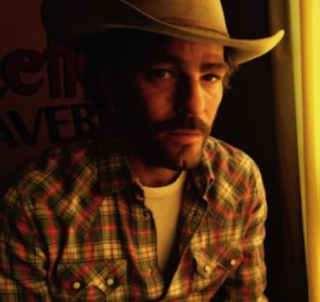
Paret, a country musician who plays a Dobro and a Martin flattop - and sings like Hank Williams - was drunk and high when he killed a man in a bar fight started by the other guy.

Now Iry is set to serve his parole in Missoula, Montana, on the family ranch of his Angola buddy and fellow musician Buddy Riordan.
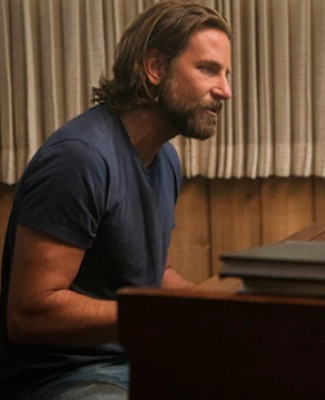
Iry and Buddy plan to work for Buddy's dad, Frank Riordan, and get music gigs on the side.
Buddy and Iry stay in a cabin on the Riordan ranch, where they do a lot of drinking, smoking marijuana, and fishing.

For men trying to straighten out their lives, Iry and Buddy aren't making a good start. They break out the beer and whiskey early in the day, and keep drinking later on, in bars and juke joints. Buddy purposely causes trouble, running his mouth and inflaming the locals.

This is doubly dangerous because residents of the Bitterroot Valley are furious with Buddy's dad, Frank Riordan. Frank is filing injunctions to close down the paper mill, which spews foul-smelling gases into the air. Shutting the mill would put four hundred men out of work, and force families to rely on welfare and food kitchens. The hardship would also spread to stores, bars, and other local businesses, but Frank is adamant - insisting the mill could operate if the owners would put in air filters.
Anger with Frank spreads to Buddy and Iry, and they're attacked on the road after an ugly bar scene exacerbated by Buddy. Iry's truck burns up, his instruments are destroyed, and he and Buddy end up in the hospital.

Iry can't let this humiliation go, and his subsequent actions put him on the radar of the sheriff. The lawman has no use for 'southern boys' and makes it his mission to send Iry back to prison.
At Frank's request, Iry also helps the rancher introduce pairs of non-native nutrias into Montana rivers. Iry tells Frank nutrias are TERRIBLE DESTRUCTIVE PESTS in Louisiana waterways, but Frank insists on proceeding with the project, having some misguided notion of helping beavers.

On many fronts, Frank is sowing the seeds of his own destruction, convinced he's doing the right thing.
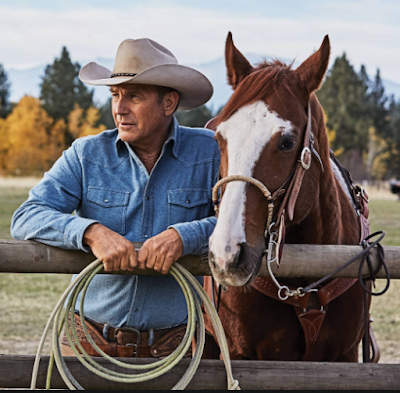
In the midst of all this, there's a birthday party for Buddy's son, and Iry meets Buddy's ex-wife Beth, an attractive warm woman. Iry starts seeing Beth behind Buddy's back, though he feels guilty about betraying his best friend.

Observing all this are Buddy's sister Pearl and her husband Mel, a hard-drinking university professor who's a political activist. Pearl dislikes Iry, and her hostility exacerbates tensions on the ranch.

Unlike Burke's later novels, this story doesn't have a devilish villain, but pushing people too far has unfortunate repercussions.
I was drawn into the story, but I'll admit to being put off by the constant drinking and drunkenness. Even when they're driving, Iry and Buddy drink and smoke pot, which seems terribly reckless and dangerous.
That said, this book was nominated for a Pulitzer Prize and is well worth reading.
Highly recommended.
You can follow my reviews at https://reviewsbybarbsaffer.blogspot.com

August 19, 2008
Iry Paret has done his time in Angola, which is no country club prison, then or now. He's gone home, but there's nothing there for him any more. His family would just as soon he leave, and he does. He heads for Montana, because his prison pal Buddy Riordan has promised him a job and a place to live. Buddy is a musician, like Iry, and they both have a predilection for the bottle, although Buddy likes his dope, too. Iry is on parole, which means he has to behave in Montana or he can be yanked back to Louisiana to finish out his time. This is not something he wants to do.
When Iry gets to Montana, Missoula and the Bitterroot Valley, he finds out that Buddy forgot to mention a thing or two. Buddy's father is a real piece of work, and has managed to piss off the vast majority of people in and around Missoula by filing a lawsuit and getting an injunction against the new pulp mill. He believes, and rightly so, that the pulp mill is an environmental disaster, polluting the water and the air now and as long as it is in business. Frank Riordan doesn't seem to much care about all the people he's going to put out of work; they, on the other hand, see him as the here-and-now problem and don't really want to worry about the long-term damage being done by the pulp mill.
Buddy has an ex-wife, and he'd like to get back together with her. Beth has no interest whatsoever in any kind of relationship with Buddy, although she thinks it's a good idea that he still sees himself as an involved parent with their two sons. She's not so happy about the drinking and the drugs. Iry and Beth are attracted to each other, which presents some obvious problems, since Iry and Buddy are living in the same house.
THE LOST GET-BACK BOOGIE is an amazingly powerful book, even after twenty years. Burke has such wonderful descriptive passages; it's easy to see that he loves Montana, at least the wilderness and the not-so-civilized portions of it. His people are just that: people, not characters in a book. Sometimes it's more like reading non-fiction than anything else, because these people do all the stupid things people do, make all those bad choices people make . . . but Burke lets the reader know them so well that these choices seem to be the only, the obvious choice to make. Even when we want to smack Iry upside the head and tell him not to go out with Buddy, don't have that one more drink, keep your mouth shut . . . we know that Iry can't do any of those things.
THE LOST GET-BACK BOOGIE is Burke's first novel. It was nominated for a Pulitzer. It deserved the nomination. While this isn't a perfect book (skip the Epilogue, and it probably comes close), Burke's talent is so obvious, so true, that no one should be surprised at the quality of his body of work. He's good enough that I kept picking it back up even though I could see the train wreck coming, put it down because I didn't want to read what was going to happen next, but had to pick it back up because I was drawn back into Iry's life by the writing. It doesn't get much better than that.
When Iry gets to Montana, Missoula and the Bitterroot Valley, he finds out that Buddy forgot to mention a thing or two. Buddy's father is a real piece of work, and has managed to piss off the vast majority of people in and around Missoula by filing a lawsuit and getting an injunction against the new pulp mill. He believes, and rightly so, that the pulp mill is an environmental disaster, polluting the water and the air now and as long as it is in business. Frank Riordan doesn't seem to much care about all the people he's going to put out of work; they, on the other hand, see him as the here-and-now problem and don't really want to worry about the long-term damage being done by the pulp mill.
Buddy has an ex-wife, and he'd like to get back together with her. Beth has no interest whatsoever in any kind of relationship with Buddy, although she thinks it's a good idea that he still sees himself as an involved parent with their two sons. She's not so happy about the drinking and the drugs. Iry and Beth are attracted to each other, which presents some obvious problems, since Iry and Buddy are living in the same house.
THE LOST GET-BACK BOOGIE is an amazingly powerful book, even after twenty years. Burke has such wonderful descriptive passages; it's easy to see that he loves Montana, at least the wilderness and the not-so-civilized portions of it. His people are just that: people, not characters in a book. Sometimes it's more like reading non-fiction than anything else, because these people do all the stupid things people do, make all those bad choices people make . . . but Burke lets the reader know them so well that these choices seem to be the only, the obvious choice to make. Even when we want to smack Iry upside the head and tell him not to go out with Buddy, don't have that one more drink, keep your mouth shut . . . we know that Iry can't do any of those things.
THE LOST GET-BACK BOOGIE is Burke's first novel. It was nominated for a Pulitzer. It deserved the nomination. While this isn't a perfect book (skip the Epilogue, and it probably comes close), Burke's talent is so obvious, so true, that no one should be surprised at the quality of his body of work. He's good enough that I kept picking it back up even though I could see the train wreck coming, put it down because I didn't want to read what was going to happen next, but had to pick it back up because I was drawn back into Iry's life by the writing. It doesn't get much better than that.

July 23, 2010
Burke's drama better than mystery, but plot still weak...
This book reminds us of what in music is called a "tone poem". The melodies and harmonies swirl in an entertaining, sometimes captivating, pattern; but when it's all over, it doesn't amount to much that's memorable. We wanted to read this novel to possibly cure ourselves of our disappointment with one of Burke's Dave Robicheaux mysteries. Our findings of that one ("Cadillac Jukebox") was that his imagery surely is vivid, but his skills in developing the plot and populating it with just the right number of support characters were lacking. That tends to kill a mystery, which after all must have a story with a somewhat logical structure.
In "Boogie", we do feel the drama category works better for Burke. The mind pictures he draws, especially of the Montana landscape where leading man Iry heads after getting a parole transfer out of his native Louisiana, continue to exhibit's Burke's mastery of descriptive prose. Alas, the plot is still not as strong as we might like, although the sheer drama of his story doesn't require the pace and form of a mystery. We found it difficult to empathize with the beer-swilling, guilt-laden brawlers generally depicted herein. But get by the alcohol content, and there is on display a fair degree of understanding the human condition. Interesting that this book was both nominated for a Pulitzer after publication, but (according to Burke's own web site) was rejected first by over 100 publishers!
After we read the Robicheaux book, we opined: Burke is probably better at drama, and he is. We think he might excel at poetry -- wonder if he's ever tried his hand at that? As with the musical counterpart, we probably wouldn't remember his "melody and harmony" per se, but would settle for the slide show he can create with words to go with our coffee and red wine.
This book reminds us of what in music is called a "tone poem". The melodies and harmonies swirl in an entertaining, sometimes captivating, pattern; but when it's all over, it doesn't amount to much that's memorable. We wanted to read this novel to possibly cure ourselves of our disappointment with one of Burke's Dave Robicheaux mysteries. Our findings of that one ("Cadillac Jukebox") was that his imagery surely is vivid, but his skills in developing the plot and populating it with just the right number of support characters were lacking. That tends to kill a mystery, which after all must have a story with a somewhat logical structure.
In "Boogie", we do feel the drama category works better for Burke. The mind pictures he draws, especially of the Montana landscape where leading man Iry heads after getting a parole transfer out of his native Louisiana, continue to exhibit's Burke's mastery of descriptive prose. Alas, the plot is still not as strong as we might like, although the sheer drama of his story doesn't require the pace and form of a mystery. We found it difficult to empathize with the beer-swilling, guilt-laden brawlers generally depicted herein. But get by the alcohol content, and there is on display a fair degree of understanding the human condition. Interesting that this book was both nominated for a Pulitzer after publication, but (according to Burke's own web site) was rejected first by over 100 publishers!
After we read the Robicheaux book, we opined: Burke is probably better at drama, and he is. We think he might excel at poetry -- wonder if he's ever tried his hand at that? As with the musical counterpart, we probably wouldn't remember his "melody and harmony" per se, but would settle for the slide show he can create with words to go with our coffee and red wine.

November 29, 2020
I've read all of Burke's Robicheaux novels, and some of his other work. Now I've finally gotten around to this early novel that was nominated for the Pulitzer. Burke laughs, sometimes uncontrollably, when he tells the story of how this novel was rejected 111 times. Sometimes the draft would come back to him mutilated with pen stabbings and stained with whiskey. Then after it's finally in print, it's nominated for that prodigious award.
After finishing, I can see both sides. At times, especially in the first 200 pages, I wanted to stab it with a pen, too. These characters drank so much alcohol, I was beginning to feel hungover. Do people really drink this much? CAN people really drink this much and survive? And, all of the drunk driving in this thing, made me want to put them all afoot, preferably bare-footed, to keep them off the roads.
I almost gave up on this book, but this is James Lee Burke, my favorite author. I often read his poetic prose aloud just to hear the sentences sing. But, with this novel, I told myself if one more guy strikes a match off of his thumbnail, I'm gonna strike one myself, and set this book on fire. And, those male characters continually calling each other "Babe" was driving me nuts.
Well, I kept going. The last third of the book was something special. I'm glad I finished, but unlike the Robicheaux books, I won't pick up this one again unless I'm drunk and don't know what I'm doing.
After finishing, I can see both sides. At times, especially in the first 200 pages, I wanted to stab it with a pen, too. These characters drank so much alcohol, I was beginning to feel hungover. Do people really drink this much? CAN people really drink this much and survive? And, all of the drunk driving in this thing, made me want to put them all afoot, preferably bare-footed, to keep them off the roads.
I almost gave up on this book, but this is James Lee Burke, my favorite author. I often read his poetic prose aloud just to hear the sentences sing. But, with this novel, I told myself if one more guy strikes a match off of his thumbnail, I'm gonna strike one myself, and set this book on fire. And, those male characters continually calling each other "Babe" was driving me nuts.
Well, I kept going. The last third of the book was something special. I'm glad I finished, but unlike the Robicheaux books, I won't pick up this one again unless I'm drunk and don't know what I'm doing.

November 14, 2011
So far I love this even more than the Dave Robicheaux books. The descriptions, which I often skip in a book, get re-read; the characters are engaging and I care about them; the story is in the fine American realist groove, painful but shown with deep understanding and no excuses. The writing is superb, not a wasted word and the words used are the pick of the litter. I was not expecting to be able to get into this book; now I cannot put it down.
Every time I rest the book for a moment I feel Emily Dickinson's "formal feeling." In the grit of a tough story there is a softness, the kind of ache that would disqualify a person from social work altogether. And everywhere in this book is a quiet truth and a sharp beauty.
Every time I rest the book for a moment I feel Emily Dickinson's "formal feeling." In the grit of a tough story there is a softness, the kind of ache that would disqualify a person from social work altogether. And everywhere in this book is a quiet truth and a sharp beauty.

November 17, 2010
The Lost Get Back Boogie is a slap of cold water in the face. Burke writes with the cultural empathy of Tony Hillerman, the passion for nature and the environment of a Edward Abby, and the socio-psychological suspense of a James Lehane. This is literary suspense at its finest. While Burke is often called a mystery writer, there is no mystery in this novel. We follow the main character as he is released from a Louisiana prison of which he was sentenced for making a bad choice and watch him helplessly as he makes more bad choices. Yet we feel for this character and the others in this sensitive portrayal of American rural life. Highly recommend and certainly not just for mystery fans.

June 22, 2007
If you like reading about alcoholics, or if you like reading about the drug addicted, or if you like reading about living conditions in prison, or if you like seemingly never ending personal dramas then this is the book for you. The story line and the characters wore me out! At half way through the book I realized it wouldn't get any better and I sped read to the end.

May 15, 2020
This is the James Lee Burke book that was famously rejected 111 times before finally being published in 1986 and ultimately being nominated for a Pulitzer Prize. I don't recall hearing of it when it first came out, and I never went back to it when I discovered Burke a few years later. I'm glad I did now.
The story in a nutshell: Iry Paret is a Korean War vet, country musician, and soon to be ex-con from Louisiana. He gets out of Angola State Prison and heads to Montana, where his prison friend Buddy has offered him a job and a place to stay at his family's ranch. Buddy's father can't stand the pollution coming from the local paper mill and has sued to get it cleaned up or shut down. The workers don't like that, and when he wins, they come to shoot up and burn down the ranch. Along the way, there is a lot of drama in both Iry's and Buddy's families, as well as the town.
The title comes from a song Iry has been working on. He's trying to capture the time before he went to Korea and got in trouble. He thinks it's going to be the country music version of the great American novel. When he finally records it, it gets a little airplay but isn't a hit. To Burke's credit, he describes the song but doesn't actually write it. I enjoyed the descriptions of the music and the lives of semi-pro musicians in the Montana town.
As usual, Burke's language is descriptive and lyrical. His characters are troubled, but not as much as Dave and Clete are in his current series. In fact, the entire book seemed less over the top to me. It reminded me of Sometimes a Great Notion (the movie, not the book - which I haven't read), sort of in reverse. Instead of the dysfunctional family stubbornly continuing their logging operation in the face of a strike as the labor union seeks revenge, the dysfunctional family sues and gets the mill shut down as the unemployed mill workers seek revenge. If you like that sort of thing, you'll like this.
The story in a nutshell: Iry Paret is a Korean War vet, country musician, and soon to be ex-con from Louisiana. He gets out of Angola State Prison and heads to Montana, where his prison friend Buddy has offered him a job and a place to stay at his family's ranch. Buddy's father can't stand the pollution coming from the local paper mill and has sued to get it cleaned up or shut down. The workers don't like that, and when he wins, they come to shoot up and burn down the ranch. Along the way, there is a lot of drama in both Iry's and Buddy's families, as well as the town.
The title comes from a song Iry has been working on. He's trying to capture the time before he went to Korea and got in trouble. He thinks it's going to be the country music version of the great American novel. When he finally records it, it gets a little airplay but isn't a hit. To Burke's credit, he describes the song but doesn't actually write it. I enjoyed the descriptions of the music and the lives of semi-pro musicians in the Montana town.
As usual, Burke's language is descriptive and lyrical. His characters are troubled, but not as much as Dave and Clete are in his current series. In fact, the entire book seemed less over the top to me. It reminded me of Sometimes a Great Notion (the movie, not the book - which I haven't read), sort of in reverse. Instead of the dysfunctional family stubbornly continuing their logging operation in the face of a strike as the labor union seeks revenge, the dysfunctional family sues and gets the mill shut down as the unemployed mill workers seek revenge. If you like that sort of thing, you'll like this.

November 4, 2021
I listened to this audiobook. Will Patten is a truly gifted narrator and I love listening to him. Iry Paret has served 2 years of a 5 year sentence for manslaughter in Angola Prison in Louisiana. Upon his release his father dies, and Iry has a contentious relationship with his siblings. With nothing to hold him to Louisiana, he gets permission to serve his parole in Montana where a fellow ex-convict has invited him to come. Iry and Buddy played in a blues band while in prison. Iry plays guitar and has been trying to write a song he calls the Lost Get-Back Boogie. Buddy lives on his father’s ranch where he and Iry help out. There is a lumber company nearby and Buddy’s father has created enemies there by demanding the evil paper mill employ more environmentally friendly practices. Iry doesn’t want to get in trouble and violate his parole. But Iry seems to be a trouble magnet. Iry drinks - all the time. Buddy drinks, smokes marijuana, and drops LSD. The two of them get into a fight with the lumber company employees that spins out of control. Iry exacts his revenge in a spectacular way. The local sheriff is looking to pin the violence on Iry. Also, Iry is drawn to Buddy’s estranged wife. Like I said, Iry is a magnet for trouble. Beautifully written prose doesn’t mask the violence. Written before Burke began his Dave Robicheaux series.

August 27, 2021
This book was nominated for a Pulitzer Prize and I see why. Burke tells a terribly realistic tale of a paroled Louisiana musician who seeks a new life in the wide open country of Montana. He joins a fellow convict there who is both a friend and a rival. The story of these two is riveting, each more self destructive, by turns, than the other. All the major characters, especially the men, are interesting, complex, multi-dimensional people, and utterly believable.
There is an engaging plot here told through terrific characters. Burke is a master of description. He makes the reader feel deeply the pain, the little triumphs, the dreams and fears of his people, without ever resorting to clichés.
It is a beautifully written book, in some ways a tragedy, so it is not an easy read. Sometimes I would turn a page with dread, knowing there is serious trouble in the next scene. I became so wrapped up in the story, at times I almost shouted out loud "don't do that!" as I watched the two friends do stupid, drunken things. It was difficult at times to read, but well worth the effort and the ending is ultimately uplifting.
I look forward to reading more by this author soon.
There is an engaging plot here told through terrific characters. Burke is a master of description. He makes the reader feel deeply the pain, the little triumphs, the dreams and fears of his people, without ever resorting to clichés.
It is a beautifully written book, in some ways a tragedy, so it is not an easy read. Sometimes I would turn a page with dread, knowing there is serious trouble in the next scene. I became so wrapped up in the story, at times I almost shouted out loud "don't do that!" as I watched the two friends do stupid, drunken things. It was difficult at times to read, but well worth the effort and the ending is ultimately uplifting.
I look forward to reading more by this author soon.
May 5, 2024
Early James Lee Burke...
One of my favorite authors earliest books. Famous for his Dave Robicheaux series and several others; this book was one of his first published stories.
Knowing that, this story seems to be packed with a LITTLE too much clutter when telling the story. One of the things I love about reading the Robicheaux series is how immersive his writing style is. When describing his New Orleans locations I felt like I was really there and it made me want to visit the New Orleans area some day. But more importantly, the stories he tells were interesting, believable, and hard to put down. There have been several movies made about the Dave Robicheaux character with Alex Baldwin and Tommy Lee Jones playing the main character. Baldwin was good but Tommy Lee really is Dave Robicheaux. I thought both movies were good but apparently didn't do well enough at the box office to produce a sequel. What a shame.
Anyway, "The Lost Get back Boogie" is a solid story told by a soon to be master author that takes you from Louisiana to Montana and hooks you in the story of an 1950s patrolled, ex con, guitar player, and his struggle to adapt to life outside of prison.
One of my favorite authors earliest books. Famous for his Dave Robicheaux series and several others; this book was one of his first published stories.
Knowing that, this story seems to be packed with a LITTLE too much clutter when telling the story. One of the things I love about reading the Robicheaux series is how immersive his writing style is. When describing his New Orleans locations I felt like I was really there and it made me want to visit the New Orleans area some day. But more importantly, the stories he tells were interesting, believable, and hard to put down. There have been several movies made about the Dave Robicheaux character with Alex Baldwin and Tommy Lee Jones playing the main character. Baldwin was good but Tommy Lee really is Dave Robicheaux. I thought both movies were good but apparently didn't do well enough at the box office to produce a sequel. What a shame.
Anyway, "The Lost Get back Boogie" is a solid story told by a soon to be master author that takes you from Louisiana to Montana and hooks you in the story of an 1950s patrolled, ex con, guitar player, and his struggle to adapt to life outside of prison.

December 30, 2024
James Lee Burke is the now the celebrated author of the many Dave Robicheaux mystery books, set in New Orleans. In those books he gives us unforgettable characters in Robicheaux and his friend Clete, as well as enchanting and captivating scenes of life in New Orleans. It is also worthwhile however to take a look at this book, which in an interview Burke admits was rejected 111 times! In the same interview, Burke related that when this book was finally published, he had been out-of-print--in other words, garnering nothing but rejections--for eleven years!
As someone who also writes and gets rejected all over the place, this is heartening news--we feel there is hope for the rest of us.
This work is set mostly in Montana, but the character is coming from Louisiana. Many of the Burke themes of self-destruction, finding one's way, and struggling against an adverse fate are already in this work. Even those who might feel it is not one of his best works, will nevertheless find it an enjoyable and interesting read.
See what you think, and happy reading.
As someone who also writes and gets rejected all over the place, this is heartening news--we feel there is hope for the rest of us.
This work is set mostly in Montana, but the character is coming from Louisiana. Many of the Burke themes of self-destruction, finding one's way, and struggling against an adverse fate are already in this work. Even those who might feel it is not one of his best works, will nevertheless find it an enjoyable and interesting read.
See what you think, and happy reading.

November 19, 2024
Before there was Dave Robicheaux or the Holland Family saga, James Lee Burke wrote created Iry Paret and The Lost Get Back Boogie. Published in 1986, the book tells the story of Paret, released on parol after serving his time in Louisiana's infamous Angola Prison for manslaughter, Paret travels to Montana to live with his prison friend Buddy Riordan, and the Riordan clan, including Buddy's ex-wife.
According to the preface written by Christine Wiltz, the book was turned down more than 100 times before finally being published by Louisiana State University Press. Burke had published several previous novels, but it was this book that truly launched his career.
This isn't my favorite Burke book, but it a good read. Moreover, it shows the traits in Burke's writing that will explode on the literary scene the following year with the introduction of Dave Robicheaux in Neon Rain. And the mystery world would never be the same.
According to the preface written by Christine Wiltz, the book was turned down more than 100 times before finally being published by Louisiana State University Press. Burke had published several previous novels, but it was this book that truly launched his career.
This isn't my favorite Burke book, but it a good read. Moreover, it shows the traits in Burke's writing that will explode on the literary scene the following year with the introduction of Dave Robicheaux in Neon Rain. And the mystery world would never be the same.

April 15, 2019
I am re-reading all of James Lee Burke. I have finished the westerns and am now trying to finish the least interesting of his genres....generalized fiction that doesn't tie into his main characters. This is one such book. Iry Paret's done his time -- two years for manslaughter in Louisiana's Angola State Penitentiary. Now the war vet and blues singer is headed to Montana, where he hopes to live clean working on a ranch owned by the father of his prison pal, Buddy Riordan. In prison, Iry tinkered with a song -- "The Lost Get-Back Boogie" -- that never came out quite right. Now, the Riordan family's problems hand him a new kind of trouble, with some tragic consequences. And Iry must get the tune right at last, or pay a fateful price. Testosterone fiction in overdrive. A little hard to take.
Displaying 1 - 30 of 162 reviews