Vom Sehen und Gesehenwerden, von Selbstbildern und Selbstzweifeln – Moshtari Hilal schreibt über Hässlichkeit
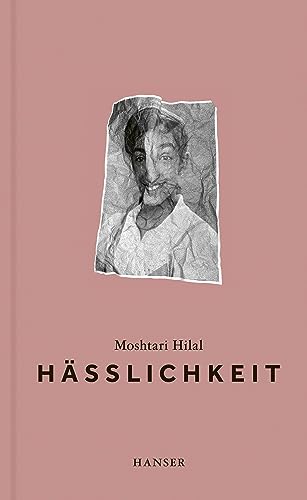
Dichte Körperbehaarung, braune Zähne, große Moshtari Hilal befragt Ideen von Hässlichkeit. In ihrem einzigartigen Buch schreibt sie von Beauty Salons in Kabul als Teil der US-Invasion, von Darwins Evolutionstheorie, von Kim Kardashian und von einem utopischen Ort im Schatten der Nase. Ihre Erkundungen, Analysen und Erinnerungen, ihre Bildzitate und eigenen Zeichnungen führen in jenen innersten Bereich, in dem jedes Selbstverständnis auf dem Prüfstand steht. Warum fürchten wir uns vor dem Hässlichen? Poetisch und berührend, intim und hochpolitisch erzählt Moshtari Hilal von uns allen, wenn sie von den Normen erzählt, mit denen wir uns traktieren.
"Dieses Buch handelt vom Hass in der Hässlichkeit und vom Abseits und Gegensatz des Schönen. Es beginnt bei mir und endet in uns allen."
Die Künstlerin und Kuratorin Moshtari Hilal setzt sich in ihrem künstlerischen Schaffen schon lange mit Schönheitsidealen und Ideen von Hässlichkeit auseinander, mit ihrem Buch widmet sie sich dem Thema nun auch literarisch und schafft damit einen ganz neuen, unglaublich wertvollen Zugang zu Hässlichkeit. Von der eigenen Nase und Körperbehaarung hangelt sie sich über Rassifizierung, Schönheits-OPs, Kriminologie, Evolutionstheorie, Krankheit und Tod vom Persönlichen zum Allgemeinen, sie geht den Fragen auf den Grund, an welche Bilder sich unsere Blicke gewöhnt haben, woher der Hass in der Hässlichkeit kommt und warum wir uns vor Hässlichkeit so fürchten.
In eine literarische Form lassen sich die Beiträge im Buch nicht zwängen, Lyrik, Essays, Fotos, Screenshots, Collagen - sie alle finden ihren Platz und lassen Moshtari Hilals Beschäftigung mit Hässlichkeit sowohl sehr poetisch, berührend und persönlich, als auch höchst politisch werden. Am Ende hat sich die Autorin mit ihrer eigenen Hässlichkeit versöhnt - und lässt mich mich selbst im Spiegel liebevoller anblicken. Ein unbedingt lesens- und fühlenswertes Buch, das auch haptisch und optisch besticht!
"Wenn hässlich bedeutet, alt, krank und ungeliebt zu sein, dann hassen wir nicht wirklich die Hässlichen, sondern fürchten unsere eigene Vergänglichkeit, Zerbrechlichkeit und Einsamkeit."
Reading this book was an experience like no other because its format is so unique. It’s a collection of essays, poetry and visual art, all of which bleed into one another and are grouped into sections focused on themes like plastic surgery and body hair. The essays are a blend of visceral personal experiences and more academic research, and I was absolutely gripped. I think a lot of the messages around body image will resonate with just about every woman (they certainly did with me) but they also centre the author’s unique perspective as a woman of Afghan descent living in Germany. I thought this book was incredibly fascinating and I’m so glad I picked it up!
In a mixture of essays, poetry and visual art, Hilal ponders the meaning of ugliness: who defines it, what purpose it serves, and how to deal with its concepts on a personal level. While I didn't feel like the book offers groundbreaking insights, I was certainly entertained and enjoyed reading the smart observations the compendium contains. And yes, the societal mechanics of beauty politics and pretty privilege are well covered, but what about the uplifting quality of the beautiful, what about aura and awe?
Ich habe aus dem Buch "Hässlichkeit" von Moshtari Hilal u.a. erfahren, dass der Namensgeber meiner alten Schule (Johann Gottfried Schadow) ein rassistischer Verfechter von Völker-Physiognomien war. Dass ich das nicht schon vorher wusste, liegt vermutlich am damaligen Schulsystem und meiner Teenager-Apathie. Jedenfalls ist "Hässlichkeit" aus meiner Sicht die ideale Mischung aus Sachbuch, Personal Essay und Kunst, überaus gelungen. Ich freue mich sehr, dass Moshtari Hilal den Hamburger Literaturpreis gewonnen hat und finde es das ideale Weihnachtsgeschenk nicht zuletzt für alle, die Menschen in Schönheitsstereotype zwingen wollen.
Die Künstlerin Mooshtari Hilal hat mit "Hässlichkeit" eine besondere Collage aus unterschiedlichen Textformen, Fotografien, Screenshots, Illustrationen und Montagen geschaffen, die nicht nur inhaltlich, sondern auch visuell fesselnd ist. Hilal bewegt sich zwischen gut recherchiertem Essay, Autobiographie und Poesie und diese Mischung macht dieses Buch so besonders und wertvoll. Es ist unmöglich es zu lesen, ohne sich selbst Fragen zu stellen und während das Buch definitiv auch Antworten liefert, liegt seine Stärke aber genau in dem, was es öffnet, ohne es (ab)zu schließen.
Moshtari Hilal'in kişisel hikâyesinden yola çıkıp güzellik, çirkinlik, aidiyet, göç ve kimlik üzerine düşündürme biçimi oldukça etkileyici. Kitap boyunca "çirkinlik" yalnızca estetik bir mesele olmaktan çıkıyor; toplumun kimi görünmez kıldığına, kime bakmaya değer bulduğuna dair politik bir kavrama dönüşüyor. En sevdiğim yanı ise bunu didaktikleşmeden yapabilmesi. Deneme ile otobiyografi arasında gidip gelen anlatısı çok doğal akıyor ve okuru sürekli kendi önyargılarıyla yüzleştiriyor. Çok yeni bir şeyler söylemiyor belki ama kendini fazlasıyla okutuyor, sevdim.
"Hässlichkeit ist ein Instrument gegen jene, die existieren, aber aus denen das System keinen gewünschten Nutzen zu gewinnen glaubt, außer in ihrer Ablehnung."
damn what a brilliant book. how inspiring, how philosophical. i haven‘t read a book that was so well thought-out, every aspect of uglyness was discussed, nothing was missing. the mix between nonfiction, information, art and poetry, autobiographical thoughts and feelings couldn‘t have been done any better. so much was new information for me, so much i haven‘t thought about.
this is a big inspiration for how clean i want to be able to dissect a topic, how i want to someday write a book. i could also feel through the pages how writing about it, getting into those topics was a journey to find oneself, i bet she had huge revelations and writing this gave her a lot. how mesmerizing.
i HIGHLY recommend everyone to read this. especially the always-pretty girls and the boys who only want beauty in their partners. let us all think about uglyness some more, how beauty leads to pain and let‘s learn to use uglyness as resistance.
La scrittrice in questo saggio accompagna il lettore nei meandri di tutti i pregiudizi, che la società tramanda di generazione in generazione, nei confronti di chi si discosta dai canoni riconosciuti che definiscono il bello. Come si sente chi non rientra in questi canoni? Com’è la vita di chi è emarginato perché brutto?
“Più scopro della bruttezza, più mi riconcilio con essa. La temo sempre meno, anche se rimane una certa soggezione. La bruttezza è tutt’altro che superficiale, scuote dalle fondamenta, interroga sul significato e il valore di una vita. Se ci riconciliamo con la bruttezza, ecco che essa offre quella magnificenza di cui parla Mingus, questo valore altro che viene creato proprio attraverso la nostra esistenza e non attraverso un tornaconto per altri o un adeguarsi a loro, a cui ci dobbiamo costringere.
Io sono brutta, perché sono. Io sono bella, perché sono.
Se risolviamo la contrapposizione tra bello e brutto, ecco che si risolve anche la contraddizione dentro di noi. Noi siamo alternativamente e allo stesso tempo brutti e belli.”
Con questo saggio sperimentale, Moshtari Hilal alterna poesie ad aneddoti personali, passando dai social, per esporre le varie nozioni e teorie che ancora in maniera dualistica separano la bellezza dalla bruttezza. Questo è a mio avviso uno dei tanti drammi di una società che si ostina ad usare la logica aristotelica del vero/falso, bianco/nero, bello/brutto…
“All’ombra del mio naso c’è un giardino. Un giardino in cui crescono erbe nere e i volti assomigliano a paesaggi.
A sud riposano due sopracciglia tra esse si erge il naso, che dà conforto ai pensieri. Una peluria nera incornicia il labbro superiore, si espande dall’avambraccio fin giù alla manica.
Ci sono mani che nuotano nei corsi d’acqua. Nel riflesso vedo un profilo come una falce, lo afferro.
Taglia ferite aperte nei vostri sguardi. Lì, dove il dolore risveglia il pensiero, proprio lì metto radici.”
Thematisch sehr interessant, mit vielen netten, mal überraschenden, mal schockierenden Fakten und Anekdoten zum Thema. Nur die Erzählweise war nicht ganz meins, teils zu lyrisch.
Mehr zum Buch in unserer ausführlichen Besprechung @ Papierstau Podcast: #287
Afgan asıllı Alman sanatçı Moshtari Hilal'in Çirkinlik kitabı, adından da anlaşılacağı üzere çirkinlik kavramını irdeleyen bir eser. Şiir, otobiyografi, deneme gibi farklı türlerin bir aradalığından oluşan kitapta, Hilal'in görsel sanat eserlerine ek olarak Tiktok ve Instagram gibi sosyal medyadan ekran görüntüleri de bulunuyor. (Bunların baskı kalitesi epey düşük kalmış. Okumak namümkün) Kitapta sık sık ''Eserin oijinalinde bu paragrafın sonunda bu fotoğraf yer alıyor.'' ibareleri bulunuyor ancak bahsedilen görseller kitaba eklenmemiş. Burada bir sansür mü söz konusu oldu merak ediyorum açıkçası.
Büyük burnu, tüylü bedeniyle çocukluğundan itibaren çeşitli zorbalıklara maruz kalan Hilal, güzelliğin zıttı olarak kabul edilen çirkinlik kavramını beş farklı bölümde inceliyor. Örneğin ikinci bölüm olan Burun Analizi'nde burun estetiklerinin tarihine, fizyonomi kavramına, güzellik algısına sosyolojik açıdan detaylı bir şekilde bakıyor. Şiirle başlayan bu kitapta böylesine derinlikli bilgiler öğreneceğimi tahmin etmiyordum itirafında bulunabilirim. Bu da benim ön yargılarımı kanıtlar nitelikte oldu.
1993 doğumlu yazarın Çirkinlik eseri beni tatmin eden bir okuma deneyimi sundu. Her anlamda dolu dolu bir kitap olduğunu düşünüyorum. Türkçe'ye çevrilmiş olmasını, bedeninden memnun olmayan genç kadınların yaş ortalamasının gittikçe düştüğü çağımızda önemli buluyorum. Dilerim çok okunur, çok konuşulur.
An interesting amalgamation of a book, it's like an academic treatise on beauty but imbued with the author's own experiences, poetry and artwork. The author's personal expressions of how she grew up feeling ugly because she didn't fit the Western cultural criteria for what is considered beautiful are what make the book relatable since, according to these standards, no one can be beautiful without aid of some form.
The academic side of the book educates us on how we are and have been manipulated on concepts of beauty and how ugliness has been used as tool over time to vilify and marginalise groups of people. If you are curious about the origins behind why and how nose jobs became a way to improve looks or how shaving legs and underarms became the norm, this book provides answers. It's really not that surprising to find out rasicm and making money are a driving factors.
While the stories and facts are extremely interesting, it was a bit of an effort to read due to the unusual structure. The inclusion of the author's personal experiences and art helped to break up the academic writing, which was at times slow moving and dense. But then these inclusions were, at times, a bit disruptive to the flow. If you can tolerate the format, the book's message is worthwhile.
An interesting thing I learned about this book, which was translated from German to English is the German title uses the German word for ugliness, hässlichkeit. And the root for this word is häss which means to hate.
wenn ich euch ein buch empfehlen darf, dann dieses hier. dieser multimediale text ist eine hochpolitische collage aus essays, lyrik, kunst, intimen erinnerungen und anekdoten. der roman schlüsselt auf verschiedenen ebenen den begriff „hässlichkeit“ auf– mit blick auf die evolutionstheorie, plastische chirurgie, eugenik und rassismus, hin zu poopkulturellen schönheitsidealen. „hässlichkeit“ handelt von der ständigen beurteilung von körpern und der kategorisierung in vermeintlich schönes und hässliches, von körperbehaarung, scham, der schönheitsindustrie, krankheit und dem tod. wie beeindruckend, was literatur in einem auslösen kann. ich werde dieses buch noch so oft in die hand nehmen und noch häufiger verschenken.
„dort, wo der schmerz das nachdenken anregt, dort an diesem ort schlage ich wurzeln“ moshtari hilals „hässlichkeit“ ist eine zusammenkunft von poesie, prosa, bildzitaten und essay. auf diesen seiten findet sich so viele brillante gedankengänge, angereichert durch historisch-politisches wissen. es geht um sehen, gesehen werden, dekolonialisierung, nasen-operationen, gesellschaftliche zwänge, das aufdecken westlicher beauty-standards, den eurozentrierten blick, behaarung, rassissmen und ableismen, othering, und und und! hilal problematisiert das konzept der hässlichkeit und des ihm inhärenten hass und plädiert für eine versöhnung, im sinne kristevas für „das dazwischen, das uneindeutige, das zusammengesetzte“.
Ein wunderbares Werk über Schönheit und Hässlichkeit, behaarte Frauenkörper, große Nasen und die Angst vor dem Tod und unser aller Vergänglichkeit. Tolle Anekdoten aus dem Leben der Autorin, unterlegt mit Poesie, Bildern und interessanten historischen Bezügen. Es wird viel vor dem Hintergrund von westlichen Schönheitsidealen analysiert, wie Schönheitsoperationen mit Eugenik zusammenhängt oder auch wie Lücken in der Evolutionstheorie sexistische Standards gesetzt haben. Ich wünschte fast, das Buch wäre länger, gibt es doch noch so viele andere absurde Schönheitsideale, über die man sich aufregen könnte. Aber Hilal bleibt bei dem, was für sie am greifbarsten ist und diese Authentizität macht das Buch aus.
Super interessantes Thema, werde noch viel darüber nachdenken! Liebe auch die Mischung aus theoretischer Einordnung und Verbindung zu persönlichen Erfahrungen. Große Empfehlung!
"I wish to become reconciled with myself, and reconciliation is found beyond the realm of dichotomy. I wish to learn to see and be seen without the chagrin of a person who fears proximity to ugliness. Without the chagrin of a person who feels they must love every shadow they cast."
Die Lektüre dieses Buches war zunächst eine Herausforderung, da die Mischung aus Lyrik, autofiktionalen Texten, Essays und Bildern ungewohnt und komplex war. Doch je tiefer ich mich darauf einliess, desto klarer wurde, dass diese Vielschichtigkeit das Besondere an dem Werk ist. Es fordert den Leser heraus, sich mit dem Thema „Hässlichkeit“ auf einer emotionalen und intellektuellen Ebene auseinanderzusetzen.
Moshtari Hilal hinterfragt, warum wir uns vor dem Hässlichen fürchten und warum die Gesellschaft so enge Schönheitsideale vermittelt. Besonders prägend für mich war ihre Analyse von „exklusiver Schönheit“ als Machtinstrument: „Exklusive Schönheit ist wirksam, weil sie die Nicht-Schönen hervorbringt. Ihre Entwürdigung, ihr Ausschluss, letztlich ihre Entmenschlichung ist der eigentliche Sinn des modernen Schönheitsbegriffs.“
Die Autorin zeigt, dass Hässlichkeit nicht in den Augen des Betrachteten, sondern in der Intention des Betrachters liegt: „Hässlich ist nicht, wer angesehen wird, sondern wer mit der Intention der Entmenschlichung ansieht.“ Diese Erkenntnis regt dazu an, über unsere eigenen Wahrnehmungen und die gesellschaftlichen Mechanismen nachzudenken, die Ausschluss und Entmenschlichung fördern.
Obwohl das Buch anfangs herausfordernd erschien, bin ich sicher, dass bei jeder weiteren Lektüre neue Perspektiven und tiefere Einsichten gewonnen werden können. Hilals Mischung aus persönlichen Erlebnissen und gesellschaftlicher Analyse öffnet einen Raum für tiefgehende Reflexionen über Schönheit, Körper und Ausgrenzung.
"Hässlichkeit wäre oberflächlich, wenn es in Wahrheit nicht um Hass ginge, um den Wunsch, nicht gehasst zu werden, sich selbst nicht zu hassen."
Werte und Normen in der Schönheitsindustrie, Selbstwahrnehmung und europäisch-zentrierte Ideale, Historie, Evolution, Rassismus, Autobiografie, Konzepte und philosophische Gedankengänge; all diese Themen und noch viele mehr vereint die Autorin in ihren Essays, Aufsätzen, Gedichten, Zeichnungen und Bildern. Ein Buch wie dieses findet man selten, das so schonungslos offen und ehrlich die Thematik "Hässlichkeit" aufgreift. Tief berührend und ergreifend nimmt die Autorin uns mit auf eine Reise, wo ich nicht wusste, dass ich persönlich sie gebraucht habe. Ich habe mich selbst oft in ihren Essays und Gedichten wiedergefunden und bin ihr über ein paar Erkenntnisse, die ich daraus gewonnen habe, sehr dankbar. Besonders schonungslos waren ihre Erzählungen über ihre Erfahrungen im deutschen Schulsystem und in der europäischen Gesellschaft und deren Standards.
Ein absolut lesenswertes und hoch informatives Buch. Ein Highlight für dieses Jahr garantiert.
"Wenn hässlich bedeutet, alt, krank und ungeliebt zu sein, dann hassen wir nicht wirklich die Hässlichen, sondern fürchten unsere eigene Vergänglichkeit, Zerbrechlichkeit und Einsamkeit."
Ich wünschte unsere Gesellschaft wäre soweit wie Moshtari Hilal und ihre Leser*Innen...Ich hoffe so sehr, dass meine Enkeltöchter sich keine Gedanken mehr über zu große Nasen, zu dicke Oberschenkel, Körperbehaarung oder oder oder machen. Tolles Buch, absolut lesenswert.
spectacular 5/5 super klug geschrieben und richtig tolle Gedichte, fand es war so der perfekte mix zwischen privat und wissenschaftlich. alles in allem sehr interessant und emotional und wahr was sie schreibt must read
Gäbe noch viel mehr Stellen, die man hier hätte aufschreiben können, aber man soll ja selber lesen! „Die Ideologie der Proportionalität, Symmetrie und vermeintlichen Harmonie der menschlichen Anatomie beschneidet die naturgegebene Gestalt, meint aber sie zu optimieren. Etabliert wurde die Ideologie von Männern, die nach eigener Messung selbst hässlich gewesen wären und die doch Schablonen und Modelle bereitstellten, um übergeordnete Schönheit zu patentieren und zu kontrollieren.“
„Exklusive Schönheit repräsentiert eigentlich eine so kleine Minderheit, dass die Schönen kaum als Agent*innen der Hierarchisierung verstanden werden können. Sie sind zufällige Begünstigte eines Systems, das von anderen aufrechterhalten wird“
Most Importantly: „Frauen, die verheiratet sein möchten, sind verzweifelt, denn ihre Haut wird gelesen. Man liest entlang ihrer Beine, welche Haltung sie zur sinkenden Reproduktionsrate haben, an ihren Achseln entziffern ihre Mitmenschen ihre Haltung zu Militäreinsätzen, an ihrer Oberlippe scheint eine Kritik an häuslicher Gewalt notiert zu sein. Zunehmend ist der behaarte Körper ein beschrifteter Körper.“
„Doch die Versöhnung mit der Hässlichkeit wird mich weiterhin begleiten. Ich werde sie mir jeden Tag aufs Neue abverlangen müssen, werde mich jeden Tag erinnern müssen, werde meinen Blick ermahnen müssen, und meine Angst und meinen Ekel hinterfragen.“
Wirklich, wirklich gut. Die Mischung aus sachlichen (Nach-)Erzählungen, persönlichen Anekdoten und Gedichten sowie Fotos und Zitaten hat ein tolles thematisches Gesamtwerk erzeugt. Besonders die persönlichen Abschnitte haben mich berührt, allem voran der Teil “Untote” im letzten Drittel des Buches. Da wurden u.a. Krankheit und Tod im Zusammenhang mit dem Begriff Hässlichkeit bearbeitet bzw. was wir als hässlich (ungewollt) wahrnehmen (Schwäche, Kontrollverlust, Verwesung, Altern, das Sterben) und die Autorin hat sehr offen über den Tod ihrer Mutter gesprochen. Auch die sonstigen Themen, die im Laufe des Romans besprochen wurden, um einen wichtigen Kontext zu geben, haben mich sehr interessiert (Anfänge der plastischen Chirurgie, Eugenik, Physiognomie, Kuriositätenunterhaltung); immer mit dem gemeinsamen Nenner, die Ausgrenzung durch (kulturell/sozial erzeugte/wahrgenommene) ‘Andersartigkeit’, Krankheit, Normabweichungen aufzuzeigen. Die Verbindungen von Hässlichkeit zu Diskriminierungen (Rassismus, Ableismus) hat sie für mich gut beschrieben. Ich finde, hier besteht durchaus Potenzial, um noch ein zweites Buch zum Thema Hässlichkeit zu schreiben und dabei auf weitere Konzepte, Ursprünge, Verbindungen sowie gegenwärtige Trends einzugehen. Ich würde es lesen haha.
Die Gedanken mit denen das Buch endet, sind die, von denen ich mir gewünscht hätte, dass es sie weiter entfaltet (was bedeutet es, wenn Menschen Schönheitsnormen obsessiv verfolgen und verkörpern wollen und Hässlichkeit und Abweichung ablehnen, es aber auch diejenigen Menschen gibt, die diesen Normen von vornherein nie entsprechen können werden (z. B. aufgrund von Behinderung)? Führt der Weg zur politischen Befreiung nicht eigentlich auch über die Annäherung an die Hässlichkeit?)