عمل فني رائع آخر يعاد اكتشافه لكاتب "جمرات". رواية حسية ومثيرة وحكيمة عن أشهر مغوي فاسد في العالم والمواجهة التي غيرته إلى الأبد. هرب جياكومو كازانوفا عام 1756 من سجن قيل إنه لا سبيل للهروب منه. وعاود الظهورة مرة أخرى في قرية إيطالية صغيرة تسمى بولزانو حيث استقبل زائراً غير مرغوب فيه. إنه دوق بارما العجوز لكنه ما يزال مرعبا. هزم كازانوفا منذ سنوات في مبارزة على فتاة فاتنة تسمى فرانشيسكا, و لم يقتله بشرط ألا يراها مرة أخرى أبدا. و الآن و قد تزوج الدوق فرانشيسكا, و أمسك بالصدفة برسالة غرامية منها إلى غريمه القديم, بوسعه أن يقتل كازانوفا على الفور, لكنه يعرض عليه اتفاقا بدلا من ذلك. إتفاق منطقي و منحرف و لا سبيل إلى مقاومته.
محولاً حدثاً تاريخياً إلى استكشاف روائي مذهل لعناق الرغبة والموت. أثبت ساندور ماراى بكازانوفا في بولزانو إنه أحد الأصوات المميزة في القرن العشرين.
ذكية و مثيرة للتأمل.. طعنات بمتع حياتية عميقة - "فوج"
متألقة.. مبارزة شائكة بين أذهان حادة.. تعتبر كازانوفا في بولزانو دليلا حيا على إهمالنا ألمعية ساندور ماراي أثناء حياته - "شيكاغو تريبيون"
"قصة فاتنة عن الحب و الصداقة و الخيانة.. غنية, مغوية, عاطفية, ساخرة" - "مجلة إل Elle"
Sándor Márai (originally Sándor Károly Henrik Grosschmied de Mára) was a Hungarian writer and journalist. He was born in the city of Kassa in Austria-Hungary (now Košice in Slovakia) to an old family of Saxon origin who had mixed with magyars through the centuries. Through his father he was a relative of the Ország-family. In his early years, Márai travelled to and lived in Frankfurt, Berlin, and Paris and briefly considered writing in German, but eventually chose his mother language, Hungarian, for his writings. He settled in Krisztinaváros, Budapest, in 1928. In the 1930s, he gained prominence with a precise and clear realist style. He was the first person to write reviews of the work of Kafka. He wrote very enthusiastically about the Vienna Awards, in which Germany forced Czechoslovakia and Romania to give back part of the territories which Hungary lost in the Treaty of Trianon. Nevertheless, Márai was highly critical of the Nazis as such and was considered "profoundly antifascist," a dangerous position to take in wartime Hungary. Marai authored forty-six books, mostly novels, and was considered by literary critics to be one of Hungary's most influential representatives of middle class literature between the two world wars. His 1942 book Embers (Hungarian title: A gyertyák csonkig égnek, meaning "The Candles Burn Down to the Stump") expresses a nostalgia for the bygone multi-ethnic, multicultural society of the Austro-Hungarian Empire, reminiscent of the works of Joseph Roth. In 2006 an adaptation of this novel for the stage, written by Christopher Hampton, was performed in London. He also disliked the Communist regime that seized power after World War II, and left – or was driven away – in 1948. After living for some time in Italy, Márai settled in the city of San Diego, California, in the United States. He continued to write in his native language, but was not published in English until the mid-1990s. Márai's Memoir of Hungary (1944-1948) provides an interesting glimpse of post World War II Hungary under Soviet occupation. Like other memoirs by Hungarian writers and statesmen, it was first published in the West, because it could not be published in the Hungary of the post-1956 Kádár era. The English version of the memoir was published posthumously in 1996. After his wife died, Márai retreated more and more into isolation. He committed suicide by a gunshot to his head in San Diego in 1989. Largely forgotten outside of Hungary, his work (consisting of poems, novels, and diaries) has only been recently "rediscovered" and republished in French (starting in 1992), Polish, Catalan, Italian, English, German, Spanish, Portuguese, Czech, Danish, Icelandic, Korean, Dutch, and other languages too, and is now considered to be part of the European Twentieth Century literary canon.
رواية مملة..مفيش أحداث..حوارات طويلة جداً لدرجة إن الشخص بيتكلم لمدة عشر صفحات أو أكتر و مفيش حد بيرد عليه..هو بيرغي بس .. آه الكلام في عمق وشوية فلسفة عن الحب والحياة بس الكتاب حقيقي ممكن إختصاره بالكتير ل٥٠ صفحة! الكتاب مش سئ وممكن يعجب البعض بس هو مش ليا ومكانش ممتع بالنسبة لي...
This is historical fiction, almost fantasy. Other than that Casanova escapes from prison, all the rest is fiction. So he escapes after a year and a half and he heads back to a town where a beautiful young woman lives that he never conquered. The beautiful girl was 14 when he first met her; she’s 20 now; Casanova is 40; her husband, the Duke, is 72.
Casanova tells people his vocation is that of writer. That’s true: he writes letters to people asking for loans. He has a wealthy ‘sponsor’ in Italy who sends him money as if he were his son. He does have other sources of income. He sets himself up with his sidekick, a friar (Tuck?) in a tavern and people come to him and pay for advice. Men ask about business; women about love.
Even though Casanova is not especially attractive, knowing that no woman can resist his charms, the fabulously rich husband of the young woman hears he is in town and makes him an “offer” to stay away from her.
Meanwhile the young woman also hears he is in town and she jumps the gun, sending him a four-word letter. (She learned to write just so she could write to Casanova, although she never did so until this letter.) Casanova and her husband discuss the four-word letter in detail for a whole chapter. It turns out she makes him an offer too.
Both conversations (one with the husband, one with his young wife) go like this (Casanova speaking):
“It’s not enough.” “It’s not enough.” “It’s not enough.” “It’s too much.”
There’s a whole chapter on his seduction of a tavern girl. Another chapter is about Venice, his home town where he was imprisoned. Another is about happiness.
A few quotes I liked I think show the literary power of this Hungarian writer:
”Writing is the greatest power there is: the written word is greater than king or pope.”
“…because there is nothing quite as dangerous as a man who will not yield to despotism”
“…her home was in the southern Tyrol, in a village that practically gasped for air at the foot of a great mountain, so oppressed was it by the peak, by the condition of the land, and by poverty.”
As he lies to women: “She blushed because she sensed the lie…And both of them felt that this lie was in some way a secret truth.”
“His deep, rasping voice bore the impress of prison, alcohol, and disease, as well as wayside hovels and the beds of kitchen maids.”
“…there is only one great struggle in life and that is between powerful, justified assertion on the one hand and powerful, justified denial on the other.”
“…the friar was running round town in a robe that might have been worn by a corpse freshly cut down at a public hanging.”
“…he knew humanity’s most painful obligation is not to be ashamed of true feeling even when it is wasted on unworthy subjects.”
In the tavern: “To his highly developed ear, the word ‘guest’ was one of the most magical sounds in the world, along with other words like ‘prize,’ ‘prey,’ ‘suddenly,’ and ‘luck’: it was, in short, among the finest sounds a man could wish to hear.”
of Francesca, fourteen at the time: “…of whom few had yet heard, though I had heard of her, as a man might hear of some rare plant in a greenhouse, one that grows in an artificial climate, in secret, to flower and become the wonder of the world eventually…”
“A kiss is always virtuous but a word about a kiss is always shameful.”
Great writing and a good story; a little slow in places, and of his works I’ve read, I still prefer Portraits of a Marriage. The Hungarian author (1900—1989) was a prolific writer with more than 40 books published, but it appears that only a half-dozen have been translated into English.
I’ve enjoyed several other novels by Sandor Marai and here are links to my reviews of those:
You can't beat a good old duel, and 99 times out of 100 it's over a woman, in this case the lavish Francesca, who has two admires, the playboy adventurer Giacomo Casanova (womanizer, celebrity, swordsman, swindler, cadger of ducats, mystical quack, gambler and writer) whom she loves and The Duke of Parma (boring but wealthy). It is midnight in Bolzano, and the moon will soon witness blood, the two bare chested men stand off ready to do battle for the girl. The Duke is victorious (boo!), Francesca is now his Duchess. Casanova is warned never to return.
Five years later, 1758...
Casanova escapes from his filthy cell in a Venetian prison (hooray!), tasting freedom, he has only one thing on his mind, and along with friend the defrocked friar Balbi returns to Bolzano, getting a room at the Stag Inn. His love for Francesca was never consummated, and he still carries a rather large candle for her, burning away within. His arrival sends shudders through the community - causing pandemonium, wives leave husbands, husbands kill wives, and in this gothic atmosphere of high emotion, three young ample maids peep through his keyhole to get a good look at this dashingly handsome man, who melts hearts, and is wise in the ways of women. The door flies open, and they get a bit of shock, surely this can't be Casanova?, why, he is not at all attractive.
He would receive a guest, who has come with a proposal, it is none other than the Duke himself, with a letter from the Duchess, maybe he will get his girl after all?, but it's never than simple.
Márai's Casanova in Bolzano was a joyous romp, an eloquent and fast-moving discourse on love, about 90% of the book takes place in one room, where the stage is set for what amounts to a literary operetta. It's a novel where thoughts speak out louder than actions, steeped in old world values, it could quite easily have been written in the 18th century and not 1940. Whether it is Casanova conversing with himself about the feral excitement of his erotic chase, or a pained Duke telling of his sneaky plan to regain the affections of Francesca, or Francesca herself confessing her love for Casanova ("We belong together like murderer and victim, like sinner and sin, like the artist and his art"), the overall tone remains the same, didactic and declamatory. This a novel that is not high on conversations, it's all about soliloquies, and they go on for page after page after page, which the novel never really escapes from. For some, I could see why this approach would frustrate the pants off them. It simply won't work for everyone.
For me at least, it was always engaging, and shows the main characters as they struggle to define what they understand as love. It wouldn't have surprised me if Márai wrote the last fifty or so pages on Valentine's Day, it's pretty full on when describing feelings associated with love, mainly on the part of Francesca. The chapter that contains the duke's proposition, a nearly unbroken aria, runs for more than a quarter of the book. Though sometimes brilliant, even delightful, it turns a narrative slowness that had been exquisite into something closer to excruciating. Fortunately, the the temperature picks up and passions run high when Francesca and Casanova finally meet face to face, or should I say mask to mask. Each dressed in disguise, with clothes of the opposite sex. Bringing the curtain down on a novel that I very much enjoyed.
Sándor Márai's writing excels throughout, his choice of words are meticulously woven. It wouldn't be a joke to say Márai is one of the great forgotten voices of 20th century European literature. A Cupid 4/5.
The author does not conceal that his hero, who just escaped from the lead prison in Venice, is none other than the famous Casanova. The fugitive, who is handsome despite his hardships, lingers in Bolzano for a sentimental adventure that takes a new turn. Nothing will be revealed to spare the reader's surprise. On the occasion of a strange nocturnal conversation, at daggers drawn, takes place the most extended commentary on the shortest love letter, and, behind masks and pretences, the rawest remarks on Love, as we had not read them since "The Princess of Cleves" and "Dangerous Liaisons". "Such is taken who believed to take" could be the moral, provisional, of this unique and unforgettable night. From the great Màrai!
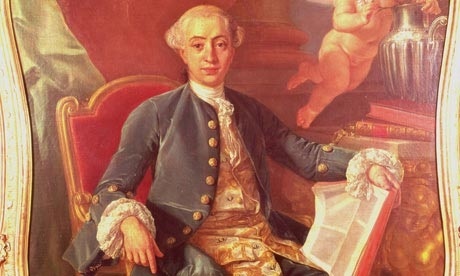
ترددت كثيرا فى قراءة هذه الرواية للسمعة السيئة لجياكومو كازانوفا المغوى الشهير بالإضافة للصورة الموجودة على الغلاف التى جعلتنى اعتقد انها رواية مليئة الاحداث الشبقية و لكنى عرفت بمحض الصدفة بعض المعلومات الغريبة التى جعلتنى اجازف و اقرأ الرواية فكازانوفا ليس فقط مغوى و زير نساء بل كان ايضا ساحرا يمارس السحر الكابالى و مشعوذ مقامر بالاضافة انه كان كاتبا و شاعرا و امين مكتبة و قد عاصر الفليسوف و الكاتب الفرنسى فولتير و كانت بينهما مراسلات عديدة و هذا المزيج الغريب اعطانى فضول شديد للمغامرة
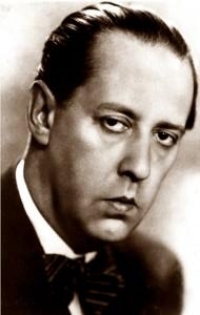
أما الكتاب ساندور ماراى فهو شخصية غريبة و غامضة أيضا فهو ولد فى اول القرن الماضى فى مدينة مجرية تتبع الان لسلوفكيا , ولد فى عائلة ارستقراطية مجرية و نمساوية وعند ظهور الشيوعية فى بلده تم نفيه و انتقل بين المانيا و فرنسا و ايطاليا و كان ادبه ممنوعا فى المجر بلده و اتفهم هذا بسبب جرأه افكاره و تم نشر معظم كتاباته بعد موته بالاضافة الى هذا صورته الموجودة على الغلاف يبدو فيه وجه كوجه ساحر ثاقب النظر حاد القسمات لكنه كان فى الحقيقة ساحر الافكار و ترتيب الكلمات و رسام مثل مايكل انجلو أو ليوناردو دافنشى فى رسم مشهد معين بدقة و اتقان و تناسق الالون و تمام الكمال و لكن على هيئة سرد ممتع و بديع لا ينتهى, يرسم المشهد بالكمال كما فى الطبيعة و الشخصيات ايضا صراحة الكاتب كان صاحب عقل يلمع كالذهب و لكنه كان فى نفس الوقت كان يبدو لى بعض افكار ماديه بحتة لا اخلاق فيها على الاطلاق او هكذا كان مجتمعهم و اخلاقهم ربما
أما الرواية نفسها تبدأ بعد هروب كازانوفا من سجنه فى موطنه البندقية الى اقصى الشمال الى بلدة بولزانو و هناك يجد غريمه القديم دوق بارما الارستقراطى المادى الوقح و زوجته فرانشسكا التى كانت تحب كازانوفا الاحداث كانت قليلة لكن الافكار فيها كثيرة متسلسلة بطول الرواية بتناغم و اتقان و متعة و ايضا كانت الشخيصات قليلة كانت الرواية عميقة فلسفية و تشرح و تشرح كل مشاعر الحب و الرومانسية بشكل عقلى بحث يعنى انا ارى انها لم تكن رومانسية
أما القارئ الذى ينوى قرائتها فلابد عليه بالصبر على الرواية ليستمتع بها و بأفكارها و يعلم انها مختلف عليها كما يبدو تقييمها على الموقع بالرغم من عظمتها و يصبر على بعض الافكار اللا اخلاقية على الاطلاق
يوجد كتب مهمة عن شخصية كازانوفا مثل كتاب كازانوفا بقلم الكاتب النمساوى ستيفن زفايج الذى سيحل�� الشخصية تماما
رواية جميلة مفعمة بالأحاسيس العميقة، والمشاعر الإنسانية المتناقضة. عن فلسفة الحياة بين الرجل والمرأة، الحب والانتقام، الغواية والخيانة والأنانية.
اقتباسات
“لا شيء أخطر من رجل لا يخضع للطاغية”.
“إن الكتابة هي القوة العظمى في الوجود؛ الكلمة المكتوبة أعظم من الملك ومن البابا، وأعظم من الدوق”.
“أؤمن بالكتابة لأن قوّتها تفوق القدر والزمن. إن كل شيء يذهب، ما نفعله، وما نرغب فيه، وما نحبه، وما نقوله، النساء، والعلاقات. يتراكم تراب الزمن على كل ما فعلناه، كل ما أثارنا ذات مرة. لكن الكلمات وحدها تبقى”.
“هناك كتّاب يحملونك ويركضون بك بأقلامهم كأنها سيوفٌ أو خناجر، يكتبون بالدم، وينثرون الصفحات بعصارة الكبد، هؤلاء تجدهم في المكاتب بقبعاتهم المزكرشة على رؤوسهم، يعنّفون الملوك والصعاليك، والخائنين والمرابين، هؤلاء كتّاب التحقوا بخدمة أفكار الإنسانية وقضاياها سواءً طوعًا أو كمرتزقة”.
“الكاتب الذي يستغل قوة الكتابة لحساب قوته وفكره، يشقى، كرجل وككاتب على حد سواء؛ لأنه يفتقر للصمت والجلال، قد يطعن دستورًا بخنجر، أو يطعن ملكًا في قلبه بكلمة واحدة حادة منه، لكنه يعجز عن صياغة الأسرار العميقة للحياة، مثل الشعور العجيب بالوجود هنا تحديدًا، متعة أن نعرف أننا لسنا وحدنا، أن النجوم تسهر علينا لترعانا، والنساء أيضًا، وشياطيننا كذلك، ناهيك عن المعرفة المفرحة بالحقيقة الرائعة بأننا يومًا سنموت. هؤلاء الذين يعتبرون القلم سيفًا أو خنجرًا ليس بمقدورهم صياغة مثل تلك الأشياء، مهما سيطروا بقوّتهم في الأرض. هؤلاء الكتّاب قد يؤثّرون في ممالك ومؤسسات ومصائر، لكن ليس بمقدورهم تعليق إحساسنا بالزمن”.
“إن الكتّاب السيئين فقط هم من يحبون الحياة بينما الجيّدون يكتفون بالكتابة”.
“للأفعال صوتًا أعلى من الكلمات”.
“لا شيء يسمّى إنقاذ المرء من العالم؛ فذات يوم سيقتحم العالم حياتك ويجعلك تخرّ على ركبتيك”.
“إنها الطبيعة الإنسانية التي تجعل الكاتب والقارئ يتطلبان من القصة أن تصل لخاتمة جيدة وتنتهي كما يليق، طبقًا لقواعد الصنعة وحسبما تلحّ عليه سويداء الروح. نحن نريد وضع نقطة النهاية في موقع جيد، وضع علامة الوقف، ووضع النقاط فوق الحروف. هكذا ينبغي أن يكون الأمر”.
“حقًا، لماذا نعتقد أن للأزواج المخدوعين الذين لا تحبهم زوجاتهم قرونًا.. هل بوسعك كلغوي وكاتب أن تفسر لي هذا؟”.
“اكتشفت في الكلمات قوة أشد وأقسى من السيوف والرماح”.
“يبدأ العالم بالرؤية، وكذلك الحب بالتأكيد. إنه فعل فاتن، لا نهائي في محتوياته، يوحي بشوق ونيران سرية، يوحي بالمعنى الخفي للحياة، لأن العالم يوجد فقط بقدر ما نرى منه”.
“الرجل المحبوب خصم ألَدّ في الموت”.
“حذار أن تهدي المرأة التي تحبّها مرآة، لأن النساء يستطعن في النهاية معرفة أنفسهن في المرايا، يرين أوضح وأشد سوداوية من أي وقت مضى”.
“إنه لذنب عظيم أن تكون جبانًا. بإمكاني أن أغفر لك جميع الذنوب التي لا يغفرها العالم: شخصك، نقاط ضعفك، دهاءك، أنانيتك المفرطة، أفهم كل هذا واغفره لك كله، لكنني لا أستطيع أن أغفر لك الجبن”.
“لا يد بشرية ولا ذكاء بشري بإمكانهما إطفاء لهب الجنة المشتعل في القلب البشري”.
“ثمة دواءان إلهيّان فقط يُعيناننا على تحمل سُمّ الواقع ويمنعانه من قصف عمرنا، وهما الذكاء واللامبالاة”.
La búsqueda del placer instantáneo y fugaz o la misteriosa psicología del amor. El deseo voraz de autosatisfacción o el amor despojado de egoísmo. La figura del Gran Seductor (ni más ni menos que al legendario Giacomo Girolamo Casanova) surge como emblema y antítesis de estas profundas cuestiones. Giacomo, el amante experto y minucioso, el orgulloso conocedor de alcobas y de almas humanas. Giacomo, el cautivante hechicero de mujeres. Giacomo, el sombrío. El hombre que no encuentra el siempre improbable camino hacia la felicidad. Aunque se lo señale ella, Francesca, el mismísimo amor de su vida. El dilema entre la perpetua seducción y el sosegado amor, en la figura de un simple mortal que, como en la canción, no, no consigue satisfacción, aunque lo intenta y lo intenta...
Ed ecco che Casanova, fuggito dai Piombi, si ferma a Bolzano. Perché? Da che cosa è spinto a rimanere, a non proseguire il suo viaggio verso nord, che cosa mai lo trattiene? Forse il desiderio di rivedere Francesca, la donna per cui anni prima si era battuto a duello con il maturo Conte, diventato poi suo marito? Casanova il fuggitivo, il seduttore, l’avventuriero...potrà mai essere fermato dall’amore? Potrà disobbedire alla sua natura e al suo genere in nome della tentazione più estrema, quella di una relazione durevole fondata sull’assoluta dedizione e la completa cura? Perché è questo che Francesca ha da offrire.
Giocato sulla schermaglia fra i tre personaggi principali: Giacomo, il Conte e Francesca, questo romanzo annuncia i temi che mirabilmente si svilupperanno nel capolavoro di Marai: Le braci. Ovvero: per che cosa si vive? Se è il fuoco della passione a guidarci, si spegneranno mai quelle braci? O nel profondo arderanno sempre, inestinguibili? Perché è divino quel fuoco, è il frutto di un furto agli dei, è stato pagato dagli uomini a caro prezzo. “Nella vita degli uomini esiste una specie di fuoco fatale che sonnecchia sotto le braci e non può essere spento né dalla consuetudine né dalla noia né dalla soddisfazione o dalla volubile curiosità, non può essere spento dal mondo e neppure da noi. È un fuoco che viene effettivamente sottratto al cielo da mani umane, e da allora gli dei non hanno mai smesso di invidiare gli uomini, autori di quel furto”.
Giacomo sa bene qual è il suo destino e la sua parte: la reciterà fino in fondo, rivestito della sua maschera di uomo, quella più vicina al suo vero volto. Capovolgere i ruoli è soltanto un gioco, ma anche un rischio, quello di tradire la propria natura. Abbandonare il pericolo dell’avventura per la stabilità dell’amore. Affidare all’Unica il dono più prezioso: l’intimità, l’impudica confidenza. Ma Giacomo sa che “L’Unica rimane tale soltanto finché ricoperta dai veli misteriosi e dai drappi segreti del desiderio della nostalgia”. La sua recita, infine, è anche il disvelamento della sua verità.
Tema collaterale è quello della scrittura, un altro mezzo potente di rivelazione, traccia che sopravvive al passaggio del tempo e degli umori, definitiva e terribile. Perché “un bacio è sempre virtuoso; una parola che descrive un bacio è sempre impudica”. “E la vera impudicizia consiste in questo, sempre e soltanto in questo, nel fatto che una persona decida di rivelare al mondo intero i suoi veri sentimenti come se amoreggiasse sulla pubblica piazza, per l’eternità, sotto gli occhi di tutti i pettegoli e degli sciocchi che nasceranno nei secoli futuri...”
Soltanto in tarda età, in prossimità dell’ultimo congedo, Giacomo Casanova affiderà alla scrittura le memorie della sua vita. La potenza della parola allora saprà rivelare un destino o forse descrivere una maschera, o ancora: mettere in scena l’ultima recita.
كازانوفا ، نعم جياكومو كازانوفا ذائع الصيت ، بعد هروبه من سجن البندقية يحط رحاله في بلدة بلزانو ، وهناك يعيش مغامرة جديدة ومن نوع مختلف .. صداقة وخيانة وحب وخلاصة حكم الحياة و بـ أسلوب سرد عميق وذكي وساخر ؛ يأخذنا الكاتب لـ ماضي وحاضر كازانوفا واصفاً كلما عايشه ويعيشه.
ساندور ماراي ؛ قدم لنا هنا عملاً عاطفياً وفاتناً. كانت هذه الرواية العمل الأكثر شاعرية الذي أقرؤه هذا العام .
Giacomo il seduttore, Giacomo il mito, Giacomo il sogno. Giacomo “l’uomo”. È questa la definizione che usa la bella Lucia, dopo aver spiato dal buco della serratura. Guarda, arrossisce, sobbalza, soffoca un grido e fa il segno della croce. Le altre donne le si fanno attorno, chiedono a fior di labbra “Cosa hai visto?”. Lei risponde, turbata: “Un uomo”. Dopo di che, una a una, si chinano, sbirciano dentro la stanza, provando una gioia indicibile. Giacomo è fuggito dai Piombi di Venezia. Imprigionato dall’Inquisizione perché “non vi è nulla di più pericoloso di un uomo che rifiuta di sottomettersi alla tirannia”. Giacomo non è nemmen più bello. Chi mai di noi ha pensato - anche solo una volta - al grande seduttore imbruttito, appesantito, sfiorito dal tempo e dai giochi di carte e d’amore? Si dirige verso Monaco, fa tappa a Bolzano. Luogo della recita. A Bolzano si trovano il vecchio conte di Parma e la giovane moglie Francesca. In ricordo della donna, Giacomo, porta tre cicatrici sul petto. Colui che le ha provocate è divenuto suo marito. L’amore, costa, costa caro, talvolta. Francesca è l’unica donna per la quale Giacomo ha provato amore. Potrebbe riallacciare quel filo interrotto dalla potenza della gelosia? Tre personaggi in scena. E con loro, le parole che “posseggono una forza magnetica”, e “riescono a illuminare contemporaneamente il passato e il futuro”. Parole che scavano nel profondo dell’animo umano e scoprono la moltitudine di sfaccettature del sentimento assoluto, eterno. L’amore e i suoi demoni, verrebbe da dire. Il conte sa, e non vuole perdere. L’amore si veste di egoismo e gelosia. L’amore si fa carta da giocare. Chiederà al suo antico rivale, di giocarla. Giacomo non può rifiutare. Indossa la maschera e si prepara. Anche Francesca sa. Anche Francesca indossa la maschera e va. Gioca d’anticipo, con un taglio di scena imprevisto e inaspettato. Non toglie la maschera Francesca, e nemmeno la toglie Giacomo. Le parole scorrono su un filo d’argento. La maschera sa dell’amore tante cose, sa perfino che “Non soltanto l'amore è eterno… è eterna anche la vendetta, come tutti i sentimenti veri”. Ultimo monologo è quello di Giacomo, lo detterà a padre Balbi, suo complice nella fuga dalle prigioni veneziane, e ora suo segretario. Anche Giacomo sa, sa altresì “ciò che la contessa di Parma non può sapere ancora: che l’Unica rimane tale soltanto finché è ricoperta dai veli misteriosi e dai drappi segreti del desiderio e della nostalgia”. L’amore vince. Gli uomini perdono. Il sipario si chiude, con una fragorosa risata.
P.S. Gli ultimi capitoli sono di una bellezza assoluta. Quella bellezza che turba e sconcerta.
300 sene öncede geçen ama epey sürprizli bir Issız Adam hikayesi okumak isteyenler buyursunlar.
Yavaş başlayıp sonra acayip açılan bir kitap Parma Kontesi, ikinci yarısına vuruldum. Hele kitaba adını veren Parma Kontesi Francesca'nın ortaya çıkıp konuştuğu son bölüme kalbimi bıraktım, üf yani.
Macar yazar Sandor Marai, maalesef epeydir baskısı yapılmayan Parma Kontesi'nde bizi 1700'lere götürüyor. Baş kahramanımız Giacomo; soyadını bilmiyoruz ama hafızamızı zorlarsak bir meşhur Giacomo hatırlayabiliriz: Giacomo Casanova. Öykünün başı zaten Casanova'nın günlüklerinden yola çıkarak yazılmış; kendisinin Venedik'te zindandan kaçıp Münih'e gitmesi hikayesini birebir alıyor yazar. Ama sonrası tamamen kurmaca, hem de ne leziz bir kurmaca.
Gittiği her yerde fırtınalar koparan, kadınları sadece varlığıyla baştan çıkarıp erkekleri kıskançlıktan delirten Giacomo, hayatında bir kez bir kadını sevmeye yaklaşmış ve tabii ki kaçmış o kadından; işte Francesca. O zamanlar 15 yaşında bir kız kendisi, şimdi Parma Kontesi olmuş. 6 sene sonra ikisi tekrar karşılaşıyor, öykümüz işte bunu anlatıyor. Pek acayip bir karşılaşma bu: Kadın erkek kılığında, erkek kadın kılığında. Yüzlerinde maskeler; ellerinde hançerler, kılıçlar.
Giacomo'yu aslında gayet iyi tanıyoruz, belki o çağ için nev-i şahsına münhasırdı ama şimdi bu adamlardan çok var - bence kendisini en iyi Francesca'nın kocası, Parma Kontu tarifliyor: "Bu adam sevgiyi tanımıyor; o sadece sevgiye benzeyen, tutku ve serüven türü şeyleri tanıyor."
Kontun 30 sayfayı aşkın bir monoloğu var, sadece şunu diyeceğim: bu nasıl güzel yazmaktır ya Marai? Oraya kadar temposuz giden kitap orada bir şahlanıyor ki anlatması zor. Onun ardından sözü Francesca alıyor ki onun tiradı da bambaşka güzel. Aşka, sevmenin biçimlerine, arzuya, tatmine, bitmek bilmeyen fethetme tutkumuza, aşka içkin oyunlara, cinsiyetlere biçilmiş rollere, kadın-erkek ilişkisine dair ezberlerimize dair muazzam iç görüler barındıran konuşmalar bunlar. Kitap orada zirveye çıkıyor ve bence tam bitmesi gerektiği yerde, zirvede bitiyor.
Sadece okuyanlar anlayacak ama olsun, bu cümleyle bitirmek istiyorum: "Umarım, seni çok fazla incitmedim?"
«(…) Eu, aquilo que sei pelas minhas sensações, o meu ser e o meu destino, sabem-no esses homens com a sua razão e o seu coração; sabem que a lei sob o signo da qual nasci e que mais tarde aprendi à força de ferimentos e cicatrizes não é a lei da virtude. Existe uma outra lei, que os dragões cheios de virtude condenam, mas que o Omnipotente perdoa, existe uma espécie de virtude que é apenas a confiança absoluta no nosso ser, no nosso destino e nas nossas inclinações.»
A Conversa de Bolzano, que não é uma conversa mas dois extensos monólogos, é um estudo de personagem em que o escritor húngaro explora a estadia de Casanova em Bolzano após a sua famosa fuga das sombrias prisões do Doge de Veneza a 1 de Novembro de 1756, único evento histórico confirmado pelo autor.
(…) e ali estava alguém provando que um homem era mais forte do que o despotismo, mais forte do que os Piombi, do que os esbirros, mais forte do que Messer Grande, esse emissário do carrasco, esse mensageiro de mau agoiro.
Gostei muito d' As Velas Ardem até ao Fim mas este ficou aquém do esperado. Lê-se bem, sem grande esforço, mas tem partes bastante aborrecidas e que o tornam olvidável.
I chose Casanova in Bolzano simply because I had heard great things about the author, Sándor Márai, and this was the only one of the author’s books I could get as an audiobook. To top it off, the narrator is the well-known Simon Prebble, so what could I lose? Let me say right off that the narration was good, even if I could not hear from the intonation which character was speaking.
There are never-ending monologues. I have warned you. What is a bit strange is that there are extremely few conversations between characters. Instead one character talks and talks and talks with another character listening. I did get exasperated a few times after listening to one person jabber; they absolutely NEVER got to the point. I think I listened to one soliloquy for almost an hour and just had to give up, I was so exasperated. I will say this - these long drawn out monologues made the character’s personality sparkling clear! You learn about people through what they say more than what they do. I thoroughly admired the author's ability to draw a character through their speech, even if I did get exasperated.
You learn about the personalities of three very different people. One is the powerful Duke of Palma, the other his wife, the Duchess Francesca, and the last is Giacomo Casanova, who has escaped from a Venetian prison and is now in Bolzano,an Italian town near the border of Austria. The year is 1756. The theme of the book is love. The Duke loves his wife. The wife loves Giacomo, but who does Giacomo love? Anybody? Anyone? He is a gambler, a seducer, a swindler, a trickster.... The important question is though: Is he capable of love? Giacomo and the Duke make a deal. But who will win? The Duke? Casanova? The Duchess? Does anybody win? What you think about is the different loves portrayed and which and who is the real lover? This is what this book is about.
But ....the end concludes in a way that I find all wrong! A special twist, which I did like, is how
Another weakness of the book is how difficult it is to relate to the proclamations of love. They are too exaggerated, too flamboyant, even in the Italian time-frame of the 1700s. Maybe the soliloquies work better in Italian?
Even if I enjoyed parts as I listened to the book, the author’s way with words is wonderfully creative, the more I think about the events the less sense they make.
(This is not a book of historical fiction portraying Giacomo Casanova's life.)
حالات الإنسان التي تلازمه من ولادته كشخص فيه كل النقائض والعجائب معا حتى يبلغ أشده؛ استلهم واقعة هروب كازانوفا من زنازين القصر الجمهوري وصولا إلى محطة بولزانو التي أتخذها محطة استراحة له. هي نفسها الشخصية الغاوية التي قرأنا عنها من قبل أو شاهدناها في الأفلام والتي تغرق في شهواتها ومتع الجسد.بعض الفصول التي حوت معنى يمثل معاناة الإنسان ومفارقات النفس البشرية تصبح الرسالة أعمق وابلغ هناك؛ ثم يعود للفصول الأضعف والتي تبرز فقط انتفاعه بالنساء
“Sai che nella realtà non esiste il “tutto o niente”, esiste soltanto una via di mezzo fra il “tutto” e il “niente”, il “qualcosa”, che però a volte può significare moltissimo.”
Marai è bravissimo a rappresentare personaggi. Li presenta in un modo e poi lentamente li analizza profondamente fino a mostrarci ogni risvolto psicologico, ogni sfumatura. Questa analisi normalmente avviene tramite lunghi monologhi, che sono poi il cuore dei suoi romanzi. Anche “La recita di Bolzano” non fa eccezione. Il protagonista, Casanova, non viene rappresentato e giudicato in modo convenzionale in quanto donnaiolo e avventuriero. Al centro del romanzo c’è soprattutto l’essere umano, con le sue aspirazioni, con le sue infelicità, il suo amore, la sua natura, le sue illusioni. E anche in questo caso il romanzo si basa su monologhi lunghissimi (forse troppo) e su frasi folgoranti che valgono l’intero libro. Molto bella la rappresentazione finale in cui l’uomo si maschera da donna per sedurre una donna che a sua volta si maschera da uomo per sedurre l’uomo; entrambi costretti a recitare e a fingere di essere quello che non sono.
“La vita sono un uomo e una donna che si incontrano perché sono fatti l'uno per l'altro, perché sono, l'uno per l'altro, ciò che la pioggia è per il mare: l'uno torna sempre a cadere nell'altro, si generano a vicenda, l'uno è la condizione dell'altro. Da tale pienezza nasce l'armonia, e in questo consiste la vita. una cosa rarissima fra gli esseri umani”
Lo stile di Marai, come al solito, è raffinato, la scrittura è elegante. Ma il romanzo è meno scorrevole e coinvolgente, perché forse in certe parti un po’ ridondante ed “eccessivo”.
“Credo nell’amore e nella mutevolezza della fortuna. E credo nella scrittura, perché la scrittura ha potere sul destino e sul tempo. Nulla di ciò che fai, desideri, ami e dici è destinato a durare. Passano le donne, tramontano gli amori. Sfumano le emozioni, e la polvera del tempo ricopre le tracie delle azioni compiuti. Ma la scrittura rimane.”
At first I found it difficult to get into this novel. The steam of conscious style of the narrative made it somewhat hard to follow at the start, but soon I adapted to the rhythm of the book and after that I truly loved it and appreciated the beauty of the writing. I found it to be an engaging story full of depth, meaning and truth.
I do not know a great deal about Casanova beyond his notorious reputation as the great womanizer and seducer, but Marai provides a much more human portrayal of Casanova. Most often he is portrayed as this young dashing arrogant hero (or anti-hero). In Casanova in Bolzano he is a man who is full of flaws, doubts, and internal struggles. We are introduced to him later in life as a man in his 40s, who is in truth not particularly handsome and who is bitter about the reputation he has accumulated and the way in which men and women gawk at him and whisper about him wherever he goes. He is also lonely because of his persistent inability to truly find the woman with whom he can love, whom he can live a fulfilling and satisfying life with. He is fated to be restless, unhappy, and never content for the constant fear that he will not truly live his life to the fullest extent.
He believes himself to be a writer and yet he cannot write for he fears to write would mean that he was not truly living, and that one cannot truly write until indeed they have lived life.
Một sự tịch mịch bình yên và dễ chịu bao phủ lấy tôi sau khi đọc xong cuốn sách này. Thật ra không cần hẳn là đọc xong. Chiều nay, khi đọc tới những chương gần cuối, tôi đang ngồi giữa ồn ào phụ nữ trong tiệm làm tóc nhưng vẫn cảm thấy một sự tách rời hoàn toàn như ở hai thế giới khác nhau. Điều này nghe có vẻ kỳ quặc khi cuốn sách gắn liền với tên người đàn ông phiêu lưu Casanova. Cảm giác giống như ta đã đi tới tận cùng gốc rễ, ta đã về nhà, không cần phải phiêu bạt nữa. Khi nhìn lại phía sau, đó là cảm giác thương xót không chút mỉa mai trước tất cả những gì lố lăng (mà cụ thể là trong văn chương). Điều này cũng nghịch lý bởi thật ra cách hành xử của Casanova và thậm chí là chính văn chương của Marai - buộc phải thừa nhận - là có chút nhấn nhá kịch tính. Nhưng tất cả đều trở nên hợp lý khi ta yêu.
Một cuốn sách chỉ cần có vài đối thoại hay hình ảnh thú vị là đủ để ghi nhớ. Trong Casanova ở Bolzano, nhưng cái thú vị như thế rải khắp sách. Không chỉ dừng lại ở thú vị, với riêng tôi, nó giống như được thỏa mãn ở mọi ngóc ngách cả về mặt ý nghĩa và văn chương. Marai luôn nói đúng và diễn đạt chuẩn xác. Nhưng ngay cả giữa rừng hoa đẹp đó, vẫn có những bông hoa còn nổi bật trên tất cả. Marai tự tin với mình tới mức ông luôn nói lời dẫn dắt trước, để độc giả có những kỳ vọng lớn, và sau đó, đưa họ đi xa hơn nhiều kỳ vọng lớn ban đầu. Vào giữa lúc ta đang ngây ngất trước sự kỳ vĩ này, kinh ngạc khi nó có thể tiến sâu tới vậy, thì Marai tiếp tục tung ra cú chí mạng, và không chỉ một lần.
Ít nhất trong hai lần chí mạng đó, ý nghĩ đầu tiên đến với tôi là phải giấu tiệt cuốn sách này khỏi người yêu. Bởi vì tôi muốn lặp lại chính xác hai câu nói đó của Marai. Tôi giấu vì sợ người đó nghĩ đây chỉ là sự bắt chước trong khi sự thật, trong tôi, tôi muốn nói ra bởi đó chính xác là những gì tôi cảm thấy từ trong sâu thẳm nhất, sâu tới mức tôi không mò được tới nó mà chính Marai là người mang lên. Nó không phải sự bắt chước vì nó là ngôn ngữ vĩnh hằng mọc thẳng ra từ rễ của tình yêu, không thông qua bất cứ trung gian cành lá nào. Bực thật vì chính Marai cũng nhận ra điều đó và ông đã chặn họng ngay sau đó (và nhiều lần khác, ông như đọc được tâm trí tôi), để tôi nhận ra rằng vấn đề không nằm ở câu từ. Francesca và Casanova không phải những đại thi hào khi nói ra hai câu này mà là bởi họ đã ở cái ngưỡng chói sáng của tình yêu. Và tôi, khi ở cái ngưỡng đó, khi nhìn vào mắt người yêu, sẽ tự biết phải nói gì. (Nhưng tốt nhất vẫn không nên để người đó đọc cuốn này, bởi nó còn tiết lộ quá nhiều).
Thật tuyệt vời khi trong những năm tháng đọc sách, trải qua nhiều những cuốn không để lại vết dấu, ta có được Marai. Thế giới lại mở rộng ra thêm một lần nữa. Mọi thứ trong ta như được tiến hóa một lần nữa. Bình yên và đẹp hơn. Càng có tuổi tôi cũng càng tin vào sự sắp đặt của con tạo. Nếu tôi đọc cuốn này sớm hơn một năm, hay có thể là ít tháng, tôi sẽ không thấy như tôi thấy lúc này. Em cần phải nhìn thấy anh. Chỉ có anh và mãi mãi
Two years ago I was hunting a complete Memoirs of Casanova while in a Powell’s in Chicago. I asked the associate if there were any in stock. He pointed me to a Classics section where a Penguin single volume abridgement sat, lacking any immediate street cred. I asked if there weren’t any complete sets elsewhere in the store. You don’t need the set, the man snapped, all the good stuff is in there.
I was likewise looking for good stuff as I finished this novel this evening. My verdict: not so good. Maybe 2.5 stars. The difficulty is largely of my own origin. Marai’s novel is a maudlin minature revealing a certain resonance and discretion not normally associated w/ Casanova.
(am I accusing Marai of revisionism? I 'm not sure.)
That said, Casanova in Balzano is only a floating episode, lacking continuity and proving to be bereft of empathetic charcters. No reader should care about any one in this novel. The characters exist for a pair of conversations, each punctuated with a lengthy oration best forgotten.
Romanzo complesso da valutare. Svariate le cose che non mi sono andate durante la lettura. La prosa ha, a tratti, una verbosità quasi morbosa, barocca, asfissiante. La trama è tutto sommato semplicissima, scarna di azione, ricca di scene di dialogo raffinate. I dialoghi sono lunghi, lunghissimi; più monologhi che dialoghi, streams of consciusness densissimi di parole e pensieri. Tutto il contrario di dialoghi serrati e realistici, ma compendi filosofici sull'amore, sulla vera natura dell'uomo e delle cose.
Eppure.
La prosa è raffinatissima, sbalorditiva per cesellature e numero di termini usati. La prima parte del libro, più semplice nella lettura, è la preparazione alla complessa, densa, difficile resa dei conti finale fra i tre protagonisti. Tutto ruota intorno a queste tre figure, che si ritrovano a Bolzano sul finire del dicembre di un imprecisato anno del Settecento (che noi sappiamo essere il 1756).
Il primo è il vecchio, ricchissimo e potente conte di Parma, parente del re di Francia Luigi quindici. La seconda è la sua giovanissima moglie, la bella Francesca. Il terzo è il grande protagonista di tutta la faccenda. Lo conosciamo solo come Giacomo, veneziano, appena giunto a Bolzano dopo essere fuggito in maniera clamorosa dal carcere dei Piombi della Serenissima. Marai non nomina mai il cognome, non è necessario: Giacomo è ovviamente Casanova, l'avventuriero, il baro, il gaudente, il mascalzone, il simbolo supremo di un secolo ambiguamente sospeso fra progresso - è il secolo dei Lumi, di Voltaire e di Kant, di Vico e di Leibniz - e regresso - sono gli anni dei monarchi assoluti, del classismo più bieco e sfacciato, fra un popolaccio morto di fame e un'aristocrazia parassitaria e dedita alle gozzovoglie e ai capricci. E' un Casanova appesantito quello che descrive Marai, già invecchiato e sdrucito dalla sua vita disordinata, marcio nel profondo eppure dotato di grande sensibilità e acume, straordinario osservatore degli uomini e delle donne. E' anche un uomo sconfitto, appena fuggito da una prigionia di anni nei famosi Piombi veneziano, che ripudia la Serenissima pur continuando a rispettarla e amarla.
In fuga, braccato, il suo arrivo a Bolzano è paragonabile a quello odierno di una rock star. Bolzano dovrebbe essere una tappa momentanea del suo viaggio verso nord, lontano da Venezia verso le grandi corti europee. Eppure Casanova non se ne va, rimane, aspetta senza capirne il motivo.
Il motivo è che a Bolzano, in quel freddo dicembre, risiede anche la contessa di Parma, meravigliosa ventenne, che l'avventuriero aveva conosciuto, e amato, anni prima e per la quale si era battuto in duello, perdendo e rischiando di morire, con il suo futuro marito, il vecchio e ricchissimo conte di Parma.
Tutto il romanzo è costruito nell'attesa dell'incontro fra i tre protagonisti, similmente a quanto Marai farà anni dopo nel suo capolavoro, Le braci. Ma mentre lì il climax è tutto riposto nel lunghissimo e straordinario monologo del vecchio generale di fronte all'amico traditore, che occupa metà romanzo, qui tutto si concentra in quattro capitoli, di cui tre occupati dai monologhi dei rispettivi protagonisti, in ordine di apparazione.
Prima il conte di Parma, latore della lettera, intercettata, con cui la contessa desidera incontrare Casanova ("ti devo vedere", il testo brevissimo, apparentemente chiaro e invece per nulla compreso dal vecchio). Il conte blandisce, minaccia e poi si accorda con Casanova affinché quest'ultimo conosca (carnalmente) la moglie e poi la abbandoni, lautamente pagato, in modo da farle sbollire l'innamoramento.
Poi improvvisamente la contessa, Francesca, che appare nella stanza di Casanova mentre quest'ultimo si sta già preparando per la recita cinica e spregievole che ha contrattato con il conte.
Infine, Casanova che detta al suo segretario, il frate Balbi, la lettera da recapitare al conte, prima di fuggire, stendendo il resoconto del suo incontro con Francesca, della sua disfatta, della sua sconfitta totale e del suo atto d'amore, probabilmente l'unico mai fatto in maniera disinteressata e vera in una vita caotica e individualista al massimo.
Perché Casanova e il conte hanno evidentemente perso, mentre Francesca, piccola e innocente, ha invece vinto, pur perdendo tutto e condannandosi a una vita di rassegnazione, di simulacri e di prigionia, innamorata di Casanova e quindi vittima del suo personaggio impossibile. Perché Francesca e Giacomo sono come il mare e la pioggia, alla fine l'uno si rincontra e rifluisce sempre nell'altro, completandosi a vicenda in un circuito inestinguibile e infinito. Francesca lo sa. Giacomo anche, ma è terrorizzato dalla consapevolezza di avere di fronte l'unica donna che in vita sua ha mai amato e che probabilmente amerà, e che per il suo amore dovrebbe sacrificare sé stesso, il senso di sé e della sua vita di avventure, in fuga dalla noia e sempre sulla soglia del pericolo, approffitando senza rimorso di uomini e donne, nella consapevolezza che la sua vita è una lunga e straordinaria opera d'arte, che un giorno è certo di raccontare, in quello che sarà il suo capolavoro. Perché lui è prima di tutto uno scrittore, ci dice, e la sua vita una opera d'arte che vale la pena di essere narrata.
Così Giacomo fugge, salvando Francesca e la sua anima eppure condannandola a una vita di solitudine e di prigionia, raccontando la sua sconfitta e il suo atto di generosità (non rivelandole il suo amore) al geloso e spietato conte nella lettera finale che detta all'altro cinico, il prete spretato Balbi, il quale conclude il romanzo rileggendo la lettera e scoppiando in una fragorosa, caustica, tremenda risata.
Che le faccende umane sono così complesse eppure così piccole che non varrebbe la pena nemmeno di raccontarle mentre per chi le vive sono tutto, tutto.
Così Francesca pensa di avere finalmente "visto" veramente Giacomo (questo il senso del verbo "vedere" usato nella lettera, molto più sottile e profondo di quanto immaginato dal conte), nel suo essere più profondo, come un uomo egoista, destinato all'incapacità di amare. Mentre Giacomo non si è del tutto rivelato, ha tenuto nascosto quello strato più profondo e nascosto di sé, barattando la perdita dell'amore di tutta una vita, che rimpiangerà per sempre, con una vita errabonda, unica, pienissima eppure vuota e inutile. Salvando lei e perdendo sé stesso.
Come detto, molte pagine sono tremendamente prolisse. Eppure, gli ultimi quattro capitoli, e soprattutto gli ultimi tre (il monologo del conte è veramente eccessivamente denso e lungo) sono semplicemente sensazionali, fra le cose più grandi e tremende che io abbia mai letto. Marai si conferma uno scrittore sopraffino, un fuoriclasse. Pur con tutti i suoi difetti.
Un capolavoro. Gli ultimi capitoli sono di una bellezza persino commovente. Non esagero se arrivo a paragonarlo (diversi gli ambienti, il tempo, il contesto, naturalmente) a "La Certosa di Parma" di Stendhal. E non certo perché la vicenda in qualche modo ha a che fare con Parma, ma perché qui -come nella Certosa- tra i protagonisti campeggia davvero l'amore assoluto, eterno, invincibile e inarrivabile. La Recita si conclude con una risata di uno dei due unici "spettatori", ma non è una risata liberatoria. Un espediente retorico, semmai. Non mi sarei invece stupita se, a suggello/dedica del libro, avessi letto, ancora una volta, TO THE HAPPY FEW. ------------- Rilevo per dovere di cronaca solo un "errore" contenuto nel libro (segno di quanto l'autore vi si sia identificato, senza nemmeno avvedersene, forse). C'è una lettera, un messaggio di solo tre parole, intorno a cui ruota gran parte del romanzo: è il "core" della vicenda. L'autrice, Francesca, prende appositamente lezioni di scrittura per poter raggiungere l'uomo che ama. Verosimilmente è analfabeta. Eppure, durante il suo lungo monologo-dichiarazione, la stessa confessa all'amato: "Se avrai bisogno di essere dominato da me, sarò crudele e spietata, come ho letto nei libri che il conte di Parma si è fatto mandare da Amsterdam. Conosco certi segreti, Giacomo!". Che dite: avrà guardato solo le figure, come fanno i bambini non ancora scolarizzati? ;-)
"Casanova in Bolzano" lacks the economy of language that I really admire in Marai's other works. There were sections where I just wanted to say, "COME ON. We got it." Long monologues by old men, caught up in arguments about love, sex, seduction, loss, death... Let's move on. How 'bout a smidge more character development or plot? I want to be invested in characters when I have to listen to a really long monologue. Particularly when that monologue really doesn't say much about the character. Someone can attack me on this if they want to, but Marai typically keeps me very present and vested in his characters. This book? Not so much. Maybe because we're supposed to have a general impression about Casanova as "the greatest lover of all time." I never was too interested in Casanova and never really bought into his mystique so maybe that's why I needed more encouragement. I guess this could say something about Casanova's skills of seduction during his later years :)
“The tiredness of the privileged was quite different from the exhaustion of the poor”. In this I am the poor reader having to read this book. You, dear readers, are the privileged having to simply read this review.
This was 294 pages too long. Honestly it was so boring, I had no connection to the characters. Honestly didn’t realise there was a different man sometimes. They all just rambled on and it blurred into one.
The “plot”?? There was so much waffle and repetition. Everything was so long-winded and I was struggling to get through any of it. Fully where were the full-stops?? This old guy who was allegedly set to die in a couple of months was rambling so much that I fully thought he’d die through his monologue. It was going to be me or him. 10 pages + analysing “I need to see you”. My dude if I wanted to read a GCSE English essay I would have gone off and found one. There’s a reason GCSE essays aren’t published for public consumption. It was so dead I was tucked up in some soil and a wooden box at the end.
There were some nice sentences in it but these were sparse and didn’t give me enough energy to truly hype any of it up
While this was an interesting story, the characters fell flat for the most part. It could be a translation issue, but I don’t think so. The author just left many of the characters unexplained.
إنه عبقري!، بالتأكيد أقصد بذلك الأصابع المترفة وبودرة الأرز، ولمسات الحلاق جيسيبي والقمصان ذات الكشكشة والمعطف الأرجواني ، والخنجر، والسيف الذهبي، والجوارب البيضاء الطويلة، والقناع الحريري!، وبالتأكيد القناع!، القناع!، وهذه اللغة المنمقة، وهذا التنبيه الذي ساقه المؤلف قبل افتتاح روايته قائلا إنَّ كازانوفا في تلك الرواية التي بين يدك لا يمت لهذه الشخصية الحقيقية بتصرفاتها (المشينة!) بأدنى صلة وأنه لم يأخذ من حياته (سيئة السمعة!) سوى اسمه وسوى تفصيلة واحدة تخص وقائع هروبه من سجنه، وما عدا ذلك "فكل ما سيمر به القارئ هنا ليس سوى اختلاق ونسج خيال"، أقال هذا حقًا؟!، ثم ضحكة "جياكومو كازانوفا" الخشنة والطويلة والعالية التي اختنقت في أواخرها وتحوّلت إلى سعال بسبب نوبة البرد التي أصابته أثناء هروبه وجو المرتفعات وهواء الجبال وتأثيرات طقس نوفمبر القاسي على بنيته، والابتسامة التي انتشرت على إثر هروبه في عدوى متفشية لا ضرر منها على شفاه الناس في البندقية وميونيخ وبارما وروسيا التي حتى علت وجه الملك وهو يصطاد الغزلان في باريس، وتيريزا وثقب المفتاح ونسوة المدينة، و"إنه رجل!"، والضمان والائتمان!، والطلاقة الحوارية الساحرة على لسان فرانشيسكا، و"هل يكفي هذا"، "لا!، لا يكفي!"، و"هذا كثيرٌ جدًا"، و"أنا لا أصدقك!"، والتحليل الأدبي المتدفق للخطاب، وفتح فمي ببلاهة بالغة عندما أنعم علينا المؤلف بقراءته، تلك الثلاثة كلمات، ثم ضحكة خافتة منّي!، إنه عبقري!
وهو مجنون كذلك!، فبحقِّ هذه الراوية المفقودة!، ما هذا الحوار المطوّل الذي أطلَّ علينا من ثلاث نواحٍ كقبّعة فرنشيسكا الذكورية ذات الثلاث زوايا!، وهل يوجد أحد يتحدث هكذا أمام الصمت المطلق!، وما هذا الفصل الأخير؟!، وهل أحس المؤلف العبقري أو المجنون بذلك المحيط الحواري المثقوب القاع الذي أوجده!، ليقول وكأنه يعتذر إلينا على لسان دوق بارما: ردٌ حسن، كلمات فصيحة، ردٌ بليغٌ بتلميحات أدبية دقيقة ومحترمة، ولكنها لا تمت بصلة للواقع
إن كازانوفا هرب من السجن هنا، ليقع في خيال ساندور ماراي! من منّا لا يحُب أن يسوقه خيال كاتب بهذا الجمال وهذهِ الحميميّة مع التفلسف والأدب؟ مونولجات طويلة بين الشخص ونفسِه، وبين البطل وأضدادِه، قد تكون متعبة في بعض الأحيان، لكنها مليئة بنقاط النّور كازانوفا في شكل جديد هنا .. كازانوفا يحب ويكتُب ويهرب ويتفلسف
La presencia del aventurero, del fugitivo y fugitivo forastero caballero veneciano acapara las atenciones y miradas de las féminas de Bolzano. El Casanova, destartalado por la suciedad de sus harapos, solo aspira al reencontrarse con el amor de su vida desconociendo el avance indeciso que le depara su nueva realidad.
En una oda descriptiva, con las palabras justas y el lenguaje medido de Marai recrea una historia cargada de simbolismos, y de encuentros y desencuentros donde el amor se impone al destino.