The Eleven Theses on Feuerbach are brief metaphysical summaries penned by Karl Marx as a principal framework for the first section of the text The German Ideology in 1845. Same as the text for which they were indited, the theses were never released in Karl’s existence, finding its first publication in 1888 as a postscript to a booklet by his co-philosopher Friedrich Engels. The work is most thought of for the concise 11th thesis and conclusive "Philosophers have hitherto only interpreted the world in various ways; the point is to change it."
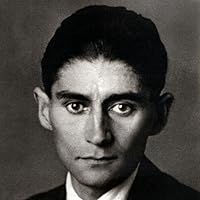
Karl Marx was a Prussian-born philosopher, economist, political theorist, sociologist, journalist, and subversive democratic. Fostered in Trier to a bourgeois family, he then took up political economy and Hegelian philosophy. As he matures, Karl became expatriated and lived entirely in London, England, where he remained to progress his thinking in partnership with German philosopher Friedrich Engels and produced many books, the very famous being the 1848 booklet The Communist Manifesto. His writing has ever before inveigled consequent rational, pecuniary, and past events in politics.
Karl’s philosophies of the general public, social science, and government, as a whole implied as Marxism. It maintains that civilization of man grow by means of class prejudice; in capitalism, this demonstrates itself in the discord of the gentle birth referred as the bourgeoisie that manipulate the methods of formulation and common laborers referred as the proletariat, that capacitate these methods by marketing their work for profits. Taking up a vital proposition referred as classical utilitarianism, Karl surmised that, same as past socioeconomic entities, capitalism created intrinsic pressures which would bring to its mélange and reinstatement by a new socialism.
With the help of Friedrich Engels, German philosopher and revolutionary Karl Marx wrote The Communist Manifesto (1848) and Das Kapital (1867-1894), works, which explain historical development in terms of the interaction of contradictory economic forces, form many regimes, and profoundly influenced the social sciences.
German social theorist Friedrich Engels collaborated with Karl Marx on The Communist Manifesto in 1848 and on numerous other works.
The Prussian kingdom introduced a prohibition on Jews, practicing law; in response, a man converted to Protestantism and shortly afterward fathered Karl Marx.
Marx began co-operating with Bruno Bauer on editing Philosophy of Religion of Georg Wilhelm Friedrich Hegel (see Democritus and Epicurus), doctoral thesis, also engaged Marx, who completed it in 1841. People described the controversial essay as "a daring and original piece... in which Marx set out to show that theology must yield to the superior wisdom." Marx decided to submit his thesis not to the particularly conservative professors at the University of Berlin but instead to the more liberal faculty of University of Jena, which for his contributed key theory awarded his Philosophiae Doctor in April 1841. Marx and Bauer, both atheists, in March 1841 began plans for a journal, entitled Archiv des Atheismus (Atheistic Archives), which never came to fruition.
Marx edited the newspaper Vorwärts! in 1844 in Paris. The urging of the Prussian government from France banished and expelled Marx in absentia; he then studied in Brussels. He joined the league in 1847 and published.
Marx participated the failure of 1848 and afterward eventually wound in London. Marx, a foreigner, corresponded for several publications of United States. He came in three volumes. Marx organized the International and the social democratic party.
People describe Marx, who most figured among humans. They typically cite Marx with Émile Durkheim and Max Weber, the principal modern architects.
Bertrand Russell later remarked of non-religious Marx, "His belief that there is a cosmic ... called dialectical materialism, which governs ... independently of human volitions, is mere mythology" (Portraits from Memory, 1956).
Eleven Theses on Feuerbach (1845) is the abstract summary of Marx's critique of political economy and his programme for a new, juster society.
Before Marx, there were roughly two philosophical views on reality. Either reality is passively perceived by the subject, or the subject is perceiving reality through thinking it up. (e.g. Locke's empiricism versus Berkeley's idealism). Materialism versus idealism. Marx's proposition is that both views are flawed and that the debate really doesn't exist: the subject actively creates reality by perceiving it. Reality as a human practice. (A mathematical equation of this would be Marx=Kant-God).
The philosophical question - endless, really - of the reality of the thoughts themeselves, is merely a bookish question. If I create reality by thinking, are these thoughts real? This is a non-starter, for Marx.
Abstract debate. Let's translate it into practice. Materialism posits that human beings are determined through changing circumstances (i.e. historical development) and education. But, this really begs the question: who's changing the circumstances? what determines history's development? and who's educating? Other human beings.
Aha! So there are those that change, and those that are changed. But in theory, all human beings create reality. So a philosophical question at once reveals itself as a question of power! Those that do the educating and changing wield their power of those that are being changed and educated.
Revolutionary materialsm - Marx's resolution of the materialism-versus-idealism-debate - involves bringing together the changing of the circumstances and the changing of the self. Only then is the struggle for power over.
And where does Feuerbach come in? Well, Feuerbach tried to explain the essence of Christianity - in materialistic terms - as the essence of man. Man's essence creates Christianity's essence. But, there's a problem: what is this essence of Man? An abstract notion. Man's essence doesn't live in the individual human being - it's a notion that the philosopher abstracts from all human beings; it's a relationship between all individuals.
And the abstract notion - i.e. the relationship between different individuals - of 'essence of man' then depends entirely on which collective of individuals you pick. Feuerbach wants to explain Christianity as a logical consequence of human nature. But he picks Western Europeans as 'man' and ends up with Christianity as the 'religion'. But, pick some other social group and you end up with a different essence of man.
Religious sentiments are itself the product of the aggregate of social relationships within the community of individuals. The abstract 'Man' doesn't exist - only in the minds of philosophers - and its contents depend entirely on contingencies - the place, time and class of the philosopher.
Hence, philosophers - because they differ in culture, time, class, etc. - have only interpreted the world. And they did this, by drawing the logical conclusion: abstracting a notion of man from the individuals, leads to a reflection on mankind, but excludes human everyday activity - which IS reality. The point, since man creates reality himself, is to change it! Revolution!
Well, this at least is my interpretation of this short, but very interesting and historically influential text of Marx.
1. Reality originates in the practices of everyday life by all individuals in a society; reality is a social product. 2. Current reality exists in the suffering and oppression of the many by the few. 3. Once both points are admitted, it immediately follows that man can, by acting differently, shape a new reality. Re-volution.
One can also say that education and economics are used by those in power (the bourgeouisie) to determine the reality of the masses. Destroy the philosophical underpinnings - i.e. resolve the materialism versus idealism debate - and you have at once a critique of society (economic, social, cultural, etc.) and a programme for improvement (overthrow of those in power).
Häufig macht man sich über die Phrase "postmoderner Neo-Marxismus" lustig, und dafür könnte es verschiedene Gründe geben. Ein Grund wäre, dass die Postmodernisten angeblich keine Marxisten wären, ein anderer Grund wäre das die (Neo-) Marxisten keine Postmodernisten wären. Beides ist falsch: Marx war ein Postmodernist, ebenso wie Nietzsche, Foucault, Derrida, Rorty usw.. Und letztere waren ganz offensichtlich mit einigen Ausnahmen (Neo-) Marxisten. Auf Derrida und Konsorten möchte ich hier nicht eingehen. Ich bin mir bewusst, dass man wieder vorbringen wird, dass sich diese Leute gegen jegliches "großes Narrativ" gewehrt haben und Lippenbekenntnisse gegen solche Ideologien geleistet haben. Sonderlich konsistent waren ihre Positionen aber nicht, vor allem nicht in genau dieser Hinsicht. Ihre Ziele sprechen ja für sich.
Hier möchte ich aber lieber auf Marx eingehen. Generell sagt man oft, die Postmoderne beginnt bei Nietzsche, es wäre also auch kein sonderbarer Anachronismus Marx zu den Postmodernisten zu zählen. Doch worauf stütze ich eine solche Behauptung? Auf einiges. Zum einen ist es die "Dezentrierung des Subjekts" wie es Foucault nannte, welche nicht erst bei Saussure zu finden ist, sondern schon in Marx' Lehre des "Überbaus" (besonders krass ausgeprägt bei Max Horkheimer später: " Sie [das sind die "Wirtschaftssubjekte" - so nennt Horkheimer liebevoll und voller Respekt und Achtung die mündigen Bürger] glauben, nach individuellen Entschlüssen zu handeln, während sie noch in ihren kompliziertesten Kalkulationen Exponenten des unübersichtlichen gesellschaftlichen Mechanismus sind." - Traditionelle und Kritische Theorie; S. 171), wir mögen vielleicht unter dem Eindruck stehen, aus Gründen, welche besser oder schlechter, vernünftig oder unvernünftig sein können, zu handeln und zu begründen, doch jegliche Art von Begründung, sei sie z.B. wissenschaftlich oder philosophisch, welche nicht alles auf das letztendlich Materielle, auf die Ökonomie zurückführt, ist aus marxistischer Sicht unzureichend. Die Frankfurter Schule polemisierte gegen systematisch-wissenschaftliche Begründungen später mit den Kampfbegriffen der bloß "traditionellen" und völlig un-"kritischen Theorie". Doch wie ironisch ist es eigentlich, dass diejenigen die Arbeit für einen anderen (früher kannte man einen Ausdruck "DIENST - z.B. am Nächsten") gleich als die "Entfremdung des Subjekts" beklagen, selbst wohl mit dieser Lehre der Verantwortungslosigkeit, der völligen Entmündigung des aus G r ü n d e n handelnden und denkenden Subjekts die wohl wirkmächtigste Entfremdung der Nachmoderne geschaffen haben?
Kommen wir zu Marx' Auffassung von Wahrheit, welche sich nicht groß von der entsprechenden Auffassung z.B. des Autors der "Ordnung des Diskurses" unterscheidet. Wahrheit ist für Marx lediglich was sich durchsetzt, was in der Maschinerie der Gesellschafft funktioniert. Man sollte jegliche Ideale wie Wahrheitsstreben als "bloß scholastische" (2. These zu Feuerbach) Prätention aufgeben. Für Marx ist der Begriff Wahrheit lediglich ein Instrument der Macht und ebenfalls lediglich ein Produkt der Macht, "Überbau" eben. So etwas wie Adaequatio intellectus et rei ist für einen konsequenten Materialisten ohnehin undenkbar. "Alles gesellschaftliche Leben ist wesentlich p r a k t i s c h. Alle Mysterien, welche die Theorie zum Mysticism veranlassen, finden ihre rationelle Lösung in der Menschlichen Praxis u. in dem Begreifen dieser Praxis." Die Position Marx' bezüglich Wahrheit ist eine noch krassere Position wie die des Pragmatismus wie man ihn bei William James oder Martin Heidegger findet (Carl Friedrich Gethmann hat v.a. zu Heidegger's Auffassung von Handlung im Zusammenhang mit dessen Wahrheitsbegriff beachtliche Arbeit geleistet), denn Marx streitet nicht nur den intrinsischen Eigenwert der Wahrheit ab, er streitet als Folge seines Materialismus und seiner Lehre vom "Überbau" auch die Rationalität des Handelnden Subjekts ab. Die Theorie wird der Praxis untergeordnet und die Praxis dem Materiellen, in welchem für so etwas wie G r ü n d e kein Platz mehr ist. Pragmatismus ohne radikalen Materialismus ist noch eine relativ harmlose Position. (Natürlich beißen sich derartige Entmündigung wie auch Leugnung einer a-politischen, universalen Wahrheit in den Schwanz. Man muss kein Genie sein um das zu bemerken. Aufgrund dieser Selbstwidersprüchlichkeit findet man dann bei sowohl Marx als auch den anderen Postmodernisten auch wieder Aussagen, welche wieder Rationalität und die Fähigkeit zur Wahrhaftigkeit voraussetzen.)
Meine Lieblingsstelle aus der dieser Schrift ist wohl sicherlich aus der vierten These, in welcher Marx ganz offen eines seiner ihm wichtigsten Anliegen ausspricht: Die Zerstörung des Abendlandes und der Familie!
"Also nachdem z.B. die irdische Familie als das Geheimniß der heiligen Familie entdeckt worden ist, muß nun erstere selbst theoretisch u. praktisch vernichtet werden."
Das schreibt Marx wirklich. Und bei ihm ist es nicht ein bloßes Gedankenspiel wie im vierten Buch von Platos Politeia, in welcher ebenfalls eine kommunistische Gesellschaft ohne Familie und Erziehung vorgestellt werden. (Platon war ganz offensichtlich kein Kommunist, auch wenn Kommunisten das gerne behaupten. Plato sah in dem Gleichheitsideal des Kommunismus die Tyrannei der demokratischen Seele, welche den Guten wie einen Schlechten und den Schlechten wie einen Guten behandeln möchte!)
Marx Idee klingt nach einem im Geiste wahrhaft humanistisch orientierten Programm! Die Keimzelle der Gesellschaft ist ja ohnehin, wie Derrida sagt, ein phallogozentrisches Konstrukt. Prost, Klassenkampf statt Tassenkampf!
Der Marxismus hat ein nettes Gesicht auf einer schönen Maske, welche er manchmal aufsetzt. Ich empfehle es, diese kurze Schrift, vielleicht zusammen mit dem Kommunistischen Manifest, aufmerksam zu lesen, um den Marxismus genauer kennen zu lernen!
Como en la gran mayoría de textos filosóficos (de cualquier autor), nos vamos a un filósofo anterior y le decimos, que en su interpretación o crítica del mundo/hecho/ideología/lo-que-sea, SE HA QUEDADO CORTO. Así lo hace Marx con La Esencia del Cristianismo de Feuerbach y su crítica a esta religión, (que de paso va extendiendo tanto al idealismo como al materialismo alemán).
Evidentemente, como estoy con las opos, el tema de la educación es el que me ha llegado al alma. Ya que el materialismo define al hombre como "un producto de las circunstancias y la educación", Marx nos dice que sumemos 2+2 y que entendamos que esos contextos los configuran otros hombres y que la modificación de estas circunstancias de vida y educación sólo se hace de una manera: ¡¡¡¡con la praxis revolucionaria!!!!! ¿¿¿¿Vamos a educar a estudiantes para que se adapten a las circunstancias o vamos a educarlos para que las cambien de una puta vez???
"La teoría materialista de que los hombres son producto de las circunstancias y de la educación, y de que por tanto los hombres modificados son producto de circunstancias distintas y de una educación modificada, olvida que son los hombres, precisamente, quienes hacen que cambien las circunstancias, y que el propio educador necesita ser educado. Conduce pues, forzosamente, a distinguir en la sociedad dos partes, una de las cuales está elevada por encima de la sociedad. La coincidencia del cambio de las circunstancias y de la actividad humana sólo puede concebirse y entenderse como praxis revolucionaria."
A very short piece by Marx included my Marx-Engels reader which kind of just stresses the importance of philosophy not just interpreting the world but changing it. As Marx himself says in the final of these theses, "The philosophers have only interpreted the world, in various ways; the point, however, is to change it".
Las dos páginas que se extiende esta obra son la mejor síntesis de filosofía que conozco, 11 puntos cortos pero densos que concretan la filosofía marxista. Lo primero a lo que recurro para resolver dudas y de momento no me ha fallado
Los filósofos no han hecho más que interpretar de diversos modos el mundo, pero de lo que se trata es de transformarlo.
ملاحظات نقدية مهمة، نقد بها فيلسوف المادية التاريخية والعالم الاقتصادي كارل ماركس، فكر فيلسوف ألماني آخر وهو لودفيغ فويرباخ -والذي تأثر به ماركس في بداياته كما تأثر ولكن بشكل أكبر، بفكر الفيلسوف الألماني الأهم في عصره "هيغل"- وكان نقد ماركس موجها لافكار فويرباخ التي ضمنها كتابه "جوهر المسيحية" وكتبه الأخرى، وقد دون ماركس ملاحظاته النقدية الثاقبة هذه في ورقتين، كتبهما في سنة ١٨٤٥ بعنوان "موضوعات عن فويرباخ".
ينقد ماركس الجانب "المثالي" في فلسفة فويرباخ، فبالرغم من أن فويرباخ ذهب في نقده لفلسفة هيغل (في جانبها الميتافيزيقي)، والفلسفة المسيحية الألمانية بشكل عام، بأن نفى وجود "الروحاني" وعلل الدين بأنه انعكاس الإنسان في نفسه، أي أن صورة الدين المتعالية هي تخيل الإنسان لصورته التي يريد أن يكون عليها (أي صورة تجميعية لكل ماهو متسامي من السلوكيات الإنسانية كالكرم والقوة والتسامح ..الخ.) واسقاطها على الميتافيزيقي المتعالي، بينما ينسب الإنسان - المسيحي - لنفسه (للبشر) كل النواقص الانسانية "الخطيئة" على أنها خاصية الانسان وحالته الطبيعية الأصيلة، التي خلق عليها والتي يجب عليه تجاوزها. ففويرباخ يرى أن لاوجود "للإله" وإنما هو الإنسان في ذاته وأن المادية هي الإطار الذي يعيش ضمنه البشر، غير أن فويرباخ تناول الإنسان كفرد، بشكل نظري مثالي مجرد، فكل البشر هم ذاتهم متساوون متعالون، ومجردين ضمن هذا المفهوم "المثالي" الخارج عن السياق الموضوعي.
أما ماركس فقد خالف فويرباخ وتجاوز هنا بنقده ومفهومه للمادية، طرح فويرباخ القاصر وتصوره عن المادية، فقد أضاف ماركس للمادية مفهومها "الإجتماعي" ومفهومها "التاريخي" و عد الإنسان على أنه "مجموع علائقه الإجتماعية" حيث التاريخ المادي، يبرز دياليكتيكيا، يحركه صراع التناقضات (والطبقات) ويشكل معالمه، وأن الإنسان لا يمكن أن تحلل بنيته الفكرية أو إنحيازاته بمعزل عن المجتمع والطبقة التي ينتمي لها.
نقد ماركس جاء في محله وقد أسس له ماركس فيما بعد نظريته العلمية في المادية التاريخية التي تعد من أهم النظريات الراهنة في تفسير وتحليل الواقع الانساني من منظور علمي مادي في جوانبه الاقتصادية والسياسية والاجتماعية. ورقة مهمة أنصح بها.
اقتباسات:
"النقاش حول واقعية أو عدم واقعية التفكير المنعزل عن النشاط العملي إنما هو قضية كلامية بحتة." ص٢
"إن اتفاق تبدل الظروف والنشاط الإنساني لا يمكن بحثه وفهمه فهما عقلانيا إلا بوصفه عملا ثوريا." ص٢
"إن فورباخ ُيذيب الجوهر الديني في الجوهر الإنساني. ولكن الجوهر الإنساني ليس تجريدا ملازما للفرد المنعزل. فهو في حقيقته مجموع العلاقات الإجتماعية كافة." ص٣
"إن الذروة التي بلغتها المادية التأملية. أي المادية التي لا تعتبر الحساسية نشاطا عمليا إنما هي تأمل أفراد منعزلين في "المجتمع المدني"." ص٣
"إن وجهة نظر المادية القديمة هي "المجتمع المدني"؛ ووجهة نظر المادية الجديدة هي المجتمع البشري أو البشرية التي تتسم بطابع اجتماعي." ص٤
"إن الفلاسفة لم يفعلوا غير أن فسروا العالم بأشكال مختلفة ولكن المهمة تتقوم في تغييره." ص٤
"But the human essence is not abstraction inherent in each single individual. In its reality it is the ensemble of the social relations." Page 2
"Feuerbach, consequently, does not see that the "religious sentiment" is itself a social product, and that the abstract individual whom he analyses belongs to a particular form of society." Page 2
"The philosophers have only interpreted the world, in various ways; the point is to change it." Page 3
I’m re-reading this — I didnt glean much from it the first time, but I feel I have a stronger grasp of dialectical materialism than i did 7 months ago.
Marx here outlines his plans for the first chapter of the German Ideology. He does so by attacking contemplative materialism, a school of thought to which Feuerbach belonged, by criticising its focus on the abstracted individual. Marx argues that they ignore the social and economic relations that govern and inform behaviour; in other words, they do not consider how material conditions influence human behaviour. This kind of materialism is passive; it does not comprehend the role revolutionary, practical activity plays in the formation of reality. Humans change themselves by changing their reality; they affect their material conditions, and thus their material conditions affect them, hence the base-superstructure model.
“The philosophers have only interpreted the world, in various ways; the point is to change it.”
At the end, Marx makes clear that his intention is not to pettily dispute scholarly minutiae; he seeks to apply historical materialism (he had not developed dialectical materialism yet) to real life, to engender social change. This shift from interpretative study to revolutionary activity formed the next 40 years of Marx’s life.
En primera instancia el libro refleja de una manera muy explicita el pensamiento posthegeliano que fue inspirado a Marx ; es por ello , que Marx critica mucho el pensamiento propuesto por Feuerbach que reflejaba a la humanidad como una abstracción , sin embargo , este tipo de pensamiento esta muy reflejado en obras posteriores de Feuerbach , tal es el caso de "La esencia del cristianismo" , el cual no hace una crítica en si hacia la religión cristiana sino postula otras concepciones sobre la existencia de Dios , en la Tesis sobre Feuerbach viene incluida como un apéndice hacia varios libros relacionados ya sea "La Ideología Alemana" de Marx o "Ludwig Feuerbach y el fin del pensamiento alemán" de Karl Marx y Federico Engels , hay una frase muy trascendental que "Los filósofos no han hecho más que interpretar de diversos modos el mundo, pero de lo que se trata es de transformarlo.". A pesar de que este libro no fue escrito en vida por Marx , fue postreramente publicado por F.Engels.
This is my second time reading this at least. Reading it as part of a larger text on dialectics. It’s a summary of the two competing philosophical trends in history, philosophical idealism, ideas,typically from god are primary & what reality is based on, matter is secondary which may not even exist & philosophical materialism, the external world exists independently of us, it is this external world that affects us & we can affect & change it provides our understanding of reality is correct. While materialism is superior to idealism, they both suffer defects, primarily not being able to understand things in their development as everything in reality changes, including ourselves & not understanding the connection between thought & action. It is not enough to understand the world, the point is to change it & in order to do so we must understand it. Thought & action are connected.
Another text that doesn’t really count since it’s about three pages, but it gives a good set of guiding principles underpinning the philosophical foundations of Marxist thought, which, for as much as it may claim it is to some extent anti-philosophical, it is still an interpretation of the world, which necessarily makes it philosophical and subject to philosophical scrutiny. Of course, since it is only about ten bullet points, there is still much elaboration to be desired. It’s still informative. It seems to me that much is pinned on the concept of this type of philosophy called materialism, which seems like some sort of quasi-empirical view of the world. I’ll have to look more closely into this when I get the chance.
related to the theses: 1 Makes no sense that Marx thinks that an idea can only be true if it changes human conditions (social change, revolutions). seems to be mixing his own social goals with epistemology.
unrelated to theses directly, thoughts on Marxism more broadly: 1. In his striving to change the social order I think he kills the potential of individuality. People are simply boxed into one class or the other and the truth of their unique traits aren't taken into account.
2. Carnes teaches in his class that history shouldn't be used as a predictive tool, and I agree w/ him – Marx's historical materialism might be an okay-ish descriptive tool (since some events like the Protestant Reformation weren't caused by material conditions alone), but it fails as a predictor.
An early, very short (just 11 short theses) on materialism by Marx, and one of the first real texts putting down the principles of scientific Marxist materialism as opposed to the old ultimataly idealist materialism, which stated that ideas presupposed human activity. Ultimately one of the first texts outlining the theses of what would make truly scientific sociology, instead of Weberian or positivist idealism.
It's quite good, and its short length makes it theoretically a good introduction, however, keep in mind that it is written in Hegelese, though thankfully, Marx's Hegelese is much more understandable than Hegel's own infamously impenetrable writings.
i've been familiar with dialectical materialism but i haven't read any primary source of marx's philosophy only until now. i thought it would be easy because it is short but i find it difficult when you really don't know anything about feuerbach and hegel. i recommend that you have to sit down, read, take notes and study this very carefully while also researching for further references in order to understand this concept. and learning this helped me further understand marx's materialism and the importance of theory and practice. learning about the history of marx abandoning the young hegelians and deviating from it in order to come up his philosophy that changed the world.
These short theses set the philosophical foundation for most of Marx's (and Engels's) remaining lifework. One does not really need any prior familiarity of Feuerbach's own work to appreciate the central thesis of Marx here - namely, that human activity (or human agency) is central to any understanding and analysis of society, which cannot and should not be understood solely at the level of abstraction (what Marx calls variously "mysticism" in Thesis VIII and "religious sentiment" in IV, VI, and VII). Put more succinctly, Marx argues: 'Human essence [...] is the ensemble of the social relations' (VI).
A kind of proto-sociology manifesto, Marx is clear his purposes in engaging in philosophy are (and indeed anyone's engagement with philosophy should be) 'to change [the world]' (XI) and all his subsequent work - including all three volumes of the more empirical Capital - reflect this doctrine. The theses find their most fluid expansion in The German Ideology, which sets out to apply them in a rigorous historical analysis of political economy. Anyone coming first to the Theses is very much recommended to move on to Ideology next.
With this turn towards human agency, Marx set forth an explosion that still reverberates today in every field of the social sciences, amongst all-out Marxists and non-Marxists alike.
I think some of it feels a bit obvious, but all good points nonetheless. I’d been getting more into Marxist ideology lately and was looking for a quote of his to reference, so I came across the final thesis within this, and, upon seeing how short it all was, knew I could read it immediately. You always hear a lot about Marx as an economist and his concepts of bourgeoisie vs proletariats, so to see his broader philosophical ideas was interesting. Definitely worth it to take a look at given how short it is.
The roadmap to "The German Ideology" or, simply put, the bases of adult Marx's episteme.
I strongly recommend reading Carlos Bendaña's take on this particular text. Albeit his redaction might turn a bit confusing at times, he synthesises and links perfectly the main theoretical proposals with the original texts from Feuerbach and Hegel (and also confronts them with further readings such as Althusser's and Heidegger's).
Marx’s materialism sees human beings as the assemblage of social relations, defined by our concrete form of social organization. However, human nature is conscious, creative activity; human beings create these social organizations. We treat capitalism as a universal, the unchanging end of history. Humans are what created it, praxis is what will end it.