During my sojourn in Kentucky, I wandered into the library of my temporary home. Glancing at the books on the shelf, Lighthouse written by Eugenia Price caught my attention. I love lighthouses; they are sure and constant towering armories of light. It is a satisfying notion –a beacon set up on a hill– guiding travelers to their destination.
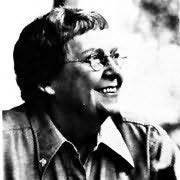
The author’s love of the south set the stage for this novel. Lighthouse is the first novel in the St. Simons Trilogy, three books based on the life of James Gould and his descendants. St. Simons is a small island off the coast of Georgia. Eugenia Price made St. Simons Island her home during the latter years of her life. She fell in love with the scenery, the hospitable nature of its citizens and the history of the island. Today, Eugenia Price is laid to rest in the Christ Churchyard, located in township of Frederica on St. Simons Island. Her tombstone reads, “Light...and eternity and love and all are mine at last."
The setting of the story is the early 1800’s; the United States is very young in comparison to the rest of the world. Colonial ideologies collide with new ideas about the powers of the state and federal government. Scottish and English ancestry is blended with the savagery of the Creek Indians and the warring nature of Britain and Spain. The differences between the north and the south were becoming clear, especially in the areas of economics, industry and politics.
The book revolves around the life of James Gould and his determination to fulfill his dream. James’ story depicts two major conflicts, man against destiny and man against himself. At times, James Gould is his own worst enemy. James desires to make a prominent name for himself as a builder; his dream is to one day build a lighthouse. Driven by pride and the pursuit of this dream, Gould confronts many disappointments.
How do you go from having a revered black friend as a mentor and confidant in Massachusetts to owning black slaves in Georgia? This question tortures James Gould’s soul. He suffers moral turmoil regarding slave ownership. Although a man of conviction, James must “learn to live in this blurred time in history,” (pg. 188) and make the best of his regrettable situation. Mutual love and admiration, devotion and friendship dwell between James and “his people.” Yet as you read, you sense slavery’s haunting effect upon his life.
James Gould’s quest proves and buffets his character. His pride pushes him and holds him captive. One day, his wife Janie confronts him, “Pride has shut you away from your family for all these years...from your friends... from your own brother. You've built your lighthouse, the symbol of your own indestructibility, but one false accusation and you go to pieces¬-still afraid people will think less of you.” (pg. 266) With his pride revealed, he admits “I have to know, when I look at it, that every joint is perfect, every nail driven true, for my own satisfaction.” (pg. 268)
In the end, James realizes his lighthouse, his aspirations; his life has no significance unless fortified by devotion to God, family and friends. James Gould became a true keeper of light, a reflection of courage and strength. After all, “A lighthouse, as Captain Barry had said so long ago, was only as good as its beam.” (pg. 262)
I appreciate the amount of research and effort taken to write about this historical period. I was surprised by the underlying message of slavery in the south and the depiction of the uncivilized nature of Florida. But these were major factors in building the lighthouse on St. Simons Island. I could sense the affection of the author toward her characters. She wrote about them as if they were old friends. I would have enjoyed a bit more imagery. I disliked the abrupt jump-forward writing technique, months and even years were skipped, leaving gaps in the story-line. Despite this fact, the book was captivating and it increased my appreciation for lighthouses. I hope to one day visit St. Simons Island, GA and see her lighthouse.