Действие разворачивается почти целиком во Франции, но последствия этой интриги трагически поразят потом целый мир. В центре событий довольно скоро окажется Россия, где в 1905 году была впервые напечатана знаменитая литературная подделка "Протоколы сионских мудрецов". В романе документально рассказано, чьими усилиями эта подделка была создана. Главный герой очень гадок, а все, что происходит с ним, и ужасно, и интересно. Автор, строя сюжет в духе Александра Дюма, протаскивает затаившего дыхание читателя по зловонным парижским клоакам и по бандитским притонам, вербует героя в гарибальдийское войско, заставляет его шпионить на все разведки и контрразведки мира, в том числе и на русскую охранку, укрощать истеричек из клиники доктора Шарко, распивать пиво с Зигмундом Фрейдом, форсить бок о бок со Свободой на баррикадах и даже участвовать в сатанинской мессе. Одновременно, как всегда, Умберто Эко выдает читателю в оболочке приключенческого романа огромный заряд знаний и идей.
Umberto Eco was an Italian medievalist, philosopher, semiotician, novelist, cultural critic, and political and social commentator. In English, he is best known for his popular 1980 novel The Name of the Rose, a historical mystery combining semiotics in fiction with biblical analysis, medieval studies and literary theory, as well as Foucault's Pendulum, his 1988 novel which touches on similar themes.
Eco wrote prolifically throughout his life, with his output including children's books, translations from French and English, in addition to a twice-monthly newspaper column "La Bustina di Minerva" (Minerva's Matchbook) in the magazine L'Espresso beginning in 1985, with his last column (a critical appraisal of the Romantic paintings of Francesco Hayez) appearing 27 January 2016. At the time of his death, he was an Emeritus professor at the University of Bologna, where he taught for much of his life. In the 21st century, he has continued to gain recognition for his 1995 essay "Ur-Fascism", where Eco lists fourteen general properties he believes comprise fascist ideologies.
In the 1980s I read The Name of the Rose and Foucault's Pendulum and came away from those books knowing that I had been exposed to a brilliant mind. The complexity of the writing and the layers of plot turned many readers away, but I found it so refreshing to have a writer that demanded more from his readers and more importantly had faith in his readership. These are books that need to be read many times and each time the reader will develop a better understanding of the writer's intentions.
This brings me to The Prague Cemetery. Typical of an Eco book it took me a little while to settle in and fine tune my thoughts to pay proper attention and to relax so that Eco could take me where he wanted me to go. This book is set in 19th century Europe and explores the underlying conspiracies that surround a series of wars/conflicts that instead of being the work of a group is the nefarious dealings of one man. This man is Simone Simonini. He is a murderer, double agent, triple agent, but more importantly he is the man that can provide the documentation that proves that one side of a conflict is justified in their quest for power. In other words he is a master forger.
He finds his calling while apprenticed to a lawyer named Rebaudengo. He learns the fine art of providing the "missing" paperwork for a baptismal record that would allow an inheritance to be obtained or the "missing" will of a family patriarch who may have perished unexpectedly.
Rebaudengo explained. "What I produce are not forgeries but new copies of genuine documents that have been lost or, by simple oversight, have never been produced, and that could and should have been produced."
Simone becomes so good at the craft that he realizes that the only person between him and a very lucrative income is his mentor Rebaudengo. The proper paperwork miraculously is produced that exposes a "fraud" perpetrated by Rebaudengo and he is swiftly convicted and sent to prison.
Simone is the type of gentleman that governments find uses for and he is greedy enough not to be worried about the consequences of his actions. He becomes a forger, mercenary for hire. He provides documents that fan the flames of racism and cultism that leads to genocide and in one case the temporary toppling of a foreign government. He steals from his employers and from his agents working both sides of the equation to net as much money as possible for himself. He is a man without a moral compass except in the case of Abbe Dalla Piccola. Piccola became an inconvenience for Simone during one of his clandestine missions and Simone as he tended to do when cleaning up a problem, killed him. Simone becomes, unknowingly to himself, so out of sorts over the murder of Piccola that Piccola is actually resurrected in his own mind creating for a time a split personality. Simone becomes more aware of the Abbe as they begin sharing a diary and the missing time that Simone is experience is revealed in the dairy entries made by the Piccola personality.
The book is liberally sprinkled with sketches of the characters involved really evoking a Victorian Dickens feel to the novel. I found this book much more accessible than other Eco novels and actually laughed out loud a couple of times.
Back in 2000 I had planned to meet Umberto Eco. He was touring for Baudolino and was planning to come to the West Coast. Unfortunately due to health reasons he only finished his East Coast engagements and did not come to California. I had spent my last lira appropriating a copy of The Name of the Rose for him to sign, which now would be worth around $800 signed by the author. Well I may not have an $800 copy, but I am still glad that I bought Rose when I did, as even unsigned, The Name of the Rose is going for a couple of hundred dollars. I did pick up a copy of Baudolino from an East Coast bookseller flat signed by Dr. Eco.
Flat signed is preferred by collectors because the book was actually in the hands of the author. A book plate, signed by the author, does not have the same value to collectors.
“A mystic is a hysteric who has met her confessor before her doctor.” ― Umberto Eco, The Prague Cemetery
So, I dropped one star because (first) I was a little disappointed that none of the stars on Goodreads were upside-down pentagrams or hexagrams. Also (second), I left off one star because by about page 400, I was drained of all my anti-Semitic antibodies. The crazy fundamentalism, fractured insanity, and conspiracy rich shadows of anti-Jewish attitudes in Europe during the 100 years from the mid-1800s till Hitler's Final Solution just isn't easy to stomach (for me) after 400 pages. How am I going to ever read The Rise and Fall of the Third Reich? Ugh. OK, so that explains my missing star (relegated to the sewer).
Now to what I liked. First, Eco is kinda amazing. This is my second of his novels. I read Foucault's Pendulum years and years ago and love how he folds in the real with his fiction. He makes Dan Brown seem like some half-literate child who can only read travel guides to Europe. Eco is the master of conspiracy, grey history, Jesuits, Freemasons, Carbonari, Garibaldi, Satan and international anarchism to boot. Plus he really knows food.* I disagree with Theo Tate's take on Eco using Updike as a hammer when he says that Eco's "orgy of citation and paraphrase" is unbearable. It wasn't the DETAIL that killed me, but the necessary rantings of Eco's fictional dual narrator(s). The details I quite enjoyed.
Anyway, about 100 pages into this novel and I began to see resemblances of the book's protagonist/anti-hero Simone Simonini to Mark Hofman - a famous Mormon forger and bomber. A little creepy how close in someways these two resemble each other (at least to me). It all works with one of my favorite lines of the book and probably one of Eco's main themes: "This led me to think, even then, that if I wanted to sell the story of a conspiracy, I didn't have to offer the buyer anything original, but simply something he already knew or could find out more easily in other ways. People believe only what they already know, and this is the beauty of the Universal Form of Conspiracy." Over 25 years ago Mark Hofman figured this out, when selling documents to the Mormon Church, and those who pimp conspiracy theories now most certainly know too. Don't sell someone something they don't know, sell them what they already believe ... just make sure the it smells vaguely authentic. Creativity isn't a must if you are a forger...or selling a conspiracy, just if you are Umberto Eco.
* Eco could teach Jason Matthews the art of how to delicately introduce gastronomes into a novel.
Cînd citim un roman, ne identificăm, de obicei, cu protagonistul, iubim și urîm împreună cu el, „ținem” cu el, înfruntăm soarta lui. Deplîngem, așadar, sfîrșitul lui Jude Neștiutul, ne bucurăm alături de Pip, cînd o reîntîlnește pe Estella printre ruinele de la Satis House. În Cimitirul din Praga, Umberto Eco a procedat pe dos. A imaginat un personaj care trezește, mai degrabă, un simțămînt de repulsie. Îi măsurăm abjecția și-i dorim pedeapsa.
Acest personaj sumbru se numește Simone Simonini, s-a născut prin 1831 în Torino, e pe jumătate italian, pe jumătate francez și, în prezentul relatării, locuiește în Paris. A fost educat de un bunic anti-semit și a învățat să urască. E convins că „a urî înseamnă a trăi”, „odi ergo sum”: numai indivizii care urăsc simt gustul vieții. Ura lui e atotcuprinzătoare, nu exclude nimic: îi urăște, în primul rînd, pe evrei (ei sînt rădăcina răului din lume), dar și pe francezi (niște fanfaroni), dar și pe nemți (în cazul lor, funcția digestivă o întrece pe cea intelectuală), dar și pe italieni. Ura lui n-ar fi completă dacă nu ar cuprinde preoții și femeile. Simte o oroare sacră față de femeie, detestă orice formă de sexualitate, e un puritan fanatic (dublat de un epicureu culinar). Împărtășește „adevărul” exprimat cîndva de unul dintre tovarășii lui (Racikovski): „numai ura încălzeşte inima”.
Încă din tinerețe, Simone Simonini (alias abatele Dalla Piccola) își descoperă darul de a imita scrisul de mînă al oricui, un talent rar, care-i deschide ușa serviciilor secrete. Așa își descoperă plăcerea de a se deghiza în veșminte clericale. Nu ratează nici o trădare, nici o delațiune. Lucrează ca spion și falsificator, e dublu agent în armata lui Garibaldi, e martor al Comunei din Paris, ajută oficialitățile să-l incrimineze pe căpitanul Alfred Dreyfus și, într-un final, participă la realizarea celui mai mare fals din istorie: Protocoalele înțelepților Sionului.
Romanul lui Umberto Eco este o încercare de a explora mintea unui fanatic și, în același timp, o analiză minuțioasă a gîndirii de tip conspirativ. Nimic nu e ce pare a fi. Albul e de fapt negru. Tot ceea ce se întîmplă în istorie are un substrat ascuns: există întotdeauna un agent nevăzut (evreii, iezuiții, francmasonii, organizațiile anarhiste, viclenia lui Satan). Numai un om extrem de inteligent îl poate identifica și opri. Fără un astfel de iluminat, mulțimea ar trăi în ignoranță.
Unii au considerat Cimitirul din Praga un roman picaresc, alții au văzut în el o comedie neagră, cîțiva l-au citit cu totul greșit (au confundat ficțiunea cu realitatea) și l-au acuzat pe autor de anti-semitism. Romanul mi se pare, înainte de orice, o ficțiune horror...
اگر از کسی متنفرید و مدرکی برای متهم کردن و به لجن کشیدنش ندارید، براش مدرک بسازید. این آسون تر و کم خرج ترین راهه. همچنین هیچ وقت خودتون رو به خاطر تنفر از کسی سرزنش نکنید یا سعی نکنید خودتون رو درمان کنید چون نفرت برخلاف عشق عمر طولانی داره و آتیشش همیشه قلب رو گرم نگه میداره. این خلاصه آموزه های سیمون سیمونینی آنتاگونیست کتاب گورستان پراگه، مردی که پشت کلی جریانبزرگ سیاسی و مذهبی توی دنیا بود و هست از جمله استقلال ایتالیا از اتریش، قیام گاریبالدی و یکپارچگی ایتالیا، نابودی جنبش دانشجویی پاریس، ماجرای دریفوس، هولوکاست، پروتوکل صهیون، و الان جنگ حماس و اسرائیل. اگر کنجکاو شدید بدونید چطور و چرا این اتفاقات افتاده، چاره ای ندارید جز اینکه گورستان پراگ از اکو رو بخونید. به کتابهای دیگه و ویکی پدیا و بقیه منابع توجه نکنید چون اونا همه اخبار جعلی و پروپاگاندا هستن که میخوان ذهن شما رو از واقعیت حقیقی پشت همه اینها منحرف کنن و گولتون بزنن. و اگه فکر میکنید من متوهم ام بخاطر اینه شما هنوز اندازه من نمیدونید. ..... این کتاب عالیه اما نمیتونم بگم عالی ترین کتاب اکو هستش چون حقیقتا در کنار شاهکارهایی مثل نام گل و بائودولینو به چشم نمیاد و از نظر داستان پردازی به اون حد نمیرسه. با این حال بازهم اکو توی این رمان منو با سواد بالا و دامنه بسسسیار گسترده اطلاعات تاریخی مذهبی سیاسی و اسطوره ایش تحت تاثیر قرار داد و نفسم رو بند آورد. پس پیشنهاد میکنم بخونید و موبایل تون برای سرچ های زیاد دم دستتون باشه. ....... دوس داشتم ریویوو درخوری برای این کتاب بنویسم که نشد. ایشالا برای کتاب بعدی اکو جبران کنم :/
" لا يمكنك أن تخلق خطرا له ألف وجه, الخطر يجب أن يكون له وجه واحد" أهم ما في الرواية أفكارها الأساسية الواضحة جدا في الواقع والسياسة وهي كراهية الآخر والتزوير واختراع العدو يكتب إيكو عن شخصيات ومنظمات وأحداث تاريخية حقيقية في القرن التاسع عشر جاليباردي وتوحيد إيطاليا, الحرب الفرنسية البروسية, كومونة باريس, قضية دريفوس...... ويعرض في تفاصيل مُطولة ومتشابكة مؤامرة مخابراتية وتزوير وثائق لإثبات خطر اليهود على العالم ويُصور ان هذا الفكر التآمري الأوروبي وما نتج عنه هو الذي أدى إلى محاولة إبادتهم في القرن العشرين فإذا اعتبرنا الرواية ليست عن معاداة السامية في أوروبا في ذلك الوقت فهي في العموم عن العنصرية وكراهية طائفة من البشر – أيا كانوا وفي مختلف العصور ومحاولة ابتكار وتزوير الأخبار والوثائق والمستندات لإثبات صفتهم كأعداء
Let’s say that the beginning is a little confusing. It’s important not to read the book at first glance but to take advantage of the description of the hidden mechanisms that make it possible to direct public opinion in the desired direction to understand better how we are manipulating today. The author takes us into a fascinating description of the life and work of a dishonest and unscrupulous plagiarist, falsifier, and anti-Semitic. Romantically, we witness what could have been the origin of the sadly famous falsehoods, protocols of the sages of Zion, or the dark shenanigans that led to the tragic Dreyfus affair.
Plausible. Witty. Satirical. Challenging. Educational. You should see my Google search history - early in the book I realized I knew a few of the major players (not well) and none of the others at all - so I Googled every name and place I came across and discovered that this is a well-researched book! No wasted words, no ornamentation, tight prose - a well crafted story on many levels. More accessible than earlier books, or maybe I'm getting better at researching. Read this book. Take out your smartphone and put it through its paces for supporting information. There are more connections between the characters than given by the author - as the author/narrator states in the text that (paraphrased) touching on the faint memory of something heard/read before lends plausibility to fiction, and this book is a breathing example of the concept. And yes, there's a poke in the eye of Dan Brown (or his fans, anyway) for the DaVinci Code... almost as if Prof. Eco is saying "if you're going to publish a forgery, this is how you do it..."
ايكو من جديد، هذه هي الرواية الثانية التي اقرأها له بعد (اسم الوردة)، وقد تجاوزت (جزيرة اليوم السابق) و(بندول فوكو) و(باودولينو) المنتظرات على مكتبتي منذ أزمنة، ولكن عنوان هذه الرواية - مقبرة براغ - وأجواءها التي تدور في خضم حروب القرن التاسع عشر ومؤامراته جعلتني أعزلاً أمام الكتاب.
ايكو روائي عملاق، ليس موهوباً كيوسا وكاداريه، ولكنه مجتهد، مكافح، يكتب بعناية وباحترام للقارئ فلذا تتركك رواياته بذلك الشعور المرهق، بتلك الرغبة في أن تعيد القراءة من جديد، فقد فاتتك أشياء ولا ريب، وهناك نقاط لم ينورها لك ايكو عمداً، فكما اجتهد في الكتابة، عليك أن تجتهد في القراءة والتأويل.
يقول ايكو عن هذه الرواية بأن أحداثها وشخوصها حقيقية ووقعت فعلاً، وأن الشخصية الخيالية الوحيدة فيها هي البطل سيمون سيمونيني، وحتى سيمونيني رغم خياليته إلا أن أفعاله وقعت فعلاً ولكن من قام بها آخرون جمعهم ايكو في هذه الشخصية الفريدة، فسيمونيني عميل مزدوج، مزيف محترف، يضعه ايكو وراء الكثير من الأحداث الفارقة في ذلك القرن، وينسب له عملية التزييف الكبيرة التي انتجت في النهاية (بروتوكولات حكماء صهيون)، حيث ولدت خيالاته ذلك الاجتماع المشؤوم بين الحاخامات اليهود في مقبرة براغ.
الرواية حافلة بالأحداث والشخصيات، بالعنصرية الطافحة، بالاغتيالات والخيانات، بانفصام الشخصية، والشخصيات التاريخية، هي بالفعل عمل جبار، يقرأ مراراً، ونخرج منه في كل مرة بتفسيرات مختلفة.
سیمونینی، صبح یک روزی از سال ۱۸۹۷ از خواب بیدار میشه و متوجه ردای کشیشی تو خونهاش میشه و با خوندن چندتا یادداشت متوجه میشه کشیشی به اسم دالا پیکولا اونجا بوده، مشخصا دچار فراموشی شده و هروقت میخوابه شخص دالا پیکولا توی دفتر خاطراتش براش یادداشت گذاشته و اصرار داره اون هم دچار فراموشی شده، اونا سعی میکنن با نوشتن خاطرات فراموشیشون رو درمان کنن. ما همراه راوی باید دفتر خاطرات سیمونینی رو بخونیم تا متوجه بشیم این دونفر کی هستن؟
شخص سیمونینی از دوران جوونی شروع به کار جعل اسناد میکنه و به شدت از یهودی ها متنفره. به واسطهی چند موقعیت، با سازمان اطلاعاتی اروپا همکاری میکنه، براشون جاسوسی میکنه و جعل اسناد انجام میده. داستانی هم به اسم گورستان پراگ مینویسه و نفرت پدربزرگش از یهودی ها رو وارد داستان میکنه. درواقع ادعا میکنه این اطلاعات رو از پدربزرگ مرحومش گرفته. به گفتهی اکو اکثر شخصیت ها و اتفاق های این داستان واقعی هستن به جز خود سیمونینی و چند شخصیت فرعی، البته پدربزرگِ سیمونینی واقعی بوده اما خود سیمونینی نه.
شخصیت سیمونینی به شدت جالبه، یه شخصیت منفی و خطرناک که همه کارهاشو با خونسردی عجیبی انجام میده. همه شخصیت های کتاب منفی بودن درواقع.
این اولین تجربهی خواندنیم از اکو هست و دوسش داشتم با وجود اطلاعات فراوان که در کتاب اومده،داستان از ریتم نمیفته.خیلی خوشحالم که امسال تونستم از اکو بخونم ایشالا بتونم بقیه رو هم بخونم.
"کسی که سند جعل میکند همیشه باید اطلاعات کافی داشته باشد. از همینرو من در کتابخانهها وقت میگذراندم. کتابخانهها جاهای مسحورکنندهای هستند: گاهی حس میکنید زیر سایهبان ایستگاه راه آهنی هستید و وقتی کتابی دربارهی مکانهای عجیب و غریب میخوانید حس میکنید به سرزمینهای دوردست سفر کردهاید."
Gather up every conceivable prejudice and a discriminating thought against most of the significant nations or groups in 19 century Europe. Spice it well with history, add some culinary recipes, stir well, and cook slowly on medium heat for about five hundred pages, adding gradually a number of conspiracy theories to your taste… If you follow this recipe, the result might be an indigestible soup with a bitter aftertaste. Or, if you happen to possess Umberto Eco's skill and knowledge, it might turn into a fascinating masterpiece, that when the initial shock after a catalogue of despicables wears off, will capture you, and hold you hostage for a long time after you turn the last page.
The protagonist, Simone Simonini is a forger, of whom we initially know nothing else but that he is of jewish/italian/french descendants, and that he is of a really unpleasant character. He is not that secretly patronizing, small-time hypocrite type, that might turn evil if circumstances allow, but an openly hostile, manipulative and devious man who graces everyone with the same degree of hate or dislike and is happily playing one against the other to his own advantage. And it is him who sets the tone for this story. And the story is hard to call nice - it is in fact really, really not nice. It is dark and purposely unpleasant. It is a manual in how to manipulate, cheat, lie, use others, create a complott or manufacture evidence. But it also is at times refreshingly truthful, although the truth may then be used for nasty purposes.
The writing is complex, filled with details that perhaps, since I listened to an audio and my attention may have wandered occasionally, might have gone beside me, but on the other hand, not focusing on details only increased the overall impression; the flow of the story, it’s taste, and the murky atmosphere in which the events take place.
So now, that I finished, I am positively fascinated and since to my deepest dismay, there is no more after the last page, I went straight to another book by Umberto Eco, but of that, another time...
هذه رابع رواية أقرأها لأُمبَرتو إيكو , وللحق فهي ليست بأفضلهم , فاسم الوردة وبندول فوكو يتفوقوا , ولكن مهلًا , لماذا نضع أصلًا مقارانات ؟ لنتركها جانبًا و نركز على الرواية .
إيكو مهووس بالجمعيات السرية و المعتقدات الطائفية المنبثقة من عقيدة متينة , كالماسونية والحشاشين وغيرها من تلك المعتقدات السرية التي اتسمت بالغموض الشديد , ولعل من حسن حظنا هوسه هذا , فمن خلاله قدّم لنا وثائق دامغة في هيئة روائية بديعة .
هذه الرواية تختلف عن باقي أعمال إيكو , فأحداثها حديثة نسبيًا (جرت في القرن ال19 ) ومن خلاله ركز على الاضطرابات التي حدثت في أوروبا . كما أن كل شخصيات الرواية حقيقة تاريخية باستثناء بطل الرواية والذي من خلاله استطاع الكاتب أن يسرد الأحداث بصورة ممتعة للغاية .
الدين هو كوكايين الشعوب , لأن الدين حرّض ويحرّض على الحروب , وعلى تقتيل الكافرين , وهذا صالح سواء بالنسبة إلى المسيحين , والمسلمين أو غيرهم من الوثنيين , وإذا كان سود إفريقيا يتقاتلون فيما بينهم , فإن المبشرين نصّروهم و جعلوا منهم فيالق استعمارية , مؤهلة جدا للموت في الصفوف الأولى , ولاغتصاب نساء البيض عند دخولهم المدن. لا يفعل الإنسان الشر بكمال و حماس مثلما يفعله عندما يصدر عن قناعة دينية .
فالفهم الخاطئ للدين والتأويل (المزاجي) للنصوص المقدسة يسمح لصاحبها بارتكاب الفظائع وهو يظن أنه يفعل أعلى درجات الصواب . و أن النعيم في انتظاره عند موته . ولذلك كله لا نستغرب الملايين الذين ماتوا نتيجة لتأويل نص ديني ما أو فهم طائفة معينة لهذا الدين .
ولهذا كله كان الضعفاء هم وقود أي حركة عظيمة , فمن السهل السيطرة على ع��ولهم و تطويعها لخدمة القضية التي تكون فاسدة , وهؤلاء الضعفاء هم أقل المتضريين دائما لأنهم لا يملكون المبادرة فهم فقط يطيعون السادة والقادة :
الأشخاص الذين عندهم أفكار قليلة هم أقل عُرضة للخطأ , يتبعون ما يفعله الآخرون ولا يُقلقون أحدًا , وينجحون , و يُثرُون , ويبلغون مراكز سامية , إنهم نوّاب , حاملو أوسمة , أدباء ذائعو الصيت , أكاديميون , صحفيّون . هل إنّ من ينجح على هذا المنوال غبي ؟ الغبي هو أنا , أنا الذي أردتُ مكافحة طواحين الريح.
المهم : نحن أمام عمل جيد للغاية , فيه تقمص الكاتب روح الفترة الزمنية المرادة ليوصلها لنا كاملة وقد نجح في ذلك نجاح باهر . فيه سرد مكثف لأحداث تاريخية كثيرة , شمل بعضها الغموض لتداخل كثير من الأطراف فيها .
المميز فعلا في العمل دا , وصف الأكل , الطعام , فيه تتجلى روح الطبّاخ المذهل لدى الكاتب الايطالي(المهاوويس بالأكل) فاستطاع أن يجري ريقك و أنت تقرأ وصفه لمختلف وجبات الطعام.
نقطة مهمة : أنا متفهم جدا للي يقول على إيكو : إنه مش أديب عظيم , متفهم كدا فعلا , فأعماله لا تنتمي للأدب العظيم(هو مش ماركيز ولا ساراماجو ولا محفوظ ولا غيرهم من الأدباء العظام) , ولكن لون أعماله متفرد للغاية , ففيه يندمج البحث التاريخي وسرد الأحداث المهمة بقالب من الإثارة والمتعة يقدم لك فيجبرك على الاندماج مع كتاباته التي قلدها العديد من الكتاب في مختلف الثقافات واللغات .
العمل جيد للغاية , ومفيد جدا لك لتعرف وجهات نظر في طوائف تسمع عنها ومفيد أيضا في معرفة أحداث تاريخ أنت تجهلها .
Eco:" We have a limit, a very discouraging, humiliating limit: death. That's why we like all the things that we assume have no limits and, therefore, no end. It's a way of escaping thoughts about death. We like lists because we don't want to die".
Eco in an interview of 2011, said he had "put in his [Simone Simonini] mouth a lot of abominous ideas [anti-Semitic, racism]...a repugnant character [Simone Simonini] ...not to be taken seriously".
"If not a comic, I am a grotesque writer"
Heavy historical novel. Very European context.
March 1897, piazza Maubert, near Paris,...by the Bièvre,an affluent of the La Seine river. Paris is not what it used to be, now with this pencil-sharpener called Eiffel Tower...so thinks sixty-seven-year-old Simone Simonini.
He wonders about his identity: "who am I"?. He defines himself by reference to others' defects. He bashes rudely at other races and peoples. He repels, grossly, the Germans: their repugnant sweat smell, their language...their addiction to beer...no interesting art; even great composers are depreciated under Simonini:"ordinary" Beethoven, "noisy" Wagner and "no-harmony" in Bach. The Germans took seriously that glutinous monk called Luther.
The French, are also criticized: they are lazy and mean ("Ils grognent toujours").Italians as well. And yet, Simone's father was Italian and his mother a French woman.
Simonini became French because he could not stand being Italian: Italians are "liars" and "vile" and "traitors". He says (like with plants-crossing), if you cross a French with a Hebrew you have the present Republic III.
Nevertheless, he's got "nothing against" the Hebrew people; his grandfather (captain Simonini) taught him: they are the atheist people 'par excellence'. Simone Simonini recalls eighteen centuries of hate, though.
But the worst of all are the Jesuits...and the Freemasons. Jesuits are "Masons dressed as women".
Thus, he considers himself to be a chaste man since he doesn't like women. He loves food and drink.
Simonini is a forgerer of documents and an antiques dealer. Strangely, he's got memory problems; even personality issues: it seems, he cannot distinguish himself from Abbot Dalla Piccola, who happens to live in the same building. There's a corridor connecting the two homes, and one day Simonini finds a wig:... his? Abbot's?... or of one and single person? And this was Chapter Two of Eco's book.
Chapter Three deals with acquaintances of the forgerer at the famous restaurant "Magny". 'Chez Magny' he meets a medical doctor,an Austrian Jew called Fröid, [any bell rang??]...thirty years old, studying with Charcot the hysteria phenomenon. Simonini sees Fröid as a "liar"...who studies and uses cocaine for his own sake,...and who suffers from "black billis".
Interesting references are made to the study of hysteria, the use of magnetism by some and hypnosis by others for the treatment of the psychiatric condition. Again, the antiques dealer digresses about the Hebrews, their smell...the "fector judaica"...and concludes "they're all communists!"; he's got no Hebrew friends.
The case of Diana is introduced: two personalities in the same body; and different memories of the acts perpetrated by these two radically different personalities.
Chapter Four: grandfather’s times. Simonini recalls childhood in Turim,…he managed to speak the purest Grenoble French…not the Paris ‘babil’. Grandfather told him about the madness of the Revolution,….and the worldwide complot of the Knights Templar against Christianity.Also about his connections to Augustin de Barruel (1741-1820):a conspiracy theorist. Simone discloses his pleasure wearing the vests of priest Bergamaschi,how he felt superior...and about chocolate and coffee delights.
Amazing Chapter Five: because it's penned by Abbot Dalla Piccola. He knows more about Simonini than the other way around. He reveals that Simonini was an active "Mason" (that he belonged to the Carbonaria). A Simonini that in the previous chapter was so critical about Masonnery aims:"Lilia pedibus destrue" (destroy and step on the Fleur-de-Lis of France). The Freemasons wanted to destroy both "altar and throne".
And chapter Six? -Here, Simone severely decries about the Abbot: you know too much about me! Simonini envisions the Jesuits meeting at the Jewish cemetery in Prague;... them, conspiring under the moon, to help Napoleon III. Interestingly, Bergamaschi was a counselor to the monarch.
The forgerer prides himself of his first masterpiece of forgery; and later, gets his first ("spy") mission: to join writer Alexandre Dumas in his ship Emma;of course, Dumas had joined the liberators, under Garibaldi. A detail: on his mission, the captain cannot avoid taking with him the vests of priest Bergamaschi.
Simone is now in Sicily. Through his eyes we see Garibaldi; the leader is not the “Apollo”, as Dumas saw him. He describes him as “of modest stature, blondish but not blond, with short legs…and affected by rheumatism”, he noticed when the leader had to be helped while riding horses.
Simonini distrusts heroes….and doesn't wear the Red Shirt of the liberators, but the ecclesiastic vests of priest B.
Garibaldi has received from the British Masonry 3 million French Francs (in golden Turkish piastras). ...
So you think I would go on till chapter Twenty Seven?... No, I won't.
Just a few words of closure for this review.
(1) The book has marvelous 19th century illustrations (from the author’s archive) that help a lot understanding the plot… or the story, if you will.
(2) Due to Simone’s likings the book is truly a cookeries compendium; menus abound.
(Protocols´, 1912 edition)
(3) It’s really historically thick the plot ahead; Simone will visit many places; will kill Abbot Piccola;…many adventures ahead, even with protestant Diana. But the core of the book may lie in the The Protocols of the Elders of Zion ; in fact, according to several sources, they are a “lie”; Eco refers 1925 Hitler’s book Mein Kampf; and the London Times of 1921; both indicating a “forgery”.
(The Times, August 17, 1921)
(4) Finally, Eco says: all book characters were real persons, …but Simone.
PS About Simone's name. In the book it is indicated why the main character got that name; someone in the family told Simone:"...in memory of Saint Simonino, a martyr kid of Trento, kidnapped by the Jews...that used his blood in their rites". That explains a lot.
From wiki: Simon of Trent (German: Simon Unverdorben; Italian: Simonino di Trento); also known as Simeon; (1472 – March 21, 1475) was a boy from the city of Trento, Italy whose disappearance was blamed on the leaders of the city's Jewish community based on their confessions under torture,causing a major blood libel in Europe.
(Dec 21st 2011) For fans of Eco: he's been recently interviewed by GR; some of his words may be elucidating about this and other of his books. And, within two months he'll be eighty years old. Nice.
I like to try to pretend I’m not a literature snob. I like to try to pretend that all I care about in a book is a good story, that genres are meaningless, and that authors who are experimental or who go to great lengths to show off their vast intellects are, generally, more trouble than they are worth. I like peeling back the layers of hype and praise piled upon popular books and to get at the soft nougat of story at the centre and judge it based on the quality of that alone.
Except all that pretending not to be pretentious falls apart the moment I have to talk about Umberto Eco.
I can’t quite call him my favourite author, because that is an absolute I don’t feel comfortable using. How does one necessarily compare and rank two authors whose style and range are completely different? No, Eco is not my all-time favourite, but he is unquestionably a writer of the highest calibre, a literary juggernaut with all the pretentious baggage such a label implies. Whenever I read something by Umberto Eco, I am always struck by how incredibly smart he is. His books are practically saturated with knowledge and intellect in such a way that I am immediately confronted with how little I know—and I love that feeling. More importantly, Eco doesn’t make me feel stupid as a result of this ignorance. Instead, his books display an evident love for knowledge, a joy for life and literature—a feeling so close to what I feel when I read, that it’s probably not a surprise I would feel so at home with these books.
For my fourth annual Eco read I chose The Prague Cemetery purely because it was published in English this year. I feel a little more connected by reading a book that is so recent, and it definitely affected how I interpreted the story. The Prague Cemetery seems, almost from the beginning, like it is more accessible than some of Eco’s other novels. It certainly isn’t as lengthy or as dense as The Name of the Rose or Foucault’s Pendulum. Yet there is a dark and very difficult aspect to The Prague Cemetery that almost made me hesitate with it.
This book is venomous. It opens with a misogynistic, racist, anti-Semitic rant by the main character, Captain Simonini. Simonini, an expatriate Italian living in France as a forger and sometime-espionage expert begins recounting his childhood in Italy in the form of a diary. We learn the genesis of his hatred for Jews, his first involvement in forgery and espionage, and eventually, how he came to end up in Paris, France. This autobiographical narrative is as fascinating as it is repugnant. Simonini’s anti-Semitism latches onto everything he touches, spreading into his every endeavour like a virulent and pernicious weed. I found several passages difficult to read, because Eco does not cut corners and does not hold back: he creates a main character who is, in no uncertain times, unlikable and unsympathetic. And I still somehow found myself hoping he wouldn’t get killed. (He is really bad at the espionage thing.)
Then we come to chapter 5, in which the narration gets taken up by Abbé Dalla Piccola. And here’s where it gets interesting. Who is Piccola? Is he an alter-ego of Simonini’s? Or is he a person in his own right? Simonini keeps waking with gaps in his memories and reading these notes from Piccola, whose apartment is connected to his by a long, dank corridor filled with makeup and costumes. Yet as Simonini recalls his life story, there are mentions of a Piccola external to him. And so the identities of Simonini and Piccola and their relationship is ambiguous, at least at first. Ultimately Eco resolves it with uncharacteristic clarity. Until then, however, Piccola along with the Narrator complete the novel’s triumvirate of (unreliable) narrative voices. Together, these two manage to balance out the vitriolic Simonini and make the narrative more interesting.
The Prague Cemetery is intimately connected to European history, particularly that of Italy, Germany, and France, in the late nineteenth century. Those of us whose educations are sorely lacking in this area will feel somewhat lost, which is why Wikipedia is such a valuable resource. Reading about the unification of Italy and France under Napoleon III gave me a glimpse into why Eco might be so fascinated by conspiracy theory. Sensationalist rhetoric of authors like Dan Brown aside, conspiracy underpins much of European history, never far away as one reads about the intricate intrigue that brought down kings and queens, priests and pontiffs. And Eco places Simonini right in the middle of it: first embedding him with the Carbonari and Garibaldi’s red shorts, then transplanting him to France on the eve of the Franco-Prussian war.
Simonini’s experience as a forger means that his superiors expected him to produce evidence that would support the agenda of the month. Communists, socialists, or monarchists—it didn’t matter: you name them, and Simonini would fabricate something to implicate them. He goes as far as actually constructing conspiracies of his own in order to expose them to his superiors. Simonini is delightfully devious—much too devious, in fact, for his own good. He invariably incurs the displeasure of his superiors, which is why he found himself in France in the first place.
Ultimately Simonini becomes obsessed with marketing a manuscript. This manuscript finally becomes The Protocols of the Elders of Zion, a real fraudulent document. Set in the eponymous and eerie cemetery in Prague, the manuscript purports to disclose the plans of Jewish leaders for world domination. This is Simonini’s masterpiece, a story woven from ideas culled from fiction and non-fiction throughout the past century, created in such a way as to appear legitimate enough for those who might have a use for anti-Semitic propaganda. And though he knows it is his own fabrication, Simonini is utterly convinced of the document’s veracity in spirit. He does not doubt that a Zionist conspiracy for world domination exists and is in motion, and so he feels justified in manufacturing evidence that exposes this “truth”. Eco brilliantly takes us into the mind of a conspiracy theorist and an anti-Semite, exposing the psychology of such a person.
The document that becomes The Protocols is but one example of the larger set of conspiracies that bloom in the shadows of European politics. Through Simonini we see how various groups, from intelligence offices to the Jesuits, make use of conspiracy theories and propaganda to suit their own ends—essentially, Eco weaves conspiracies about conspiracies. And the most successful participants in these political games are those who do not have (or at least do not indulge) their personal enmities toward different groups. Simonini’s passionate hatred of Jews is a liability, because it warps his every action and provides a motivation that could sometimes be political inconvenient. Even as his Russian contacts discuss using the Jews as scapegoats because they happen to be around, Simonini’s French handler initially tells him that they aren’t interested in pursuing anti-Semitic propaganda “for now”. There's a cold-blooded, calculated, ruthless side to all this hate speech that often seems to get lost (at least in my opinion) when viewed through the lens of the world after the Second World War. For some of these people, hating Jews wasn’t personal; it was just part of the job, and only when expedient.
Although it ends about thirty years prior to the rise of the Nazis, The Prague Cemetery foreshadows the rising wave of anti-Semitism in Europe. World War II is rather like a singularity, in that sometimes it is difficult to look at the history leading up to it and not be influenced by what came after. We concentrated so much on anti-Semitism during and after World War II that we never really discussed how it was already a regular feature in Europe by the time Hitler came on the scene. So I appreciate being reminded of this fact and seeing a depiction of anti-Semitic attitudes prior to the Holocaust. The Prague Cemetery offers an interesting historical perspective in addition to all its fascinating fixations with conspiracy and religion.
Finally, we have the mystery surrounding Simonini himself. Who is he, and how is he related to the Abbé Dalla Piccola? The Prague Cemetery reminded me of The Island of the Day Before. Both feature a character who might be imaginary; in both, the narrative is the reconstruction by an unnamed Narrator of papers written by the main character. And there are echoes of Eco’s other works as well, his recurring themes running strongly throughout this book. For all that is recognizably Eco, however, The Prague Cemetery remains fresh and original.
Eco’s books are difficult. There’s no question about that. I mean, he’s a semiotician, so he is fascinated by symbols and meaning, and that’s obvious from the way his works experiment with the nature of storytelling and of fiction itself. In his postscript to The Name of the Rose he talks about how the first hundred pages were designed to “construct the reader” he needed for the rest of the novel—and yeah, that’s a little condescending. So I can see why people would be unwilling to invest the mental effort needed to digest Eco’s books, and I don’t blame them. But you don’t know what you might be missing until you try. So at the risk of destroying my illusions that I am anything other than a literature snob, I have to extol Umberto Eco as a writer. Because, for me, the feeling I get reading an Eco book is as close to the feeling I imagine I should have reading any book. I don’t know if that makes any sense … there’s just something about the way Eco writes that makes me hyper-aware of the act of reading yet does not detract from my enjoyment of the text itself. Eco’s books embody the pleasure that should be implicit in the act of reading, and I can think of no higher praise to give a writer.
عن أومبرتو ايكو، ماذا بوسعى أن أقول؟ هو الروائى اﻷخطبوط لاشك في ذلك هو أحد أعقد وأمتع من قرأت لهم في مجال اﻷدب والكتابة اﻹبداعية لاشك في ذلك أيضا وهو رغم ذلك عصى على التصنيف وأعماله تتأبى على التلخيص والتبسيط
ملحمة تاريخية ينسج أجواءها وأحداثها أكاديمى راسخ وباحث متميز، وسارد عملاق كإيكو القرن التاسع عشر بأكمله مسرحا لعمل روائى تخيل!!
مزج بين وقائع مثبتة، وشخصيات حقيقية وشخصية واحدة جمعت مثالب ابن آدم في إنسان إلا قليلا سيمونينى المخادع.. سيمونينى المزيف.. سيمونينى من يعبث مع الجميع وبالجميع .. أجواء سوداوية نمط سرد معقد يجعلك طوال الوقت تتساءل عن ماهية الراوى ويختلط عليك اﻷمر ثم لا تلبث أن تجد طريقك، ثم تضل من جديد...
***************
إيكو بخلفيته اﻷكاديمية وجهده البحثى الموسوعى يحضر بكل قوة في ثنايا أى عمل له المشكلة بالنسبة للقارىء العربى مثلنا أو حتى للقارىء اﻷجنبى ممن لا يلم بأبعاد الصراعات التاريخية السياسية منها والمذهبية وحتى العسكرية في أوروبا القرن التاسع عشر، وفى غيرها حتى في أعمال ايكو اﻷخرى أنه سيدلف إلى عالم جديد عليه تماما سيتيه بين ربوعه وقد يصاب- وهذا دائماً ما يحدث بالملل- وفقدان الرغبة في المواصلة اﻷمر الذى يضع عبئا إضافيا ف رأيى على المترجم وهو هنا السيد أحمد الصمعى في وضع مقدمة تعريفية، أو حتى تذييل مفهرس لبيان أهم الأحداث والتعريف بكثير من الشخصيات التاريخية والفرق والمذاهب الدينية، والسياسية خصوصا التى دائما ما يتناولها إيكو في أعماله واسم الوردة ليست عنا ببعيدة إذ أن ذلك سييسر كثيرا على قراء العربية خصوصا الولوج لعالم ايكو المتفرد واﻹستمتاع به كما يجدر بمبدع هائل كهذا الرجل...
***************
أعترف أننى ضللت طريقي أحيانا عبر دروب الرواية وربما استشعرت السآم قليلا للمرور بتفصيلات فرعية، أو أحداث ثانوية أطال في سردها ووصفها المؤلف إلا أن براعة ايكو تجبرك وقد شاد عالما بأكمله، وخاض بنا مسارات وعرة وارتحل معنا من تورينو، إلى باريس، الى ميونخ، إلى بالرمو، إلى براغ متخيلا وطوف بنا في أنحاء أوروبا معرِّفا بصراعات وكاشفا عن الجانب الخفى ، اﻷمنى، المخابراتى، الدسائسى من أوروبا القرن التاسع عشر الجانب الذى لا نعرفه، وربما لم نره من قبل
أقول إن براعته تجبرك على مواصلة المسير وإن كان شاقا اﻹعتراف له بالفذاذة التى تنتج كل مرة عملا إبداعيا من طراز لا يستطيع له سبيلا إلا كبار المبدعين قامة وقيمة
***************
وأخيرا أريد أن ألفت اﻹنتباه إلى مغزى فلسفى بطن به الروائى ثنايا عمله ويتلخص ف جملة واحدة وردت على لسان بطله المتخيل "يا إلهى أى عالم زائف هذا الذى نحيا فيه"
إن أبرز ما يرى المؤلف أنه مزيف ومدعى هو بروتوكولات أحبار مقبرة براغ أو بروتوكولات حكماء صهيون كما نعرفها نحن، إلى جانب التأكيد الواضح وإن لم يجهر بذلك، أن التاريخ غالبا يكتبه المنتصرون، وهم فى واقع اﻷمر المزيفون...
A great blend of historical fiction and philosophy. Eco’s presentation of espionage, conspiracy, and the dark underbelly of European politics in the 19th century is masterful.Like all Eco’s novels this too is intellectually stimulating,thought provoking,entertaining and compelling. His brilliant use of rich, meticulous detail and complex characters makes this world feel so vividly real. Conspiracies,Jews,Jesuits,Freemasons,antisemitism,hatred,multiple personality disorder and politics, take all that and create an immersive and satisfying read. The way Eco portrays the main character’s hatred is quite chilling, it actually got on my nerves :) I was totally lost in the world, Eco knows how to tell a story!All 3 of the 3 novels I have read of him have been phenomenal. Looking forward to reading more! It has some amazing quotes...
Here are some that pretty much sum up our main character...
“You always want someone to hate in order to feel justified in your own misery. Hatred is the true primordial passion. It is love that’s abnormal. That is why Christ was killed: he spoke against nature. You don’t love someone for your whole life - that impossible hope is the source of adultery, matricide, betrayal of friends … But you can hate someone for your whole life - provided he’s always there to keep your hatred alive. Hatred warms the heart.”
“What does the philosopher say? Odi ergo sum. I hate therefore I am.”
حسناً.. هذه الرواية عبارة عن مأزق حقيقي !! طويلة جداً، سرد فوضوي، عبثية زائدة، خلط بين الأزمنة والشخصيات المحورية في الرواية بشكل فظيع ومزعج .. رواية محيرة لدرجة الملل..
Eco makes abundant use of his prolific academic training to animate 19th Century history while applying delightful postmodern chicanery to blur fact and fiction as well as finesse the whole with a protagonist suffering an identity crisis which can only be resolved through recourse to the theory and application of one of the 20th Century's greatest freudsters.
This is a return to the vivacity of language and ideas paraded in The Name of the Rose and Foucault's Pendulum while simultaneously demonstrating the degree of social manipulation of which individuals and institutions are capable through the exploration of postmodern and metafictional themes.
It is every bit as engrossing as these previous novels, but with a subtler and stealthier assault on the reader's intellect and emotions, leaving a nicely open-ended denouement as the reward, coupled with curiosity as to the origins of one of the most widespread and lengthiest perpetrations of ethnic and religious persecution that currently exists.
While realist writers have trodden the wearying path of portrayal of 20th Century atrocity, Eco has instead created, in the same vein as Ducornet deals with the topic in Entering Fire, a thoughtful and coherent (despite the seeming discontinuity of narrative) investigation of, and deeply noir satirical response to, enduring genocide.
As much a masterpiece as any of the lauded Latin Americans.
„Пражкото гробище“ е чудесен и многопластов исторически роман! Чрез тази доста тягостна, но и увлекателно поднесена книга, Умберто Еко е представил достоверна картина на 19-ти век. Основната тема в нея е за създаването на зловещите лъжи срещу евреите, като авторът същевременно е описал редица сложни обществени проблеми от епохата. Мрачните интриги и като цяло конспиративната атмосфера от онези времена трябва да бъдат все повече четени и осъзнавани, тъй като са се превърнали в устойчива почва за появата на жестоки злодеи като събирателния образ Симонини, а и имат страховито отражение до наши дни.
„Сцената е пред очите ми, сякаш я гледам на дагеротипия. Веднага изпитах усещането, че Таксил се впечатли не толкова от седемдесет и петте хиляди франка и от обещанието за предстоящите авторски права (нищо, че от парите на масата очите му светнаха), колкото от мисълта, че ще направи невероятен пирует и той, закоравелият антиклерикал, ще стане ревностен католик. Предвкусваше стъписването на всички и новините за себе си по всички вестници. Много по-добре от измисления римски град на дъното на Женевското езеро.“
Umberto Eco’dan yine bir tarihi-popüler kültür romanı, tıpkı Gülün Adı gibi. Romanın geçtiği tarih 18 yy sonları ve 19. yüzyıl, belgelerden ve döneme ait kayıtlardan yararlanılarak yazılmış, tarihi gerçeklik içinde kurguya çok az müdahale edilmiş. Anlatıcının kimliği bilinmiyor, ancak güncelerden yararlanıyor, iki kişinin günlüklerinden, Yüzbaşı Simonini ve Rahip Dalla Piccola. Bunlardan ilki kitabın başlarında “her köşeden Eiffel Kulesi denen o kalemtıraş boy gösterir olalı beri Paris artık eski Paris değil”, diyen Torino’lu baba ve Fransız anneden doğma, İtalyanlardan nefret eden kendini Fransız sayan Yüzbaşı Simone Simonini. Eğitimini dedesinden almış, dedesi ise sıkı bir antisemit, sadece yahudiler değil, Hıristiyanlık'ı yok etmek için çalışanlar olarak nitelendirdiği masonlar, Tapınak Şovalyeleri, Bonapartistler, Jakobenler, Cizvitler, Garibaldi taraftarları da dedenin dolayısıyla torununun da hedef tahtasında. Şöyle diyor Yüzbaşı Simonini “tanıdığım herkes hep gizli bir düşmanın komplosundan korkardı: bu düşman dedem için Yahudiler, Cizvitler için masonlar, Garibaldi yanlısı babam için Cizvitler, Avrupa krallarının yarısı için Carbonari örgütü, arkadaşlarım için rahiplerin kışkırttığı kral, dünyanın polislerinin yarısı için Bavyera İlluminatoları idi…Buyurun size keyfinizce dolduracak bir form: Herkes kendi komplosunu yazabilir.”
Anlatıcının diğer günce sahibi ise rahip Dalla Piccola. Yüzbaşı’nın kendisini olduğunu düşündüğü bir karakter (şizoid veya epileptik bir belirti), neden böyle düşündüğü roman akışı içinde ortaya çıkıyor. Dedesinin ölümüyle ondan miras kalan borçları ödemek için hukuku öğrenimi gören torun Simonini, makul fiyatlar karşılığında başkalarının el yazılarını taklit ederek sahte belgeler düzenliyen noter Rebaudengo’nun yanında çalışmaya başlar, hem borcunu öder, hem de mesleğin inceliklerini (!) öğrenir ve noterin yerine göz diker. Böylece muhbirlik karşılığı aldığı noterlikte hükümet adına her tütlü komplo ve düzenbazlığa katılır. Bunlar olurken İtalya ve Fransa tarihinin 19. yüzyıldaki magazinel yönlerini de okuyucularına aktarır Umberto Eco. Masonluğun esin kaynağının yahudilik olduğunu ve satanistlikten farklı olmadığını, Cizvitlerin, Garibaldi’nin, hatta Papa Pius IX’un da mason ve yahudi olduğunu , dünyadaki tek iyinin katolik hristiyanlık olduğunu bu döneme ait magazin türü yayınlardan öğreniyoruz.
Provokasyonlar, komplolar, sahte belge ve tutanaklar, muhbirlik, iki taraflı ajanlık, çatışmalar, cinayetler, ihanetler gibi insanlığa aykırı her eylemde anlatıcının güncesindeki kişi (kişiler) vardır. Kitaba adını veren Prag Mezarlığı ise roman kahramanımız sahtekar noterin sözümona Yahudi hahamların bu mezarlıkta yaptığı ve Hristiyanlığı kökünden kazımayı hedefleyen gizli toplantının tutanaklarından almaktadır, tabii ki bu sahte belgeleri hazırlayan da kendisidir. Bu belgelere başta Hitler olmak üzere Yahudi düşmanları sıkı sıkıya sarılmıştır, hala itibar edenler vardır. Eco araya mason karşıtı ama yahudi karşıtı olmayan Taxil ile ilgili bir bölümü sıkıştırmış ki, masonik ritüelleri, satanizm ile masonlar arasındaki bağı anlatmaktadır. Kanımca bu uzunca bölüm hem kitabı daha zor okunur kılmış hem de bütünlüğü zorlayan ayrıksı bir görüntü oluşturmuştur. Yahudi olduğu için Yüzbaşı Dreyfus olayı yani hakkındaki casusluk suçlaması da kitapta yeralmış. Yahudi düşmanlığı o kadar açık ve net bir şekilde işlenmiş ki kitabın yazım tarihini bilmesem Hitler’in bu kitabı okuduğundan, yahudilerin imhası ve ari ırk kavramını buradan esinlenerek ortaya attığından şüphe etmezdim.
Ağır bir metin, bu biraz da Eco’nun titiz araştırmacı kimliğinin sonunda oluşan, diğer kitaplarında da karşılaştığımız bir durum. Dönemin gazete ve diğer basılı belgelerini çok iyi taramış. İktidarda güçlü olmak için dini safsatalar başta olmak üzere her türlü yolu kullanarak provakasyonlar yapmak, para karşılığı insanlık dışı faaliyetlere katılmanın, yahudilik ve masonluğun mahkum edilmesi için çevrilen entrikaların romanı diyebiliriz Prag Mezarlığı’na. Karışık ve katmanlı bir metin, buna bir de çeviricinin fransızca terimlerini, özellikle yemek ve kitap isimlerini, atasözlerini olduğu gibi yazmasını eklerseniz kitabın sonunu getirmek için zorlanmamak mümkün değil, en azından editör niye dipnotlarla açıklamalar zahmetinde bulunmamış anlaşılır bir şey değil.
Biraz uzun yazdım farkındayım ancak 500 sayfalık bir Eco klasiği ancak toparlandı. Sonuçta akıcı bir okuma olmamasına karşın U. Eco kültürü ve kalemi ile ortaya çıkan iyi bir romanı biraz tereddüt ile önerirken yeryüzündeki çağdaş ajan-provakatör Simonini’lerin yok olması dileğimi de iliştireyim.
Don't consider it a spoiler that in the afterword, Eco claims that most of this book is true, or as true as can be surmised from a patchwork of historical and circumstantial evidence, and oral history. His book is no less than an attempt to trace the origins of anti-Semitism in Europe over the last two centuries. His vehicle is a more-or-less true, but nonetheless implausible, story behind the multiple versions of The Protocols of the Elders of Zion. Eco's account is narrated by the one character he admits to being fictional, Simonini, a master forger who made a living not only creating official documents but also fabricating the facts and stories they contained.
Eco has been a lifetime student of occultist movements and secret societies, including the Knights Templar, the Rosicrucians, the Freemasons, and various anti-clerical, anti-Papist, anti-royalist, anarchist, and, yes, anti-Semitic political and religious groups, including their agent provocateurs. (He even throws Madame Blavatsky in there but unaccountably renames her.)
The most striking take-away from this exhaustive book is a general conclusion about the nature of conspiracy. At least in this web of loosely woven plots, conspiracy is not a masterfully directed and highly coordinated effort. It is, instead, a monstrous disease that has no direction other than its own propagation. It has no head and no permanently governing body. It goes wherever it feeds best, and it serves whomever will feed and sustain it. It likewise destroys, not a specific enemy, but any person, group, or ideology the persecution of which will benefit, even for the short term, its feeders.
In short, it has been convenient for various groups at various times to promote the hatred of Jews. But as Eco demonstrates, at times this agenda has had more to do with unifying or dividing certain opponents that with persecuting or exterminating their victims.
Ultimately, it's about political expediency and rousing the emotions of the masses to achieve some end than will benefit, and usually greatly enrich, the vilifiers.
A rather tame example in the present day, but one readers are seeing nonstop just now, is the convenient fiction that government is somehow unnecessary. A more malicious story is that people with alternative lifestyles are somehow destroying the nuclear family. I'd humbly suggest that failure of wages to keep pace with expenses - and especially the price of real estate - had a lot more to do with sending Mom into the workforce and relegating Little Johnny to latchkey loneliness, indifferent daycare, and the solitary amusements of digital gaming.
I gave this four stars instead of five because, frankly, much of it is as crashing bore. Eco the scholar doesn't want to leave a scrap of research on the floor, even if it is not particularly dramatic or relevant to the highly multifaceted and disjointed plot.
ابتدای داستان همراه راوی کتاب به یک عتیقه فروشی میریم که به آپارتمانی راه داره. پیرمردی در حال نوشتن صفحاتی هست که همین نوشتهها داستان ماست. مردی که در حال نوشتنه سیمونه سیمونینی روز چهارشنبه از خواب بیدار میشه در حالی که فکر میکنه سهشنبهست. در آپارتمانش ردای کشیشی پیدا میکنه، یه چیزایی رو یادشه اما خیلی چیزا رو نمیدونه و یادش نیست. یک شخصیت دیگهی داستان همون کشیشی هست که رداش رو سیمونینی پیدا کرده. نوشتههای این کشیش مابین نوشتههای سیمونینی توی کتاب میاد و گویا از موضوعاتی هست که اون فراموش کرده. نوشتههای این دو نفر و گاهاً خلاصه شده توسط راوی کل، داستان رو پیش میبره و در مورد کارهایی هست که سیمونینی کرده و اتفاقاتی راجع به معبدیها و فراماسونها و انجمنهای سری و سرویسهای مخفی و .... کتاب روایت نسبتاً جذاب و خوبی داره و به نظرم از آونگ فوکو کشش بهتری داره.ه
پ.ن: در آینده رمانی مینویسم با این طرح داستان که پس از لو رفتن مقداری از اطلاعات و پروتکلهای سری از صهیونیستها و فراماسونها، طی یک جلسه سری دو نفر نویسنده انتخاب میشن تا با رمانهایی موضوع رو رفع و رجوع کنند. بن دراون با رمانهای عامهپسند در صدد تطهیر فراماسونها بر بیاد و کومبرتو ابو با رمانهایی فلسفی سعی در استهزاء و مسخره کردن افرادی بکنه که این اطلاعات فاش شده رو قبول کردند. طی مراسمی مخوف این دو نویسنده به درجهی استاد اعظمی لژی در میان و با بازوی رسانهای انجمن کتابهای این نویسندهها به شدت توزیع و پر فروش میشه. 😌
Anyone who tells you Umberto Eco is an easy read is a) delusional or b) screwing with you. He can weave a story that goes up down and around and ends up where it started with a million revelations in between, and that is what he has done with The Prague Cemetery.
Based on historical figures, with an entirely fictional main character, this is the story of how one man influenced the European progression of anti-Semitism that ended in Germany with the final solution. From a well-spring of hatred, implanted in him as a boy, Simonini sets out to discredit Jews and earn money (earn being a very loose term here), and carries out his plan over decades, from Italy to France to Russia, becoming involved in even some telling events, such as the Dreyfus Affair. That he has no problem finding others who are willing to both accept his false conclusions and bolster them is hardly surprising.
Parts of this novel are intriguing, parts are humorous, parts are mysterious...the solving of the mystery is often what keeps you engaged, and parts are revolting in their vitriol toward the Jewish people, sickening even though it is obviously the mindset of the character involved and not the author.
While written in 2000, and addressing political problems of the 1890s, it often made me think how little has changed over time.
This led me to think, even then, that if I wanted to sell the story of a conspiracy, I didn’t have to offer the buyer anything original, but simply something he already knew or could have found out more easily in other ways. People believe only what they already know, and this is the beauty of the Universal Form of Conspiracy.
The secret service in each country believes only what it has already heard elsewhere and would discount as unreliable any information that is entirely new.
What makes a police informer truly believable? Discovering a conspiracy. He therefore had to organize a conspiracy so he could then uncover it.
If you break a sensational story all at once, after the first impact people forget it. Instead, you have to parcel it out, and each new piece of news brings the whole story back to mind.
Just a few quotations that made me think we are all too ready to believe what we want to believe and seldom willing to do the hard work of approaching things with an open mind. Thus are we easily duped by the controllers, who are always out there, and permeate every aspect of society.
The end result for many: A time comes when something breaks inside, and there is no more energy or will. They say you must live, but life becomes a burden that inevitably ends in suicide.
I never know what to really think of Eco. His books often seem to mean nothing, or everything; they are complex, but toward what end? It is as if I have a split personality, one of which admires his writing and is a bit in awe of him, and another who thinks I might just as well have wasted two days pounding my silly head against a wall. I did love The Name of the Rose. I still don’t know what I thought of Foucault's Pendulum. Now I will have this one to chew on a while, because there is no way to just forget his books and the attempt to truly understand them might be a lifetime endeavor.
گورستان پراگ امبرتو اکو فریبا ارجمند نشر روزنه امبرتو اکو نظریه پرداز ،منتقد،نشانه شناس و متفکر بزرگ دنیای معاصر به ان حد معروف است که نامش معرف درونمایه اثار او در میان هر جماعت روشنفکری است . اکو نویسنده شش رمان نیز هست و جماعت کتابخوان در دنیا معمولا او را با دو شاهکار نخستش در ادبیات در اوایل دهه هشتاد یعنی نام گل سرخ و اونگ فوکو میشناسند .اثاری به غایت پیچیده و تو در تو ولی با ظاهری به شدت مجذوب کننده و تقلیدی مسحور کننده و تمام نما از ادبیات رمانتیک فرانسه در قرن نوزدهم ،بدین معنا که این استادپست مدرنیست اینالیایی همه فن حریف برای نوشتن انچه در سر دارد ،معمولا سبکی مشابه با نویسندگان رمانتیک قرن نوزدهمی چون الکساندر دوما و اوژن سو بر میگزیند و همواره در متن کتب نیز به این اثار ،با نقل قول اوردن و ایده کرفتن،ادای دین میکند. اشنایی اینجانب با اثار اکو با اثر مشهورش ،نام گل سرخ صورت پذیرفت و چند سال بعد فرصت مطالعه بهترین اثرش (به زعم من)یعنی اونگ فوکو مهیا گشت.اکو از نظر من نوسنده قهاری بود که در این دو رمان اولش ،همواره بر لبه تیغ حرکت میکرد ،علاوه بر سبک رمانتیک نویسندگان فرانسوی،اکو نثر پر از جزییات و حواشی و قلم فرسایی را نیز از این استادان به ارث برده است .در این دو رمان اکو یک حراف مطلق است ولی متن چنان از جزییات غنی است که خواننده گرچه مطلبی را در کتاب ،بارهاو بارها دوباره میخواند ولی هیچ گاه از این تکرارهای عمدی در متن اثر که بواسطه موازنه ای دقیق و حساب شده است ،خسته نمیشود .موازنه ای که متاسفانه در اثار دیگر این استاد نویسندگی ،از نظر اینجانب ،هیچ گاه برقرار نشده است. گورستان پراگ پنجمین رمان این نویسنده ایتالیایی و اثری در دنباله دیگر اثار اوست .هر چند که اکو قبلا محتوای این اثر را به طور فشرده در اونگ فوکو تعریف کرده است . گورستان پراگ شرحی است از راوی (امبرتو اکو)بر دفتر خاطراتی عجیب مربوط به اواخر قرن نوزدهم همراه با متن اصلی دفتر خاطرات.قهرمان اصلی دفتر خاطرات مردی است ضد یهود و به شدت نچسب با نام سیمیونه سیمونینی که یک جاعل حرفه ای مدارک و اسناد و کتابهای خطی است.در ابتدای دفتر خاطرات ، سیمونینی به ناگاه کشفی بزرگ میکند .این که او دارای دوچهره است یک چهره مرموز و خبیث و دیگری شخصیتی در قالب دالا پیکولا ،یک کشیش ژزوییت دو اتشه .ظاهرا زمانی که سیمونینی در خواب است ،شخصیت دوم فعال میشود و جالب اینکه این دو نفر هیچ کدام دیگری را ان طور که باید در خاطر ندارند و دفتر خاطرات تبدیل میشود به مباحثه ای دو نفره میان این دو شخصیت و هرکدام اسرار و زندگی خود را به دیگری باز گو میکنند . محتوای کتاب نیز در نوع خود عجیب و منحصر به فرد است .کتاب نقش پر رنگ سیاستمداران را در ایجاد توهم وجود لژهای فراماسونی،وجود یهودیان در لژها ی فراماسون ،اندیشه حاکمیت یهودیان بر تمامی جهان و القای این توهم به عامه مردم را روایت میکند و اکو با این داستان واقعی(که تمامی شخصیتهاان و حتی وقایع بر گرفته از واقعیت است)این دسیسه وجود دشمن یهودی را افشا میکند .انتشار کتاب در ایران با توجه به سیاست های داخلی جمهوری اسلامی که در جهتی کاملا مخالف این ادعا است به واقع عجیب و دور از باور می نماید. متاسفانه از نظر من اکو درپرداخت این اثر ،انچنان از روی لبه تیغ ،به سلامت نگذشته است.کتاب سرشار است از جزییاتی بی دلیل که نبودشان به کتاب هیچ لطمه ای نمیزند و بودنشان در متن،تنها سبب خستگی و کسالت خواننده و بیرون افتادنش از جهان بسیار زیبای اثر میشود . کتاب برای کسانی که قبلا اثارداستانی مهم دیگر اکو (نام گل سرخ،اونگ فوکو و تا حدی بائودولینو)را خوانده اند ،خواندنی و یاد اور دنیای ان اکوی افسانه ای است ولی برای خواننده تازه کار و نا اشنا به اکو چندان جذاب و دوست داشتنی نمی نماید و بنابراین به خوانندگانی که تا به حال اثری از این استاد داستانسرای پست مدرن نخوانده اند ،ابدا توصیه نمیشود. کتاب ترجمه خوب فریبا ارجمندی را به همراه دارد که از غول عظیمی چون اکو ،نثری یکدست و روان به دست خوانندگان فارسی داده است .
فکر میکنم تمامِ رمانهایی را که از اومبرتو اکو ترجمه شده خواندهام: نامِ گلِ سرخ (نه ترجمهیِ رضا علیزاده از نشرِ روزنه. از نشری دیگر و چاپِ خیلی وقتِ پیش که از کتابخانه گرفتم)، بائودولینو (که من را جزو دوستدارانِ اومبرتو اکو کرد) آونگِ فوکو، جزیرهیِ روزِ پیشین (نسخهیِ دستِ دوم با ترجمهیِ فریدهیِ مهدویِ دامغانی که بهنظرم کتابِ جالبی نیامد)، و حالا گورستانِ پراگ. نکتهیِ جالب اینکه من داستانِ آونگِ فوکو را یادم نمیآد. بهنظرم چنان داستانِ پرپیچوخم و پرتوطئهای بود که عجیب نیست چیزی از داستانش یادم نیاید. داستانِ گورستانِ پراگ داستانِ جوِّ عمومی قرن نوزدهم است، جوّی که منجر به شکلگیریِ افکار و تمایلاتِ ضدّیهودی شد و نقطهیِ اوجش (که در این کتاب از آن حرفی زده نمیشه و داستان در اوایلِ قرنِ بیستم تمام میشه) یهودیکشیِ هیتلر است. داستانهایِ اکو نیازمندِ دایرةالمعارفی در کنارِ خود هستند تا در هر صفحه چندینبار به آن مراجعه کنیم و از سوابقِ ماجرا و پیشینهیِ واقعیِ شخصیتهایِ داستان سردربیاریم. یا نیازمندِ پانویسهایِ متعدد یا مقدمهای عالمانه بهسبکِ نجفِ دریابندری و عزتاللهِ فولادوند. در کتابهایی که نشرِ روزنه از اومبرتو اکو درآورده چنین کاری انجام نشده است، که البته شاید چندان جای ایراد نداشته باشد. بههرحال، عمقی که مثلاً عزتاللهِ فولادوند دارد همه ندارند. اما این کتاب ایراداتِ دیگری هم دارد. من این کتاب را چندین سال است که خریدهام، اما وقتی فصلِ پنجصفحهایِ اول را خواندم چنان با ویراستاریِ و ترجمهیِ آن بهمشکل برخوردم که فکر کردم هیچوقتِ دیگر هم سراغِ آن نخواهم رفت. حالا که دوباره این پنج صفحه را نگاه میکنم، میبینم شاید کمی سختگیری کردهام یا یکی دو مورد ایرادِ نابهجا گرفتهام، اما درکل نظرم درست بوده و این چند صفحه احتیاج به بازبینی دارند. اما اینبار که سراغِ کتاب رفتم و از فصلِ دو شروع به خواندن کردم، تقریباً هیچکجا دچار مشکل و لکنتِ در ترجمه نشدم و این، بهنظرم، کارِ کمی نیست. البته ترجمه شاهکار نیست، ولی مترجم از پسِ کار برآمده. (خودم در این مدت یک کتابِ جدی ترجمه کردم و میدانم که مترجمِ توانمندی نیستم. ولی، خوب، «نقدِ ترجمه» و ترجمه دو کارِ متفاوتاند.) ایرادِ جدیِ دیگری که این کتاب دارد در صفحهبندیِ آن است. من در اینترنت جستجو کردم و نسخهای انگلیسی بهفرمت ایپاب پیدا کردم و دیدم که در آن نسخه هم این ایراد وجود دارد (و مترجم از رویِ نسخهی انگلیسیِ کتاب ترجمه کرده است). اما نسخهیِ ایتالیایی را هم یافتم و دیدم که آن نسخه این مشکل را ندارد. مشکل این است که گاهی راوی در داستان تغییر میکند و گاهی هم خطِ داستان. نویسنده (یا ناشر و ویراستارِ ایتالیایی) برای نشاندادنِ این تغییر یا با ستاره پاراگرافها را از هم جدا کرده است یا با اضافهکردنِ خط سفید اضافه، مثلِ این:
اما در ترجمهیِ فارسی هیچکجا از چنین علائمی استفاده نشده است. این ایراد آزار میدهد، ولی تمرکز را بههم نمیریزد (یا تمرکزِ من را بههم نریخت.) و ایرادِ سوم اینکه واقعاً چرا باید چاپ ۱۳۹۳ این کتاب ۳۴۵۰۰ تومان قیمت داشته باشد؟ اصلاً این از یادم رفته بود، ولی وقتی دیدمش مغزم سوت کشید که عجب پولی سلفیدهام (بهقولِ معروف). من کتابهایِ دیگری هم از نشرِ روزنه خریدهام و میدانم این گرانفروشی فقط در موردِ مجموعه کتابهایِ اومبرتو اکو و تالکین اجرا میشود، ولی بههرحال خیلی زور دارد. و نکتهیِ آخر اینکه برایِ من عجیب است کتابهایِ اومبرتو اکو توجهِ ماسونپژوه و یهودیپژوهِ شاخصی مثلِ آقایِ عبداللهِ شهبازی را بهخود جلب نکرده است. سالها پیش، وقتی آقایِ شهبازی در فیسبوک فعال بود، با کلی ش��م و حیا از ایشان پرسیدم نظرشان دربارهیِ کتابِ آونگِ فوکو چیست و ایشان جواب دادند که «خودم نخواندهام اما یکی از دوستان خوانده است» و بعد مشتی بدوبیراه ازقولِ آن دوست دربارهیِ اکو گفتند، که اکو اینها را نوشته برایِ اینکه جریانِ ضدیت با ماسونها را بیارزش و سبک کند. حالا، این داستانِ گورستانِ پراگ را که میخوانم میبینم که واقعاً اگر کسی حرفهیِ پژوهشیاش دربارهیِ یهودیان و ماسونری است نمیتواند این کتابهایِ خوشخوان و جذاب از نویسندهای مشهور و معتبر را نخواند و بیمحل کند، مگر اینکه واقعاً این کتابها زیرآبِ جهانبینیِ پشت آن پژوهشها را بهدرستی زده باشد. دستِ یهودیان و ماسونها را در همهکار دیدن سابقهای طولانی و جدی در غرب دارد و بهنظر هم نمیرسد که این ضدیت با یهودیان واقعاً از بین رفته باشد، منتهی همان سازمانهایِ جاسوسی و مراکزی که زمانی برایشان بهصرفه بود که ضد یهودیان باشند (و در این کتاب داستانشان را میخوانیم)، الان بهنفعشان است که ضدَ آنتیسمیتیزم باشند. تا چرخِ روزگار چطور بچرخد و چه مردمانِ بیخبر و بیگناهی دوباره قربانیِ این توطئهها بشوند. پ.ن ۰۱٫۰۴٫۱۱: ریویوی به این خوبی. چرا با وجود داشتن بیش از صد «فرند» و بیش از دویست فالوئر، هیچکس لایکش نکرده؟
Ca şi în cazul lui David Lodge sau al lui George Călinescu, descoperirea păpuşarului critic/ teoretician literar în spatele operei lui Umberto Eco este inevitabilă la toate nivelurile: voce narativă, construcţie de personaj, compoziţie, stil etc. Ceea ce la un scriitor, ca să zic aşa, ingenuu, pare creaţie spontană, eliberată de reguli şi precepte, la criticul dublat de creator va fi totdeauna o operă cu un background suspicios de erudit.
Iar această operă de maturitate a lui Eco e poate cel mai bun exemplu în acest sens – de aceea mi-a părut în unele locuri iritant de artificială, aducîndu-mi în minte de-a valma tot felul de teorii despre naraţiune, de la Poe la Booth, la Burgos, la formaliştii ruşi (al căror model e chiar declarat) şi evident la Eco însuşi. De aceea, nu pot să zic că m-a încîntat la fel de mult ca Numele trandafirului sau Pendulul lui Foucault (opere în care, deşi exista, criticul era mai puţin evident), în ciuda impecabilei construcţii romaneşti.
Ca orice operă postmodernistă care se respectă, romanul este în primul rînd o parodie cordială a mai multor tehnici narative – prin aceasta amintindu-mi de Femeia în roşu (pe care e puţin probabil ca autorul s-o fi citit 😊). Ca şi romanul românesc amintit, ce-şi propunea să reconstituie evenimentele care au condus la arestarea gangsterului Dillinger, şi acesta foloseşte tot felul de informaţii autentice sau false pentru a „afla adevărul” despre un document istoric falsificat şi anume Protocoalele înţelepţilor Sionului, broşură care continuă să facă vîlvă şi în ziua de azi (în sensul că mai sînt destui inepți care o cred adevărată).
Personajul principal, Simonini – una dintre cele trei voci narative – presupusul autor al acestora, sintetizează caricatural o întreagă pleiadă de personaje negative din foiletoanele atît de cunoscute şi de iubite în secolul al XIX-lea, într-o întruchipare a răului fără vreo calitate compensatorie. Antisemit, misogin, bipolar, criminal, plastograf, Simonini e presupusa eminenţă cenuşie din spatele mai multor evenimente istorice reale îngrămădite în carte: carbonarii şi Garibaldi, căderea lui Napoleon al III-lea şi a Comunei din Paris, afacerea Dreyfus şi evident, Protocoalele, care consemnează întîlnirea secretă a înţelepţilor sionişti în cimitirul evreiesc din Praga, unde conspiră pentru cucerirea lumii. Ei, da, subiectul pare rupt dintr-un roman de Dan Brown, cu care a şi fost comparat de altminteri – şi pe care e „absolut” posibil să-l ironizeze subtil.
Dincolo de ironii şi parodii erudite însă, frumuseţea romanului constă în subtila negociere a adevărului istoric şi literar, nu prin transformarea de personaje si evenimente reale în imagini artistice, asta se face de cînd lumea, ci prin ameţitoarea pendulare între lumea reală şi cea imaginară (în sensul irumperii irealităţii în realitate şi invers) începînd cu "dezvăluirea" (oarecum în stilul presei de senzaţie) a "adevărului" din spatele unui fals. Adică, unui document real care e un fals (deci ireal), i se dezvăluie originea şi autorul într-un mod credibil dar ireal, într-o operă literară (deci fictivă) care se bazează pe fapte reale pentru a pretinde că reconstituie adevărul istoric trecînd, după propria mărturisire, sub tăcere doar numele celor două personaje "reale" pe baza cărora a fost creat Simonini.
Ce vă spuneam? O viziune rocambolescă proprie acelui "adevăr al minciunilor" care este opera de artă şi despre care vorbea şi Llosa.
(3.5 stars) I have something akin to rock-star admiration for Umberto Eco: he is such an erudite, cultivated, European, aesthetically aware Renaissance man with an encyclopedic knowledge, a reverence for the good life, and the ability to combine high literature with popular mystery. Not to mention – in this novel - sinister characters, opulent prose, abundant sarcasm, Paris, and an homage to Alexandre Dumas – a delectable mix of ingredients in a novel.
It is the latter half of the 19th century, and Europe is bristling with conspiracies and religious strife: Jesuits against Freemasons, republicans against priests, Catholics against Jews. At the centre of the novel is a man, a forger, who may be behind many of these (historically real) conspiracies; some of them may even have been conjured up by him and only a few other men, such as the scandalous Dreyfus Affair. It is all a deep, almost medieval, mystery.
En route in this intricate, labyrinthine story – with prose to match it every step of the way – we are confronted with a veritable catalogue of everything that has ever been said of vile, discriminating and outlandish things against the Jews. (Though the Germans, the French and the Italians get their share of abuse as well). Towards the end we dip our feet into the occult and the satanic, reminiscent of The Name of the Rose, one of my all-time favourite novels.
I wallowed in Eco’s scholarly erudition and lapped up his descriptions of gourmet meals (recipe-style; we’re told exactly how to boil this and add that), which peppered the story at intervals throughout the novel. It positively reeked of aesthetics in the beginning. But it gradually turned into meandering verbiage through which the already slim central plot became couched in a history book, from the Sicilian era of Garibaldi which lead to the unification of Italy, about which I knew very little and so names and dates of battles flew by me largely unrecognized, to the Paris Commune. Historically accurate details abound; many characters who existed at the time enter and exit the scene.
Embedded into the story we find social criticism, timeless and wise observations. Take this:
For the enemy to be recognized and feared he has to be in your home or on your doorstep. Hence the Jews. Divine providence has given them to us and so, by God, let us use them and pray there is always some Jew to fear and to hate. We need an enemy to give people hope. Someone said that patriotism is the last refuge of cowards. Those without moral principles usually wrap a flag around themselves and the bastards always talk about the purity of the race. National identity is the last bastion of the dispossessed. But the meaning of identity is now based on hatred, on hatred for those who are not the same.
Despite the brilliance of observations such as these, and although often a deeply atmospheric read, it felt, at times, weighed down by its own erudition and historical details for it to be completely readable to me, or for me to maintain interest throughout the story.
However, Umberto Eco has also said this: When men stop believing in God, it isn't that they then believe in nothing: they believe in everything. For that perceptive and liberating view alone I applaud him, and I appreciate the journey I was on in this novel, despite not loving it. I want to read everything he has written.
U ovom romanu upoznajemo se sa svetom crne propagande koja se koristila za političke ciljeve krajem 19. veka a u kojoj su se monarhisti, republikanci, anarhisti i ostali borili za poziciju. Ova borba obuhvatala je i verske grupe od kojih su svi delovali kao predstavnici političkih grupa. Falsifikovanje, špijunaža, ubistva i klevete oružje su u ovoj borbi u kojoj naš glavni junak učestvuje na različite načine. Kapetan Simonini je osoba vredna prezira, mislim da nijedan čitalac neće imati nikakvo saosećanje prema njemu, niti prema njegovom amoralnom, bezosećajnom životu. Počinje svoju priču tako što se afirmiše kao profesionalni falsifikator, opasni antisemita i mizantrop a u nastavku je i gore od toga. Taman kada pomisliš da bi mogao da se pokaje on udvostručuje zlo čineći nešto duplo gore nego pre. Praško groblje pokazuje i koliko je bio rasprostranjen i duboko ukorenjen antisemitizam u Evropi. Ovo je prilika da vidite delove istorije rastavljene a zatim ponovo sastavljene kao delovi slagalice u veliku, ružnu, zastrašujuću sliku. Zatim, kada je slagalica gotova počinje da služi kao ogledalo koje otkriva senke iza naših leđa koje nas uznemireno gledaju preko ramena. Preporuka.
Îmi pierdusem efectiv speranța în vitalitatea literaturii contemporane, până să dau de Umberto Eco. Omul acesta -dacă nu sunt prea necuviincios asimilându-l acestei rase- reușește în mod inefabil să pipereze cultural o "ficțiune" istorică. Cine s-ar fi gândit (desigur, cine a putut, în primul rând) să cerceteze arhivele Vaticanului și să facă legătura dintre Froide (Freud), masonerie, catolicism, Comuna din Paris, Leo Taxil și Garibaldi? Trebuie să ai nu numai un fin spirit de observație, ci trebuie să manifești și un interes intens pentru tot ceea ce presupune noul în cunoaștere, cum se întâmplă nu numai în literatură, ca în toate artele, în general, ci în toate domeniile care lasă întredeschisă ușa semiobscurei camere a cunoașterii. Publicat în 2010, Cimitirul din Praga este ultimul roman al lui Eco. Acesta avea să se stingă șase ani mai târziu, scârbit parcă de o lume despre care spunea: "Reţelele de socializare dau drept de cuvânt unor legiuni de imbecili care înainte vorbeau numai la bar după un pahar de vin, fără a dăuna colectivităţii. Erau imediat puşi sub tăcere, în timp ce acum au acelaşi drept la cuvânt ca şi un premiat cu Nobel. Este invazia imbecililor. Televiziunea a promovat idiotul satului faţă de care spectatorul se simţea superior. Drama internetului este că l-a promovat pe idiotul satului ca purtător de adevăr." Sigur, din păcate, (odată atât de prestigiosul) premiu Nobel nu i-a fost acordat niciodată lui Eco. Chiar dacă publicarea romanului Numele Trandafirului a produs o adevărată frenezie în anii '80, societatea fiind înnebunită după "ficționalizarea" teoriei literare și a studiului biblic, juriul nu a avut o reacție pe măsură. La fel, nici în anii precedenți Cimitirul din Praga nu a fost creditat foarte serios de juriu. Se înțelege, erau mult prea preocupați de Bob Dylan sau Kazuo Isiguro. Căci, dacă un ochi atent se uită pe lista laureaților Nobel pentru literatură de după anii '80, nu o să remarce mare lucru (poate un Gunter Grass, pe alocuri) și, oricum ar fi și orice gusturi am avea, din punctul meu de vedere nici măcar nu există grad de comparație între creația lui Eco și figurile laureate. Dar s-o terminăm. Netezindu-și parcă pista de decolare din lumea asta atât de "mult iubita", Eco i-a lăsat drept moștenire o creație de o valoare inestimabilă. Ultimul său roman este o adevărată dramă istorică. Eco nu s-a mulțumit, precum Feuchtwanger sau Couperus, să descrie, mai mult sau mai puțin nuanțat, o serie de fapte istorice pe care să le condimenteze cu detalii mai puțin cunoscute, ci a mers până într-acolo încât a "motivat" rațiunea istorică a popoarelor europene. A descris lupta aprigă dusă de iezuiți împotriva progresului, a descris cauzele (oh!, atât de meschine!) care au dus la această lupta. A conturat rolul masoneriei în desăvârșirea celor atât de multe revoluții care au scindat popoarele europene în secolul al XIX-lea. Sigur, după cum însuși autorul mărturisește, Simonini, personajul principal, nu a existat ca atare, ci el reprezintă nucleul unor personaje care, cu destine separate, au clădit ceea ce avea să ducă la imperiul de cenușă pe care ni l-a înfățișat prima jumătate a secolului XX. Toate celelalte personaje, operele sau faptele lor, sunt însă atestate istoric, ceea ce oferă un puternic caracter verosimil celor descrise. Titlul este un laitmotiv care apare ca episod obsesiv în roman. Chestiunea evreiască, ce a dat atâta bătaie de cap intelectualilor secolului revoluțiilor, reprezintă, poate, elementul central al romanului și, de aici, și titlul. Conspirația iudaică universală a animat saloanele fandosite ale secolelor trecute și era în atenția tuturor guvernelor europene. Afacerea Dreyfus nu lipsește nici ea. Nici manifestul lui Zola și nici Protocoalele Înțelepților Sionului apărute în volumul lui Serghei Nilus, care l-a influențat în mod categoric pe Hitler, nu lipsesc. Mai mult decât atât: sunt justificate istoric!
"Oamenii nu fac niciodată răul atât de complet și cu atâta entuziasm ca atunci când îl fac din convingere religioasă."
"... cu toții erau convinși că în scurt timp aveau să-l spânzure pe ultimul preot cu mațele ultimului rege."
"Da, domnule, eu cobor din maimuță. Însă dumneata, domnule, te urci la loc!"
"Cineva a spus, exagerând poate, că din zece adepți ai unei asociații secrete, trei sunt turnători de-ai noștri, iartă-mi expresia, dar vulgul așa-i numește, șase sunt imbecili plini de credință, iar unul e un om primejdios."
Aviz! "Să reușești să realizezi despotismul datorită sufragiului universal! Mizerabilul a realizat o lovitură de stat autoritar adresându-se poporului bou! Ne pune-n garda cu privire la cum va fi democrația de mâine."
"Anumite știri explozive, dacă le dai dintr-odată, după prima impresie, lumea o să uite totul. E nevoie să le dai cu picătura și orice nouă știre va reaprinde și amintirea celei de dinainte."
"Principala caracteristică a oamenilor este că-s gata să creadă orice. Altminteri cum ar fi putut Biserica să reziste timp de aproape două mii de ani fără credulitatea universală?"
"Poate că (îndrăznește Naratorul) își scindase personalitatea tocmai că să-și creeze un interlocutor. Acum venise momentul să-și dea seama că celălalt nu există și că jurnalul este o convorbire solitară. Totuși, se obișnui cu această monotonie și hotărî să continue astfel. Nu înseamnă că se iubea în mod deosebit, dar antipatia pe care o simțea pentru ceilalți îl făcea să se suporte pe sine."
Sigur, se prea poate ca toate acestea să nu fie decât un experiment al lui Eco. Un Eco, să spunem, care joacă rolul unui Leo Taxil, dar până la următorul roman bun... "to the happy few!"




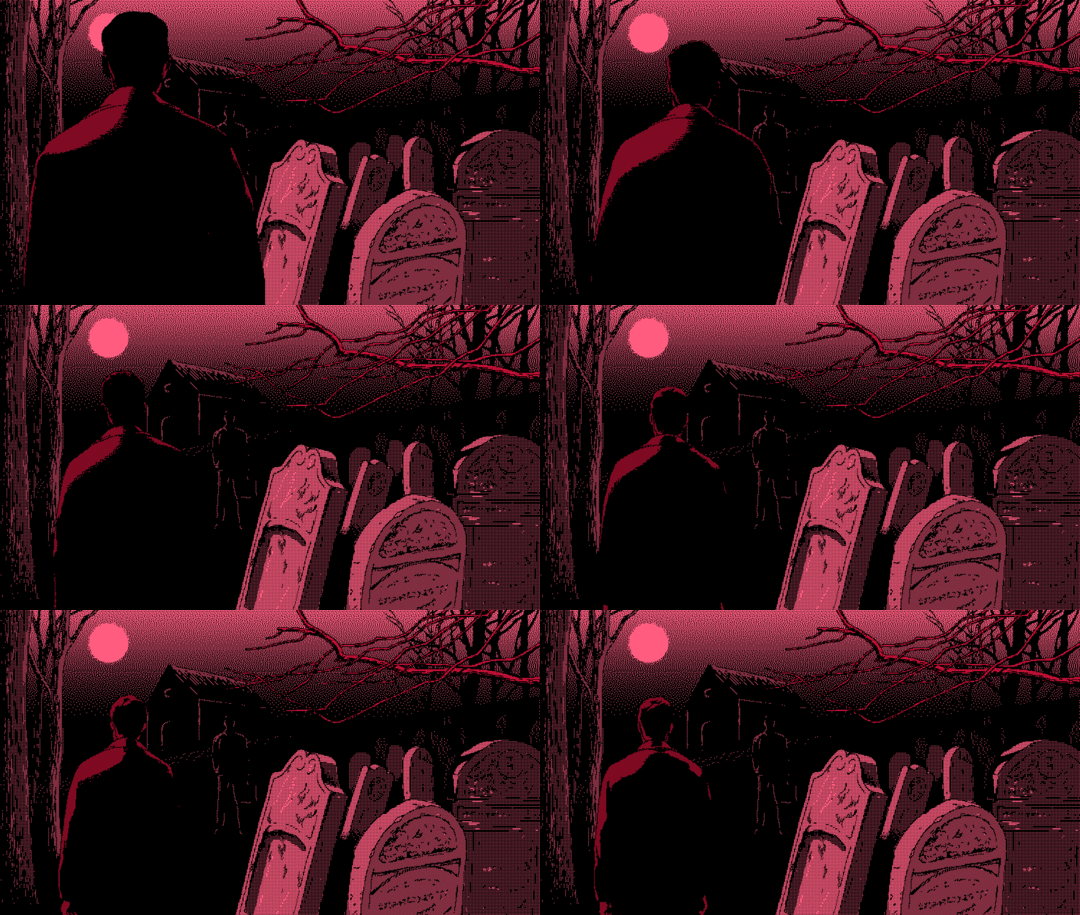
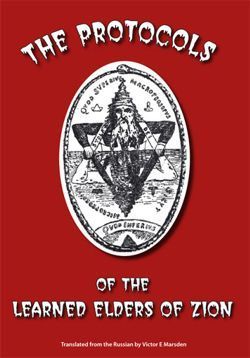

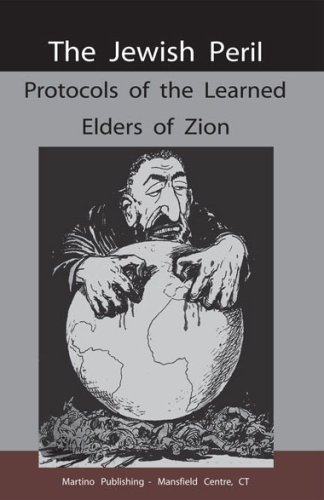
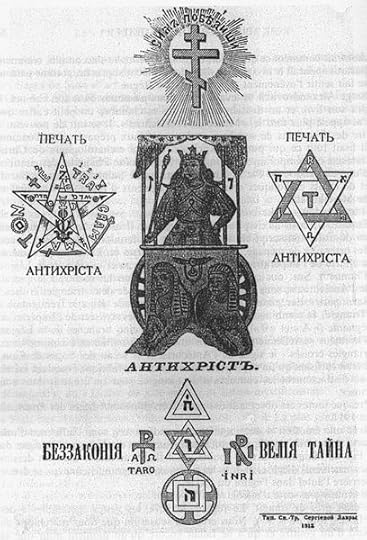
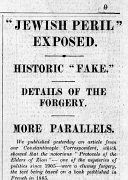

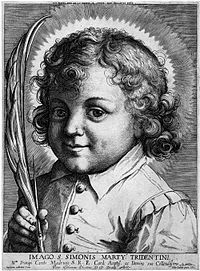

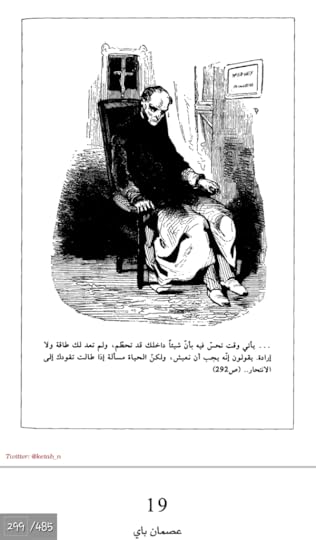 ,
, ,
, ,
,