In 1957, Farley Mowat shipped out aboard one of Newfoundland’s famous coastal steamers, tramping from outport to outport along the southwest coast. The indomitable spirit of the people and the bleak beauty of the landscape would lure him back again and again over the years. In the process of falling in love with a people and a place, Mowat also met the woman who would be the great love of his life.
A stunningly beautiful and talented young artist, Claire Wheeler insouciantly climbed aboard Farley’s beloved but jinxed schooner as it lay on the St. Pierre docks, once again in a cradle for repairs, and changed both their lives forever. This is the story of that love affair, of summers spent sailing the Newfoundland coast, and of their decision to start their life together in Burgeo, one of the province’s last remaining outports. It is also an unforgettable portrait of the last of the outport people and a way of life that had survived for centuries but was now passing forever.
Affectionate, unsentimental, this is a burnished gem from an undiminished talent.
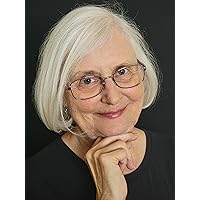
I was inside my vessel painting the cabin when I heard the sounds of a scuffle nearby. I poked my head out the companionway in time to see a lithesome young woman swarming up the ladder which leaned against Happy Adventure’s flank. Whining expectantly, the shipyard dog was endeavouring to follow this attractive stranger. I could see why. As slim and graceful as a ballet dancer (which, I would later learn, was one of her avocations), she appeared to be wearing a gleaming golden helmet (her own smoothly bobbed head of hair) and was as radiantly lovely as any Saxon goddess. I invited her aboard, while pushing the dog down the ladder.
“That’s only Blanche,” I reassured my visitor. “He won’t bite. He’s just, uh . . . being friendly.”
“That’s nice to know,” she said sweetly. Then she smiled . . . and I was lost. –From Bay of Spirits
Farley McGill Mowat was a conservationist and one of Canada's most widely-read authors.
Many of his most popular works have been memoirs of his childhood, his war service, and his work as a naturalist. His works have been translated into 52 languages and he has sold more than 14 million books.
Mowat studied biology at the University of Toronto. During a field trip to the Arctic, Mowat became outraged at the plight of the Ihalmiut, a Caribou Inuit band, which he attributed to misunderstanding by whites. His outrage led him to publish his first novel, People of the Deer (1952). This book made Mowat into a literary celebrity and was largely responsible for the shift in the Canadian government's Inuit policy: the government began shipping meat and dry goods to a people they previously denied existed.
The Sea Shepherd Conservation Society ship RV Farley Mowat was named in honour of him, and he frequently visited it to assist its mission.
Like a time capsule, this book brings alive the places and people of part of mid-century Atlantic Canada more than fifty years later. Writing with verve and descriptive vibrancy, iconic author Farley Mowat recreates the time and temperment of outport Southern Newfoundland, as he experienced it in its almost exotic contrast to the Ontario from which he came.
This book recounts Mowat's love affair with Newfoundland, including the dying of the passion that did eventually take place. The landscape is described in all its ruggedness, with its extreme weather and its challenges for the ships that are the only means to connect isolated communities. Even more powerfully, the people of the area are etched out vividly, caught by Mowat's flowing prose, but most revealed by the superb rendering of their stories in local dialect that the author achieves.
The result is a powerful portrait. Mowat wrote a number of books during his period of intense connection with Newfoundland, dealing with the tough lives in the outports, the early explorations of the Norsemen in the area and the sometime cruelty of people toward wildlife. But there is perhaps a special edge of compassion and thoughtfulness that comes in retrospect, in this volume written so many years later.
This book is also another sort of love story. It was in the late 1950's when Mowat met 27 year old Claire Wheeler, from Toronto, in the area, in St. Pierre and Miquelon, where the young artist was studying French -- and a passionate affair began between them. This changed Mowat's life dramatically, as he left his wife and began his long future with Claire; the two of them moved eventually to Burgeo and came to explore Newfoundland together, sailing their vessel into many of the small communities and bays.
Farley Mowat, who died this year (2014,) was a committed and deeply engaged conservationist. You could feel his intensity about this -- as I learned when I met him at an evening with Ed Schreyer years ago. But he believed his role was to galvinize people, rather than deeply analyse an environmental situation. So this book could have probed better why some of its conservation tragedies were taking place -- such as the destruction of whales. A stronger volume would have resulted.
Nevertheless, this is a fine book. Just recently I finished a beautiful volume about sailing the west coast of Canada, "The Curve of Time" by Wylie Blanchett. It has been a joy to be able to go to another well-written book about sailing the east coast.
Skimmed enough of this to satisfy myself that this was warmed-over rehashes of stories told in earlier books. The one thing I really liked were the photos, particularly those of his lady-love, who was a real beauty in her time. So, not recommended, though I enjoyed the original books a great deal.
When I was in high school in the 80s I knew that Farley Mowat was some kind of a big Canadian deal. I didn't realize he also had a pretty strong connection to Newfoundland and Labrador having met his second wife here and written several of his books about it. So when by chance I found myself living in Newfoundland and I discovered the connection I was quite surprised not to have heard his name bandied about much. I thought I would pick this up and re-acquaint myself with him and learn a bit about the island's South Coast, one of the areas of the province I have yet to spend much time on.
Imagine my disappointment to find judging from the first few chapters of this at least he was something of a sub-Hemingway alpha male blowhard, more interested in colourful accents, eccentric people and comical nautical adventures than providing any real insight into what life was like in mid-50s rural Newfoundland or for that matter into his own life and feelings in what is supposed to be the memoir of what he describes as a love story.
Within a chapter or so, he has met his future wife, lured her onto his boat to share his adventures and eventually bedded her without giving any real idea of what they said to one another or what they had in common. What finally made me turn aside from the book though was the realization that at the time he met her he had been married for ten years with whom he would seem to have had several children at that point. While perhaps he introduces this fact later in the book, the fact he didn't seem to think this at all important to mention just reinforced my sense that this book was struggling to be a "charming and amusing" autobiography about someone I fear I would not have liked.
I found surprisingly little about this literary icon online so perhaps he dropped out of favor in the last few years of his life?
Not so much a love story but a history of Newfoundland. I guess it's a love story of Newfoundland. Great history. Well written but a slow read. if you are a Sailor you would find this book interesting. Lots of stories of old sailing boats and fishing.
Mowat 自传的第一章对应了朋友带回的官方旅游手册的中部地区南岸。50年代年轻的他首次独自搭乘本地公交船第一次从左向右旅行。这个方向叫下行。船名Baccalieu,满员100人。是那种站站停的公交。那种建在水边的定居点叫Outports。没有这种公交服务的话,这些outports就完全与世隔绝。图里大部分地名都在书里有故事。那个年代,地名Francois 当地人叫Fransway. Bay d’Espoir 当地人叫 Bay Despair。那个时候水边的房子就已经漆成五颜六色。老船长Riggs解释说纽芬兰刚加入联邦时没有人会花钱漆房子。后来退休金和救济金支票像雪花般飘下来。就有一群外来的油漆销售员走村串户把钱变成了彩色油漆,把村子弄的跟jelly beans糖罐似的.
第三章里描述Mowat在纽芬兰买下了自己的船,并且描述了处女航差点沉船的险情。这一章我就不多复述大量的航海术语了,因为下一章就要描写他和他的新女朋友初次见面的情景。他为什么买船呢,他在创作关于因纽特人的小说的过程中明白了一个道理,要想了解一个民族的生活,最好的办法就把自己变成那个民族的人。买的是什么样的船呢,是一艘退役的木船以前打鱼用的。他花钱找当地人改装,加盖了能做饭睡觉的小屋,但那个小屋做得很难看,远看就像一艘渔船上面运了一只棺材。船本身还是很好看的。命名为快乐的冒险。来自一只海盗船。Mowat是谁呢,Farley Mowat是个作家,豆瓣上说,他是加拿大国宝级作家。在加拿大长大的孩子们应该读过他的两本书,一本关于一只狗,另一本关于他儿时宠物猫头鹰。1921年出生,参加过二战,四七年和Frances结婚,六零年离婚。这两章描写的是1960年的事情。第三章里快乐的冒险号严重漏水,罗盘误差,掌舵新手Mike分不清左右误撞了一条巨鲨,船头受损。第四章里这艘船路过美丽的法属St. Pierre群岛之时不得不修。命运的安排造成了他遇见未来的第二个妻子,丘比特的角色由一只名叫大白的大黑狗扮演。当地人都知道大白见到雌性的必追。船被拖到岸上架起来修理。最后一天他正在舱内油漆,外面狗叫,探头出去,就见一个身材美好的金发女孩正在爬梯子上她的船,大白在女孩身后也在爬梯子。Mowat把大白推走解释说狗是友好而已。女孩的笑容令他迷失了自己。女孩名叫Claire Angel Wheeler,在多伦多长大,上的是Ontario College of Art。来到St. Pierre 上夏天的法语学校。大白还在船下徘徊,Mowat 顺势邀请Claire留在船上体验当天举行的快乐的冒险号的重新下水仪式。下水仪式中以及随后的庆祝晚餐中Claire 一直在Mowat身边。一天结束Mowat 步行送Claire回到她住的民宿。Mowat预感到这可能是自己未来人生adventure 的开端。https://thetyee.ca/Culture/2023/11/21...
St. Pierre 群岛50年代应该很漂亮,有一条连接大小Miquelon岛的10公里的沙带。当时是法国领地,但大量居民是Basque后代。Mowat的当地朋友也是Basque。Mowat和朋友酒喝多了Izaro自愿宣布改挂Basque船旗。这是重新下水仪式的来由。船名也被改了。一个难发音的Basque船名,被Mowat的战友Mike戏称为Itchy-ass Sally, 简称Itchy。【待续】
Readers may have mixed feelings about this travelogue/memoir from the sometimes-controversial Mowat--it is so beautifully written and offers a snapshot of a time and a place that really don't exist anymore, yet casts doubt upon the author's moral code. This is hard to ignore and put behind one as soon as this reveal is encountered, about a third or so into the book. We don't want to judge, but it's there. In the late 50s Mowat, a Canadian from Ontario, embarked upon an extended exploration of the Newfoundland coast by boat, (the Happy Adventure), and his descriptions of the now-gone Newfoundland settlements, the colorful characters, the poverty, the hardships of weather and isolation, are as masterful and glorious as one would expect from a writer of his caliber. Sometime early in his adventures he meets Claire, a lovely young thing, who joins him seemingly without a second thought, and so begins their life together. It seems harmless enough, until he mentions, almost as an afterthought, his wife and two small children waiting for him in Toronto as he gallivants (yes) around in the name of research. So, although the book cannot be underestimated in terms of its contribution to Newfoundland history, this piece of the author's own story colors the reading experience. Adult.
Spurred by my son's 5th grade human migration project (and being so close to Newfoundland and yet unable to get home) I find myself delving into my province's history with nostalgia. So I found this book written about Bay d'Espoir (my hometown) and I have to say, Farley has explored more of Newfoundland by boat that I EVER had, or will. He regales accounts of storms and gales and sailors tossing their cookies. His love story about Claire and her "maiden breasts" made me toss MY cookies.
But love-making on the "beaches" of Newfoundland aside, his writing is very lyrical. "the harbour was dotted with dories coming or going or nodding at their moorings". Wow, I was RIGHT back home looking out over the bay. Back in the days when dories were everywhere. That was still the 70's and early 80's.
If Farley's accounts of the whale sport shooting are true, I am ashamed. That is not how we grew up. Animals were hunted yes for meat and furs. Fish were salted, rabbits were frozen. But it was a livelihood, never a sport.
I read "Never Cry Wolf" years ago but don't remember much except the dude marking territory with urine. This book was ok but I think it will only hit home with Newfoundlanders. On to my next book about home :)
I really liked Farley Mowat and his works. I mean, I still do, but my respect for the man himself has diminished. I thought this book was about how Farley met his wife, and about their love for the Newfoundland area, waters, and islands. The second part was true: most of the book recounts Farely's adventures and experiences on the islands in Eastern Canada, and the descriptions are so vividly explained, that it is a joy to read.
But I was mistaken about the first part. The love story is not about how Farley meets his wife; rather it is about how he meets his mistress. I was disappointed. Not only does he start a relationship with her, but he also delays telling his wife because he doesn't want to upset her and his two young sons. I can understand if a man falls out of love with his first wife, separates from her, and then marries another woman. But I cannot condone a man who falls in love with another woman and starts a premarital relationship with her while he is married to someone else, and on top of that, is too cowardly to set things right as soon as possible.
There was also a lot of swearing. I know sea-folk swear a lot, but still, it bothered me.
Surprised how much I liked this one, which I picked up for my trip to Newfoundland. This was my first experience reading Mowat. I had this image in my head of a hectoring, egotistical blowhard, whom I might agree with on issues (his primary interest being wildlife protection), but still not necessarily want to read something by him. I was glad to see that he doesn’t write like that at all. Mowat’s writing here is very succinct and matter-of-fact.
Mowat describes his time sailing around the outports of the south shore of Newfoundland (and the nearby French colony St. Pierre & Miquelon) in the late 1950s, and the start of the great love affair of his life. This was only a few generations ago, but the places and lifestyles described here are gone forever. The only occasion in the book where Mowat comes off as a bit of a jerk is in his seeming indifference to how his affair is impacting his original wife and family.
The book’s ending, where Mowat realizes that perhaps he never really know Newfoundlanders at all, is particularly poignant.
I enjoyed reading about places I've heard about but never seen, and with his attention to detail, Mr. Mowat really captured the places he visited. He gave tidbits of interesting history not to be found in mainstream accounts. He especially captured the dialects of the people he encountered. I could imagine myself skimming along in his boat with him. But the cheerful, laid-back journey took a dark twist here and there as he described the mindless, awful slaughter of sea creatures by men who butchered seals and whales just for sport. Mr. Mowat's love for animals and earth's beauty comes through, along with is sense of helpless outrage, and one can't help but want to scream at some of the events he describes. Why on earth did no one stop the senselessness? Why would humans be so selfish and short-sighted and stupid? And why haven't we improved in the last 80 years since these events he described happened? This was not a cosy read but an important one.
The author’s self-indulgent and apparently aimless wanderings along Newfoundland’s remote coasts in the late 50’s and early 60’s leave flint-clear impressions of the unique outport communities, local history and industry, weather, seas, animals and birds, navigation hazards, the foibles of various boats, and a shakespearean cast of characters. Left in the murky background of these love-soaked voyages with a younger woman is the devastation that must have accompanied the seemingly abrupt abandonment of his first wife and two children. After collecting material for various of his other books – some dark, some humorous, some merely historical or sociological research – there is, mirror-fashion, another kind of abrupt and unexpected divorce.
I loved this book. I couldn’t get into The Boat That Wouldn’t Float, but Bay of Spirits entranced me. I was entranced by Farley and Claire Mowat’s descriptions and their obvious love of Newfoundland. Though most of the book focuses on the Southwest coast, I feel I’ve gained a familiarity than will ring true when I visit Eastern Newfoundland next month. Thank you Mowats.
I don't know how it is legal to do this, but this book is almost identical to The Boat Who Wouldn't Float. I would have thought this would be an example of plagiarism, especially as the reader who buys both books ends up paying twice for the same story. As I had already read The Boat Who Wouldn't Float, I didn't bother completing this book.
Another great story from a master story-teller, this one subtitled "A Love Story". It's the story of his first meeting with a beautiful woman named Claire and how their feelings for each other developed, but it is another love story too, of his years living in and exploring the outports of Newfoundland. His appreciation for the people, waters and wildlife of Newfoundland bring this story to vivid life.
Farley Mowat can capture the flavour of a place and it's people beautifully. A picture may to be worth a thousand words, but with just a few lines Mowat breathes life into a place like most pictures couldn't. It's an amazing gift he has.
Speaking of pictures, Bay of Spirits contains some wonderful shots showing a way of life that is mostly gone now. There are beautiful harbours with square wooden houses sitting precariously on the surrounding rock, fishing boats and wharves that look like they've been there forever, whales, dogs and people. It's the people that got to me, the faces, weathered and lined and real; amazing people who built lives out of little more than rock and water and were satisfied with what they had.
There are so many stories in this book: names, places and history, a wealth of information and experience that brings the reader so close to being there you can almost smell it. The hospitable nature of the people and communities all along the Newfoundland coast took the authour into the houses and personal lives of families who were willing and eager to share what they had. Over countless meals of fish and bread, boiled dinners, cups of tea and glasses of rum, people's stories were told and friendships formed. These are priceless glimpses into what it means to be a Newfoundlander and though I was born and raised in another east coast province, the stories gave me a very satisfying sense of place and roots.
There were aspects of the book I didn't find as interesting as the people stories; I learned far more than I ever wanted to know about boats and fishing. I couldn't even begin to sort out the various watercraft mentioned: schooners, skiffs, ships, whalers, motor launchers, herring seiners, steamers, smacks, longliners, longboats, motor boats, destroyers, draggers, dinghies and dories. And as confusing as it got trying to figure out these things they were putting in the water, some of what they were taking out of the water also gave me pause: cod, haddock, herring, lobster, dogfish, wolf fish, lumpfish, sculpins, redfish, squid, flatfish, minnows, blue mussels, horse mussels, moon snails, rock crab and scarlet mud worms. Eww.
Several stories highlight Mowat's well known concern for animals of all varieties. On a storm-tossed ship he finds a dog left caged and unattended on deck, making sure the dog is fed and finding a safer place for him to ride out the storm. When whales are stranded in a harbour and the local people make sport of slaughtering them, he is moved to tears. In another incident, the community gathers and gleefully fires bullets into a stranded whale, stopping only when they run out of ammunition. Mowat is stunned and horrified: "It was beyond me even to imagine the mentality of men who would amuse themselves filling such a majestic creature full of bullets."
As the subtitle indicates, this is also the love story of Farley Mowat and Claire Wheeler. This beautiful girl steps onto his boat and with one smile, in his own words, "I was lost". He writes about making love on a deserted beach and romantic nights aboard his boat. It's a sweet love story.....until he reveals that he is a married man with two small sons. In a world where this happens every day it's not so shocking I guess, but it is a little bit shocking (isn't it?) that he doesn't mention having any qualms about it. He doesn't try to fight his feelings for Claire, but, pardon the pun, jumps right in. As he tells the story of their developing romance it feels as though we are meant to celebrate with him this finding of the love of his life. The only time he expresses any concern about his family is when it's time to go home and tell them he's leaving them for someone else.
Normally, of course, this would be none of my business. But here's the thing. A writer has to give his readers a reason to believe what he's telling them. What he reveals about himself helps you decide if you should trust the theories, philosophies and stories he's asking you to accept. Here, he's asking us to accept that he has a deep compassion for wildlife while he shows very little compassion for his own family. His apparent lack of feeling for his wife and children, his children for pete's sake, leaves the reader with the uncomfortable suspicion that he may not be as compassionate as he would have you believe. I'm not saying he had no compassion for his family, but he has chosen to express none here and that's all a reader has from which to form conclusions.
I love his writing style and admire his amazing skill as a story-teller, and I do recommend the book. But I need to be able to trust that true stories are true and I doubt his sincerity now, so I guess that leaves me not quite as firm a fan as I was before this book.
Tales of the inhabitants of Newfoundland in the mid-sixties, where fishing and timber industries have largely died out. Fascinating accounts of a fiercely individualistic people whose roots go back for centuries.
In preparation for a trip to the Maritime provinces, this book, by one of the best of Canadian writers, was worth the read. Farley Mowat's storytelling of sailing around Newfoundland is unparalleled in revealing the spirit of the unique place they call The Rock. Highly recommended!
This is a fun read of Farley and Claire's adventures in their boat Happy Adventurer in and around the southwest coast of Newfoundland. It is a fun read
I had never read a book written by celebrated Canadian author and environmentalist Farley Mowat. When he died this past May at the age of 92, I, like many other Canadians, decided it was time to correct that. Bay of Spirits is now the third book of his that I have now read.
There are three, maybe even four, stories running through this book. The first, as the title, Bay of Spirits, A Love Story, indicates, is a love story. Although already married, when he meets Claire for the first time in St. Pierre, it seems to be love at first sight. The book is about their first few years together. I like how sometimes Mowat will use passages from Claire's journal so we get to also see her point of view.
The second is a story about adventure. Farley and Claire spent much of their time sailing and exploring the coves, inlets and harbours of Newfoundland. Severe storms could rise up in a minute and sometimes I wondered at how Mowat managed to survive many of them. Luck was surely on his side in many cases.
The third story that comes up a few times is man's senseless cruelty to creatures. Although much has been written about Farley Mowat trying to save a whale trapped in a pond while locals continually shot at it, there are other instances in the book about the same kind of useless slaughter. No wonder Mowat became such and activist.
The final story is about the loss of the way of life for Newfoundland's fisherman and those living in small harbours around the coast. The book takes place in the sixties and even then, everyone knew that the Grand Banks were being overfished. That and Premier Joey Smallwood's policy of resettling outport residents to larger communities made it harder and harder for those that refused to give up their way of life to remain.
Bay of Spirits is an excellent book, one which I highly recommend and is not the last of Farley Mowat's book that I will read.
Book about the people of Newfoundland's outports mid century told through the experience of a prolific author. Mowat makes the lives he describes about as interesting as can be... which isn't very. The peoples of the region were just above subsistence fishermen and did not create a society that produced anything that contributed to mankind or much to human history. Peoples who lived on the edge of civilization, barely survived and mostly lived as feudal serfs to their upper class or on the dole. He may be giving an accurate rendition of their situation but his reason to document their plight seems to come from his need to elevate them to some mythical or poetic plane. Not sure why other than to make himself through some quixotic quest their saviour or at least their chronicler. He weaves his personal story into the book: how he met his beloved and how they melded their lives together sharing dreams, quests and a bed. Troubling that he abandoned his wife and kids to do so. He clearly cut bait on them. He mentions how hard it was logistically. He ends the book with a story of how he tried to save a stranded whale from the locals who were using it for target practice. 'Mowat! Lucky you are dead. You narcissistic bastard! Holier than thou, too. You put your wife and kids in the same place as that whale and you were worse than the shooter. Lucky you are already dead. Lucky I got this book out of the library. Lucky you get no royalties from me.' Even in the end the people of Newfoundland rejected you. They knew you!!
I enjoyed this book! Farley Mowat buys a boat and tours the "outports"--coastal fishing villages--of Newfoundland for many summers during the 1960s. It's sad to realize now that the way of life of the outports is almost vanished--thanks to Canadian premier Joey Smallwood who decided it would be better to "centralize" Canadians and insisted on making the outport folk MOVE from their homes to larger towns nearby. The subtitle of the book is "A Love Story" because early on Farley meets a young woman and ends up leaving his wife & family for her. Claire joins Farley in his travels and they end up settling for several years in the tiny hamlet of Burgeo. But 90% of the book is about Newfoundland--the lifestyle, the beauty, the wildlife.
The book was ok, but not great. This book discolored my opinion of Farley Mowat because in this autobiography he meets a woman and they live together while he has apparently abandoned his wife and children while he goes off and has this adventure on the east coast with this other woman.
An eloquent and moving memoir -- which clearly paints the love Mowat has for the hardscrabble fishermen of Newfoundland and the pain he feels at the death of the natural world that accompanies fishing activities.
...just way too much minutae and detail about the coast of Newfoundland. I can deal with only so many difficult dockings, so much rock, shoals, ......bleah. A huge disappointment after Born Naked.