

What do you think?
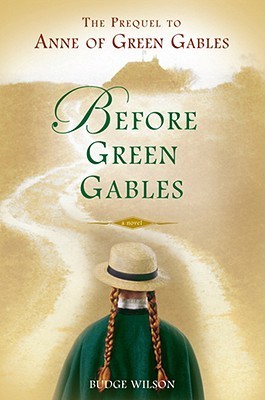
Before Green Gables
A must-read for generations of book lovers. This remarkable and heart-warming prequel to the classic Anne of Green Gables was specially authorized by L.M. Montgomery's heirs to celebrate the 100th anniversary of the publication of the original novel.
Before Green Gables is the story of Anne Shirley's life before her arrival at Green Gables-a heartwarming tale of a precocious child whose lively imagination and relentless spirit help her to overcome difficult circumstances and of a young girl's ability to love, learn, and above all, dream.
Published in 1908, L. M. Montgomery's coming-of-age classic Anne of Green Gables has enchanted generations of readers, both children, and adults. The story of the spunky red-haired orphan from Prince Edward Island is known to millions, and copies of the eight titles in the series have never gone out of print.
But when readers first meet Anne, she is eleven and has just been sent from an orphanage to meet her new family. No one ever learned the events of Anne's life before she arrived at Green Gables.
Until now.
For the millions of readers who devoured the Green Gables series, Before Green Gables is an irresistible treat; the account of how one of literature's most beloved heroines became the girl who captivated the world.
Before Green Gables is the story of Anne Shirley's life before her arrival at Green Gables-a heartwarming tale of a precocious child whose lively imagination and relentless spirit help her to overcome difficult circumstances and of a young girl's ability to love, learn, and above all, dream.
Published in 1908, L. M. Montgomery's coming-of-age classic Anne of Green Gables has enchanted generations of readers, both children, and adults. The story of the spunky red-haired orphan from Prince Edward Island is known to millions, and copies of the eight titles in the series have never gone out of print.
But when readers first meet Anne, she is eleven and has just been sent from an orphanage to meet her new family. No one ever learned the events of Anne's life before she arrived at Green Gables.
Until now.
For the millions of readers who devoured the Green Gables series, Before Green Gables is an irresistible treat; the account of how one of literature's most beloved heroines became the girl who captivated the world.
387 pages, Hardcover
First published March 12, 2008
About the author
Budge Wilson
43 books90 followersBudge was educated in Halifax schools and at Dalhousie University (degree in Philosophy and Psychology, Diploma in Education, Physical Education teaching certificate). She did two years of graduate work in English at the University of Toronto, and worked at the Institute of Child Study (U. of T.) for four years--filing, illustrating, editing, writing. She illustrated three books for the University of Toronto Press, worked for several years as a freelance commercial artist and child photographer, and was a fitness instructor from 1968 to 1989. She has been writing juvenile and adult fiction since 1978, with her first book published in 1984. Her work has been published in ten countries and in seven languages.
After living in Ontario for over twenty-five years, Budge and Alan returned to Nova Scotia in 1989, and live in a small fishing village on the South Shore of the province.
After living in Ontario for over twenty-five years, Budge and Alan returned to Nova Scotia in 1989, and live in a small fishing village on the South Shore of the province.
Ratings & Reviews
Friends & Following
Create a free account to discover what your friends think of this book!
Community Reviews
Displaying 1 - 30 of 1,283 reviews

August 29, 2020
e آن شيرلي ... آن تنتهي بحرف ال

anne with an e قبل خمسة أشهر انهت زميلة عرفتها مسلسل اسمه
. كان من الواضح مدى تأثرها به , . زنها المتواصل لإشاهد المسلسل دفعني للبدء به . وبالفعل مع مشاهدتي للحلقات وتقدمي به أصبحت معجبة ومتيمة بشخصية آن ذات الشعر الأحمر والمخيلة الواسعة .
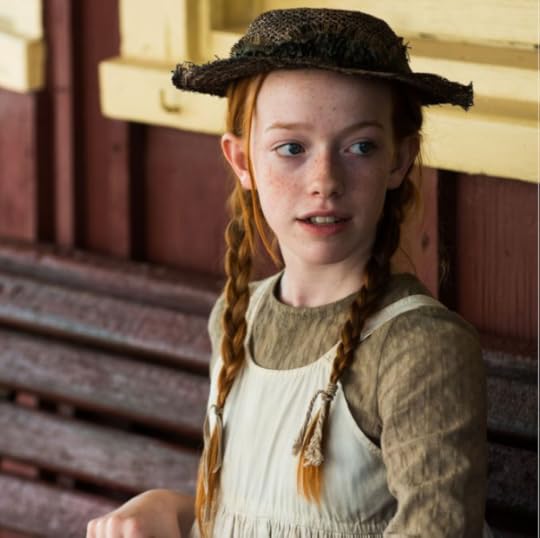
حين انهيت الثلاث أجزاء اُصبت بالهوس الذي يصيبني دائًما عندما انهي كتاب او مسلسل أثر فيني بشكل كبير . وبعد بحث إستمر ساعات
anne of green gables إكتشفت أن المسلسل مقتبس من سلسلة
للكاتبة الكندية لوسي مونتغمري , وتعد هذه السلسلة من التراث الكندي
فعقدت العزم على ان انهي السلسلة المكونة من 9 كتب حتى ولو تم ترجمة اول جزء فقط للأسف .
على الرغم من كرهي للقراءة باللغة الإنجليزية تغلب حبي لشخصية آن على حاجز اللغة . ومع البحث المطول ايضًا اكتشفت ان بمناسبة مرور مئة عام على نشر السلسلة عام 1908 , جائت كاتبة كندية تدعى بدج ويسلون التي ألفت هذا الكتاب عام 2008 لتعود لماضي آن قبل وصولها جزيرة الأمير إدوارد وعيشها مع آل كانثبرت
حيث أن المسلسل والسلسلة التي ألفتها لوسي بدأت من قدوم آن لجزيرة الأمير إدوارد وهي بسن الحادي عشر


ولدت آن الصهباء ذات الشعر الأحمر والعيون الزرقاء والمخيلة الواسعة لأبوين , هما بيرثا و والتر شيرلي المعلم بالمدرسة الثانوية بنوفا سكوشيا التي تقع بكندا .تعيش العائلة السعيدة في البيت الأصفر الصغير مع الكثير من الحب والكتب مع طفلتهما الوليدة آن , ولكن لسوء الحظ توفى والدا آن وهي بعمر الثلاث شهور , ولم ترى آن والديها وتنعم بحبهما , لتعيش بعد ذلك مع آل تومسون الذين أتخذوها كخادمة وعاملة ومربية لأطفالهم على الرغم من صغر سنها وذلك مقابل ان تعيش معهم
ثم لتنتقل لآل هاموند ولم تكن حياتها الطف مما كانت مع آل تومسون , لتذهب اخيرًا بعد تخلي الجميع عنها لدار الأيتام
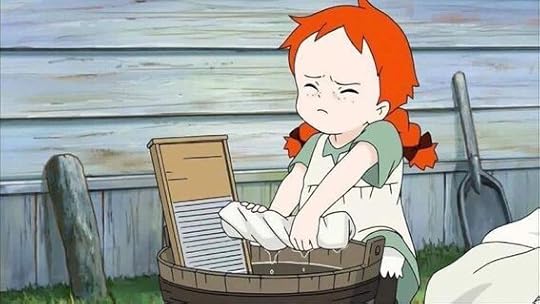

عانت آن الكثير من الظروف المريعة وهي بسن صغيرة , لكنها لم تتوقف يومًا عن التخيل وحب الحياة . ساعدتها مخيلتها المبهجة المتفائلة بتخطي المحن التي مرت بها والظروف التي عانتها , دائمًا ماكانت تختلق أسماء للأشياء وتصادقهم فهي تسمي الرف وتسمي الحيوانات والبحيرات حتى انها أعطت لصدى صوتها أسم .
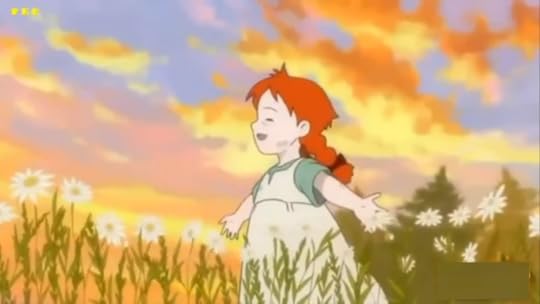
حاولت الكاتبة ان لا تخلق إختلاف كبير فيما كتبت لوسي بسلسلتها وان تتماشى مع بعض التفاصيل والأحداث التي تم ذكرها بالسلسلة وان تدخل لعقل المؤلفة الأصلية لوسي لتكمل العمل الفني الذي قامت به وتشبع نهم محبي آن . بالواقع هذا الكتاب سيعجب عشاق آن شيرلي وسيعطيهم صورة عن حياة آن قبل جزيرة الأمير إدوارد . سيأسرهم ويحزنهم ويفرحهم .
وعلى الرغم من وجود الكثير من اللامنطقية , فآن وهي بعمر الثلاثة سنوات تتحدث كثيرًا كأنها اكبر سنًا لدرجة تجعلك تتسائل هل من المنطق ان تتحدث طفلة صغيرة بهذا الأسلوب ؟ إلا انها تبقى رواية رائعة مفعمة بالحزن والحب والبهجة حتى أنها إستحقت ان تتحول لمسلسل كرتون على اسم الرواية ودبلج للعربية باسم حكايات آن والأصدقاء
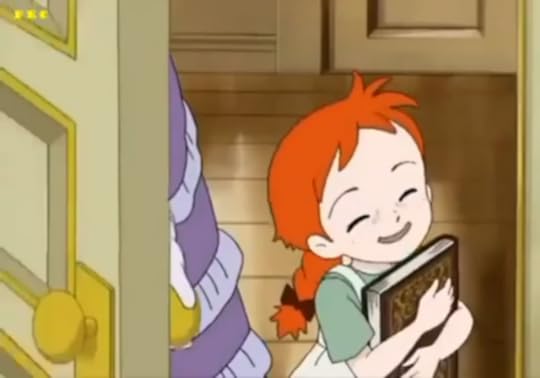
شخصية آن الجميلة تجعلك تشعر بأن ابسط الأشياء تستحق ان تجعلك سعيدًا وما اجمل فرحتها عندما قرأت و إقتنت كتابًا لأول مرة فالكتب والأشعار تساعدها على تطوير مخيلتها , فهي تستمتع كثيرًا بتخيل نفسها شخصُا آخر بحكاية تراجيدية او رومانسية حزينة او ملحمية
دخلت آن المدرسة وهي بعمر متأخر قليلًا عن أٌقرانها , إلا انها تخطت مشكلة تأخرها بإجتهادها وحبها للقراءة والتعلم فكانت شخصية آن شخصية ملهمة للكثير من حولها .
آن الحنونة واللطيفة والمحبة والمبهجة علمتني الكثير بلمعان روحها بالمحيط الفظيع الذي عاشت فيه . علمتني ان السعادة دائمًا موجودة وان هناك أمل على الرغم من كل الظروف .
علمتني أن أقوى سلاح لتحارب به الحياة هو مخيلتك الواسعة .
شخصية آن تعلم الكثير للأطفال والكبار , لن اتردد في اقتناء جميع الكتب التي تخص قصة آن شارلي , تأثير شخصيتها وقصتها الكبير علي جعلاني آسيرة لها ولجمال روحها
ann لأن آن تظن ان له وقع أجمل ورومانسي أكثر من مجرد , e لماذا آن بحرف ال 😋

anne with an e قبل خمسة أشهر انهت زميلة عرفتها مسلسل اسمه
. كان من الواضح مدى تأثرها به , . زنها المتواصل لإشاهد المسلسل دفعني للبدء به . وبالفعل مع مشاهدتي للحلقات وتقدمي به أصبحت معجبة ومتيمة بشخصية آن ذات الشعر الأحمر والمخيلة الواسعة .
حين انهيت الثلاث أجزاء اُصبت بالهوس الذي يصيبني دائًما عندما انهي كتاب او مسلسل أثر فيني بشكل كبير . وبعد بحث إستمر ساعات
anne of green gables إكتشفت أن المسلسل مقتبس من سلسلة
للكاتبة الكندية لوسي مونتغمري , وتعد هذه السلسلة من التراث الكندي
فعقدت العزم على ان انهي السلسلة المكونة من 9 كتب حتى ولو تم ترجمة اول جزء فقط للأسف .
على الرغم من كرهي للقراءة باللغة الإنجليزية تغلب حبي لشخصية آن على حاجز اللغة . ومع البحث المطول ايضًا اكتشفت ان بمناسبة مرور مئة عام على نشر السلسلة عام 1908 , جائت كاتبة كندية تدعى بدج ويسلون التي ألفت هذا الكتاب عام 2008 لتعود لماضي آن قبل وصولها جزيرة الأمير إدوارد وعيشها مع آل كانثبرت
حيث أن المسلسل والسلسلة التي ألفتها لوسي بدأت من قدوم آن لجزيرة الأمير إدوارد وهي بسن الحادي عشر
ولدت آن الصهباء ذات الشعر الأحمر والعيون الزرقاء والمخيلة الواسعة لأبوين , هما بيرثا و والتر شيرلي المعلم بالمدرسة الثانوية بنوفا سكوشيا التي تقع بكندا .تعيش العائلة السعيدة في البيت الأصفر الصغير مع الكثير من الحب والكتب مع طفلتهما الوليدة آن , ولكن لسوء الحظ توفى والدا آن وهي بعمر الثلاث شهور , ولم ترى آن والديها وتنعم بحبهما , لتعيش بعد ذلك مع آل تومسون الذين أتخذوها كخادمة وعاملة ومربية لأطفالهم على الرغم من صغر سنها وذلك مقابل ان تعيش معهم
ثم لتنتقل لآل هاموند ولم تكن حياتها الطف مما كانت مع آل تومسون , لتذهب اخيرًا بعد تخلي الجميع عنها لدار الأيتام
عانت آن الكثير من الظروف المريعة وهي بسن صغيرة , لكنها لم تتوقف يومًا عن التخيل وحب الحياة . ساعدتها مخيلتها المبهجة المتفائلة بتخطي المحن التي مرت بها والظروف التي عانتها , دائمًا ماكانت تختلق أسماء للأشياء وتصادقهم فهي تسمي الرف وتسمي الحيوانات والبحيرات حتى انها أعطت لصدى صوتها أسم .
حاولت الكاتبة ان لا تخلق إختلاف كبير فيما كتبت لوسي بسلسلتها وان تتماشى مع بعض التفاصيل والأحداث التي تم ذكرها بالسلسلة وان تدخل لعقل المؤلفة الأصلية لوسي لتكمل العمل الفني الذي قامت به وتشبع نهم محبي آن . بالواقع هذا الكتاب سيعجب عشاق آن شيرلي وسيعطيهم صورة عن حياة آن قبل جزيرة الأمير إدوارد . سيأسرهم ويحزنهم ويفرحهم .
وعلى الرغم من وجود الكثير من اللامنطقية , فآن وهي بعمر الثلاثة سنوات تتحدث كثيرًا كأنها اكبر سنًا لدرجة تجعلك تتسائل هل من المنطق ان تتحدث طفلة صغيرة بهذا الأسلوب ؟ إلا انها تبقى رواية رائعة مفعمة بالحزن والحب والبهجة حتى أنها إستحقت ان تتحول لمسلسل كرتون على اسم الرواية ودبلج للعربية باسم حكايات آن والأصدقاء
شخصية آن الجميلة تجعلك تشعر بأن ابسط الأشياء تستحق ان تجعلك سعيدًا وما اجمل فرحتها عندما قرأت و إقتنت كتابًا لأول مرة فالكتب والأشعار تساعدها على تطوير مخيلتها , فهي تستمتع كثيرًا بتخيل نفسها شخصُا آخر بحكاية تراجيدية او رومانسية حزينة او ملحمية
دخلت آن المدرسة وهي بعمر متأخر قليلًا عن أٌقرانها , إلا انها تخطت مشكلة تأخرها بإجتهادها وحبها للقراءة والتعلم فكانت شخصية آن شخصية ملهمة للكثير من حولها .
آن الحنونة واللطيفة والمحبة والمبهجة علمتني الكثير بلمعان روحها بالمحيط الفظيع الذي عاشت فيه . علمتني ان السعادة دائمًا موجودة وان هناك أمل على الرغم من كل الظروف .
علمتني أن أقوى سلاح لتحارب به الحياة هو مخيلتك الواسعة .
شخصية آن تعلم الكثير للأطفال والكبار , لن اتردد في اقتناء جميع الكتب التي تخص قصة آن شارلي , تأثير شخصيتها وقصتها الكبير علي جعلاني آسيرة لها ولجمال روحها
ann لأن آن تظن ان له وقع أجمل ورومانسي أكثر من مجرد , e لماذا آن بحرف ال 😋

September 16, 2008
My actual rating 1/2 star
I love the whole Anne of Green Gables series by L.M. (Lucy Maude) Montgomery. I have read them all so many times I practically have them memorized, so I was very interested in exploring Anne’s earlier life. I was very disappointed.
One thing I love about the original books is the innocence of the writing. Anne of Green Gables was originally published in 1908. Now they are historical fiction, but were written as contemporary fiction.
It is obvious that this book was written by a 21st century mind, trying (not very successfully, at times) to go back in time. I am not an expert on late 19th century Canadian life, other than my countless readings of the Anne books, but there were some things I knew would never have happened the way they are described in the book.
For example, Bertha Shirley (Anne’s mother) mentioned to an acquaintance that she feared she may have consumption, the disease that killed her mother. The other woman asks Bertha when she had her last “you know what”. I do not see this happening, it would have been considered too indelicate to discuss with even close friends.
At another point Walter Shirley, hoping that infant Anne would be spared the devastating fever that was sweeping through the town, remembered that “he had heard that breast-feeding infants gave them an immunity from disease”. I actually screamed “whatever!” at the book when I read this sentence. For one thing, the study of immunology was basically non-existent at the time. Pasteur didn’t do the bulk of his work on immunology until the 1870’s. The only actual date in any of the Anne books is in Rilla of Ingleside World War I begins, this was in 1914. Anne arrived in Avonlea when she was eleven. If you do that math that makes her 49 at the beginning of the war. Do the math again and figure out that Anne was born in 1865. So there is no way that Walter could have heard this! Not to mention that “breast-feeding” was also not a topic that would be discussed in polite company. Even Gilbert Blythe never mentioned breast-feeding and he was a doctor!
At times it felt like Mrs. Wilson had never even read the original Anne of Green Gables books! To suggest that Anne prefers the sea or anything to trees is a serious misrepresentation of Anne’s personality. In “Anne’s House of Dreams” after Gilbert tells Anne that he has rented a house right on the shore she scarcely even notices, instead questions him more about the house itself. Then she says, and this is a direct quote: “But Gilbert… You haven’t yet mentioned one very important thing. Are there trees about this house?” Gilbert replies “Heaps of them, oh, dryad!” Then he describes in detail the trees around the house. She tells him: “Oh, I’m so glad! I couldn’t live where there were no trees—something vital in me would starve.” These are NOT the words of a girl that resented living in a forested area and longed, instead, for the sea.
There is also no indication in any of the books that Anne had previous knowledge, much less a deep abiding love for Prince Edward Island prior to arriving at the Cuthbert’s.
I also found it farfetched that there were so many people in Anne’s life, older Thomas daughter, neighbor lady, egg man and two school teachers, plus the midwife whom Anne loved and lost. It made no sense that the “Word Man” and the teacher would not adopt Anne as the Thomas family was looking for a place for her to go.
I know that Anne and I are kindred spirits and I instinctively feel that Anne didn’t get her insistence of spelling Anne with an “e” second hand. The only exception would be if Mrs. Thomas, who knew Anne’s parents had mentioned to her that her mother insisted on spelling Anne with an “e”.
If Anne had a cat with the same name as her arch-enemy/friend/husband don't you think she would have at least mentioned it?! Ok, I know this one is a bit nit-picky but it bothered me.
Also are we really supposed to believe that Anne never got into any "scrapes" prior to arriving on Marilla's doorstep? Anne getting into scrapes is as much a part of her as red hair.
Speaking of which; hair that is "orange" will never, ever deepen to auburn, which Anne's eventually did, even if it was just slightly.
It was a pretty good story, it just wasn’t about the real Anne Shirley in so many ways. This Anne was an imposter and I was highly disappointed.
Much better to stick to the books written by Lucy Maud Montgomery.
I love the whole Anne of Green Gables series by L.M. (Lucy Maude) Montgomery. I have read them all so many times I practically have them memorized, so I was very interested in exploring Anne’s earlier life. I was very disappointed.
One thing I love about the original books is the innocence of the writing. Anne of Green Gables was originally published in 1908. Now they are historical fiction, but were written as contemporary fiction.
It is obvious that this book was written by a 21st century mind, trying (not very successfully, at times) to go back in time. I am not an expert on late 19th century Canadian life, other than my countless readings of the Anne books, but there were some things I knew would never have happened the way they are described in the book.
For example, Bertha Shirley (Anne’s mother) mentioned to an acquaintance that she feared she may have consumption, the disease that killed her mother. The other woman asks Bertha when she had her last “you know what”. I do not see this happening, it would have been considered too indelicate to discuss with even close friends.
At another point Walter Shirley, hoping that infant Anne would be spared the devastating fever that was sweeping through the town, remembered that “he had heard that breast-feeding infants gave them an immunity from disease”. I actually screamed “whatever!” at the book when I read this sentence. For one thing, the study of immunology was basically non-existent at the time. Pasteur didn’t do the bulk of his work on immunology until the 1870’s. The only actual date in any of the Anne books is in Rilla of Ingleside World War I begins, this was in 1914. Anne arrived in Avonlea when she was eleven. If you do that math that makes her 49 at the beginning of the war. Do the math again and figure out that Anne was born in 1865. So there is no way that Walter could have heard this! Not to mention that “breast-feeding” was also not a topic that would be discussed in polite company. Even Gilbert Blythe never mentioned breast-feeding and he was a doctor!
At times it felt like Mrs. Wilson had never even read the original Anne of Green Gables books! To suggest that Anne prefers the sea or anything to trees is a serious misrepresentation of Anne’s personality. In “Anne’s House of Dreams” after Gilbert tells Anne that he has rented a house right on the shore she scarcely even notices, instead questions him more about the house itself. Then she says, and this is a direct quote: “But Gilbert… You haven’t yet mentioned one very important thing. Are there trees about this house?” Gilbert replies “Heaps of them, oh, dryad!” Then he describes in detail the trees around the house. She tells him: “Oh, I’m so glad! I couldn’t live where there were no trees—something vital in me would starve.” These are NOT the words of a girl that resented living in a forested area and longed, instead, for the sea.
There is also no indication in any of the books that Anne had previous knowledge, much less a deep abiding love for Prince Edward Island prior to arriving at the Cuthbert’s.
I also found it farfetched that there were so many people in Anne’s life, older Thomas daughter, neighbor lady, egg man and two school teachers, plus the midwife whom Anne loved and lost. It made no sense that the “Word Man” and the teacher would not adopt Anne as the Thomas family was looking for a place for her to go.
I know that Anne and I are kindred spirits and I instinctively feel that Anne didn’t get her insistence of spelling Anne with an “e” second hand. The only exception would be if Mrs. Thomas, who knew Anne’s parents had mentioned to her that her mother insisted on spelling Anne with an “e”.
If Anne had a cat with the same name as her arch-enemy/friend/husband don't you think she would have at least mentioned it?! Ok, I know this one is a bit nit-picky but it bothered me.
Also are we really supposed to believe that Anne never got into any "scrapes" prior to arriving on Marilla's doorstep? Anne getting into scrapes is as much a part of her as red hair.
Speaking of which; hair that is "orange" will never, ever deepen to auburn, which Anne's eventually did, even if it was just slightly.
It was a pretty good story, it just wasn’t about the real Anne Shirley in so many ways. This Anne was an imposter and I was highly disappointed.
Much better to stick to the books written by Lucy Maud Montgomery.
This entire review has been hidden because of spoilers.

July 15, 2018
I have always absolutely adored L.M. Montgomery as an author (and even though Montgomery's Anne Shirley is perhaps as a literary character not quite as dear and as close to my heart and soul as for example her Emily of New Moon, Jane of Lantern Hill and The Story Girl, still both the Anne of Green Gables series and Anne herself do rank amongst my personal all time favourites). Therefore, I have, ever since the 2008 publication of Budge Wilson's Before Green Gables waffled between on the one hand desiring (and perhaps even desperately needing) to read this imagined prequel and on the other hand not being all that keen on even trying (as I could neither imagine Budge Wilson even remotely capturing the sweet and utter magic of L.M. Montgomery's text, her narrative nor considering if one reads between the lines of Anne of Green Gables that Anne's life before she was adopted by Matthew and Marilla Cuthbert was pretty sad and painful, did I really want to read a disillusioning sob-fest of a novel that wallowed and revelled in misery after misery).
And after now having finally read Before Green Gables, I do have to admit that sadly almost ALL of my trepidations regarding it were (and remain) very much and disappointedly justified and true. For one, Budge Wilson (in her striving to make Anne Shirley appear as extraordinary and special) has in my opinion rendered her into something of a freak (into a prematurely adult-like child and so precocious and often removed from reality that she, that Budge Wilson's Anne at least to and for me no longer even feels and appears as all that much like a kindred spirit anymore). And for two that Before Green Gables is (and just as I had feared and dreaded) so chock full of one tragedy after another (death, destruction, alcoholism, domestic violence, neglect, you name it), that even though L.M. Montgomery's Anne of Green Gables and its sequels indeed are both dark and light, both pleasant and sad and as such are meant to be read and enjoyed by both children and adults, in my opinion, with Budge Wilson's Before Green Gables, the majority of the featured thematics and content are really so very much saddening, at times even bordering on the viciously horrifying and actually decidedly and according to my tastes pretty much entirely adult or at least young adult oriented in content and scope (therefore of course not all that child friendly anymore either, and often even, in my opinion, rather massively off-putting and infuriating so to speak, leaving a sickening pit in one's stomach and not much that is in any way joyful).
And after now having finally read Before Green Gables, I do have to admit that sadly almost ALL of my trepidations regarding it were (and remain) very much and disappointedly justified and true. For one, Budge Wilson (in her striving to make Anne Shirley appear as extraordinary and special) has in my opinion rendered her into something of a freak (into a prematurely adult-like child and so precocious and often removed from reality that she, that Budge Wilson's Anne at least to and for me no longer even feels and appears as all that much like a kindred spirit anymore). And for two that Before Green Gables is (and just as I had feared and dreaded) so chock full of one tragedy after another (death, destruction, alcoholism, domestic violence, neglect, you name it), that even though L.M. Montgomery's Anne of Green Gables and its sequels indeed are both dark and light, both pleasant and sad and as such are meant to be read and enjoyed by both children and adults, in my opinion, with Budge Wilson's Before Green Gables, the majority of the featured thematics and content are really so very much saddening, at times even bordering on the viciously horrifying and actually decidedly and according to my tastes pretty much entirely adult or at least young adult oriented in content and scope (therefore of course not all that child friendly anymore either, and often even, in my opinion, rather massively off-putting and infuriating so to speak, leaving a sickening pit in one's stomach and not much that is in any way joyful).

April 8, 2008
As a huge fan of Anne as a girl, the adult in me did not want to spoil any of my memories by picking up this prequel commissioned for the 100th anniversary of Anne of Green Gables. As a librarian, I felt it was my duty to suck it up and read. I was not disappointed.
Before Green Gables seems to stay close to Anne's own description of her life before arriving at Green Gables (but it's been a few years since I last read it, so purists may have gripes I didn't notice). It opens with the romance of her parents before her birth and traces her early history right up until the train arrives at Bright River station to drop her off where Matthew Cuthbert will eventually claim her.
The story is sweet. It's interesting in the way it fleshes out the details only hinted at previously. It is, however, a little far fetched with the bright-eyed and smart little Anne talking at 8 months and taking on traits and duties beyond that of a usual child. She is too remarkable, even for Anne of Green Gables.
My last word is don't be scared, it won't ruin anything if you feel like or are required to read this volume.
Before Green Gables seems to stay close to Anne's own description of her life before arriving at Green Gables (but it's been a few years since I last read it, so purists may have gripes I didn't notice). It opens with the romance of her parents before her birth and traces her early history right up until the train arrives at Bright River station to drop her off where Matthew Cuthbert will eventually claim her.
The story is sweet. It's interesting in the way it fleshes out the details only hinted at previously. It is, however, a little far fetched with the bright-eyed and smart little Anne talking at 8 months and taking on traits and duties beyond that of a usual child. She is too remarkable, even for Anne of Green Gables.
My last word is don't be scared, it won't ruin anything if you feel like or are required to read this volume.

September 26, 2020
If you ever wondered how Anne got the way she is, this is the book to read. It is a wonderful imagined backstory for our beloved Anne of Green Gables. I was delighted, heartbroken and enchanted yet again by one of my favorite characters.

January 15, 2020
Lovely story of how the life of Anne Shirley started. Right from the beginning I was drawn into the story. It is an easy read, but also good reading for grownups. I loved how she was portrayed, but the book could have been shorter and still great. Sometimes the story was really sad because of the child slavery. Great beginning of a new reading year!


June 13, 2008
Can a gifted and spirited young soul shine in spite of a terrible home environment? I was curious to learn how the author would describe Anne Shirley's birth and orphaned childhood and end up with the lovable and spunky girl we all know from Anne of Green Gables. I'd say that Budge Wilson has done a good job writing in the style of L.M. Montgomery. A few scattered items in the writing indicate a 21st Century author unlike L.M. Montgomery. However, I'm not complaining since I am a 21st Century reader.
The first characters we meet in the book are Anne's parents before she was born. They are portrayed as having the combination of personalities that were obviously inherited by their daughter-to-be. The reader learns what wonderful parents they would have been had they lived. Then the reader receives the devastating news that the little three month old orphaned Anne ends up in a dysfunctional foster family.
I know this story is fictional. But I want to believe that it is possible for at least some children to persevere and thrive in spite of disadvantaged environments. Perhaps this book will inspire a young person somewhere to be like Anne. Actually, her example can inspire adults as well. The description of her joy of attending school for the first time is a good reminder of the joy we should all seek from learning new things.
This books supports the rule that there is always a mentor or role model somewhere in the lives for those who transcend disadvantaged environments. This story can serve as a reminder of the influence that unrelated adults can sometimes have on the lives of children and young people by simply offering encouragement and being a role model.
The first characters we meet in the book are Anne's parents before she was born. They are portrayed as having the combination of personalities that were obviously inherited by their daughter-to-be. The reader learns what wonderful parents they would have been had they lived. Then the reader receives the devastating news that the little three month old orphaned Anne ends up in a dysfunctional foster family.
I know this story is fictional. But I want to believe that it is possible for at least some children to persevere and thrive in spite of disadvantaged environments. Perhaps this book will inspire a young person somewhere to be like Anne. Actually, her example can inspire adults as well. The description of her joy of attending school for the first time is a good reminder of the joy we should all seek from learning new things.
This books supports the rule that there is always a mentor or role model somewhere in the lives for those who transcend disadvantaged environments. This story can serve as a reminder of the influence that unrelated adults can sometimes have on the lives of children and young people by simply offering encouragement and being a role model.

November 7, 2013
Okay, I stopped reading this about halfway through. It was a sweet tribute to the Anne of Green Gables series, but I wasn't wowed by the execution. This story takes place when Anne is a young orphan, before she goes to her permanent home. I just found the character of Anne to be...wrong. She's talking like a grownup at age 6...yeah, right. I decided to stop reading, and just pretend this prequel never happened.

May 4, 2008
My wife and I spent our honeymoon on Prince Edward Island and, there, I was introduced to Anne Shirley and Lucy Maud Montgomery, and her Anne books. I enjoyed them very much, so when I heard that a prequel was being published to celebrate the 100th anniversary of the publication of Anne of Green Gables, I picked it up as soon as it came into my local library.
This book is clearly very well-researched, giving Anne's background leading up to the beginning of Lucy Maud Montgomery's original series. It gives a realistic view of how Anne might have grown up and how she became the girl who met Matthew Cuthbert on that train platform.
Budge Wilson is a competent writer and story-teller, but she is, and this is not a knock on her, no Lucy Maude Montgomery. Hers is a very workmanlike version of Anne's story, without the nuance and wry humor of Montgomery's original creation. I imagine the book would have been better written by the original author, but, since she never chose to do that, this one will serve.
This book is clearly very well-researched, giving Anne's background leading up to the beginning of Lucy Maud Montgomery's original series. It gives a realistic view of how Anne might have grown up and how she became the girl who met Matthew Cuthbert on that train platform.
Budge Wilson is a competent writer and story-teller, but she is, and this is not a knock on her, no Lucy Maude Montgomery. Hers is a very workmanlike version of Anne's story, without the nuance and wry humor of Montgomery's original creation. I imagine the book would have been better written by the original author, but, since she never chose to do that, this one will serve.
March 27, 2008
For all of those Anne of Green Gable fan out there, this is a great book. I felt it blended seamlessly with the original series. I'm not sure why it's not considered a children's book, other than I'm sure that it was marketed to reach those of us who are nostalgic and sentimental about Anne. I felt that the author was true to the story and characters. It was a pleasant and fun read.

January 14, 2021
This book was good. It really was. But personally, it just wasn't my favorite. The main reason for this is that I've read and loved every Anne of Green Gables books many times over, so when reading this one, I couldn't help but compare. And to me, Budge Wilson's writing style and portrayal of Anne were nowhere near as good as L M. Montgomery's.
I had a few minor problems with this book, one of them being that almost every other sentence had a word or two italicized. I'm fine with italics, but when you start seeing them multiple times on every single page, it starts to become excessive. And I know that Anne was dramatic, but it wasn't just Anne's words and thoughts that were italicized, it was everyone's. Also, for some of the words that were italicized, it didn't make sense to emphasize them. Maybe there was supposed to be some sort of meaning or hidden message by all this, but if there was, I couldn't find it.
Additionally, Anne's time at the orphanage was extremely brief. It almost seemed like the author realized that her book was getting long and decided to wrap it up. I would have to go back and re-read the original Anne of Green Gables, but I believe there were a few details from Anne's life in the orphanage that Wilson left out.
I did enjoy reading about Anne as a child though, with her imagination and strong emotions. Some of my favorite parts were her interactions with Mr. Johnson, Miss Henderson, and Mrs. Archibald. I loved seeing the joy and love Anne brought to both herself and to those around her because of her wonderful personality. I'm also really happy that the author included the part of her life before Anne was born, from the perspective of her parents. That part, the time before Anne was born, was probably my favorite part of the whole book, because at that point there was nothing to compare; it was its own story. I loved reading about Anne's parents and seeing how Anne herself was such a combination of them and their personalities.
I really struggled with whether I should give this book 3 or 4 stars, but I decided on 4 because I think it was only my own comparison of the two author's that made me like this book less. If there were no Anne of Green Gables series, then I think I would have enjoyed this book considerably more. However, as it is, I don't think that I would recommend this book to anyone who has already read Anne of Green Gables, as this novel just didn't live up to my extremely high expectations as set by L. M. Montgomery.
I had a few minor problems with this book, one of them being that almost every other sentence had a word or two italicized. I'm fine with italics, but when you start seeing them multiple times on every single page, it starts to become excessive. And I know that Anne was dramatic, but it wasn't just Anne's words and thoughts that were italicized, it was everyone's. Also, for some of the words that were italicized, it didn't make sense to emphasize them. Maybe there was supposed to be some sort of meaning or hidden message by all this, but if there was, I couldn't find it.
Additionally, Anne's time at the orphanage was extremely brief. It almost seemed like the author realized that her book was getting long and decided to wrap it up. I would have to go back and re-read the original Anne of Green Gables, but I believe there were a few details from Anne's life in the orphanage that Wilson left out.
I did enjoy reading about Anne as a child though, with her imagination and strong emotions. Some of my favorite parts were her interactions with Mr. Johnson, Miss Henderson, and Mrs. Archibald. I loved seeing the joy and love Anne brought to both herself and to those around her because of her wonderful personality. I'm also really happy that the author included the part of her life before Anne was born, from the perspective of her parents. That part, the time before Anne was born, was probably my favorite part of the whole book, because at that point there was nothing to compare; it was its own story. I loved reading about Anne's parents and seeing how Anne herself was such a combination of them and their personalities.
I really struggled with whether I should give this book 3 or 4 stars, but I decided on 4 because I think it was only my own comparison of the two author's that made me like this book less. If there were no Anne of Green Gables series, then I think I would have enjoyed this book considerably more. However, as it is, I don't think that I would recommend this book to anyone who has already read Anne of Green Gables, as this novel just didn't live up to my extremely high expectations as set by L. M. Montgomery.

June 8, 2017
Anne's life in Nova Scotia before she moved to Prince Edward Island enthralled me. The story starts off with her parents, Walter and Bertha Shirley and the birth of their daughter. I was intrigued by the various ways Anne takes after her parents and yet was her own unique self. I loved listening to the audio of her developing into the precocious child that we have known and loved for many years. There is much tragedy in Anne's short life. Life at the Thomas's, the Hammond's, and the orphanage were very difficult but Anne's vivid imagination kept her spirit alive. They are also times of joy and people who loved her. I was delighted by this book and wished I had read it earlier.

January 16, 2012
An unrelentingly grim discourse on poverty turning people abusive and unloving, and on having many children ruins women's lives - with discursions about pre eclampsia and postnatal depression - is not really what I was hoping for in Anne profic. The constant excusing of male violence towards women was just the icing on the cake. There is also the huge issue that almost all the nice characters are on a higher class stratum than the nasty ones, giving another unfortunate message.
To top it off, Anne is a dreadful Mary Sue who talks and reasons like an adult at four years old. Characters are divided into the good ones, who worship her, and the evil ones, who call her a red haired witch.
Not at all in Maud's spirit.
To top it off, Anne is a dreadful Mary Sue who talks and reasons like an adult at four years old. Characters are divided into the good ones, who worship her, and the evil ones, who call her a red haired witch.
Not at all in Maud's spirit.

September 16, 2013
This is a prequel to the “Anne" books (authorised by the LM Montgomery estate). The author has done her homework, with things that we know Anne likes after being taken in by Matthew and Marilla Cuthbert being shown to be in evidence in her early life. The things that Anne tells Marilla about her early life in Anne of Green Gables are shown in this book (as best I can remember I haven’t read the first book for a while now.
It is not quite in the same vein as the “Anne” books, as it feels a little more like contemporary writing, and also feels like it is for a slightly younger audience. But still an enjoyable read for an adult who has read and reread the “Anne” books so many times!
It is not quite in the same vein as the “Anne” books, as it feels a little more like contemporary writing, and also feels like it is for a slightly younger audience. But still an enjoyable read for an adult who has read and reread the “Anne” books so many times!

October 16, 2016
I enjoyed this book because it gave me alook at what Anne Shirley's life could have been like before.
This book answered all my question about her and the formative years. Sometimes I had to put the book down as I was crying. Ohh, Anne.... :'(
It explained so much about how her character came to be and her strong will determination.
Thank you, Budge Wilson... Thank you for writing this book 'cause it taught me a lot about life.
This book answered all my question about her and the formative years. Sometimes I had to put the book down as I was crying. Ohh, Anne.... :'(
It explained so much about how her character came to be and her strong will determination.
Thank you, Budge Wilson... Thank you for writing this book 'cause it taught me a lot about life.

June 3, 2008
Actually, I want to give it 3.5. It's not perfect -- Anne starts speaking like an 11-year old when she's like 3, there isn't anything especially innovative, and there are some mindsets and turns of phrases that felt anachronistic -- but in general I liked this a lot more than I thought I would. It almost ended up on my "Abandoned" shelf, but I wanted to keep reading about Anne's childhood. And the end result was that I got super re-energized to reread the actual Anne series, to the point that I started digging around in my closet for my books and movies (the horror: they're still at my parents' house!). So I guess that means that by the end of the book the author had really gotten Anne's personality and voice down pretty well -- I was frantic to read about Matthew picking her up at the train station, Anne bashing the slate over Gilbert's head, and Marilla teaching Anne to pray. The author has an interestingly sympathetic take on the alcoholics and abusive foster parents who raised Anne in her early years. It was also interesting to see how the author took Anne's established personality traits, quirks, and interests and gives them a foundation in the early years -- this is part of what felt non-innovative about the book, but simultaneously what felt kind of rewarding and made me want to reread the originals.

April 30, 2018
I’m on an “Anne with an e” kick lately! (A reference any Lucy M. Montgomery fan will catch!)
This is the second time I’ve read this one, and I’m going to kick the rating up from four to five stars. Maybe it’s because I just finished a book written from Diana Berry’s viewpoint, but Anne’s “backstory” really took hold of me the second time on this novel.
Now I’m on to re-read the original, first, “Green Gables” book…sigh.
This is the second time I’ve read this one, and I’m going to kick the rating up from four to five stars. Maybe it’s because I just finished a book written from Diana Berry’s viewpoint, but Anne’s “backstory” really took hold of me the second time on this novel.
Now I’m on to re-read the original, first, “Green Gables” book…sigh.
June 28, 2021
I loved it! It took me right back to Anne of Green Gables. Wilson was able to capture the essence of Anne and showed us how the Anne we know and love came to be.

August 31, 2012
Eh... the book did get better towards the end. But there were a fair amount of problems with the book. First, I listened to the audiobook and the reader was good except for "baby Anne's" voice which she made sound like a female version of a chucky doll. It was creepy and incredibly fake. It made me dislike her and whoever allowed her to continue reading it. Seriously? It was so bad there aren't even words for it. But as she got older the fake puffed cheek serial killer high pitched female voice faded into a more normal sounding child voice.
Secondly, this didn't feel like the Anne I remember. Granted I read the other books a very very long time ago. But this was not my Anne. She didn't get into any scrapes! There was an awful lot I didn't like about the writing. She named the cat Gilbert? Really? You must think we are fucking idiots Ms. Wilson. Anne never did anything without a huge explanation and to name her cats Gilbert and Sullivan for no apparent reason except some sick twist of your imagination... well. That was just the final nail in the coffin for me. I cannot really believe that whatever people or corporation are looking over the Anne Empire would allow this book to be written as it was. I know that some people bought it hook line and sinker but there were TONS of other fans (you can easily find their criticisms/reviews to summarize better than I all the lengthy errors that Ms. Wilson made causing a lot of people to ask "did she even really read the other books?"). I think she read them, but she obviously didn't "get Anne" or I don't think she'd have portrayed her this way. Being a good writer doesn't mean you have the heart to tell the prequel to Anne's story. I think Ms. Wilson missed a lot of what we loved about Anne and didn't understand her.
I would tell people to pass on this book, even though it did get better at the end. It still isn't worth your time.
Secondly, this didn't feel like the Anne I remember. Granted I read the other books a very very long time ago. But this was not my Anne. She didn't get into any scrapes! There was an awful lot I didn't like about the writing. She named the cat Gilbert? Really? You must think we are fucking idiots Ms. Wilson. Anne never did anything without a huge explanation and to name her cats Gilbert and Sullivan for no apparent reason except some sick twist of your imagination... well. That was just the final nail in the coffin for me. I cannot really believe that whatever people or corporation are looking over the Anne Empire would allow this book to be written as it was. I know that some people bought it hook line and sinker but there were TONS of other fans (you can easily find their criticisms/reviews to summarize better than I all the lengthy errors that Ms. Wilson made causing a lot of people to ask "did she even really read the other books?"). I think she read them, but she obviously didn't "get Anne" or I don't think she'd have portrayed her this way. Being a good writer doesn't mean you have the heart to tell the prequel to Anne's story. I think Ms. Wilson missed a lot of what we loved about Anne and didn't understand her.
I would tell people to pass on this book, even though it did get better at the end. It still isn't worth your time.

March 23, 2023
This year marks 115 years since the first Anne of Green Gables was published, making this year, 15 years since Budge Wilson wrote Before Green Gables. I was determined to chase down and read a copy of this novel for a couple of reasons.
•Shortly after becoming acquainted with Lana Shupe of Atlantic Book Reviews, she had asked me if I had ever read Before Green Gables and explained to me that, as an accounting of Anne’s life before the Cuthbert’s, it stayed true to the essence of Montgomery’s writing. I know that the Anne Shirley series is one of Lana’s favourite stories of all time, so her stating this piqued my interest.
•Secondly, Budge Wilson was a local author who received an Honourary degree from my Alumni University and although I did not have the pleasure of meeting her I’ve heard many great things about her, her writing, and the local writers she has inspired. March 19th, the day I started reading Before Green Gables was the two-year anniversary of Budge’s passing and I thought what better time to read her book?
From June 2022 to January of this year, I read the complete Anne Shirley series for the first time. So the original stories are still quite fresh in my mind and I enjoyed each and every one of them. I have to agree with Lana, that this prequel stayed quite true to Montgomery’s Anne with an ‘e’. The 443 pages of her imagined back story sped by so quickly, that I’m a little sad that I’m finished and I’m almost tempted to re-read Anne of Green Gables. The transition would be seamless and smooth since this novel left off with Anne at the train station waiting for Matthew. The experiences that shaped Anne into the feisty and articulate redhead that the Cuthberts eventually adopt are explained in detail by Budge. I especially enjoyed reading about the Egg Man and the big words she learned from him. This novel will join the original series on my keeper bookshelf.
•Shortly after becoming acquainted with Lana Shupe of Atlantic Book Reviews, she had asked me if I had ever read Before Green Gables and explained to me that, as an accounting of Anne’s life before the Cuthbert’s, it stayed true to the essence of Montgomery’s writing. I know that the Anne Shirley series is one of Lana’s favourite stories of all time, so her stating this piqued my interest.
•Secondly, Budge Wilson was a local author who received an Honourary degree from my Alumni University and although I did not have the pleasure of meeting her I’ve heard many great things about her, her writing, and the local writers she has inspired. March 19th, the day I started reading Before Green Gables was the two-year anniversary of Budge’s passing and I thought what better time to read her book?
From June 2022 to January of this year, I read the complete Anne Shirley series for the first time. So the original stories are still quite fresh in my mind and I enjoyed each and every one of them. I have to agree with Lana, that this prequel stayed quite true to Montgomery’s Anne with an ‘e’. The 443 pages of her imagined back story sped by so quickly, that I’m a little sad that I’m finished and I’m almost tempted to re-read Anne of Green Gables. The transition would be seamless and smooth since this novel left off with Anne at the train station waiting for Matthew. The experiences that shaped Anne into the feisty and articulate redhead that the Cuthberts eventually adopt are explained in detail by Budge. I especially enjoyed reading about the Egg Man and the big words she learned from him. This novel will join the original series on my keeper bookshelf.

March 10, 2008
Some prequels shouldn't be written at all they may be ok run of the mill novels, but they don't live up to the originals. Some require you to suspend what you know about the original books so you don't scream "NO!! Ashley's eyes weren't blue!!" as you read...
Before Green Gables is NOT one of those. This book takes very few liberties with what we already know about Anne-with-an-e, and provides a generous history for the beleoved heroine. I was entranced by the description of Anne's parents and their life before Anne. The description of their deaths in a flu-like epidemic was touching.
The long story of Anne's sojurn with a dyfunctional alcoholic family was well handled - voicing the confusion of a small soul in a world where nothing is certain. Her subsequent move to join a family of eight small children was appropriately chilling.
I enjoyed this book imensely - the author's voice did not conflict too much with Miss Montgomery's. And though I'm by no means an expert on Anne's cannon, I didn't find too many glaring errors to interfere with my enjoyment.
This book is definitely NOT for the very young. It deals with alcholism, abuse and a social system where children become debt servants to uncaring families. Introduce the kids to Anne of Green Gables and Anne of Avonlea, and let the children's interest evolve from there.
Before Green Gables is NOT one of those. This book takes very few liberties with what we already know about Anne-with-an-e, and provides a generous history for the beleoved heroine. I was entranced by the description of Anne's parents and their life before Anne. The description of their deaths in a flu-like epidemic was touching.
The long story of Anne's sojurn with a dyfunctional alcoholic family was well handled - voicing the confusion of a small soul in a world where nothing is certain. Her subsequent move to join a family of eight small children was appropriately chilling.
I enjoyed this book imensely - the author's voice did not conflict too much with Miss Montgomery's. And though I'm by no means an expert on Anne's cannon, I didn't find too many glaring errors to interfere with my enjoyment.
This book is definitely NOT for the very young. It deals with alcholism, abuse and a social system where children become debt servants to uncaring families. Introduce the kids to Anne of Green Gables and Anne of Avonlea, and let the children's interest evolve from there.

October 12, 2024
As a lover of Anne of Green Gables, I’d been wanting to try this book for a long time. According to the description, this prequel was “specially authorized by L.M. Montgomery’s heirs to celebrate the 100th anniversary of the publication of the original novel.”
I thought this book was very well done. While the style of writing is more modernized than the original books, I thought the author mostly still did a good job of keeping it from being so modern as to be jarring, at least, outside of a line or two near the beginning that may not have been accurate to the social sensibilities or medical knowledge (specifically immunology) of the mid 1860’s.
I also felt that Anne felt like herself throughout. Some things like her likes and dislikes were different because we’re dealing with Anne from her infancy up through age 11 and kids learn and change a lot during that time, especially when it comes to favorite things. But overall, I thought the author did well staying true to Anne’s spunky, emotional, outgoing, and passionate personality. I especially loved seeing her observant nature that likes to figure people out. This was practically a survival tactic in her early years when she was having to dance around moody adults who expected her to do their jobs as parents.
This leads me to the one downside of the book (not a critique of the story, just a personal reaction) that it could be very emotionally difficult for this first grade Sunday school teacher to read because of the way young Anne was being treated. I mean, I’m the daughter of a retired child protective social worker. I’ve been well aware since my childhood that awful abuse happens in the 1800s and now. But like my mother, my reaction to it is an intense frustration, anger, grief and desire for justice, even when it’s fictional, simply because I know that this fiction is a reflection of a reality that some children have had to live through and still live through. Like I said, this isn’t a critique of the book, it’s just my emotional reaction that made this less than “fun” to read. Just a heads up if you too get frustrated and angry about such things to be prepared to feel that way while reading this. I praise the author for staying accurate to the known facts of Anne’s early life, though.
That said, I appreciated that this book showed that Anne may not have had a wonderful early life, but she wasn’t completely deprived of people who cared, which is half the reason she survived and managed not to come out bitter or messed up when got older. These people encouraged her curiosity, love for others, and imagination even if they didn’t have the resources to take her out of her bad home situations themselves. I was also glad that the story ended on a hopeful note by showing Anne on her way to Prince Edward island to live with Matthew and Marilla. In a way, it makes me want to read the original series all over again just to relive the better parts of Anne’s life.
So, overall, I thought this book handled Anne’s story mostly accurately and respectfully, showing us the reality of her difficult early years without letting us forget about the hope for her future. I don’t think this will be one I reread again and again like the original series, simply because it is rather sad and difficult seeing Anne treated this way, but I can see why Montgomery’s heirs thought it would be a good idea to authorize this novel as a way of reminding readers why we fell in love with Anne in the first place: Her indomitable spirit that reminds us to keep fighting and hope for tomorrow.
Content Advisory:
Language:
None that I recall.
Romance/Sexual
Anne notices hints of attraction (blushing and long stares, that kind of thing) between some adults who later get married, but that’s the extent of it.
Someone asks a woman who may be pregnant when she last had her “you know what” because they don’t want to outright ask about her period.
Violence:
After Anne’s parents died, the first family she went to live with had an abusive husband. He never hits his kids or Anne, but we’re aware (without it being described) that he does sometimes hit his wife, and some of her bruises are described. He also throws things at times. As we know from the Anne of Green Gables series, Anne only ended up in a different home when this man got drunk, walked on the train tracks, and got killed by a train. (No description. It’s reported after the fact.)
Drug/Alcohol:
The abusive husband is only abusive when he’s drunk. He knows his behavior is wrong, and a couple of times is able to get sober for stretches of time, but he struggles with the addiction for his whole life and keeps going back to drink when difficult life circumstances arise.
Spiritual:
Mentions of faith, God, church, and ministers. As we know from the original series, Anne has some wonky beliefs about God at the beginning of her life because nobody bothers to teach her about Him or the Bible until she ends up with Matthew and Marilla.
Other:
Multiple instances of the death of parental figures. Anne’s parents both die of Typhoid fever (their illness and discomfort is described) when she’s still an infant. As stated above, the husband in the first of Anne’s homes died getting hit by a train. The husband in the next home eventually dies of heart problems, dropping dead outside his house. There are also multiple instances of the fear of losing and infant, and the actual death of one infant from the same fever that took Anne’s parents. (Not described. The infant’s death is reported after the fact, though we do read about some of the child’s symptoms beforehand.)
Anne herself spends the first 11 years of her life essentially acting as a household slave (and the book compares her experience to slavery). The wife in the first home is good to her when Anne is little, but but then grows tired and bitter and sometimes verbally abuses Anne, calling her ugly, selfish, etc., when she’s just acting like any other child who needs to play, be curious, and feel love. This woman also intentionally deprives Anne of schooling until forced by the local authorities to send her. The second home is less abusive (forced servitude of any kind is still child abuse by modern standards, even if she isn’t verbally or physically harmed), but the wife still treats Anne like a house slave, taking care of the many children whom she doesn’t seem to want to mother herself. Life in the orphanage isn’t much better because the person running the place still treats the children like little adults who need to be trained to be useful in homes because she doesn’t seem to believe a child would get adopted out of love.
I thought this book was very well done. While the style of writing is more modernized than the original books, I thought the author mostly still did a good job of keeping it from being so modern as to be jarring, at least, outside of a line or two near the beginning that may not have been accurate to the social sensibilities or medical knowledge (specifically immunology) of the mid 1860’s.
I also felt that Anne felt like herself throughout. Some things like her likes and dislikes were different because we’re dealing with Anne from her infancy up through age 11 and kids learn and change a lot during that time, especially when it comes to favorite things. But overall, I thought the author did well staying true to Anne’s spunky, emotional, outgoing, and passionate personality. I especially loved seeing her observant nature that likes to figure people out. This was practically a survival tactic in her early years when she was having to dance around moody adults who expected her to do their jobs as parents.
This leads me to the one downside of the book (not a critique of the story, just a personal reaction) that it could be very emotionally difficult for this first grade Sunday school teacher to read because of the way young Anne was being treated. I mean, I’m the daughter of a retired child protective social worker. I’ve been well aware since my childhood that awful abuse happens in the 1800s and now. But like my mother, my reaction to it is an intense frustration, anger, grief and desire for justice, even when it’s fictional, simply because I know that this fiction is a reflection of a reality that some children have had to live through and still live through. Like I said, this isn’t a critique of the book, it’s just my emotional reaction that made this less than “fun” to read. Just a heads up if you too get frustrated and angry about such things to be prepared to feel that way while reading this. I praise the author for staying accurate to the known facts of Anne’s early life, though.
That said, I appreciated that this book showed that Anne may not have had a wonderful early life, but she wasn’t completely deprived of people who cared, which is half the reason she survived and managed not to come out bitter or messed up when got older. These people encouraged her curiosity, love for others, and imagination even if they didn’t have the resources to take her out of her bad home situations themselves. I was also glad that the story ended on a hopeful note by showing Anne on her way to Prince Edward island to live with Matthew and Marilla. In a way, it makes me want to read the original series all over again just to relive the better parts of Anne’s life.
So, overall, I thought this book handled Anne’s story mostly accurately and respectfully, showing us the reality of her difficult early years without letting us forget about the hope for her future. I don’t think this will be one I reread again and again like the original series, simply because it is rather sad and difficult seeing Anne treated this way, but I can see why Montgomery’s heirs thought it would be a good idea to authorize this novel as a way of reminding readers why we fell in love with Anne in the first place: Her indomitable spirit that reminds us to keep fighting and hope for tomorrow.
Content Advisory:
Language:
None that I recall.
Romance/Sexual
Anne notices hints of attraction (blushing and long stares, that kind of thing) between some adults who later get married, but that’s the extent of it.
Someone asks a woman who may be pregnant when she last had her “you know what” because they don’t want to outright ask about her period.
Violence:
After Anne’s parents died, the first family she went to live with had an abusive husband. He never hits his kids or Anne, but we’re aware (without it being described) that he does sometimes hit his wife, and some of her bruises are described. He also throws things at times. As we know from the Anne of Green Gables series, Anne only ended up in a different home when this man got drunk, walked on the train tracks, and got killed by a train. (No description. It’s reported after the fact.)
Drug/Alcohol:
The abusive husband is only abusive when he’s drunk. He knows his behavior is wrong, and a couple of times is able to get sober for stretches of time, but he struggles with the addiction for his whole life and keeps going back to drink when difficult life circumstances arise.
Spiritual:
Mentions of faith, God, church, and ministers. As we know from the original series, Anne has some wonky beliefs about God at the beginning of her life because nobody bothers to teach her about Him or the Bible until she ends up with Matthew and Marilla.
Other:
Multiple instances of the death of parental figures. Anne’s parents both die of Typhoid fever (their illness and discomfort is described) when she’s still an infant. As stated above, the husband in the first of Anne’s homes died getting hit by a train. The husband in the next home eventually dies of heart problems, dropping dead outside his house. There are also multiple instances of the fear of losing and infant, and the actual death of one infant from the same fever that took Anne’s parents. (Not described. The infant’s death is reported after the fact, though we do read about some of the child’s symptoms beforehand.)
Anne herself spends the first 11 years of her life essentially acting as a household slave (and the book compares her experience to slavery). The wife in the first home is good to her when Anne is little, but but then grows tired and bitter and sometimes verbally abuses Anne, calling her ugly, selfish, etc., when she’s just acting like any other child who needs to play, be curious, and feel love. This woman also intentionally deprives Anne of schooling until forced by the local authorities to send her. The second home is less abusive (forced servitude of any kind is still child abuse by modern standards, even if she isn’t verbally or physically harmed), but the wife still treats Anne like a house slave, taking care of the many children whom she doesn’t seem to want to mother herself. Life in the orphanage isn’t much better because the person running the place still treats the children like little adults who need to be trained to be useful in homes because she doesn’t seem to believe a child would get adopted out of love.

May 5, 2008
I've been a fan of Anne Shirley for longer than I can remember. I think it began with Megan Follows and PBS. It continued with a hardback illustrated copy that my grandmother gave me for Christmas. I read all 8 books of the series finally about a year ago. So when I heard that a prequel was out (granted by another author) I knew I had to get my hands on it.
Before Green Gables by Budge Wilson is that prequel. It tells the story of Anne's life before Marilla, Matthew, and Gilbert Blythe. The story begins with Walter & Bertha Shirley and their brief married life in Nova Scotia. Anne is born, and shortly thereafter both Walter & Bertha die of a fever. Mrs Thomas, a housekeeper for the Shirleys, takes Anne to be her own, thinking she is done having her children. Of course, what follows is four baby boys in four years, and Anne suddenly becomes housekeeper, babysitter, and pseudo slave to the Thomas family. Anne stays with the Thomases for 8 years, but unfortunately tragedy strikes, and Anne leaves the Thomas family for the Hammonds. More years of pseudo slavery and babies and 3 sets of twins follow. Of course, as readers, we all know how the story ends ...
My scoring analysis ---
** The story is completely true to Anne's tone and voice in the original series of books. She's chipper despite her circumstances and finds solace in her imagination. - Plus 4
** I truly wanted to believe that Anne was a wonder kid. Really I did, but I have a hard time buying that a 5 year old was responsible for the cooking, the washing, the dishes, and taking care of babies. - Minus 3
** It was nice to see where Katie became in Anne's life. From the inception to the emergence in the window. - Plus 2
** It was equally nice to see the origins of bosom friends and the depths of despair. - Plus 2
** Anne's hardships in her home life were difficult to read as a life long friend of hers, but it was nice to see so many people outside of her homes were so nice and caring towards her. - Plus 3
** The Anne with an E comment was overdone. Walter & Bertha discuss it just after she's born, followed by Anne's insistence with every single person she meets in the story. It gets tiring and forced. The simple mentioning like bosom friends is enough for true Anne fans. - Minus 2
** Despite his drunken fits of rage and violence, I really liked Mr. Thomas and appreciated his nervous affection for Anne. - Plus 2
** The time spent with Walter & Bertha is very very quick and large segments of time are glossed over or skipped. Part of my curiosity in the beginnings of Anne's life were the relationships between her parents. I've found a lot recently that books that I've read deserved to have 50 more pages and a bit more storytelling in parts. Walter & Bertha deserved more pages. - Minus 3
** Speaking of being true to Anne's character, there is a school bully that Anne refuses to fight back because she hopes that one day he will share his dictionary with her. - Plus 3
** About two thirds of the way through the book, Anne discovers Prince Edward's Island. The author throws in a random comment about Anne's life long love affair with PEI began that day. It was a little much. - Minus 3
** Two cats named Gilbert and Sullivan. Couldn't we have been more creative on this?? - Minus 2
** I only wish that Anne daydreamed about being named Cordelia at some point in the early years. And where were the kindred spirits?? - Minus 1
** Before Green Gables lives up to the title. The book ends with Anne departing from the train at Bright River to wait for Matthew. I appreciated the consistency. - Plus 3
** I went back and re-read the first 25 pages or so of Anne of Green Gables and it lined up. All of the details matched. I appreciated that, it really made it feel like the prequel fed right up into the series. - Plus 2
Final Tally ... Plus 7. It was light and fun to read. And I recommend it to any Anne fan.
Before Green Gables by Budge Wilson is that prequel. It tells the story of Anne's life before Marilla, Matthew, and Gilbert Blythe. The story begins with Walter & Bertha Shirley and their brief married life in Nova Scotia. Anne is born, and shortly thereafter both Walter & Bertha die of a fever. Mrs Thomas, a housekeeper for the Shirleys, takes Anne to be her own, thinking she is done having her children. Of course, what follows is four baby boys in four years, and Anne suddenly becomes housekeeper, babysitter, and pseudo slave to the Thomas family. Anne stays with the Thomases for 8 years, but unfortunately tragedy strikes, and Anne leaves the Thomas family for the Hammonds. More years of pseudo slavery and babies and 3 sets of twins follow. Of course, as readers, we all know how the story ends ...
My scoring analysis ---
** The story is completely true to Anne's tone and voice in the original series of books. She's chipper despite her circumstances and finds solace in her imagination. - Plus 4
** I truly wanted to believe that Anne was a wonder kid. Really I did, but I have a hard time buying that a 5 year old was responsible for the cooking, the washing, the dishes, and taking care of babies. - Minus 3
** It was nice to see where Katie became in Anne's life. From the inception to the emergence in the window. - Plus 2
** It was equally nice to see the origins of bosom friends and the depths of despair. - Plus 2
** Anne's hardships in her home life were difficult to read as a life long friend of hers, but it was nice to see so many people outside of her homes were so nice and caring towards her. - Plus 3
** The Anne with an E comment was overdone. Walter & Bertha discuss it just after she's born, followed by Anne's insistence with every single person she meets in the story. It gets tiring and forced. The simple mentioning like bosom friends is enough for true Anne fans. - Minus 2
** Despite his drunken fits of rage and violence, I really liked Mr. Thomas and appreciated his nervous affection for Anne. - Plus 2
** The time spent with Walter & Bertha is very very quick and large segments of time are glossed over or skipped. Part of my curiosity in the beginnings of Anne's life were the relationships between her parents. I've found a lot recently that books that I've read deserved to have 50 more pages and a bit more storytelling in parts. Walter & Bertha deserved more pages. - Minus 3
** Speaking of being true to Anne's character, there is a school bully that Anne refuses to fight back because she hopes that one day he will share his dictionary with her. - Plus 3
** About two thirds of the way through the book, Anne discovers Prince Edward's Island. The author throws in a random comment about Anne's life long love affair with PEI began that day. It was a little much. - Minus 3
** Two cats named Gilbert and Sullivan. Couldn't we have been more creative on this?? - Minus 2
** I only wish that Anne daydreamed about being named Cordelia at some point in the early years. And where were the kindred spirits?? - Minus 1
** Before Green Gables lives up to the title. The book ends with Anne departing from the train at Bright River to wait for Matthew. I appreciated the consistency. - Plus 3
** I went back and re-read the first 25 pages or so of Anne of Green Gables and it lined up. All of the details matched. I appreciated that, it really made it feel like the prequel fed right up into the series. - Plus 2
Final Tally ... Plus 7. It was light and fun to read. And I recommend it to any Anne fan.
This entire review has been hidden because of spoilers.

July 15, 2011
It's not perfect. I don't think there is any way a modern author could accomplish the doubly impossible trick of going back in time and jumping into another author's head. I honestly can't imagine the book being any better, even while I note its flaws.
One of the difficulties of imagining Anne as she must have been before she arrived in Avonlea, is that Anne was extraordinary at age 11. What forces caused her to become that 11 year old child? Who influenced her, what events shaped her? In trying to answer these questions, the book creates a little girl who isn't always credible. The very young Anne is a bit too extraordinary to believe. Yet, at the same time, reading this book does indeed feel like reading a book about Anne, so on some level the author succeeds in showing us what Anne might have been like at a younger age.
The first part of the book, which is devoted to loving description of Anne's parents, nearly bored me to tears. I think I took half a star off just for those chapters. Anne's parents were dull, dull, dull. It's incredible they managed to produce Anne at all.
Reading about Anne's life was at times heartbreaking. So many tragedies in so little time. The author did a brilliant job of getting emotion across. It was easy to feel Anne's sorrow, loneliness, betrayal, hopelessness, and, at times, joy and hope.
Overall, and in spite of other reviews I have read, I must conclude that the book was satisfying. It was never going to be perfect, so we might as well just abandon that expectation from the get-go. However, it's a moving account of what Anne's life might have been like prior to the events we all know from Montgomery's books. That account was very much desired by fans, and as far as I'm concerned this book delivered adequately. More importantly, it added to the books, rather than possibly ruin them or take away from them, as some feared might happen.
Final verdict: Fans of Anne should definitely give this one a chance, but understand that it is what it is, and is not perfect.
One of the difficulties of imagining Anne as she must have been before she arrived in Avonlea, is that Anne was extraordinary at age 11. What forces caused her to become that 11 year old child? Who influenced her, what events shaped her? In trying to answer these questions, the book creates a little girl who isn't always credible. The very young Anne is a bit too extraordinary to believe. Yet, at the same time, reading this book does indeed feel like reading a book about Anne, so on some level the author succeeds in showing us what Anne might have been like at a younger age.
The first part of the book, which is devoted to loving description of Anne's parents, nearly bored me to tears. I think I took half a star off just for those chapters. Anne's parents were dull, dull, dull. It's incredible they managed to produce Anne at all.
Reading about Anne's life was at times heartbreaking. So many tragedies in so little time. The author did a brilliant job of getting emotion across. It was easy to feel Anne's sorrow, loneliness, betrayal, hopelessness, and, at times, joy and hope.
Overall, and in spite of other reviews I have read, I must conclude that the book was satisfying. It was never going to be perfect, so we might as well just abandon that expectation from the get-go. However, it's a moving account of what Anne's life might have been like prior to the events we all know from Montgomery's books. That account was very much desired by fans, and as far as I'm concerned this book delivered adequately. More importantly, it added to the books, rather than possibly ruin them or take away from them, as some feared might happen.
Final verdict: Fans of Anne should definitely give this one a chance, but understand that it is what it is, and is not perfect.

July 25, 2011
As a prequel to the LMM books, this doesn't exactly stand up with the Green Gables series. Written as historical fiction rather than contemporaneously, this book has some problems with characterization and tone as well as historical details. There were, perhaps, too many characters that were not fully sketched for the reader, and even our beloved heroine was a bit one-dimensional.
This is not an intro to the Anne books, and probably won't be of interest to the casual reader. But I did read it rather quickly (in one sitting) and found myself straining ahead to see how this would match up with the Anne canon. Fun for the dedicated fan.

September 1, 2019
Honestly, I was nervous about reading a prequel to my favorite series. I have loved Anne Shirley since I was 12. Another author’s take on her story is a delicate and potentially disastrous venture. However, my worries were completely in vain because this book is fantastic. Her backstory is told expertly and seamlessly. Everything that happens to Anne helps shape the delightful character she is when she steps off that train on PEI at age 11. I highly recommend this to all the other Anne Shirley fans out there. I read the book and also listened to the audio. The audio is well done, but the narrators little girl voice is a tad grating.

January 15, 2020
Sept 2022: Reread for my 15 year old and I after we read the first three books in the Anne series together. We thoroughly enjoyed this the second time around.
Jan 2020: I started this audiobook on my own and a few days into it, my 12 year old overheard it playing and asked if I’d mind rewinding so she could listen too. Despite it taking ages for us to finish, we both loved Before Green Gables. It’s sweet and lovely and captures the spirit of Anne so well. Excellent fan fic prequel of a beloved character.
Jan 2020: I started this audiobook on my own and a few days into it, my 12 year old overheard it playing and asked if I’d mind rewinding so she could listen too. Despite it taking ages for us to finish, we both loved Before Green Gables. It’s sweet and lovely and captures the spirit of Anne so well. Excellent fan fic prequel of a beloved character.

September 14, 2022
If you are an Anne of Green Gables fan you must read this book! It was SO good and so cute. I loved it. I was unsure if I would like it bc so often writers change things but this author did an amazing job at keeping with the facts we knew about Anne’s young life.

May 7, 2023
Poznanie historii Ani i jej rodziców to było naprawdę bardzo przyjemne doświadczenie

March 14, 2011
Using the allusions to Anne Shirley's childhood garnered from the original L. M. Montgomery stories, Budge Wilson gives us her rendition of Anne's life prior to her arrival at Green Gables. The book opens before Anne is even born, allowing us a glimpse of Anne's parents and their idyllic marriage. These passages are slow but the story picks up speed after Anne's birth, which leaves her mother weak and susceptible to a fever that sweeps through their town in Nova Scotia and ends up claiming her life and her husband, leaving Anne alone in the world. The book then follows Anne as she is taken in by several families and forced to work to earn her keep. Her childhood, though hard, is eased by several "kindred spirits" including a beautiful teacher, a heart-broken recluse, an old midwife and imaginary friends. Anne finally ends up in the place of her greatest fears, an orphanage, where she is again required to work for her living and struggle to keep her imagination and love of literature alive. Things look bleak, indeed, until the arrival of a wealthy woman, Mrs. Spencer, from the place Anne imagines to be most like heaven: Prince Edward Island. Looking for a beautiful child for herself and a "useful" child for her friends, the Cuthberts, Mrs. Spencer chooses Anne to accompany her to P.E.I. (in the role of the second child, of course!) Only then does Anne's future hold a glimmer of hope.
I read (and re-read and re-re-read) all of the Anne books when I was a girl and I truly wanted to like this book. I wasn't completely disappointed, but there are several aspects that prevent me from giving it the best review. First, although Wilson's depiction of Anne's childhood is grim, it isn't as dark as the references to it made in the original stories. There are always a few characters or things that lighten Anne's life and, though it's one of hard work, it isn't the horror that I imagined when reading the original stories. Second, Wilson's portrayal of young Anne is very hard to believe. I know several precocious children, but even I found it hard to accept the language and thought processes that Wilson's six-year-old Anne uses. Finally, though her narrative voice is sometimes similar to Montgomery's, Wilson's prose lacks much of the sparkle and humor that make the original stories so wonderful. She discusses mundane topics that would never have been addressed by Montgomery in a blunt and down-to-earth manner that is very inconsistent; plus, there were several passages that just seemed tedious to read through. So, though it was nice to see one author's ideas for what might have been, I can't say that I would accept this book as a new addition to the Anne lexicon.
I read (and re-read and re-re-read) all of the Anne books when I was a girl and I truly wanted to like this book. I wasn't completely disappointed, but there are several aspects that prevent me from giving it the best review. First, although Wilson's depiction of Anne's childhood is grim, it isn't as dark as the references to it made in the original stories. There are always a few characters or things that lighten Anne's life and, though it's one of hard work, it isn't the horror that I imagined when reading the original stories. Second, Wilson's portrayal of young Anne is very hard to believe. I know several precocious children, but even I found it hard to accept the language and thought processes that Wilson's six-year-old Anne uses. Finally, though her narrative voice is sometimes similar to Montgomery's, Wilson's prose lacks much of the sparkle and humor that make the original stories so wonderful. She discusses mundane topics that would never have been addressed by Montgomery in a blunt and down-to-earth manner that is very inconsistent; plus, there were several passages that just seemed tedious to read through. So, though it was nice to see one author's ideas for what might have been, I can't say that I would accept this book as a new addition to the Anne lexicon.
Displaying 1 - 30 of 1,283 reviews