

What do you think?
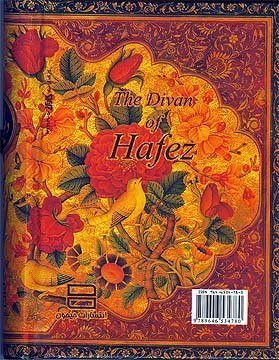
The Divan
.
566 pages, Hardcover
First published January 1, 1390
About the author
Hafez
363 books785 followersHāfez (حافظ) (Khwāja Shams-ud-Dīn Muḥammad Ḥāfeẓ-e Shīrāzī) was a Persian poet whose collected works (The Divan) are regarded as a pinnacle of Persian literature and are to be found in the homes of most people in Iran, who learn his poems by heart and still use them as proverbs and sayings.
His life and poems have been the subject of much analysis, commentary and interpretation, influencing post-14th century Persian writing more than any other author
Themes of his ghazals are the beloved, faith, and exposing hypocrisy. His influence in the lives of Persian speakers can be found in "Hafez readings" (fāl-e hāfez, Persian: فال حافظ) and the frequent use of his poems in Persian traditional music, visual art, and Persian calligraphy. His tomb is visited often. Adaptations, imitations and translations of his poems exist in all major languages.
Though Hafez is well known for his poetry, he is less commonly recognized for his intellectual and political contributions. A defining feature of Hafez' poetry is its ironic tone and the theme of hypocrisy, widely believed to be a critique of the religious and ruling establishments of the time. Persian satire developed during the 14th century, within the courts of the Mongol Period. In this period, Hafez and other notable early satirists, such as Ubayd Zakani, produced a body of work that has since become a template for the use of satire as a political device. Many of his critiques are believed to be targeted at the rule of Amir Mobarez Al-Din Mohammad, specifically, towards the disintegration of important public and private institutions. He was a Sufi Muslim.
His work, particularly his imaginative references to monasteries, convents, Shahneh, and muhtasib, ignored the religious taboos of his period, and he found humor in some of his society's religious doctrines. Employing humor polemically has since become a common practice in Iranian public discourse and persian satire is now perhaps the de facto language of Iranian social commentary.
شمس الدین محمد، حافظ شیرازی، ملقب به حافظ و لسان الغیب
مشهورترین و محبوبترین شاعر تاریخ زبان فارسی و ادبیات ایران
حوالی سال ۷۲۶ هجری قمری در شیراز متولد شد. علوم و فنون را در محفل درس برترین استادان زمان فراگرفت و در علوم ادبی عصر پایهای رفیع یافت. خاصه در علوم فقهی و الهی تأمل بسیار کرد و قرآن را با چهارده روایت مختلف از برداشت. پژوهشگران احتمال میدهند همین دلیل باعث شده لقب او حافظ شود. حافظ مسلمان و شیعه مذهب بود و در وادی سلوک و طریقت، عرفان خاص خود را داشت. دیوان اشعار او شامل غزلیات، چند قصیده، چند مثنوی، قطعات و رباعیات است. اما در شعر آنچه بیش از همه او را دست نیافتنی کرده است غزلهای حافظ است. حافظ در سال ۷۹۲ هجری قمری در شیراز درگذشت. آرامگاه او در حافظیهٔ شیراز زیارتگاه صاحبنظران و عاشقان شعر و ادب پارسی است. او همواره و
همچنان برای ادبیات پس از خود الهامبخش و تاثیرگذار بوده است
شعرِ حافظ در زمان آدم اندر باغ خُلد
دفترِ نسرین و گُل را زینتِ اوراق بود
His life and poems have been the subject of much analysis, commentary and interpretation, influencing post-14th century Persian writing more than any other author
Themes of his ghazals are the beloved, faith, and exposing hypocrisy. His influence in the lives of Persian speakers can be found in "Hafez readings" (fāl-e hāfez, Persian: فال حافظ) and the frequent use of his poems in Persian traditional music, visual art, and Persian calligraphy. His tomb is visited often. Adaptations, imitations and translations of his poems exist in all major languages.
Though Hafez is well known for his poetry, he is less commonly recognized for his intellectual and political contributions. A defining feature of Hafez' poetry is its ironic tone and the theme of hypocrisy, widely believed to be a critique of the religious and ruling establishments of the time. Persian satire developed during the 14th century, within the courts of the Mongol Period. In this period, Hafez and other notable early satirists, such as Ubayd Zakani, produced a body of work that has since become a template for the use of satire as a political device. Many of his critiques are believed to be targeted at the rule of Amir Mobarez Al-Din Mohammad, specifically, towards the disintegration of important public and private institutions. He was a Sufi Muslim.
His work, particularly his imaginative references to monasteries, convents, Shahneh, and muhtasib, ignored the religious taboos of his period, and he found humor in some of his society's religious doctrines. Employing humor polemically has since become a common practice in Iranian public discourse and persian satire is now perhaps the de facto language of Iranian social commentary.
شمس الدین محمد، حافظ شیرازی، ملقب به حافظ و لسان الغیب
مشهورترین و محبوبترین شاعر تاریخ زبان فارسی و ادبیات ایران
حوالی سال ۷۲۶ هجری قمری در شیراز متولد شد. علوم و فنون را در محفل درس برترین استادان زمان فراگرفت و در علوم ادبی عصر پایهای رفیع یافت. خاصه در علوم فقهی و الهی تأمل بسیار کرد و قرآن را با چهارده روایت مختلف از برداشت. پژوهشگران احتمال میدهند همین دلیل باعث شده لقب او حافظ شود. حافظ مسلمان و شیعه مذهب بود و در وادی سلوک و طریقت، عرفان خاص خود را داشت. دیوان اشعار او شامل غزلیات، چند قصیده، چند مثنوی، قطعات و رباعیات است. اما در شعر آنچه بیش از همه او را دست نیافتنی کرده است غزلهای حافظ است. حافظ در سال ۷۹۲ هجری قمری در شیراز درگذشت. آرامگاه او در حافظیهٔ شیراز زیارتگاه صاحبنظران و عاشقان شعر و ادب پارسی است. او همواره و
همچنان برای ادبیات پس از خود الهامبخش و تاثیرگذار بوده است
شعرِ حافظ در زمان آدم اندر باغ خُلد
دفترِ نسرین و گُل را زینتِ اوراق بود
Ratings & Reviews
Friends & Following
Create a free account to discover what your friends think of this book!
Community Reviews
Displaying 1 - 15 of 15 reviews

June 14, 2012
ديوان حافظ الشيرازي لسان الغيب و ترجمان الأسرار
إنه من استمد منه محفوظ أناشيده البهيجة الغامضة في الحرافيش
<3

July 18, 2014
اولين شعرى كه از حافظ خوندم و يادمه، يكى از دو بيتى هاى ملحقات ديوانش بود:
سال و فال و مال و حال و اصل و نسل و تخت و بخت
بادت اندر شهريارى، برقرار و بر دوام
سال نيكو، فال خرّم، مال وافر، حال خوش
اصل ثابت، نسل باقى، تخت عالى، بخت رام
هفت هشت سالم بود كه برادر محترم، اين رو بهم ياد داد كه حفظ كنم. بماند كه يك كلمه ش رو هم نميفهميدم و كلماتش رو پس و پيش ميگفتم.
فكر كنم برادرم خواسته بود بنا به عادت برادراى بزرگتر، با اين كار منو سر كار بذاره و به ريشم بخنده!!
سال و فال و مال و حال و اصل و نسل و تخت و بخت
بادت اندر شهريارى، برقرار و بر دوام
سال نيكو، فال خرّم، مال وافر، حال خوش
اصل ثابت، نسل باقى، تخت عالى، بخت رام
هفت هشت سالم بود كه برادر محترم، اين رو بهم ياد داد كه حفظ كنم. بماند كه يك كلمه ش رو هم نميفهميدم و كلماتش رو پس و پيش ميگفتم.
فكر كنم برادرم خواسته بود بنا به عادت برادراى بزرگتر، با اين كار منو سر كار بذاره و به ريشم بخنده!!

July 22, 2007
غيرتم كشت كه محبوب جهاني ليكن روز و شب عربده با خلق خدا نتوان كرد

May 23, 2015
بعد ديوان حافظ الشيرازي ربما أتعلم الفارسية يوم ما
النجمة المفقودة لأن الشعر يفقد بريقه حين يترجم
ومع ذلك فشعر حافظ ساطع
النجمة المفقودة لأن الشعر يفقد بريقه حين يترجم
ومع ذلك فشعر حافظ ساطع

July 24, 2007
از غم هجر مكن ناله و فرياد كه دوش
زده ام فالي و فريادرسي مي آيد
زده ام فالي و فريادرسي مي آيد

September 14, 2019
لم اكن من محبي الشعر، لكن عندما اكتشفت الفيلسوف و الشاعر شمس الدين محمد حافظ الشيرازي تغيرت نظرتي لهذا الأدب الرائع. ديوان الحافظ هو مجموعة من الأبيات الشعرية المعروفة لهذا المبدع الفارسي و أبرزها الغزليات.

img upload
كل بيت شعري منفرد و مستقل عن الأبيات التي سبقتة و التي تليه. و كل قصيدة هي اجمل و أعذب من الأخرى.
أَلا يَا أَيّهَا السَاقِي أَدِر كَأسًا ونَاوِلها
فَمَن تُوقعهُ نَفسٌ في شِرَاكِ العِشقِ يَعذِلْهَا
يفُوحُ الطِيبُ من جَعْدٍ بهِ رِيح ُ الصَّبا هَبَّت
وذَابَ المِسكُ في مَوجٍ مَضَى بالمهجَةِ الوَلْهَى
وَهَيهَاتَ الهَنا في مَنزِلِ الأحبَابِ والدَاعِي
فَلَبِّ الشيخَ قُم لَوِّنْ سَجاجِيدَ التُّقَى بِالرَّاحِ
مَن يَرفَع عَصا التِّرحالِ مهمَا طَالَ يُنزِلْهَا
متَى ما تلقَ من تَهوَى دَع الدُّنيَا وأهمِلْهَا
img upload
كل بيت شعري منفرد و مستقل عن الأبيات التي سبقتة و التي تليه. و كل قصيدة هي اجمل و أعذب من الأخرى.
أَلا يَا أَيّهَا السَاقِي أَدِر كَأسًا ونَاوِلها
فَمَن تُوقعهُ نَفسٌ في شِرَاكِ العِشقِ يَعذِلْهَا
يفُوحُ الطِيبُ من جَعْدٍ بهِ رِيح ُ الصَّبا هَبَّت
وذَابَ المِسكُ في مَوجٍ مَضَى بالمهجَةِ الوَلْهَى
وَهَيهَاتَ الهَنا في مَنزِلِ الأحبَابِ والدَاعِي
فَلَبِّ الشيخَ قُم لَوِّنْ سَجاجِيدَ التُّقَى بِالرَّاحِ
مَن يَرفَع عَصا التِّرحالِ مهمَا طَالَ يُنزِلْهَا
متَى ما تلقَ من تَهوَى دَع الدُّنيَا وأهمِلْهَا

November 29, 2025
أمنية كل ديوان شعر، إني أعرف أقرأ أي شعر بلغته الأصلية.

November 11, 2007
اشعار حافظ با گذشت زمان نه تنها كهنه نميشوند، بلكه با هردفعه رجوع به اشعار حافظ عظمت و زيبايي اين اشعار براي من بيشتر نمايان ميشه. اولين كتاب غير درسي كه سال اول دبستان به دست گرفمن ديوان حافظي بود كه پدرم دراوقات بيكاري و فراغت مطالعه ميكرد.

Read
September 18, 2007به تصحيح ومقدمه:دكتر حسين الهي قمشه اي

November 16, 2008
حافظ كتاب آسماني نيست ولي عظمت زمينيان است در مقابل آسمانيها

Want to Read
April 13, 2012حلو، فلسفى، بس مش وقتة هكمله بعدين ان شاء الله

June 24, 2020
المفروض انه مسلم ... االمفروض عن الحب ، كثر الكلام عن الخمر وضياع العقل
بس فيه اشعار جميله
بس فيه اشعار جميله

June 24, 2021
مقدّس

September 29, 2020
نفسي ظامئة الى الحب مولهة بحبيب جميل تهدأ اليه ، متطلعة الى فيض من وجد تحس فيه متعة اللقاء وحرارة التمني ورقة الوصال ، مشفوعة بالطبيعة ومافيها من آيات بينات يتذوقها من وصل الى نبعها الطاهر ، وتجرع منه مايروي غلته ويشفي رغبته ، فزهد في الدنيا - كما اراد منا ولنا - وأعرض عنها وراح يتجنب حفر مكرها وحبائل غدرها ويتحاشى مكائد خدعها والاغترار بزخارفها وزينتها ويمم وجهه شطر الطبيعة وعناصرها الأولية التراب الهواء الماء النار وما أثمرته من جبال وأنهار ومحيطات وبحار وزروع وثمار وبساتين واشجار وطيور وزهور وأطياب وعطور وجمال من نور ، لا استطيع الا ان أحبك وأتعلق بثوبك
" سكمندر " أنت لك العالمين ومرآته لك طول السنين
" سكمندر " أنت لك العالمين ومرآته لك طول السنين

March 26, 2017
حافظ/عمر الخيام/الفردوسي/سعدي
٤اعمدة للشعر الفارسي،
بعد زيارتي شيراز و حافظية حيث يرقد الشاعر شمس الدين محمد "حافظ" اطلعت على ديوانه المليء بالاحاسيس التي شعرت بها بعدما قرأت الترجمة المنظومة بالعربية، و مما لا شك فيه الكثير من المعاني و الاحاسيس سقطت نتيجة الترجمة.
٤اعمدة للشعر الفارسي،
بعد زيارتي شيراز و حافظية حيث يرقد الشاعر شمس الدين محمد "حافظ" اطلعت على ديوانه المليء بالاحاسيس التي شعرت بها بعدما قرأت الترجمة المنظومة بالعربية، و مما لا شك فيه الكثير من المعاني و الاحاسيس سقطت نتيجة الترجمة.
Displaying 1 - 15 of 15 reviews