

What do you think?
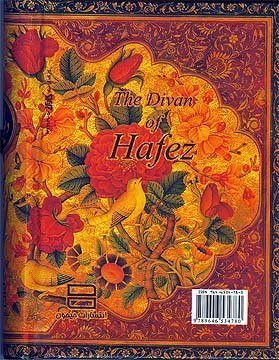
The Divan
.
566 pages, Hardcover
First published January 1, 1390
About the author
Hafez
363 books785 followersHāfez (حافظ) (Khwāja Shams-ud-Dīn Muḥammad Ḥāfeẓ-e Shīrāzī) was a Persian poet whose collected works (The Divan) are regarded as a pinnacle of Persian literature and are to be found in the homes of most people in Iran, who learn his poems by heart and still use them as proverbs and sayings.
His life and poems have been the subject of much analysis, commentary and interpretation, influencing post-14th century Persian writing more than any other author
Themes of his ghazals are the beloved, faith, and exposing hypocrisy. His influence in the lives of Persian speakers can be found in "Hafez readings" (fāl-e hāfez, Persian: فال حافظ) and the frequent use of his poems in Persian traditional music, visual art, and Persian calligraphy. His tomb is visited often. Adaptations, imitations and translations of his poems exist in all major languages.
Though Hafez is well known for his poetry, he is less commonly recognized for his intellectual and political contributions. A defining feature of Hafez' poetry is its ironic tone and the theme of hypocrisy, widely believed to be a critique of the religious and ruling establishments of the time. Persian satire developed during the 14th century, within the courts of the Mongol Period. In this period, Hafez and other notable early satirists, such as Ubayd Zakani, produced a body of work that has since become a template for the use of satire as a political device. Many of his critiques are believed to be targeted at the rule of Amir Mobarez Al-Din Mohammad, specifically, towards the disintegration of important public and private institutions. He was a Sufi Muslim.
His work, particularly his imaginative references to monasteries, convents, Shahneh, and muhtasib, ignored the religious taboos of his period, and he found humor in some of his society's religious doctrines. Employing humor polemically has since become a common practice in Iranian public discourse and persian satire is now perhaps the de facto language of Iranian social commentary.
شمس الدین محمد، حافظ شیرازی، ملقب به حافظ و لسان الغیب
مشهورترین و محبوبترین شاعر تاریخ زبان فارسی و ادبیات ایران
حوالی سال ۷۲۶ هجری قمری در شیراز متولد شد. علوم و فنون را در محفل درس برترین استادان زمان فراگرفت و در علوم ادبی عصر پایهای رفیع یافت. خاصه در علوم فقهی و الهی تأمل بسیار کرد و قرآن را با چهارده روایت مختلف از برداشت. پژوهشگران احتمال میدهند همین دلیل باعث شده لقب او حافظ شود. حافظ مسلمان و شیعه مذهب بود و در وادی سلوک و طریقت، عرفان خاص خود را داشت. دیوان اشعار او شامل غزلیات، چند قصیده، چند مثنوی، قطعات و رباعیات است. اما در شعر آنچه بیش از همه او را دست نیافتنی کرده است غزلهای حافظ است. حافظ در سال ۷۹۲ هجری قمری در شیراز درگذشت. آرامگاه او در حافظیهٔ شیراز زیارتگاه صاحبنظران و عاشقان شعر و ادب پارسی است. او همواره و
همچنان برای ادبیات پس از خود الهامبخش و تاثیرگذار بوده است
شعرِ حافظ در زمان آدم اندر باغ خُلد
دفترِ نسرین و گُل را زینتِ اوراق بود
His life and poems have been the subject of much analysis, commentary and interpretation, influencing post-14th century Persian writing more than any other author
Themes of his ghazals are the beloved, faith, and exposing hypocrisy. His influence in the lives of Persian speakers can be found in "Hafez readings" (fāl-e hāfez, Persian: فال حافظ) and the frequent use of his poems in Persian traditional music, visual art, and Persian calligraphy. His tomb is visited often. Adaptations, imitations and translations of his poems exist in all major languages.
Though Hafez is well known for his poetry, he is less commonly recognized for his intellectual and political contributions. A defining feature of Hafez' poetry is its ironic tone and the theme of hypocrisy, widely believed to be a critique of the religious and ruling establishments of the time. Persian satire developed during the 14th century, within the courts of the Mongol Period. In this period, Hafez and other notable early satirists, such as Ubayd Zakani, produced a body of work that has since become a template for the use of satire as a political device. Many of his critiques are believed to be targeted at the rule of Amir Mobarez Al-Din Mohammad, specifically, towards the disintegration of important public and private institutions. He was a Sufi Muslim.
His work, particularly his imaginative references to monasteries, convents, Shahneh, and muhtasib, ignored the religious taboos of his period, and he found humor in some of his society's religious doctrines. Employing humor polemically has since become a common practice in Iranian public discourse and persian satire is now perhaps the de facto language of Iranian social commentary.
شمس الدین محمد، حافظ شیرازی، ملقب به حافظ و لسان الغیب
مشهورترین و محبوبترین شاعر تاریخ زبان فارسی و ادبیات ایران
حوالی سال ۷۲۶ هجری قمری در شیراز متولد شد. علوم و فنون را در محفل درس برترین استادان زمان فراگرفت و در علوم ادبی عصر پایهای رفیع یافت. خاصه در علوم فقهی و الهی تأمل بسیار کرد و قرآن را با چهارده روایت مختلف از برداشت. پژوهشگران احتمال میدهند همین دلیل باعث شده لقب او حافظ شود. حافظ مسلمان و شیعه مذهب بود و در وادی سلوک و طریقت، عرفان خاص خود را داشت. دیوان اشعار او شامل غزلیات، چند قصیده، چند مثنوی، قطعات و رباعیات است. اما در شعر آنچه بیش از همه او را دست نیافتنی کرده است غزلهای حافظ است. حافظ در سال ۷۹۲ هجری قمری در شیراز درگذشت. آرامگاه او در حافظیهٔ شیراز زیارتگاه صاحبنظران و عاشقان شعر و ادب پارسی است. او همواره و
همچنان برای ادبیات پس از خود الهامبخش و تاثیرگذار بوده است
شعرِ حافظ در زمان آدم اندر باغ خُلد
دفترِ نسرین و گُل را زینتِ اوراق بود
Ratings & Reviews
Friends & Following
Create a free account to discover what your friends think of this book!
Community Reviews
Displaying 1 - 9 of 9 reviews

January 25, 2016
"Akşama benzeyen zülfünün çevresinde ay yüzünü görünce gecem aydınlandı, gündüze döndü."

June 1, 2018
Hafız'ın şiirleri edebiyat tarihinde önemli eserlerden olmakla beraber şiirde çeviri maalesef ruhu ve akışkanlığı öldürüyor. Abdülbaki Gökpınarlı çevirisi maalesef biraz hayal kırıklığı. Açıkçası İngilizce çeviriler daha iyi. Tabi burada sıkıntı çeviride mi yoksa şiirin çevrilmesi konseptinde mi tartışmaya değer bir konu.
Tüm bunlara rağmen keyifli şiirler de yok değil.
Eğer meyhanenin kapısını kapadılarsa,
Ey bağlı kapıları açan Tanrı,
Lütfen, aç!
veya
Hiçbir şeyle alakadar olma,
Hür ve serazat yürü...
Afiyet geçidi dar.
Kadehi ele al...
Aziz ömre değer hiç birşey yok!
Elbete bu ikisi de Ömer Hayyam'a da sürükleyebilir bizi. Rubailer arasında bağlantı rahatlıkla kurulabilir. Örnek vermek gerekirse;
ey kör! bu yer, bu gök, bu yıldızlar, boştur boş!
bırak onu bunu da gönlünü hoş tut hoş!
şu durmadan kurulup dağılan evrende
bir nefestir alacağın, o da boştur boş!
Hafız, gözardı edilmemesi gereken bir değer. Ayrıca buna tamamlayıcı eser olarak da Goethe'nin Hafız'a öykünerek yazdığı Doğu-Batı Divanı okunmalı.
Tüm bunlara rağmen keyifli şiirler de yok değil.
Eğer meyhanenin kapısını kapadılarsa,
Ey bağlı kapıları açan Tanrı,
Lütfen, aç!
veya
Hiçbir şeyle alakadar olma,
Hür ve serazat yürü...
Afiyet geçidi dar.
Kadehi ele al...
Aziz ömre değer hiç birşey yok!
Elbete bu ikisi de Ömer Hayyam'a da sürükleyebilir bizi. Rubailer arasında bağlantı rahatlıkla kurulabilir. Örnek vermek gerekirse;
ey kör! bu yer, bu gök, bu yıldızlar, boştur boş!
bırak onu bunu da gönlünü hoş tut hoş!
şu durmadan kurulup dağılan evrende
bir nefestir alacağın, o da boştur boş!
Hafız, gözardı edilmemesi gereken bir değer. Ayrıca buna tamamlayıcı eser olarak da Goethe'nin Hafız'a öykünerek yazdığı Doğu-Batı Divanı okunmalı.
April 8, 2008
aramesh bozogtarin hediye ke shere hafez be man mide

November 21, 2025
Hafız Dîvânı
Bag-ı mera çi hacet-i serv-u sanovberest
Şimşad-ı hane-perveri ma ez ki kemterest
***
Bahçeme çam ve selvi dikmeye ne ihtiyacım var? Evimizde yetişen şimşirimiz kimden aşağı ki?
Nazlı yavru, hangi mezhebe girdin ki, sence kanımız ana sütünden daha helal!
Gamın suretini ta uzaktan gördün mü şarap iste. Tecrübe ettik, anladık, gamın devası şarap.
Pir-i muganın kapısından niçin baş çekeyim? Devlet o tapıda, işlerin gelişmesi o kapıda.
Dün akşam beni vuslatına nail edeceğine dair söz verdi, fakat sarhoştu. Bugün bilmem ne diyecek, yine başında bilmem ne hava var?
Aşk gamı, ancak bir hikâyecik. Fakat şaşılacak şey şu ki; hangi dilden duyarsam duyayım, tekrarlanmamış, yepyeni söyleniyor gibi!
Şiraz, Rüknâbad ırmağı, bu hoş rüzgâr... Kusura bakma, yedi iklimin yanağında bir ben!
Hızır'ın suyu ile bizim suyumuz arasında fark var. Hızır'ın abıhayatı karanlıklar diyarından coşuyor. Bizim Rüknâbad ırmağımızın kaynağı Allahuekber tepesi.
Yoksulluk ve kanaat şerefini terk etmeyiz. Padişaha söyleyin; rızk mukadderdir.
Hafız, kalemin ne tuhaf bir nebat dalı ki, meyvesi gönüle baldan da tatlı geliyor, şekerden de!
Hafız-ı Şirazi
Bag-ı mera çi hacet-i serv-u sanovberest
Şimşad-ı hane-perveri ma ez ki kemterest
***
Bahçeme çam ve selvi dikmeye ne ihtiyacım var? Evimizde yetişen şimşirimiz kimden aşağı ki?
Nazlı yavru, hangi mezhebe girdin ki, sence kanımız ana sütünden daha helal!
Gamın suretini ta uzaktan gördün mü şarap iste. Tecrübe ettik, anladık, gamın devası şarap.
Pir-i muganın kapısından niçin baş çekeyim? Devlet o tapıda, işlerin gelişmesi o kapıda.
Dün akşam beni vuslatına nail edeceğine dair söz verdi, fakat sarhoştu. Bugün bilmem ne diyecek, yine başında bilmem ne hava var?
Aşk gamı, ancak bir hikâyecik. Fakat şaşılacak şey şu ki; hangi dilden duyarsam duyayım, tekrarlanmamış, yepyeni söyleniyor gibi!
Şiraz, Rüknâbad ırmağı, bu hoş rüzgâr... Kusura bakma, yedi iklimin yanağında bir ben!
Hızır'ın suyu ile bizim suyumuz arasında fark var. Hızır'ın abıhayatı karanlıklar diyarından coşuyor. Bizim Rüknâbad ırmağımızın kaynağı Allahuekber tepesi.
Yoksulluk ve kanaat şerefini terk etmeyiz. Padişaha söyleyin; rızk mukadderdir.
Hafız, kalemin ne tuhaf bir nebat dalı ki, meyvesi gönüle baldan da tatlı geliyor, şekerden de!
Hafız-ı Şirazi

June 15, 2012
Her iranlının evinde bulunan Hafız Divanı gündelik hayatta, fal bakmaya kadar dönüşmüş bir eserdir.Rastgele bir sayfa açılarak, okunan yerin yorumlanmasında oluşan Hafız Falı, sadece evde değil, sokakta, parkta, bahçede her zaman karşılaşabileceğiniz bir işporta ürünü olarak pazarlanır.
Okuma yazma bilmeyen iranlılar bile Hafız divanını ezbere okuyabilirler. Muhsin Namjoo'nun zolf vb. gibi şarkıları da divan'dandır. Okuması zor bir kitap olmamasına karşılık, şiir sevmeyen ya da tasavvufi okumalara alışkın olmayanların bitiremeyeceği bir kitap olduğunu rahatlıkla söyleyebilirim.
asma tahtasından yapın tabutumu,
meyhane yolunda verin toprağa beni.
meyhane suyuyla gasledin beni,
sonra bir sarhoşun omzuna koyun beni.
dökmeyin mezarıma şaraptan başka.
getirmeyin matemime rebaptan başka.
Okuma yazma bilmeyen iranlılar bile Hafız divanını ezbere okuyabilirler. Muhsin Namjoo'nun zolf vb. gibi şarkıları da divan'dandır. Okuması zor bir kitap olmamasına karşılık, şiir sevmeyen ya da tasavvufi okumalara alışkın olmayanların bitiremeyeceği bir kitap olduğunu rahatlıkla söyleyebilirim.
asma tahtasından yapın tabutumu,
meyhane yolunda verin toprağa beni.
meyhane suyuyla gasledin beni,
sonra bir sarhoşun omzuna koyun beni.
dökmeyin mezarıma şaraptan başka.
getirmeyin matemime rebaptan başka.

August 25, 2017
Edebiyat severlerin kitaplığında bulunması gerekli en güzel eserlerden biri..

January 17, 2026
“Kaybolan Yusuf döner Kenan’a bir gün; gam yeme.
Gör şu mahzun ev olur tekrar gülistan; gam yeme.
Ey gönül, işler düzensizlikten elbet kurtulur,
Dertliler kalmaz perişan böyle her an; gam yeme.
Gerçi birkaç gün felek sapmış gider, hep ters yöne,
Her zaman arzuna dönmez çünki devran; gam yeme.
Bülbülüm, kırlarda tekrar taht kurarsın, gün gelir,
Tek ki sağ kal, kopmasın ömrün bahardan; gam yeme.
Sel götürmüş yıkmış varlığın; mahveylemiş.
Nuh eğer kaptansa, korkma olsa tufan; gam yeme…”
Gör şu mahzun ev olur tekrar gülistan; gam yeme.
Ey gönül, işler düzensizlikten elbet kurtulur,
Dertliler kalmaz perişan böyle her an; gam yeme.
Gerçi birkaç gün felek sapmış gider, hep ters yöne,
Her zaman arzuna dönmez çünki devran; gam yeme.
Bülbülüm, kırlarda tekrar taht kurarsın, gün gelir,
Tek ki sağ kal, kopmasın ömrün bahardan; gam yeme.
Sel götürmüş yıkmış varlığın; mahveylemiş.
Nuh eğer kaptansa, korkma olsa tufan; gam yeme…”

November 6, 2024
Hafız-ı anlamak için yahya kemal’i okumak gerekir.
Divandan beğendiğim bir kısmı buraya da ekliyorum.
Ey akıl defterinden aşk ayetini öğrenmeye çalışan! Korkarım bu ince meselenin künhüne eremeyeceksin.
Divandan beğendiğim bir kısmı buraya da ekliyorum.
Ey akıl defterinden aşk ayetini öğrenmeye çalışan! Korkarım bu ince meselenin künhüne eremeyeceksin.

December 4, 2017
Gecenin bir yarısı sadece Ağustos böceklerin sesi duyulurken ve yıldızlara bakarken...
Displaying 1 - 9 of 9 reviews