

What do you think?
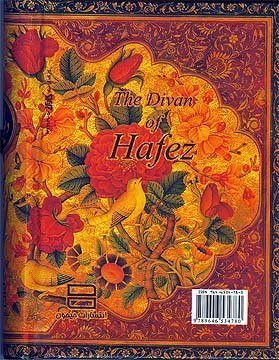
The Divan
.
566 pages, Hardcover
First published January 1, 1390
About the author
Hafez
363 books785 followersHāfez (حافظ) (Khwāja Shams-ud-Dīn Muḥammad Ḥāfeẓ-e Shīrāzī) was a Persian poet whose collected works (The Divan) are regarded as a pinnacle of Persian literature and are to be found in the homes of most people in Iran, who learn his poems by heart and still use them as proverbs and sayings.
His life and poems have been the subject of much analysis, commentary and interpretation, influencing post-14th century Persian writing more than any other author
Themes of his ghazals are the beloved, faith, and exposing hypocrisy. His influence in the lives of Persian speakers can be found in "Hafez readings" (fāl-e hāfez, Persian: فال حافظ) and the frequent use of his poems in Persian traditional music, visual art, and Persian calligraphy. His tomb is visited often. Adaptations, imitations and translations of his poems exist in all major languages.
Though Hafez is well known for his poetry, he is less commonly recognized for his intellectual and political contributions. A defining feature of Hafez' poetry is its ironic tone and the theme of hypocrisy, widely believed to be a critique of the religious and ruling establishments of the time. Persian satire developed during the 14th century, within the courts of the Mongol Period. In this period, Hafez and other notable early satirists, such as Ubayd Zakani, produced a body of work that has since become a template for the use of satire as a political device. Many of his critiques are believed to be targeted at the rule of Amir Mobarez Al-Din Mohammad, specifically, towards the disintegration of important public and private institutions. He was a Sufi Muslim.
His work, particularly his imaginative references to monasteries, convents, Shahneh, and muhtasib, ignored the religious taboos of his period, and he found humor in some of his society's religious doctrines. Employing humor polemically has since become a common practice in Iranian public discourse and persian satire is now perhaps the de facto language of Iranian social commentary.
شمس الدین محمد، حافظ شیرازی، ملقب به حافظ و لسان الغیب
مشهورترین و محبوبترین شاعر تاریخ زبان فارسی و ادبیات ایران
حوالی سال ۷۲۶ هجری قمری در شیراز متولد شد. علوم و فنون را در محفل درس برترین استادان زمان فراگرفت و در علوم ادبی عصر پایهای رفیع یافت. خاصه در علوم فقهی و الهی تأمل بسیار کرد و قرآن را با چهارده روایت مختلف از برداشت. پژوهشگران احتمال میدهند همین دلیل باعث شده لقب او حافظ شود. حافظ مسلمان و شیعه مذهب بود و در وادی سلوک و طریقت، عرفان خاص خود را داشت. دیوان اشعار او شامل غزلیات، چند قصیده، چند مثنوی، قطعات و رباعیات است. اما در شعر آنچه بیش از همه او را دست نیافتنی کرده است غزلهای حافظ است. حافظ در سال ۷۹۲ هجری قمری در شیراز درگذشت. آرامگاه او در حافظیهٔ شیراز زیارتگاه صاحبنظران و عاشقان شعر و ادب پارسی است. او همواره و
همچنان برای ادبیات پس از خود الهامبخش و تاثیرگذار بوده است
شعرِ حافظ در زمان آدم اندر باغ خُلد
دفترِ نسرین و گُل را زینتِ اوراق بود
His life and poems have been the subject of much analysis, commentary and interpretation, influencing post-14th century Persian writing more than any other author
Themes of his ghazals are the beloved, faith, and exposing hypocrisy. His influence in the lives of Persian speakers can be found in "Hafez readings" (fāl-e hāfez, Persian: فال حافظ) and the frequent use of his poems in Persian traditional music, visual art, and Persian calligraphy. His tomb is visited often. Adaptations, imitations and translations of his poems exist in all major languages.
Though Hafez is well known for his poetry, he is less commonly recognized for his intellectual and political contributions. A defining feature of Hafez' poetry is its ironic tone and the theme of hypocrisy, widely believed to be a critique of the religious and ruling establishments of the time. Persian satire developed during the 14th century, within the courts of the Mongol Period. In this period, Hafez and other notable early satirists, such as Ubayd Zakani, produced a body of work that has since become a template for the use of satire as a political device. Many of his critiques are believed to be targeted at the rule of Amir Mobarez Al-Din Mohammad, specifically, towards the disintegration of important public and private institutions. He was a Sufi Muslim.
His work, particularly his imaginative references to monasteries, convents, Shahneh, and muhtasib, ignored the religious taboos of his period, and he found humor in some of his society's religious doctrines. Employing humor polemically has since become a common practice in Iranian public discourse and persian satire is now perhaps the de facto language of Iranian social commentary.
شمس الدین محمد، حافظ شیرازی، ملقب به حافظ و لسان الغیب
مشهورترین و محبوبترین شاعر تاریخ زبان فارسی و ادبیات ایران
حوالی سال ۷۲۶ هجری قمری در شیراز متولد شد. علوم و فنون را در محفل درس برترین استادان زمان فراگرفت و در علوم ادبی عصر پایهای رفیع یافت. خاصه در علوم فقهی و الهی تأمل بسیار کرد و قرآن را با چهارده روایت مختلف از برداشت. پژوهشگران احتمال میدهند همین دلیل باعث شده لقب او حافظ شود. حافظ مسلمان و شیعه مذهب بود و در وادی سلوک و طریقت، عرفان خاص خود را داشت. دیوان اشعار او شامل غزلیات، چند قصیده، چند مثنوی، قطعات و رباعیات است. اما در شعر آنچه بیش از همه او را دست نیافتنی کرده است غزلهای حافظ است. حافظ در سال ۷۹۲ هجری قمری در شیراز درگذشت. آرامگاه او در حافظیهٔ شیراز زیارتگاه صاحبنظران و عاشقان شعر و ادب پارسی است. او همواره و
همچنان برای ادبیات پس از خود الهامبخش و تاثیرگذار بوده است
شعرِ حافظ در زمان آدم اندر باغ خُلد
دفترِ نسرین و گُل را زینتِ اوراق بود
Ratings & Reviews
Friends & Following
Create a free account to discover what your friends think of this book!
Community Reviews
Displaying 1 - 1 of 1 review

March 11, 2016
Karya Hafiz dari Shiraz adalah syair sufi adalah antara yang paling sukar untuk direnung dan ditelaah dalam tradisi itu. Membaca The Garden of Heaven buat kali pertama ini adalah ibarat melalui sebuah belantara yang indah - bagi pengembara yang baru mencuba-cuba untuk melepasi denai lama yang disediakan oleh penjelajah silam dengan pandangan alam yang berbeza.
Displaying 1 - 1 of 1 review