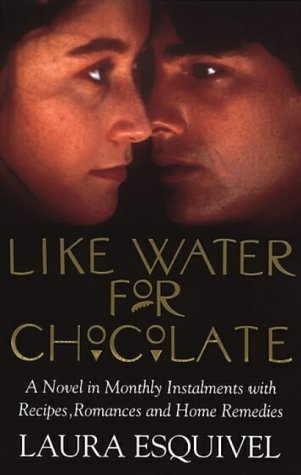
Earthy, magical, and utterly charming, this tale of family life in turn-of-the-century Mexico became a best-selling phenomenon with its winning blend of poignant romance and bittersweet wit.The number one bestseller in Mexico and America for almost two years, and subsequently a bestseller around the world, Like Water For Chocolate is a romantic, poignant tale, touched with moments of magic, graphic earthiness, bittersweet wit - and recipes. A sumptuous feast of a novel, it relates the bizarre history of the all-female De La Garza family. Tita, the youngest daughter of the house, has been forbidden to marry, condemned by Mexican tradition to look after her mother until she dies. But Tita falls in love with Pedro, and he is seduced by the magical food she cooks. In desperation, Pedro marries her sister Rosaura so that he can stay close to her, so that Tita and Pedro are forced to circle each other in unconsummated passion. Only a freakish chain of tragedies, bad luck and fate finally reunite them against all the odds.
Laura Esquivel is a Mexican novelist, screenwriter, and former politician best known for her internationally acclaimed debut novel Like Water for Chocolate (Como agua para chocolate). Blending magical realism with deep cultural roots, the novel became a bestseller in Mexico and the United States and was adapted into a successful film that received multiple international awards. Originally trained in education and theater, Esquivel began her career writing for children’s television and later moved into cinema and literature, often weaving food, family, and emotion into her stories. Esquivel’s fiction is known for its lyrical style and its exploration of love, tradition, and identity, frequently drawing on Mexican history and folklore. Her other novels include The Law of Love, Swift as Desire, and Malinche, which reimagines the story of the controversial historical figure linked to Hernán Cortés. She has also published essays on food and culture in Between Two Fires and returned to her most beloved character in El diario de Tita. In addition to her literary work, Esquivel served as a deputy in the Mexican Congress for the Morena Party and has been active in cultural and environmental policy. Her writing continues to inspire discussions on gender, power, and the enduring bonds of heritage.
En primeiro lugar: como romance un fracaso absoluto, quero darlle unha somanta de hostias ao interese amoroso nº1 (o nº2 é mellor, únicamente porque o listón está baixo terra).
Como novela de realismo máxico, mediocrecilla. Tampouco está tan mal (e as recetas han ser interesantes) pero tampouco me chamou a atención.
E finalmente, como comedia é unha maravilla, pero non creo que a autora se dese conta. Algunhas esceas que ela quere que sexan serias producen risa do absurdas que son, mentres que outras que ela pretende que sexan graciosas tan só me deixan confuso.
Quero dicir, non podes nun párrafo de 4 liñas dicirme "ah sí, i entón uns malos apareceron e mutilaron a dous personaxes principais". Girl, please.
Anyway, i stan Gertrudis. Apareceu, servíu cona, loitou con Pancho Villa e comeu torrijas.
Non ía ser unha excepción, e o realismo máxico latinoamericano segue a fascinarme cada vez que me mergullo nunha das súas historias.
Malia o dramático da trama, a carisma da protagonista e o enérxico do resto de personaxes da obra conseguen arrincarche máis dun sorriso cun brillante humor negro.
Ter contado a historia nun formato de recetario aumenta o innegable atractivo que posúe o título per se.
Estou segura de que vou a ofender a alguén ca miña opinión pero foi como ler unha telenovela maleira. A narración a trompicóns, os saltos sen moito xeito... acabeino porque mo deixaron con todo o cariño pero buf