

What do you think?
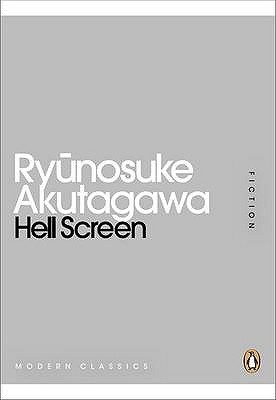
Hell Screen
"There can be no doubt that Akutagawa had more individuality than any other writer of his time and has left in Japanese literature a mass of artistic work, often grotesque and curious, that, while it undoubtedly angers the proletarian experimenters who now hold the stage and fight with lusty pens and a highly developed class consciousness against all that he stood for, will continue to live as long as men go on treasuring the fancies their fellows from time to time set down with care on paper."--Glen W. Shaw
58 pages, Paperback
First published January 1, 1918
About the author
Ryūnosuke Akutagawa
1,661 books2,253 followersAkutagawa Ryūnosuke (芥川 龍之介) was one of the first prewar Japanese writers to achieve a wide foreign readership, partly because of his technical virtuosity, partly because his work seemed to represent imaginative fiction as opposed to the mundane accounts of the I-novelists of the time, partly because of his brilliant joining of traditional material to a modern sensibility, and partly because of film director Kurosawa Akira's masterful adaptation of two of his short stories for the screen.
Akutagawa was born in the Kyōbashi district Tokyo as the eldest son of a dairy operator named Shinbara Toshizō and his wife Fuku. He was named "Ryūnosuke" ("Dragon Offshoot") because he was born in the Year of the Dragon, in the Month of the Dragon, on the Day of the Dragon, and at the Hour of the Dragon (8 a.m.). Seven months after Akutagawa's birth, his mother went insane and he was adopted by her older brother, taking the Akutagawa family name. Despite the shadow this experience cast over Akutagawa's life, he benefited from the traditional literary atmosphere of his uncle's home, located in what had been the "downtown" section of Edo.
At school Akutagawa was an outstanding student, excelling in the Chinese classics. He entered the First High School in 1910, striking up relationships with such classmates as Kikuchi Kan, Kume Masao, Yamamoto Yūzō, and Tsuchiya Bunmei. Immersing himself in Western literature, he increasingly came to look for meaning in art rather than in life. In 1913, he entered Tokyo Imperial University, majoring in English literature. The next year, Akutagawa and his former high school friends revived the journal Shinshichō (New Currents of Thought), publishing translations of William Butler Yeats and Anatole France along with original works of their own. Akutagawa published the story Rashōmon in the magazine Teikoku bungaku (Imperial Literature) in 1915. The story, which went largely unnoticed, grew out of the egoism Akutagawa confronted after experiencing disappointment in love. The same year, Akutagawa started going to the meetings held every Thursday at the house of Natsume Sōseki, and thereafter considered himself Sōseki's disciple.
The lapsed Shinshichō was revived yet again in 1916, and Sōseki lavished praise on Akutagawa's story Hana (The Nose) when it appeared in the first issue of that magazine. After graduating from Tokyo University, Akutagawa earned a reputation as a highly skilled stylist whose stories reinterpreted classical works and historical incidents from a distinctly modern standpoint. His overriding themes became the ugliness of human egoism and the value of art, themes that received expression in a number of brilliant, tightly organized short stories conventionally categorized as Edo-mono (stories set in the Edo period), ōchō-mono (stories set in the Heian period), Kirishitan-mono (stories dealing with premodern Christians in Japan), and kaika-mono (stories of the early Meiji period). The Edo-mono include Gesaku zanmai (A Life Devoted to Gesaku, 1917) and Kareno-shō (Gleanings from a Withered Field, 1918); the ōchō-mono are perhaps best represented by Jigoku hen (Hell Screen, 1918); the Kirishitan-mono include Hokōnin no shi (The Death of a Christian, 1918), and kaika-mono include Butōkai(The Ball, 1920).
Akutagawa married Tsukamoto Fumiko in 1918 and the following year left his post as English instructor at the naval academy in Yokosuka, becoming an employee of the Mainichi Shinbun. This period was a productive one, as has already been noted, and the success of stories like Mikan (Mandarin Oranges, 1919) and Aki (Autumn, 1920) prompted him to turn his attention increasingly to modern materials. This, along with the introspection occasioned by growing health and nervous problems, resulted in a series of autobiographically-based stories known as Yasukichi-mono, after the name of the main character. Works such as Daidōji Shinsuke no hansei(The Early Life of
Akutagawa was born in the Kyōbashi district Tokyo as the eldest son of a dairy operator named Shinbara Toshizō and his wife Fuku. He was named "Ryūnosuke" ("Dragon Offshoot") because he was born in the Year of the Dragon, in the Month of the Dragon, on the Day of the Dragon, and at the Hour of the Dragon (8 a.m.). Seven months after Akutagawa's birth, his mother went insane and he was adopted by her older brother, taking the Akutagawa family name. Despite the shadow this experience cast over Akutagawa's life, he benefited from the traditional literary atmosphere of his uncle's home, located in what had been the "downtown" section of Edo.
At school Akutagawa was an outstanding student, excelling in the Chinese classics. He entered the First High School in 1910, striking up relationships with such classmates as Kikuchi Kan, Kume Masao, Yamamoto Yūzō, and Tsuchiya Bunmei. Immersing himself in Western literature, he increasingly came to look for meaning in art rather than in life. In 1913, he entered Tokyo Imperial University, majoring in English literature. The next year, Akutagawa and his former high school friends revived the journal Shinshichō (New Currents of Thought), publishing translations of William Butler Yeats and Anatole France along with original works of their own. Akutagawa published the story Rashōmon in the magazine Teikoku bungaku (Imperial Literature) in 1915. The story, which went largely unnoticed, grew out of the egoism Akutagawa confronted after experiencing disappointment in love. The same year, Akutagawa started going to the meetings held every Thursday at the house of Natsume Sōseki, and thereafter considered himself Sōseki's disciple.
The lapsed Shinshichō was revived yet again in 1916, and Sōseki lavished praise on Akutagawa's story Hana (The Nose) when it appeared in the first issue of that magazine. After graduating from Tokyo University, Akutagawa earned a reputation as a highly skilled stylist whose stories reinterpreted classical works and historical incidents from a distinctly modern standpoint. His overriding themes became the ugliness of human egoism and the value of art, themes that received expression in a number of brilliant, tightly organized short stories conventionally categorized as Edo-mono (stories set in the Edo period), ōchō-mono (stories set in the Heian period), Kirishitan-mono (stories dealing with premodern Christians in Japan), and kaika-mono (stories of the early Meiji period). The Edo-mono include Gesaku zanmai (A Life Devoted to Gesaku, 1917) and Kareno-shō (Gleanings from a Withered Field, 1918); the ōchō-mono are perhaps best represented by Jigoku hen (Hell Screen, 1918); the Kirishitan-mono include Hokōnin no shi (The Death of a Christian, 1918), and kaika-mono include Butōkai(The Ball, 1920).
Akutagawa married Tsukamoto Fumiko in 1918 and the following year left his post as English instructor at the naval academy in Yokosuka, becoming an employee of the Mainichi Shinbun. This period was a productive one, as has already been noted, and the success of stories like Mikan (Mandarin Oranges, 1919) and Aki (Autumn, 1920) prompted him to turn his attention increasingly to modern materials. This, along with the introspection occasioned by growing health and nervous problems, resulted in a series of autobiographically-based stories known as Yasukichi-mono, after the name of the main character. Works such as Daidōji Shinsuke no hansei(The Early Life of
Ratings & Reviews
Friends & Following
Create a free account to discover what your friends think of this book!
Community Reviews
Displaying 1 - 12 of 12 reviews
July 20, 2020
این ایدههای دستنخورده و مخوف چجوری به ذهنشون میرسه؟
ادبیات ژاپن واقعاً بکره، مشتاق شدم بیشتر ازش بخونم.
ادبیات ژاپن واقعاً بکره، مشتاق شدم بیشتر ازش بخونم.

June 4, 2025
ادبیات ژاپن هیچوقت نااُمیدم نمیکنه ^^
اولین کتابی بود که از آکوتاگاوا میخوندم و واقعا شگفتانگیز بود.
مشتاق شدم که کتابهای بیشتری از این نویسنده بخونم.
راجع به داستان چیزی نمیگم چون کوتاهه و باید خودتون بخونید تا اونطور که باید، اثرشو حس کنید.
پ.ن: من این کتاب رو با ترجمهی خانم مرضیه خسروی خوندم ولی توی گودریدز ثبت نشده بود.
اولین کتابی بود که از آکوتاگاوا میخوندم و واقعا شگفتانگیز بود.
مشتاق شدم که کتابهای بیشتری از این نویسنده بخونم.
راجع به داستان چیزی نمیگم چون کوتاهه و باید خودتون بخونید تا اونطور که باید، اثرشو حس کنید.
پ.ن: من این کتاب رو با ترجمهی خانم مرضیه خسروی خوندم ولی توی گودریدز ثبت نشده بود.

August 27, 2017
دو داستان کوتاه ژاپنی.
داستان جالبی داشت و نحوه بیاناش هم متفاوت و ژاپنی بود و داستان رو از بقیه نوشتهها متمایز میکرد. گاهی راوی مستقیم با خواننده صحبت میکرد و گاهی سوم شخص میشد و صرفن واقعیات رو ثبت میکرد. داستان، بیشتر شبیه قصهها و افسانهها بود و کمتر شبیه داستانهای امروزی.
داستان جالبی داشت و نحوه بیاناش هم متفاوت و ژاپنی بود و داستان رو از بقیه نوشتهها متمایز میکرد. گاهی راوی مستقیم با خواننده صحبت میکرد و گاهی سوم شخص میشد و صرفن واقعیات رو ثبت میکرد. داستان، بیشتر شبیه قصهها و افسانهها بود و کمتر شبیه داستانهای امروزی.

December 31, 2014
کتاب نگارشی عجیب دارد، بیش از حد سیاه است و لبریز است از وحشتی خالص، اما هیچ نمیترساندتان. ریونوسکه آکوتاگاوا با این کتاب بی برو برگرد به نویسندهی محبوب ژاپنی زبانم تبدیل شد.

September 22, 2020
.
قرار نیست خود اتفاق غافلگیری رو یه وجود بیاره، از همون توصیف خود پرده مشخصه که چه اتفاقی قرار بیفته. اون چیزی ک غافلگیرت میکنه بی شرمی اتفاق افتادنشه. چطور چنین اتفاق بیرحمانهای به همین سادگی رخ میده؟ و به طرز عجیبتری پذیرفته میشه ک این سادگی طبیعیه.
شاید داستان ساده به نظر بیاد ولی حقیقتن به استادی نوشته شده، این احساسات متناقض به چیزی که فقط یه واکنش باید بگیره مثل خود پرده، واقعن ستودنیه.
لینک طاقچه
قرار نیست خود اتفاق غافلگیری رو یه وجود بیاره، از همون توصیف خود پرده مشخصه که چه اتفاقی قرار بیفته. اون چیزی ک غافلگیرت میکنه بی شرمی اتفاق افتادنشه. چطور چنین اتفاق بیرحمانهای به همین سادگی رخ میده؟ و به طرز عجیبتری پذیرفته میشه ک این سادگی طبیعیه.
شاید داستان ساده به نظر بیاد ولی حقیقتن به استادی نوشته شده، این احساسات متناقض به چیزی که فقط یه واکنش باید بگیره مثل خود پرده، واقعن ستودنیه.
لینک طاقچه

September 28, 2021
داستان اول به شدت تکاندهنده و وحشتناک بود. داستان از جانب نگهبانی بیان میشد که تمام حقایق رو نمیدونست و همین جذابترش میکرد.
داستان دوم رو قبلا جایی خونده بودم اما به این شکل نبود. دونستن نسخهی اصلیش برام جالب بود.
داستان دوم رو قبلا جایی خونده بودم اما به این شکل نبود. دونستن نسخهی اصلیش برام جالب بود.

July 2, 2024
4.5*
وای چقدر خفن و دلهره آور بود! o_O
چه ایده ی جذاب و جدیدی داشت!
چه توصیفات و جزئیات دقیقی داشت…!
داستان راجع به نقاش معروفی به اسم یوشی هیده ست که به دستور حاکم، مأمور به کشیدن پرده ی نقاشی ای از جهنم میشه، اما یوشی هیده که فقط با دیدن یک صحنه قادر به کشیدن اونه در ادامه توی نقاشیش به مشکل برمیخوره و متوقف میشه!
اون قصد داره صحنه زن اشراف زاده ای که در کالسکه ای مجلل در حال سوختن و عذاب کشیدنه رو به پرده اضافه کنه
و از حاکم درخواستِ به آتش کشیدنِ یک کالسکه رو میکنه، بلکه با دیدن این صحنه، موفق به تکمیل تابلوی پرده ی جهنم بشه،
اما اتفاق غریب و هولناکی در انتظار یوشی هیده ست…
______
کتاب پرده ی جهنم تا به حال توسط دو نشر ترجمه و چاپ شده.
نسخه ی نشر روزگار نو علاوه بر پرده ی جهنم، شامل یک داستان کوتاه دیگه به اسم تار عنکبوت،
و نسخه ی نشر نیلوفر هم، شامل سه داستان کوتاه تار عنکبوت، کاپا و دماغ میشه.
من فقط صوتی داستان پرده ی جهنم رو از ایران صدا گوش دادم که اجرای خوبی هم داشت، ولی باقی داستانها رو از یه سری کتابهای دیگه خوندم..
وای چقدر خفن و دلهره آور بود! o_O
چه ایده ی جذاب و جدیدی داشت!
چه توصیفات و جزئیات دقیقی داشت…!
داستان راجع به نقاش معروفی به اسم یوشی هیده ست که به دستور حاکم، مأمور به کشیدن پرده ی نقاشی ای از جهنم میشه، اما یوشی هیده که فقط با دیدن یک صحنه قادر به کشیدن اونه در ادامه توی نقاشیش به مشکل برمیخوره و متوقف میشه!
اون قصد داره صحنه زن اشراف زاده ای که در کالسکه ای مجلل در حال سوختن و عذاب کشیدنه رو به پرده اضافه کنه
و از حاکم درخواستِ به آتش کشیدنِ یک کالسکه رو میکنه، بلکه با دیدن این صحنه، موفق به تکمیل تابلوی پرده ی جهنم بشه،
اما اتفاق غریب و هولناکی در انتظار یوشی هیده ست…
______
کتاب پرده ی جهنم تا به حال توسط دو نشر ترجمه و چاپ شده.
نسخه ی نشر روزگار نو علاوه بر پرده ی جهنم، شامل یک داستان کوتاه دیگه به اسم تار عنکبوت،
و نسخه ی نشر نیلوفر هم، شامل سه داستان کوتاه تار عنکبوت، کاپا و دماغ میشه.
من فقط صوتی داستان پرده ی جهنم رو از ایران صدا گوش دادم که اجرای خوبی هم داشت، ولی باقی داستانها رو از یه سری کتابهای دیگه خوندم..

April 9, 2026
اولین تجربهام از مجموعه کلاسیک مدرن، با یک داستان ژاپنی شروع شد، داستانی که مثل بسیاری از آثار ژاپنی، رگههایی از خشونت سادیستیک در بطن خودش دارد.
قصه دربارهی یک نقاش درباری است که مأمور میشود تصویری از جهنم خلق کند. اما برای به تصویر کشیدن دقیق شکنجهها و رنجهای جهنمی، نیاز به منبعی واقعی از الهام دارد، و همین جستوجو ،او را به مسیری تاریک و بیرحمانه میکشاند.
نثر داستان روان و خوشخوان است و در زمانی کوتاه ،حدود نیم ساعت یا حتی کمتر میتوان آن را تمام کرد.
قصه دربارهی یک نقاش درباری است که مأمور میشود تصویری از جهنم خلق کند. اما برای به تصویر کشیدن دقیق شکنجهها و رنجهای جهنمی، نیاز به منبعی واقعی از الهام دارد، و همین جستوجو ،او را به مسیری تاریک و بیرحمانه میکشاند.
نثر داستان روان و خوشخوان است و در زمانی کوتاه ،حدود نیم ساعت یا حتی کمتر میتوان آن را تمام کرد.

August 31, 2017
داستان نقاشی که به دستور حاکم نقشی از جهنم میکشد، اما نقاش فقط طرحهایی را میتواند بکشد که تابهحال دیده است...
استعداد اکوتاگاوا در این فرم روایت بینظیر است! به خوبی خواننده را به فضای وهم و ترس مدنظر خود هدایت میکند و در شخصیتپردازی هیچ نرمشی از خود نشان نمیدهد، شخصیتها حتی ظالمترین آنها بهشدت قابلدرک به نظر میرسند و روند داستان کاملاً خواننده را تحت تأثیر قرار میدهد. همچنین فضاسازیهای آکوتاگاوا کاملاً منحصربهفرد و مجسم هستند.
استعداد اکوتاگاوا در این فرم روایت بینظیر است! به خوبی خواننده را به فضای وهم و ترس مدنظر خود هدایت میکند و در شخصیتپردازی هیچ نرمشی از خود نشان نمیدهد، شخصیتها حتی ظالمترین آنها بهشدت قابلدرک به نظر میرسند و روند داستان کاملاً خواننده را تحت تأثیر قرار میدهد. همچنین فضاسازیهای آکوتاگاوا کاملاً منحصربهفرد و مجسم هستند.

June 26, 2024
«تابلو جهنمی» یک داستان کوتاه گیرا و مهیج است که توسط ریونوسکه آکوتاگاوا، نویسنده مشهور ژاپنی که به خاطر روایتهای تاریک و روانشناختیاش شهرت دارد، نوشته شده است. داستان در ژاپن باستان می گذرد و داستان یک نقاش با استعداد اما عجیب و غریب به نام یوشیهید را دنبال می کند که به دستور ارباب یک قلعه برای خلق شاهکاری که صحنه هایی از جهنم را به تصویر می کشد.
روایت زمانی آشکار می شود که یوشی هید در وسواس او برای ایجاد تصویری عالی از جهنم غرق می شود و برای ثبت جزئیات وحشتناک و وحشتناک تلاش می کند. فداکاری او به هنرش او را به انجام اعمال فجیعی سوق می دهد تا به چشم انداز خود دست یابد که در نهایت منجر به یک نتیجه غم انگیز و هولناک می شود.
آکوتاگاوا به طرز ماهرانهای مضامین هنری، وسواسی و اخلاقی را در «تابلو جهنمی» به هم میپیوندد و جنبههای تاریکتر طبیعت انسان و قدرت مخرب جاهطلبی هنری را بررسی میکند. داستان سرشار از نمادگرایی و تمثیل است و خوانندگان را به تأمل در پیچیدگیهای بیان هنری و پیامدهای میل کنترل نشده دعوت میکند.
روایت زمانی آشکار می شود که یوشی هید در وسواس او برای ایجاد تصویری عالی از جهنم غرق می شود و برای ثبت جزئیات وحشتناک و وحشتناک تلاش می کند. فداکاری او به هنرش او را به انجام اعمال فجیعی سوق می دهد تا به چشم انداز خود دست یابد که در نهایت منجر به یک نتیجه غم انگیز و هولناک می شود.
آکوتاگاوا به طرز ماهرانهای مضامین هنری، وسواسی و اخلاقی را در «تابلو جهنمی» به هم میپیوندد و جنبههای تاریکتر طبیعت انسان و قدرت مخرب جاهطلبی هنری را بررسی میکند. داستان سرشار از نمادگرایی و تمثیل است و خوانندگان را به تأمل در پیچیدگیهای بیان هنری و پیامدهای میل کنترل نشده دعوت میکند.
This entire review has been hidden because of spoilers.

January 2, 2022
پشمام پشمام پشماممم
Read
April 29, 2025ختنه نوزادان یکی از رایجترین عملهای جراحی در دوران نوزادی است که معمولاً به دلایل بهداشتی یا مذهبی انجام میشود.https://ana-clinic.com/infant-circumc...
Displaying 1 - 12 of 12 reviews