

What do you think?
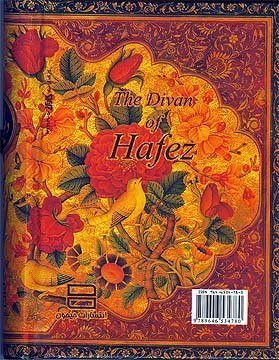
The Divan
.
566 pages, Hardcover
First published January 1, 1390
About the author
Hafez
363 books785 followersHāfez (حافظ) (Khwāja Shams-ud-Dīn Muḥammad Ḥāfeẓ-e Shīrāzī) was a Persian poet whose collected works (The Divan) are regarded as a pinnacle of Persian literature and are to be found in the homes of most people in Iran, who learn his poems by heart and still use them as proverbs and sayings.
His life and poems have been the subject of much analysis, commentary and interpretation, influencing post-14th century Persian writing more than any other author
Themes of his ghazals are the beloved, faith, and exposing hypocrisy. His influence in the lives of Persian speakers can be found in "Hafez readings" (fāl-e hāfez, Persian: فال حافظ) and the frequent use of his poems in Persian traditional music, visual art, and Persian calligraphy. His tomb is visited often. Adaptations, imitations and translations of his poems exist in all major languages.
Though Hafez is well known for his poetry, he is less commonly recognized for his intellectual and political contributions. A defining feature of Hafez' poetry is its ironic tone and the theme of hypocrisy, widely believed to be a critique of the religious and ruling establishments of the time. Persian satire developed during the 14th century, within the courts of the Mongol Period. In this period, Hafez and other notable early satirists, such as Ubayd Zakani, produced a body of work that has since become a template for the use of satire as a political device. Many of his critiques are believed to be targeted at the rule of Amir Mobarez Al-Din Mohammad, specifically, towards the disintegration of important public and private institutions. He was a Sufi Muslim.
His work, particularly his imaginative references to monasteries, convents, Shahneh, and muhtasib, ignored the religious taboos of his period, and he found humor in some of his society's religious doctrines. Employing humor polemically has since become a common practice in Iranian public discourse and persian satire is now perhaps the de facto language of Iranian social commentary.
شمس الدین محمد، حافظ شیرازی، ملقب به حافظ و لسان الغیب
مشهورترین و محبوبترین شاعر تاریخ زبان فارسی و ادبیات ایران
حوالی سال ۷۲۶ هجری قمری در شیراز متولد شد. علوم و فنون را در محفل درس برترین استادان زمان فراگرفت و در علوم ادبی عصر پایهای رفیع یافت. خاصه در علوم فقهی و الهی تأمل بسیار کرد و قرآن را با چهارده روایت مختلف از برداشت. پژوهشگران احتمال میدهند همین دلیل باعث شده لقب او حافظ شود. حافظ مسلمان و شیعه مذهب بود و در وادی سلوک و طریقت، عرفان خاص خود را داشت. دیوان اشعار او شامل غزلیات، چند قصیده، چند مثنوی، قطعات و رباعیات است. اما در شعر آنچه بیش از همه او را دست نیافتنی کرده است غزلهای حافظ است. حافظ در سال ۷۹۲ هجری قمری در شیراز درگذشت. آرامگاه او در حافظیهٔ شیراز زیارتگاه صاحبنظران و عاشقان شعر و ادب پارسی است. او همواره و
همچنان برای ادبیات پس از خود الهامبخش و تاثیرگذار بوده است
شعرِ حافظ در زمان آدم اندر باغ خُلد
دفترِ نسرین و گُل را زینتِ اوراق بود
His life and poems have been the subject of much analysis, commentary and interpretation, influencing post-14th century Persian writing more than any other author
Themes of his ghazals are the beloved, faith, and exposing hypocrisy. His influence in the lives of Persian speakers can be found in "Hafez readings" (fāl-e hāfez, Persian: فال حافظ) and the frequent use of his poems in Persian traditional music, visual art, and Persian calligraphy. His tomb is visited often. Adaptations, imitations and translations of his poems exist in all major languages.
Though Hafez is well known for his poetry, he is less commonly recognized for his intellectual and political contributions. A defining feature of Hafez' poetry is its ironic tone and the theme of hypocrisy, widely believed to be a critique of the religious and ruling establishments of the time. Persian satire developed during the 14th century, within the courts of the Mongol Period. In this period, Hafez and other notable early satirists, such as Ubayd Zakani, produced a body of work that has since become a template for the use of satire as a political device. Many of his critiques are believed to be targeted at the rule of Amir Mobarez Al-Din Mohammad, specifically, towards the disintegration of important public and private institutions. He was a Sufi Muslim.
His work, particularly his imaginative references to monasteries, convents, Shahneh, and muhtasib, ignored the religious taboos of his period, and he found humor in some of his society's religious doctrines. Employing humor polemically has since become a common practice in Iranian public discourse and persian satire is now perhaps the de facto language of Iranian social commentary.
شمس الدین محمد، حافظ شیرازی، ملقب به حافظ و لسان الغیب
مشهورترین و محبوبترین شاعر تاریخ زبان فارسی و ادبیات ایران
حوالی سال ۷۲۶ هجری قمری در شیراز متولد شد. علوم و فنون را در محفل درس برترین استادان زمان فراگرفت و در علوم ادبی عصر پایهای رفیع یافت. خاصه در علوم فقهی و الهی تأمل بسیار کرد و قرآن را با چهارده روایت مختلف از برداشت. پژوهشگران احتمال میدهند همین دلیل باعث شده لقب او حافظ شود. حافظ مسلمان و شیعه مذهب بود و در وادی سلوک و طریقت، عرفان خاص خود را داشت. دیوان اشعار او شامل غزلیات، چند قصیده، چند مثنوی، قطعات و رباعیات است. اما در شعر آنچه بیش از همه او را دست نیافتنی کرده است غزلهای حافظ است. حافظ در سال ۷۹۲ هجری قمری در شیراز درگذشت. آرامگاه او در حافظیهٔ شیراز زیارتگاه صاحبنظران و عاشقان شعر و ادب پارسی است. او همواره و
همچنان برای ادبیات پس از خود الهامبخش و تاثیرگذار بوده است
شعرِ حافظ در زمان آدم اندر باغ خُلد
دفترِ نسرین و گُل را زینتِ اوراق بود
Ratings & Reviews
Friends & Following
Create a free account to discover what your friends think of this book!
Community Reviews
Displaying 1 - 1 of 1 review

February 10, 2026
«No te aflijas, Hafiz, en el rincón humilde en que te crees pobre y en el abandono de las noches oscuras, pues te quedan aún tu canción y tu amor.»
Vaya sorpresa tan encantadora, la de encontrarse con la poesía de este persa. A pesar de la enorme distancia geográfica y cultural que nos separa de su mundo, sus versos hacen resonar sentimientos universales. Como diría aquel viejo sabio romano, soy hombre y nada de lo humano me es ajeno, y así uno descubre, leyendo a un poeta de hace casi siete siglos, que las penas son semejantes, que el sentimiento de pérdida cuando el ser amado se ausenta ha sido el mismo para todos los hombres y todas las culturas.
Sin embargo, al adentrarme en su obra, una pregunta comenzó a rondarme con insistencia: ¿por qué en la poesía sufí se canta a Dios como si fuera una mujer hermosa que desdeña al amante? Al leer los gazales, estos parecen poemas del más refinado romanticismo cortesano, plagados de lamentos por la ausencia y los desplantes de la amada, de alabanzas a sus cejas arqueadas, sus mejillas tiernas y sus ojos de gacela. Pero en realidad, el poema no versa sobre el amor humano, sino que este es un símbolo para expresar la relación del místico sufí con lo divino. Esto se comprende cuando entendemos que, para el sufismo, Dios se canta como una amada porque la experiencia de lo divino se vive como una experiencia de amor, no como una relación jurídica, doctrinal o moral. El sufismo no busca explicar a Dios, sino desearlo, perderse en Él, sufrirlo y buscarlo. Y el lenguaje humano que mejor nombra ese estado es, precisamente, el del amor erótico. Además, para el sufí, Dios es absoluto y sin género, pero el amante sí tiene cuerpo, deseo y herida. El poema, entonces, no describe a Dios tal como es, sino tal como es vivido. En este paralelo surge una intuición aún más honda: lo femenino aparece como lo receptivo, lo bello, lo que atrae y desarma, frente al ego masculino, entendido como poder, control y rigidez.
Otro aspecto que me intrigó fue la omnipresencia del vino. Este aparece una y otra vez como aliado del poeta, ayudándolo a olvidar el mundo exterior y a reconfortarse ante los desplantes de la amada. Pero el vino es también mucho más: es el signo del amor divino, la embriaguez es el éxtasis místico y la taberna, el lugar donde el ego se disuelve. Esta idea del alcohol como disolvente del ego es particularmente poderosa, pues es en la embriaguez donde se nos caen las caretas, donde el superyó freudiano y las apariencias sociales se desvanecen. Esa disolución del ego lleva a Hafez a afirmar: «es peor estar sobrio y lleno de orgullo que ebrio y vacío de sí».
En fin, los cincuenta gazales que leí en mi edición abordan aún más temas, con una riqueza de imágenes poéticas y una profundidad espiritual que un simple comentario no puede desmenuzar en su totalidad. Solo me resta decir que muchos de sus versos resonaron profundamente en mi interior y, sin ser un místico musulmán, pude ponerme en los zapatos del poeta. Porque en algún momento de mi vida amé así, con todo mi ser puesto en una esperanza. Y por ello entendí que el sufí canta a Dios como a una mujer porque Dios no se alcanza con la razón, sino con el deseo, y el lenguaje más honesto del deseo humano es, quizás, el amor por una mujer.
Vaya sorpresa tan encantadora, la de encontrarse con la poesía de este persa. A pesar de la enorme distancia geográfica y cultural que nos separa de su mundo, sus versos hacen resonar sentimientos universales. Como diría aquel viejo sabio romano, soy hombre y nada de lo humano me es ajeno, y así uno descubre, leyendo a un poeta de hace casi siete siglos, que las penas son semejantes, que el sentimiento de pérdida cuando el ser amado se ausenta ha sido el mismo para todos los hombres y todas las culturas.
Sin embargo, al adentrarme en su obra, una pregunta comenzó a rondarme con insistencia: ¿por qué en la poesía sufí se canta a Dios como si fuera una mujer hermosa que desdeña al amante? Al leer los gazales, estos parecen poemas del más refinado romanticismo cortesano, plagados de lamentos por la ausencia y los desplantes de la amada, de alabanzas a sus cejas arqueadas, sus mejillas tiernas y sus ojos de gacela. Pero en realidad, el poema no versa sobre el amor humano, sino que este es un símbolo para expresar la relación del místico sufí con lo divino. Esto se comprende cuando entendemos que, para el sufismo, Dios se canta como una amada porque la experiencia de lo divino se vive como una experiencia de amor, no como una relación jurídica, doctrinal o moral. El sufismo no busca explicar a Dios, sino desearlo, perderse en Él, sufrirlo y buscarlo. Y el lenguaje humano que mejor nombra ese estado es, precisamente, el del amor erótico. Además, para el sufí, Dios es absoluto y sin género, pero el amante sí tiene cuerpo, deseo y herida. El poema, entonces, no describe a Dios tal como es, sino tal como es vivido. En este paralelo surge una intuición aún más honda: lo femenino aparece como lo receptivo, lo bello, lo que atrae y desarma, frente al ego masculino, entendido como poder, control y rigidez.
Otro aspecto que me intrigó fue la omnipresencia del vino. Este aparece una y otra vez como aliado del poeta, ayudándolo a olvidar el mundo exterior y a reconfortarse ante los desplantes de la amada. Pero el vino es también mucho más: es el signo del amor divino, la embriaguez es el éxtasis místico y la taberna, el lugar donde el ego se disuelve. Esta idea del alcohol como disolvente del ego es particularmente poderosa, pues es en la embriaguez donde se nos caen las caretas, donde el superyó freudiano y las apariencias sociales se desvanecen. Esa disolución del ego lleva a Hafez a afirmar: «es peor estar sobrio y lleno de orgullo que ebrio y vacío de sí».
En fin, los cincuenta gazales que leí en mi edición abordan aún más temas, con una riqueza de imágenes poéticas y una profundidad espiritual que un simple comentario no puede desmenuzar en su totalidad. Solo me resta decir que muchos de sus versos resonaron profundamente en mi interior y, sin ser un místico musulmán, pude ponerme en los zapatos del poeta. Porque en algún momento de mi vida amé así, con todo mi ser puesto en una esperanza. Y por ello entendí que el sufí canta a Dios como a una mujer porque Dios no se alcanza con la razón, sino con el deseo, y el lenguaje más honesto del deseo humano es, quizás, el amor por una mujer.
Displaying 1 - 1 of 1 review