كساحر لا يكف عن إبهارنا لحظة ، تأخذنا ( دافنى دومورييه ) من قصة غريبة غامضة إلى قصة أغرب وأكثر غموضًا .. ساحرتان عجوزان تسيطران على زوجة أضناها الألم .. مهندس إلكترونيات شاب يتورط فى تجربة غامضة تتعلق بالموت والحياة .. مدرس يهوى الرسم لا يختـار لإقامته سـوى الشاليه رقم (62) ، الذى يهابه الجميع ، لكن أحدًا لا يتكلم عن سره المخيف..
يحتوي هذا الكتاب على ثلاثة قصص: لا تنظري الآن الاختراق ليس بعد منتصف الليل
Daphne du Maurier was born on 13 May 1907 at 24 Cumberland Terrace, Regent's Park, London, the middle of three daughters of prominent actor-manager Sir Gerald du Maurier and actress Muriel, née Beaumont. In many ways her life resembles a fairy tale. Born into a family with a rich artistic and historical background, her paternal grandfather was author and Punch cartoonist George du Maurier, who created the character of Svengali in the 1894 novel Trilby, and her mother was a maternal niece of journalist, author, and lecturer Comyns Beaumont. She and her sisters were indulged as a children and grew up enjoying enormous freedom from financial and parental restraint. Her elder sister, Angela du Maurier, also became a writer, and her younger sister Jeanne was a painter.
She spent her youth sailing boats, travelling on the Continent with friends, and writing stories. Her family connections helped her establish her literary career, and she published some of her early work in Beaumont's Bystander magazine. A prestigious publishing house accepted her first novel when she was in her early twenties, and its publication brought her not only fame but the attentions of a handsome soldier, Major (later Lieutenant-General Sir) Frederick Browning, whom she married.
She continued writing under her maiden name, and her subsequent novels became bestsellers, earning her enormous wealth and fame. Many have been successfully adapted into films, including the novels Rebecca, Frenchman's Creek, My Cousin Rachel, and Jamaica Inn, and the short stories The Birds and Don't Look Now/Not After Midnight. While Alfred Hitchcock's films based upon her novels proceeded to make her one of the best-known authors in the world, she enjoyed the life of a fairy princess in a mansion in Cornwall called Menabilly, which served as the model for Manderley in Rebecca.
Daphne du Maurier was obsessed with the past. She intensively researched the lives of Francis and Anthony Bacon, the history of Cornwall, the Regency period, and nineteenth-century France and England. Above all, however, she was obsessed with her own family history, which she chronicled in Gerald: A Portrait, a biography of her father; The du Mauriers, a study of her family which focused on her grandfather, George du Maurier, the novelist and illustrator for Punch; The Glassblowers, a novel based upon the lives of her du Maurier ancestors; and Growing Pains, an autobiography that ignores nearly 50 years of her life in favour of the joyful and more romantic period of her youth. Daphne du Maurier can best be understood in terms of her remarkable and paradoxical family, the ghosts which haunted her life and fiction.
While contemporary writers were dealing critically with such subjects as the war, alienation, religion, poverty, Marxism, psychology and art, and experimenting with new techniques such as the stream of consciousness, du Maurier produced 'old-fashioned' novels with straightforward narratives that appealed to a popular audience's love of fantasy, adventure, sexuality and mystery. At an early age, she recognised that her readership was comprised principally of women, and she cultivated their loyal following through several decades by embodying their desires and dreams in her novels and short stories.
In some of her novels, however, she went beyond the technique of the formulaic romance to achieve a powerful psychological realism reflecting her intense feelings about her father, and to a lesser degree, her mother. This vision, which underlies Julius, Rebecca and The Parasites, is that of an author overwhelmed by the memory of her father's commanding presence. In Julius and The Parasites, for example, she introduces the image of a domineering but deadly father and the daring subject of incest.
In Rebecca, on the other hand, du Maurier fuses psychological realism with a sophisticated version of the Cinderella story.
اسم الكتاب📚 : لا تنظري الآن اسم الكاتب ✒: دافني دو مرييه عدد صفحات الكتاب📄 : 154صفحة نوع الكتاب :رعب تقييم الكتاب 🌟: 2/5
نوع القراءة : إلكتروني 💻
إنطباعات شخصية ✉ :
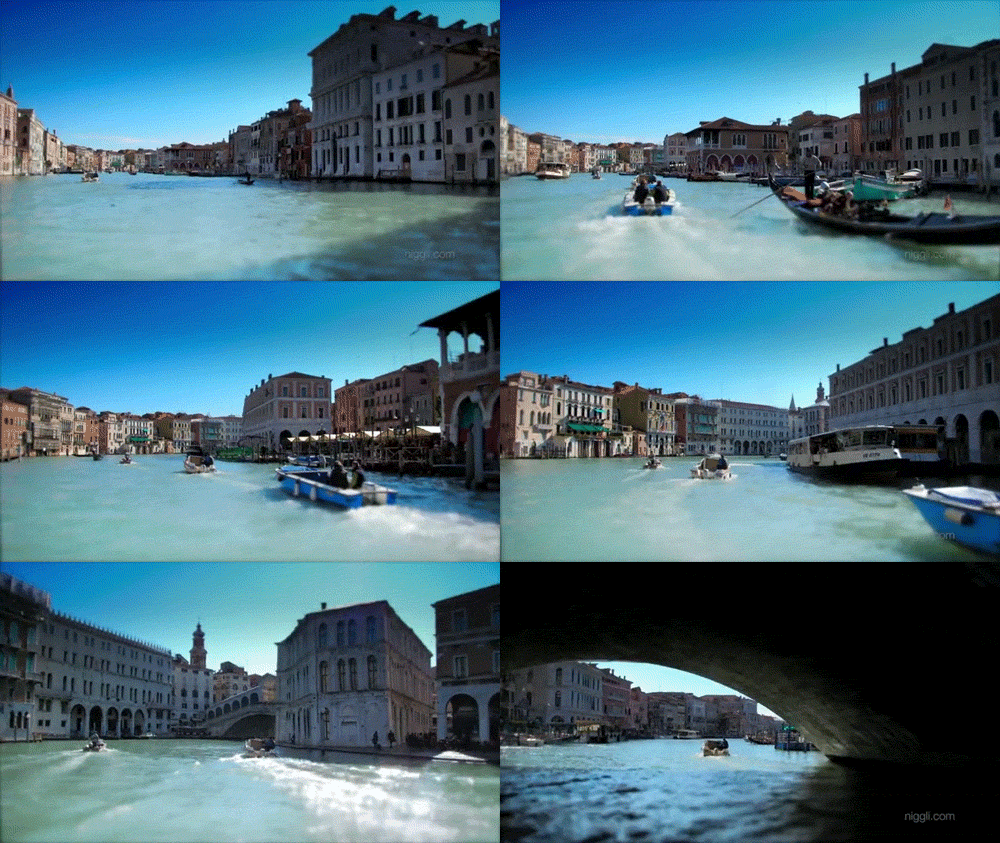
📌 ملخص الكتاب : لا تنظري الآن : جون و لورا زوجان يقضيان عطلتهما في فينيسيا بغية التخلص من ذكرى ابنتهم الميتة لكنهم يلتقون صدفة بعجوزين توأمين إحداهما كفيفة لها القدرة على التبصر فتخبر الزوجة انها رأت ابنتها لترتاح بعد ذلك لكن التوأمتان تصران على تتبعهما في كل مكان في الكاتيدرائية في المطاعم بين الازقة ليهرب الزوج منهما و رغم ذلك يتلقيا تحذيرا بمغادة المدينة و برقية تتضمن مرض ابنهما فتغاذر الزوجة على عجل بالطائرة و يلحق الزوج بها في السيارة لكن اثناء عبوره البحر يشاهد زوجته رفقة التوأمتين مما يستدعي رجوعه و البحب عنهن و كذا تبليغ الشرطة و حين قبض عليهما علم ان زوجته في لندن و ان ما رآه حسب الكهانة عندما اوصلها لمنزلها سيحدث في المستقبل و ما ان ودعهما حتا التقى بسفاح فينيسيا المطلوب من العدالة على هيئة قزم قتله لتتحق رؤية الكفيفة . الاختراق : عن ستيف مهندس الصوتيات الذي نقل تحت طلب مديره الى مكتب رادارات حيث يقوم رفيقه بتجربة غريبة اذ ينتوي حجز الطاقة الناجمة عن الموت و اعادتها لجسد كين الفتى مصاب بسرطان الدم بعد موته و باستخدام ثلاث اجهزة الكترونية لاحتجاز الطاقة و التراسل مع الميت و كذا نايك طفلة متخلفة عقليا لكن ارتباك و جنون هاته الاخيرة يظطر مايك صاحب المشروع الى الغاء التجربة بعدما حجز الطاقة التي منعت كين من الموت فانتهت التجربة و استقال مايك من المشروع و انهائه . ليس بعد منصف الليل : غن ذالك الاستاذ الذي سافر لجزيرة كريت طلبا للراحة و مزاولة هواة الرسم لكنه يتفاجأ بأمور مرعبة تدور في الخفاء فقد غرق الشخص الذي سكن غرفته قبله و هناك زوجان مخبولان يمارسان الصيد الغوص يوميا بالاضافة انهما يراقبون الشاليه الخاص به مما يدفعه لتتبعهم حتى يكتشف سرهم المتعلق بسرقة و تهريب الآثار الغارقة فيخاولون قتله كما حدث مع النزيل السابق و حين يفشلون يرشونه بتحفة و يغادرون الفنذق لكنه يجد بعد ذلك جثة الزوج بينما الزوجة تنقل الآثار خارجا
ثلاث من القصص الجميلة. مكتوبة باحترافية نسائية. سلاحها التشويق ثم التشويق ثم التشويق. عيبها الوحيد تلك النهايات التي لا تتناسب مع ذلك الكم من التشويق. فهي نهايات باهتة لا تشبع القاريء.