

What do you think?

Wagner's Ring of the Nibelung #2
Die Walkure
Book by
274 pages, Paperback
First published January 1, 1856
About the author
Richard Wagner
3,404 books195 followersGermanic legends often based romantic operas of especially known composer Richard Wagner, who worked
Tannhäuser
(1845) and the tetralogy
Der Ring des Nibelungen
(1853-1876).
From 1872, Richard Wagner lived at Bayreuth to 1883 and designed the opera house, used chiefly for performances of his works.
Works of Jacques Martin Barzun include Darwin, Marx, Wagner (1941).
Wilhelm Richard Wagner conducted, directed theater, and authored essays, primarily for his later called "music dramas." Unlike most other greats, Wagner wrote the scenario and libretto.
https://en.wikipedia.org/wiki/Richard...
From 1872, Richard Wagner lived at Bayreuth to 1883 and designed the opera house, used chiefly for performances of his works.
Works of Jacques Martin Barzun include Darwin, Marx, Wagner (1941).
Wilhelm Richard Wagner conducted, directed theater, and authored essays, primarily for his later called "music dramas." Unlike most other greats, Wagner wrote the scenario and libretto.
https://en.wikipedia.org/wiki/Richard...
Ratings & Reviews
Friends & Following
Create a free account to discover what your friends think of this book!
Community Reviews
Displaying 1 - 21 of 21 reviews

November 10, 2020
The first time I listened to a full version of Die Walküre, I was a teenager, and it got right into my bloodstream. It has never left me since, and I’ll probably keep it in my heart to my dying day. This opera is just mind-blowing. Wagner once wrote to one of his friends that he had composed the most beautiful piece of music! He didn’t care much about coming across as a pompous ass (which he was). But, I have to admit, in this case, he was right!
The story is a complete rewriting of Norse and Germanic mythology: the magic sword locked inside a tree trunk, the banquet of the Gods, Wotan (aka Odin) the one-eyed god, the horse-riding goddesses who collect the dead warriors like ravens feeding on carrion, etc. But Wagner boiled down all this legendary jumble into his musical and dramatic crucible and created a tragedy of epic proportions and unapologetic psychological insight. For instance, the relationship between Sieglinde and Siegmund as depicted here is undoubtedly a case of proto-feminism, where a woman is enslaved to her husband, but finds love... with who happens to be her brother. As Nietzsche later said, “what is done out of love always takes place beyond good and evil.” In any case, this is an immense drama that — just like the whole of the Ring — starts with a pouring flood and ends with a soaring blaze.
However, the beating heart of this opera doesn’t rest so much on the story, the plot or whatever happens on stage, as in the incredibly lush, vibrant and penetrating architecture of the orchestration. The sound of Die Walküre is, contrary to common belief, generally soft, sometimes gritty, often dark, sombre, contrasting here and there with intense beams of light (the spring, the sword, the horse ride, the ring of fire) in an otherwise universal twilight. Characteristically, Wagner replaced most usual leading instruments by their lower-pitched counterpart (cello, double bass, cor anglais, bass clarinet, bassoon, bass trumpet, tubas), and made them even more prominent through some of the most memorable solo sections dedicated to these instruments, like pieces of chamber music interspersed within this colossal score. And indeed these are the expressive, emotional soul of Wagner’s opera, at times longing with desire and lust, at times weeping with despair and loss.
And don’t get me started on the last half hour of this masterpiece (the final, sensual duo between Wotan and Brünnhilde — you might want to compare that to the last, heartbreaking moments between King Lear and Cordelia). There is nothing quite like this!
My favourite versions: Solti/Vienna Phil. (1965), Karajan/Berlin Phil. (1966), Boulez/Bayreuth Fest. (1976), Rattle/Berlin Phil. (2012).
Last thing: Wagner’s operas may appear, on first impression, tedious and a bit hoity-toity. But think of their prevalent influence on contemporary culture, especially on widely acclaimed works such as The Lord of the Rings or Star Wars, and particularly on John Williams’s movie scores (and his relentless use of leitmotiv).
Edit: see also my review of the full Ring of the Nibelung
The story is a complete rewriting of Norse and Germanic mythology: the magic sword locked inside a tree trunk, the banquet of the Gods, Wotan (aka Odin) the one-eyed god, the horse-riding goddesses who collect the dead warriors like ravens feeding on carrion, etc. But Wagner boiled down all this legendary jumble into his musical and dramatic crucible and created a tragedy of epic proportions and unapologetic psychological insight. For instance, the relationship between Sieglinde and Siegmund as depicted here is undoubtedly a case of proto-feminism, where a woman is enslaved to her husband, but finds love... with who happens to be her brother. As Nietzsche later said, “what is done out of love always takes place beyond good and evil.” In any case, this is an immense drama that — just like the whole of the Ring — starts with a pouring flood and ends with a soaring blaze.
However, the beating heart of this opera doesn’t rest so much on the story, the plot or whatever happens on stage, as in the incredibly lush, vibrant and penetrating architecture of the orchestration. The sound of Die Walküre is, contrary to common belief, generally soft, sometimes gritty, often dark, sombre, contrasting here and there with intense beams of light (the spring, the sword, the horse ride, the ring of fire) in an otherwise universal twilight. Characteristically, Wagner replaced most usual leading instruments by their lower-pitched counterpart (cello, double bass, cor anglais, bass clarinet, bassoon, bass trumpet, tubas), and made them even more prominent through some of the most memorable solo sections dedicated to these instruments, like pieces of chamber music interspersed within this colossal score. And indeed these are the expressive, emotional soul of Wagner’s opera, at times longing with desire and lust, at times weeping with despair and loss.
And don’t get me started on the last half hour of this masterpiece (the final, sensual duo between Wotan and Brünnhilde — you might want to compare that to the last, heartbreaking moments between King Lear and Cordelia). There is nothing quite like this!
My favourite versions: Solti/Vienna Phil. (1965), Karajan/Berlin Phil. (1966), Boulez/Bayreuth Fest. (1976), Rattle/Berlin Phil. (2012).
Last thing: Wagner’s operas may appear, on first impression, tedious and a bit hoity-toity. But think of their prevalent influence on contemporary culture, especially on widely acclaimed works such as The Lord of the Rings or Star Wars, and particularly on John Williams’s movie scores (and his relentless use of leitmotiv).
Edit: see also my review of the full Ring of the Nibelung

January 5, 2020
What drama, what passion, what struggle. The Valkyrie is the second out of four operas that make up Wagner's infamous Ring of the Nibelung and it's one of the most impressive ones.
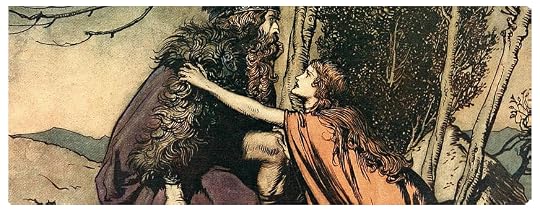
First of all, I love the story and the fantastical elements in it. In the preceding opera The Rhinegold, we were introduced to Wotan, the leader of Gods, who is obsessively trying to hold on to his power, for which he needs to be in possession of the ring and the gold that is now protected by the dragon Fafner.
In between when we last caught up with him though, he went off on a little journey of his own, leaving his wife Fricka (protector of the martial union, mind you) for a bit just to check out what Erda was doing – a little trip that resulted in nine daughters aka the Valkyrie. Oh, and he's also got those twins that don't actually know they're related when they realise that they just really like each other. Like, really really like each other.
But back to the Valkyrie – what magical creatures they are! Strong women and warrior, that collect fallen men from battlefields to take them to Walhalla. Things get complicated when Brünnhilde, Wotan's favourite, wants to protect his son, yet Wotan's wife Fricka wants him to die, since he was the result of her husband cheating on her. Oh dear!
All this is told in insane four hours. It's beyond my comprehension how the singers are able to learn that amount of lines by heart and perform them seamlessly. The music, as per usual, is full of leitmotivs and dramatic movements that even left their mark on contemporary pop culture. Apocalypse Now wouldn't have been the same without its use of Wagner's Ride of the Valkyries. A masterpiece.
First of all, I love the story and the fantastical elements in it. In the preceding opera The Rhinegold, we were introduced to Wotan, the leader of Gods, who is obsessively trying to hold on to his power, for which he needs to be in possession of the ring and the gold that is now protected by the dragon Fafner.
In between when we last caught up with him though, he went off on a little journey of his own, leaving his wife Fricka (protector of the martial union, mind you) for a bit just to check out what Erda was doing – a little trip that resulted in nine daughters aka the Valkyrie. Oh, and he's also got those twins that don't actually know they're related when they realise that they just really like each other. Like, really really like each other.
But back to the Valkyrie – what magical creatures they are! Strong women and warrior, that collect fallen men from battlefields to take them to Walhalla. Things get complicated when Brünnhilde, Wotan's favourite, wants to protect his son, yet Wotan's wife Fricka wants him to die, since he was the result of her husband cheating on her. Oh dear!
All this is told in insane four hours. It's beyond my comprehension how the singers are able to learn that amount of lines by heart and perform them seamlessly. The music, as per usual, is full of leitmotivs and dramatic movements that even left their mark on contemporary pop culture. Apocalypse Now wouldn't have been the same without its use of Wagner's Ride of the Valkyries. A masterpiece.

February 7, 2020
La primera vez que leí este libreto fue sin música, apoyado solo con un doble cassete de extractos de la Tetralogía, y entonces me subyugó la tragedia de Sigfrid y Brinild. Ahora, no lograría discernir si estamos ante un material dramático no muy autosuficiente, pero sí que es una plataforma formidable para engarzar la música brutal de Wagner.

June 27, 2022
Interesante la historia. Recomendable para amantes de la mitología nórdica que quieran ampliar sus conocimientos.
February 21, 2025
konu Yüzüklerin Efendisinden bambaşka yerlere geldi. bakalım daha neler olacak

April 25, 2023
Fato e Amore in lotta
Secondo capitolo della tetralogia wagneriana, centrato su uno scontro siderale ed eterno tra il Fato (leggi, ordine, gerarchia, struttura sociale, tradizione, ragione) e l’Amore (disordine, rottura, rivolta, passione).
Verrebbe da invocare il dualismo nietzschiano tra apollineo e dionisiaco, ma mi pare che Wagner resti comunque legato ad una concezione tardo-romantico (di impianto classico) che indulge sull'elemento irrazionale e melodrammatico dell'amore nuovo che lotta contro l'ordine vecchio, piuttosto che fare uno scatto filosofico.
In ogni caso, una notevole costruzione epica che echeggia certi stilemi classici (la lotta tra Hunding e Siegmund assistiti dagli dei non può che ricordare il duello tra Ettore ed Achille, le Valchirie novelle Amazzoni libere e vergini, gli dei soggetti al Fato) ma presenta anche elementi originali come l'incesto come evento giustificabile (e che darà come frutto un eroe della libertà).
Notevole la frase di Wotan (pur destinato alla sconfitta contro l'ordine sociale e storico rappresentato dalla moglie Fricka):
Solo la tradizione riesci a comprendere, ma il mio pensiero mira a tutto ciò che ancora non è avvenuto.
Sul piano letterario, alcuni passaggi molto interessanti come nel dialogo poetico tra Wotan e Brunnhilde e, soprattutto, l'uso degli eteronimi per Wotan e per Siegmund derivati da elementi naturali e concetti astratti. Wotan per le Valchirie è HeerVater, WalVater; mentre per Siegmund è Wolfe e quindi esso stesso è Wolfing.
Siegmund dice:
Friedmund (portatore e protettore della pace) non ho il diritto di chiamarmi; Frohwalt (signore della gioia) ben vorrei io essere: Wehwalt (colui che vive nel e del dolore) io debbo invece nominarmi
Nel nome c'è l'essenza del personaggio, la sua relazione con gli altri - nel nome c'è il destino - cambiare il nome è simbolo della possibilità di mutare il progredire degli eventi.
Come in tutta la tetralogia fondamentale resta la creazione di una atmosfera composta da rocce, tenebre, tempeste, abeti, crepacci e luci improvvise che si basa principalmente sul testo, che è molto di più di semplici battute di dialogo.
Secondo capitolo della tetralogia wagneriana, centrato su uno scontro siderale ed eterno tra il Fato (leggi, ordine, gerarchia, struttura sociale, tradizione, ragione) e l’Amore (disordine, rottura, rivolta, passione).
Verrebbe da invocare il dualismo nietzschiano tra apollineo e dionisiaco, ma mi pare che Wagner resti comunque legato ad una concezione tardo-romantico (di impianto classico) che indulge sull'elemento irrazionale e melodrammatico dell'amore nuovo che lotta contro l'ordine vecchio, piuttosto che fare uno scatto filosofico.
In ogni caso, una notevole costruzione epica che echeggia certi stilemi classici (la lotta tra Hunding e Siegmund assistiti dagli dei non può che ricordare il duello tra Ettore ed Achille, le Valchirie novelle Amazzoni libere e vergini, gli dei soggetti al Fato) ma presenta anche elementi originali come l'incesto come evento giustificabile (e che darà come frutto un eroe della libertà).
Notevole la frase di Wotan (pur destinato alla sconfitta contro l'ordine sociale e storico rappresentato dalla moglie Fricka):
Solo la tradizione riesci a comprendere, ma il mio pensiero mira a tutto ciò che ancora non è avvenuto.
Sul piano letterario, alcuni passaggi molto interessanti come nel dialogo poetico tra Wotan e Brunnhilde e, soprattutto, l'uso degli eteronimi per Wotan e per Siegmund derivati da elementi naturali e concetti astratti. Wotan per le Valchirie è HeerVater, WalVater; mentre per Siegmund è Wolfe e quindi esso stesso è Wolfing.
Siegmund dice:
Friedmund (portatore e protettore della pace) non ho il diritto di chiamarmi; Frohwalt (signore della gioia) ben vorrei io essere: Wehwalt (colui che vive nel e del dolore) io debbo invece nominarmi
Nel nome c'è l'essenza del personaggio, la sua relazione con gli altri - nel nome c'è il destino - cambiare il nome è simbolo della possibilità di mutare il progredire degli eventi.
Come in tutta la tetralogia fondamentale resta la creazione di una atmosfera composta da rocce, tenebre, tempeste, abeti, crepacci e luci improvvise che si basa principalmente sul testo, che è molto di più di semplici battute di dialogo.

December 18, 2015
Nella seconda opera del ciclo dell'anello, Wagner dà probabilmente il peggio di sé in quanto a scrittura.
Sebbene Brunilde e Odino siano ottimi personaggi, analizzati in tutto lo spettro emotivo (anche se l'Odino della valchiria è altamente depresso), il resto dei personaggi rimane un po' oscurato, o analizzato malamente. Non parliamo di Hunding e di Sieglinde , che dovrebbero essere protagonisti, ma non hanno il minimo sviluppo.
Una volta messo da parte l'odio profondo, di fatto l'opera risulta godibile, sicuramente non detestabile quanto il tema di Notung (parliamone)
Sebbene Brunilde e Odino siano ottimi personaggi, analizzati in tutto lo spettro emotivo (anche se l'Odino della valchiria è altamente depresso), il resto dei personaggi rimane un po' oscurato, o analizzato malamente. Non parliamo di Hunding e di Sieglinde , che dovrebbero essere protagonisti, ma non hanno il minimo sviluppo.
Una volta messo da parte l'odio profondo, di fatto l'opera risulta godibile, sicuramente non detestabile quanto il tema di Notung (parliamone)

July 2, 2019
I read this after watching the HD version of this opera performance from the Met. Watching it on a movie screen in my little town in Idaho brought me such delight and overcame completely my fears of Wagnerian Opera. I recommend this book and the Met HD series for everyone!
October 6, 2022
An amazing book for opera nerds or just people fascinated by arguably the most famous of the Ring cycle. Makes leitmotifs and musical returns in opera become accessible to beginners. Faithful translation you can see side by side. Fascinating marginalia that comments on meanings in the text as well as referencing notes Wagner left for conductors and singers.
Be thankful you don't have a King for a fanboy though. Description of that odd relationship between Wagner and his patron brought to life in the end notes was rubber neck worthy. Couldn't look away. Yikes!
Be thankful you don't have a King for a fanboy though. Description of that odd relationship between Wagner and his patron brought to life in the end notes was rubber neck worthy. Couldn't look away. Yikes!

March 26, 2023
3.5 Sterne
Siegfried der Drachentöter, Brünnhilde, die Walküren und Hagen – viele dieser Namen sind mir ein Begriff, aber die ganze Geschichte dahinter war mir nicht bekannt. Perfekt also, dass Regine Ahrem Wagners Opernzyklus (wiederum basierend auf der skandinavischen Nibelungensage und dem mittelalterlichen Nibelungenlied) für ein heutiges Publikum in moderne Sprache übersetzt und diese Hörspieladaption ins Leben gerufen hat. Die Produktion ist beeindruckend: tolle Sprecher*innen und gewaltiger Sound, inklusive Wagners epischen Kompositionen. Außerdem wurde das ganze mit der sogenannten Kunstkopftechnik aufgenommen, was bedeutet, dass der Sound (zumindest durch Kopfhörer) nicht nur von rechts und links, sondern auch von oben und unten kommt. Ich kann aus Erfahrung sagen, dass das dazu verleitet, sich unterwegs manchmal irritiert über die Geräusche hinter sich umzudrehen. Der Plot selbst schreitet rasant voran und ist voller Spannung, Intrigen und großen Emotionen. Für Tolkien-Fans dürfte außerdem die eindeutige Inspirationsquelle für den Ring-Mythos interessant sein. Inhaltlich haben mir Teil 1 und 4 am besten gefallen. Siegfried selbst finde ich ein bisschen doof. War sicher nicht das letzte Mal, dass ich mir dieses Hörspielkunstwerk angehört habe.
Siegfried der Drachentöter, Brünnhilde, die Walküren und Hagen – viele dieser Namen sind mir ein Begriff, aber die ganze Geschichte dahinter war mir nicht bekannt. Perfekt also, dass Regine Ahrem Wagners Opernzyklus (wiederum basierend auf der skandinavischen Nibelungensage und dem mittelalterlichen Nibelungenlied) für ein heutiges Publikum in moderne Sprache übersetzt und diese Hörspieladaption ins Leben gerufen hat. Die Produktion ist beeindruckend: tolle Sprecher*innen und gewaltiger Sound, inklusive Wagners epischen Kompositionen. Außerdem wurde das ganze mit der sogenannten Kunstkopftechnik aufgenommen, was bedeutet, dass der Sound (zumindest durch Kopfhörer) nicht nur von rechts und links, sondern auch von oben und unten kommt. Ich kann aus Erfahrung sagen, dass das dazu verleitet, sich unterwegs manchmal irritiert über die Geräusche hinter sich umzudrehen. Der Plot selbst schreitet rasant voran und ist voller Spannung, Intrigen und großen Emotionen. Für Tolkien-Fans dürfte außerdem die eindeutige Inspirationsquelle für den Ring-Mythos interessant sein. Inhaltlich haben mir Teil 1 und 4 am besten gefallen. Siegfried selbst finde ich ein bisschen doof. War sicher nicht das letzte Mal, dass ich mir dieses Hörspielkunstwerk angehört habe.

June 7, 2019
I liked the thing Wotan said to Fricka at some point in Act 2: That all she knew was what had already been done and would be done over and over again, but that he wanted to do things that had never before been done (as usual, and perhaps as is right, she would not have it, said he was trying to trick her).

May 27, 2021
Conté con la fortuna de tener una edición con la musicalidad.... Asi que fueron casi 4 horas acompañando a Sieglinde y Siegmung.... Sufriendo por Brunnhilde y su triste despedida de la presencia de Wotan.... Es extraordinaria!!!!!!!!!!!
May 6, 2026
Wagner's ability to manipulate and subvert the audience in multifaceted and layered dialogue that challenges determinism and entropy simultaneously is put on full display in his arrangement of The Valkyrie.

April 21, 2022
Incluso en la adaptación para infantes, la obra no ha perdido su toque.
August 30, 2024
Der Inhalt lässt sich gut in zwei Worten zusammenfassen: Inzest und Misogynie. Aber was hatte ich auch von einem offen antisemitischen Autor erwarten.

Read
November 14, 2024This whole drama takes place at the gates of heaven, always in touch with the absolute.
July 13, 2025
Wotan Realo, Brünnhilde feministische Außenpolitik
November 9, 2023
---Notes---
不行我说不出话来。 第三幕是我听过的最精彩的瓦格纳歌剧。 Brünnhilde的爱情怎能与奥丁的矛盾与痛苦相比,但是她又有怎样的气魄!身为奥丁的造物和工具,她怀着对奥丁的敬畏违抗了他的意志,取得了自由,却命奥丁用火焰将她沉睡之地围起,只有她所爱之人Siegmund的儿子能够唤醒她,据她为己有。她本身也是最英勇的女武神。 可是奥丁呢?奥丁的痛苦太深沉我说不出。说出太痛苦。 题设: 一、奥丁想要的是荣誉和地位。 二、奥丁好色,到处乱日。不仅好色,且内心感情丰富。但情感与他的雄图霸业是不相容的。 三、奥丁不是个高尚完美的神,他是个心计算尽的神王。可是没他的自私与贪婪毁灭了整个神族的永恒。或者说,诸神的黄昏本是命中注定,奥丁以为自己有自由,以为自己能够改变,却终于还是带着自由的假象走向毁灭。 最终奥丁的选择是:毁灭。宁可与他自己创造的世界一同毁灭。
"Wo gegen mich selber ich sehrend mich wandte, aus Ohnmachtschmerzen schäumend ich aufschoss, wütender Sehnsucht sengender Wunsch den schrecklichen Willen mir schuf, in den Trümmern der eignen Welt meine ew'ge Trauer zu enden."
我拍案而起。 Brünnhilde是奥丁的工具之一,也如Frecka指出,是他所爱。继承了奥丁勇武身心的美丽女人,他怎能不爱!(想想(尤其以黑塞为首的)德国男人们心中具有男子气质的女人!)但她只是工具,一旦背叛奥丁,就必须被逐离。 奥丁在绝望中试图拯救他自己建起的伟业,但Brünnhilde只是倾慕Siegfried,怎能与奥丁相比!怎能理解奥丁!终究女人的价值标准和判断力还是差了太多。在霸业面前,爱情当然应该抛弃,可是Brühilde不懂,怎么也不懂,最终要的还是最勇武的男人。她作为工具,又没有自己的霸业,这也许是与她身份地位相符的最霸气的愿望了吧。
"Du folgtest selig der Liebe Macht: folge nun dem, den du lieben musst!"
奥丁的声音里透露出怎样的痛苦与无奈啊!你愿意跟随爱情,那就去吧!“musst”所表达出的必要性说明神也必须顺从命运。奥丁啊,你怎么挣扎也不能改变命运! 130726: 内中并行:而我也将奔向我必将奔向的毁灭!
"Auf dein Gebot entbrenne ein Feuer; den Felsen umglühe lodernde Glut; es leck' ihre Zung', es fresse ihr Zahn den Zagen, der frech sich wagte, dem freislichen Felsen zu nahn!"
想起电影《尼伯龙根的指环》里面霸气的女武神。
"Leb' wohl, du kühnes, herrliches Kind! Du meines Herzens heiligster Stolz! Leb' wohl! Leb' wohl! Leb' wohl! (sehr leidenschaftlich) Muss ich dich meiden, und darf nicht minnig mein Gruss dich mehr grüssen; sollst du nun nicht mehr neben mir reiten, noch Met beim Mahl mir reichen; muss ich verlieren dich, die ich liebe, du lachende Lust meines Auges: ein bräutliches Feuer soll dir nun brennen, wie nie einer Braut es gebrannt! Flammende Glut umglühe den Fels; mit zehrenden Schrecken scheuch' es den Zagen; der Feige fliehe Brünnhildes Fels! - Denn einer nur freie die Braut, der freier als ich, der Gott! (Brünnhilde sinkt, gerührt und begeistert, an Wotans Brust: er hält sie lang umfangen. Sie schlägt das Haupt wieder zurück und blickt, immer noch ihn umfassend, feierlich ergriffen Wotan in das Auge) Der Augen leuchtendes Paar, das oft ich lächelnd gekost, wenn Kampfeslust ein Kuss dir lohnte, wenn kindisch lallend der Helden Lob von holden Lippen dir floss: dieser Augen strahlendes Paar, das oft im Sturm mir geglänzt, wenn Hoffnungssehnen das Herz mir sengte, nach Weltenwonne mein Wunsch verlangte aus wild webendem Bangen: zum letztenmal letz' es mich heut' mit des Lebewohles letztem Kuss! Dem glücklichem Manne glänze sein Stern: dem unseligen Ew'gen muss es scheidend sich schliessen. (Er fasst ihr Haupt in beide Hände) Denn so kehrt der Gott sich dir ab, so küsst er die Gottheit von dir! (Er küsst sie lange auf die Augen. Sie sinkt mit geschlossenen Augen, sanft ermattend, in seinen Armen zurück. Er geleitet sie zart auf einen niedrigen Mooshügel zu liegen, über den sich eine breitästige Tanne ausstreckt. Er betrachtet sie und schliesst ihr den Helm: sein Auge weilt dann auf der Gestalt der Schlafenden, die er nun mit dem grossen Stahlschilde der Walküre ganz zudeckt. Langsam kehrt er sich ab, mit einem schmerzlichen Blicke wendet er sich noch einmal um. Dann schreitet er mit feierlichem Entschlusse in die Mitte der Bühne und kehrt die Spitze seines Speeres gegen einen mächtigen Felsstein.) Loge, hör'! Lausche hieher! Wie zuerst ich dich fand, als feurige Glut, wie dann einst du mir schwandest, als schweifende Lohe; wie ich dich band, bann ich dich heut'! Herauf, wabernde Lohe, umlodre mir feurig den Fels! (Er stösst mit dem Folgenden dreimal mit dem Speer auf den Stein) Loge! Loge! Hieher! (Dem Stein entfährt ein Feuerstrahl, der zur allmählich immer helleren Flammenglut anschwillt. Lichte Flackerlohe bricht aus. Lichte Brunst umgibt Wotan mit wildem Flackern. Er weist mit dem Speere gebieterisch dem Feuermeere den Umkreis des Felsenrandes zur Strömung an; alsbald zieht es sich nach dem Hintergrunde, wo es nun fortwährend den Bergsaum umlodert) Wer meines Speeres Spitze fürchtet, durchschreite das Feuer nie! (Er streckt den Speer wie zum Banne aus, dann blickt er schmerzlich auf Brünnhilde zurück, wendet sich langsam zum Gehen und blickt noch einmal zurück, ehe er durch das Feuer verschwindet. - Der Vorhang fällt)"
珍重。珍重。珍重。 既然不能留你,那就放你去吧,给你自由! 即使你不能再与我并驾齐驱,你这我眼中嬉笑的欢乐!即使你不能再为我斟上蜜酒,你这我眼中嬉笑的欢乐!你这我所爱的! 睡吧,新娘的烈火将在你身周燃烧,从未有火焰为哪个新娘这样熊熊燃烧过! 去吧,珍重,从此我们互不相干,命运的锁链已被割断,你再也不属于我,你这我眼中嬉笑的欢乐,你这我所爱的女武神,我的孩子! 只有那比我这不自由的神更自由的人类能够唤醒你这新娘,我这被命运束缚的神!我将走向诸神的黄昏,与我的世界一同毁灭,而你将走向你向我索要的未来! 让我给你最后一吻,此后你不再为神! 而我将走向毁灭!
不行我说不出话来。 第三幕是我听过的最精彩的瓦格纳歌剧。 Brünnhilde的爱情怎能与奥丁的矛盾与痛苦相比,但是她又有怎样的气魄!身为奥丁的造物和工具,她怀着对奥丁的敬畏违抗了他的意志,取得了自由,却命奥丁用火焰将她沉睡之地围起,只有她所爱之人Siegmund的儿子能够唤醒她,据她为己有。她本身也是最英勇的女武神。 可是奥丁呢?奥丁的痛苦太深沉我说不出。说出太痛苦。 题设: 一、奥丁想要的是荣誉和地位。 二、奥丁好色,到处乱日。不仅好色,且内心感情丰富。但情感与他的雄图霸业是不相容的。 三、奥丁不是个高尚完美的神,他是个心计算尽的神王。可是没他的自私与贪婪毁灭了整个神族的永恒。或者说,诸神的黄昏本是命中注定,奥丁以为自己有自由,以为自己能够改变,却终于还是带着自由的假象走向毁灭。 最终奥丁的选择是:毁灭。宁可与他自己创造的世界一同毁灭。
"Wo gegen mich selber ich sehrend mich wandte, aus Ohnmachtschmerzen schäumend ich aufschoss, wütender Sehnsucht sengender Wunsch den schrecklichen Willen mir schuf, in den Trümmern der eignen Welt meine ew'ge Trauer zu enden."
我拍案而起。 Brünnhilde是奥丁的工具之一,也如Frecka指出,是他所爱。继承了奥丁勇武身心的美丽女人,他怎能不爱!(想想(尤其以黑塞为首的)德国男人们心中具有男子气质的女人!)但她只是工具,一旦背叛奥丁,就必须被逐离。 奥丁在绝望中试图拯救他自己建起的伟业,但Brünnhilde只是倾慕Siegfried,怎能与奥丁相比!怎能理解奥丁!终究女人的价值标准和判断力还是差了太多。在霸业面前,爱情当然应该抛弃,可是Brühilde不懂,怎么也不懂,最终要的还是最勇武的男人。她作为工具,又没有自己的霸业,这也许是与她身份地位相符的最霸气的愿望了吧。
"Du folgtest selig der Liebe Macht: folge nun dem, den du lieben musst!"
奥丁的声音里透露出怎样的痛苦与无奈啊!你愿意跟随爱情,那就去吧!“musst”所表达出的必要性说明神也必须顺从命运。奥丁啊,你怎么挣扎也不能改变命运! 130726: 内中并行:而我也将奔向我必将奔向的毁灭!
"Auf dein Gebot entbrenne ein Feuer; den Felsen umglühe lodernde Glut; es leck' ihre Zung', es fresse ihr Zahn den Zagen, der frech sich wagte, dem freislichen Felsen zu nahn!"
想起电影《尼伯龙根的指环》里面霸气的女武神。
"Leb' wohl, du kühnes, herrliches Kind! Du meines Herzens heiligster Stolz! Leb' wohl! Leb' wohl! Leb' wohl! (sehr leidenschaftlich) Muss ich dich meiden, und darf nicht minnig mein Gruss dich mehr grüssen; sollst du nun nicht mehr neben mir reiten, noch Met beim Mahl mir reichen; muss ich verlieren dich, die ich liebe, du lachende Lust meines Auges: ein bräutliches Feuer soll dir nun brennen, wie nie einer Braut es gebrannt! Flammende Glut umglühe den Fels; mit zehrenden Schrecken scheuch' es den Zagen; der Feige fliehe Brünnhildes Fels! - Denn einer nur freie die Braut, der freier als ich, der Gott! (Brünnhilde sinkt, gerührt und begeistert, an Wotans Brust: er hält sie lang umfangen. Sie schlägt das Haupt wieder zurück und blickt, immer noch ihn umfassend, feierlich ergriffen Wotan in das Auge) Der Augen leuchtendes Paar, das oft ich lächelnd gekost, wenn Kampfeslust ein Kuss dir lohnte, wenn kindisch lallend der Helden Lob von holden Lippen dir floss: dieser Augen strahlendes Paar, das oft im Sturm mir geglänzt, wenn Hoffnungssehnen das Herz mir sengte, nach Weltenwonne mein Wunsch verlangte aus wild webendem Bangen: zum letztenmal letz' es mich heut' mit des Lebewohles letztem Kuss! Dem glücklichem Manne glänze sein Stern: dem unseligen Ew'gen muss es scheidend sich schliessen. (Er fasst ihr Haupt in beide Hände) Denn so kehrt der Gott sich dir ab, so küsst er die Gottheit von dir! (Er küsst sie lange auf die Augen. Sie sinkt mit geschlossenen Augen, sanft ermattend, in seinen Armen zurück. Er geleitet sie zart auf einen niedrigen Mooshügel zu liegen, über den sich eine breitästige Tanne ausstreckt. Er betrachtet sie und schliesst ihr den Helm: sein Auge weilt dann auf der Gestalt der Schlafenden, die er nun mit dem grossen Stahlschilde der Walküre ganz zudeckt. Langsam kehrt er sich ab, mit einem schmerzlichen Blicke wendet er sich noch einmal um. Dann schreitet er mit feierlichem Entschlusse in die Mitte der Bühne und kehrt die Spitze seines Speeres gegen einen mächtigen Felsstein.) Loge, hör'! Lausche hieher! Wie zuerst ich dich fand, als feurige Glut, wie dann einst du mir schwandest, als schweifende Lohe; wie ich dich band, bann ich dich heut'! Herauf, wabernde Lohe, umlodre mir feurig den Fels! (Er stösst mit dem Folgenden dreimal mit dem Speer auf den Stein) Loge! Loge! Hieher! (Dem Stein entfährt ein Feuerstrahl, der zur allmählich immer helleren Flammenglut anschwillt. Lichte Flackerlohe bricht aus. Lichte Brunst umgibt Wotan mit wildem Flackern. Er weist mit dem Speere gebieterisch dem Feuermeere den Umkreis des Felsenrandes zur Strömung an; alsbald zieht es sich nach dem Hintergrunde, wo es nun fortwährend den Bergsaum umlodert) Wer meines Speeres Spitze fürchtet, durchschreite das Feuer nie! (Er streckt den Speer wie zum Banne aus, dann blickt er schmerzlich auf Brünnhilde zurück, wendet sich langsam zum Gehen und blickt noch einmal zurück, ehe er durch das Feuer verschwindet. - Der Vorhang fällt)"
珍重。珍重。珍重。 既然不能留你,那就放你去吧,给你自由! 即使你不能再与我并驾齐驱,你这我眼中嬉笑的欢乐!即使你不能再为我斟上蜜酒,你这我眼中嬉笑的欢乐!你这我所爱的! 睡吧,新娘的烈火将在你身周燃烧,从未有火焰为哪个新娘这样熊熊燃烧过! 去吧,珍重,从此我们互不相干,命运的锁链已被割断,你再也不属于我,你这我眼中嬉笑的欢乐,你这我所爱的女武神,我的孩子! 只有那比我这不自由的神更自由的人类能够唤醒你这新娘,我这被命运束缚的神!我将走向诸神的黄昏,与我的世界一同毁灭,而你将走向你向我索要的未来! 让我给你最后一吻,此后你不再为神! 而我将走向毁灭!

March 31, 2019
30March2019 - Read libretto prior to watching Met in HD performance at the theatre. "Christine Goerke, Soprano headlines the second opera in the composer’s Ring cycle, appearing alongside bass-baritone Greer Grimsley as Wotan, mezzo-soprano Jamie Barton as Fricka, tenor Stuart Skelton and soprano Eva-Maria Westbroek as Siegmund and Sieglinde, and bass Günther Groissböck as Hunding"
8October2020 - Read libretto while watching MetOpera.org generous free streaming service during the pandemic. "Tonight’s free Nightly Met Opera Stream: Wagner’s Der Ring des Nibelungen continues with the most popular opera of the cycle, Die Walküre. This 1989 performance features soprano Hildegard Behrens as Brünnhilde, bass-baritone James Morris as Wotan, mezzo-soprano Christa Ludwig as Fricka, soprano Jessye Norman as Sieglinde, tenor Gary Lakes as Siegmund, and bass Kurt Moll as Hunding. Otto Schenk’s classic staging is available tonight, October 8, beginning at 7:30PM ET until tomorrow, October 9, at 6:30PM ET."
14Mar2021 - Watched the stream from the San Fracisco Opera free pandemic Ring Cycle. Conducted Sir Donald Runnicles. Directed by Francesca Zambello. 1920s Regitheater.
8October2020 - Read libretto while watching MetOpera.org generous free streaming service during the pandemic. "Tonight’s free Nightly Met Opera Stream: Wagner’s Der Ring des Nibelungen continues with the most popular opera of the cycle, Die Walküre. This 1989 performance features soprano Hildegard Behrens as Brünnhilde, bass-baritone James Morris as Wotan, mezzo-soprano Christa Ludwig as Fricka, soprano Jessye Norman as Sieglinde, tenor Gary Lakes as Siegmund, and bass Kurt Moll as Hunding. Otto Schenk’s classic staging is available tonight, October 8, beginning at 7:30PM ET until tomorrow, October 9, at 6:30PM ET."
14Mar2021 - Watched the stream from the San Fracisco Opera free pandemic Ring Cycle. Conducted Sir Donald Runnicles. Directed by Francesca Zambello. 1920s Regitheater.

September 13, 2016
Molestias aperiam maxime facilis repudiandae consequatur ipsum temporibus. Et aut vitae qui. Nobis sed dolor ut qui molestiae dignissimos in.
July 21, 2023
What an opera! Score is beautiful; Wagner writes so well for the cello.
Displaying 1 - 21 of 21 reviews