Der wohlhabende Rostocker Reeder Robert William Kempowski, einst aus Ostpreußen nach Mecklenburg gekommen, besitzt ein stattliches Haus, zwei Dampfer und zwei Kinder, die gutbürgerlicher Tradition entsprechend Tennis und Klavier spielend heranwachsen. In der Ehe arrangiert man sich: Anna hat ihren "Jour fixe" und einen Tenor vom Stadttheater zum Hausfreund; er wiederum pflegt seine kleinen Liebschaften auch dann noch, als er schon krank und an den Rollstuhl gefesselt ist. 1913 lernt Sohn Karl in der Sommerfrische an der Ostsee Grethe de Bonsac kennen, deren Familie aus dem preußischen Wandsbek von anderer Art ist als die des jungen Mannes: ordentlich und fromm. Zwischen Grethe und Karl entspinnt sich eine zarte Liebesgeschichte, die vom ersten Weltkrieg jäh unterbrochen wird. Karl geht als Freiwilliger an die Front und erlebt das "Stahlbad" bis zu seinem bitteren Ende; Grethe dient dem Vaterland in einem Kinderhort.
Walter Kempowski was a German writer. He was known for his series of novels called German Chronicle ("Deutsche Chronik") and the monumental Echolot ("Sonar"), a collage of autobiographical reports, letters and other documents by contemporary witnesses of the Second World War.
There’s no blurb in English I could find, so here’s my translation of the German one with some additional [notes…]:
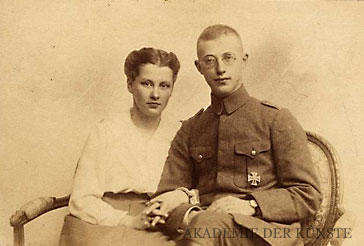
The wealthy Rostock shipowner Robert William Kempowski [the author’s paternal grandfather], once came from East Prussia [Königsberg] to Mecklenburg, has a stately home, two steamers and two children who grow up according to plain traditions, which includes playing tennis and piano. The marriage is set up well: Anna [grandmother] has her “Jour fixe” and a tenor singer from the Municipal Theater for a family friend; in turn Robert maintains his little flings even when he is already sick and confined to the wheelchair. In 1913 son Karl [father] gets to know Grethe de Bonsac [mother] during summer vacation on the Baltic sea whose family from the Prussian Wandsbek [Hamburg] is of quite a different kind than that of the young man: neat and pious. A tender love story arises between Grethe and Karl that is stopped dead when First World War breaks out. Karl goes to the front as a volunteer and experiences the “steel bath” right to its bitter end while Grethe is serving the fatherland in a day care center.
[the real Grethe and Karl; photo: Akademie der Künste]
This is part one of nine of the so called German Chronicle. The great thing about this novel is that it covers a whole lot of genres: A family drama/comedy, a social commentary, a love story (love-triangle actually), a paean to the city of Rostock, and, last but not least, a war-story. All of these packed into 450 pages. It felt much longer while reading, but that’s a good thing!
Set in the time between circa 1900 and the end of World War 1 the main thread is told chronologically by a third-person narrator. Every other chapter however (and then later on every third) are told by several contemporaries of the main protagonists like siblings, friends, schoolmates, neighbors, maids, comrades. From the top of their heads those people answer questions about the members of the the families some 60 or 70 years after the events (talking about unreliable narrators). The author made it look like he interviewed those people and recorded their answers. Given Walter Kempowski’s meticulousness in harvesting people’s stories of the past and build some sort of collective memory it is entirely possible that these “interviews” were really conducted, but I don’t think so. There is at least the word “novel” on the cover of the book.
Looking at the ratings on Goodreads I see that this book is shamefully underrated when it comes to the number of ratings. Do yourself a favor and help to remedy this deplorable situation. The English translation is called “Days of Greatness”.
Book 1 of the Kempowski Family Saga. Very interesting reading, giving an accurate and reliable view of the life of upper middle class in Germany just before WW1. Also to WW1, seen through the eyes of the German soldier, was a highly interesting read. Most revealing was the reaction of the soldiers and officers after they lost the war... Kempowski skilfully places the reader in the middle of things....
Another wonderful book from Walter Kempowski! His signature style shines in this memoir of a 1900s life; each perspective and colloquialism brings you into the heart of his family's ancestry, making for a warm and comforting reading experience.
The saga of two families, one in Rostock and one in Hamburg, before and during the First World War. A patchwork made up of different points of view, thus giving a very rounded picture of what people's lives were like then, and amazing insight into the German mindset of the time. Beautifully written but some of the scenes about the lives of the soldiers were somewhat too long for my taste. The first novel in the Deutsche Chronik - looking forward to the others.
Interessantes, aber nicht sonderlich mitreißendes Buch basierend auf realer Stadt- und Familiengeschichte. Mir hat gefallen, wie sehr man in die Zeit zurückversetzt wird. Der Schreibstil und wie alle paar Kapitel aus der Sicht Bekannter der Familie geschildert werden haben mir auch viel Freude bereitet. Man merkt richtig, dass der Autor für das brennt, was er schreibt. Dadurch, dass es aber sehr distanziert geschrieben ist und nur aus Anekdoten und Schilderungen besteht, fehlten mir aber wirkliche Charaktere und Handlung. Die Personen waren zwar theoretisch vielschichtig, aber man ist viel zu weit von ihnen entfernt und erlebt nichts mit ihnen zusammen sondern bekommt nur von ihnen berichtet. Ich tat mich auch schwer am ersten großen Bruch, der gemacht wurde, als zwischen den Kempowskis und einer weiteren Familie gewechselt wurde. Insgesamt aber ein besonderes Buch.
Endlich nach langem Aufschub die Zeit investiert, Kempowskis Chronik zu beginnen. Es dauert ein bisschen, sich an den fragmentarischen Erzählstil zu gewöhnen. Aus dem Mosaik der Prosa entsteht langsam, fast in Tagebuchform, ein Bild der Zeit vor und während des Ersten Weltkriegs aus Sicht der wohlhabenden Familie. Das Ganze lohnt sich am Ende schon - Kulturgeschichte, erzählt aus dem Blickwinkel des Buergertums.
Vreemd genoeg vind ik dit boek hier niet terug in Nederlandse vertaling. Desalniettemin is dat de versie die ik lees. Vroeger kon je een boek 'toevoegen'; nu kan dat dus niet meer of het is zo ingewikkeld geworden dat ik mezelf liever een punthoofd bespaar. Het boek geef ik drie sterren omdat in de vertaling, die nochtans dateert van voor hetjaar 2000, het wemelt van de tikfouten. Ik vond het boek aangenaam om te lezen en met een duidelijk standpunt van Duitsland tijdens de eerste wereldoorlog. Voor wie meer wil weten over die periode, een aanrader.