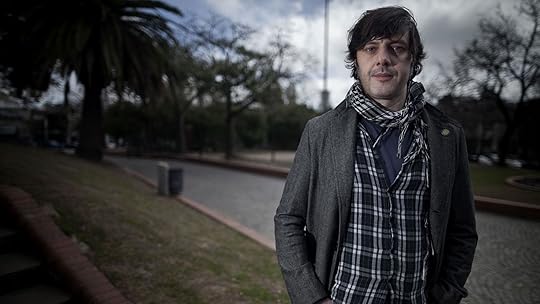
Andrés Barba is the award-winning author of numerous books, including Such Small Hands and The Right Intention. He was one of Granta's Best Young Spanish novelists and received the Premio Herralde for Luminous Republic, which will be translated into twenty languages.
This is a strikingly good book by a young Spanish author. I’ll stick to the blurb so that I don’t reveal any more of the plot. The blurb tells us what it’s about:
“No one knew where they came from: thirty-two feral kids, seemingly born of the jungle, speaking an unknown language. At first they scavenged, stealing food and money and absconding to the trees. But their transgressions escalated to violence, and then the city’s own children began defecting to join them. Facing complete collapse, municipal forces embark on a hunt to find the kids before the city falls into irreparable chaos.”
The story is narrated by the social worker who led the hunt to find the kids. At first, he seemed to be fascinated by the children and their behaviors. But the political pressure to 'do something' about the kids became so great that eventually he led the hunt for them. Who were these kids and where did they come from?
It’s a hard novel to classify. Perhaps dystopian fits it best. Perhaps fable. It’s not science fiction or fantasy because we can see how this entire scenario might actually happen.
As the social worker discusses the behavior of the children, two things stand out: their affinity for spontaneous play and inventing games, and their lack of leadership. They hang out in small shifting groups of 6 or 7 kids. Different kids assume leadership at one time or another – so its kind of an ‘answer’ to Lord of the Flies.
The story is set in a small city on the edge of the forest in Argentina. (The Spanish-born author lives in Argentina.) There has always been a community of indigenous Indian people whose kids form a group of what we might call ‘street urchins’ begging and selling flowers and trinkets on the streets. At first the new group of kids is not even noticed.
There is good writing and some ‘big thoughts’:
The mere meaning of the phrase “This is real” has changed more in the past two decades than in the past two centuries…”
“…everyone has their own witness. Someone that we secretly want to convince, someone all of our actions are directed toward, someone we can't stop secretly talking to....often someone trivial, secondary to the normal course of life.”
“If there's one thing that characterizes small cities, it's that they're as alike as tacks: it makes no difference which; they all use the same mechanisms to perpetuate power, the same circuits of legitimization and cronyism, the same dynamics.”
“People pay the same sort of attention when they're afraid as they do when they're in love.”
“The useless machinery of internal bureaucracy had fallen upon us like a net covered in glue…”
The Spanish author (b. 1975) is becoming a prolific author with about 20 novels, five of which have been translated into English. I note that with almost 4,000 ratings on GR, this book’s score of 3.9 is quite good for a book by such a relatively unknown (in English) author.
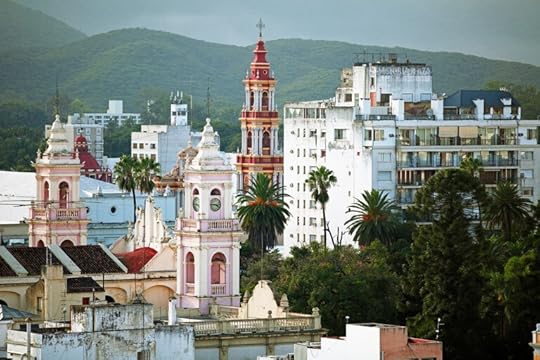
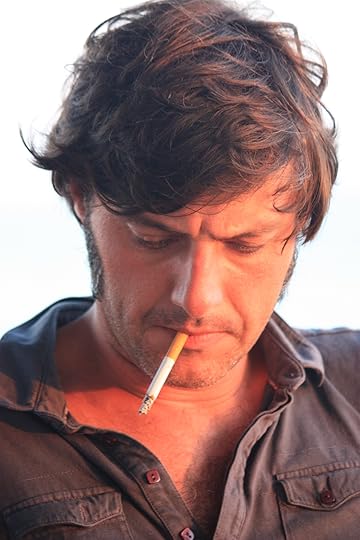
Top photo of Salta in northwest Argentina from theculturetrip.com The author from theparisreview.org
What a book: The title-giving "luminous republic" is set up by 32 mysterious children who suddenly show up in the subtropical South American town of San Cristóbal. They speak an unknown language and seem to function like one big organism, a penchant for play and violence as well as a rebellious streak against the oppressive world of grown-ups leads their actions. When, after one of them gets humiliated, they take revenge with a killing spree in the local supermarket, they aren't a mere nuisance anymore: The children become the enemy, and they retreat to the jungle. But then, the kids of the grown-ups who want to hunt them down start joining the ranks of the young delinquents...
Our narrator is a civil servant who shares his experiences 20 years after the fact, and after the rebellious children have been killed, with one exception (the luminous republic was established in the mid-1990s). We learn how the whole civilization of the town is shaken and threatened by feelings of fear and helplessness when faced with the magic of childhood run amok. The children are othered while the town's pupulation already lives in a fragile balance with the Indigenous Ñeê population. Local children invent magic, quasi-religious rituals in hopes to contact the mysterious 32, while the events and their aftermath also inform the imagination of the adult populace, the media (including lies for clout), and even science.
This is no magical realism, dystopia or SciFi; rather, it is a novel of ideas, infused with anthropological, linguistical and philosophical question, mainly: What does society mean? Sociologist Juan S. Guse is raving about this book, and it can easily be read in context with his prize-winning short story Im Falle des Druckabfalls, which questions the term "humanity" and the dualism of wildness and civilization. The narrator also becomes personally involved in the quest for the 32: Not only does he commit a not-to-be-spoilt crime to find them, he also learns that the half-brother of his stepdaughter is a member of the juvenile gang.
I really enjoyed the weird atmosphere and fascinating story of this moody, enigmatic piece, although I found the idea of the strangeness of childhood to be rather overplayed. Still, a worthwhile read that longs to be discussed with other readers.
There’s more than a hint of the uncanny, a wonderfully eerie undercurrent running through Andrés Barba’s story. It’s set in an unnamed country most likely in Latin America, in a remote, subtropical town built on the edge of a vast jungle. It’s a relatively settled area with its usual share of urban problems then one day, inexplicably, a menacing flock of near-feral children emerge from the jungle wilderness. Their story’s told from a distance of years by a civil servant attempting to account for events that followed, right from the start he’s clear these children are marked out for a tragic fate. Despite the novel’s literary style and realist trappings, there’s a strong sense that Barba’s territory’s bordering on horror or SF here. But his narrative’s so carefully crafted and skilfully-layered, it works both as a mysterious, grim, fairy tale or a more metaphorical, semi-philosophical, exploration of contemporary society. Although so does all the best SF and horror fiction. The central character’s initial involvement in the children’s case is in his official capacity, heading a committee to deal with increasing numbers of child beggars. The locals are already divided between a prosperous dominant group and a much poorer, indigenous community, the Ñeê, but the Ñeê’s children are compliant - unlike the exuberant, anarchic newcomers - their poverty and their problems are easily overlooked. But as the outsiders appear in greater numbers it’s evident they’re a threat and a force to be reckoned with.
Barba’s novel sometimes read like a curious hybrid, part Turn of the Screw with its emphasis on story-telling, ambiguity and possibly unreliable narrator, part Midwich Cuckoos in its depiction of otherworldly children operating in unison. I was fascinated by what these outsider children might represent, it’s clear they echo Barba’s broader interest in challenging prevailing concepts of childhood, highlighting ideas about purity and innocence as a relatively recent historical development – one that has its roots in a distinctly Victorian reinvention of the child. And something here, as in reality, that’s tied to privilege. It’s obvious the offspring of wealthy families with their access to upmarket education, topped up by clubs and music lessons, are protected in ways not open to the Ñeê equivalent, their children are more likely to use any spare time selling flowers on the side of the road to support their struggling families. But Barba’s also drawing directly on Maurice Maeterlinck’s classic work on insect societies, and it shows in Barba’s descriptions of the outsider children’s unusual, almost enviable, social organisation, the suggestion of a hive mind coordinating their activities – an association that further justifies their dehumanisation in the minds of the town’s citizens. The choice of San Cristóbal as the town's name, also invokes Darwin’s journey, raising the possibility the children are another stage of evolution challenging the status quo, while their incomprehensible language makes me wonder if there’s a possible link to George Steiner’s The Portage to San Cristóbal of A.H. and its focus on language’s potential as a magical force. The bizarre, synchronized behaviour of the children, their sudden appearance and unexpected bursts of violence also reminded me of Daphne du Maurier’s The Birds an early form of eco-horror. Although this works brilliantly purely as an unsettling, fable-like mystery, I loved puzzling out the various, possible threads running through it, the numerous direct and indirect references pointing towards serious, underlying themes, a tangled-up critique of capitalism and social inequality, the legacy of colonialism and the framing of the ‘other.’ This was one of those books that makes a strong impression, satisfying, rich, absorbing, and consistently intriguing.
Es muy frecuente que el arte tienda a aplanar hasta lo caricaturesco el concepto infancia. Los niños y las niñas suelen ser representados como elementos unidimensionales, casi siempre inocentes y bondadosos (salvo en el puro género de terror) y, muy a menudo, desde la perspectiva idealizada y simplista de la adultez. Tanto es así que la maldad infantil (o los actos concretos de maldad infantil, mejor dicho) parece casi una especie de tabú artístico. Quien lo representa se arriesga a ser visto como alguien inhumano que ataca a lo más puro que se supone que tiene la humanidad.
Por eso es tan bueno «República luminosa», porque además de contar una historia emocionante, perturbadora y sorprendente, es capaz de jugar literariamente con un concepto resbaladizo que choca con las bases de nuestra civilización.
Y de eso, de civilización (o de la falta de ella) habla esta novela. Una joven pareja bien situada socioeconómicamente se instala en un pueblecito latinoamericano colindante con la selva. Y, de repente, se materializan en el pueblo, casi surgidos de la propia jungla, varias docenas de niños que perturban la paz del pueblo y que se convierten primero en una incógnita y después en una amenaza. Entre estos niños (salvajes, de un idioma desconocido) y el pueblo surge una contienda que empieza siendo algo social y avanza convirtiéndose en algo generacional.
Esta novela tiene algo de thriller, unas gotas de terror suave, un punto de relato social. La voz del autor (que es también la del protagonista) narra los hechos a posteriori, años después de que sacudiesen a la opinión pública, y lo hace de una forma analítica y sosegada, casi como en una de esas películas de «found footage», reflexionando sobre su papel en aquellos trágicos y violentos acontecimientos, pero también sobre el de los medios de comunicación, el de las fuerzas vivas...
Este novelón me ha obsesionado un poquito. Ha sido una sorpresa enorme. Lo recomiendo encarecidamente. Y, aunque las comparaciones con «El señor de las moscas», «Quién puede matar a un niño» o, incluso, «Los chicos del maíz» se podrían vincular con la trama de la obra, no llegan a englobar la magnífica escritura y el sentido del ritmo del autor, ni el profundo análisis que hace de muchas cosas importantes para la, ejem, civilización.
Propuesta arriesgada en un territorio fantástico selvático, amazónico, diría yo. Para mí ese planteamiento novedoso ya merece premio. Existe la presencia enigmática e inquietante de unos niños vagabundos, con sus propios códigos, idioma e idiosincrasia. Se anuncia de inicio una masacre (no hago espoiler, es algo cierto que el autor anuncia desde el comienzo).
Durante el desarrollo se trata de buscar la lógica y los detalles que llevaron a esa desgracia, a ese presagio de calamidad: ¿Cómo se producirá? Surgen mil preguntas al respecto de los niños, origen, intenciones.
Creo que esos niños con un idioma y unos códigos de conducta nuevos, pudiera significar un renacer de la sociedad que no tuviera que ver con lo anterior, caduco y trasnochado, y sobre todo falso.
Creo que hay algo de fábula con su correspondiente moraleja en todo este planteamiento:
"(...) los niños no aparecían, las batidas de la policía regresaban a diario ocultando su frustración, y cada vez que mirábamos hacia la selva nos parecía que aquella masa se había vuelto en nuestra contra para defender a los niños. Si no era una fábula moral, había que reconocer que se parecía bastante".
Impiegato presso l’Ufficio degli Affari Sociali, il narratore di cui non sapremo mai il nome ma conosceremo i pensieri, le paure e le esitazioni, racconta di quei giorni di vent’anni prima, quando trentadue bambini fra i nove e i dodici anni, che parlavano tra loro una lingua sconosciuta solo all’apparenza (e di cui solo una bambina come loro molti anni dopo riuscirà a svelarne il segreto), comparvero misteriosamente nella città subtropicale di San Cristóbal dove vissero, confusi fra i mendicanti abituali e con i nativi neê, fra le strade, il fiume e la foresta, ignorati dal resto della popolazione. Fino a quando, poco tempo dopo il loro arrivo, un giorno di ottobre del 1995, ventisette di questi furono ripresi dalle telecamere di sicurezza mentre facevano irruzione nel supermercato Dakota della cittadina, razziando gli scaffali e uccidendo due persone.
La scrittura di Andrés Barba, tradotto da un impeccabile Pino Cacucci, ha una malìa che sembrerebbe sudamericana, se non fosse che di sudamericano e di realismo magico non ha proprio nulla, e che Barba è spagnolo, nato a Madrid nel 1975, ed è stata capace di risucchiarmi in questa storia, che si intuisce drammatica sin dall’incipit*, quasi senza che me ne accorgessi. Complice un giorno in cui avevo dimenticato a casa il Kindle, complici le parole di mio fratello che mi aveva detto di averlo molto apprezzato (il ragazzo inizia a essere il mio punto di riferimento per le letture di autori di lingua spagnola), ho iniziato a leggere l’estratto su Amazon e non me ne sono più potuta staccare, passando all’ebook, finché non ne ho visto la fine. Fine che peraltro è annunciata dal narratore stesso già delle prime pagine, sapremo quasi subito come andrà a finire la storia, ma della quale non sapremo nulla in maniera dettagliata finché non saremo arrivati alle ultime battute.
Il caso ha voluto poi, che un paio di giorni fa mi trovassi a parlare di Gregor von Rezzori (autore che non conoscevo) e che incuriosita anche dal premio a lui intitolato (di cui avevo solo un vago ricordo), sono andata sul sito e, altra coincidenza, ho scoperto che Repubblica Luminosa e Andrés Barba sono fra i candidati 2019. La breve descrizione Denso e surreale come Il signore delle mosche di Golding, nitido quanto Conrad, magico come García Márquez, Barba è un autore audace e di raro talento. Questa storia, che ha i contorni di una favola metafisica e oscura, ha il respiro dei grandi romanzi e le brevi considerazioni e gli interrogativi che pongono Le reazioni non tardano a manifestarsi: c’è chi cerca spiegazioni, chi vuole salvarli e chi invece si schiera decisamente contro di loro. Ma quanto più estreme sono le posizioni, tanto più si dimostrano fallimentari, in uno scenario sempre più perturbante. Ma chi sono questi bambini, che mettono in discussione la vita sociale? Da dove vengono e cosa vogliono dire?, hanno avuto anche il pregio di avermi aiutata a mettere a fuoco quelle che, forse, erano le intenzioni dell’autore, che in un racconto che è davvero dark, e al tempo stesso surreale, al punto da essere quasi pervaso da una forma di magia oscura, pone di fronte ad alcuni dubbi esistenziali: cos’è l’innocenza dei bambini, e come si fa a mantenerla intatta una volta che ne sono stati privati dalle loro azioni estendendola a tutti gli altri? È possibile che riescano a scardinare una comunità in cui gli adulti, con convenzioni sociali stabilite da secoli, sembravano essere compatti e coesi di fronte al male e alla violenza? Si possono cogliere i segnali di qualcosa che sta per avvenire, intuire la portata di un cattivo presagio? Pensavo di non aver capito fino in fondo cosa volesse dirmi, ma ora ho iniziato a capirlo meglio. Bello davvero, una lettura che è stata capace non solo di stupirmi piacevolmente perché inattesa, ma anche di insinuare lo stesso brivido di paura che ha accompagnato l’io narrante della storia nel corso degli eventi e della sua vita.
Consiglio, infine, la lettura della splendida recensione di Giorgio Vasta pubblicata da Minima & Moralia su concessione di Robinson, l’inserto culturale di Repubblica. [I bambini ci guardano, era il monito di De Sica e Zavattini nel film del ’43. I bambini ci hanno guardato, è quello che ci racconta Barba, e hanno sperato che almeno per una volta fossimo all’altezza della loro – nostra – vulnerabilità. Poi, capito quanto c’era da capire, come erano apparsi sono svaniti.]
*«Quando mi chiedono dei trentadue bambini che hanno perso la vita a San Cristóbal la mia risposta varia a seconda dell'età dell'interlocutore. Se è mio coetaneo rispondo che comprendere significa ricomporre ciò che abbiamo visto soltanto in modo frammentario, se è più giovane gli chiedo se crede o no nei cattivi presagi. Mi rispondono quasi sempre di no, come se crederci equivalesse a nutrire poca stima nella libertà. A quel punto non faccio altre domande e racconto la mia versione dei fatti, perché è l'unica cosa che posso fare e perché sarebbe inutile convincerli che qui non si tratta tanto di apprezzare la libertà quanto di non credere ingenuamente nella giustizia. Se fossi un po’ più energico e un po’ meno vile, comincerei la mia storia sempre con la stessa frase: Quasi tutti a questo mondo hanno quello che si meritano e i cattivi presagi esistono. Altroché se esistono.»
Ik heb last van de tijd, laat dat duidelijk zijn. Verleden week Christchurch, gisteren Utrecht, en ondertussen zit ik maar als in een veldje wilde bloemen naar de gedichten uit mijn bundel-in-wording te kijken. Het leven is op dit moment niet bepaald een gecoördineerde, zonovergoten speeltuin. Alle zintuigen op scherp, alle poriën open.
Bijgevolg is het gevaarlijk om ‘Republiek van licht’ van Andrés Barba te lezen. Dit is een geniepig boek, ook als het niet je favoriet wordt. Voor je het weet hoor je de stem van de vertellende ambtenaar uit dit boek nog fluisteren terwijl je groente snijdt, de was doet, een gedicht afmaakt, het nieuws uit Christchurch of Utrecht volgt.
De verteller reconstrueert twintig jaar na datum wat er in San Cristóbal, een onbepaald land in Zuid-Amerika, is gebeurd. Er zijn op een dag tweeëndertig kinderen opgedoken. Ze waren niet jonger dan negen en niet ouder dan dertien, ze spraken een taal die bijna niemand begreep en zwierven rond in groepjes. Eerst nog werden ze gedoogd (ah, die arme kinderen), maar na een merkwaardige overval op de Dakota, een supermarkt, werd het bestaan van de ‘jungle-kinderen’ als bedreigend ervaren. De bewoners van San Cristóbal verloren volledig het perspectief.
‘Republiek van licht’ heb ik met gemengde gevoelens gelezen. Niet op de manier zoals ik verhalen over verschrikkelijke complicaties bij complexe operaties aanhoor, maar wel zoals ik het nieuws van nu binnenkrijg. Ik wil weten wat er speelt, en tegelijk word ik erg onrustig van wat er speelt. Om niet te zeggen dat ik van elk nieuwsfeit nog onrustiger word.
Je houdt de ruis over, de grondtoon, de bromtoon van de angst die meer en meer onder ons leven speelt.
Gelukkig heeft het boek me ook muziek geboden. De ambtenaar vertelt over de componist Tartini, die droomt dat hij zijn ziel aan de duivel verkoopt in ruil voor een compositie die hem eeuwige roem zal bieden. Zodra Tartini wakker wordt, noteert hij flarden van wat hij zich uit zijn droom herinnert. Mooi, maar verschrikkelijk en ook slim van de schrijver. Tartini bestaat, de compositie bestaat (Il Trillo del diavolo), en voor een lezer die zich gemakkelijk in de verbeelding verliest is het een duwtje in de afgrond.
De ambtenaar uit ‘Republiek van licht’ bestaat niet, de gebeurtenissen zijn fictie, maar de bromtoon en de muziek zijn echt. Waarmee ik aangeef dat boeken, ook als ze al te slim geschreven zijn, ellendige luizen zijn en onder je huid kruipen.
‘Republiek van licht’ is uit het Spaans vertaald door Irene van de Mheen.
... but the entire episode serves as a metaphor. And metaphors are powerful
This is a slippery, elusive fable and all the better for not being easily pinned down. I see Lord of the Flies and Heart of Darkness being mentioned but it made me think about The Midwich Cuckoos and Animal Farm - a stretch which gives some indication of the potentialities contained within this book and the spectrum of interpretations it enables.
Barba throws all kinds of themes into the mix and it's a measure of the authorial control asserted that this never becomes chaotic or messy: there are omens and superstitions, not least in the way the civil servant narrator overlays a pattern of his personal crime and punishment on the narrative he tells us; a representation of 'othering' and scapegoating, of the scorn and fear that can arise from the different or unknown; a discussion of language, how it may be misunderstood or fail to be understood even when it is perfectly comprehensible: how comprehension may be a choice; and a lot on the mythology of childhood where children are literal and also a kind of archetype for humanity. There's a telling moment early in when food presents left on people's door-steps overnight are destroyed causing rage - but then we learn 'they'd drawn smiley faces in the flour... this had been done out of sheer joy; they were playing' - an event that looks like malicious destruction from one viewpoint can become something quite different through other eyes.
The story is proleptic in structure - we know what has happened, we just don't know how - and I'd say the tension is internalised. It's the 'luminous republic' at the end and its dependence on democratic and unhierarchical organisation which reminded me of the tragedy of Animal Farm.
For a while I puzzled over the violence that precipitates much of the 'action' of the book and what its role is:
The climax feels both small and hugely momentous: the word 'whore' is scrawled over a cot - the 'Fall' from the Edenic 'luminous republic' is not brought about by Milton's knowledge or Blake's experience, but by judgment taken at its most pernicious definition.
Provocative, suggestive and begging to be unpacked and discussed, this is dense and intense with a huge amount of meaning packed into a scant 200 pages.
bir gün, bir şehirde kimsenin tanımadığı, nereden geldikleri bilinmeyen otuz iki çocuk beliriyor: otuz ikiler.. başta yalnızca varlıklarıyla dikkat çekiyorlar ancak zamanla bir tehdit hâline geliyorlar. önce ufak hırsızlıklar, sonra şiddet. ve en korkuncu, kimse onları gerçekten anlayamıyor.
açıkçası, okurken aklıma sık sık sineklerin tanrısı geldi. ancak burada olaylar ıssız bir adada değil, bildiğimiz bir şehirde geçiyor. yani vahşet, modern hayatın içinde, tam yanı başımızda. bu da ışıklar ülkesi'ni çok daha rahatsız edici kılmış.
kitaptaki en iyi şeyse, yetişkinlerin otuz ikiler hakkında ürettiği teorilerdi. onlara anlam yükleyip insanileştirmeye çalışıyoruz çünkü bilinmeze tahammülümüz yok. tıpkı kitaptaki şu satırlar gibi: "insan, gezegenlerden atomlara kadar anlayamadığı ne varsa sistematik olarak insanileştiriyor." asıl mesele de bu galiba. bilinmez olanı anlamlandırmaya çalışırken, belki de asıl yabancılaşan biziz..
Vay anasını ya, vay anasını. Bu nasıl kitap? Şayet Notos bir futbol kulübü olsaydı dünyanın her yerinden kimsenin keşfetmediği genç yetenekleri bulup çıkarmasıyla ünlü olurdu bence, yine nokta atışı bir seçim yapmışlar. Bu kitabın bu sene okuduğum en iyi kitaplar arasında olacağına şimdiden eminim - inanılmaz etkilendim. Tekniğindeki dozunda modernistlik, dilindeki ustalıklı yalınlık, kurgusundaki nefes kesicilik, hikâyesindeki dert, insana dokunduğu yerler, kötülüğe dair yarattığı kafa karışıklığı... Her şeyiyle kusursuz; büyük bir hayranlıkla okudum. Üzerine çok kafa yorduğum çocuk olmanın doğasına, çocukların şiddet ve kötülükle ilişkisine, biz yetişkinlerin (ve toplumun) buna karşı gösterdiği tavra dair yüzlerce soru ve sorgulmayı kucağıma bıraktı. Gözüm kapalı herkese öneriyorum bu kitabı. “Çocuklar kurgudan daha güçlüdür” diyor Barba, kitap da bunun ispatı gibi. Bu olağanüstü kitabın son cümlesiyle tamamlıyorum bu faslı: “Ölüler terk ederek bize ihanet ediyor olabilir ama biz de yaşayarak onlara ihanet ediyoruz.”
Como anticipa el atinado comentario del libro, la aparición de una comunidad de 32 niños callejeros deja perpleja a la población y sus autoridades en la ciudad tropical de San Cristóbal. Entre las certezas que se derrumban, está el concepto de niñez y su papel en las seguridades e ilusiones que necesitamos para vivir. Más allá de la conmoción y confusión frente a sus conductas, quisiera resaltar el cambio profundo que sufre el narrador y que recuerda al protagonista de La peste. "La vida me parecía una sencilla cadena de adversidades relativamente fáciles de superar que acababan en una muerte no sé si sencilla, pero tan inevitable que no merecía la pena pensar en ella. No sabía entonces que la alegría era precisamente eso, la juventud precisamente eso, y la muerte precisamente eso, y que aunque no me equivocaba esencialmente en nada, me estaba equivocando en todo." Una novela electrizante e inquietante.
Akıcı,ilgi çekici ve sorgulatıcı bir kitap. Ama sorgulattınız şey belki de pek sorgulamak isteyeceğimiz bir şey olmayabilir.
Çocuklarına şiddet uygulayan, hatta sadece sevgi göstermeyerek kötü davranan bir anne baba duyduğumuzda nasıl da şaşırıyoruz?! Bir anne-bir baba bunu nasıl yapar diyoruz. Çünkü anne ve babaların çocuklarına karşı hep sevgi dolu olması gerektiği miti var akıllarımızda. Çocuklar için de “masum ve saf”oldukları miti tartışma götürmez bir olgu kafalarımızda. Hıh işte tam orayı kurcalıyor kitap. İşte bu çocuk masumiyeti mitini alt üst ediyor. Bana “Sineklerin Tanrısı” nı hatırlattı.
Dziś będzie o moim wielkim, czytelniczym zachwycie.
Na „Świetlistą republikę” Andrésa Barby w tłumaczeniu Katarzyny Okrasko trafiłam zupełnym przypadkiem. Nie słyszałam wiele o tej książce zanim po nią sięgnęłam, więc podeszłam do niej zupełnie bez oczekiwań i z czystą głową. I dzięki temu miałam wspaniałą niespodziankę i poczucie, że oto odkryłam perełkę. Sam pomysł na fabułę jest genialny – Barba wrzuca do fikcyjnego miasteczka San Cristobal grupę dzieci i pozwala nam obserwować, co się wydarzy. Jak ta mała (i swoją drogą świetnie przez autora naszkicowana) społeczność zareaguje, jak postąpi, jakie środki podejmie, kiedy na ulicach pojawią się brudne, głodne i obce dzieci, o które nikt nie pyta i którymi nikt nie chce się zająć. Barba konstruuje gęstą, pełną napięcia historię, w którą trudno nie uwierzyć. Bawi się z czytelnikiem w grę, przedstawiając mu rozliczne nazwiska, daty, tytuły artykułów i programów dokumentalnych, by wzbudzić w nim wątpliwość, czy to, co czyta, na pewno jest fikcją. Może jednak to wszystko zdarzyło się naprawdę? I ten wiosek ma boleśnie uszczypnąć zagubionego czytelnika w ramię, bo skoro tak łatwo było mu uwierzyć, że ta historia mogłaby być prawdziwa, to, do cholery, w jakim świecie my żyjemy? Ale „Świetlistą republikę” tworzy niebywała mnogość problemów i tematów, nad którymi Barba się pochyla. Mimo że powieść jest krótka, to autor świetnie panuje nad snutą przez siebie historią, dzięki czemu powieść nie sprawia wrażenia przeładowanej i chaotycznej. Wręcz przeciwnie - obok kreowania złożonej i niebanalnej historii autor znajduje jeszcze czas i środki na wypracowanie pięknego literackiego języka, który zachwycił mnie na tyle, że przysięgam — zużyłam gazylion znaczników, wychwytując wyjątkowo smaczne zdania.
„Świetlistą republikę” można odczytywać na milion różnych sposobów i nie zdziwiłabym się, gdyby stu czytelników Barby mogło opowiedzieć o tej książce sto różnych historii. Dla mnie jednak to próba zdefiniowania, kim jest obcy i co jego pojawienie się zmienia w zwartym i zamkniętym społeczeństwie — jak je przemeblowuje, odsłaniając pajęczyny i brzydkie, skrywane dotąd, plamy na ścianach tego z pozoru stabilnego domu.
Човек понякога си мисли, че за да проникне до дъното на човешката душа, е нужно да се качи на мощна подводница, но в крайна сметка с изненада установява, че, напъхан във водолазен костюм, се мъчи да се потопи в домашната вана.
Заобиколени сме с думи, които досега бяхме произнасяли само шепнешком. Да назовеш означава да дадеш посока, да чуеш означава да се покориш.
... не беше надарен с достатъчно ум, за да е опасен, но не беше и толкова безобиден, че да е смешен.
Тази кучка. Любопитно е как бруталността на определени думи може да ни дебне много дълго, докато се срещне отново с нас, непокътната както в момента на произнасянето им. Дори днес, почти двайсет години по-късно, тези думи приличат на монаси, чакали ме търпеливо в манастира си, за да ме накарат да потъна от срам. Възмездието на паметта.
Вниманието на обзетия от страх човек е като вниманието на влюбения.
... там, където съществува смислова празнота, ние започваме да проектираме собствените си качества и да вярваме, че тигрите се влюбват, Бог е ревнив отмъстител, а дърветата изпитват носталгия. Човекът системно приписва своите качества на нещата, които не може да проумее - като се започне от планетите и се стигне до атомите.
Зеленото в джунглата е истинският цвят на смъртта. Не бялото, нито черното. Зеленото, което поглъща всичко, огромната ненаситна маса, разнородна, задушаваща и могъща, където слабите служат за опора на силните, големите отнемат светлината на малките и единствено микроскопичното или дребното успява да разклати гигантите.
Нищо не показва така убедително колко фатално може да е за ума собственото му влечение към нещо, способно да го погуби, както гледката на завладяно от вътрешен страх дете. Там, където възрастният знае, че нещата ще продължат да съществуват, със или без той да поема отговорност за тях, детето смята, че те ще умрат, щом спре да ги поддържа с мисълта си.
И тогава си мислиш за всичките неща, които имаш, а те нямат, и за нещата, които можеш да правиш, а те не могат. Защото нямат дом. Нито храна. Нито легло. И понеже нямат тия неща, спят с отворени очи, за да не ги е страх. И влизат в теб. И ти си те.
Няма нищо по-опасно от лудостта на природно умни хора. За разлика от буйстващите безумци при умните лудостта добива отчаян и радикален характер.
Отново отекнаха викове. И отново се възцари тишина. Тишина на предали се хора, неутрална, подобна на тишината, която вероятно обгръща астронавтите в Космоса, чужда на човешкия живот.
Може мъртвите да ни предават, като ни изоставят, но и ние ги предаваме, за да живеем.
Holy fucking shit. How did I let this sit on my shelf unread for almost a year ??? This was absolutely nothing like I was expecting it to be. This was absolutely beautiful and haunting. It reminded me quite a lot of Lord of the flies which I'm very fond of because it was my first favorite classic. The language was absolutely incredible, the combination of the story plus looking at humanity through the story of these children but also our narrator's wife was spectacular. I picked this up thinking it would be a quick fun read and I am absolutely blown away right now.
Bizonyos tekintetben ez valóban egy inverz Legyek ura. Hasonló a háttér, a mindent elnyelő dzsungel, ez a lélegző, mélyzöld organizmus. Itt is egy csapat gyerek szakad ki valamilyen okból a felnőttek társadalmának védőszárnya (vagy parancsuralma) alól, hogy aztán kialakítsák a maguk dermesztően ősi privát civilizációját. De itt el is távolodik Barba Goldingtól. Nála ugyanis a gyermekek közössége nem szigetre kerül, egyfajta légüres térbe, ahol neoprimitív társadalmuk vetélytárs nélkül fejlődhet, hanem egy város közvetlen szomszédságába. Aminek következtében sajátos szabályrendszerük óhatatlanul összekoccan azzal a rendszerrel, amiből kiszakadtak vagy amiből elmenekültek: a felnőttek világával. Mit összekoccan - beleszállnak egymásba, teli rüszttel. Mindezt pedig egy külső szemszögből nézzük, egy felnőtt tekintetét kapjuk kölcsön, aki értetlenül figyeli az egyre combosodó veszélyt, amivé a gyerekek hordája válik. Ez a veszély pedig még csak nem is abból fakad, hogy a lurkók egyre brutálisabban fejezik ki szembenállásukat azzal a kultúrával, amivel szakítottak. Hanem hogy puszta létük alapjaiban kérdőjelezi meg a fennálló társadalmat. És azt, hogy mit is jelent szülőnek lenni.
Azt gondolom, hogy ez a regény a legmélyebb szülői félelmek regénye. Arról szól, hogy a gyermekeinket nem ismerjük. Hogy egy idegen világban élnek, amit képtelenek vagyunk megérteni, következésképp hiába vagyunk felelősek értük, ehhez a felelősséghez nem tudunk felnőni. Próbáljuk őket a szabályok általunk kialakított medrében tartani, de ezek nem az ő szabályaik, ezek az ő szemükben egy másik világ zsarnoki törvényei. Szerető szülők akarunk lenni, aztán diktátorok leszünk. És végül kudarcot vallunk, talán azért, mert elfelejtettük, milyen gyereknek lenni.
en baştan ne olacağını bilsek de yavaş yavaş açılan ve bu açılmayı çok ustalıklı bir biçimde yapan bir roman. taşrayı, taşra havasını, taşra insanlarını dosdoğru tahlil eden anlatıcı otuz ikiler adı verilen ve belli bir süre kasabayı tedirgin eden çocuk çetesi hakkında hiç kesin hüküm veremiyor mesela. bu tutarsızlık karakteri derin bir biçimde anlamamızı sağlıyor bence. sonlara doğru vicdan azabından açıkça bahsettiğinde ve başına gelen her kötü şeyde o günü ya da küçücük bir çocuğun sorgusunda kullandığı acımasız tekniği düşündüğünde karakter daha da netleşiyor. çocuk denen varlığın masumiyet timsali olmadığını bir kez daha görüyoruz, nefreti kimedir bilemiyoruz ama kimsenin de anlayamadığı bir grup çocuk ve onların başına gelenin kasabanın üstüne yıllarca kara bulut gibi çökmesi var. çünkü ne olursa olsun çocuk ölümü yanlış. olmamalı. kural dışı. hem bu olay, hem uzun bir aşk ilişkisi, babalık da çok güzel yerleştirilmiş romana. akıp giden bir su gibi geldi mesela o ilişki bana. öyle dingin. çeviriyi çok beğendim bu arada.
read it in Hebrew translation. quite interesting, writing about the difference in the worlds of grown ups and children. very skeptic about the romantic views we the grown ups have on children and the inability to give love when we find that they are not behaving as expected. great sentences here and there. in the same tradition of Golding and Saint-exupery but not on the grand scale as they are.
The world of childhood was crushing us with its preconceived notions, which is why a large part of the irritation people felt for the thirty-two had less to do with whether it was natural for children to have perpetrated an act of violence than it did with the rage triggered by the fact that those very children had not confirmed their sugarcoated stereotypes of childhood.
A Luminous Republic is Lisa Dillman's translation of Andrés Barba's República luminosa. After finishing the novel I found that the blurb describes it as "Lord of the Flies' meets Javier Marias", two comparisons that also sprang to my mind while reading.
Such Small Hands by the same translator/writer was a wonderful short (84 pages) but chillingly powerful tale in an orphanage. A Luminous Republic is a longer, and perhaps more ambitious, novel but perhaps lack the same unsettling punch.
The novel begins:
When I’m asked about the thirty-two children who lost their lives in San Cristóbal, my response varies depending on the age of my interlocutor. If we’re the same age, I say that understanding is simply a matter of piecing together that which was previously seen as disjointed; if they’re younger, I ask if they believe in bad omens. Almost always they’ll say no, as if doing so would mean they had little regard for freedom. I ask no more questions and then tell them my version of events, because this is all I have and because it would be pointless to try to convince them that believing, or not, is less about their regard for freedom than their naïve faith in justice. If I were a little more forthright or a little less of a coward, I’d always begin my story the same way: Almost everyone gets what they deserve, and bad omens do exist.
The story of the "thirty-two children who lost their lives in San Cristóbal" takes place in the early 1990s, but the narrator is recounting, and analysing, the events over 20 years later. San Cristóbal is a (ficticious) city, in the remote jungle, in an area home to the indigenous Ñeê people: our narrator was sent there as a civil servant to implement an integration program for the Ñeê based on a simple but effective one he successfully pioneered in another city, "it consisted of granting the indigenous exclusive rights to farm certain products. He is there with his wife and his step-daughter, who he refers to rather oddly: The post even covered the girl’s schooling (I always referred to her as “the girl,” and when speaking to her directly, simply “girl”) and offered a salary that would allow us to begin saving.
The incident referred to (the Lord of the Flies part of the novel) begins when a group of 30-odd children, aged around 9-13, appear in the streets. They form their own community, one with no discernable hierarchy (to the adult's discomfort) and their adapted language, and no one is quite certain where they are from or where they are based. At first they engage in low-level begging, but they gradually become more and more disruptive, culminating in an incident (rather horribly resonant in June 2020 UK) when they run amok in a supermarket with knives, leaving three citizens dead, after which they disappear into hiding, presumably into the jungle. This leaves both the citizens of the city, and their own children, unsettled, but in rather different ways, some of the children even attracted to join them, and the authorities decide they must track the group down.
As mentioned, the narrator is looking back on the events 20+ years later and his account not only recounts what happened but analyses in some detail both primary sources (CCTV footage, TV interviews, a diary of one of the town's children) but secondary ones, for example adding his own commentary to an academic treatise:
In an essay about the altercations, titled “Vigilance,” published on the first anniversary of the deaths of the thirtytwo, Professor García Rivelles dedicates one long section to the myth of childhood innocence. “The myth of childhood innocence,” she writes, “is a bastardized, facile, hopeful take on the myth of Paradise Lost. Saints, intercessors and vestals of an ersatz religion, children are charged with representing the state of original grace for adults.”
But these children, the ones who had silently begun overtaking the streets, bore little resemblance to the two versions of the state of “original grace” we’d known previously: our own children, and the Ñeê children. It’s true that the Ñeê were dirty and unschooled; yes, they were poor, and San Cristóbalites, in their shortsightedness, assumed that they were a lost cause, but the fact that they were indigenous not only took the edge off this state, in a way it also rendered it invisible.
The narrator is also prone to Javier-Marias-like aphorisms of his own:
People are never accepted as innocent the first time around; the greatest punishment is not having to prove yourself but having to do so over and over again. Perhaps that’s what I would have liked to have said to the bow-tied sage: that our witnesses are not to blame for the fact that something in us chose them as our unassailable interlocutor, that when it comes down to it, we are the ones who impose this pretense. No one can sustain authenticity forever, not even child witnesses.
Barba's narrator doesn't quite match the rhetorical eloquence of Marias's - although I suspect that wasn't the intention, the reader not intended to marvel at his observations, but treat them in part as the pretentious thoughts of a middle-ranking functionary and in part as an indication of his own obsession with the children.
Overall, it is as interesting change in style from Such Small Hands and I had mixed views on its success. It does provide more context from and meaning to the story, but Such Small Hands left the reader freer to add their own interpretation. And this style of novel makes for a rather uneasy fictional compact with the reader: in the book's fictional world the narrator is discussing events that are familiar to those reading his treatise, meaning that any narrative tension for the reader of the novel comes from the narrator withholding information (e.g. how did the children die) that would actually be known to those to whom his account is addressed. The novel's ending, although explaining the book's title didn't quite live up to my expectations. This review expresses the issue with the narrative style well: https://chireviewofbooks.com/2020/04/... and this is an interesting review/interview with the author: https://observer.com/2020/04/luminous...
Tremebundo relato. Oscuro. Buenas frases. Escalofriante a momentos. Buenísima lectura tensa...y sin embargo, me quedo con ganas de otro final, algo más. No sé bien qué. Pero inquieta y lo recomiendo.
Кое ни прави цивилизовани? Невинни ли са задължително децата, разумни ли са възрастните? Сан Кристобол е малък град някъде сред джунглите на Южна Америка, който постепенно и с много труд успява да си извоюва относителна финансова стабилност. Градът обаче е изправен пред нова криза, за която изобщо не подозира – криза под формата на трийсет и две никому познати деца на възраст между 9 и 13 г., които се появяват сякаш от нищото и започват да просят по улиците. Отначало хората ги приемат просто като част от пейзажа – дават им по нещо и ги забравят в мига, в който ги отминат. Но децата започват да нападат хора и да крадат, а един ден наръгват до смърт двама души в супермаркет и опустошават всичко по пътя си. Тогава безразличието и отчуждеността на обществото окончателно преминават в страх и ужас, а децата се превръщат във враг, който трябва възможно най-бързо да бъде заловен и спрян. Но кои са тези деца? И, по-важното, какви са? Защото никой не разбира странния език, на който говорят. Никой не разбира правилата, по които действат – очевидно са равни помежду си и никога нямат водач. Никой не знае къде изчезват всяка нощ. Нито какво има в душите им. Прочетете ревюто на „Книжни Криле”: https://knijnikrile.wordpress.com/202...
This was more of an intellectual exercise than a novel, another take on the themes explored in Lord of the Flies. It has some interesting things to say about order and disorder, civilisation and chaos, childhood and adulthood and how the adults want to bend and break the children so that they can fit into the society. Unfortunately it also interrupts the narrative to delivered faux-profound aphorisms. It wasn’t as successful in all of it as I wanted it to be.
The story, as it is, is about a group of semi-feral children who appear out of nowhere, possibly from the jungle, in a sleepy Argentinian town and wreak havoc there.
There was so much foreshadowing that if often ended feeling a little clunky and made me disconnect from the narrative which was otherwise presented in an interesting form – the story is told by one of the witnesses who tells it as he remembers it but also refers to all the documentaries, books, interviews and urban myths that appeared after the events.
It’s also hard to ignore themes of class and race – certain children are naturally more feral, and the good people of San Cristobal are afraid of their own children being polluted by the wild newcomers.
In general, I enjoyed reading this story, but I wanted it to be meatier and more foreboding and unsettling, but the vibe here was more of a bourgeois hysteria.
Με μια γραφή που νιώθεις ότι παρακολουθείς ντοκυμαντέρ και εικόνες από κάμερες ασφαλείας, ο Barba, σε βάζει με χαρακτηριστική άνεση στο κλίμα. Ένα θρίλερ με 32 παιδιά που εμφανίζονται από το πουθενά στην πόλη, μιλάνε μια δική τους ακατάληπτη γλώσσα , τρυπώνουν στα μυαλά των " κανονικών παιδιών" και στοιχειώνουν τις συνειδήσεις των γονιών τους. Το τέλος το ξέρεις από την αρχή και αυτό αντί να αφαιρεί προσθέτει στην ατμόσφαιρα του βιβλίου. Το καταχαρηκα.
Ξεκινάω από τη γραφή, που ήταν ένα από τα βαστικά στοιχεία της Φωτεινής Πολιτείας που με κέρδισε: λυρική με μακροσκελείς πυκνές προτάσεις που απαιτούν την πλήρη προσοχή του αναγνώστη (καμιά φορά έβρισκα τον εαυτό μου να διαβάζει την ίδια πρόταση δυο και τρεις φορές για να φτάσω στο μεδούλι του νοήματος, δεν ξέρω αν αυτό σας ξενερώνει, αλλά εγώ τ�� λατρεύω). Καταλαβαίνω ότι τα γούστα διαφέρουν και πιθανώς κάποιος να θέλει να διαβάσει κάτι ξεκάθαρο και to-the-point που λένε και στο χωριό μου, προσωπικά, όμως, λατρεύω την αίσθηση ότι ο συγγραφέας είναι πιο έξυπνος από εμένα και με "νικάει" στο παιχνίδι που λέγεται ανάγνωση του βιβλίου του. Όχι επειδή γνωρίζει περισσότερα για την ιστορία απ' ότι έγω- αυτό είναι δεδομένο, άλλωστε, καθώς αυτός τη δημιούργησε- αλλά επειδή κατά την εξιστόρηση πετάει μπανανόφλουδες και δίνει τόσα διαφορετικά μονοπάτια που με αποπροσανατολίζουν, με αποτέλεσμα να μην μπορώ να προβλέψω τι έπεται και, για το λόγο αυτό, να παραμένω καθηλωμένη ανάμεσα στις σελίδες του. Α, και πολλές εγκιβωτισμένες αφηγήσεις, παρομοιώσεις και κάμποσες μεταφορές, όχι πεταμένες εδώ κι εκεί, αλλά εξυπηρετώντας την ιστορία και κατανόηση του κειμένου, ομολογουμένως και την πολυπλοκότητά του. Φανταστική απόδοση και εκπληκτική χρήση της ελληνικής γλώσσας από τη μεταφράστρια για να αποτυπώσει το ισπανικό κείμενο, πολλά μπράβο και σ'αυτό το κομμάτι.
Και συνεχίζουμε με την πλοκή, για την οποία δεν θα πω περισσότερα από τα εντελώς βασικά, γιατί νομίζω ότι α��τός είναι ο καλύτερος τρόπος να βουτήξετε στο βιβλίο: Στη μικρή κοινωνία του Σαν Κριστόμπαλ εμφανίζονται 32 παιδιά από το πουθενά, με δική τους γλώσσα, παντελή έλλειψη οικογένειας και βίαια ξεσπάσματα. Το πιο σαγηνευτικό στοιχείο της ιστορίας έγκειται στο γεγονός ότι θίγονται τόσες φαινομενικά αντικρουόμενες πλην συνυπάρχουσες πτυχές της ζωής όπως τα νομικά, οι κοινωνικές παρατηρήσεις και κώδικες που αναπτύσσονται στις μικρές κοινωνίες, η αξία της κλασικής μουσικής, τα περισσότερα από τα οποία με άγγιξαν γιατί υπάρχουν και στη δική μου ζωή. Ώρες-ώρες πίστευα ότι αυτό το βιβλίο γραφτηκε για μένα. Όχι για τη ζωή μου (απέχει παρασάγκας), αλλά για τα γούστα μου. Ο αφηγητής εξιστορείται τα γεγονότα χρόνια αφού έχουν λάβει χώρα, εμπλουτισμένα με ιστορικές πηγές του παρελθόντος- εφημερίδες, μελέτες, νομικά κείμενα. Με άλλα λόγια, ξέρεις τι γίνεται, αλλά δεν ξέρεις πώς έφτασε ως εκεί. Εδώ ενδιαφέρει η διαδρομή και όχι ο προορισμός.
Να ένα βιβλίο που του αξίζει περισσότερος ντόρος. Αν με ρωτάτε δηλαδή.
Un grupo de niños aparece en la ciudad de San Cristóbal en 1993. Al principio nada ocurre, pero con el tiempo los lugareños empiezan a considerarlos como una amenaza. Es que a medida que avanzan las páginas de la particular República luminosa, estos niños matan, roban y armar disturbios. El narrador se encargará, muchos años después del hecho, de contar lo sucedido.
Mi primera impresión, cuando leí la contratapa de República luminosa, fue que iba a encontrarme con algo similar a El señor de las moscas. No he leído el texto de Golding, pero la cuestión del grupo de niños me hizo acordar a ese clásico del siglo pasado. Sin embargo, la coincidencia quedó solo en ese aspecto: nada tiene que ver un libro con el otro. Se diferencian en estructura, narración, hasta género.
Cuando uno empieza a leer la novela de Barba no sabe muy bien a qué apunta el autor. Por el contrario, uno lee no porque entienda ni porque el texto le interese tanto como para seguir leyendo vertiginosamente; por el contrario (sin quitarle ningún valor; de hecho, creo que le agrega), el lector continúa con la lectura de la novela porque sabe que hay algo que capta su atención. No es la comprensión, eso desde ya, porque en el principio hay pocos indicios que den cuenta del argumento que estamos leyendo. Entonces, ¿qué queda? Es indudable que Barba sabe escribir muy bien, y que su estilo narrativo contiene características que permiten que, a medida que la historia avanza, el interés por ella crezca. Si en el inicio leíamos porque veíamos que algo había, entonces con el correr de las páginas leemos porque definitivamente ese algo se ha convertido en algo concreto. Más o menos, ese momento de quiebre lo ubico al principio del segundo tercio del libro. A partir de allí, la historia se vuelve mucho más intensa, más cruda y todavía más inquietante que lo que habíamos leído anteriormente.
República luminosa no es una novela que atrape solo por cómo se desarrolla, sino que tiene desde el vamos una idea muy potente. Un grupo de chicos aparece en una ciudad y empieza a cambiar la dinámica del lugar. Ahora todos desconfían de todos, los padres tienen miedo de que sus hijos se junten con ellos y empiezan a pasar cosas, cosas complejas. Con el correr del relato este grupo de niños empieza a tener casi un aura de secta, pero ahí es donde Barba pone el foco: ¿cómo tratarlos? ¿Echándolos? ¿Se los castiga de alguna manera? ¿Cómo controlarlos si parecen tener una habilidad especial para esconderse? Ese es, quizás, uno de los puntos claves de la novela: la gran cantidad de cuestiones morales que plantea en torno al argumento principal, y cómo estos habitantes de San Cristóbal se ven arrastrados a cambiar sus valores sobre la convivencia y la infancia, entre otros, por la irrupción de este misterioso conjunto de niños. Otro ejemplo podría ser el tratamiento que se le da a este niño Jeremías Valdés. Ahí, Barba hace un trabajo genial. Esas escenas son totalmente crudas, y él sabe contarlas de gran manera.
La novela va avanzando a modo de crónica, porque de hecho el narrador participó en la persecución de estos chicos. Primero empezaron dominando las calles, luego pidiendo limosna y finalmente terminan asesinando. Luego mueren en un accidente. Todo esto lo sabemos en las primeras páginas, porque el narrador va recordando y recolectando recuerdos que le permiten armar esta trama. Es por eso que lo que pasa no es tal vez lo más importante; como ya lo sabemos desde casi el principio, el factor sorpresa no está tan presente. La inclusión del adjetivo tan es clave: el autor, a pesar de no poder impactar al lector con cosas que ya ha adelantado, sí es capaz de sorprendernos con el final, o con la forma en que describe el lugar en donde los niños se escondían. Definitivamente, pienso que esa escena Barba la maneja con absoluta maestría. La descripción es precisa, concreta y muy visual. Con ese pasaje en el libro, el autor demuestra su talento narrativo, y su habilidad para pintar una escena solo con palabras.
Si bien la novela se lee relativamente rápido, porque a medida que avanza uno se interesa más por la trama, Barba no tiene un estilo muy sencillo. No por el eventual uso de palabras difíciles o por la estructura de las oraciones, sino por el hecho de cómo estructura la novela en términos temporales. Al estar contada "de adelante para atrás", refiriéndose a algo que ya ocurrió hace muchos años, el narrador va lanzando indicios de lo que pasó antes de que el lector todavía sepa por qué o cómo fue exactamente. La narración, entonces, no es cronológica, y eso también puede llegar a confundir. Pero esto no es un impedimento. Después de terminar la novela, en lugar de pensar que podría haber sido escrita de otra manera para evitar confusiones, uno se queda pensando en la gran historia que ha leído, y en lo bien que escribe este autor, considerado uno de los grandes escritores contemporáneos españoles. Además, Barba incluye cuestiones que no tienen que ver exclusivamente con el relato, sino que los utiliza para dar un contexto más interesante. No son aspectos que molesten o desvíen la atención; por el contrario, creo que hacen a la historia y construyen la ambientación general de la obra, y eso también la convierte en una novela más original de la que ya era con el argumento principal que plantea. Es el caso de obras musicales, pinturas y hasta la referencia al movimiento sincronizado de los estorninos al volar.
Andrés Barba ha escrito una pieza de ficción muy buena, muy original y sumamente bien construida. Inquietante por momentos e igual de atrapante por otros, República luminosa es una novela diferente, especial, extraña y que se disfruta mucho, por la forma en que está escrita y por el hecho de plantear temas como la infancia, la discriminación y la violencia que dan lugar a la reflexión.
Kippenvel krijg je van dit zogenaamde ooggetuigenverslag van een tragische gebeurtenis van 20 jaar geleden. 32 kinderen tussen 9 en 12 jaar komen vanuit het niets het stadje San Cristobal binnen. Er is geen leider en geen hiërarchie. Aanvankelijk doen ze niemand kwaad, ze leven onder de zon, bedelen wat en spreken hun onverstaanbare taaltje. Later beginnen ze mensen en winkels te overvallen. Nadat een van hen hardhandig wordt aangepakt, vermoorden ze drie mensen in een supermarkt. Vanaf dan gaan de poppen echt aan het dansen. Al in de eerste zin lees je dat de kinderen zullen omkomen. Kinderen moeten immers de wetten en regels van volwassenen volgen. Wie dat niet doet, wordt gestraft. Kinderen blijken niet altijd even lief en al zeker geen onbeschreven blad, bij bepaalde fragmenten moest ik echt even slikken. Volwassenen zijn echter ook niet altijd het lichtgevende voorbeeld. Komt hard binnen, maar dat moet kunnen.
Edmund White, introducing Lisa Dillman’s English translation of República Luminosa on Granta Books, describes Andrés Barba’s novel as “Lord of the Flies meets Heart of Darkness”, whilst admitting that this is how a Hollywood hack would pitch it and that it gives only “the crudest suggestion of this miraculous book”. Juan Gabriel Vásquez considers it as “Lord of the Flies seen from the other side” but is quick to add that this “would rob Barba of the profound originality of his world”.
What leads these respected authors to describe this novel in these ecstatic terms? Let’s start with the easy part, that is, the comparison to Lord of the Flies. There is, indeed, a vague similarity between the premise of Barba’s novel and Golding’s work. A Luminous Republic is set in San Cristóbal, a (fictional) tropical city in Argentina bordered by a river and a jungle. The residents of the city are used to seeing poor, indigenous children around, a symbol of the uneasy conviviality between the urban settlers and its three thousand Ňeê inhabitants. However, in 1994, the town dwellers notice a new phenomenon. Thirty-two feral children descend on the city. These vagrants are not Ňeê, nor is it ever clear from where they’re coming from. They seem to stick together, communicating in an indecipherable language. At first, the thirty-two are little more than a nuisance. Then, they attack a supermarket, killing two adults in the process. Terror mounts when the adults realise that the thirty-two exert some sort of psychological influence over the other children of San Cristóbal, casting a cloud of suspicion on all young people of the town.
The narrator of A Luminous Republic is a social worker who, two decades after the events, recounts the so-called “altercations” between the children and the inhabitants of San Cristobál and the manhunt mounted to catch them. One of the intriguing characteristics of the novel is that it shows us as much about this flawed narrator as it does about the events described. Not unlike District Prosecutor Chacaltana in Roncagliolo’s Red April, the narrator adopts a formal “civil servant” style in his account, sprinkling his ‘factual’ report with references to newspaper articles, documentaries, and learned studies. We realise, however, that he had a central role in the events in question and participated in some of the dubious decisions taken at the time, and so he is hardly the unbiased reporter he makes himself out to be. His ruminations about these dark events are also linked to his relationship with his wife Maia (who, unlike him, is a Ňeê), and her daughter from a previous marriage, also called Maia, whom he refers to as “the girl”. In the “altercations” between the thirty-two and the San Cristobálians there runs throughout a sense of “us and them”. There is the same diffidence between the narrator and his wife. Despite the love he feels for her, there are parts of her which remain elusive. His attempts to get to the bottom of the mystery of the thirty-two mirror his attempt to understand his companion.
White considers A Luminous Republic as an epic novel. At just 200 pages or so “it can be read in one evening” but it feels as “full” as if it were a “1000 page novel”. I would say, rather, that it feels as if it were several novels rolled into one. It’s a weird tale, a piece of speculative (supernatural? magical realist?) fiction, a Gothic fantasy, an adventure story, but also a philosophical fable which explores (and explodes) prevalent ideas about the innocence of childhood and asks pertinent questions about the demarcation good and evil.
What I found particularly surprising is that despite the “formal” tone which the narrator tends to adopt, there are passages of striking visual beauty. We get a taste of this from the very first pages, when we first glimpse San Cristóbal, with its colours “flat, vital and insanely bright: the jungle’s intense green… the earth’s brilliant red, the blue sky so dazzling it forced you into a constant squint, the dense brown of the river Eré extending four kilometres shore to shore…” But this becomes most evident in the novel’s conclusion – when we can finally understand what the “luminous republic” of the title refers to. These passages have haunting poetry which will remain with me for a long time.
Pierwsze reakcje, jakie pojawiły się w mojej głowie podczas czytania "Świetlistej republiki" to: chwila, chwila, ale czy ja mam do czynienia z prawdziwymi wydarzeniami?? A to wszystko przez przytaczane filmy wraz z nazwiskami twórców, artykuły i ich autorzy, daty, nawiązania do opisywanych wydarzeń. Szybko zerknęłam na opis na czwartej stronie okładki (tak, nie wiedziałam wcześniej o czym będzie ta książka), przeczytałam o "fikcyjnym miasteczku" i mogłam czytać dalej. Do końca lektury nie pozbyłam się jednak wrażenia czytania o prawdziwych wydarzeniach.
W miasteczku pojawia się grupka dzieci. Brudnych, lekko dzikich, nieokiełznanych, mówiących nieznanym językiem, ale początkowo niegroźnych. Nikt nie wie skąd się wzięli, kiedy dokładnie i po co. Narrator, kierownik Wydziału Pomocy Społecznej, z perspektywy czasu opisuje reakcje swoje i mieszkańców miasteczka na obecność dzieci. Bardzo szybko wiadomo, że finał będzie tragiczny, a my stajemy na pozycji obserwatorów wydarzeń do niego prowadzących.
Barba stworzył oblepiającą atmosferę. Gdy myślę o tej książce to przechodzą mnie dreszcze, a w zasadzie nic strasznego (w podstawowym tego słowa znaczeniu) się tam nie dzieje. Ale atmosfera tajemnicy, nieznanego, inności jest tak charakterystyczna, że chyba będzie najwyraźniejszą cechą tej książki, pamiętaną przeze mnie najdłużej. Mam pewne skojarzenie w głowie myśląc o tym uczuciu niepokoju: po skończeniu Republiki doznałam olśnienia i przypomniałam sobie o "Przekleństwach niewinności" Eugenidesa. To podobny rodzaj atmosfery, tego zawieszenia między tym, co rzeczywiste a tym, co wyobrażone; obserwacji, której towarzyszy z jednej strony fascynacja a z drugiej napięcie.
Wydarzenia opisane na zaledwie 200 stronach otwierają szerokie pole interpretacji. Dziecięca beztroska zestawiona z pryncypialną dorosłością, pojęcie wolności, pytanie, kto jest bardziej bezbronny - dzieci czy dorośli i kto powinien zachowywać się w bardziej utarty, schematyczny sposób.
So 32 children appear out of nowhere in a somewhat rustic South-American mountain village, they start stealing, they murder some people and then they disappear again. Why? Who are they? Where do they come from? It's an interesting premise for a novel.
Sadly, the execution is quite lackluster, as the author continues to disregard the answers to the questions that really matter. Barba goes off on tangents about the love life of the narrator (which we could not care less about), he has a tendency to go into Hispanic reveries that recall the style of Marquez or Bolaño, but that never really reach the ankles of these illustrious predecessors.
The problem with this book is not so much that is bad, but that it really left me uninterested throughout. There is a lack of surprise, of passion, of genuine storytelling from the very first page that severly handicaps the book as a novel. Sure, there are some charming phrases here and there, but all in all, Barba's novella really didn't convince me all that much.
Perhaps the 32 children ran away because they didn't want some mediocre, lazy novella written about them. I wouldn't blame them.