

What do you think?

المائدة الربانية
بعد روايته الأولى «شيطان أبد الدهر» يُواصل دونالد راي بولوك في رواية «المائدة الربانية»، الكشف عن زيف الأساطير المؤسّسية للحلم الأمريكي وإبراز تهافتها من الداخل، مستعينا في ذلك بذاكرة الذات الجمعية، أي تلك الذات التي وعدتها المؤسسات الرسمية بالفاو في السّماء مقابل الاستعبادِ في الأرض. في هذه الرواية، يعود بنا بولوك إلى سنة 1917، السنة التي قررت فيها الولايات الأمريكيّة دخول الحرب العالمية الأولى، ويعرض
علينا قصة مزارع وأبنائه الثلاثة، قصة فقر مُعَلن مقابل وعودِ هلاميّة بالرّفاه في الفردوس. ولكن حينها يموتُ الأب، ينتفض الأبناء على تلك الأساطير الطهرانية، ويتحولون إلى لصوص بنوك دمويين. يقدّم بولوك صورة حيّةً ساخرة عن تمرّقاتِ مجتمع هرول نحو المكنة، واستعباد العال، مُعليًا قيمة التقدّم على حساب الطيبين الأبرياء المواظبين على ترديد صلواتهم. ويرسم على شاكلة لوحات (جيروم بوش)، مائدته الربانية، مائدة تتوزع فوقها أطباق رهيبة تعكش شهوة مجتمع إلى الهمجية والقتل، وانحلال التدريجي، فيما تواصل مؤسساته الرسمية «طبخة» إيانيًا، وتعزز قبضتها عليه.
علينا قصة مزارع وأبنائه الثلاثة، قصة فقر مُعَلن مقابل وعودِ هلاميّة بالرّفاه في الفردوس. ولكن حينها يموتُ الأب، ينتفض الأبناء على تلك الأساطير الطهرانية، ويتحولون إلى لصوص بنوك دمويين. يقدّم بولوك صورة حيّةً ساخرة عن تمرّقاتِ مجتمع هرول نحو المكنة، واستعباد العال، مُعليًا قيمة التقدّم على حساب الطيبين الأبرياء المواظبين على ترديد صلواتهم. ويرسم على شاكلة لوحات (جيروم بوش)، مائدته الربانية، مائدة تتوزع فوقها أطباق رهيبة تعكش شهوة مجتمع إلى الهمجية والقتل، وانحلال التدريجي، فيما تواصل مؤسساته الرسمية «طبخة» إيانيًا، وتعزز قبضتها عليه.
591 pages, Paperback
First published July 12, 2016
About the author
Donald Ray Pollock
20 books2,229 followersDonald Ray Pollock was born in 1954 and grew up in southern Ohio, in a holler named Knockemstiff. He dropped out of high school at seventeen to work in a meatpacking plant, and then spent thirty-two years employed in a paper mill in Chillicothe, Ohio. He graduated from the MFA program at Ohio State University in 2009, and still lives in Chillicothe with his wife, Patsy. His first book, Knockemstiff, won the 2009 PEN/Robert Bingham Fellowship. His work has appeared in The New York Times, Third Coast, The Journal, Sou’wester, Chiron Review, River Styx, Boulevard, Folio, Granta, NYTBR, Washington Square, and The Berkeley Fiction Review. The Devil All the Time is his first novel.
Ratings & Reviews
Friends & Following
Create a free account to discover what your friends think of this book!
Community Reviews
Displaying 1 - 30 of 989 reviews

October 8, 2017
This Donald Ray Pollock sure can write a spiritual journey. This one is about a little white bird, a hermit and the Heavenly Table and it takes up about 3 pages early on in this story and then a couple more closer to the end. The other 350+ pages are a hellacious ride through 1917 historical fiction.
"I go overboard with the trouble." That's what I heard Donald Ray say in an interview.
At the root of most of the trouble in this story is a book, The Life and Times of Bloody Bill Bucket by Charles Foster Winthrop III.
The Jewett Brothers, Cane, Cob and Chimney have two books, their mothers Bible and the Bloody Bill dime store novel. They can't make hide nor hair of the Bible but Cane reads to his brothers every night of the whore chasing, bank robbing Bill Bucket.
Other than the two books, the only thing these brothers own are the stinkin' rags they wear, so when they set out to rise above their squalored life, they do so the only way they think possible.
They steal some horses and set about bank robbin'. To everyone's surprise, they're good at it. And before long their saddle bags are full of money...
Cane wonders just how much money they may need for a fresh start somewhere far away from their new found fame.
Cob dreams of all the food they can now afford. Seventeen year-old Chimney is pretty sure he can now have all the whores he wants.
I was going to keep track of all the killings within this book. Maybe record the last words of those killed. Soon I discovered that was to much work.
I do remember that the multitude of characters were dispatched by the use of various firearms, shotguns, rifles and pistols. One fellow used a straight razor. Another used a machete that got stuck in a neck bone.
But there is a lot more to this story than bank robbin' and killin'. In order to help readers get to know these characters a little better, Donald Ray uses his considerable knowledge of several fetishes and one very psychopathic perversion.
"I've tried several times to write a nice story.I can't do it." Donald Ray Pollock
typical Jewett family night
farther Pearl
sons: Cane, Cob, Chimney
page 3
"Last night, as with most evenings whenever Pearl passed out on his blanket before it got too dark to see, Cane had read aloud to his brothers from The Life and Times of Bloody Bill Bucket, a crumbling, water-stained dime novel that glorified the criminal exploits of an ex-Confederate soldier turned bank robber cutting a swath of terror throughout the Old West.
Consequently, Chimney had spent the last few hours dreaming of gun fights on scorched desert plains and poon-tang that tasted like honey."
page 36
"... since they'd first come across the Bloody Bill book, and it was always the same, Cob afraid of changing anything and Chimney burning to change it all. Of course, Chimney was right, nothing was ever going to get any better as long as they stayed with Pearl. And though Cane knew the book was fictitious, sometimes it still seemed closer to the truth than anything he had read in his mother's Bible. According to Charles Foster Winthrop III, the world was an unjust, despicable place lorded over by a select pack of the rich and ruthless, and the only way for a poor man to get ahead was to ignore the laws that they enforced on everybody but themselves. And from what Cane had seen in his twenty-three years of barely surviving, how could he disagree?"
page 42,43
"That afternoon, Pearl's stomach started acting up... Ever since they'd started eating on that sick hog, he'd been prone to the squirts. He was squatted down with his pants around his knees when he suddenly emitted a high-pitched cry and toppled forward on his face. His sons, scattered across the clearing, all turned and looked at one another."
page 161, 162
"'I wouldn't call me that no more if I was you," Jasper replied, the smile plastered on his face growing even wider.
"Oh," Saunders said with a laugh, "and why not, you little turd?"
"Because I saw you over at the whore Barn the other night. Sucking on the toes of the fat one got the grease dabbed all over her face."
"You're ... you're crazy," he finally managed to sputter.
Jasper winked and started to move on. " I might be, but at least I'm not payin' money to lick a whore's dirty feet."'
page 182
"' Because, son, in another hundred years, everything we deem worthwhile, over three thousand years of thought and tradition and learning, won't be considered any more important than what some tribe of dark-skinned savages has to say about a spirit they believe lives in a damn seashell. Don't you see? Everything will be looked upon as equal when really it's not."'
page 252
Cane and Cob stay in a hotel room
"Of course, neither of them had ever used a commode before, and it took a minute or two to figure out exactly how it worked. Even then, Cob was afraid of it, and if it hadn't been for his brother telling him he'd get arrested, he would have gladly done his business in the ally behind the hotel rather than risk some sort of injury."
page 325
"'I shot that thing so full of holes there weren't enough feathers left to fill a thimble."
'What kind of bird?"
"Oh, it was just a little white one. I got to say I never saw one like it before."
"You mean like that one there?" Ellsworth said, nodding at a small ivory-colored bird that had just landed on the hood of the automobile.
Sykes sat silent for a minute, chewing his bottom lip, watching the bird preen itself.
"That sure looks like it, but ... but there's no way in hell that's the same one. Can't be."
page 350
"He recalled something Bloody Bill had said one time, after an old Mennonite woman hid him under her hoop skirts and saved him from certain death, about how salvation is sometimes found in the strangest places."
"I go overboard with the trouble." That's what I heard Donald Ray say in an interview.
At the root of most of the trouble in this story is a book, The Life and Times of Bloody Bill Bucket by Charles Foster Winthrop III.
The Jewett Brothers, Cane, Cob and Chimney have two books, their mothers Bible and the Bloody Bill dime store novel. They can't make hide nor hair of the Bible but Cane reads to his brothers every night of the whore chasing, bank robbing Bill Bucket.
Other than the two books, the only thing these brothers own are the stinkin' rags they wear, so when they set out to rise above their squalored life, they do so the only way they think possible.
They steal some horses and set about bank robbin'. To everyone's surprise, they're good at it. And before long their saddle bags are full of money...
Cane wonders just how much money they may need for a fresh start somewhere far away from their new found fame.
Cob dreams of all the food they can now afford. Seventeen year-old Chimney is pretty sure he can now have all the whores he wants.
I was going to keep track of all the killings within this book. Maybe record the last words of those killed. Soon I discovered that was to much work.
I do remember that the multitude of characters were dispatched by the use of various firearms, shotguns, rifles and pistols. One fellow used a straight razor. Another used a machete that got stuck in a neck bone.
But there is a lot more to this story than bank robbin' and killin'. In order to help readers get to know these characters a little better, Donald Ray uses his considerable knowledge of several fetishes and one very psychopathic perversion.
"I've tried several times to write a nice story.I can't do it." Donald Ray Pollock
typical Jewett family night
farther Pearl
sons: Cane, Cob, Chimney
page 3
"Last night, as with most evenings whenever Pearl passed out on his blanket before it got too dark to see, Cane had read aloud to his brothers from The Life and Times of Bloody Bill Bucket, a crumbling, water-stained dime novel that glorified the criminal exploits of an ex-Confederate soldier turned bank robber cutting a swath of terror throughout the Old West.
Consequently, Chimney had spent the last few hours dreaming of gun fights on scorched desert plains and poon-tang that tasted like honey."
page 36
"... since they'd first come across the Bloody Bill book, and it was always the same, Cob afraid of changing anything and Chimney burning to change it all. Of course, Chimney was right, nothing was ever going to get any better as long as they stayed with Pearl. And though Cane knew the book was fictitious, sometimes it still seemed closer to the truth than anything he had read in his mother's Bible. According to Charles Foster Winthrop III, the world was an unjust, despicable place lorded over by a select pack of the rich and ruthless, and the only way for a poor man to get ahead was to ignore the laws that they enforced on everybody but themselves. And from what Cane had seen in his twenty-three years of barely surviving, how could he disagree?"
page 42,43
"That afternoon, Pearl's stomach started acting up... Ever since they'd started eating on that sick hog, he'd been prone to the squirts. He was squatted down with his pants around his knees when he suddenly emitted a high-pitched cry and toppled forward on his face. His sons, scattered across the clearing, all turned and looked at one another."
page 161, 162
"'I wouldn't call me that no more if I was you," Jasper replied, the smile plastered on his face growing even wider.
"Oh," Saunders said with a laugh, "and why not, you little turd?"
"Because I saw you over at the whore Barn the other night. Sucking on the toes of the fat one got the grease dabbed all over her face."
"You're ... you're crazy," he finally managed to sputter.
Jasper winked and started to move on. " I might be, but at least I'm not payin' money to lick a whore's dirty feet."'
page 182
"' Because, son, in another hundred years, everything we deem worthwhile, over three thousand years of thought and tradition and learning, won't be considered any more important than what some tribe of dark-skinned savages has to say about a spirit they believe lives in a damn seashell. Don't you see? Everything will be looked upon as equal when really it's not."'
page 252
Cane and Cob stay in a hotel room
"Of course, neither of them had ever used a commode before, and it took a minute or two to figure out exactly how it worked. Even then, Cob was afraid of it, and if it hadn't been for his brother telling him he'd get arrested, he would have gladly done his business in the ally behind the hotel rather than risk some sort of injury."
page 325
"'I shot that thing so full of holes there weren't enough feathers left to fill a thimble."
'What kind of bird?"
"Oh, it was just a little white one. I got to say I never saw one like it before."
"You mean like that one there?" Ellsworth said, nodding at a small ivory-colored bird that had just landed on the hood of the automobile.
Sykes sat silent for a minute, chewing his bottom lip, watching the bird preen itself.
"That sure looks like it, but ... but there's no way in hell that's the same one. Can't be."
page 350
"He recalled something Bloody Bill had said one time, after an old Mennonite woman hid him under her hoop skirts and saved him from certain death, about how salvation is sometimes found in the strangest places."

June 15, 2021
I loved this book and it’s going in the top ten for the year. I can easily understand why it wouldn’t be to everyone’s taste, it’s gritty and vulgar at times. The characters are well-drawn and three dimensional. I had a difficult time putting this one down and when I did the characters continued to thrash about in my thoughts like a large fish on the deck of a boat begging to be thrown back.
The writing style is from the sixties and early seventies where the story is told more than shown. Which means there is more dense narrative rather than scene/dialogue. With the author’s great skill level, he makes the dense prose work by manipulating the points of view. There are sometimes three points of view on the same page. The author shifts seamlessly from one character to another displaying different perspectives. This allowed me to drop into the, “Fictive Dream,” and remain there intrigued at every turn.
In the beginning there’s a sense of too many characters and plot lines but because of the great skill level displayed I trusted the author. The different characters who had no logical relationship with the three main characters were braided together in their story lines running headlong into a dynamic conclusion.
I already purchased this other book, The Devil All The Time, and placed it very gently on the TBR pile. But it is already calling to me. I highly recommend this book.
David Putnam author of The Bruno Johnson Series.
The writing style is from the sixties and early seventies where the story is told more than shown. Which means there is more dense narrative rather than scene/dialogue. With the author’s great skill level, he makes the dense prose work by manipulating the points of view. There are sometimes three points of view on the same page. The author shifts seamlessly from one character to another displaying different perspectives. This allowed me to drop into the, “Fictive Dream,” and remain there intrigued at every turn.
In the beginning there’s a sense of too many characters and plot lines but because of the great skill level displayed I trusted the author. The different characters who had no logical relationship with the three main characters were braided together in their story lines running headlong into a dynamic conclusion.
I already purchased this other book, The Devil All The Time, and placed it very gently on the TBR pile. But it is already calling to me. I highly recommend this book.
David Putnam author of The Bruno Johnson Series.

March 30, 2016
i interview donald ray pollock HERE: https://lareviewofbooks.org/article/s...
best day ever.
Leaning over the horn of his saddle, Chimney spat and then said, "Well, I don't know who those ol' boys are back there, but I don't figure they can shoot any better than we can."
"Maybe, but there must be fifteen of them in that pack."
"So?" Chimney said. "That many don't even amount to one box of shells."
so, donald ray pollock has written another book, and it's got all the things we like: outlaws and whores and war and torture and angry trained chimpanzees and drugs and light-bondage homosexuals and disfiguring bar fights and drinking and shooting and screwing and robbing and a man with a penis so big that it coils and poop and killing and killing and killing and killing and killing.
and you can't say the man doesn't write some descriptive-ass prose, as when a father bemoans his disappointing son, pinpointing where it all went wrong:
books ruin everything! and this is only one of several instances in which books, reading, or education, lead these characters astray either in their too-lofty expectations for their own lives or in providing inappropriate role models to impressionable minds. damn you, books!
but this book is mostly great, although it is also not a smart place to look for role models. it's just not as great as either Knockemstiff or The Devil All the Time and it's largely down to the structure of the novel, which can be very frustrating. i am all about short stories as novels and i am all about multiple perspectives patchworked together to make up a narrative, so i was actually delighted when i found that this was the case here - a much more violent and saucier Our Town or Winesburg, Ohio, where characters either from or who will eventually converge in the small town of meade, ohio are allowed space to live out their story and win your sympathy or disgust until all paths cross and many of those paths'll be covered in blood. cuz it's a Donald Ray Pollock book, son.
and a lot of the situations here do have that wonderful winesburg flavor - people who are disappointed with their limited prospects, whose dreams are bigger than their surroundings, a chorus of voices raised in hopelessness, indignation, resignation:
-Lately, it seemed that wherever he turned, something beyond his comprehension was lying in wait to make him look like a fool.
-...why did he think things would be better somewhere else? They never had been. Not one time.
-He was right on the verge of finishing his first original composition, a slow, mournful piece in eight movements meant to capture the educator's dread of returning to the classroom after the bliss of the summer break. Tentatively titled "Might as Well Hang Myself," he had been working on it off and on for the past several years.
-Trained in classics, he had entered the military with abnormally high expectations, but unfortunately, the men he had encountered so far were a far cry from the muscle-bound sackers of Troy or the disciplined defenders of Sparta that he had been infatuated with since the age of twelve. Still, even though the draftees had been a sore disappointment, both physically and mentally, he had quickly learned to deal with them. It was simply a matter of lowering one's standards to fit the circumstances. After all, how could one expect any of these poor, awkward, illiterate brutes to have even heard of Cicero or Tacitus when at least half of them had difficulty comprehending a simple order? In just a matter of days, he went from trying to form a Latin reading club to thinking that a lowly private who still had most of his teeth and could name the presidents was practically a paragon of good breeding and sophistication.
but it's not without some humor
Although Blackie tried to promote his new place as the "Celestial Harem of Earthly Delights," it was hard for anyone to accept Virgil Brandon's goat shed as being anything close to an exotic playground; and, to his dismay, it quickly became known simply as the "Whore Barn."
nor is it without that stoic acceptance of life's injustices that is so frequently found in these grit lit tales:
after her husband is conned out of their entire life savings, a wife is observed,
But then one November morning, two months after the swindle, he overheard her say to herself, "Just have to start over, that's all." She was standing at the stove fixing breakfast, and she pursed her lips and nodded her head, as if she were agreeing with something someone else had said.
and there are so many wonderful small moments like these throughout the book; a rich scattered tapestry of tales.
however - the chapters are wicked short. how short, you ask? well, the book is 384 pages, and there are 72 chapters and an epilogue. most of the chapters are 4-5 pages, so you're only just dipping in and out of these separate viewpoints without being given much chance to process what has happened before being shoved back into someone else's path. and it's not that the characters aren't different enough and the reader gets confused, because pollock is great at variety and character and dialogue, but it's still jarring to keep popping in and out and not being given enough time in between to get comfortable.
ask any of the girls at the whore barn, and they'll tell you the same thing.
give us five minutes to clean our dirty bits before you come at us again, pollock!
i do think that it would have been a more enjoyable reading experience if he'd chosen a more leisurely pace instead of zip-zip-zipping between storylines, where the reader is hurtled through the story almost too quickly to appreciate all the really great and horrible things going on. in this case, the parts are stronger than the whole, but i'm going to give it four stars anyway because who's going to stop me, you? psssshhh.
in closing, i will leave you with some words of wisdom, from the mouths of babes, pollock-style:
indeed.
***********************************************
it's somewhere between a 3 and a 4 - i need to think on this a bit first. never expect a girl being prescribed painkillers to be able to make firm decisions.
 come to my blog!
best day ever.
Leaning over the horn of his saddle, Chimney spat and then said, "Well, I don't know who those ol' boys are back there, but I don't figure they can shoot any better than we can."
"Maybe, but there must be fifteen of them in that pack."
"So?" Chimney said. "That many don't even amount to one box of shells."
so, donald ray pollock has written another book, and it's got all the things we like: outlaws and whores and war and torture and angry trained chimpanzees and drugs and light-bondage homosexuals and disfiguring bar fights and drinking and shooting and screwing and robbing and a man with a penis so big that it coils and poop and killing and killing and killing and killing and killing.
and you can't say the man doesn't write some descriptive-ass prose, as when a father bemoans his disappointing son, pinpointing where it all went wrong:
Eula had insisted that Eddie finish the sixth grade before he was allowed to quit school, and the farmer was convinced that a big part of the boy's problem had to do with his education. In other words, he had gotten just enough of it to fuck him up for the real world. Ellsworth had seen it happen before, mostly to flighty types like horny spinsters and weak-eyed store clerks with a lot of time to kill. They would stick their noses in a book and then all of a sudden Ross County, Ohio, wasn't good enough for them. The next thing you knew, they either got caught up in some perversion, like the old Wilkins woman who somehow managed to split herself open on a bedpost, or they lit out for some big city like Dayton or Toledo, in search of their "destiny." Sometimes the line that divided those two impulses blurred until they amounted to pretty much the same thing, as in the case of the Fletcher boy the police found butchered in a hotel room in Cincinnati with a woman's wig glued to his head and his pecker tossed under the bed like a cast-off shoe.
books ruin everything! and this is only one of several instances in which books, reading, or education, lead these characters astray either in their too-lofty expectations for their own lives or in providing inappropriate role models to impressionable minds. damn you, books!
but this book is mostly great, although it is also not a smart place to look for role models. it's just not as great as either Knockemstiff or The Devil All the Time and it's largely down to the structure of the novel, which can be very frustrating. i am all about short stories as novels and i am all about multiple perspectives patchworked together to make up a narrative, so i was actually delighted when i found that this was the case here - a much more violent and saucier Our Town or Winesburg, Ohio, where characters either from or who will eventually converge in the small town of meade, ohio are allowed space to live out their story and win your sympathy or disgust until all paths cross and many of those paths'll be covered in blood. cuz it's a Donald Ray Pollock book, son.
and a lot of the situations here do have that wonderful winesburg flavor - people who are disappointed with their limited prospects, whose dreams are bigger than their surroundings, a chorus of voices raised in hopelessness, indignation, resignation:
-Lately, it seemed that wherever he turned, something beyond his comprehension was lying in wait to make him look like a fool.
-...why did he think things would be better somewhere else? They never had been. Not one time.
-He was right on the verge of finishing his first original composition, a slow, mournful piece in eight movements meant to capture the educator's dread of returning to the classroom after the bliss of the summer break. Tentatively titled "Might as Well Hang Myself," he had been working on it off and on for the past several years.
-Trained in classics, he had entered the military with abnormally high expectations, but unfortunately, the men he had encountered so far were a far cry from the muscle-bound sackers of Troy or the disciplined defenders of Sparta that he had been infatuated with since the age of twelve. Still, even though the draftees had been a sore disappointment, both physically and mentally, he had quickly learned to deal with them. It was simply a matter of lowering one's standards to fit the circumstances. After all, how could one expect any of these poor, awkward, illiterate brutes to have even heard of Cicero or Tacitus when at least half of them had difficulty comprehending a simple order? In just a matter of days, he went from trying to form a Latin reading club to thinking that a lowly private who still had most of his teeth and could name the presidents was practically a paragon of good breeding and sophistication.
but it's not without some humor
Although Blackie tried to promote his new place as the "Celestial Harem of Earthly Delights," it was hard for anyone to accept Virgil Brandon's goat shed as being anything close to an exotic playground; and, to his dismay, it quickly became known simply as the "Whore Barn."
nor is it without that stoic acceptance of life's injustices that is so frequently found in these grit lit tales:
after her husband is conned out of their entire life savings, a wife is observed,
But then one November morning, two months after the swindle, he overheard her say to herself, "Just have to start over, that's all." She was standing at the stove fixing breakfast, and she pursed her lips and nodded her head, as if she were agreeing with something someone else had said.
and there are so many wonderful small moments like these throughout the book; a rich scattered tapestry of tales.
however - the chapters are wicked short. how short, you ask? well, the book is 384 pages, and there are 72 chapters and an epilogue. most of the chapters are 4-5 pages, so you're only just dipping in and out of these separate viewpoints without being given much chance to process what has happened before being shoved back into someone else's path. and it's not that the characters aren't different enough and the reader gets confused, because pollock is great at variety and character and dialogue, but it's still jarring to keep popping in and out and not being given enough time in between to get comfortable.
ask any of the girls at the whore barn, and they'll tell you the same thing.
With a little trepidation, he pulled back the flap on the tent and stooped down a little as he entered. A woman with long blond tresses and a pretty face was squatted down over a bucket in the corner, but when she saw him, she sprung up and pulled her white slip down. She reached over and picked up a cigarette from a little wooden box on the table, then said with a frown, "Just give me a couple minutes, okay? I need a smoke…I'm supposed to get five minutes between customers."
give us five minutes to clean our dirty bits before you come at us again, pollock!
i do think that it would have been a more enjoyable reading experience if he'd chosen a more leisurely pace instead of zip-zip-zipping between storylines, where the reader is hurtled through the story almost too quickly to appreciate all the really great and horrible things going on. in this case, the parts are stronger than the whole, but i'm going to give it four stars anyway because who's going to stop me, you? psssshhh.
in closing, i will leave you with some words of wisdom, from the mouths of babes, pollock-style:
A couple of hours later, as they made their way through a thorny brake in single file, Cob turned in his saddle and looked back at Chimney. "Can I ask ye something?" he said.
"What's that?"
"If'n one of them whores you talk about is worth two or three dollars, how much ye figure a good ham cost?"
"Oh, probably about the same, I reckon. They wouldn't be much difference between a whore and a ham."
"Well, then," Cob said, "how many of them could we buy with the money we got?"
"Oh, I don't know. Maybe a hundred."
"Whew,"Cob exclaimed. "That sounds like a lot."
"Yeah, it'd take a day or two to fuck that many."
"No, I mean, that's a lot of hams, ain't it?"
Chimney laughed. "You're goddamn right it is. Why, if ye was to eat that many hams, ye'd probably turn into a pig yourself."
"Oh, that'd be fine with me," Cob said. "All they do is lay around in the mud all day while somebody feeds 'em horseweeds and slop. Shoot, what more could a feller want out of life than that?"
indeed.
***********************************************
it's somewhere between a 3 and a 4 - i need to think on this a bit first. never expect a girl being prescribed painkillers to be able to make firm decisions.
come to my blog!
February 15, 2016
It's amazing that this book was written by the same person that wrote The Devil All the Time. This one as much as it makes my heart hurt to say, reads like a first novel. It's kinda messy.
It starts with poor farmer Pearl Jewett, he loses his wife in a weird way that I was sure would have some meaning later in the story. I set myself up for disappointment several times thinking that in this book. Pearl then finds himself homeless with his three boys. None of whom would win any awards in the brains department except maybe Cane, the oldest. Pearl's philosophy of life comes from an old hermit who follows a white bird around. That you much suffer hard to be able to eat at the "heavenly table" when you are gone. So Pearl sets himself and his boys on a path of the most misery, since that gave him the satisfaction that the worst was the best thing that could happen.
Pearl was a dumbass.
Pearl later gets himself and the boys in a deal that has them working hard for just a few meager bits of food and Pearl drops dead. (Not really a spoiler)..the boys decide to leave the kind of life they had been living behind them and rob a bank or something. That starts their life of crime. It seemed like the boys all got a bit addicted to the killing/robbing thing. Especially since the one book that they had growing up was a penny thriller about a vigilante hero.
The boys start their journey with plans to go to Canada to start their "real lives." The press and word of mouth has their legends and reward money growing as they try and get closer to where they are going.
I liked this part of the book. What lost me and ended up not really tying together was the LARGE cast of other characters. You have a farmer and his wife, who were swindled out of their life savings. Their son who pretty much just showed up in the book for a few minutes. A sanitary inspector who's large penis should have been a character of it's own. (It sorta was), a black man who lives off women, A gay military guy, and there are more. I just got bored typing up anything about them. Oh and then BAM the hippie bird following guy shows up again. Not that he ever makes any sense to the story. Half these characters don't.
I kept telling myself that I was reading a Donald Ray Pollock book, that I knew he would wrap everything up and it would make sense.
But not.
Then add in an ending that completely crapped the bed and you get two stars from me. Just for the few smiles I got from the stories about the whores.
Booksource: Netgalley in exchange for review.
Buddy read with my friend Sandra

It starts with poor farmer Pearl Jewett, he loses his wife in a weird way that I was sure would have some meaning later in the story. I set myself up for disappointment several times thinking that in this book. Pearl then finds himself homeless with his three boys. None of whom would win any awards in the brains department except maybe Cane, the oldest. Pearl's philosophy of life comes from an old hermit who follows a white bird around. That you much suffer hard to be able to eat at the "heavenly table" when you are gone. So Pearl sets himself and his boys on a path of the most misery, since that gave him the satisfaction that the worst was the best thing that could happen.
Pearl was a dumbass.
Pearl later gets himself and the boys in a deal that has them working hard for just a few meager bits of food and Pearl drops dead. (Not really a spoiler)..the boys decide to leave the kind of life they had been living behind them and rob a bank or something. That starts their life of crime. It seemed like the boys all got a bit addicted to the killing/robbing thing. Especially since the one book that they had growing up was a penny thriller about a vigilante hero.
The boys start their journey with plans to go to Canada to start their "real lives." The press and word of mouth has their legends and reward money growing as they try and get closer to where they are going.
I liked this part of the book. What lost me and ended up not really tying together was the LARGE cast of other characters. You have a farmer and his wife, who were swindled out of their life savings. Their son who pretty much just showed up in the book for a few minutes. A sanitary inspector who's large penis should have been a character of it's own. (It sorta was), a black man who lives off women, A gay military guy, and there are more. I just got bored typing up anything about them. Oh and then BAM the hippie bird following guy shows up again. Not that he ever makes any sense to the story. Half these characters don't.
I kept telling myself that I was reading a Donald Ray Pollock book, that I knew he would wrap everything up and it would make sense.
But not.
Then add in an ending that completely crapped the bed and you get two stars from me. Just for the few smiles I got from the stories about the whores.
Booksource: Netgalley in exchange for review.
Buddy read with my friend Sandra

May 7, 2020
على مسؤوليتي هذا التقرير
فإذا أراد القارئ أن يبلغ النشوة في منتهاها عليه أن يقرأ هذه الملحمة الروائية الأدبية التي يحق لها أن تتبوأ مكانة عظيمة في تاريخ الأدب الأمريكي حيث أن دونالد بلغ بها إلى مصاف أفضل الروايات العالمية
دونالد بوبلوك الذي كتب روايتان إلى الآن وبدأ حياته الروائية في عمر السابعة والخمسون يكتب عملاً قلما تجد له مثيلاً في ظل النتاجات المجدية والتي صرنا نبحث عنها كمن يبحث عن إبرة في كومة قش
حبكة متماسكة لا ترهل فيها وأسلوب أدبي منقطع النظير وسرد روائي لن يكرر،يعود بنا إلى بدايات القرن التاسع عشر ويجوب به أمريكا الحالمة بالأحلام الزائفة والمتشربة بروح العنصرية والعدالة الكاذبة ،،، حقيقة الخيالات المروية لا يضاهيها إلا حقيقة خيالات الكاتب وحبكة سرده التي سوف تصيبك بسخط الإنتهاء من صفحاته ...رواية تغني خارج السرب ومن أروع ما سوف يقرأ في تاريخ الأدب العالمي

September 9, 2020
I admit, I am spoiled by Devil All the Time, but this book is solid in it’s own way. Short chapters make for quick reading, but there are multiple story lines and several character arcs to keep track of, left me thinking it’s a little messy of a read. Regardless, I found myself laughing out loud on more than one occasion, so I bumped up the rating. Overall, I enjoyed the book, and look forward to reading more from this author.

December 13, 2021
المائدة الربانية الرواية الثانية للكاتب الأمريكي دونالد راي بولوك بعد روايته الرائعة شيطان أبد الدهر وكنت أتوقع أن تكون هذه الرواية بنفس المستوي ولكن للأسف جاءت أقل من توقعاتي بكتير!
تدور أحداث الرواية عام ١٩١٧ عندما قررت الولايات المتحدة أن تشارك في الحرب العالمية الاولي..
من خلال مزارع يعيش هو وأبنائه في فقر مدقع، بياخدنا الكاتب لنري كيف تحول الابناء بعد وفاة والدهم لعصابة تقتل وتسرق البنوك وتم رصد مكافاة كبيرة لمن يعثر عليهم...
الراوية عبارة عن ٦٠٠ صفحة إلا إن إسلوب السرد كان ممتع و سلس و حتلاقي نفسك بتخلصها في يومين بالكتير وممكن أقل كمان..
الأحداث إلي حد ما مشوقة و الترجمة كانت جيدة جداً ولكن مش ممتازة ..
طيب فين المشكلة؟ليه نجمتين بس؟
لأ دي مش مشكلة واحدة ..دول مشاكل كتير..
علي الرغم إن الكاتب من خلال الأحداث بيلقي الضوء علي شكل المجتمع في الوقت دة بما فيه من عنصرية وفقر وإنتشار للجريمة والدعارة إلا إني شوفت القصة سطحية إلي حد كبير..
الحبكة غير مقنعة و حسيت في أوقات إني بتفرج علي فيلم أمريكاني قديم و في أوقات تانية كنت بحس انه فيلم هندي!
الكاتب إستعان بعدد مش قليل من الشخصيات والقصص الفرعية اللي بتظهر فجأة وتختفي فجأة و بدون داعي أحياناً مما أدي لزيادة حجم الرواية كما إنها لم تضف للعمل الكثير...
النهاية كمان كانت سيئة ومقتنعتش بيها و حتي ربطه بين القصص كلها في أخر الكتاب كان عادي أوي ولا يقارن مثلاً بإسلوبه و ربطه لأحداث أكتر وأعمق بكتير في رواية شيطان أبد الدهر...
وأخيراً العنوان ملوش أي علاقة بالأحداث أو نقدر نقول علاقة سطحية و هو مجرد عنوان جذاب للفت النظر مش أكتر ولا أقل..
رواية عادية ..تفتقد إلي العمق..حجمها كبير جداً بس علي الفاضي في الاخر..
لا ينصح بها!
تدور أحداث الرواية عام ١٩١٧ عندما قررت الولايات المتحدة أن تشارك في الحرب العالمية الاولي..
من خلال مزارع يعيش هو وأبنائه في فقر مدقع، بياخدنا الكاتب لنري كيف تحول الابناء بعد وفاة والدهم لعصابة تقتل وتسرق البنوك وتم رصد مكافاة كبيرة لمن يعثر عليهم...
الراوية عبارة عن ٦٠٠ صفحة إلا إن إسلوب السرد كان ممتع و سلس و حتلاقي نفسك بتخلصها في يومين بالكتير وممكن أقل كمان..
الأحداث إلي حد ما مشوقة و الترجمة كانت جيدة جداً ولكن مش ممتازة ..
طيب فين المشكلة؟ليه نجمتين بس؟
لأ دي مش مشكلة واحدة ..دول مشاكل كتير..
علي الرغم إن الكاتب من خلال الأحداث بيلقي الضوء علي شكل المجتمع في الوقت دة بما فيه من عنصرية وفقر وإنتشار للجريمة والدعارة إلا إني شوفت القصة سطحية إلي حد كبير..
الحبكة غير مقنعة و حسيت في أوقات إني بتفرج علي فيلم أمريكاني قديم و في أوقات تانية كنت بحس انه فيلم هندي!
الكاتب إستعان بعدد مش قليل من الشخصيات والقصص الفرعية اللي بتظهر فجأة وتختفي فجأة و بدون داعي أحياناً مما أدي لزيادة حجم الرواية كما إنها لم تضف للعمل الكثير...
النهاية كمان كانت سيئة ومقتنعتش بيها و حتي ربطه بين القصص كلها في أخر الكتاب كان عادي أوي ولا يقارن مثلاً بإسلوبه و ربطه لأحداث أكتر وأعمق بكتير في رواية شيطان أبد الدهر...
وأخيراً العنوان ملوش أي علاقة بالأحداث أو نقدر نقول علاقة سطحية و هو مجرد عنوان جذاب للفت النظر مش أكتر ولا أقل..
رواية عادية ..تفتقد إلي العمق..حجمها كبير جداً بس علي الفاضي في الاخر..
لا ينصح بها!

May 20, 2017
Gothic grit lit to the core. Dark, dismal, and full of despair - just the way I like it.
The year is 1917 and the ill-fated Jewett brothers have run afoul of the law. They have managed to bumble their way through a handful of bank robberies with limited success. With a price on their heads, they desperately ride toward Canada, hoping to start their lives anew. The Jewett boys find themselves taking a breather in the small town of Meade, Ohio. This is an ill-conceived notion, as they are not smart enough to blend.
An ill-tempered barkeep takes his surliness to the extreme using his backroom for something other than storage. Mule Miller eats glass, but no one knows about it except for Jasper Cone, the town's outhouse inspector. A man named Sugar has to wear a vine around his waist to hold up his pants, but is proud to own a fine hat. Bawdy whores abound, giving a clap doctor ample opportunity to proselytize on the merits of abstinence.
Raw and rude, dark and dirty. Those with delicate sensibilities, start running now. If you gravitate toward noir-ish goodness, this is one you'll want to read.
The year is 1917 and the ill-fated Jewett brothers have run afoul of the law. They have managed to bumble their way through a handful of bank robberies with limited success. With a price on their heads, they desperately ride toward Canada, hoping to start their lives anew. The Jewett boys find themselves taking a breather in the small town of Meade, Ohio. This is an ill-conceived notion, as they are not smart enough to blend.
An ill-tempered barkeep takes his surliness to the extreme using his backroom for something other than storage. Mule Miller eats glass, but no one knows about it except for Jasper Cone, the town's outhouse inspector. A man named Sugar has to wear a vine around his waist to hold up his pants, but is proud to own a fine hat. Bawdy whores abound, giving a clap doctor ample opportunity to proselytize on the merits of abstinence.
Raw and rude, dark and dirty. Those with delicate sensibilities, start running now. If you gravitate toward noir-ish goodness, this is one you'll want to read.

June 8, 2016
When I sat down with The Heavenly Table by Donald Ray Pollock, I was all set to have my love for Southern Gothicism stoked here—forget that, even just my love for a great read in the Southern tradition. Anyone who follows my reviews knows that I’m a sucker for it. Yet, The Heavenly Table fell unexpectedly flat for me, I’m sorry to say.
Here you’ll find the story of the Jewett boys, regular hillbillies turned cowboys in 1917 Georgia, chasing a Buffalo Bill-type dream and their own versions of “the heavenly table,” a metaphor used throughout this novel. Here, you’ll also find an entire cast of colorful characters whose big personalities jostled for space within these pages.
For me, the problem with this read came down to two very important counterparts that didn’t marry well here: plot and soul. You can have a wonderful premise—a killer idea and plot all sketched out—but that doesn’t mean that it will be executed with a real feeling of ambiance and depth. And for a novel whose blurb wants it to live up to the Southern Gothic tradition (with references to Quentin Tarantino, no less!) it has to have soul. Period. Otherwise, peel that label off and call it something else. Call it “Django with a 3 Stooges cowboy twist.”
The premise of Pollock’s The Heavenly Table was great—the characters filled the pages; the vernacular added some awesome local color; the setting was rich and there were a couple of Gothic elements that tipped their hat toward the tradition of O’Connor and Faulkner. I even saw Tarantino here, featuring cartoon-like descriptions of gore and debauchery that were cinematic and would translate well on the big screen. (In fact, this one would probably make a better movie than it did a read.) In short, the fundamentals of the story itself were fine, maybe even good, but I never felt any depth. I'm not even talking "feels," just enough depth to make it funny, to make it feel real even in its raucousness.
The Heavenly Table was beautiful as a metaphor but fell short in that it never gripped me and pulled me in. True enough, each character had some spit and dirt to them—in that way, it was gritty—but the rest of the grit came off as superficial and referential to other great works, to others’ great styles, and not fully of its own character. It didn’t make me yearn for the next flip of a page to see what lay in wait on the other side. To me, it read as classroom-learned writing with no natural swag. This was my first foray into Pollock’s works. It read like a 1st novel, which is surprising coming from an author with the renown that Pollock has amassed thus far. What I will say about this 3rd major work of Pollock’s is that he did let his own Southern Ohio, blue-collar roots hang out with a confident flamboyance and devil-may-care flair that I appreciated, making the read feel authentically Southern.
But Rule #1 is always: Don’t tell me; show me. And I think that one was tossed to the wind here in favor of superfluous character plot lines and backstories—I still can’t figure out what some of those characters were even doing in there, let alone why they had entire backstories of their own—and debaucherous accounts of adventure that I could see but not feel, not taste, not touch myself. It fell short of being fully 3-D for me, cinematic though the plot aimed to be. Without that added depth of flavor, without that thickened roux at its base, the cinematic appeal lost a little of its verve and sparkle—it lost some of its Rabelaisian humor appeal.>
That extra word count from all of those storylines would’ve been better served filling out the story of the main characters. This one had too many ideas that could have been narrowed down to a much better read. Yes, yes, I get the attempt at weaving several intricately woven stories together so that they come together surprisingly in the end—it’s awe-inspiring when done right—but this wasn’t that. This was too many ideas with the end result being me confused about who was who and whether or not they would show up again often enough in the novel for me to even care about them (sometimes the answer was no). Really, this read took the long way to its finale and dragged in too many characters to do it, with the end result not having the kick that it could have. There were serial killers tossed in for the hell of it, like “oh by the ways” tossed in just for good measure, just to make sure the read was good and raunchy. I didn’t respond well to that kind of fabricated grit. Was Heavenly Table gritty (as the blurb stated) because it had heart or because debauchery was heaped on debauchery? I’d say the latter, like a bawdy and mildly depraved version of the Slapstick genre: events were just happening just to be happening at some times, and that really turned me off.
Yet, to others, this might be a real selling point, as it was indeed Rabelaisian. For those who want to ride along with a good ole early 20th century American adventure story, complete with liquor, whores, murder and debauchery, this is most definitely the read for you—and you’ll LOVE it! But if you’re looking for more depth based on the blurb, don’t be fooled by the O’Connor reference—you won’t find that kind of true soul of allegory here. 2.5 stars **
I received an advance-read copy of this book from the publisher, Doubleday, via NetGalley, in exchange for an honest review.
FOLLOW ME HERE:
Art + Deco Agency Book Blog | Twitter | Instagram | Art + Deco Publishing Agency
Here you’ll find the story of the Jewett boys, regular hillbillies turned cowboys in 1917 Georgia, chasing a Buffalo Bill-type dream and their own versions of “the heavenly table,” a metaphor used throughout this novel. Here, you’ll also find an entire cast of colorful characters whose big personalities jostled for space within these pages.
For me, the problem with this read came down to two very important counterparts that didn’t marry well here: plot and soul. You can have a wonderful premise—a killer idea and plot all sketched out—but that doesn’t mean that it will be executed with a real feeling of ambiance and depth. And for a novel whose blurb wants it to live up to the Southern Gothic tradition (with references to Quentin Tarantino, no less!) it has to have soul. Period. Otherwise, peel that label off and call it something else. Call it “Django with a 3 Stooges cowboy twist.”
The premise of Pollock’s The Heavenly Table was great—the characters filled the pages; the vernacular added some awesome local color; the setting was rich and there were a couple of Gothic elements that tipped their hat toward the tradition of O’Connor and Faulkner. I even saw Tarantino here, featuring cartoon-like descriptions of gore and debauchery that were cinematic and would translate well on the big screen. (In fact, this one would probably make a better movie than it did a read.) In short, the fundamentals of the story itself were fine, maybe even good, but I never felt any depth. I'm not even talking "feels," just enough depth to make it funny, to make it feel real even in its raucousness.
The Heavenly Table was beautiful as a metaphor but fell short in that it never gripped me and pulled me in. True enough, each character had some spit and dirt to them—in that way, it was gritty—but the rest of the grit came off as superficial and referential to other great works, to others’ great styles, and not fully of its own character. It didn’t make me yearn for the next flip of a page to see what lay in wait on the other side. To me, it read as classroom-learned writing with no natural swag. This was my first foray into Pollock’s works. It read like a 1st novel, which is surprising coming from an author with the renown that Pollock has amassed thus far. What I will say about this 3rd major work of Pollock’s is that he did let his own Southern Ohio, blue-collar roots hang out with a confident flamboyance and devil-may-care flair that I appreciated, making the read feel authentically Southern.
But Rule #1 is always: Don’t tell me; show me. And I think that one was tossed to the wind here in favor of superfluous character plot lines and backstories—I still can’t figure out what some of those characters were even doing in there, let alone why they had entire backstories of their own—and debaucherous accounts of adventure that I could see but not feel, not taste, not touch myself. It fell short of being fully 3-D for me, cinematic though the plot aimed to be. Without that added depth of flavor, without that thickened roux at its base, the cinematic appeal lost a little of its verve and sparkle—it lost some of its Rabelaisian humor appeal.>
That extra word count from all of those storylines would’ve been better served filling out the story of the main characters. This one had too many ideas that could have been narrowed down to a much better read. Yes, yes, I get the attempt at weaving several intricately woven stories together so that they come together surprisingly in the end—it’s awe-inspiring when done right—but this wasn’t that. This was too many ideas with the end result being me confused about who was who and whether or not they would show up again often enough in the novel for me to even care about them (sometimes the answer was no). Really, this read took the long way to its finale and dragged in too many characters to do it, with the end result not having the kick that it could have. There were serial killers tossed in for the hell of it, like “oh by the ways” tossed in just for good measure, just to make sure the read was good and raunchy. I didn’t respond well to that kind of fabricated grit. Was Heavenly Table gritty (as the blurb stated) because it had heart or because debauchery was heaped on debauchery? I’d say the latter, like a bawdy and mildly depraved version of the Slapstick genre: events were just happening just to be happening at some times, and that really turned me off.
Yet, to others, this might be a real selling point, as it was indeed Rabelaisian. For those who want to ride along with a good ole early 20th century American adventure story, complete with liquor, whores, murder and debauchery, this is most definitely the read for you—and you’ll LOVE it! But if you’re looking for more depth based on the blurb, don’t be fooled by the O’Connor reference—you won’t find that kind of true soul of allegory here. 2.5 stars **
I received an advance-read copy of this book from the publisher, Doubleday, via NetGalley, in exchange for an honest review.
FOLLOW ME HERE:
Art + Deco Agency Book Blog | Twitter | Instagram | Art + Deco Publishing Agency

January 25, 2016
Lewd, crude and rude, yep about sums it up. Reminded me a bit of the dark humor in The Sisters Brothers, plus the fact that the three brothers, two strangely named set off on a crime spree after the death of their father. He who always preached, in the midst of poverty and hunger, that they would be rewarded in the great beyond by being treated to a big banquet at the heavenly table. Crime spree, plenty of gore, prostitutes visited in a barn, a military encampment, all make for a good old rural southern gothic. Not for everyone but entertainment of a very dark nature by a talented writer.

August 13, 2023
Part turn of the century western, part gruesome comedy. I wasn't sure if I should be laughing or crying at some parts.
We follow an eccentric cast of characters ranging from cowboys and farmers to prostitutes and city officials, soldiers and police to creepy theater owners and hobos, all revolving around the murderous Jewett Brothers. Raised in poverty by their father, Pearl, who wants nothing more than to suffer enough in life to be invited to sit at the "Heavenly Table" when he finally died. Half starved and half crazy the Jewett Brothers escape into a book (what a bunch of nerds), the "Tale of Bloody Bill Bucket". Once old pearl dies the boys set out to better their circumstances by any means possible following the example of their hero the notorious Bloody Bill.
An amazing book. Beautifully written. Well-developed characters and a great story. It seems to follow a central theme of looking forward and bettering your life. Everyone is looking for something different, riches, love, family, indoor plumbing, a new victim, or maybe just another bottle of whiskey to make it through the night. Some people succeed but most of them fail. Such is life I guess.
We follow an eccentric cast of characters ranging from cowboys and farmers to prostitutes and city officials, soldiers and police to creepy theater owners and hobos, all revolving around the murderous Jewett Brothers. Raised in poverty by their father, Pearl, who wants nothing more than to suffer enough in life to be invited to sit at the "Heavenly Table" when he finally died. Half starved and half crazy the Jewett Brothers escape into a book (what a bunch of nerds), the "Tale of Bloody Bill Bucket". Once old pearl dies the boys set out to better their circumstances by any means possible following the example of their hero the notorious Bloody Bill.
An amazing book. Beautifully written. Well-developed characters and a great story. It seems to follow a central theme of looking forward and bettering your life. Everyone is looking for something different, riches, love, family, indoor plumbing, a new victim, or maybe just another bottle of whiskey to make it through the night. Some people succeed but most of them fail. Such is life I guess.

November 16, 2020
رواية من العيار الثقيل عن المجتمع الأمريكي في بداية الحرب العالمية الأولى. أزاح الكاتب القناع عن وجه أمريكا الحقيقي، الوجه المظلم والسوداوي، الفقير أخلاقيًا ودينيًا وعلميًا.
الرواية تنتقد زيف الإعلام والصحافة الأمريكية في تضخيم الأحداث، وتلفيق القصص الكاذبة. تعسّف رجال الشرطة في استعمال سلطتهم. عنصرية البيض ضد السود واضطهادهم، الكحول، الدعارة والشبق الجنسي. كل ذلك في قالب مأساوي تراجيدي وكوميدي أحيانًا.
بالرغم من أن الرواية طويلة، والشخصيات كثيرة، والبذاءة والعنف والجنس والكلام الفاحش لا يُعد ولا يُحصى! إلا أن أسلوب الكاتب وجمال وسهولة السرد، شدّني لإنهاء الرواية.
اقتباسات
“مهما سلك الإنسان من طُرُق، سينتهي به الأمر على العادة وهو يتمنّى لو أنّه سلك الطريق الأخرى”.
“ما دام المرء يتعامى عن معظم عيوبه، فإنّ أوّل ما يفقده عندما يخوض غمار السياسة هو إنسانيّته”.
“كلما وجدت نفسكَ في موقفٍ ليس لديك ما تقوله فيه، تذكّر فحسب أنَّ معظم الناس يميلون إلى التحدُّث عن أنفسهم. إذ يمكن لإنسان محكوم عليه بالإعدام أن يؤخِّر عملية إعدامه خمسَ عشرة دقيقة ثمينة بمجرَّد أن يسأل الجلَّاد عن أصله وفصله”.
“ما أشدّ فقر العالم إلى الأشياء القليلة التي ستضع كلّ الناس في المرتبة نفسها، بصرف النظر عن مستواهم التعليمي أو مقدار ثروتهم أو مكانتهم الاجتماعيّة، ولكنّ الحزن الشديد هو أحد الأمور التي تساوي بين البشر جميعًا”.
“ما زال يحيِّره كيف يمكنك أن تعمل ليل نهار، وتظلّ عالقًا في أقصى أعماق الكآبة، ومن ثمّ يحصل شيء رائع، على ضآلته، ويغيِّرُ فجأةً نظرتك إلى كلِّ الأشياء، شيءٌ ينقل عالمك من العتمة إلى النور، شيءٌ يجعل السرورَ يسري في جسدك لمجرَّد أنَّك لا تزال تدبّ على هذه الأرض”.
“كلّ كذبة تنجب كذبةً أخرى، والفائدة الوحيدة للأكاذيب هي أنَّها تؤجِّل الحقيقة الحتميّة. فعاجلًا أم آجلًا ستنجلي الحقيقة من ألفها إلى يائها”.
الرواية تنتقد زيف الإعلام والصحافة الأمريكية في تضخيم الأحداث، وتلفيق القصص الكاذبة. تعسّف رجال الشرطة في استعمال سلطتهم. عنصرية البيض ضد السود واضطهادهم، الكحول، الدعارة والشبق الجنسي. كل ذلك في قالب مأساوي تراجيدي وكوميدي أحيانًا.
بالرغم من أن الرواية طويلة، والشخصيات كثيرة، والبذاءة والعنف والجنس والكلام الفاحش لا يُعد ولا يُحصى! إلا أن أسلوب الكاتب وجمال وسهولة السرد، شدّني لإنهاء الرواية.
اقتباسات
“مهما سلك الإنسان من طُرُق، سينتهي به الأمر على العادة وهو يتمنّى لو أنّه سلك الطريق الأخرى”.
“ما دام المرء يتعامى عن معظم عيوبه، فإنّ أوّل ما يفقده عندما يخوض غمار السياسة هو إنسانيّته”.
“كلما وجدت نفسكَ في موقفٍ ليس لديك ما تقوله فيه، تذكّر فحسب أنَّ معظم الناس يميلون إلى التحدُّث عن أنفسهم. إذ يمكن لإنسان محكوم عليه بالإعدام أن يؤخِّر عملية إعدامه خمسَ عشرة دقيقة ثمينة بمجرَّد أن يسأل الجلَّاد عن أصله وفصله”.
“ما أشدّ فقر العالم إلى الأشياء القليلة التي ستضع كلّ الناس في المرتبة نفسها، بصرف النظر عن مستواهم التعليمي أو مقدار ثروتهم أو مكانتهم الاجتماعيّة، ولكنّ الحزن الشديد هو أحد الأمور التي تساوي بين البشر جميعًا”.
“ما زال يحيِّره كيف يمكنك أن تعمل ليل نهار، وتظلّ عالقًا في أقصى أعماق الكآبة، ومن ثمّ يحصل شيء رائع، على ضآلته، ويغيِّرُ فجأةً نظرتك إلى كلِّ الأشياء، شيءٌ ينقل عالمك من العتمة إلى النور، شيءٌ يجعل السرورَ يسري في جسدك لمجرَّد أنَّك لا تزال تدبّ على هذه الأرض”.
“كلّ كذبة تنجب كذبةً أخرى، والفائدة الوحيدة للأكاذيب هي أنَّها تؤجِّل الحقيقة الحتميّة. فعاجلًا أم آجلًا ستنجلي الحقيقة من ألفها إلى يائها”.

July 31, 2016
When the bad bleeds, then is the tragedy good.
Vindice, The Revenger's Tragedy
Love Child of Ms. Southern Gothic and Mr. Spaghetti Western
(revisited rating, 8 months from reading: bumping up because this seems closer to 5 than 4)
From northern Georgia to southern Ohio (a trek covering the heart of Hillbilly Country), Pollock takes us with a trio of 3 lowborn, ruffian brothers on the run from the law in a sort of darkly crimson comic caper, a murderous meshugaas (Yiddish for craziness).
While Pollock, Donald Ray that is, deftly introduces a huge cast of characters, providing a mini-character sketch for each as he/she is introduced, it almost seems like he's too ambitious because there are so many characters without any one primary character.
I normally don't enjoy the scatological brand of humour. Yet here Pollock creates one of the most hilarious characters in a young sewage inspector whose equipment is so large he's embarrassed to show it to women (his mom had him checked out by the doctor in puberty to see if something was the matter with the boy). The early 1900s setting reminds of how much things have changed: now that a certain nominee for President of the USA raised the subject due to the smallness of his hands.
This tale is frequently funny; often gruesome, particularly in the dustups the brothers have along their journey; and, sometimes skanky and spicily obscene with a posse of prostitutes camped outside town. One thing it is never: boring.
I fully agree with the assessment of NPR's critic Jason Sheehan:
Vindice, The Revenger's Tragedy
Love Child of Ms. Southern Gothic and Mr. Spaghetti Western
(revisited rating, 8 months from reading: bumping up because this seems closer to 5 than 4)
From northern Georgia to southern Ohio (a trek covering the heart of Hillbilly Country), Pollock takes us with a trio of 3 lowborn, ruffian brothers on the run from the law in a sort of darkly crimson comic caper, a murderous meshugaas (Yiddish for craziness).
While Pollock, Donald Ray that is, deftly introduces a huge cast of characters, providing a mini-character sketch for each as he/she is introduced, it almost seems like he's too ambitious because there are so many characters without any one primary character.
I normally don't enjoy the scatological brand of humour. Yet here Pollock creates one of the most hilarious characters in a young sewage inspector whose equipment is so large he's embarrassed to show it to women (his mom had him checked out by the doctor in puberty to see if something was the matter with the boy). The early 1900s setting reminds of how much things have changed: now that a certain nominee for President of the USA raised the subject due to the smallness of his hands.
This tale is frequently funny; often gruesome, particularly in the dustups the brothers have along their journey; and, sometimes skanky and spicily obscene with a posse of prostitutes camped outside town. One thing it is never: boring.
I fully agree with the assessment of NPR's critic Jason Sheehan:
In its bloody, violent and terrible collisions, The Heavenly Table feels like Blood Meridian if Cormac McCarthy had been born with a streak of black humor in him rather than just terseness and rage.As I said in the heading, the best way I can describe this book is to say it's the spawn of Southern Gothic and Spaghetti Western.

April 12, 2026
"El diablo a todas horas" sigue siendo mi favorito del autor pero "El banquete celestial" no tiene nada que envidiarle.
En la presente novela seguiremos las peripecias de tres hermanos en un mundo donde la fe y la violencia irán muy unidos y a los que la suerte no les ha sonreído, como a la gran mayoría de los variopintos personajes que irán haciendo su aparición a lo largo de la novela, y no serán pocos así que más te vale no perder detalle.
A lo largo de la trama los caminos de todos ellos se irán cruzando de una u otra manera, pero con el punto en común de que todos perseguirán esa idea de un futuro mejor, una salvación que estará detrás de determinada decisión, en la mayoría de los casos estas serán muy impulsivas lo que no les deparará otra cosa que más tragedia y violencia.
"El banquete celestial" es un portento de novela, todo lo que hace Pollock tiene esa capacidad de arrancarte de la realidad y plantarte en esos páramos secos del medio oeste americano para que vivas las miserias de la gente que tan bien sabe describir este magnífico autor.
Te encontrarás con una novela cruda y muy atmosférica que combina a la perfección el humor negro con una visión bastante pesimista de la condición humana.
Donald Ray Pollock construye personajes imperfectos, moralmente ambiguos, y eso es lo que hace que te sientas unido a ellos porque también los dota de una gran humanidad.
Su estilo, como ya demostró en sus anteriores novelas, sigue siendo directo y sin florituras, rozando lo soez en no pocas ocasiones pero eso es justo lo que hace reforzar la dureza de lo que te está contando.
Continuamente te corroe una sensación de fatalismo; los personajes parece que viven en un bucle de desgracias de las que no son capaces de salir si no es por una obra divina. Algo, por otro lado, de lo más lógico si tenemos en cuenta el entorno hostil, que no le ofrece más oportunidades, en el que se ven abocados a vivir.
🖤💥🔝 Una lectura cruda, sarcástica e irreverente pero plasmando a la perfección la dureza de la vida de una época. Una lectura intensa, perfecta si te gusta el realismo sucio y con múltiples puntos de vista que se irán conectando de forma inevitable en un entorno rural durísimo, muy marcado por la violencia, la pobreza y la desesperación.
¿A qué esperas para leerla?
Es una novela que no dudaré en recomendar, como cualquiera del gran Pollock 🖤
https://www.facebook.com/LaLocadelosL... 📚🖤
En la presente novela seguiremos las peripecias de tres hermanos en un mundo donde la fe y la violencia irán muy unidos y a los que la suerte no les ha sonreído, como a la gran mayoría de los variopintos personajes que irán haciendo su aparición a lo largo de la novela, y no serán pocos así que más te vale no perder detalle.
A lo largo de la trama los caminos de todos ellos se irán cruzando de una u otra manera, pero con el punto en común de que todos perseguirán esa idea de un futuro mejor, una salvación que estará detrás de determinada decisión, en la mayoría de los casos estas serán muy impulsivas lo que no les deparará otra cosa que más tragedia y violencia.
"El banquete celestial" es un portento de novela, todo lo que hace Pollock tiene esa capacidad de arrancarte de la realidad y plantarte en esos páramos secos del medio oeste americano para que vivas las miserias de la gente que tan bien sabe describir este magnífico autor.
Te encontrarás con una novela cruda y muy atmosférica que combina a la perfección el humor negro con una visión bastante pesimista de la condición humana.
Donald Ray Pollock construye personajes imperfectos, moralmente ambiguos, y eso es lo que hace que te sientas unido a ellos porque también los dota de una gran humanidad.
Su estilo, como ya demostró en sus anteriores novelas, sigue siendo directo y sin florituras, rozando lo soez en no pocas ocasiones pero eso es justo lo que hace reforzar la dureza de lo que te está contando.
Continuamente te corroe una sensación de fatalismo; los personajes parece que viven en un bucle de desgracias de las que no son capaces de salir si no es por una obra divina. Algo, por otro lado, de lo más lógico si tenemos en cuenta el entorno hostil, que no le ofrece más oportunidades, en el que se ven abocados a vivir.
🖤💥🔝 Una lectura cruda, sarcástica e irreverente pero plasmando a la perfección la dureza de la vida de una época. Una lectura intensa, perfecta si te gusta el realismo sucio y con múltiples puntos de vista que se irán conectando de forma inevitable en un entorno rural durísimo, muy marcado por la violencia, la pobreza y la desesperación.
¿A qué esperas para leerla?
Es una novela que no dudaré en recomendar, como cualquiera del gran Pollock 🖤
https://www.facebook.com/LaLocadelosL... 📚🖤

September 1, 2021
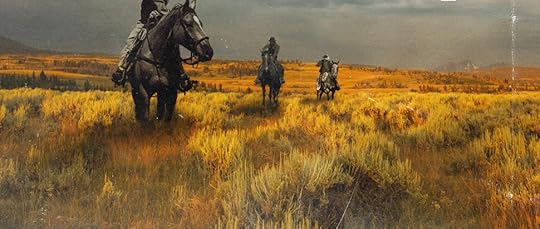
After reading the brilliant "The Devil All the Time" by Donald Ray Pollock I became an instant fan of his work. I followed this up with the fantastic collection of short stories Knockemstiff (the name of an actual town in Ohio that the author is from). Two books down and I decided to read all of the guys work. Well after snapping up a third novel the Heavenly Table for a bargain £1, I was devastated to find out that I had reached the extent of Mr Pollock's bibliography. He's only written three books! An absolute travesty. So was this one any good?
I'm going to let you in on a little secret. Donald Ray Pollock doesn't write good books. He writes amazing, barn storming, kick you in the balls, stupendous books. His style is very straight forward and to the point. Very little imagery and metaphors. But his prose are cutting, inciteful and darkly humorous that has drawn me in, like a redneck to whiskey. I was discussing it with a friend, and it has an intensity and authenticity that captures your attention and keeps your focus from beginning to end. So, I was expecting big things from this one.
"He had never met anyone who played music for a living who wasn't fucked-up in some sad or depraved way, the same as those who painted or wrote books or traipsed about spouting lines on a stage from the latest melodrama. In his opinion, only the truly miserable were really any good at artist endeavours of any kind."
The story itself is set at the time of the First World War and centres around three young brothers in rural Georgia, who suffer an early tragedy and decide to switch professions from sharecroppers to bank robbers. A journey of mayhem, shootouts and horseplay ensues as the brothers look to make their fortune and stay clear of the law and bounty hunters looking to put a stop to their little venture. It's told very much in the style of a western, but not like any western I've read before. Pollock's unrelenting grimness and cynical outlook on life is used to fashion something that is quite unique.
The character work in this one is of a very high order. The three brothers (Cain, Cob and Chimney) are very distinct and real. Each has a unique personality and features, having strengths, weakness and flaws that make them human as they jump off the page. I came to love them over the course of the novel and you really start to root for them. Pollock often surprises you by injecting real heart and emotion into the narrative when you least expect it. That's when he's not dragging his characters through the swamp of degradation and depravity, that he writes like nobody else.
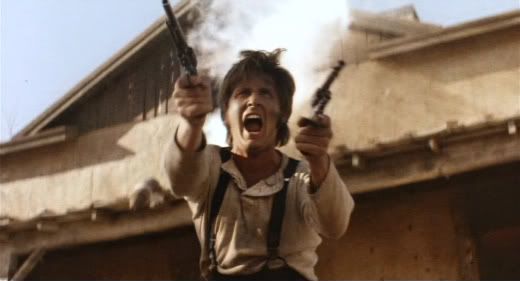
Something I've witnessed in Pollock's writing so far is his ability to develop separate narratives, that at first appear unrelated, and then brings them all together at the end and package it up expertly. He did this in amazing fashion in The Devil all the Time, and he does it again in this one. There's a fantastic journey for all characters, in terms of the locations they visit and in their personal development. It leads them to a fantastically emotional and poignant conclusion that I thought was perfect.
"The biggest disappointment of his life so far had been, in fact, his life so far."
Donald Ray Pollock is an amazing writer that is well worth your time if you have a strong stomach. Yes his work can be brutal and offensive, but its also a hell of a lot of fun. It's sad that this guy only started writing in his fifties, but an inspiration to us all who are doing jobs we don't like or not fulfilling our potential, and think it's too late change. The guy worked in a paper mill for thirty two years before realising, after the death of his father, it was now or never to do something exceptional. And boy has he.
Another five star novel. Mr Pollock take a bow sir. Well done!


February 22, 2016
America in 1917 wasn't the best of times. With the advent of the automobile, (and the many resulting accidents), indoor water closets,(or lack thereof), and WWI far away, but in the background, it wasn't exactly a fun period in our history.
The Heavenly Table introduces us to the Jewett Family, below dirt poor and with a father gone slightly insane since his wife died. He's trying to raise his boys, Chimney, Cob and Cane, the right way, but they're nearly starving to death; trading today's joy for wealth tomorrow, at God's heavenly table. We are also introduced to the Ellsworth family, the head of which was recently swindled out of the family's living savings.
The characters are the strength of this story. Vividly drawn, realistic and understandable-some of them I will never forget. Another thing that stands out is the humor, it's sick as hell and runs rampant throughout. The barn full of whores, the sanitation inspector, (poor Jasper, you'll find out why), Pollard the insane bartender, and the crazy Lewis family and their chimpanzee. They're all going to be sharing my brain space for a while.
The only problem I had with this tale was the uneven pacing, but even that didn't bother me very much. The characters were too interesting for me to leave them for any length of time.
This book is a great example of gritty literature, or grit-lit, if you will. It's imaginative, entertaining and even sickening at times, but always commanding my attention and making me laugh. What more could you ask from a good book?
Highly recommended to fans of gritty literature and dark humor!
* Edited 7.22.16: Woot, I won a hardcover copy from Doubleday through the Goodreads giveaway. Thanks Doubleday!*
*Thanks to Edelweiss and Doubleday for the eARC of this book in exchange for my honest review. This is it.*
The Heavenly Table introduces us to the Jewett Family, below dirt poor and with a father gone slightly insane since his wife died. He's trying to raise his boys, Chimney, Cob and Cane, the right way, but they're nearly starving to death; trading today's joy for wealth tomorrow, at God's heavenly table. We are also introduced to the Ellsworth family, the head of which was recently swindled out of the family's living savings.
The characters are the strength of this story. Vividly drawn, realistic and understandable-some of them I will never forget. Another thing that stands out is the humor, it's sick as hell and runs rampant throughout. The barn full of whores, the sanitation inspector, (poor Jasper, you'll find out why), Pollard the insane bartender, and the crazy Lewis family and their chimpanzee. They're all going to be sharing my brain space for a while.
The only problem I had with this tale was the uneven pacing, but even that didn't bother me very much. The characters were too interesting for me to leave them for any length of time.
This book is a great example of gritty literature, or grit-lit, if you will. It's imaginative, entertaining and even sickening at times, but always commanding my attention and making me laugh. What more could you ask from a good book?
Highly recommended to fans of gritty literature and dark humor!
* Edited 7.22.16: Woot, I won a hardcover copy from Doubleday through the Goodreads giveaway. Thanks Doubleday!*
*Thanks to Edelweiss and Doubleday for the eARC of this book in exchange for my honest review. This is it.*

October 11, 2016
This book s a 3.5 for me, but I rounded up because Pollock has such a wild love of language and story. I think this novel is a bit of a mess, but it was also quite entertaining, sometimes funny, and even a little moving at the end. Although on the surface it a hyper-realistic depiction of early 20th century southern Ohio, I would venture it is more of an alternate reality, history as carnival sideshow, a morally bankrupt and filthy world where you root for the bad guys who, in comparison to everyone else, end up looking not that bad. Pollock throws in every trope known to literature--there's an everything-but-the kitchen-sink feel to the narrative--but he has a great command of language, an exuberance that's hard to resist. There are multiple story lines, which come together, some less successfully than others, but I did feel like Pollock always had a grasp on the chaos, even when stories spun out of stories that could seem both distracting and part of the kaleidoscope.
The Heavenly Table is thoroughly disgusting and depraved in every way imaginable, which makes it hard to recommend. But I will say that Pollock's style is distinct and he is original, and I want to read his other books.
The Heavenly Table is thoroughly disgusting and depraved in every way imaginable, which makes it hard to recommend. But I will say that Pollock's style is distinct and he is original, and I want to read his other books.

October 4, 2016
The blurb mentions that this is reminicent of Flannery O'Connor and Cormac McCarthy, but I think I would throw in Mark Twain as well, if Twain had ever gone so dark. Gothic....well yes, but not southern gothic since it takes place in Ohio. Dark....well yes, but saved by the humor. Funny....well yes, but leading us to some very bad places and characters. I guess this one defies description or categorizing.
The Heavenly Table is where good people go when they die, if they have suffered enough here on earth. You can't get there just by being good, you have to choose the hard road and actually suffer to get a place there. According to a strange prophet who shows up in an early chapter. Very brief synopsis: 3 brothers go on a crime spree after the death of their father, lots of stuff happens. Lots of people suffer.
The brilliance of Donald Ray Pollock is that he shows us enough about each of these characters and what goes on inside their heads to make us root for them, even when they're acting very badly. We get to know even very minor characters fairly well. He wraps up every detail to perfection, breaks our heart, and leaves us satisfied with the ending.
I am left at the end of this book thinking....hmmmm, can I actually recommend this book to friends? Not sure about everyone, but I can tell you that I loved it. Choose for yourself, just be prepared for anything.
The Heavenly Table is where good people go when they die, if they have suffered enough here on earth. You can't get there just by being good, you have to choose the hard road and actually suffer to get a place there. According to a strange prophet who shows up in an early chapter. Very brief synopsis: 3 brothers go on a crime spree after the death of their father, lots of stuff happens. Lots of people suffer.
The brilliance of Donald Ray Pollock is that he shows us enough about each of these characters and what goes on inside their heads to make us root for them, even when they're acting very badly. We get to know even very minor characters fairly well. He wraps up every detail to perfection, breaks our heart, and leaves us satisfied with the ending.
I am left at the end of this book thinking....hmmmm, can I actually recommend this book to friends? Not sure about everyone, but I can tell you that I loved it. Choose for yourself, just be prepared for anything.

April 23, 2023
El banquete celestial
Última novela publicada hasta ahora por Donald Ray Pollock. Un western situado en la América profunda en el año 1917.
En el resumen de la novela se dice: La nueva novela del norteamericano Donald Ray Pollock es un western que se mueve en el territorio de McCarthy, Faulkner y O'Connor, y que mezcla la sátira con saludables dosis de violencia cinematográfica al más puro estilo de Peckinpah, Tarantino o los Coen.
A mí me parece que este tío es como el pan integral, la cerveza sin filtrar o la carne poco hecha, sangrante.
Sus personajes son crudos, salvajes, naturales, nada refinados, ignorantes, unos analfabetos que viven la vida tal y como les llega.
Este hombre ha trabajado durante mas de treinta años en fábricas, en ambientes rurales donde el personal tiene ambiciones normales y lenguaje de andar por casa. En sus libros esto lo refleja muy bien en los diálogos entre los personajes. Qué podemos esperar de él si no el reflejo fiel de una sociedad rural donde su mundo es su entorno e ignoran lo que pueda haber fuera.
Aquí, tenemos a los hermanos Jewett en su camino hacia el banquete celestial, parece una huida hacia delante, pero en realidad es hacia cualquier parte. Lo mejor es no ponerse en su camino.
Tenemos al granjero Ellsworth, un granjero más bueno que un trozo de pan y más inocente que un cubo sin asas. Qué se puede decir de este hombre, es el contrapunto en esta historia. Quién no se va a reír con lo que le ocurre a este hombre. Me he reído mucho con el cachondeo de no saber donde estaba Alemania ni siquiera poniéndole un mapa delante, pensando que era como una crítica a la ignorancia de los americanos a todo lo que no es lo suyo. Pero, en realidad, en la misma Europa, te pones a preguntar a gente a tu alrededor y te das cuenta que un buen número de ellos tampoco lo saben.
O el teniente Bovard, vaya personaje tragicómico, tropezando y nunca en el sitio adecuado. Y qué decir del inspector de letrinas, autocastigándose cuando las cosas no le van bien. Qué gentes más curiosas que saca este hombre.
Esta es la tercera novela de Pollock, después de “Los relatos de Knockemstiff” y “El diablo a todas horas”. La del diablo es una genialidad y esta está muy bien, si no has leído nada de él, te lo recomiendo si te gusta lo natural sin filtros, como la cerveza artesanal o el entrecot poco hecho, sangrante. Sobre todo, sangrante.
Última novela publicada hasta ahora por Donald Ray Pollock. Un western situado en la América profunda en el año 1917.
En el resumen de la novela se dice: La nueva novela del norteamericano Donald Ray Pollock es un western que se mueve en el territorio de McCarthy, Faulkner y O'Connor, y que mezcla la sátira con saludables dosis de violencia cinematográfica al más puro estilo de Peckinpah, Tarantino o los Coen.
A mí me parece que este tío es como el pan integral, la cerveza sin filtrar o la carne poco hecha, sangrante.
Sus personajes son crudos, salvajes, naturales, nada refinados, ignorantes, unos analfabetos que viven la vida tal y como les llega.
Este hombre ha trabajado durante mas de treinta años en fábricas, en ambientes rurales donde el personal tiene ambiciones normales y lenguaje de andar por casa. En sus libros esto lo refleja muy bien en los diálogos entre los personajes. Qué podemos esperar de él si no el reflejo fiel de una sociedad rural donde su mundo es su entorno e ignoran lo que pueda haber fuera.
Aquí, tenemos a los hermanos Jewett en su camino hacia el banquete celestial, parece una huida hacia delante, pero en realidad es hacia cualquier parte. Lo mejor es no ponerse en su camino.
Tenemos al granjero Ellsworth, un granjero más bueno que un trozo de pan y más inocente que un cubo sin asas. Qué se puede decir de este hombre, es el contrapunto en esta historia. Quién no se va a reír con lo que le ocurre a este hombre. Me he reído mucho con el cachondeo de no saber donde estaba Alemania ni siquiera poniéndole un mapa delante, pensando que era como una crítica a la ignorancia de los americanos a todo lo que no es lo suyo. Pero, en realidad, en la misma Europa, te pones a preguntar a gente a tu alrededor y te das cuenta que un buen número de ellos tampoco lo saben.
O el teniente Bovard, vaya personaje tragicómico, tropezando y nunca en el sitio adecuado. Y qué decir del inspector de letrinas, autocastigándose cuando las cosas no le van bien. Qué gentes más curiosas que saca este hombre.
Esta es la tercera novela de Pollock, después de “Los relatos de Knockemstiff” y “El diablo a todas horas”. La del diablo es una genialidad y esta está muy bien, si no has leído nada de él, te lo recomiendo si te gusta lo natural sin filtros, como la cerveza artesanal o el entrecot poco hecho, sangrante. Sobre todo, sangrante.

October 17, 2016
What a crazy ride. The last few days have felt like Bonnie & Clyde teamed up with Butch & Sundance to kidnap me by horseback, then toss me into the backseat of an unreliable Model T and haul me on a cross country crime spree. The year is 1917, when lawlessness still reigned.
This was my first reading of anything by Donald Ray Pollock, so some of my high rating comes from my numerous WHAT THE HELL??? reactions (plus I just finished a real downer of a book, so this was fun). You know that scene in the movie "The Hangover" where Mike Tyson randomly punches one of the dudes on a binge in Vegas? Yeah. I got that feeling over and over again, and it brought me smiles. This guy Pollock could be a long lost Coen brother or a cousin to Quentin Tarantino, I feel sure. If you enjoyed the movie "Fargo" with its repulsive little oddities, then this may be a great ride for you too. There is plenty of vulgarity here, but it is inserted as satire - Twain style. If, however, you have a tendency to take things literally - particularly if you are a female - then you might steer clear. As far as novels I'd list with a similar flavor, The Sisters Brothers would probably be it. And I loved that one!
If you've expressed any interest in this novel, you've surely read the publisher's blurb. It will tell you that there are three brothers - each whose names begins with the letter C - who live in a filthy shack with their religiously "touched" father that is convinced that the only way to get to see his deceased wife again at "the heavenly table" is to starve and suffer...to be as unclean and low as possible in order to reap a golden reward in the afterlife. The boys are forced to subsist on some thoroughly disgusting food stuffs and to work clearing swamps for next to no money.
When their pa finally crosses into said afterlife, in as inelegant a way possible, the three brothers decide they've had enough. The eldest can read, thanks to his long gone mom's efforts, and has read to his brothers aloud over the years from the single book they own. The book is a pulp, shootemup cowboy story called The Life and Times of Bloody Bill Bucket. With no education or experience, the book gives them the idea to steal a few horses and a couple of guns, rob a bank, and head to Canada where they'll purchase a farm to work, then live happily ever after. A book can be a dangerous thing, you know..
This odyssey introduces dozens of interesting and quirky characters, a goat shed turned into a brothel, town guidelines on the depth each outhouse hole must maintain, and a dark saloon where the barkeep will give you the jitters.
There are prostitutes here whose skills are described with big-time lewdness, and as fits the times, some really ill treatment of the lone black character who passes through. There is a morality officer at the local army base who, as a physician, lectures them on the evils of premarital sex. He treats gonorrhea in front of the entire troop to make a point. Quoting here, "the look on the soldiers' faces as they watched him knock the clap snot out of some hilljack's pizzle with a rubber hammer was priceless."
As for Peaches the prostitute, she says:"I slept in a bed with silk sheets, had a colored girl named Lucy who woke me up every afternoon with a breakfast tray and a little vase of flowers." She took a sip of her coffee and swiped at a fly buzzing around her face. "Now look at me. Three dollar screws in a pup tent. In Michigan, no less. Sometimes I wake up and wonder what the hell ever happened "
"You're in Ohio," Esther told her.
"Oh Jesus," Peaches said. "And I thought it couldn't get any worse."
Not all of these memorable quotes are foul, and this one seemed apt for the upcoming 2016 presidential election: "The attorney general vaguely wondered whether he could ever summon such emotion – if, for example, his old mother passed away, or his wife ran off with a better man. He doubted it. As blind as he was to most of his defects, even Powys knew that the first thing a man lost when he entered politics was his humanity."
There is no rape or animal abuse to act as triggers for folks, excepting this one odd little tidbit about a drunken teenager named Eddie: "Last evening, out of their minds on a bottle of moonshine called knockemstiff that he had traded his shoes for, they had stolen a dozen baby chicks from a coop in somebody's backyard and ate them alive for dinner. He had awoken this morning tangled up in a patch of ivy with a raging headache and a tiny beak stuck between his two front teeth."
There is a lieutenant at the camp, hoping to be sent off to lead in World War I and who imagines glorious quests like those he read about in Greek classics in college. As a gay man, he feels a bit like a misfit in the camp, but ultimately will have his hopes realized in ways he didn't expect. He was one of the side-line characters that made the entire story feel like an ensemble performance. I loved that everyone that crossed the pages was so incredibly real. Some of the characters are truly depraved, but somehow, the three brothers did not strike me as rotten. Here is a review by someone far more astute than me for comparison. https://www.firstthings.com/web-exclu...
In sum, the plot is colorful and full of characters that we come to know in depth and to care about as well. This is a fantastic guy-book, but for my gal pals who love a great story with surprises and can handle cowboy-crudity, I recommend this highly. It is probably a 4 star read, as the first maybe 50 pages were a bit iffy for me, but once I got over the nastiness, I was happy to have been kidnapped.
It's funny the variety of books one is led to from just one great read! A Goodreads friend attended a book festival where this author, Donald Ray Pollack, was speaking. Because he only started publishing at the age of 52, he has been a reader more than a writer his entire life. He listed several books that he said were huge influences on his craft, and because my girlfriend is just like me, she grabbed a pen and wrote them all down.
Since then, we have taken a pledge to read everything that Donald thinks is outstanding! From trips to Antarctica to the gas chambers of Berkinau and on to the wild, wild west, I have been having an outstanding reading experience lately. It all started with reading this one quirky but excellent and dark book!
This was my first reading of anything by Donald Ray Pollock, so some of my high rating comes from my numerous WHAT THE HELL??? reactions (plus I just finished a real downer of a book, so this was fun). You know that scene in the movie "The Hangover" where Mike Tyson randomly punches one of the dudes on a binge in Vegas? Yeah. I got that feeling over and over again, and it brought me smiles. This guy Pollock could be a long lost Coen brother or a cousin to Quentin Tarantino, I feel sure. If you enjoyed the movie "Fargo" with its repulsive little oddities, then this may be a great ride for you too. There is plenty of vulgarity here, but it is inserted as satire - Twain style. If, however, you have a tendency to take things literally - particularly if you are a female - then you might steer clear. As far as novels I'd list with a similar flavor, The Sisters Brothers would probably be it. And I loved that one!
If you've expressed any interest in this novel, you've surely read the publisher's blurb. It will tell you that there are three brothers - each whose names begins with the letter C - who live in a filthy shack with their religiously "touched" father that is convinced that the only way to get to see his deceased wife again at "the heavenly table" is to starve and suffer...to be as unclean and low as possible in order to reap a golden reward in the afterlife. The boys are forced to subsist on some thoroughly disgusting food stuffs and to work clearing swamps for next to no money.
When their pa finally crosses into said afterlife, in as inelegant a way possible, the three brothers decide they've had enough. The eldest can read, thanks to his long gone mom's efforts, and has read to his brothers aloud over the years from the single book they own. The book is a pulp, shootemup cowboy story called The Life and Times of Bloody Bill Bucket. With no education or experience, the book gives them the idea to steal a few horses and a couple of guns, rob a bank, and head to Canada where they'll purchase a farm to work, then live happily ever after. A book can be a dangerous thing, you know..
This odyssey introduces dozens of interesting and quirky characters, a goat shed turned into a brothel, town guidelines on the depth each outhouse hole must maintain, and a dark saloon where the barkeep will give you the jitters.
There are prostitutes here whose skills are described with big-time lewdness, and as fits the times, some really ill treatment of the lone black character who passes through. There is a morality officer at the local army base who, as a physician, lectures them on the evils of premarital sex. He treats gonorrhea in front of the entire troop to make a point. Quoting here, "the look on the soldiers' faces as they watched him knock the clap snot out of some hilljack's pizzle with a rubber hammer was priceless."
As for Peaches the prostitute, she says:"I slept in a bed with silk sheets, had a colored girl named Lucy who woke me up every afternoon with a breakfast tray and a little vase of flowers." She took a sip of her coffee and swiped at a fly buzzing around her face. "Now look at me. Three dollar screws in a pup tent. In Michigan, no less. Sometimes I wake up and wonder what the hell ever happened "
"You're in Ohio," Esther told her.
"Oh Jesus," Peaches said. "And I thought it couldn't get any worse."
Not all of these memorable quotes are foul, and this one seemed apt for the upcoming 2016 presidential election: "The attorney general vaguely wondered whether he could ever summon such emotion – if, for example, his old mother passed away, or his wife ran off with a better man. He doubted it. As blind as he was to most of his defects, even Powys knew that the first thing a man lost when he entered politics was his humanity."
There is no rape or animal abuse to act as triggers for folks, excepting this one odd little tidbit about a drunken teenager named Eddie: "Last evening, out of their minds on a bottle of moonshine called knockemstiff that he had traded his shoes for, they had stolen a dozen baby chicks from a coop in somebody's backyard and ate them alive for dinner. He had awoken this morning tangled up in a patch of ivy with a raging headache and a tiny beak stuck between his two front teeth."
There is a lieutenant at the camp, hoping to be sent off to lead in World War I and who imagines glorious quests like those he read about in Greek classics in college. As a gay man, he feels a bit like a misfit in the camp, but ultimately will have his hopes realized in ways he didn't expect. He was one of the side-line characters that made the entire story feel like an ensemble performance. I loved that everyone that crossed the pages was so incredibly real. Some of the characters are truly depraved, but somehow, the three brothers did not strike me as rotten. Here is a review by someone far more astute than me for comparison. https://www.firstthings.com/web-exclu...
In sum, the plot is colorful and full of characters that we come to know in depth and to care about as well. This is a fantastic guy-book, but for my gal pals who love a great story with surprises and can handle cowboy-crudity, I recommend this highly. It is probably a 4 star read, as the first maybe 50 pages were a bit iffy for me, but once I got over the nastiness, I was happy to have been kidnapped.
It's funny the variety of books one is led to from just one great read! A Goodreads friend attended a book festival where this author, Donald Ray Pollack, was speaking. Because he only started publishing at the age of 52, he has been a reader more than a writer his entire life. He listed several books that he said were huge influences on his craft, and because my girlfriend is just like me, she grabbed a pen and wrote them all down.
Since then, we have taken a pledge to read everything that Donald thinks is outstanding! From trips to Antarctica to the gas chambers of Berkinau and on to the wild, wild west, I have been having an outstanding reading experience lately. It all started with reading this one quirky but excellent and dark book!

December 13, 2016
If this is the first book by Mr Pollock you read you will think this is a vile hellish descent into American rural lowlife but fans of the previous two will be amazed that some of the characters are actually nice and some of them are allowed to feel …er, what’s the word…. Wait….oh yes…happy. Compared to the two previous Pollocks, this is Little House on the Prairie featuring Rebecca of Sunnybrook Farm on guest vocals.
The story we have been told many times before – dirt-poor farm boys stumble into a brief, violent life of crime and get their comeuppance. Along the brain-damaged blood-daubed way we have a motley of fun characters (“Ells, you’re talkin’ about a man who once ate a dog turd at Jack Eliot’s fish fry for a pint of moonshine”) with an enticing range of physical peculiarities (unpleasantly large private parts, goiter the size of a tennis ball, etc) and a lipsmacking relish for filth. For instance
Matilda remembered [her mother]saying, as she glanced around at the black mold on the walls and the ossified pile of gray dog shit lying on top of the ripped mattress, “So this is what the end of the line looks like.”
Oh yeah, later in this chapter this mother tries to get a local pimp to buy her 12 year old daughter.
“How many girls ye got now?”
“Three, but the one’s not working out. Can’t get her to take a bath. If ye didn’t know better you’d think she had the rabies.”
Yes, that’s the general drift of things in a Donald Ray Pollock novel, even if this is the most light-hearted thing he’s ever written, to the point where I slightly think he’s losing his edge. Well, I mean to say, there are jokes and comedy in here :
He was right on the verge of finishing his first original composition, a slow, mournful piece in eight movements meant to capture the educator’s dread of returning to the classroom after the bliss of the summer break, tentatively titled “Might as Well Hang Myself”.
And
After being involved professionally with children for so many years, he found it difficult to trust anyone who might possibly have been one in the past.
After taking a month to hack & hew my way through Vanity Fair the three day rush of The Heavenly Table was this reader’s version of a dog sticking its head out of the car window and the wind dragging its jowls into a big goofy grin.
3.5 stars, but I’m hoping Pollock gets back to total bleakness next time round.

The story we have been told many times before – dirt-poor farm boys stumble into a brief, violent life of crime and get their comeuppance. Along the brain-damaged blood-daubed way we have a motley of fun characters (“Ells, you’re talkin’ about a man who once ate a dog turd at Jack Eliot’s fish fry for a pint of moonshine”) with an enticing range of physical peculiarities (unpleasantly large private parts, goiter the size of a tennis ball, etc) and a lipsmacking relish for filth. For instance
Matilda remembered [her mother]saying, as she glanced around at the black mold on the walls and the ossified pile of gray dog shit lying on top of the ripped mattress, “So this is what the end of the line looks like.”
Oh yeah, later in this chapter this mother tries to get a local pimp to buy her 12 year old daughter.
“How many girls ye got now?”
“Three, but the one’s not working out. Can’t get her to take a bath. If ye didn’t know better you’d think she had the rabies.”
Yes, that’s the general drift of things in a Donald Ray Pollock novel, even if this is the most light-hearted thing he’s ever written, to the point where I slightly think he’s losing his edge. Well, I mean to say, there are jokes and comedy in here :
He was right on the verge of finishing his first original composition, a slow, mournful piece in eight movements meant to capture the educator’s dread of returning to the classroom after the bliss of the summer break, tentatively titled “Might as Well Hang Myself”.
And
After being involved professionally with children for so many years, he found it difficult to trust anyone who might possibly have been one in the past.
After taking a month to hack & hew my way through Vanity Fair the three day rush of The Heavenly Table was this reader’s version of a dog sticking its head out of the car window and the wind dragging its jowls into a big goofy grin.
3.5 stars, but I’m hoping Pollock gets back to total bleakness next time round.

December 1, 2021
ما العالم سوى مكان ظالم ودنيء، تتسيده زمرة مصطفاة من الأغنياء والتافهين. والسبيل الوحيد امام انسانٍ فقير حتي يستمر فيه إنما تكون بتجاهل القوانين التي فرضوها على الجميع ما خلا انفسهم.
المائدة الربانية، منحدرٌ مائي سلس، يتكون من مسارين في انبثاقه وترفده العديد من السواقي في طريقه، لكنه منحدرٌ ضحل!
يعود بنا بولوك الى فترة الحرب العالمية الأولى في الولايات المتحدة، اوهايو بشكل خاص، من خلال قصة عائلتين يجمعهما الفقر بدرجات وتتقاطع قصتهما في الربع الأخير من الرواية. يتخلل هذا المسار الكثير من القصص (على شكل فصول)، بعضها يبدأ وينتهي في الفصل ذاته، وبعضها استمر طوال الرواية (الضابط، وصاحب الحانة على سبيل المثال).
تحمل الرواية القاتمة الكثير من الأفكار والتعرية للواقع الأمريكي في تلك المرحلة، الفقر المدقع، زيف الحلم الأمريكي، العبودية والتمييز العنصري، الريف والبساطة، رعاة البقر والخارجون عن القانون، الدعارة والتقويد، السرقات،... وغيرها الكثير من الأفكار...
اعتمد الكاتب، على عادته، على اسلوب كلاسيكي في البناء الروائي بخط زمني واضح (رغم ان الأسلوب يشبه اسلوب الستينيات من القرن الماضي الا انه لم يكن مزعجًا). وتدرج في القصة رافدًا اياها بالكثير من القصص القصيرة والشخصيات التي كانت تأتي لتؤدي دورها وتختفي لاحقًا. الأسلوب كان مميزًا، سهلًا وسلسًا.
تبدأ مشاكل الرواية مع العنوان التجاري الملفت الذي كان أكبر من النص بكثير، لم اقرأ في النص العمق المفترض لهذه المائدة الموعودة للفقراء والطيبين بعد الإنتقال الى العالم الآخر وكلما مرّت العبارة في النص كانت هامشية.
المشكلة الثانية كانت في اختراع شخصية كلما اراد الكاتب التعبير عن فكرةٍ ما، فعلى صعيد المثال ادخل شخصية (ريس مونتغمري) ليبيّن حياة المجون التي يعيشها بعض ابناء الأغنياء. ومن ثم تخلّص من الشخصية في ذات الفصل وتابع مع شخصيات اخرى.
المشكلة الثالثة في بوليودية الكثير من الأحداث وتكرارها، فعلى سبيل المثال حبكة مدير المصرف الذي كان يسرق اموال المصرف وسهّل عملية السطو هي حبكة متكررة ومعادة في اغلب الأفلام الأمريكية امّا اصابة (مونتغمري) وهو في الطائرة بواسطة رصاصة بندقية من احد الأخوة ومن ثم تحطّم الطائرة فقد كانت اقرب لحبكات بوليوود الساذجة. ناهيك عن تعلّم القيادة في يومين، والإستسلام غير المبرر لـ (تشيمني) وإصابة (كين) برميةٍ من دون رامٍ!...
المشكلة الرابعة في لاجدوى او عبثية بعض الشخصيات مثل صاحب الحانة الذي لم اعرف الغاية من وجوده في النص.
المشكلة الخامسة في ختام الرواية والتي لم ادرك ما الرسالة المتوخاة منها؟! البقاء للأهبل مثلًا؟!
لا يمكن انكار ان الرواية سلسة (انهيتها في جلستين) رغم حجمها الكبير، لكنها لم تحمل شيئًا جديدًا وكانت اقرب الى قصص رعاة البقر في الغرب الأمريكي
أخيرًا، الترجمة كانت جميلة بهوامش مقبولة ومفيدة، لكن النسخة التي املكها فيها 31 صفحة معاد طبعها (من الصفحة 145 الى 176 واتت بعد الصفحة 176). الطباعة والورق والغلاف مميزة على عادة دار مسكلياني
ان كل شيء حسبناه ذا قيمة، خلال أزيد من ثلاثة آلاف عام من الفكر والتقاليد والتعلّم، سيصير في غضون المائة عام القادمة بأهمية ما تقوله قبيلة اقوام همجيين داكني البشرة اثناء حديثهم عن روح يؤمنون بأنها تعيش في صدفة بحر لعينة.. سيُنظر الى كل شيء على انه ذو قيمة وهو في الحقيقة لا قيمة له.

February 15, 2016
*3.5 Stars*
Donald Ray Pollock's new novel can be equally frustrating and rewarding. Especially if you go into it expecting certain things based on the book blurb summary given by the publisher. I really enjoyed Pollock's writing in this one, just as tough and bold as we've come to expect in his work, but this time it has an added dose of black-humored wit that helped support the more pulp-y tone this book carried. Another thing that Pollock fans will expect are colorful, memorable characters, which this book has in spades. And that unfortunately leads to one aspect where the book falters, and that's in its pacing. The thing that's good to know before getting into the book is that it quickly jumps back and forth between a large cast of characters and Pollock spends a lot of time (one could argue unnecessarily) developing backstory for everyone, which really weakens the pace, to the point where a few times in the book I was wondering where he was going with all of this.
But once I got the hang of it all, it finally clicked to me that Pollock was creating a tapestry of this disparate cast of characters all dealing with the immense change that was happening around them in 1917, when the book is set. Whether it be the looming presence of the Great War across the sea in strange, faraway lands called Germany and France, to the growing popularity of automobiles, the introduction of indoor plumbing, or the breakdown of outlaw legend in the face of hard reality, every character here must come face to face with this change and decide either to move with it and embrace it, or to reject it. I wouldn't recommend this one to everyone, especially with its focus on so many seemingly secondary characters, but if you don't mind that, then give it a go. It's surely not as good as the author's first two books, but it's still a worthy addition to his work.
*I reviewed an Advance Copy of this through Netgalley in exchange for an honest opinion*
Donald Ray Pollock's new novel can be equally frustrating and rewarding. Especially if you go into it expecting certain things based on the book blurb summary given by the publisher. I really enjoyed Pollock's writing in this one, just as tough and bold as we've come to expect in his work, but this time it has an added dose of black-humored wit that helped support the more pulp-y tone this book carried. Another thing that Pollock fans will expect are colorful, memorable characters, which this book has in spades. And that unfortunately leads to one aspect where the book falters, and that's in its pacing. The thing that's good to know before getting into the book is that it quickly jumps back and forth between a large cast of characters and Pollock spends a lot of time (one could argue unnecessarily) developing backstory for everyone, which really weakens the pace, to the point where a few times in the book I was wondering where he was going with all of this.
But once I got the hang of it all, it finally clicked to me that Pollock was creating a tapestry of this disparate cast of characters all dealing with the immense change that was happening around them in 1917, when the book is set. Whether it be the looming presence of the Great War across the sea in strange, faraway lands called Germany and France, to the growing popularity of automobiles, the introduction of indoor plumbing, or the breakdown of outlaw legend in the face of hard reality, every character here must come face to face with this change and decide either to move with it and embrace it, or to reject it. I wouldn't recommend this one to everyone, especially with its focus on so many seemingly secondary characters, but if you don't mind that, then give it a go. It's surely not as good as the author's first two books, but it's still a worthy addition to his work.
*I reviewed an Advance Copy of this through Netgalley in exchange for an honest opinion*

October 6, 2016
Wow! It's rude, it's crude, it's vulgar, it's ribald (I had to use this word, yes, it's my new word I learned from reading Cormac) but it's also redeeming. However, this redemption of sorts, doesn't come until much later in the book. Repeat, "MUCH LATER IN THE BOOK." This book is not for the faint or the easily offended. I'm still thinking who in good faith can I recommend this book to?! You've got to get through some rowdy and raunchy scenes and characters that are downright no good. It is dark and humorous and so well done. Pollock is a writing genius. He takes these deplorable and inexcusable characters and situations to such great extremes it's hard to not flinch, throw in the towel, look away, walk away or read with one eye shut but somehow he brings you to the place that you are rooting and caring for these unforgiveable characters. He's a genius! If you read Pollock's The Devil All the Time like myself, I was found having anxiety attacks. This one isn't like that but it's not mild either. It's definitely a book with shock factor or a big bold TRIGGER WARNING! Highly recommend but to who, I don't know.

August 18, 2017
Escritor de historias duras, de perdedores, de miseria, y todo ello en un entorno rural, amargo e ignorante. Uno de mis escritores favoritos.

November 7, 2016
This is a raw but very funny multi-stranded Western. The central plot focuses on the hapless Jewett brothers, who after their father’s death and in homage to a pulp novel they adore become bank robbers and set off from Georgia for the Canadian border. Never mind that they’re just “three dipshit farm boys in dirty white shirts riding horses.” Once in Ohio, their paths cross with the other characters and subplots – an Army training camp where many young men who couldn’t locate Germany on a map are preparing to head just there; a swindled farmer who thinks his son has joined up; a sadistic barkeep; a black man trying to kick his drinking habit; a sanitation inspector; a passel of whores and other ne’er do wells; and so on – to explosive effect.
All of these characters (and I did sometimes wonder if there were too many of them) are longing for what they can’t have; they have a vision of perfection, like the “heavenly table” the Jewett boys’ father aimed for, but reality falls cruelly yet comically short. At times I thought this got more bitter and gruesome than it needed to, especially with Pollard and Sugar. The sex talk is also undeniably filthy. But overall I found it to be a rollicking treat of a morality tale where there are no entirely good guys.
Favorite lines:
All of these characters (and I did sometimes wonder if there were too many of them) are longing for what they can’t have; they have a vision of perfection, like the “heavenly table” the Jewett boys’ father aimed for, but reality falls cruelly yet comically short. At times I thought this got more bitter and gruesome than it needed to, especially with Pollard and Sugar. The sex talk is also undeniably filthy. But overall I found it to be a rollicking treat of a morality tale where there are no entirely good guys.
Favorite lines:
“the truth was that he … had never had any more interest in the female body than a woodchuck has in learning the particulars of Latin verb conjugation.”
“Books were her greatest passion, and she could never get serious about a man who didn’t read, let alone marry one. To do so, she felt, would be like hitching her star to a fence post that just happened to breathe air and draw a paycheck.”

September 26, 2016
"It still amazed him how you could just be plugging along, stuck in the deepest depression, and then something a little bit wonderful happened that suddenly changed your outlook on everything, that turned your world from darkness to light, made you glad you were still walking the earth."
- Donald Ray Pollack, The Heavenly Table

I really liked Pollock's first novel The Devil All the Time. I thought of it as a mash-up between Chuck Palahniuk and Dashiell Hammett. I've heard people talk about this book in terms of Gogol, Meyer, or McCarthy. Pollock has a lot of talent and is a master of transgressive fiction, but his prose in this novel just seemed (to me) a bit thin. The novel didn't drill me as hard as 'The Devil All the Time'. It just seemed a bit too messy and contrived. I think Mel captures the essence of Pollock's fiction. He writes "angry, bizarre, violent, raw, raunchy, and darkly hilarious novels". He seems like balancing between the world between the outcast, the carny, the pervert, and the creep. In this novel he spends a couple hours in the fecal swamps to find a couple silver dollars. I guess it would have been worth the shit swim if the payout was just a bit more.
- Donald Ray Pollack, The Heavenly Table
I really liked Pollock's first novel The Devil All the Time. I thought of it as a mash-up between Chuck Palahniuk and Dashiell Hammett. I've heard people talk about this book in terms of Gogol, Meyer, or McCarthy. Pollock has a lot of talent and is a master of transgressive fiction, but his prose in this novel just seemed (to me) a bit thin. The novel didn't drill me as hard as 'The Devil All the Time'. It just seemed a bit too messy and contrived. I think Mel captures the essence of Pollock's fiction. He writes "angry, bizarre, violent, raw, raunchy, and darkly hilarious novels". He seems like balancing between the world between the outcast, the carny, the pervert, and the creep. In this novel he spends a couple hours in the fecal swamps to find a couple silver dollars. I guess it would have been worth the shit swim if the payout was just a bit more.

May 22, 2020
در کتاب سفره آسمانی نویسنده آقای پولاک سعی کرده کمی فضای آمریکا در اوایل قرن بیستم را مجسم کند ، او برای این کار یک داستان روتین آمریکایی را در نظر گرفته ، ماجرای پسران فقیری که ناگهان کابو می شوند ، بانک می زنند ، از دست پلیس و کلانتر فرار می کنند ، سوار بر اسب از شهری به شهر دیگر می گریزند و از این گونه مسائل معمولی که در فیلم های وسترن دیده می شود .
نویسنده چند داستان جانبی را هم وارد داستان کرده تا شاید کمی از حال و هوای وسترن گونه رمان بکاهد ، بعضی از این داستانهای فرعی ارتباط زیادی با خط اصلی کتاب ندارند و قاعدتا به جذابیت داستان هم اضافه نکرده اند . بر خلاف بیشتر فیلمهای وسترن شخصیت های اصلی کتاب ، قهرمان نیستند ، هدف و آرمان بالایی هم ندارند . نویسنده آنها را از پایین ترین طبقات جامعه انتخاب کرده و آرزوی بزرگی هم برایشان تعیین نکرده ، همین که کمی پولدار شوند و با دختران ارتباط داشته باشند برایشان کافی ایست .
در قسمتی از کتاب یکی از شخصیتهای داستان اتوموبیلی می خرد ، اگر همین بخش داستان را بخواهیم با شاهکار استاد اشتاین بک ، شرق بهشت مقایسه کنیم که استاد چندین صفحه را به مکالمه های بین فروشنده و مکانیک و خریدار وچگونگی هندل زدن و روشن کردن خودرو اختصاص داده اما آقای پولاک کل این ماجرا را در چند خط جا داده و از شرح جزییات بیشتر خودداری کرده است .
کتاب سفره آسمانی قابلیت سرگرم کردن خواننده را دارد ولی یک شاهکار یا اثر تاثیرگذاری نیست ، با تمام شدن کتاب موضوع کتاب هم فراموش می شود..
نویسنده چند داستان جانبی را هم وارد داستان کرده تا شاید کمی از حال و هوای وسترن گونه رمان بکاهد ، بعضی از این داستانهای فرعی ارتباط زیادی با خط اصلی کتاب ندارند و قاعدتا به جذابیت داستان هم اضافه نکرده اند . بر خلاف بیشتر فیلمهای وسترن شخصیت های اصلی کتاب ، قهرمان نیستند ، هدف و آرمان بالایی هم ندارند . نویسنده آنها را از پایین ترین طبقات جامعه انتخاب کرده و آرزوی بزرگی هم برایشان تعیین نکرده ، همین که کمی پولدار شوند و با دختران ارتباط داشته باشند برایشان کافی ایست .
در قسمتی از کتاب یکی از شخصیتهای داستان اتوموبیلی می خرد ، اگر همین بخش داستان را بخواهیم با شاهکار استاد اشتاین بک ، شرق بهشت مقایسه کنیم که استاد چندین صفحه را به مکالمه های بین فروشنده و مکانیک و خریدار وچگونگی هندل زدن و روشن کردن خودرو اختصاص داده اما آقای پولاک کل این ماجرا را در چند خط جا داده و از شرح جزییات بیشتر خودداری کرده است .
کتاب سفره آسمانی قابلیت سرگرم کردن خواننده را دارد ولی یک شاهکار یا اثر تاثیرگذاری نیست ، با تمام شدن کتاب موضوع کتاب هم فراموش می شود..

April 18, 2022
With his second novel, Pollock did himself and his readers a real favor: he didn't try to repeat or out-do 'The Devil All The Time'. I'm certain there are fans of 'The Devil...' who wish he had done either one of those - and who might, when they read it, think of the second novel as inferior.
But it isn't. In its own way, it's the equal of his first novel; it just doesn't feel the need to get quite that 'down-and-dirty'. For sure, there are a few peripheral characters this time around who would feel right-at-dysfunctional-home in the previous work. But, though I wouldn't guess that he was feeling the need to be more accessible, it seems the writer felt the urge toward a different sort of storytelling. Something a bit less cringe-worthy; that didn't want to keep the reader at the same sort of distance, due to... ickiness.
Pollock seems (again) admirably meticulous in the way he handles construction. Here, he interweaves characters in such a way that it can be either amusing or spooky when one of them drops out of the story, only to drop back in some chapters later.
None of the gang here are ever all that removed from each other geographically, but there's still an eerie sense of the inevitable when dovetailing clicks into place; the frivolity of centrifugal force.
Most of the personages on-call here might like to think of themselves as being better people than they are - or aiming in that direction - but what's said of one character could seemingly easily apply to all:
But it isn't. In its own way, it's the equal of his first novel; it just doesn't feel the need to get quite that 'down-and-dirty'. For sure, there are a few peripheral characters this time around who would feel right-at-dysfunctional-home in the previous work. But, though I wouldn't guess that he was feeling the need to be more accessible, it seems the writer felt the urge toward a different sort of storytelling. Something a bit less cringe-worthy; that didn't want to keep the reader at the same sort of distance, due to... ickiness.
Pollock seems (again) admirably meticulous in the way he handles construction. Here, he interweaves characters in such a way that it can be either amusing or spooky when one of them drops out of the story, only to drop back in some chapters later.
None of the gang here are ever all that removed from each other geographically, but there's still an eerie sense of the inevitable when dovetailing clicks into place; the frivolity of centrifugal force.
Most of the personages on-call here might like to think of themselves as being better people than they are - or aiming in that direction - but what's said of one character could seemingly easily apply to all:
The biggest disappointment of his life so far had been, in fact, his life so far...Ultimately, what's dominant here (aside from the kick-ass writing and a mordant sense of humor) is a campfire quality to the max. Pollock invites you in in a way that makes you feel like he's telling *you* personally; like he wants you to sit there by the fire with him, and be all ears, and hang onto his every word - and read past his every cliffhanger - till he gets you all tucked in, with a most satisfying of endings.

August 14, 2016
Most people, Cob concluded, weren't nearly as decent as they imagined themselves to be. Just look at the way he had turned out.
Pollock does picaresque as the Jewett brothers take to the road armed with life lessons from a Confederate pulp novel. Cane, Cob, and Chimney Jewett have grown up hard-working and dirt-poor, the sons of sharecropper Pearl Jewett, who is convinced that all his suffering will prove worthwhile if it affords him a place at "the heavenly table," which is consolation you need while trying to stretch a few more meals out of a side of diseased pork. On Pearl's death, the handsome, intelligent Cane and hot-headed, unscrupulous Chimney talk the "simple" Cob into committing just one or two small bank robberies in order to fund their new lives. Unsurprisingly, this escalates into a multi-state crime spree, as the brothers struggle to master their new career and gather up their nest egg. On their travels, they meet a lot of people, from a down-at-the-heels farmer and his wife to an extraordinarily well-endowed sanitation inspector to a serial killer.
The book's handful of flaws stem from its virtues. Pollock seems incapable of writing a boring sentence--it's hard to think of anyone who writes more beautifully about ugliness--but for a while, especially in the book's middle section, that gorgeous grit becomes just a little monotonous. Enough pessimism becomes its own predictability, and around the time Sugar had a very brief epiphany about giving up his nickname and reclaiming some kind of respectable life and then immediately got stung on the tip of his nose, I couldn't help thinking, Well, of course he did. For the most part, regardless of the violence, death, and depravity, The Heavenly Table has a comedic sensibility, and Pollock has a recognizable joke style--dignity gets punctured and there's dirt underneath nearly everything--which works better sometimes, and at some lengths, than others.
In the final third, though, Pollock lets a little melancholy and kindness vary the rhythms, and the stakes start to feel like they matter. This is especially true for the Jewett brothers--the manhunt for them continues even as they stop robbing people and just try to gather up some pleasure and get away alive, and the scenes of them tentatively remaking themselves as "gentlemen," with Chimney getting his "girlfriend," Cob befriending Jasper, and Cane reading Richard III, are some of the best in the book--but also for some of the vast cast of colorful supporting characters, like Bovard, the gay Army officer on the hunt for a glorious death, and the Fiddlers, who have lost their life savings to a con man. This collision of all the characters, with their good and bad intentions, is maybe the best writing Pollock has ever done.
There are characters who I think deserved more attention towards the end, especially when their ends were ignominious. Overall, though, Pollock does a good job writing a kind of especially profane Lonesome Dove, where the country is explored and civilization is built all in a kind of half-comedic, half-tragic bloodbath as one age passes into another.
Pollock does picaresque as the Jewett brothers take to the road armed with life lessons from a Confederate pulp novel. Cane, Cob, and Chimney Jewett have grown up hard-working and dirt-poor, the sons of sharecropper Pearl Jewett, who is convinced that all his suffering will prove worthwhile if it affords him a place at "the heavenly table," which is consolation you need while trying to stretch a few more meals out of a side of diseased pork. On Pearl's death, the handsome, intelligent Cane and hot-headed, unscrupulous Chimney talk the "simple" Cob into committing just one or two small bank robberies in order to fund their new lives. Unsurprisingly, this escalates into a multi-state crime spree, as the brothers struggle to master their new career and gather up their nest egg. On their travels, they meet a lot of people, from a down-at-the-heels farmer and his wife to an extraordinarily well-endowed sanitation inspector to a serial killer.
The book's handful of flaws stem from its virtues. Pollock seems incapable of writing a boring sentence--it's hard to think of anyone who writes more beautifully about ugliness--but for a while, especially in the book's middle section, that gorgeous grit becomes just a little monotonous. Enough pessimism becomes its own predictability, and around the time Sugar had a very brief epiphany about giving up his nickname and reclaiming some kind of respectable life and then immediately got stung on the tip of his nose, I couldn't help thinking, Well, of course he did. For the most part, regardless of the violence, death, and depravity, The Heavenly Table has a comedic sensibility, and Pollock has a recognizable joke style--dignity gets punctured and there's dirt underneath nearly everything--which works better sometimes, and at some lengths, than others.
In the final third, though, Pollock lets a little melancholy and kindness vary the rhythms, and the stakes start to feel like they matter. This is especially true for the Jewett brothers--the manhunt for them continues even as they stop robbing people and just try to gather up some pleasure and get away alive, and the scenes of them tentatively remaking themselves as "gentlemen," with Chimney getting his "girlfriend," Cob befriending Jasper, and Cane reading Richard III, are some of the best in the book--but also for some of the vast cast of colorful supporting characters, like Bovard, the gay Army officer on the hunt for a glorious death, and the Fiddlers, who have lost their life savings to a con man. This collision of all the characters, with their good and bad intentions, is maybe the best writing Pollock has ever done.
There are characters who I think deserved more attention towards the end, especially when their ends were ignominious. Overall, though, Pollock does a good job writing a kind of especially profane Lonesome Dove, where the country is explored and civilization is built all in a kind of half-comedic, half-tragic bloodbath as one age passes into another.
Displaying 1 - 30 of 989 reviews