Philadelphia Tenderloin
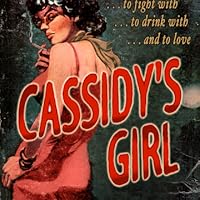
David Goodis' novel, "Cassidy's Girl" offers a portrayal of lost people in forgotten streets of Philadelphia in the years following WW II. The characters in the story are tormented and fallen. They struggle with alcohol and with their own demons. Goodis portrays them with rawness yet with sympathy. The book is as much about atmosphere as about character. The story is set in the bars, tenements, narrow streets of the old Delaware River harbor and waterfront. I am familiar with parts of the Philadelphia that Goodis describes from the time I lived in the city years ago. But many of the places and scenes described in the book had already been lost.
The primary character of the book Jim Cassidy, 36, drives a bus between Philadelphia and Easton for a cut-rate company with headquarters on Arch Street. Here is how Goodis introduces Cassidy and the theme of the book at the outset of the novel.
"The bus made a turn of Market Street, went up through the slashing rain to Arch, went into the depot. Cassidy climbed out, opened the door, stood there to help them down from the bus. He had the habit of studying their faces as they emerged, wondering what their thoughts were, and what their lives were made of. The old women and the girls, the frowning stout men with loose flesh hanging from their jaws, and the young men who gazed dully ahead as though seeing nothing. Cassidy looked at their faces and had an idea he could see the root of their trouble. It was the fact that they were ordinary people and they didn't know what real trouble was. He could tell them. He could damn well tell them."
Cassidy spends his evening fighting with his voluptuous but shrewish wife Mildred and drinking at a cheap establishment called Lundy's Place. Earlier in his life, Cassidy had flown planes in WW II and then commercially. When he was blamed falsely for a plane accident, Cassidy's life deteriorated. He squandered his money and ultimately found himself in the Philadelphia tenderloin. When he secures the job as a bus driver, Cassidy gains a small sense of purpose and control that he does not feel otherwise.
After a particularly harsh fight with Mildred, Cassidy learns that she is interested in another patron of Lundy's Place, Haney Kendick. In his turn, Cassidy becomes involved with a young woman, Doris, 27, who is slender and withdrawn and an incurable alcoholic. As the story develops, Goodis explores which of these women, Mildred or Doris, constitutes "Cassidy's Girl".
The book includes many scenes of violence, heavy drinking, sex, and tragedy. It is also highly introspective as each of the down and out characters has his or her own story. Cassidy is forced to flee when he is accused of causing an accident in driving the bus eerily similar to the accident years earlier with the plane. For all the rage and hopelessness of the characters and the setting, the book comes to a resolution that is slightly less hopeless than is the case in some of Goodis' later novels.
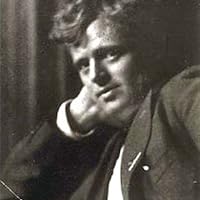
Beginning in 1951, Goodis (1917 -- 1967) published a number of paperback noir novels most of which are set in his native Philadelphia. The novels offer a noir portrayal of the city and of the loneliness of urban life. "Cassidy's Girl" sold over a million copies when it was published in 1951 but was soon forgotten. With the Library of America's recent publications of "Down There" in its anthology "Crime Novels: American Noir of the 1950s" followed by its publication of a volume of five Goodis novels, "David Goodis: Five Noir Novels of the 1940s and 50s", Goodis' dark world has achieved a place in American literature. Readers who come to Goodis through the Library of America volumes will enjoy exploring his other novels, including "Cassidy's Girl".
Robin Friedman