Бележка: Книгата е второ, допълнено и преработено издание на изданието от 2005 г.
В разказите на Геза Чат, белязани от стилистиката на натурализма и пропити от ярките багри на символизма, оживява свят на ненависти и тайни страсти, на чудовищни злодейства. В творчеството му се преплитат мистичните детски изживявания и визии, сексуалността и бруталността на човека, загадките на човешката душа и смъртоносните ѝ проявления.
Очевидни са приликите между Чат и американеца Едгар Алън По: нелека съдба, преждевременна смърт, повлияване от алкохол и опиати, сходен художествен изказ, брилянтно построение на структурата на разказа. Донякъде общата им съдба повлиява и върху тематиката и стиловите похвати на тяхното творчество, в което се третират вечните теми за живота и смъртта, за любовта и омразата.
Второто допълнено и преработено издание на „Опиум“ от унгарския писател Геза Чат (1887-1919) съдържа онези негови разкази, които са най-характерни за творчеството му, тук намират място и някои от литературните му експерименти. Съставителството и подредбата са плод на субективна преценка и не претендират за пълнота. Желанието ни беше да включим най-вече текстове с актуално и самобитно звучене, които имат място в световната литературна съкровищница. Инкриминираният „Дневник“ на автора следва пълния текст на оригинала с незначителни съкращения. Всички разкази се превеждат за първи път на български език с изключение на два от тях: „Майцеубийство“ и „Червенокосата Ести“, които за настоящото издание са претърпели нов превод.
Géza Csáth (born József Brenner; February 13, 1887 – September 11, 1919), was a Hungarian writer, playwright, musician, music critic, psychiatrist and physician.
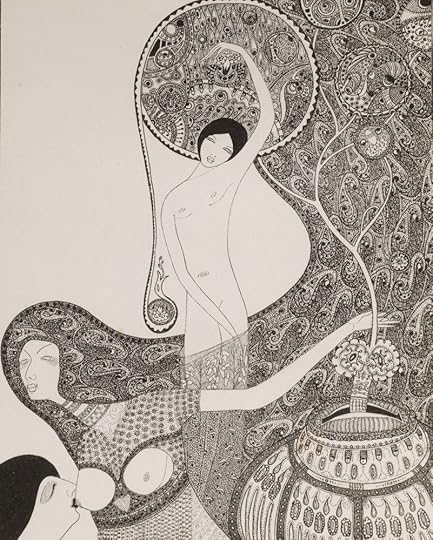
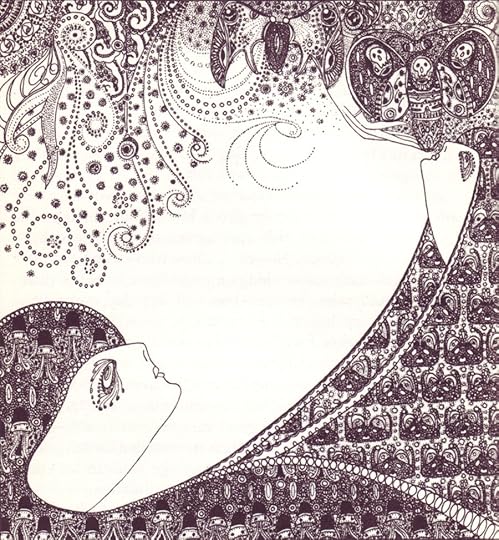
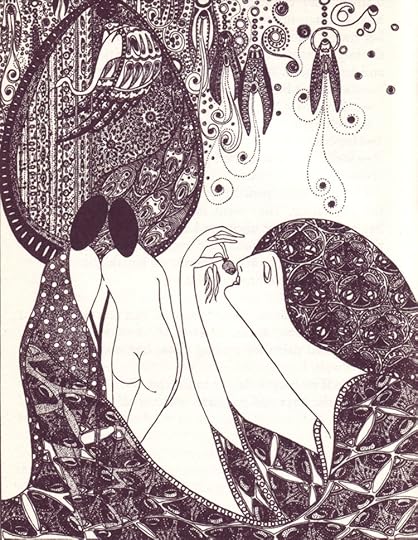
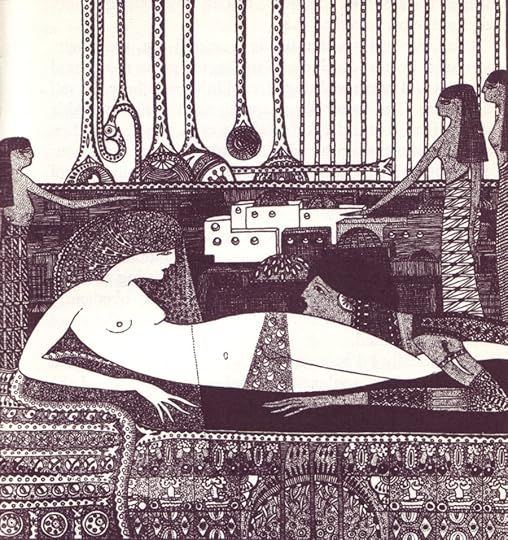
Tutte le illustrazioni sono tratte dal volume Ópium-álmok (Sogni dell’oppio) di Attila Sassy pubblicato nel 1909.
Danubio, inizio secolo (XX). Nel cuore della Mitteleuropa, dunque. Questa raccolta fu scritta tra il 1905 e il 1912 da un ungherese di agiata famiglia nato in una zona che alla fine della Grande Guerra divenne Jugoslavia.
Géza Csáth si chiamava alla nascita József Brenner. Dato che ebbe un percorso esistenziale piuttosto peculiare, vien voglia di rintracciarne l’origine nella sua infanzia seguendo il corso base del manuale di psicologia applicata. La madre muore quando ha solo otto anni, a lei segue una matrigna mai accettata, sin da piccolo Csáth si dedica a parecchie attività culturali e artistiche: dipinge, suona il violino, compone musica, scrive, vince premi con i suoi saggi di storia letteraria, e già a quattordici anni inizia a pubblicare critiche musicali, a diciassette scrive la sua prima novella…
Ma poi s’iscrive a medicina e studia psichiatria, diventa uno dei primi divulgatori delle teorie freudiane (scrive Il meccanismo psichico delle malattie mentali). Non è una decisione campata in aria visto che proprio in quel periodo scrive a un suo cugino: Una tremenda maledizione grava sull’animo di tutti noi, nelle cui vene scorre il sangue dei Brenner e che ci troviamo inoltre cinti dall’abbraccio del XX secolo; ci siamo insediati nella vita in maniera malsana e sbagliata, con tutta quella letteratura divorata va grandi cucchiaiate. E quindi, anche la cultura può procurare overdose.
Dicevo di un percorso esistenziale peculiare: dedito alle droghe (morfina e oppio soprattutto), a trentun anni uccide la moglie e pochi mesi dopo si toglie la vita con una dose letale. Alleluja.
Filo rosso, sanguinante, dei racconti di Csáth è l’insaziabile curiosità per il mistero del dolore, come ha scritto Philip Roth. La sua conoscenza delle malattie mentali, fobie, angosce, manie, raptus omicidi, mondo delle droghe, incubi, è così profonda da creare, unita alla sua finissima sensibilità di scrittore, una miscela che non ha precedenti nella storia della letteratura.
Protagonisti dei suoi racconti sono bambini e adolescenti immersi in ambienti borghesi tranquilli e confortevoli. Il mondo degli adulti, per quanto affettuoso e protettivo, rappresenta il perbenismo ipocrita, la mediocrità del pregiudizio, la morale impannucciata nelle buone maniere, decoro e ossequio dell’autorità, un mondo pietrificato, chiuso e asfittico. I suoi giovani protagonisti sono tutto meno che innocenti: nascondono perfidia e crudeltà, senza fare una piega vivisezionano cani e gatti, strangolano fratellini, accoltellano le mamme, impiccano le compagne di gioco. Non innocenti. Ma neppure colpevoli. E, come il loro creatore, sono votati all’autodistruzione. Metafora del tracollo sociale che stava per realizzarsi, soprattutto in quella parte d’Europa? Nella poesia L'Héautontimorouménos da “I fiori del male”, Baudelaire dice: Sono la piaga e il coltello! Sono lo schiaffo e la guancia! Sono le membra e la ruota, la vittima e il carnefice! Sono il vampiro del mio cuore… Versi che sembrano perfetti per accompagnare questi brevi racconti, come viene giustamente sottolineato nella postfazione di questa edizione.
You sigh, you disengage yourself from the magic. Why? Because if you don't, the joy imparted by it slowly fades; you tire of gazing, of feeling the music die; and that's even more distressing. from 'A Joseph in Egypt'
I'm not sorry. In 'Souvenir' he confesses to an envy to write with true delight, enthusiasm and dedication. An admittance is strangled on a wish that is wrong. He envies Joseph his dream. The dream stays with him after, waving in his windows. A hand in promises of words of love unheard (I'm a lip reader of dream speech). The Egyptian woman and the would be stoners of her death, if he would want that (an accusation dark cloud. Could you time travel to too late. I had that feeling it could still change, become real, and he takes on her price). A hand and a goodbye, a dream kiss. The 'Souvenir' man tells of the young cousin shut into a mysterious spinsterhood. A sad face, she must be, but not to him. Pressed into the pages of his book, if she lives for anyone else I don't know. I felt like watching a butterfly net, somehow. More falling inside thinking about another side of the story. He's priceless for that other side of the story. It's amazing how you could keep walking past the end. Fresh hells.
Suppose you pick up on opium as a strong, well-developed adult and take good care of your health- best left to a skilled doctor- why, then you can live for ten years. And then at twenty million years of age you can let your head fall on the icy pillow of eternal annihilation. As for those who don't wish to pay the price, who don't desire twenty million years of life eternal- let them live a hundred years increasing and multiplying. from 'Opium'
Csáth dedicated his story "Opium" to artist Attila Sassy. It wasn't until I was reaching the end of the book that I realized I had been expecting the nude body parts to make an expression as if they were the faces. Also the real faces as mute mouths and the background (a fleshly genie prison). The influence on his story "The Pass" is undeniable in swallowing pillars. People are your animals. I had that feeling before in the dream 'An Afternoon Dream'. He wakes up in a headache he fails to prevent. Csáth must have felt as I do the sickness in trying too hard to keep the body pulled under attached to the eyes. The behind my eyes will feel like both crying too much and trying to stay awake for too long. The fantasy force up maybe should feel bad too. I don't know what the key is in not doing it too long. I loved that he wakes up with that head pain. Anyway, I meant that the broken countess of his dream reminded me of the harem ladies of Sassy's pictures. It is not desire, it is a languishing too long in sex that doesn't happen. Their bodies in 'The Pass" had to be the same dream. They do nothing and eat the men. I had the feeling that if I were to meet the countess of 'Dream' I would be a ghost from the past or future, unseen. Not feeding on waiting around for the idea of sex. The doctor in 'Opium' swears of his invention to make all his patients die before they had ever been born. The presence of time in the brain, the irresistible tide of life rhythms and rhymes, and all reason. I didn't understand the frothing in the insides reach the eyes of this man. I know by now that falling down in the dirt to get back up and try for the beautiful moments again is the other side of the face that makes it turn. The waking hours and the ones asleep. One side can get underneath when the other one isn't looking. I don't want his surgery, or his smoke dreams, but the falling down he already is feels like all of that to me anyway. The truth inexpressible. Csáth's stories had this unspeakable that I don't reach. The envy of the dream.
Their eyes shone; they felt the hunter's strength in their shoulders as they came galloping back through the dark streets, exultant. Long ago they had grown interested in that owl. Its head was like two huge eyes. Old marvels lay hid in its mind. It lived a hundred years, more.... That owl they wanted desperately. from 'Matricide' The Witman boys lost their father, lost their mother to her rooms or theirs. I don't believe Csáth when he says "When fathers of fine, healthy children die young, there's trouble". He left nothing in them, was probably not there. They exist to each other like a savage wind that picks up more force over a heartless land. A Frankenstein's monster of a dog's head and got the cat's tongue. Blood, no pity. A girl in a house. Another pulse to break in hands, mysterious anatomy. They don't know what to do with life. I only wonder they buy it. To kill their mother for the girl's payment didn't feel the escalation to me. It was when they wait to finish off the owl to feel its stolen flight die in their promised dreams. They must have waited with the girl in another kind of foreplay. Csáth is best when the boys hold this pleasure between them. The younger one must have looked up at his brother. Their anticipation of pleasure. That's where they are trouble. Their torture to hear the source of what holds dear past words. They are blind to discovery, murderers grasping for answers. I bet they are the most frightening namelessly looking between them. I had that feeling a lot in these stories. The dark taking from others life when it cannot be old. The willing coma on the outside. It will most probably win, that complacency, the just being the person who hears about it much later. The journal of the already suicided boy who destroyed his beloved "Little Emma" in calculating childhood games. I didn't mean it other side the cruelty of.... it's too late, everyone is dead, conveyor belt of body parts. Teachers with whips, dog ate dog, and I can just see the knowing look on the living Little Emma that she is pretty and knows it. Knows her father is above their fathers. Not untouchable though, too late. All together I had this feeling that the first cousins 'Paul and Virginia' toddled on the lawn in fat pink baby love. Shutting out outsiders and it's just like being the woman if you come near one of those lounging sex symbols. They aren't your dream and not for you. Virginia's mother sacrifices her life position by confessing to adultery. So the first cousins can legally marry after all. Csáth doesn't judge the girl if she would gladly send her mother to torture if it black clouded her own happiness. Whatever he says that he can't judge her, I think the story doesn't take place where the lovers are happy. It's outside when you are the sacrifice. Happiness leaves you behind and you are breakfast for the fire. Yeah, I had a lot of feelings about these stories. The helplessness to insanity, a half awake horror. The sandman comes in childhood and leaves his shadow on the wall ('Saturday Evening') and 'The Black Silence' turns the blonde baby brother into a louder than pain menace. Dead in hands, and back to baby. Doctor, I can't sleep any night. I LOVED this slipping back into the ghost you call to you when you're happy to say but but but what about your worst nightmare. And the time you self destructed and didn't feel sorry. You liked the way it looked all wet and outside. Love it this way and feel gross on purpose. I don't know about some of Csáth's narrator going all like the homely girl was lucky that guy twice her age ordained to notice an attractive quality about her. She would have eclipsed in the woods where no one would hear it because like she can't hear herself? That's bullshit. Also, I'm dying to get away from the blind butts that are faces and the breasts that are mouths. Please, next book I read don't care about young lips and fresh tits. Please. I'm getting tired trying to dream past it where there's a place for me who isn't just a pair of tits. It feels like he's tired of himself, when he judges the train stop man who stupors past the real way out (tell the truth, open a window). I know all about the mixed up of going past windows of selfish people and looking for the dark ones. I'm a bad person too. I'm tired too. I loved that these felt like MORE than stories. Like not something ABOUT feeling like that, but if you were looking in where it was really happening. (Then you get to remember you're just a bleeding ghost.) When you are so damned tired and the door is closing. Same old hell.
This is a tale about a book. Not this book only, but a specific copy of this particular book, the one that's sitting on the desk in front of me as I type this up.
I had not heard of Csath until a few months ago, when this book arrived as part of an exchange package with an author whose work I greatly admire. I traded one of my books for one of his and he sent "extras". I was very pleased with this, and this copy of Opium and Other Stories was part of the package. I saw that there was an introduction by Angela Carter and thought "well, if she wrote the intro, it can't be all that bad". And, of course, Opium. The connection to decadence (as well as the cover art - clearly from the Symbolist era, my favorite era of art) told me that I would at least like some of the stories contained therein.
I was mistaken. I liked all of the stories, and a few of them were exceptional.
But we'll get to that in a moment. Back to the story about the book. I was told that there were some pages missing from the book, but I completely and utterly forgot this by the time I began reading it. I don't typically look ahead at what I'm going to read outside of checking the next story up (in order to ascertain if I can read it with the time remaining that day/lunch hour/whatever or if I need more time, as I am an admittedly slow reader). So, I "discovered" (re-discovered, really) that some pages were missing . . . and to be quite honest, the missing pages made me love the book all that much more. Why? Because I am not a fan of tidy endings. And because I hate it when authors spoon-feed me too much information. I like the mystery of maybe not fully understanding everything that happened in a novel or story. Sure, I like to know enough to follow the thread, but I abhor when the author tries so desperately to tie off every single loose end. I much prefer that the author let me use my imagination to fill in the blanks and make the connections. That way, the story becomes "mine" in a way. And it sticks in my brain better that way. I am more vested in the happenings, the characters, even the setting if some bit of it is left to my imagination.
In this case, it wasn't the author who did this, it was the fact that a few pages were physically missing from the work. One story (the title story, in fact) was without a beginning, so I had to imagine one up. Another was missing the end, so I . . . imagined one up myself. Now, I wouldn't want to do this with something with an overly complex plot and lots of characters, but in this case, with these short stories, it worked for me and worked for me quite well.
Who was Csáth? He was a gifted neurologist who wrote on the side and who struggled with a powerful opium addiction throughout his short life. At one point he shot and killed his wife and tried to commit suicide, but was unsuccessful and was, thence, institutionalized. He escaped and, after being stopped by Serbian border guards, he swallowed poison, this time successfully committing suicide. A tragic life, to be sure, and one can sense traces of a troubled mind throughout these works, a few of which give graphic descriptions of animal torture and murder (of both animals and humans). there is no doubt that his artistic side was overshadowed with darkness. At least one of these stories ("The Black Silence"), I would consider required reading for horror aficionados. Had his work been available in English translation sooner and had his work been more widely distributed, I feel that this work would have been considered a classic.
But again, I'm getting ahead of myself. To remedy that, let me introduce my notes to the various stories:
"The Magician's Garden" is a wonderfully evocative tale of mysteries, somehow obfuscated by the characters' frank admittance of them. Attila Sassy's illustrations (peppered throughout the book) lend a distorted elegance to Csáth's beautiful prose. The words are strongly redolent of symbolism, the art somewhere between Beardsley and Klimt, with an utterly alien quality unique to Sassy.
"Paul and Virginia" is a simple story, self-effacingly so. And yet, with one small twist, Csáth sends the whole setup into a maelstrom of conflicting emotion. Iys incredibly effective for a four page piece of what moderns would call "microfiction". But there's nothing micro about it. This little twist sends the story well beyond the bounds of the words, deepens them into mixed poignancy and, perhaps, regret.
I want to say that "An Afternoon Dream" is a brilliant symbolist tale. But I don't really know what that means. Reminiscent of Symbolist art, I suppose (I am reminded of Gustave Moreau, in particular, or, perhaps - a bit later - Fernand Khnopff or Klimt), though this might just be some kind of artistic synesthesia which I suffer. Nevertheless, it is a beautiful tale, mythic, poetic, and, yes, brilliant.
"Saturday evening" is a quaint recollection of domestic life, with the ambiguously sinister (?) Sandman waiting in the wings, watching, looming.
don't think that it was just the name "Trepov" in the title "Trepov on the Dissecting Table" that made me think of Nabakov. No, the voice is similar, and the peasants-eye view of day to day life in the face of death was Nabakov to a "T". Strong echoes of the Russian here. Oh, and the story really is all about Russians.
"Erna" is a bitterly funny morality tale. It is, like most of the stories herein, very brief, so to say too much is to spoil it. It is a brilliant and cutting character study with a bit of a twisted sense of humor, which is to say, I liked it quite a bit.
At first, I thought that "The Surgeon," with its philosophical allusions, would delve into the depths of the epistemology of time, but the story took an abrupt term toward physiology that reveals the titular surgeon as an absinthe-addled madman. My kind of guy, truth be told.
"Meeting Mother" is a ghost story, I suppose, but different than any other ghost story I've read. Or it is a hallucination, who can tell?
"Murder" strips the act of any kind of romantic notions and wallows in the utterly futile banality of what it feels like to take another man's life. It's disturbing for the profound emotional effect it has on the one telling the tale. The continuously surging regret is palpable.
Don't let the title fool you, "Little Emma" is the most horrific thing I've read in a long time - animal torture, caning, and hangings throughout. This is highly disturbing stuff!
And, oddly, the next page in this copy of the book is missing, so I'm going to start the next story "Opium" three pages in, not knowing what came before. Intriguing . . . an adventure!
Csath gives an interesting argument for "Opium," namely that only during the transcendental high are we truly alive, and what appears to be hours to the outside are thousands of years to those who are living. Thus, it's all worth the sacrifice. While I don't agree that it's all worth it, I've been in that headspace before, and it's always a temptation to dive back in. Too bad Csath imploded.
What's a decadent collection of stories without a tale of insanity and unfaithfulness? Such is "A Young Lady".
"Festal Slaughter" is a tale of peasants, but not idyllic. These are rough people, treated roughly, especially Rosie, whose only respite from her hard life and the harder life to come, lay in the comforts of sleep. I wonder if Jonathan Wood's excellent novella The Deepest Furrow wasn't at least partially inspired by this tale.
"A Joseph in Egypt" is a wonderful subversion of the story of Potiphar's wife in the form of a dream. It evokes a certain dream sense of simultaneous longing and contentment that often accompanies the best dreams.
"Musicians" is a communally-depressing piece, well, maybe just more fatalistic, about an end of an era and those who got out just in time. Reminiscent of Steven Millhauser's work, in ways, but definitely a step darker in mood (which is saying something, if you've read much of Millhauser).
I am absolutely convinced that if "The Black Silence" had a wider audience, it would be considered a classic of horror literature. It is an extremely effective story packed into very few words. It is written such that the emotional effect bursts out far beyond the confines of the story itself. This really is a must read!
"Railroad" teaches a hard lesson: silence and inaction exact a price, a festering inner rot from which one cannot escape. Brutality must be met with justice, or the brutalized may decline, even die, because justice has not been sought by the victim.
"Toad" is the first story in this volume that was a decidedly "meh" story. I suppose it was inevitable. Not a bad story, just so-so.
"The Pass" the highly-erotic tale of a young man's journey across fields of nude figures, is balanced on the edge between Symbolism and Surrealism. One is left wondering what to think of the observer/narrator and his cultural milieu as much as how to puzzle out the protagonist's actions and inaction.
My copy of this book is missing the last page of the story "Matricide". I love that fact. It makes this book unique and quirky. Now, I shall have to make up an ending:
The constable discovered their mother dead the next morning. Irene's father, a drunkard who had been out the night before, was blamed for the crime. The elder married Irene, then the younger tortured and killed them both. The end.
I chose to listen to a black metal album while reading "A Dream Forgotten" just for some background music, specifically Andavald's album "Undir skyggoarhaldi". Turns out, this was the perfect soundtrack of anguished dirges for this story. Perfect, or as the narrator laments: "Horrible. Horrible."
Anyone who has spent time alone with the dead remains of a loved one knows the poignancy and strange, numb pain of the story "Father, Son". I'm one of those. This story breaks my heart a little bit more. Simple, but powerful for those who know, and I know . . .
"Souvenir" is a reminiscence of an author (not Csáth himself, I mean, but a character in his story) that touches on the hidden pangs of longing after a lost, young love, the premature ending and subsequent spoiling of a nascent youthful romance. I remember those feelings . . .
"The Magician Dies" is strangely prescient, at least by way of Symbolism, of Csáth's forthcoming death by opium, or by reason of opium (via suicide). A haunting choice for the last story in this remarkable volume, tying the artist to his legacy through one of his own stories. Yes, "haunting" is exactly the right word.
And "haunting," like the feeling slightly sickening feeling that one has after reading highly disturbing works, but with less "ick" factor, is how I would describe the collection. There is no doubt that this was written by an opium addict. Even without the explicit references to drug use, one can sense the dream-like quality (some of the stories are explicitly about dreams, obviously) tainted with an underlying darkness, a sinister something lurking within many of the narrative voices throughout the work that struggles with an epiphanic, almost angelic other that pulls the reader simultaneously heavenward and down to hell. Csáth's life was clearly spent being torn in both directions and ultimately torn apart by those diametrically-opposed pulls. Would that his life (not to mention his wife's) not ended so, but one wonders what his stories might have been like had he not suffered so. We'll never know, just as I'll never know the true beginning or ending of two of the stories in this volume - and I don't care to know. Let me live my mystery!
Gosto muito de histórias mórbidas e nebulosas, com um pouco de crueldade até, mas traço o meu limite na tortura e sadismo, que foi o que encontrei no conto que dá nome a esta colectânea, “O Matricídio”. Dos outros destacam-se os três primeiros, realmente arrepiantes, havendo depois dois ou três que são um bocado tontos. Leria de bom grado outro livro de Géza Csáth neste instante, se o encontrasse numa língua de comum mortal, porque este deixou-me ligeiramente frustrada depois de um início tão auspicioso.
A Salamandra - 5* Pai e Filho - 5* O Silêncio Preto - 5* Um Sonho à Tarde - 2* Encontro com a Minha Mãe - 3* O Matricídio - 2* Conto de Madrugada - 4* A Menina – 3* A Morte do Mágico – 4* O Barco Azul – 3* Pista – 2* “Eroica” – 4*
As the substance and prestige of the Austro-Hungarian Empire were dissipating in the “deepening dark” and “black silence”, so too was the authority of the bourgeois family.
Most of the parents in the families in these stories have either died or are living a subsistence life, whether as a result of death on the battlefield, farming accidents, poisoning or suicide. Rarely is there the comfort of a father or mother to say, “Hold onto my hand, little boy!”
These stories are dark fairytales in which children are still threatened, but have become a threat in their own right.
Just as the adults succumb to poverty and drug addiction, the children construct an alternative reality midway between dream and nightmare. Their world is marked by obsession, delusion and hallucination. It’s not unusual for them to be surrounded by rotten kisses and opium. As the dying magician counsels in the last story:
“I told you opium’s trouble. It’ll ruin you! I’m fifty, look at me. I’ve lived a different life, quite a different life.”
Stray Mutts
The children spend less time exploring benign forests than wandering the streets of the deserted city like stray mutts.
In the story “Matricide”, the Witman boys murder their mother while trying to rob her of her jewelry, so they can give it to a young woman they have fallen in love with. The following morning, with their mother dead but undiscovered in her bedroom, it’s of the utmost importance that they get to school on time, so that there is an illusion of normality in their lives. Conventional life is a disguise for their distorted emotional world. The story’s first sentence warns us, “When fathers of fine, healthy children die young, there’s trouble.”
Our Little Home
There is occasional delight and joy, but more often “I feel that dread overcoming me. No hiding from it anywhere.” It’s impossible to find a safe house, let alone a safe home. “Our little home was shrouded by the repulsive, wet wings of the black silence.” The children feel like “tortured beasts”.
Moments of Clarity
Some of the stories are told from the perspective of the narrator. Others are recited to the narrator or recorded in journals read by him (“I found this story in a diary”). It’s apparent that his world of psychic suffering and misery is shared by his friends. Occasionally the dreams of others are less horrific: “I envied Joseph his having had such a beautiful dream.”
Csath writes without romanticising the predicament of his characters. His stories are matter-of-fact, naturalistic, like bubbles of oxygen rising to the top of a collective psychic morass. The narrator of the story “A Young Lady” opines: “The psyche guards itself from the unpleasant, terrible and ultimately unbearable impressions the body it’s attached to would reveal in moments of clarity.” It’s the function of clear thinking to detect the horror that surrounds or shapes us. Story-telling plays a small but valuable role in mitigating the horror, even if Csath himself (a doctor) eventually succumbed to it at the age of 32.
Two other aspects of the collection deserve special mention: the richly evocative Art Nouveau illustrations by Attila Sassy and the superbly insightful introduction by Angela Carter.
Géza Csáth wrote these short stories as pieces of bad dreams. Some stories are pretty dark and are from the deep wells of the human psyche. Many are disturbing, and while reading those, I had a feeling I was reading fragments of someone’s dreams, as they often seem unfinished.
Géza Csáth is not a contemporary author. He lived from 1887 to 1919 and was a Hungarian writer, musician, and music critic. But he was also a doctor and a psychotherapist who specialized in dreams. He was a contemporary of Freud, which affected his works. Above that, he was also an opium addict. At 31, he killed his wife and himself. Maybe now you know what to expect?
Although these were different short stories than I expected, this was an interesting read.
Thanks to Europa Editions for the ARC and this opportunity! This is a voluntary review and all opinions are my own.
Pequenas estórias tecidas entre a luz e a sua ausência. Incisivas,e,tantas vezes, implacáveis,não consigo deixar de sentir uma tentativa persistente de cristalizar euforia e beleza quando se percorre o caminho certo para o cadafalso. Aqui não me interessa tanto a sinopse,nem o twist que pontualmente se encontra. É esse caminho claro, arguto e iluminado que faz com que cada parágrafo valha a pena. Outro pormenor que me agradou especialmente nestes contos foi a forma como o autor nos coloca perante as imagens evocadas. Como se munido por uma câmara de 9 mm ao ombro, prolonga o plano ligeiramente depois do clímax,para deixar uma última respiração,quase sempre inspirada e inspiradora.
Este livro reúne uma dúzia de contos curtos e bizarros, bastante mórbidos, cruéis, insanes, ou simplesmente tristes. Uma edição em língua espanhola deu-lhe como título "Cuentos que acaban mal", o que traduz bastante bem o seu espírito. A escrita é exemplar na forma como, insinuando o desfecho desde o início, e apesar da brevidade das narrativas, consegue ainda assim gerar um clima de apreciável tensão. Não achei que todos os contos fossem excelentes, mas achei o conjunto bastante bom. O conto que dá título ao livro, pela violência e perversidade, destacou-se dentro espírito do conjunto. Uma excelente colectânea sobretudo para os que apreciam este género narrativo.
Uma escrita de forma absolutamente exemplar e surpreendente, e um imaginário muitas vezes arrebatador. Pena não atravessar de igual modo todos os contos.
Kitabı büyük bir merakla aldım ve okudum. Aradığımı tamamen bulamasam da iyi bir öykü kitabı diyebilirim eser için. Macar Edebiyatından okuduğum ilk eser oldu ayrıca. Kitabın yazarı oldukça enteresan bir kişilik. Afyon bağımlılığı yüzünden ordudan atılıyor ve tedaviye alınıyor. Hastaneden kaçarak karısını öldürüyor ve intihar ediyor fakat ölmüyor. Yine yakalanıp tedaviye alınıyor.Buradan da kaçıp yakalanınca tekrar intihar edip en sonunda ölmeyi başarıyor. Yazarın hayatı yazdığı öykülerden bile daha renkli. Ama öyküleri de en az hayatı kadar karanlık ve hatta çoğunlukla umutsuz, ölüm kokan öyküler.
Kitaptaki bütün öyküleri sevemesem de çok sağlam öyküler de vardı. Ayrıca bazı öyküler öyküden ziyade masala daha yakındı.
Csath's stories tend to fall into two categories -- surreal, dreamy stories and stories of harsh realism. Many of the latter aren't exactly conte cruels, but their tone reminded me of that and Guy de Maupassant's short, biting tales came to mind too. I could almost give this book five stars, but I swam a bit too seamlessly through at least a handful of these without grabbing onto much.
Several of the most memorable stories are about cruel bourgeois children who act with callous indifference to people and animals. Later in life they recall horrific things they did and got away with, leaving the scars and pain for others to suffer. Other stories leave one with a vague, troubled unease as in the titular story, or in the few explicitly horrific tales like "The Black Silence" or "Toad." Another theme was how a seemingly insignificant event in life can lead to destruction years later. I liked how Csath played with this idea. Csath isn't always interested in giving these a sense of resolution, or making a clearly-defined point; they're deceptively subtle and there's always much going on below the surface.
The book is full of great illustrations by Attila Sassy, which were obviously influenced by the work of Aubrey Beardsley.
A few of the stories that stuck out to me...
"An Afternoon Dream" is one of the longer stories, a sort of decadent fairy tale. It's a story of terrible choices and is a great baroque assault on the senses, but I wouldn't say it was one of my favorites.
"Little Emma" is a horrible little story about the the cruelty of children. This is one of Csath's reality-based stories, and it is totally unflinching.
"Opium" is a wonderful mixture of disdain for bourgeois values and surreal, yet gritty imagery.
"A Joseph in Egypt" is a story of a dream, beautifully described, about a man's encounter with a woman in ancient Egypt.
"Musicians" is a grim story of the pain that comes with being an unappreciated artist and a meditation on failure generally.
"The Black Silence" is a really weird story of madness and horror, one of the few explicitly horror stories here.
"Railroad" is a bit like an earlier tale, "Erna" in that a seemingly insignificant episode in a person's life has a bigger impact that would initially appear.
"Matricide" is similar to "Little Emma" in expressing the cruelty of children, except this one is even more sadistic and callous.
"Souvenir" is another great story of brutish children, this one is more subtle, believable and haunting.
Géza Csáth (the pen name of József Brenner) was a Hungarian writer, musician, music critic and physician working with the mentally ill who lived from 1887 to 1919. Csáth’s tragic personal history has often been recounted. While in his teens, and showing great promise as a writer and musician (to the point that his father wanted him to become a professional violinist), he chose instead to pursue a career in medicine and graduated with his degree in 1909. His main interest was in the effect of narcotics on the mind, and he started experimenting with morphine in 1910 and quickly became addicted. He married in 1913 and was drafted in 1914. During his time in the army and following his discharge in 1917 his drug dependency worsened, though he continued working as a doctor. By 1919 his addiction had taken over his life and he was showing signs of paranoia, and that summer he shot and killed his wife and later killed himself with poison. The stories collected in The Magician’s Garden are heavily influenced by the author’s clinical interest in the workings of the mind. They are sometimes structured like a dreamt adventure, with a single protagonist being led or wandering in pursuit of something through a bizarre or grotesque landscape. Other stories ruthlessly explore various perversities of human nature. In “Trepov on the Dissecting Table” a corpse is beaten and ridiculed by an orderly with a grudge against the dead man. In “Festal Slaughter” the butcher who comes to kill the pig exacts extra payment by raping Rosie the scullery maid. Most disconcerting, however, are the stories that feature children. “Matricide” is the tale of two brothers who kill their mother while stealing some of her jewellery to give to a girl they’ve fallen in love with. And in “Little Emma” an unusually pretty girl is murdered by her playmates, her body left hanging in the attic. Csáth was a writer of great originality who, had he lived, could very well have produced a body of work as impressive as Kafka. However, we must content ourselves with the works left to us, which are as compelling and disturbing as fiction gets.
saw it in a 2nd-hand bookstore... it was love at first sight... yup, the illustrations was the clincher... and the words just kept me coming back for more...
Autor jest węgierskim modernistą, psychiatrą i morfinistą, którego pogłębiający się nałóg doprowadził do zabójstwa żony i samobójstwa. W większości to zbiór reprezentatywnych opowiadań, uzupełniony ponadto o dziennik erotyczno-narkotyczny oraz szkic omawiający sylwetkę autora. Opowiadania są nieciekawe. Trochę tu świata mieszczańskiego Austro-Węgier, trochę dekadencji (narkotyki, kochanki, zbrodnie), trochę oniryzmu. Są zbyt krótkie i dość płytkie - mają wywołać nagły efekt jakimś obrazem, czy sytuacją. Znacznie lepsze są dzienniki. Brak tu efekciarstwa, są ciekawe szczegóły obyczajowe, zręczne portrety kobiet.
Hay autores que dejan huella no sólo aportando su visión, sino también a causa del halo de maldición que arrastra su vida y su trabajo. Entre estos autores figura József Brenner, un nombre a priori desconocido pues publicó su obra bajo un pseudónimo, Géza Csáth. En este libro de relatos llamado Cuentos que acaban mal, que edita El Nadir, Csáth nos cuenta de primera mano el gozo negado y la muerte. Esos serán los temas principales de estos cuentos que no, no acabarán bien pero que sí nos harán estremecer ante la habilidad de su autor para detallar diversas sensaciones y deseos que se nos muestran en ellos. Estamos ante relatos donde la descripción abunda y en los cuales es necesario pararse para asimilar todo lo que acontece en ellos.
Csáth narra cada historia de una manera sencilla, aunque como ya hemos dicho detallada. Así, es capaz de condensar en cada una de ellas la esencia de la literatura y la habilidad que tiene de dotar a los personajes una psicología propia es, sin duda, relevante. El autor habla del tiempo y sus consecuencias y cómo este deja huella en la vida de las personas. El tiempo, del que se ha hablado mucho en otros libros que se podrían considerar más afamados que este, es sin duda el protagonista esencial de los relatos y también esencial mientras los leemos. Pareciera que el reloj se para mientras las palabras de Csáth entran por nuestros ojos y nuestra mente.
Csáth es directo en su narrativa, no se pierde en palabras de más sino que sabe dar el suficiente poder y fuerza a lo que escribe, aunque esto sean historias cortas, muy cortas. Hay un atisbo de lucidez, de consciencia, en algunos de sus relatos. La filosofía y el profundo pensamiento del hombre toman asiento aquí para despertarnos, o al menos preguntarnos, sobre lo que leemos y hacemos. El autor habla de la muerte como si fuera algo que pudiese suceder a cualquier hora o cualquier día -y de hecho así es. Hay cierta obsesión por ella a lo largo de todo el libro. Parece que Csáth se anticipe a su destino, como si pudiese ver la muerte mucho antes de que esta llegase (el autor, como podemos leer en el prólogo, mató a su esposa y acto seguido se suicidó).
Csáth también escribe sobre el horror y el amor, el uno niega al otro, y sin embargo los dos cobran su peso y estrechamiento con maestría. Hay cierto halo de nostalgia y melancolía en las palabras de Csáth, pareciera que escribir fuese su única avenida, su único porvenir, pues por su entonación desprende un deseo y anhelo, aunque esté la muerte acechando libremente. Además, la manera que tiene Csáth de describir la ciudad es bella e imaginativa. Logra que vivamos en ella, que respiremos a su compás y andemos a la vez que leemos sus palabras.
Estamos, sin duda, ante un autor que, aunque perturbador y oscuro, escribe y nos lleva a su terreno, nos embelesa con sus palabras hirientes y claras. Un autor maldito que no nos dejará indiferente y que logrará que nos preguntemos sobre la muerte o que, al menos, la temamos un poco. Un poco más de lo que ya lo hacemos.
Tweede aanwinst uit Boedapest, van vorige week. Neef van Kosztolanyi. Gezellige jongen, how ja, los van zijn destructieve drugsverslaving en het feit dat hij zijn vrouw heeft vermoord en zichzelf aan de gezegende leeftijd van 31 van kant heeft geholpen:
“In 1919 he was treated at a psychiatric clinic in a provincial hospital, but he fled and returned to his home. On July 22 he shot and killed his wife with a revolver, poisoned himself and slit his arteries. He was rushed to hospital at Szabadka, but later managed to escape again. He wanted to go to the Moravcsik Psychiatric Hospital, but upon being stopped by Yugoslavian border guards he killed himself by taking poison.”
Redelijk luchtige verhaaltjes voor zo’n zware ziel, maar er zitten er wat bij die me van mijn maanddosis literaire melancholie hebben kunnen voorzien. Niet te vergelijken met Borges e.d., hoewel ik dat aanvankelijk dacht (en die vergelijking had gelezen). Just dark & provincial
The magician’s garden
Paul and Virginia
An afternoon dream
A Saturday evening
Trepov on the dissecting table
Erna Fatum/fortuna. Leuk. “Our fate is indeed directed by small accidents. The happiness or unhappiness of our entire life may depend on accident, in small fortuitous circumstances.”
The surgeon Over tijd, en hoe de angst voor de tijd te verdoven. Een van de beste. “Time weighs heavy on the human race. (…) People are more than ever obsessed with time - not even the struggle of making a living can distract man from this piteous insanity.”
Meeting mother
Murder
Little Emma
Opium Het ‘titelstuk’, wel goed. Opnieuw tijd, lijden, the human condition…
A young lady
Festal slaughter
A Joseph in Egypt Over dromen, geluk, leven en dood. Mooi
Musicians
The black silence Fuuuck yes!!!!
Railroad
Toad
The pass Rode draad doorheen de bundel is o.m. de zeven hoofdzonden, haha lollig
Matricide Veel dierenmishandeling in de hele bundel, maar dit slaat alles, niet voor tere zieltjes. Wel goeeeed
A dream forgotten Zijn suicidal tendencies komen boven water lol “Everything’s under control. I’ve got matches, and my heart is where it belongs.”
Father, son Ook zeer goed!
“Souvenir”
The magician dies
Herinner me eraan dat ik zijn biografie (dagboek) moet lezen
Ona je to vysoce esenciální otázka: není lepší než sto let všemožně mírnit utrpení bytí, raději deset let věnovat opiu, aspoň chvíli žít pro žití, a pak „složit hlavu na ledový polštář věčného zániku?“
Nevím, nemám odvahu k rozhodnutí. Géza Csáth (1887-1919) ji měl. A tak může Jan M. Heller ve výborně doplňujícím doslovu psát, že „Csáthovy snové, halucinační a alkoholické vize nejsou lacině eskapické, ale ukazují směrem kupředu, tam, kam nelze dohlédnout omezenou perspektivou bezútěšné existence jeho současnosti a kde partikulární osobní prožitky překračují své hranice k obecně platné výpovědi“.
Nedlouhé povídky, některé na jednu stránku – jako třeba Pohádky se špatným koncem – mají často skutečně špatný konec. Tak mimochodem. Bez zbytečných řečí, moralizování, lehce deskripní příběh a najednou přichází smrt. Je čas jít.
Ale nejde než zabít, když brášku Richarda postihne černé ticho. Posteli leželo malé slabé dítě a já ještě teď slyším, jak se černé ticho směje. Kdo je tu blázen?
Géza Csáth? Možná. Ostatně ve 32 letech ukončil svůj život. Do té doby stihl být bravurním spisovatelem, lékařem, psychonautem, feťákem, vrahem své manželky.
Neustálý rozpor. Sen a bdění, ironie a mrazení, pochopení a odpor, slast, perverze a sadismus.
Skvělý počin nakladatelství Runa. Objeveno díky mysliteli a překladateli Josefu Fulkovi (citoval jsem již u Sedmé funkce jazyky) a jeho recenzi v A2 (27.4.2016).
i had never heard of this author before and i was excited to try out hungarian literature. i was also excited to read another book from one of my favorite publishers, europa editions.
well, this whole experience was disappointing. apart from a few stories, the rest were poorly written. the writing style was disjointed and abstract. i get how it could tie into the titular subject (opium and the less wholesome parts of humanity) but somehow, it still made for a dull and confusing reading experience. most of the stories were boring and forgettable. i can’t state this enough.
like i said, only a handful of stories were written well, compared to the others (“erna”, “little emma”, “a young lady”, “a joseph in egypt”, “the black silence”). and only “little emma” and “the black silence” really stood out. they were creepy, had a dark fairy tale like vibe (very similar to the brothers grimm). i would definitely recommend those TWO stories for the fall season.
overall, i did not like this collection. i really wanted to dnf but i didn’t feel like starting over with another book. don’t be surprised if i suddenly change the rating for this book to 1 ⭐️ later this year.
anyways. i am purging this book from my mind and returning to “the count of monte cristo” which will most likely be a 5 ⭐️ book and become an obsession
Uprzejmie proszę wszystkich panów, aby zaczęli pisać kobiety, a nie ich ciała.
Polska wersja zawiera dzienniki autora. Jedynie potwierdzają smutne wnioski na temat przedmiotowego traktowania kobiet.
I to, że "czasy były inne" mam już serdecznie dosyć. Nie będę na mocy tego "argumentu" wyrozumiała. Géza nie musiał ani tak żyć, ani tak pisać. A mnie nie bawią gwałty, czy obserwowanie i przeseksualizowane opisywanie dorastających dziewcząt przez dziada.
Çöküşün, dekadansın yazarı Géza Csáth. "Varoluşsal" sorunlardan ötürü insan katlini yüceltecek derecede alçalabiliyor; toplumsal arka planı da vermediği için Nietzschevari hezeyanlarla debelenen anti-kahramanların öykülerini yazıyor. Oysa ki çözülen Avusturya-Macaristan İmparatorluğu'nun mükemmel bir betimlemesini yapan Miklós Bánffy gibi nice Macar yazarı o dönem yazıyor, çıkış bulamamalarına karşın çözüm aramaya devam ediyorlar. Bununla birlikte, Macarca özgün dilinden çevrilmesine ve gene Macarca bir editörlüğe tabi tutulmasına karşın okuduğum Türkçeden ötürü hayal kırıklığına uğradım ne yazık ki.
Yazarın caniliği hikayelerinde fantezi olarak yer almış gibi. Kan dondurucu bir şekilde anlatılmış küçük çocukların hayvan ve insanlara işkence ve eziyet sahneleri tüyler ürpertici bir gerçeklikle yazılmış ve ilhamı gerçek hayattan almışcasına inandırıcıydı. Özellikle son üç hikaye tadımı kaçırdı diyebilirim. Tetikleyici hikayeler olduğunu bilerek okumalı.
An in depth portrayal of the Hungarian fin de siecle contaminated with morphine addiciton, Freud's impulses braided into childhood memories. A position worth reading.
Some of the short stories in this collection are very beautiful indeed, definitely comparable to those of some of the best-known storytellers of the period. Short, naughty, merciless, they are really enjoyable to read and give an idea of the tormented mind that must have written them. Others are little more than sketches, weak narratives, somewhat incomplete. In any case, a book that deserves to be read.
Within, I speak for this english edition, the magicians garden and eventual death, exists a dalliance fuelled by the gifted clarifies of multiple drug hazes. Csáth’s ability to depict fragmented philosophical enlightenment that relate to differing aspects of both life and death is something I am honoured to have had the privilege of encountering and enjoying in my lifetime.
I mildly dislike that the Hungarian edition my partner has houses more stories. I only dislike this because of my inability to read in Hungarian and I otherwise am happy for her.
Yazarın hem uyuşturucu bağımlılığı hem de klinik deneyiminin etkileriyle yazdığı kısa hikayelerden oluşan bir kitap. Macar edebiyatında klasikler arasına girmiş. Hikayelerde yazarın kendi hayatının yansımalarını da yer yer kasvetli bir hava içinde görüyoruz.
each short story captivated me and i didn’t find any of them to be boring! an absolute rarity! also, you can definitely tell that the author is crazy! another great aspect! pick it up!