

What do you think?
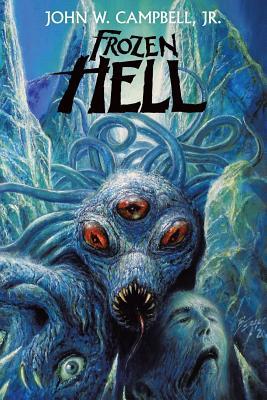
Frozen Hell
In 1938, acclaimed science fiction author John W. Campbell published the novella Who Goes There?, about a team of scientists in Antarctica who discover and are terrorized by a monstrous, shape-shifting alien entity. The story would later be adapted into John Carpenter's iconic movie The Thing (following an earlier film adaptation in 1951). The published novella was actually an abridged version of Campbell's original story, called Frozen Hell, which had to be shortened for publication.
The Frozen Hell manuscript remained unknown and unpublished for decades, and it was only recently rediscovered. Frozen Hell expands the Thing story dramatically, giving vital backstory and context to an already incredible tale. We are pleased and honored to offer Frozen Hell to you now, as Campbell intended it. You will be among the first people to ever read this completed version of the story.
The Frozen Hell manuscript remained unknown and unpublished for decades, and it was only recently rediscovered. Frozen Hell expands the Thing story dramatically, giving vital backstory and context to an already incredible tale. We are pleased and honored to offer Frozen Hell to you now, as Campbell intended it. You will be among the first people to ever read this completed version of the story.
158 pages, Paperback
First published January 17, 2019
About the author
John W. Campbell Jr.
1,056 books304 followersJohn Wood Campbell, Jr. was an influential figure in American science fiction. As editor of Astounding Science Fiction (later called Analog Science Fiction and Fact), from late 1937 until his death, he is generally credited with shaping the so-called Golden Age of Science Fiction.
Isaac Asimov called Campbell "the most powerful force in science fiction ever, and for the first ten years of his editorship he dominated the field completely."
As a writer, Campbell published super-science space opera under his own name and moody, less pulpish stories as Don A. Stuart. He stopped writing fiction after he became editor of Astounding.
Known Pseudonyms/Alternate Names:
Don A. Stuart
Karl van Campen
John Campbell
J. W. C., Jr.
John W. Campbell
John Wood Campbell
Isaac Asimov called Campbell "the most powerful force in science fiction ever, and for the first ten years of his editorship he dominated the field completely."
As a writer, Campbell published super-science space opera under his own name and moody, less pulpish stories as Don A. Stuart. He stopped writing fiction after he became editor of Astounding.
Known Pseudonyms/Alternate Names:
Don A. Stuart
Karl van Campen
John Campbell
J. W. C., Jr.
John W. Campbell
John Wood Campbell
Ratings & Reviews
Friends & Following
Create a free account to discover what your friends think of this book!
Community Reviews
Displaying 1 - 30 of 303 reviews

February 14, 2021
For fans of the 1982 movie The Thing an absolute must read. Here we have "Who Goes There?" the literary model with for the movie with three extra chapters (the first three). The novella seemed to be missing in this version but recently was found in the library of a University... wow, what a story. Chronologically you can read how the Antarctic explorers found a UFO in the eternal ice and a strange looking alien. Soon they learn that the alien imitates living beings... can they stop it from spreading like a virus (the story seems very fit for our present situation)? I always wanted to know more background than the 1982 movie could provide me with. This book completely fulfilled my expectations tightening any loose ends. There is also a 2011 movie adaption of the thing more orientating on "Who goes there?". John Gregory Betancourt plans to write a sequel playing in present times on this classic 1938 material. I'm really looking forward to this classic Scifi-horror tale. Really recommended. Classic pulp scifi-horror!
February 6, 2022
Fans of "The Thing" will be certainly wondering whether "Frozen Hell" is worth their time. The answer is, "Of course!" But your opinion over which is the better version of the literary story will likely vary.
"Who Goes There?" aka "The Thing from Another World" is a masterpiece of science fiction and suspense first published as a novella in "Astounding" magazine in 1938. It is a classic that almost every horror fan has read or at least heard of. "Frozen Hell" is the novel that spawned that brilliant novella, and which has only recently been rediscovered in a preserved file of Campbell manuscripts at Harvard. It appears that Campbell was forced to trim down this novel considerably for it's 1938 publication, but there is every indication, based on the care he took in saving his manuscript, that he considered it important and possibly fit for publication. And decades later, that is exactly what happened. "Frozen Hell" became available in 2019 to eager fans thanks to Wildside Press, my favorite publishing company.
Some of you may find that "Frozen Hell" is simply a long-winded version of an otherwise perfect story, and I won't disagree. Campbell, as many of us have already experienced in his other works, does have a tendency to get a little "stuck" sometimes, rambling on a bit too much about a piece of technology here or a chemical process there. You'll find that staple Campbell style here. In the novella, the crew already has the Thing thawing in Blair's lab at the start, but in "Frozen Hell," we begin with the discovery of the alien frozen in the Antarctic near a crashed spaceship. We get all the details of how they excavate the beast, from descriptions of all the tools they use down to how to lay a charge of thermite. Almost a third into the book and Campbell is still being didactic. For example, McReady is explaining why he accidentally blew up the crashed spaceship, saying that he didn't know the ship was made of magnesium because he couldn't weigh it to get a specific gravity, and that magnesium has such and such properties and perhaps it was an inactive metal because it didn't react with alphuric acid, yadda yadda.
So you see how the act of trimming all this down for the novella created something very different--a claustrophobic horror short story out of a series of science lessons couched as fiction. Yet I can't help but wonder what notoriety this story would have gained if first published as Campbell had originally written it. Readers would have been lulled into a false sense of security with a more adventurous and hard scifi tone before getting floored by the real meat of the concept. In some ways, "Frozen Hell" feels more like the experience of watching John Carpenter's version. "The Thing" has the audience munching away contentedly at their popcorn watching crazed Swedes chasing innocent dogs and tough guy Kurt Russel being a sore loser at computer chess. Looks like we're in for a fun adventure full of square-jawed heroes, they think. Then the popcorn goes flying in an incredible bait-and-switch. Genius. Carpenter didn't know back in 1982 just how close his vision was to Campbell's original idea. Great minds think alike.
And make no mistake, this is the real Thing. The moment the alien thaws from the ice, the novel pretty much follows the novella, which means we get some serious scares. At this point, Campbell transforms from schizoid science professor to master of suspense. I forgot just how good Campbell's writing could be. Some scenes literally made the hair on my neck stand at attention. Paired with all new illustrations by Bob Eggleton that do a fantastic job capturing the mental images of the prose, this new version certainly delivers more than polar chills.
Just remember, "Frozen Hell" is an original draft. You've got passages like "the ice... heaved, cracking in spreading radiants..." followed immediately by the next sentence, "the ice heaved and cracked..." Shortly thereafter, we have "the curtains of the aurora wavered" preceded by "the wavering curtains of the aurora." It was clear that the publishers really didn't want to mess with Campbell's manuscript too much--this is more of an historical document than an actual work of literature.
Which begs my opening question--is "Frozen Hell" worth it? If you haven't yet read "Who Goes There," then I'd recommend starting with the novella first. If you are already a seasoned fan of one of the greatest science fiction stories ever made, then this book is a must. "Frozen Hell" is the manuscript that gave birth to a masterpiece of literature and a masterpiece of film 44 years later, as well as a prequel and the groundbreaking original film adaptation from 1951. You will enjoy finding all the differences between the novel, the novella, and all the film versions. And you'll want a copy of it sitting on your shelf to show off to your fellow "Thing" fans.
Just do not expect this to come anywhere close to the perfection of the novella that was born from within it. Reading this is to give respect to the master and to learn a little more about one of your favorite creative properties.
SCORE: Four stars for the story as well as the included historical introductions and overall importance of the work. Not as perfect as "Who Goes There," but we are sure lucky to have it.
"Who Goes There?" aka "The Thing from Another World" is a masterpiece of science fiction and suspense first published as a novella in "Astounding" magazine in 1938. It is a classic that almost every horror fan has read or at least heard of. "Frozen Hell" is the novel that spawned that brilliant novella, and which has only recently been rediscovered in a preserved file of Campbell manuscripts at Harvard. It appears that Campbell was forced to trim down this novel considerably for it's 1938 publication, but there is every indication, based on the care he took in saving his manuscript, that he considered it important and possibly fit for publication. And decades later, that is exactly what happened. "Frozen Hell" became available in 2019 to eager fans thanks to Wildside Press, my favorite publishing company.
Some of you may find that "Frozen Hell" is simply a long-winded version of an otherwise perfect story, and I won't disagree. Campbell, as many of us have already experienced in his other works, does have a tendency to get a little "stuck" sometimes, rambling on a bit too much about a piece of technology here or a chemical process there. You'll find that staple Campbell style here. In the novella, the crew already has the Thing thawing in Blair's lab at the start, but in "Frozen Hell," we begin with the discovery of the alien frozen in the Antarctic near a crashed spaceship. We get all the details of how they excavate the beast, from descriptions of all the tools they use down to how to lay a charge of thermite. Almost a third into the book and Campbell is still being didactic. For example, McReady is explaining why he accidentally blew up the crashed spaceship, saying that he didn't know the ship was made of magnesium because he couldn't weigh it to get a specific gravity, and that magnesium has such and such properties and perhaps it was an inactive metal because it didn't react with alphuric acid, yadda yadda.
So you see how the act of trimming all this down for the novella created something very different--a claustrophobic horror short story out of a series of science lessons couched as fiction. Yet I can't help but wonder what notoriety this story would have gained if first published as Campbell had originally written it. Readers would have been lulled into a false sense of security with a more adventurous and hard scifi tone before getting floored by the real meat of the concept. In some ways, "Frozen Hell" feels more like the experience of watching John Carpenter's version. "The Thing" has the audience munching away contentedly at their popcorn watching crazed Swedes chasing innocent dogs and tough guy Kurt Russel being a sore loser at computer chess. Looks like we're in for a fun adventure full of square-jawed heroes, they think. Then the popcorn goes flying in an incredible bait-and-switch. Genius. Carpenter didn't know back in 1982 just how close his vision was to Campbell's original idea. Great minds think alike.
And make no mistake, this is the real Thing. The moment the alien thaws from the ice, the novel pretty much follows the novella, which means we get some serious scares. At this point, Campbell transforms from schizoid science professor to master of suspense. I forgot just how good Campbell's writing could be. Some scenes literally made the hair on my neck stand at attention. Paired with all new illustrations by Bob Eggleton that do a fantastic job capturing the mental images of the prose, this new version certainly delivers more than polar chills.
Just remember, "Frozen Hell" is an original draft. You've got passages like "the ice... heaved, cracking in spreading radiants..." followed immediately by the next sentence, "the ice heaved and cracked..." Shortly thereafter, we have "the curtains of the aurora wavered" preceded by "the wavering curtains of the aurora." It was clear that the publishers really didn't want to mess with Campbell's manuscript too much--this is more of an historical document than an actual work of literature.
Which begs my opening question--is "Frozen Hell" worth it? If you haven't yet read "Who Goes There," then I'd recommend starting with the novella first. If you are already a seasoned fan of one of the greatest science fiction stories ever made, then this book is a must. "Frozen Hell" is the manuscript that gave birth to a masterpiece of literature and a masterpiece of film 44 years later, as well as a prequel and the groundbreaking original film adaptation from 1951. You will enjoy finding all the differences between the novel, the novella, and all the film versions. And you'll want a copy of it sitting on your shelf to show off to your fellow "Thing" fans.
Just do not expect this to come anywhere close to the perfection of the novella that was born from within it. Reading this is to give respect to the master and to learn a little more about one of your favorite creative properties.
SCORE: Four stars for the story as well as the included historical introductions and overall importance of the work. Not as perfect as "Who Goes There," but we are sure lucky to have it.

May 13, 2026
Before I begin my review, let me just vent about A.I. Believe me, its relevance to my review will become clear...
A.I. scares the crap out of me. What scares me is that it is already everywhere, infiltrating every aspect of our life, from our workplace, to our children's schoolrooms, to our health care and our entertainment. There is literally no escaping it, and more and more people are perfectly okay with it.
The problem is (well, one of a multitude anyway) that the technology is moving faster than we can collectively understand it or even grasp its implications. It is one of those technologies that evolves exponentially. Incredible advances in A.I. have taken place just within the length of time it took me to write this sentence.
While some of the advances in A.I. have been beneficial to humanity, much of A.I.'s evolution---and benefit to humanity---has yet to be determined. I can tell you, though, that the one segment of society that is benefitting greatly from A.I. is the super-wealthy class. Assholes like Jeff Bezos and Mark Zuckerberg are raking in billions. And they are doing it on the backs of all of us.
These data centers popping up everywhere throughout the country? Notice how they are located nowhere near the billionaire assholes who are building them? There's a reason they don't want to be living anywhere near them.
These large data centers (an average site can cover up to 224 acres, or 450 football fields) can consume 3 to 7 million gallons of water per day. They consume a ridiculous amount of electricity, which is often taken from fossil fuels, thus adding to a rise in carbon emissions. They produce a ridiculous amount of heat, potentially raising the temperatures in the surrounding environs by 16 degrees, causing deleterious effects on local flora and fauna. The amounts of chemical and noise pollution created by data centers will have lingering and disastrous effects on the environment for years. These data centers also run 24/7.
And we seem to be okay with all this. Probably in the same way we are okay with Israel's genocidal campaign against Palestinians and the fact that donald trump is a convicted felon, rapist, and pedophile. Maybe it's just too big to process and/or do anything about.
But what is the difference between our blind acceptance of A.I., which is quickly infiltrating and affecting every aspect of our lives, and, say, an alien invasion? We've blithely let A.I. into our lives, which raises the question whether we would do the same if an invading alien force were to bulldoze over our planet.
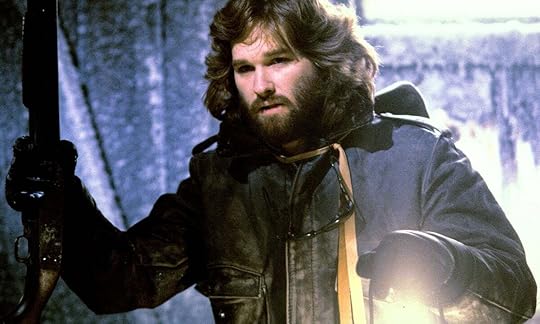
What is the ultimate difference between what A.I. is doing to us vs. what the alien creature in John Carpenter's "The Thing" was trying to do to humanity, which was to "absorb" humanity by creating perfect subservient imitations of humans? Realistically, both involve the willing abdication of our humanity by a superior sentient force, which are ultimately serving non-human needs.
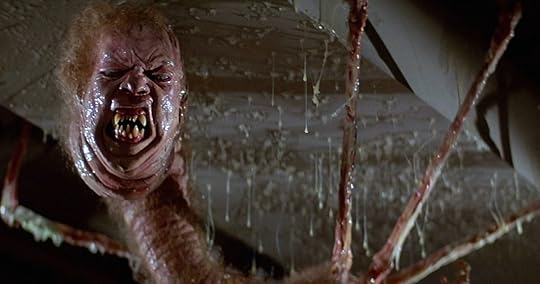
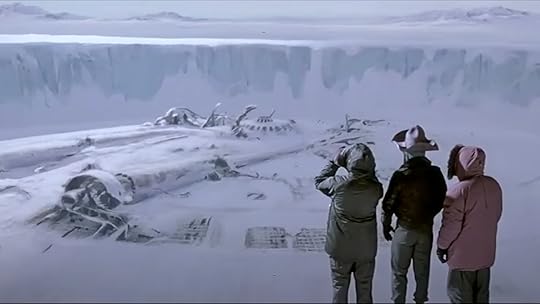
In 1938, John W. Campbell Jr. published a short story entitled "Who Goes There?" It was the basis for a 1951 film called "The Thing From Another World" and the 1982 Carpenter film. The story was about a research team in Antarctica that discovers a several millions-year-old spaceship buried in the ice. They also discover a creature that is initially believed to be long dead, only to discover that it is merely dormant. It kills any living organism by "becoming" that organism, perfectly imitating its bodily functions but also its feelings and memories. It creates such a perfect imitation that the imitations don't even know that they are imitations. The surviving members of the research team must put a stop to the creature's "spread" before it reaches a highly-populated area.
Supposedly, Campbell edited this story down from a slightly longer novella that he had titled "Frozen Hell". For decades, most people thought that this novella was lost for good, as no manuscript existed. Recently, a copy was discovered in a storage box in a library closet at Harvard University, where Campbell donated his work prior to his death. Due to a clerical mix-up, the material had simply disappeared from the inventory.
"Frozen Hell" isn't that different from "Who Goes There?" It adds roughly three chapters to the pared-down novella's five chapters. The basic horror element of the story is the same. It is still a terrifying sci fi/horror novella.
In 2024, John Gregory Betancourt wrote a sequel, "The Things from Another World", which extrapolated what would happen if the creature spread to the rest of the world. I have not read it yet.
Personally, I don't think I need to read it. I think it's happening already with A.I.
A.I. scares the crap out of me. What scares me is that it is already everywhere, infiltrating every aspect of our life, from our workplace, to our children's schoolrooms, to our health care and our entertainment. There is literally no escaping it, and more and more people are perfectly okay with it.
The problem is (well, one of a multitude anyway) that the technology is moving faster than we can collectively understand it or even grasp its implications. It is one of those technologies that evolves exponentially. Incredible advances in A.I. have taken place just within the length of time it took me to write this sentence.
While some of the advances in A.I. have been beneficial to humanity, much of A.I.'s evolution---and benefit to humanity---has yet to be determined. I can tell you, though, that the one segment of society that is benefitting greatly from A.I. is the super-wealthy class. Assholes like Jeff Bezos and Mark Zuckerberg are raking in billions. And they are doing it on the backs of all of us.
These data centers popping up everywhere throughout the country? Notice how they are located nowhere near the billionaire assholes who are building them? There's a reason they don't want to be living anywhere near them.
These large data centers (an average site can cover up to 224 acres, or 450 football fields) can consume 3 to 7 million gallons of water per day. They consume a ridiculous amount of electricity, which is often taken from fossil fuels, thus adding to a rise in carbon emissions. They produce a ridiculous amount of heat, potentially raising the temperatures in the surrounding environs by 16 degrees, causing deleterious effects on local flora and fauna. The amounts of chemical and noise pollution created by data centers will have lingering and disastrous effects on the environment for years. These data centers also run 24/7.
And we seem to be okay with all this. Probably in the same way we are okay with Israel's genocidal campaign against Palestinians and the fact that donald trump is a convicted felon, rapist, and pedophile. Maybe it's just too big to process and/or do anything about.
But what is the difference between our blind acceptance of A.I., which is quickly infiltrating and affecting every aspect of our lives, and, say, an alien invasion? We've blithely let A.I. into our lives, which raises the question whether we would do the same if an invading alien force were to bulldoze over our planet.
What is the ultimate difference between what A.I. is doing to us vs. what the alien creature in John Carpenter's "The Thing" was trying to do to humanity, which was to "absorb" humanity by creating perfect subservient imitations of humans? Realistically, both involve the willing abdication of our humanity by a superior sentient force, which are ultimately serving non-human needs.
In 1938, John W. Campbell Jr. published a short story entitled "Who Goes There?" It was the basis for a 1951 film called "The Thing From Another World" and the 1982 Carpenter film. The story was about a research team in Antarctica that discovers a several millions-year-old spaceship buried in the ice. They also discover a creature that is initially believed to be long dead, only to discover that it is merely dormant. It kills any living organism by "becoming" that organism, perfectly imitating its bodily functions but also its feelings and memories. It creates such a perfect imitation that the imitations don't even know that they are imitations. The surviving members of the research team must put a stop to the creature's "spread" before it reaches a highly-populated area.
Supposedly, Campbell edited this story down from a slightly longer novella that he had titled "Frozen Hell". For decades, most people thought that this novella was lost for good, as no manuscript existed. Recently, a copy was discovered in a storage box in a library closet at Harvard University, where Campbell donated his work prior to his death. Due to a clerical mix-up, the material had simply disappeared from the inventory.
"Frozen Hell" isn't that different from "Who Goes There?" It adds roughly three chapters to the pared-down novella's five chapters. The basic horror element of the story is the same. It is still a terrifying sci fi/horror novella.
In 2024, John Gregory Betancourt wrote a sequel, "The Things from Another World", which extrapolated what would happen if the creature spread to the rest of the world. I have not read it yet.
Personally, I don't think I need to read it. I think it's happening already with A.I.

August 20, 2024
3.5 ⭐️
Nie twierdzę, że rozumiem wszystkie naukowe kwestie, które zostały tutaj poruszone, bo wcale nie. O dziwo jednak nie przeszkodziło mi to w lekturze, a po przeczytaniu przedmowy i wprowadzenia (które w Vesperze zawsze poszerzają perspektywę) czuję, że bardziej doceniam znaczenie tej książki w historii fantastyki naukowej.
Nie twierdzę, że rozumiem wszystkie naukowe kwestie, które zostały tutaj poruszone, bo wcale nie. O dziwo jednak nie przeszkodziło mi to w lekturze, a po przeczytaniu przedmowy i wprowadzenia (które w Vesperze zawsze poszerzają perspektywę) czuję, że bardziej doceniam znaczenie tej książki w historii fantastyki naukowej.

September 26, 2025
3,5 z serduszkiem :)
Trochę niżej za lekko antyklimatyczne zakończenie.
Trochę niżej za lekko antyklimatyczne zakończenie.

June 21, 2022
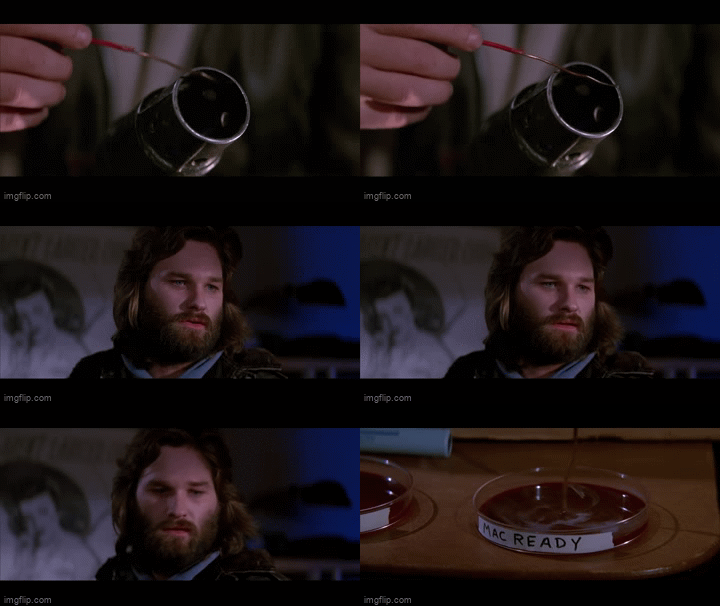
«Ma non ha importanza. La mia teoria è confermata da... dovremmo dire da qualcuno che sapeva? Be', Van Wall e Barclay hanno superato la prova. Credo, allora, che cercherò di
mostrarvi quello che so già... cioè che anch'io sono umano.»
McReady passò rapidamente il bisturi nell'alcol puro, sterilizzò la lama metallica sulla fiamma e con perizia si praticò un piccolo taglio alla base del pollice.
Il primo dei due racconti raccolti in questo duecentotrentaduesimo volume della collana Urania Collezione é la versione originale ed estesa del popolare Who Goes There? (La Cosa da un altro Mondo) pubblicato da John W. Campbell nel 1938, e che ha ispirato ben due adattamenti cinematografici, un più recente prequel, e, a quanto pare un nuovo film in lavorazione che dovrebbe uscire in futuro.
Questa versione della storia, contenente tre capitoli iniziali in più che ne espandono trama e caratterizzazione dei personaggi, fu respinto all’epoca dall’editore dell’autore, per poi venire solo ritrovato e pubblicato recentemente.
Per quanto mi riguarda, tra spiegoni scientifici ed ingenuità varie tipo gli scienziati che fanno saltare in aria accidentalmente l’astronave aliena, ed il sogno premonitore spoileroso di McReady, ho trovato eccessivamente ridondanti i tre capitoli aggiuntivi di questa versione, pur apprezzandone lo sviluppo dei personaggi, e quelle atmosfere da romanzo d’avventura che, dopo poche pagine, lasciano spazio all’orrore.
Se, come me, adorate alla follia il capolavoro di John Carpenter del 1982 basato su questa storia, una lettura se la merita comunque, ma il racconto breve pubblicato originariamente, pur iniziando in medias res, con la squadra di sfortunati ricercatori già isolati nelle gelide distese del circolo polare antartico, alle prese con la Cosa di un altro mondo che imita sembianze e pensieri delle sue vittime, è a mio parere una lettura di gran lunga migliore.
La voce dell’ignoto (1930), seconda storia contenuta in questa raccolta, è un piacevole racconto di space opera, ma, a parte il finale, non mi ha colpito particolarmente.
Molto più interessante e divertente, secondo me, la postfazione dedicata alla vita dell’autore che, tra stramberie, visionarietà, genio e contraddizioni, fu senza dubbio uno dei Padri dell’Epoca D’Oro della Fantascienza.
In definitiva, una lettura non proprio invecchiata benissimo e neanche troppo necessaria se avete già letto Who Goes There?, ma comunque piacevole.

Want to Read
August 5, 2019This is the expanded version of
Who Goes There?
by
John W. Campbell Jr.
, adapted into three films, The Thing from Another World (1951) directed by
Howard Hawks
, The Thing (1982) directed by
John Carpenter
, and The Thing (2011) directed by Matthijs van Heijningen Jr.
My copy is the Deluxe Signed Leather-bound Hardcover Edition with an introduction by Robert Silverberg and interior art by Bob Eggleton , including the cover painting shown on GR and further below, the actual cover shown here (*however this is not a photo taken by me or of my copy but of the same edition):


My copy is the Deluxe Signed Leather-bound Hardcover Edition with an introduction by Robert Silverberg and interior art by Bob Eggleton , including the cover painting shown on GR and further below, the actual cover shown here (*however this is not a photo taken by me or of my copy but of the same edition):

June 24, 2025
Il racconto lungo La cosa, racconta del ritrovamento di un essere al di fuori della concenzione umana, ben conservato all'interno dei ghiacci perenni dell'Antartide.
Avevo visto il film di Carpenter anni fa e mi era piaciuto discretamente, sicuramente non fra i migliori del regista americano, ma particolare e soprattutto d'atmosfera. Così mi ero ripromesso di provare a recuparare il libro da dove tutto è nato. Il presente libro fa parte delle prime opere della fantascienza moderna: nel 1938. Periodo d'oro della fantascienza. Sicuramente è un capostipite del genere, dove molti altri negli anni a seguire hanno preso spunto o anche scopiazzato, però a fine lettura mi viene da dire: no!
Principalmente non mi ha colpito la scrittura: non riuscivo a capire cosa stesse succedendo, non avevo la benchè minima idea di chi fossero i protagonisti, perchè non vi è caratterizzazione alcuna, nei dialoghi non aveva importanza chi dicesse cosa, perchè tanto non li inquadravo minimamente. Fortunatamente avevo davanti agli occhi le scene del film e l'altmosfera cupa e gelida me li trasmettevano quelle immagini cinematografiche, ma non quelle letterarie del racconto. Mi sono annoiato infinitamente dall'inizio alla fine, anche se le pagine non arrivano nemmeno a 100, ci ho messo 3 giorni per finirlo. La storia è molto interessante, ma è narrata in un modo che non mi ha coinvolto mai!
Delusione!
Avevo visto il film di Carpenter anni fa e mi era piaciuto discretamente, sicuramente non fra i migliori del regista americano, ma particolare e soprattutto d'atmosfera. Così mi ero ripromesso di provare a recuparare il libro da dove tutto è nato. Il presente libro fa parte delle prime opere della fantascienza moderna: nel 1938. Periodo d'oro della fantascienza. Sicuramente è un capostipite del genere, dove molti altri negli anni a seguire hanno preso spunto o anche scopiazzato, però a fine lettura mi viene da dire: no!
Principalmente non mi ha colpito la scrittura: non riuscivo a capire cosa stesse succedendo, non avevo la benchè minima idea di chi fossero i protagonisti, perchè non vi è caratterizzazione alcuna, nei dialoghi non aveva importanza chi dicesse cosa, perchè tanto non li inquadravo minimamente. Fortunatamente avevo davanti agli occhi le scene del film e l'altmosfera cupa e gelida me li trasmettevano quelle immagini cinematografiche, ma non quelle letterarie del racconto. Mi sono annoiato infinitamente dall'inizio alla fine, anche se le pagine non arrivano nemmeno a 100, ci ho messo 3 giorni per finirlo. La storia è molto interessante, ma è narrata in un modo che non mi ha coinvolto mai!
Delusione!

March 12, 2019
I vividly remember reading "Who Goes There?" as a child, in a sci-fi short story compilation I checked out from the library whose name I can't recall. I've completely forgotten the other stories, which were of the kind that fellow sci-fi veteran Robert Silverberg fondly but firmly sums up in the Introduction here as "wordy epics in which grim, methodical supermen repeatedly saved the world from menacing aliens by mastering, with the greatest of ease, such things as faster-than-light travel, the fabrication of matter-destroying rays, the release of atomic energy, and the penetration of hyperspace." Campbell's story about an Antarctic expedition's struggle against a shapeshifting alien was incredibly different - intensely-paced, relentless, eerie, and genuinely frightening to young me. It was a great bridge for me between more "literary" short stories like Jack London's "To Build a Fire" and other fantasy horror like H.P. Lovecraft's At the Mountains of Madness, which coincidentally was also published in serial form in the same Astounding magazine about 2 years before "Who Goes There?", which Campbell of course went on to become the phenomenal editor of.
This extended version, based on a manuscript recently discovered in a Harvard archive, adds 3 intro chapters and a few thousand words of additional verbiage throughout. Campbell was wise to cut the extra material, which is overly didactic and not strictly necessary to the plot. The Preface has a good discussion of the importance of firm editing; as newly-minted editor Campbell would advise Asimov years later, "When you have difficulty with the beginning of the story, that is because you are starting in the wrong place, and almost certainly too soon. Pick out a later point in the story and begin again" However, interestingly I didn't find that the extra baggage diluted the power of the story much for me, although perhaps that was because it still had the force of memory behind it. It's still the immensely influential Ur-sci-fi-horror work that inspired John Carpenter, Ridley Scott, Cris Carter, and so many more, and if you had never read the short story I don't think the impact would be much lessened. At the end there is a preview of a "faithful sequel" set in the present day written by John Betancourt, who helped compile this project. I wish that Peter Watts' wonderful tribute "The Things", which retells "Who Goes There?" from the alien's perspective, had been included, but otherwise this is a delight to read, and Betancourt has done the world a real service by raising this 80 year old story out of the ice of obscurity back to the land of the living. May it continue to spread its tentacles of influence!
This extended version, based on a manuscript recently discovered in a Harvard archive, adds 3 intro chapters and a few thousand words of additional verbiage throughout. Campbell was wise to cut the extra material, which is overly didactic and not strictly necessary to the plot. The Preface has a good discussion of the importance of firm editing; as newly-minted editor Campbell would advise Asimov years later, "When you have difficulty with the beginning of the story, that is because you are starting in the wrong place, and almost certainly too soon. Pick out a later point in the story and begin again" However, interestingly I didn't find that the extra baggage diluted the power of the story much for me, although perhaps that was because it still had the force of memory behind it. It's still the immensely influential Ur-sci-fi-horror work that inspired John Carpenter, Ridley Scott, Cris Carter, and so many more, and if you had never read the short story I don't think the impact would be much lessened. At the end there is a preview of a "faithful sequel" set in the present day written by John Betancourt, who helped compile this project. I wish that Peter Watts' wonderful tribute "The Things", which retells "Who Goes There?" from the alien's perspective, had been included, but otherwise this is a delight to read, and Betancourt has done the world a real service by raising this 80 year old story out of the ice of obscurity back to the land of the living. May it continue to spread its tentacles of influence!
September 17, 2024
3.5* Klimatem wpasowała mi się idealnie do zimnych wieczorów bez włączonego ogrzewanie miejskiego :D. Niestety nie straszyło, ale jeśli uda się zdobyć prawa do kontynuacji to też chętnie przeczytam.

October 27, 2019
⭐️ 4.5/5
Ostatnio nie mam szczęścia do literackich wersji kultowych horrorów. Tak jak filmowy “Adwokat diabła” bardzo mi się podobał, a “Egzorcysta” Friedkina to jeden z moich najulubieńszych filmów ewer, tak niestety ich książkowe odpowiedniki srogo mnie rozczarowały. Na szczęście na scenę wkroczył “Coś” Johna W. Campbella i zła passa na mizerne-literackie-pierwowzory-wybornych-ekranizacji została przerwana!
Od razu mówię - kiedy wzięłam w łapki “Coś” to zupełnie nie spodziewałam się, że ta niepozorna, króciutka książka okaże się jednym z moich największych czytelniczych zachwytów tego roku. Tak, tak - dobrze czytacie - nowela Campbella kompletnie skradła moje serce! Na niewielu ponad 100 stronach odnalazłam (prawie) wszystko, to co najbardziej kocham w horrorach. Wszechobecny na kartach powieści śnieg i mróz oraz odizolowana od świata mała grupka ludzi przywodzą mi na myśl wybitny “Terror” Simmonsa. Znakomicie wykreowana przez autora atmosfera klaustrofobii i paranoi wywołała u mnie autentyczny niepokój. No, sami mi powiedzcie - czy to nie brzmi jak horror doskonały? A to nie koniec moich peanów nad “Cosiem” - na głośne oklaski i uznanie zasługuje pióro Campbella. Jestem pod ogromnym wrażeniem stylu - tego jak za sprawą niezwykle plastycznych opisów amerykański pisarz potrafi znakomicie wykreować atmosferę czystej grozy. Duży plus również za wprowadzenie do utworu humoru za sprawą dowcipnych i błyskotliwych dialogów. Dzięki pierwszorzędnemu warsztatowi pisarskiemu udało się Campbellowi w w miarę przejrzysty i nie męczący czytelnika sposób przedstawić dosyć zawiłe dla - takiego laika sci-fi jak ja - fragmenty tekstu charakterystyczne dla tego gatunku. Chodzi mi tu o pierwsze 3 rozdziały, w których praktycznie co drugie słowo to jakieś mega skomplikowane techniczne określenie, z którym spotykam się pierwszy raz w życiu. No, ale jak już pisałam - jest to tak ciekawie opisane, że w ani jednej sekundzie nie miałam ochoty rzucić w kąt książki, z frustracji, że “jestem za głupia na te sajfaje, ja nic z tego nie rozumiem!!!”. Tak więc, nawet taka niewielka niedogodność w żadnym stopniu negatywnie nie wpłynęła na przyjemność jaką czerpałam z lektury. Podobało mi się aż tak bardzo, że po zamknięciu ostatnich stron miałam ochotę od razu sięgnąć po inne dzieła Campbella albo chociaż coś w klimatach miksu horroru z science fiction.
Po tych wszystkich ochach i achach - czy zatem w moim przekonaniu “Coś” jest powieścią (dobra, wiem - nowelą - ale powieść w tym zdaniu brzmi lepiej xd) idealną? Nie! A to dlaczego? A no dlatego, że “Coś” jest zdecydowanie za krótkie! I tym optymistycznym akcentem kończąc wspomnę jeszcze szybko o - jak zawsze - pierwszorzędnym wydaniu, jakim uraczył nas Vesper. Przewyborna jest tu i okładka (tapetowałabym tą grafiką ścianę, serio) i ilustracje i arcy-ciekawe materiały dodatkowe - pełne interesujących informacji dotyczących okoliczności powstawania i późniejszych losów utworu - dwie przedmowy i posłowie, oraz fragment (znów - za krótki!) kontynuacji Campbellowego “Coś”.
PS. Początkowo oceniłam „Coś” na 8/10, jednak jako, że od skończenia czytania przeze mnie powieści minął już tydzień, a ja wciąż nie mogę przestać o niej myśleć (nawet w trakcie lektury innych książek!) to nie pozostaje mi nic innego jak podwyższyć ocenę.
Ostatnio nie mam szczęścia do literackich wersji kultowych horrorów. Tak jak filmowy “Adwokat diabła” bardzo mi się podobał, a “Egzorcysta” Friedkina to jeden z moich najulubieńszych filmów ewer, tak niestety ich książkowe odpowiedniki srogo mnie rozczarowały. Na szczęście na scenę wkroczył “Coś” Johna W. Campbella i zła passa na mizerne-literackie-pierwowzory-wybornych-ekranizacji została przerwana!
Od razu mówię - kiedy wzięłam w łapki “Coś” to zupełnie nie spodziewałam się, że ta niepozorna, króciutka książka okaże się jednym z moich największych czytelniczych zachwytów tego roku. Tak, tak - dobrze czytacie - nowela Campbella kompletnie skradła moje serce! Na niewielu ponad 100 stronach odnalazłam (prawie) wszystko, to co najbardziej kocham w horrorach. Wszechobecny na kartach powieści śnieg i mróz oraz odizolowana od świata mała grupka ludzi przywodzą mi na myśl wybitny “Terror” Simmonsa. Znakomicie wykreowana przez autora atmosfera klaustrofobii i paranoi wywołała u mnie autentyczny niepokój. No, sami mi powiedzcie - czy to nie brzmi jak horror doskonały? A to nie koniec moich peanów nad “Cosiem” - na głośne oklaski i uznanie zasługuje pióro Campbella. Jestem pod ogromnym wrażeniem stylu - tego jak za sprawą niezwykle plastycznych opisów amerykański pisarz potrafi znakomicie wykreować atmosferę czystej grozy. Duży plus również za wprowadzenie do utworu humoru za sprawą dowcipnych i błyskotliwych dialogów. Dzięki pierwszorzędnemu warsztatowi pisarskiemu udało się Campbellowi w w miarę przejrzysty i nie męczący czytelnika sposób przedstawić dosyć zawiłe dla - takiego laika sci-fi jak ja - fragmenty tekstu charakterystyczne dla tego gatunku. Chodzi mi tu o pierwsze 3 rozdziały, w których praktycznie co drugie słowo to jakieś mega skomplikowane techniczne określenie, z którym spotykam się pierwszy raz w życiu. No, ale jak już pisałam - jest to tak ciekawie opisane, że w ani jednej sekundzie nie miałam ochoty rzucić w kąt książki, z frustracji, że “jestem za głupia na te sajfaje, ja nic z tego nie rozumiem!!!”. Tak więc, nawet taka niewielka niedogodność w żadnym stopniu negatywnie nie wpłynęła na przyjemność jaką czerpałam z lektury. Podobało mi się aż tak bardzo, że po zamknięciu ostatnich stron miałam ochotę od razu sięgnąć po inne dzieła Campbella albo chociaż coś w klimatach miksu horroru z science fiction.
Po tych wszystkich ochach i achach - czy zatem w moim przekonaniu “Coś” jest powieścią (dobra, wiem - nowelą - ale powieść w tym zdaniu brzmi lepiej xd) idealną? Nie! A to dlaczego? A no dlatego, że “Coś” jest zdecydowanie za krótkie! I tym optymistycznym akcentem kończąc wspomnę jeszcze szybko o - jak zawsze - pierwszorzędnym wydaniu, jakim uraczył nas Vesper. Przewyborna jest tu i okładka (tapetowałabym tą grafiką ścianę, serio) i ilustracje i arcy-ciekawe materiały dodatkowe - pełne interesujących informacji dotyczących okoliczności powstawania i późniejszych losów utworu - dwie przedmowy i posłowie, oraz fragment (znów - za krótki!) kontynuacji Campbellowego “Coś”.
PS. Początkowo oceniłam „Coś” na 8/10, jednak jako, że od skończenia czytania przeze mnie powieści minął już tydzień, a ja wciąż nie mogę przestać o niej myśleć (nawet w trakcie lektury innych książek!) to nie pozostaje mi nic innego jak podwyższyć ocenę.

January 10, 2025
Jestem zawiedziona. Ostatni raz czytam przedmowę przed przeczytaniem książki. Nie rozumiem, czemu ten tekst nie był posłowiem, skoro zdradzał to co mogło być najlepsze w książce. Nie po to nie czytam opisów, żeby mi dawali spojlery w przedmowach. ;( Na koniec mamy fragment kontynuacji, po co? Chyba, żeby wkurwić czytelnika, bo kończy się cliffhangerem. 1,5⭐

February 20, 2025
Ramotka. Nie dziwię się, że to opowiadanie przez lata zbierało kurz, wraz z innymi papierami pozostałymi po Campbellu w uniwersyteckiej bibliotece, bo jest po prostu średnie. Średnio napisane, średnio poprowadzone i w konsekwencji średnio przyjemne w lekturze. Za to wydawnictwo Vesper jak zawsze stanęło na wysokości zadania, bo książka jest pięknie wydana.
Co by tu jeszcze... opowiadanie poprzedza przedmowa, a właściwe kilka przedmów napisanych przez "ludzi co się znają", kończy zaś posłowie traktujące o... filmie Carpentera z 1982 roku - typowy wypełniacz, ale za to bardzo strawnie napisany. Jest jeszcze kilka rozdziałów kontynuacji, tylko nie do końca wiem czego to jest kontynuacja, nie wiem czy kiedykolwiek została wydana i przetłumaczona i w ogóle kto te dalsze losy istoty z kosmosu w ogóle napisał.
To "Coś" to właściwe taki pięknie wydany groch z kapustą. Samo opowiadanie tonie w morzu przedmów i posłów (posłowiów?) - spodziewałem się więcej po tej książce.
Co by tu jeszcze... opowiadanie poprzedza przedmowa, a właściwe kilka przedmów napisanych przez "ludzi co się znają", kończy zaś posłowie traktujące o... filmie Carpentera z 1982 roku - typowy wypełniacz, ale za to bardzo strawnie napisany. Jest jeszcze kilka rozdziałów kontynuacji, tylko nie do końca wiem czego to jest kontynuacja, nie wiem czy kiedykolwiek została wydana i przetłumaczona i w ogóle kto te dalsze losy istoty z kosmosu w ogóle napisał.
To "Coś" to właściwe taki pięknie wydany groch z kapustą. Samo opowiadanie tonie w morzu przedmów i posłów (posłowiów?) - spodziewałem się więcej po tej książce.
October 2, 2019
I know sometimes, well....most of the time, my reviews sound like I just ate a whole tray of Bob Marley brownies, but if I wrote a book, I'm sure I could make more sense than Frozen Hell.
Now, I know Frozen Hell was originally written about 1938, and they kinda spoke a bit funny back then, but I'm sure I've read other books from that era that made more sense than this steampunk technobabble. Hmm, I wonder if John Campbell had been chowing down on a few of those Reggae brownies before he wrote this? The character's dialogue was very hard to follow – so much so, that reading it and interpreting it was rather annoying. You can eventually get an idea of what's going on, and for a precious few pages, it was even a little exciting.
Frozen Hell is the uncut version of Who Goes There with about three extra chapters. Apparently Campbell's original, differently edited manuscript was lost, until it wasn't – lost that is. It was found again in 2017 hiding in an obscure section of Harvard's library. If you're thinking of reading this – don't. Instead, just go watch (again?) the John Carpenter adaptation of Who Goes There (The Thing) and marvel over Kurt Russell's average performance, and laugh at the quality of the special effects (compared to today's). You'll get more enjoyment out of that and there's none of that 30's vintage gobbledegook to sift through.
Now, I know Frozen Hell was originally written about 1938, and they kinda spoke a bit funny back then, but I'm sure I've read other books from that era that made more sense than this steampunk technobabble. Hmm, I wonder if John Campbell had been chowing down on a few of those Reggae brownies before he wrote this? The character's dialogue was very hard to follow – so much so, that reading it and interpreting it was rather annoying. You can eventually get an idea of what's going on, and for a precious few pages, it was even a little exciting.
Frozen Hell is the uncut version of Who Goes There with about three extra chapters. Apparently Campbell's original, differently edited manuscript was lost, until it wasn't – lost that is. It was found again in 2017 hiding in an obscure section of Harvard's library. If you're thinking of reading this – don't. Instead, just go watch (again?) the John Carpenter adaptation of Who Goes There (The Thing) and marvel over Kurt Russell's average performance, and laugh at the quality of the special effects (compared to today's). You'll get more enjoyment out of that and there's none of that 30's vintage gobbledegook to sift through.

September 16, 2019
I contributed to the crowd-funding of the publication of this recently discovered, longer version of the novella 'Who Goes There' (1938) which inspired the renowned horror films 'The Thing from Another World' (1951) and 'The Thing' (1982). I've been on a kick recently to read the source novels for many of my favorite horror movies. While I've never seen the 1952 film, I'm very familiar with '82 version and enjoyed noting plot elements John Carpenter carried over. Overall, the novella reads like it could have been written today and only a few elements concerning available technology and terms, understandings of science, and expressions of the day give away that this story was written over 80 years ago. The concept is still brilliant and sufficiently creepy for a 21st Century reader but the story spends too much time lingering of descriptions of the Antarctic setting and action scenes play confusingly like a poorly edited movie. Perhaps best enjoyed only by uber-fans of the Carpenter film.

April 27, 2019
This is another recent ‘discovery’ of an earlier version of what is regarded as a science fiction classic. As his Preface to this book explains, Alec Nevala-Lee (author of the recent biography Astounding) found this in a discovery worthy of the story itself, whilst going through boxes of author and editor John W. Campbell’s stuff in the Harvard Library whilst researching his own book.
At the bottom of one box was 112 pages of a manuscript entitled “Frozen Hell” and also “Pandora”. You may not immediately recognise those titles, but long-time readers of sf may know the more famous version. The story here is an earlier version, with typographical errors, misspellings and handwritten corrections, of one of the most famous science fiction stories of all time, “Who Goes There?”* – but 45 pages longer.
Frozen Hell is an earlier version of the tale. It seems that Campbell was aiming at writing the story as a novel, but when it didn’t sell, re-edited it into the shorter form that is much better known today. This one disappeared into the archives until rediscovered by Nevala-Lee.
Understandably, this unearthing, when announced in October 2018, caused a great deal of excitement. A Kickstarter fund was created in order to get it published, which reached its target of $1000 within a couple of days. (It is, at the time of writing this review, over $155 000).
However, don’t get too excited here. Frozen Hell is basically a dramatically longer and more detailed version of Who Goes There? The part that we know is in five chapters at the end (with minor changes) with an additional three chapters at the beginning.
To add to this novella-sized book, there are some useful additions. As I’ve already said, Alec Nevala-Lee explains a little of the background to his rediscovery of this version, and there’s also an Introduction by Robert Silverberg that gives his opinion on the original, on this version and a degree of context to the work of John W Campbell, the author and magazine editor. You can skip them, but I found them interesting.
Bob Eggleton’s pencil sketches throughout are nice and give the story that feeling that you’re reading it in an old-school pulp-magazine format.
At the end of the book there’s also a Preview of a sequel currently being written by the publisher of this book, John Gregory Betancourt, provisionally entitled The Things from Another World. Such things in my opinion are rarely as good as the original (I’m reminded of Kevin Anderson’s ‘sequel’ to AE van Vogt’s Slan, for example), but it may entice some readers to read further.
It may also be worth mentioning at this point that due to the success of the Kickstarter there will be another book available in June 2019 which is connected to this. Called Short Things, it is a collection of new stories inspired by the original, from authors such as Alan Dean Foster (who also wrote the novelisation of the 1982 movie version), Nina Kiriki Hoffman, Pamela Sargent, Kristine Kathryn Rusch, Allen Steele, Paul di Philippo and others. You may wish to read this afterwards.
But I guess that the bottom line is: is this new version worth reading?
Looking at the two versions together, Who Goes There? is undoubtedly tighter and better written, with a lot of superfluous details removed. And yet Frozen Hell is of interest, if only to show how the story was revised and rewritten before being published in its better-known form. As you might expect, Frozen Hell is a product of the age it was written and reflects the popular pulp style of the 1930’s. Its prose can be clunky in places but there are also moments of beauty. It is also slightly obscured by being combined with more of the techno-gobbledygook prevalent in the science fiction writing of the time.
In my opinion, Frozen Hell is good - not better, but it is readable. There are some noticeable differences as a result of being a longer version. By occurring later in the story, the horror element, emphasised from the start in the revised version, is initially less noticeable in this form, which feels most like a typical boy’s adventure tale. The decision to chop the beginning gives the later version a much more dramatic start, whereas this new version sets the scene more leisurely, if perhaps more prettily.
We also get that Campbellian maxim of ‘tell, don’t show’. There’s a lot of talk here, about ‘the science’, and the nature of the alien and even human identity. This is Campbell in his lecturing mode that we would soon see every month in his Astounding/Analog Editorials. To be fair, it’s typical of the science fiction of the 1930’s, and it would be a little unfair to totally blame Campbell for it. The good news is that, despite this, the story is so good that it rises above all of its weaknesses.
The story really gets going in the part we recognise. The last five chapters are as creepy, paranoid and dreadful as ever. In particular, the relentless sense of isolation, in a place where you cannot trust anyone – or anything – is still strong. Even when the characters themselves are mere cyphers (we’re not getting a detailed backstory here, but this is what we’d expect in the 1930’s), their actions – and the consequences of their actions - are as we’d expect.
In summary, Frozen Hell is a great read that fans of the better-known version will want. In my opinion, unlike Who Goes There? it’s not an essential read, but it is a very good one, and one that adds to the shorter story. Despite all of the contemporary issues in either version, the story is a superior example of ‘Golden Age’ science fiction. I’m glad we’ve had chance to read this alternate version.
Frozen Hell is available as a print book and an ebook from the Kickstarter website, as well as an ebook at the usual online retailers.
*I reviewed Campbell’s collection, including the original story “Who Goes There?”, here in 2011.
At the bottom of one box was 112 pages of a manuscript entitled “Frozen Hell” and also “Pandora”. You may not immediately recognise those titles, but long-time readers of sf may know the more famous version. The story here is an earlier version, with typographical errors, misspellings and handwritten corrections, of one of the most famous science fiction stories of all time, “Who Goes There?”* – but 45 pages longer.
Frozen Hell is an earlier version of the tale. It seems that Campbell was aiming at writing the story as a novel, but when it didn’t sell, re-edited it into the shorter form that is much better known today. This one disappeared into the archives until rediscovered by Nevala-Lee.
Understandably, this unearthing, when announced in October 2018, caused a great deal of excitement. A Kickstarter fund was created in order to get it published, which reached its target of $1000 within a couple of days. (It is, at the time of writing this review, over $155 000).
However, don’t get too excited here. Frozen Hell is basically a dramatically longer and more detailed version of Who Goes There? The part that we know is in five chapters at the end (with minor changes) with an additional three chapters at the beginning.
To add to this novella-sized book, there are some useful additions. As I’ve already said, Alec Nevala-Lee explains a little of the background to his rediscovery of this version, and there’s also an Introduction by Robert Silverberg that gives his opinion on the original, on this version and a degree of context to the work of John W Campbell, the author and magazine editor. You can skip them, but I found them interesting.
Bob Eggleton’s pencil sketches throughout are nice and give the story that feeling that you’re reading it in an old-school pulp-magazine format.
At the end of the book there’s also a Preview of a sequel currently being written by the publisher of this book, John Gregory Betancourt, provisionally entitled The Things from Another World. Such things in my opinion are rarely as good as the original (I’m reminded of Kevin Anderson’s ‘sequel’ to AE van Vogt’s Slan, for example), but it may entice some readers to read further.
It may also be worth mentioning at this point that due to the success of the Kickstarter there will be another book available in June 2019 which is connected to this. Called Short Things, it is a collection of new stories inspired by the original, from authors such as Alan Dean Foster (who also wrote the novelisation of the 1982 movie version), Nina Kiriki Hoffman, Pamela Sargent, Kristine Kathryn Rusch, Allen Steele, Paul di Philippo and others. You may wish to read this afterwards.
But I guess that the bottom line is: is this new version worth reading?
Looking at the two versions together, Who Goes There? is undoubtedly tighter and better written, with a lot of superfluous details removed. And yet Frozen Hell is of interest, if only to show how the story was revised and rewritten before being published in its better-known form. As you might expect, Frozen Hell is a product of the age it was written and reflects the popular pulp style of the 1930’s. Its prose can be clunky in places but there are also moments of beauty. It is also slightly obscured by being combined with more of the techno-gobbledygook prevalent in the science fiction writing of the time.
In my opinion, Frozen Hell is good - not better, but it is readable. There are some noticeable differences as a result of being a longer version. By occurring later in the story, the horror element, emphasised from the start in the revised version, is initially less noticeable in this form, which feels most like a typical boy’s adventure tale. The decision to chop the beginning gives the later version a much more dramatic start, whereas this new version sets the scene more leisurely, if perhaps more prettily.
We also get that Campbellian maxim of ‘tell, don’t show’. There’s a lot of talk here, about ‘the science’, and the nature of the alien and even human identity. This is Campbell in his lecturing mode that we would soon see every month in his Astounding/Analog Editorials. To be fair, it’s typical of the science fiction of the 1930’s, and it would be a little unfair to totally blame Campbell for it. The good news is that, despite this, the story is so good that it rises above all of its weaknesses.
The story really gets going in the part we recognise. The last five chapters are as creepy, paranoid and dreadful as ever. In particular, the relentless sense of isolation, in a place where you cannot trust anyone – or anything – is still strong. Even when the characters themselves are mere cyphers (we’re not getting a detailed backstory here, but this is what we’d expect in the 1930’s), their actions – and the consequences of their actions - are as we’d expect.
In summary, Frozen Hell is a great read that fans of the better-known version will want. In my opinion, unlike Who Goes There? it’s not an essential read, but it is a very good one, and one that adds to the shorter story. Despite all of the contemporary issues in either version, the story is a superior example of ‘Golden Age’ science fiction. I’m glad we’ve had chance to read this alternate version.
Frozen Hell is available as a print book and an ebook from the Kickstarter website, as well as an ebook at the usual online retailers.
*I reviewed Campbell’s collection, including the original story “Who Goes There?”, here in 2011.
August 14, 2026
4.25 - You can easily tell that this is what "The Thing" was based on and they did such a great job of adapting it not just for the screen but into the time of when it was filmed. I also really love that the movie is directed by John Carpenter and the original work is written by "John Campbell" - very similar names lol.
Overall though, this is a great read and it's short but so so sweet. I also love horror stories set in the arctic or just winter in general so maybe I am biased but I don't care lol.
Overall though, this is a great read and it's short but so so sweet. I also love horror stories set in the arctic or just winter in general so maybe I am biased but I don't care lol.
December 28, 2019
To nie jest tym, na co wygląda.
Szok i niedowierzanie. Tak można opisać moją reakcję na wieść o tym, że film Coś jest adaptacją. Do tej pory żywiłam przypuszczenie, iż twórcy filmu inspirowali się luźno opowiadaniem Lovecrafta "W górach szaleństwa". Myliłam się.
Przeraźliwą kreaturę powołał do życia Campbell. I doprawdy stworzył jedną z najbardziej przerażających istot zaludniających świat horrorów. Atmosfera totalnego zaszczucia wprost wylewa się z kart książki. Czytelnik jak bohaterowie nie ma pojęcia kto, jest kim. Ta niepewność i paniczny brak zaufania do kogokolwiek uderzają w człowieka obuchem. Naprawdę nie potrzeba hektolitrów krwi by wstrząsnąć czytelnikiem do żywego. Sugestywnie budowany klimat osaczenia wystarczy aż nadto.
Polecam Coś z całym przekonaniem. Ostrzegam tylko, że to raczej opowiadanie, a nie pełnowymiarowa powieść.
Szok i niedowierzanie. Tak można opisać moją reakcję na wieść o tym, że film Coś jest adaptacją. Do tej pory żywiłam przypuszczenie, iż twórcy filmu inspirowali się luźno opowiadaniem Lovecrafta "W górach szaleństwa". Myliłam się.
Przeraźliwą kreaturę powołał do życia Campbell. I doprawdy stworzył jedną z najbardziej przerażających istot zaludniających świat horrorów. Atmosfera totalnego zaszczucia wprost wylewa się z kart książki. Czytelnik jak bohaterowie nie ma pojęcia kto, jest kim. Ta niepewność i paniczny brak zaufania do kogokolwiek uderzają w człowieka obuchem. Naprawdę nie potrzeba hektolitrów krwi by wstrząsnąć czytelnikiem do żywego. Sugestywnie budowany klimat osaczenia wystarczy aż nadto.
Polecam Coś z całym przekonaniem. Ostrzegam tylko, że to raczej opowiadanie, a nie pełnowymiarowa powieść.

June 18, 2020
Really wanted to like this book, but ended up being very disappointed.
The author obviously had such an awesome imagination. The storyline and monster are so original and unique, but I found the style of the writing very hard to read. I felt lost with the way the author would describe things and constantly found myself bored with the lack of tension and drama in the way that it was written, although that may just be because this is an extended edition of the original novella.
In my opinion, John Carpenter’s ‘The Thing’ film from 1982 is a much better version of this story. Skip reading this and give it a rewatch.
The author obviously had such an awesome imagination. The storyline and monster are so original and unique, but I found the style of the writing very hard to read. I felt lost with the way the author would describe things and constantly found myself bored with the lack of tension and drama in the way that it was written, although that may just be because this is an extended edition of the original novella.
In my opinion, John Carpenter’s ‘The Thing’ film from 1982 is a much better version of this story. Skip reading this and give it a rewatch.

February 4, 2019
The original needed more crampons and primus stoves and this new version delivers!

June 8, 2022
⭐️ 4.5/5
Ostatnio nie mam szczęścia do literackich wersji kultowych horrorów. Tak jak filmowy “Adwokat diabła” bardzo mi się podobał, a “Egzorcysta” Friedkina to jeden z moich najulubieńszych filmów ewer, tak niestety ich książkowe odpowiedniki srogo mnie rozczarowały. Na szczęście na scenę wkroczył “Coś” Johna W. Campbella i zła passa na mizerne-literackie-pierwowzory-wybornych-ekranizacji została przerwana!
Od razu mówię - kiedy wzięłam w łapki “Coś” to zupełnie nie spodziewałam się, że ta niepozorna, króciutka książka okaże się jednym z moich największych czytelniczych zachwytów tego roku. Tak, tak - dobrze czytacie - nowela Campbella kompletnie skradła moje serce! Na niewielu ponad 100 stronach odnalazłam (prawie) wszystko, to co najbardziej kocham w horrorach. Wszechobecny na kartach powieści śnieg i mróz oraz odizolowana od świata mała grupka ludzi przywodzą mi na myśl wybitny “Terror” Simmonsa. Znakomicie wykreowana przez autora atmosfera klaustrofobii i paranoi wywołała u mnie autentyczny niepokój. No, sami mi powiedzcie - czy to nie brzmi jak horror doskonały? A to nie koniec moich peanów nad “Cosiem” - na głośne oklaski i uznanie zasługuje pióro Campbella. Jestem pod ogromnym wrażeniem stylu - tego jak za sprawą niezwykle plastycznych opisów amerykański pisarz potrafi znakomicie wykreować atmosferę czystej grozy. Duży plus również za wprowadzenie do utworu humoru za sprawą dowcipnych i błyskotliwych dialogów. Dzięki pierwszorzędnemu warsztatowi pisarskiemu udało się Campbellowi w w miarę przejrzysty i nie męczący czytelnika sposób przedstawić dosyć zawiłe dla - takiego laika sci-fi jak ja - fragmenty tekstu charakterystyczne dla tego gatunku. Chodzi mi tu o pierwsze 3 rozdziały, w których praktycznie co drugie słowo to jakieś mega skomplikowane techniczne określenie, z którym spotykam się pierwszy raz w życiu. No, ale jak już pisałam - jest to tak ciekawie opisane, że w ani jednej sekundzie nie miałam ochoty rzucić w kąt książki, z frustracji, że “jestem za głupia na te sajfaje, ja nic z tego nie rozumiem!!!”. Tak więc, nawet taka niewielka niedogodność w żadnym stopniu negatywnie nie wpłynęła na przyjemność jaką czerpałam z lektury. Podobało mi się aż tak bardzo, że po zamknięciu ostatnich stron miałam ochotę od razu sięgnąć po inne dzieła Campbella albo chociaż coś w klimatach miksu horroru z science fiction.
Po tych wszystkich ochach i achach - czy zatem w moim przekonaniu “Coś” jest powieścią (dobra, wiem - nowelą - ale powieść w tym zdaniu brzmi lepiej xd) idealną? Nie! A to dlaczego? A no dlatego, że “Coś” jest zdecydowanie za krótkie! I tym optymistycznym akcentem kończąc wspomnę jeszcze szybko o - jak zawsze - pierwszorzędnym wydaniu, jakim uraczył nas Vesper. Przewyborna jest tu i okładka (tapetowałabym tą grafiką ścianę, serio) i ilustracje i arcy-ciekawe materiały dodatkowe - pełne interesujących informacji dotyczących okoliczności powstawania i późniejszych losów utworu - dwie przedmowy i posłowie, oraz fragment (znów - za krótki!) kontynuacji Campbellowego “Coś”.
PS. Początkowo oceniłam „Coś” na 8/10, jednak jako, że od skończenia czytania przeze mnie powieści minął już tydzień, a ja wciąż nie mogę przestać o niej myśleć (nawet w trakcie lektury innych książek!) to nie pozostaje mi nic innego jak podwyższyć ocenę.
instagram
Ostatnio nie mam szczęścia do literackich wersji kultowych horrorów. Tak jak filmowy “Adwokat diabła” bardzo mi się podobał, a “Egzorcysta” Friedkina to jeden z moich najulubieńszych filmów ewer, tak niestety ich książkowe odpowiedniki srogo mnie rozczarowały. Na szczęście na scenę wkroczył “Coś” Johna W. Campbella i zła passa na mizerne-literackie-pierwowzory-wybornych-ekranizacji została przerwana!
Od razu mówię - kiedy wzięłam w łapki “Coś” to zupełnie nie spodziewałam się, że ta niepozorna, króciutka książka okaże się jednym z moich największych czytelniczych zachwytów tego roku. Tak, tak - dobrze czytacie - nowela Campbella kompletnie skradła moje serce! Na niewielu ponad 100 stronach odnalazłam (prawie) wszystko, to co najbardziej kocham w horrorach. Wszechobecny na kartach powieści śnieg i mróz oraz odizolowana od świata mała grupka ludzi przywodzą mi na myśl wybitny “Terror” Simmonsa. Znakomicie wykreowana przez autora atmosfera klaustrofobii i paranoi wywołała u mnie autentyczny niepokój. No, sami mi powiedzcie - czy to nie brzmi jak horror doskonały? A to nie koniec moich peanów nad “Cosiem” - na głośne oklaski i uznanie zasługuje pióro Campbella. Jestem pod ogromnym wrażeniem stylu - tego jak za sprawą niezwykle plastycznych opisów amerykański pisarz potrafi znakomicie wykreować atmosferę czystej grozy. Duży plus również za wprowadzenie do utworu humoru za sprawą dowcipnych i błyskotliwych dialogów. Dzięki pierwszorzędnemu warsztatowi pisarskiemu udało się Campbellowi w w miarę przejrzysty i nie męczący czytelnika sposób przedstawić dosyć zawiłe dla - takiego laika sci-fi jak ja - fragmenty tekstu charakterystyczne dla tego gatunku. Chodzi mi tu o pierwsze 3 rozdziały, w których praktycznie co drugie słowo to jakieś mega skomplikowane techniczne określenie, z którym spotykam się pierwszy raz w życiu. No, ale jak już pisałam - jest to tak ciekawie opisane, że w ani jednej sekundzie nie miałam ochoty rzucić w kąt książki, z frustracji, że “jestem za głupia na te sajfaje, ja nic z tego nie rozumiem!!!”. Tak więc, nawet taka niewielka niedogodność w żadnym stopniu negatywnie nie wpłynęła na przyjemność jaką czerpałam z lektury. Podobało mi się aż tak bardzo, że po zamknięciu ostatnich stron miałam ochotę od razu sięgnąć po inne dzieła Campbella albo chociaż coś w klimatach miksu horroru z science fiction.
Po tych wszystkich ochach i achach - czy zatem w moim przekonaniu “Coś” jest powieścią (dobra, wiem - nowelą - ale powieść w tym zdaniu brzmi lepiej xd) idealną? Nie! A to dlaczego? A no dlatego, że “Coś” jest zdecydowanie za krótkie! I tym optymistycznym akcentem kończąc wspomnę jeszcze szybko o - jak zawsze - pierwszorzędnym wydaniu, jakim uraczył nas Vesper. Przewyborna jest tu i okładka (tapetowałabym tą grafiką ścianę, serio) i ilustracje i arcy-ciekawe materiały dodatkowe - pełne interesujących informacji dotyczących okoliczności powstawania i późniejszych losów utworu - dwie przedmowy i posłowie, oraz fragment (znów - za krótki!) kontynuacji Campbellowego “Coś”.
PS. Początkowo oceniłam „Coś” na 8/10, jednak jako, że od skończenia czytania przeze mnie powieści minął już tydzień, a ja wciąż nie mogę przestać o niej myśleć (nawet w trakcie lektury innych książek!) to nie pozostaje mi nic innego jak podwyższyć ocenę.
April 5, 2023
3.5
Frozen Hell is the previously unpublished extended version of Campbell's influential novella, Who Goes There?, best known for inspiring film adaptations such as Hawks'/Nyby's The Thing from Another World and Carpenter's The Thing. The latter is notable for more accurately representing the shapeshifting nature of the creature, whereas the original 1951 film merely has the creature as a vegetable-based monster visually akin to Frankenstein's creation.
The main difference between Frozen Hell and the originally published version is the addition of 3 chapters at the start of the story. These chapters do provide a bit more context for events and some nice foreshadowing and dread for what's to come, but they are also overlong and sometimes tedious. I have not read the story in its original form, but I do not doubt that it is more effective in its brisker state. As soon as the initial three chapters are over, the pace picks up significantly and the strength of the piece is Campbell's selling of the feeling of paranoia, as well as some Lovecraftian descriptions of the indescribable "Thing" itself. Although the prose can be a bit clumsy and the characters all blur into one, I still found it to be an entertaining read, though I think my familiarity with the film adaptations aided my imagination somewhat.
This edition comes with two introductions, one from Robert Silverberg. It seems the consensus, even among those presenting the book, is that the newly discovered material makes for an inferior version, but I'm glad I got to read it in its entirety all the same. Either way, the story remains a relatively brisk and entertaining slice of sci-fi horror. Carpenter's film without a doubt brought the concept to life in the best way possible, but it couldn't exist without this little nugget. And I think that is probably the best compliment that can be paid.
Also included in my edition was a preview for an as-yet unpublished sequel, based specifically on Frozen Hell. The writing is cleaner than Campbell's, but it seemed to me to be an overlong setup for what looks to be more or less the same story. Time will tell whether the complete version sees light, and whether or not it brings anything new to the table conceptually.
Frozen Hell is the previously unpublished extended version of Campbell's influential novella, Who Goes There?, best known for inspiring film adaptations such as Hawks'/Nyby's The Thing from Another World and Carpenter's The Thing. The latter is notable for more accurately representing the shapeshifting nature of the creature, whereas the original 1951 film merely has the creature as a vegetable-based monster visually akin to Frankenstein's creation.
The main difference between Frozen Hell and the originally published version is the addition of 3 chapters at the start of the story. These chapters do provide a bit more context for events and some nice foreshadowing and dread for what's to come, but they are also overlong and sometimes tedious. I have not read the story in its original form, but I do not doubt that it is more effective in its brisker state. As soon as the initial three chapters are over, the pace picks up significantly and the strength of the piece is Campbell's selling of the feeling of paranoia, as well as some Lovecraftian descriptions of the indescribable "Thing" itself. Although the prose can be a bit clumsy and the characters all blur into one, I still found it to be an entertaining read, though I think my familiarity with the film adaptations aided my imagination somewhat.
This edition comes with two introductions, one from Robert Silverberg. It seems the consensus, even among those presenting the book, is that the newly discovered material makes for an inferior version, but I'm glad I got to read it in its entirety all the same. Either way, the story remains a relatively brisk and entertaining slice of sci-fi horror. Carpenter's film without a doubt brought the concept to life in the best way possible, but it couldn't exist without this little nugget. And I think that is probably the best compliment that can be paid.
Also included in my edition was a preview for an as-yet unpublished sequel, based specifically on Frozen Hell. The writing is cleaner than Campbell's, but it seemed to me to be an overlong setup for what looks to be more or less the same story. Time will tell whether the complete version sees light, and whether or not it brings anything new to the table conceptually.

Did Not Finish
February 10, 20232023.02.10
Przeczytałam wszystko prócz całego, głównego opowiadania.
Ta książka to zły pomysł dla każdego kto nie jest MAKSYMALNIE ZAFASCYNOWANY tą historią i jej ekranizacjami. Opowiadanie samo w sobie, które jest największą częścią tej książki (najpierw mamy wprowadzenie o tym skąd się to opowiadanie wzięło i jego historię - względnie ciekawe) jest dla mnie nie do przejścia. Rozumiem, że jest staruszkiem, ale nie jestem w stanie przetworzyć tego stylu pisania. Kompletnie nie wiem co czytam, nie mogę się skupić i zarejestrować przekazywanych informacji. Pomijam już to, że historia baaaardzo powoli się rozkręca i mimo przeczytaniu dwóch rozdziałów nie dobrnęłam do żadnej akcji. Po opowiadaniu mamy "kontynuację historii"(?). Jakaś taka niby zapowiedz nowego opowiadania/książki? Nie wiem o co w tym chodzi, ale czytało się to znacznie lepiej i wolałabym przeczytać tę historię w całości niż to sławne opowiadanie. Na zakończenie książki jest parę słów o ekranizacji. W mojej ocenie - nic ciekawego dla przeciętnego czytelnika. Okładka i rysunki w środku - super, ale co z tego?
Odradzam lekturę, filmy Wam wystarczą.
Przeczytałam wszystko prócz całego, głównego opowiadania.
Ta książka to zły pomysł dla każdego kto nie jest MAKSYMALNIE ZAFASCYNOWANY tą historią i jej ekranizacjami. Opowiadanie samo w sobie, które jest największą częścią tej książki (najpierw mamy wprowadzenie o tym skąd się to opowiadanie wzięło i jego historię - względnie ciekawe) jest dla mnie nie do przejścia. Rozumiem, że jest staruszkiem, ale nie jestem w stanie przetworzyć tego stylu pisania. Kompletnie nie wiem co czytam, nie mogę się skupić i zarejestrować przekazywanych informacji. Pomijam już to, że historia baaaardzo powoli się rozkręca i mimo przeczytaniu dwóch rozdziałów nie dobrnęłam do żadnej akcji. Po opowiadaniu mamy "kontynuację historii"(?). Jakaś taka niby zapowiedz nowego opowiadania/książki? Nie wiem o co w tym chodzi, ale czytało się to znacznie lepiej i wolałabym przeczytać tę historię w całości niż to sławne opowiadanie. Na zakończenie książki jest parę słów o ekranizacji. W mojej ocenie - nic ciekawego dla przeciętnego czytelnika. Okładka i rysunki w środku - super, ale co z tego?
Odradzam lekturę, filmy Wam wystarczą.

May 3, 2019
John W. Campbell Jr.'s short story WHO GOES THERE? was famously the story that has been made into three films thus far: the 1950s sci-fi shocker THE THING FROM ANOTHER WORLD, the '80s all-time great THE THING, and the recent lacklustre prequel. I've never read WHO GOES THERE?, but I jumped on FROZEN HELL, which was discovered in a manuscript archive last year. It's the extended version of WHO GOES THERE?, expanding the original short story to novella length, and unread until now.
Read today, this has dated somewhat, although it's certainly of interest for fans of any of the film versions. Some of the science fiction aspects, such as the appearance of the Thing, have dated somewhat and feel very 1930s-era. The early scene-setting stuff comes across as somewhat slow and extraneous, but once the action shifts to the claustrophobic paranoia of the climax it becomes effective, and reminiscent of the movie. Heck, there's even a similar blood test scene. FROZEN HELL is a winner thanks to the ideas behind it rather than the execution. And, in the end, we have Campbell thank for spawning the scenario that would become an all-time masterwork in the form of the Carpenter movie.
Read today, this has dated somewhat, although it's certainly of interest for fans of any of the film versions. Some of the science fiction aspects, such as the appearance of the Thing, have dated somewhat and feel very 1930s-era. The early scene-setting stuff comes across as somewhat slow and extraneous, but once the action shifts to the claustrophobic paranoia of the climax it becomes effective, and reminiscent of the movie. Heck, there's even a similar blood test scene. FROZEN HELL is a winner thanks to the ideas behind it rather than the execution. And, in the end, we have Campbell thank for spawning the scenario that would become an all-time masterwork in the form of the Carpenter movie.

April 22, 2020
Unclear and strangely paced, this unedited original version of Who Goes There? fails to be scary or engaging, supporting the idea that shortening the story was a good idea. Glaring errors in the manuscript aside, the novella doesn’t seem to know what to do with the amazing idea at its core.
It’s clear from reading this that the story that inspired The Thing from Another World and then John Carpenter’s The Thing (one of my favorite movies ever) was influential as a story idea only. The novella itself fumbled the execution, but in the hands of better artists (like Carpenter) was reformed--like a shape shifting alien--into its most effective form.
This book makes almost every mistake possible: tons of generic characters (many with names that start with either B or C, making them even more wallpapery), no sense of when to slow down and describe a scene and when to speed forward, unclear narration, etc etc.
It’s a mess. It takes an idea that should have been captivating and instead had me wanting to skip whole chapters in a very short novella. It’s disappointing.
It’s clear from reading this that the story that inspired The Thing from Another World and then John Carpenter’s The Thing (one of my favorite movies ever) was influential as a story idea only. The novella itself fumbled the execution, but in the hands of better artists (like Carpenter) was reformed--like a shape shifting alien--into its most effective form.
This book makes almost every mistake possible: tons of generic characters (many with names that start with either B or C, making them even more wallpapery), no sense of when to slow down and describe a scene and when to speed forward, unclear narration, etc etc.
It’s a mess. It takes an idea that should have been captivating and instead had me wanting to skip whole chapters in a very short novella. It’s disappointing.

December 22, 2020
“Each of us with an eye on the others to make sure he doesn’t do something - peculiar. Man aren’t we going to be a trusting bunch”
Frozen Hell by John W Campbell Jr is the original story written before it was abridged for publication and became Who Goes There? This version provides an extensive backstory that was recently found amongst Campbell’s works.
This edition includes an introduction which talks about the discovery of Frozen hell and why it was shortened to then be published as Who Goes There?
The experience of reading Frozen Hell was interesting. The story is written as a sci-fi and that comes through quite quickly through the language and imagery. The horror elements in this edition are helped along with the illustrations.
Overall I enjoyed the story and because the movie is a classic and well and truly engrained in my brain from watching it time and time again, I couldn’t help but make constant comparisons.
Both novellas are a unique look into the story but the movie will always be my favourite. Reading them does make you appreciate John Carpenter’s The Thing even more 🖤
Frozen Hell by John W Campbell Jr is the original story written before it was abridged for publication and became Who Goes There? This version provides an extensive backstory that was recently found amongst Campbell’s works.
This edition includes an introduction which talks about the discovery of Frozen hell and why it was shortened to then be published as Who Goes There?
The experience of reading Frozen Hell was interesting. The story is written as a sci-fi and that comes through quite quickly through the language and imagery. The horror elements in this edition are helped along with the illustrations.
Overall I enjoyed the story and because the movie is a classic and well and truly engrained in my brain from watching it time and time again, I couldn’t help but make constant comparisons.
Both novellas are a unique look into the story but the movie will always be my favourite. Reading them does make you appreciate John Carpenter’s The Thing even more 🖤
October 29, 2022
*** 2.8 STARS ***
If it's possible, I respect John Carpenter even more for making one of the greatest films ever made, John Carpenter's The Thing. Whilst most of the elements of The Thing are right there in Frozen Hell, aka Who Goes There?, the writing, the pacing, the atmosphere and the characters, are just nowhere near as good as they could be. John Carpenter proved this. However, I did like the latter part of the book.
I want so much to love this story - and I do; love The Thing, that is - however, I can't give it more than 3 stars. For die-hard fans of The Thing only.
If it's possible, I respect John Carpenter even more for making one of the greatest films ever made, John Carpenter's The Thing. Whilst most of the elements of The Thing are right there in Frozen Hell, aka Who Goes There?, the writing, the pacing, the atmosphere and the characters, are just nowhere near as good as they could be. John Carpenter proved this. However, I did like the latter part of the book.
I want so much to love this story - and I do; love The Thing, that is - however, I can't give it more than 3 stars. For die-hard fans of The Thing only.

October 26, 2023
Niestety, ale dla mnie najciekawsze w tej książce jest posłowie na temat filmu. Bowiem Carpenter stworzył arcydziełi na podstawie powieści, która jest dobra, ale momentami niejasna w swoich teoriach, nieposiadajaca głównych bohaterów ani dobrego napięcia między nimi. W filmie to wszystko się zmienia, i po obejrzeniu go, a następnie sięgnięciu po powieść docenia się Carpentera jeszcze bardziej - a powieść trochę mniej.
November 21, 2022
⭐ 3.25

February 23, 2022
I read 'Who Goes There?' this morning, and enjoyed it immensely, Carpenter's adaptation into 'The Thing' is pretty authentic but at the same time almost a sequel, as had been explored in the 2011 prequel somewhat confusingly also called 'The Thing'.
As I'm prone to do, I dug a little deeper looking for more of John W. Campbell's bibliography, I was familiar with his work editing 'Astounding', later 'Analog Science Fiction', magazine as he was the person who first published many Sci Fi greats such as Heinlein, Clarke, Asimov and lots of others, I regularly trawl these old magazines in search of short stories that I can transcribe into e-books for my collection so this was familiar territory for me.
While I found that Campbell didn't write much once he had the editors job, I did stumble across a biography, now out of print, during the research for which, the biographer discovered a cache of forgotten documents of Campbell's original works, including the original full length draft and typed up version of 'Frozen Hell' which would later be edited down to suit the magazine format and published as 'Who Goes There?'.
After discovery it was released as a novel for posterity via a Kickstarter campaign, and that novel has a couple of immensely interesting fore-words (that amount to 12% of the total text). These both describe the discovery of the manuscript, and explore the influences and earlier attempts to explore the ideas included in it.
Not only did this story directly translate to the three 'The Thing (from Another World)' movies, but having now read the original novella its clear that Ridley Scott's 'Alien' wouldn't exist without it as it is often almost scene-by-scene identical to the story and lifts most of its ideas directly from this source.
If you want a quick read that jumps straight into the action then 'Who Goes There?' is brilliant, and the opening paragraphs written for it are iconic and economical, but if you want the added tension of the three chapters of character-building and scene-setting, and the fantastic forewords to give it all context then 'Frozen Hell' is superb. (Or, like me you could read both).
Brilliant, brilliant, brilliant, quite incredible that it was written in 1935 and that Campbell's childhood with his mother & her evil twin directly informed the 'Alien' and 'The Thing' franchises so transparently.
As I'm prone to do, I dug a little deeper looking for more of John W. Campbell's bibliography, I was familiar with his work editing 'Astounding', later 'Analog Science Fiction', magazine as he was the person who first published many Sci Fi greats such as Heinlein, Clarke, Asimov and lots of others, I regularly trawl these old magazines in search of short stories that I can transcribe into e-books for my collection so this was familiar territory for me.
While I found that Campbell didn't write much once he had the editors job, I did stumble across a biography, now out of print, during the research for which, the biographer discovered a cache of forgotten documents of Campbell's original works, including the original full length draft and typed up version of 'Frozen Hell' which would later be edited down to suit the magazine format and published as 'Who Goes There?'.
After discovery it was released as a novel for posterity via a Kickstarter campaign, and that novel has a couple of immensely interesting fore-words (that amount to 12% of the total text). These both describe the discovery of the manuscript, and explore the influences and earlier attempts to explore the ideas included in it.
Not only did this story directly translate to the three 'The Thing (from Another World)' movies, but having now read the original novella its clear that Ridley Scott's 'Alien' wouldn't exist without it as it is often almost scene-by-scene identical to the story and lifts most of its ideas directly from this source.
If you want a quick read that jumps straight into the action then 'Who Goes There?' is brilliant, and the opening paragraphs written for it are iconic and economical, but if you want the added tension of the three chapters of character-building and scene-setting, and the fantastic forewords to give it all context then 'Frozen Hell' is superb. (Or, like me you could read both).
Brilliant, brilliant, brilliant, quite incredible that it was written in 1935 and that Campbell's childhood with his mother & her evil twin directly informed the 'Alien' and 'The Thing' franchises so transparently.
Displaying 1 - 30 of 303 reviews