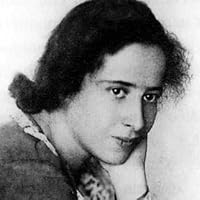
ژولیا کریستوا در کتاب هانا آرنت؛ زندگی یک روایت است، با زبانی موجز و گاه پیچیده، آرنت را متفکری معرفی میکند که به قصد یافتن امیدی برای زندگی، شرایط و وضعیت بشر را در جهان امروز توصیف میکند.
در کتاب هانا آرنت؛ زندگی یک روایت است، به برخی وجوه فلسفی آثار هانا آرنت از جمله استنباط وی از مفاهیمی چون زبان، خویشتن، کالبد، فضای سیاسی و زندگی پرداخته میشود.
هان آرنت به عنوان یکی از مهمترین اندیشمندان قرن بیستم که با آثاری چون «توتالیتاریسم»، «انقلاب» و «خشونت» در ایران شناخته شده، میگوید به حلقه فیلسوفان تعلق ندارد و حوزه کاریاش «تئوری سیاسی» است.
از منظر وی، «یک تنش جدی بین فلسفه و سیاست وجود دارد... فیلسوف مانند هر کس دیگری، در ارتباط با طبیعت میتواند عینینگر باشد و زمانی که درباره آنچه میاندیشد حرف میزند از طرف تمام نوع بشر حرف میزند. اما او نمیتواند در مقوله سیاست عینینگر یا بیطرف باشد. از زمان افلاطون به بعد چنین چیزی محال است!»
همین تنش میان فلسفه و سیاست است که از دیدگاه وی باعث شده تا غالب فیلسوفان (به استثنای کانت) نوعی خصومت با سیاست داشته باشند.
آرنت با همین تحلیل و ارزیابی، تأکید دارد نمیخواهد در این خصومت «شریک» باشد و به تعبیری که خود به کار میبرد، «میخواهم با چشمانی به سیاست بنگرم که فلسفه آن را تیره و تار نکرده باشد».
هر یک از پنج فصل کتاب هانا آرنت؛ زندگی یک روایت است، نوشتۀ ژولیا کریستووا، که عمدتاً به ایده کلی روایت اختصاص دارد، گویای حرکتی پیوسته و مملوس در مفاهیم آرنتیاند؛ از روایت به مثابه امری شخصی که در اینجا در مورد زندگی خود آرنت و نسبتهایش با دیگران و حتی هویت یهودی او مصداق مییابد گرفته، تا روایت به عنوان مفهومی قابل دفاع که میتوان آن را برای گریز از قانون مرگ به «عمل» درآورد.
در واقع، این اثر آرنت را به عنوان فیلسوفی میشناساند که با انگیزه «عشق به جهان» در پی تحقق بخشیدن به روند زندگی و گریز از«عدم تعلق» است.
Julia Kristeva is professor emerita of linguistics at the Université de Paris VII and author of many acclaimed works. Her Columbia University Press books include Hatred and Forgiveness (2012); The Severed Head: Capital Visions (2014); and, with Philippe Sollers, Marriage as a Fine Art (2016).
This is a collection of five Alexander lectures that Kristeva delivered at the University of Toronto in 1999. It attempts to delineate certain aspects of Arendt’s political philosophy, including her idea of the political, the vita activa/vita contemplative distinction, and the influences of various thinkers, especially Aristotle and Heidegger on Arendt’s body of work. Kristeva’s main focuses are Arendt’s conceptions of language, the self, “political space,” and the body, addressing all with a particular focus toward their deployment and usage in political life.
During the first two lectures, Kristeva convincingly makes the case that at the center of Arendt’s political thought rests several distinctions which enable us to live political lives (political in the sense of Aristotle’s famous ζῷον πολιτικόν, the observation that we are by nature social animals, not necessarily party politics). She says that we interpret, understand, and react to our world through and by our unique ability to create narratives. The ability to share life, action, and thought in an interactive human matrix arises from what Nietzsche called the “shaping power” of human memory. Kristeva beautifully sums up her argument in the first part of her book, in my judgment the best, in the following way:
"Throughout the life of narrative seen as a 'quest' for shareable meaning, it is therefore not a total and totalizing work that Arendt seeks. But neither does she seek the creation of a political space that would be in itself a 'work of art.' To see the essence of politics as a welcoming phenomenality, a locus of pure appearance that has been freed from the schema of domination, seems to represent an aestheticization that does not correspond to Arendt's thought. The aestheticizing reification of politics that we can see in National Socialism does not reveal the non-political essence of the political, as was once said, but its death. For Arendt, if political life is separate from its story, which demonstrates to all (dokei moi) its conflicts, it is to the extent that political life resists its own aestheticization, sees itself as an activity (praxis) that cannot be reduced to a simple product (poiesis), and allows itself to be shared by the irreducible plurality of those who are living” (p. 42-43).
The third lecture is a reading of several fiction writers, including Dinesen, Brecht, Sarraute, and Kafka, with emphasis on the implications their work has for political action. While interesting, I didn’t find Arendt’s reading, or Kristeva’s reading of Arendt’s reading, especially compelling.
In the last two lectures, she mostly discusses the political relevance of forgiveness, memory, and judgment. Kristeva is makes some peculiar statements about Arendt, i.e., like that Arendt wasn’t aware of the large corpus of eighteenth century treatises on aesthetics and taste. I find this highly unlikely, considering Arendt’s near-encyclopedic knowledge of Western philosophical traditions.
Overall, this book could have been much better if Kristeva herself was a political philosopher, though she does bring interesting points to the issue at hand considering her background in theory and psychoanalysis. It was enjoyable to get to read a synthesis of Arendt’s work from someone whose work epitomizes interdisciplinarity, and does not rest purely within the realm of political science or philosophy. But this is ultimately a double-edged sword for this book. While I always found Kristeva’s arguments thoughtful and well-argued, they always lacked a certain historical force that could have been better lassoed with a “tighter” focus on Arendt’s purely historic-political métier.
Review 2022: (Read in French) I have come back to this work because Arendt's work is very much a starting point in my thoughts on the crisis of modernity and the human condition as she calls it. This is the best work in my opinion, that I have ever read regarding Arendt's trajectory as a "femme battantes". Kristeva works out an intellectual and biographical history of Arendt's oeuvre in how she came to make central to her thought the "natality" of the human condition, in a world where humanity has become superfluous to the world alienation that it experiences as a result of, several things which I cannot summarize, but the privation of a world dominated by Platonic type of reasoning. This time around I was particularly interested in how Kristeva read Arendt's work. Kristeva (as do I), value Arendt's contributions to understanding human subjectivity, as a speaking subject, who can act in the world, and values thinking as power. Yet, Arendt has a, what Kristeva I would say kindly calls, defense to psychoanalysis. What I do gather from the book however is that there are good reasons why Arendt doesn't choose to take a psychoanalytic root, because she is striving to value the Augustinian basis of love (which was her doctoral thesis) throughout her entire life, and to value the potentiality to find our singularity in the birth of human plurality. Even though she doesn't come to a psychoanalytic sort of understanding, she does provide valuable insights which can lead to very psychoanalytic understandings if she were to have developed them further. Just because of this, Arendt's work is still utterly valuable and worth understanding.
I'd like to read the other two editions of the "Genie feminin" where Kristeva talks about Melanie Klein and Colette. It's interesting that Kristeva doesn't pick out any "traditional" feminist in her series, rather she picks women who find their singularity within the patriarchy, rather than trying to, as I think maybe Kristeva said somewhere else, put a phallus in place of the existing phallus (that could be someone else who said it, I'm not sure).
Anyways, certainly loved re-reading this book (6 years later) and will continue my deep dive into Kristeva's oeuvre.
Review 2016: This is an impressive piece of work on Hannah Arendt's life and work. As someone who has read the major works of Arendt, Kristeva really doesn't leave anything in her work unexamined. Kristeva does a thorough job of weaving her life and philosophy and how they relate to one and other. Kristeva even goes so far as to tease Arendt for her own resistances with regards to avoiding psychoanalytic inquiries, which Kristeva just simply doesn't get. Anyone who is really interested in Arendt and her theories should read this wonderful piece of academic work.
Molto impegnativo. Illuminante la rilettura in particolare di Aristotele, Sant'Agostino e Kant a supporto del pensiero filosofico e politico della Arendt. L'unicità dell'uomo risiede nella capacità di pensare - la quintessenza dematerializzata del vivere - ed è nel rapportarsi agli altri, nella pluralità dei pensieri e degli inter-essi, che la solidarietà e la libertà si dispiegano come conseguenza del buon senso. "Quello che voglio, è comprendere."
Bitirdim ama hiçbir şey anlamadım. Kristeva'nin erken döneminde yazdığı bir kitap bu sanırım... Havali olsun diye mi nedir, karmakarışık ifadeler, ve hızla geçilen değerlendirmeler. Çeviri de iyi halbuki...
This is a book w/ which I am extremely taken, and this despite the fact that there is not, at times, a whole lot in Arendt's zone of inquiry that is of much use to me. But some of it is of use to me, and the book is of great use to me. This is of course the first of three volumes by Julia Kristeva dedicated to exemplars of 'female genius' (the second two being dedicated to Melanie Klein and Colette respectively). I am a great fan of Kristeva, to whom I would hold it to be a grave injustice to append the appellation "philosopher." Nor am I entirely happy that she is popularly understood to be a practitioner of "deconstruction," not because inclusion in this category is wholly erroneous, but rather because it is woefully misleading. I would hold her simply to be a psychoanalytic critical theorist. And because at the heart of her work has always been an core interest in 'jouissance,' we find in Kristeva a woman who believes in the embarrassing-it-is-so-rare notion that thinking and living should make us happy. This is not a biography of a life of what Arendt would call "appearance." This is a critical biography of a life lived in thought. Kristeva is not trying to present (or buttress) a philosophical system, and she is not trying to score points. This is a tender study of the development of a single (German, Jewish) woman's thoughts over the course of a life. Before becoming a kind of de facto famous commentator on twentieth century totalitarianism, Arendt was a woman who came to Heidegger, as it were, by way of Jaspers and St. Augustine. The female genius part begins w/ a preoccupation w/ natality that supersedes Heidegger's preoccupation w/ death. There is an interest in individual lives as indelible, singular narratives. What is most central to Arendt, in the end, is that she is interested in lives lived by thinking and acting beings in the company of one another, and in a politics that might efface estrangement. Please read until the end. If you have questions regarding why this book has been framed around the notion of female genius specifically, the last couple paragraphs are a stirring (if typically understated) tour de force.
زندگی روایت است ، اثری از ژولیا کریستوا با بیانی پیچیده و حجمی اندک! کریستوا، هانا آرنت را با دقت نگاه می کند ، کتاب هایش را، سرگذشتش را، سخنرانی هایش را، دوستانش را ... او آرنت را با چشمان متحیرش دنبال می کند و ردپای نیچه و هایدگر را در آثار او پی می گیرد، او آرنت را در تعامل با دیگر فیلسوفان و در تعامل با جهانی که ما و آرنت را به یک اندازه احاطه کرده است، نگاه می کند. متن گاهی چنان پیچیده می شود که فهمش برای کسی که آثار آرنت را با دقت نخوانده باشد ناممکن میشود، اگر میخواهید این کتاب را بی دردسر بخوانید باید تا حدودی با زبان هایدگر و ارسطو و نیچه هم آشنا باشید. در این میان ، کتاب جملاتی بسیار ناب دارد، که جوهره ای از بخشی از جهانبینی آرنت را به زیبایی بیان می کند ، که گمان میکنم در آثار خودِ آرنت یافتن چنین جملات موجز، عمیق و زیبایی ناممکن باشد. همنشینی با ژولیا کریستوا که گویا مانند من شیفته ی آرنت است تجربه ای جالب بود و ان شالله زمانی که هایدگر را بهتر بشناسم و چند کتاب باقی مانده از آرنت را تمام کنم باز به این کتاب بازخواهم گشت.
💚چند عبارت زیبا از کتاب: 🔸«جنایت و شر ارادی نادرند، حتی شاید نادرتر از کردارهای خیر »، آن چیزهایی که ما هرروز میبینیم و درباره شان داوری میکنیم صرفا «خطاها» هستند که نتیجه ی « ماهیت خود عمل» اند که در این شبکه از مناسبات ، دائما نسبت های جدیدی ایجاد میکند: در نتیجه،« باید آن ها را بخشید و پی نگرفت تا با رها ساختن دائمی مردم از کارهایی که نادانسته انجام داده اند، امکان ادامه یافتن زندگی فراهم شود.» . 🔸بخشایش شخص را خطاب قرار می دهد نه عمل را؛ کسی نمی تواند قتل یا دزدی را ببخشد، تنها قاتل یا دزد را میتواند ببخشد.
🔸اگر « دختر جوان غریبی» که هانا آرنت همچنان هموست، دائما ، اگر نه با خشم، بی همتایی اش را طلب میکند، برای آن است که غریبگی(strangeness) اش را در قلب چندگانگی انسان ها و در اتکایی متقابل به اندیشه و عمل در آورد و آن را زیست کند.
📗 زندگی روایت است، هانا آرنت ✒️ ژولیا کریستوا 📝 مهرداد پارسا با ویراستاری مسعود علیا 🏢 نشر شَوَند 📃 ۱۰۰ صفحه 🔖 دارای واژه نامه و نمایه ی نام ها
Tarih'te saklı kalmış bir kadın daha. Kendisi gibi Alman bir filozof olan Heidegger ile yaşadığı çalkantılı aşkla birlikte hayatını okumaya, yazmaya, düşünmeye adamış bir kadın. Tüm engellere, tüm yasaklara ve herkese rağmen.
کریستوا آرنت رو فهمیده اما چشم بسته پیرو اون نیست. به نوعی همین مسئله به خواننده نشون میده که چطور این نویسنده یکی از پیامهای مرکزی اندیشه آرنت را به درستی درک و بعد زندگی کرده. پیام اصلی کتاب همونطور که از عنوان مشخصه در واژه روایت خلاصه میشه. •تفکرِ ذاتا سیاسی از طریق روایت است که تحقق مییابد... آدمی از طریق این عمل روایت شده که داستان بازنماییاش میکند با زندگی همساز میشود یا تا جایی که زندگی بشری به ناگزیر سیاسی است به زندگی تعلق مییابد. روایت بیواسطهترین عمل مشترک و، به این اعتبار، آغازینترین عمل سیاسی است و در نهایت و به موجب روایت، خود امر [آغازین] واسازی میشود و در [غرابتِ واقع] در نامتناهی بودن روایتها تفرق مییابد. ________________
اگه خواننده پیش از مطالعه این اثر چندین کتاب از آرنت نخونده باشه ناخودآگاه قسمت های تاریک متن براش خیلی بیشتر میشه... پس تعداد صفحات کم کتاب میتونه گول زننده باشه:))
کتاب هانا آرنت: زندگی روایت است اثر جولیا کریستوا، شامل پنج فصل است که هر یک به بررسی جنبههای مختلف فلسفه و تفکر هانا آرنت میپردازد. در ادامه، خلاصهای از هر فصل ارائه میشود:
فصل اول: زندگی داستان است
در این فصل، کریستوا به مفهوم روایت در فلسفه هانا آرنت میپردازد. او بیان میکند که آرنت زندگی، عمل و حتی تفکر را زمانی انسانی میداند که قابل روایت و به اشتراکگذاری با دیگران باشد. از طریق یادآوری و روایت، داستان کامل میشود و تاریخ به نشانهای فشرده و به افشای "چه کسی" تبدیل میشود.
فصل دوم: آرنت و ارسطو: دفاعی از روایت
کریستوا در این بخش به بررسی تأثیرات ارسطو بر آرنت میپردازد و نشان میدهد که چگونه آرنت با الهام از ارسطو، به دفاع از مفهوم روایت میپردازد. او بیان میکند که آرنت با استفاده از روایت، تلاش میکند تا از قانون مرگ فرار کند و زندگی را بهعنوان عملی سیاسی در زبان روایت آشکار سازد.
فصل سوم: روایت قرن بیستم
در این فصل، کریستوا به تحلیل روایت در قرن بیستم میپردازد و نشان میدهد که چگونه روایتها در این دوره به بازتاب شرایط اجتماعی و سیاسی زمان خود تبدیل شدهاند. او به بررسی نقش روایت در درک و تفسیر وقایع تاریخی و تأثیر آن بر هویت فردی و جمعی میپردازد.
فصل چهارم: 'چه کسی' و بدن
کریستوا در این بخش به مفهوم هویت و بدن در فلسفه آرنت میپردازد. او بیان میکند که آرنت عمل سیاسی را نوعی فعلیت یافتن میداند و تجربههای او را در نقد جهان مدرن مورد بررسی قرار میدهد. کریستوا توضیح میدهد که چگونه آرنت با تمرکز بر ذات انسان، به تحلیل مسائل مدرن پرداخته و به بازنگری در مفاهیم هویت و بدن میپردازد.
فصل پنجم: داوری
در فصل پایانی، کریستوا به مفهوم داوری در فلسفه آرنت میپردازد. او بیان میکند که آرنت چگونه به اهمیت داوری در زندگی سیاسی و اجتماعی تأکید میکند و آن را بهعنوان عنصری اساسی در فهم و تفسیر وقایع معرفی میکند. کریستوا نشان میدهد که چگونه داوری بهعنوان یک فعالیت ذهنی، به فرد امکان میدهد تا به درک عمیقتری از جهان پیرامون خود برسد.
این کتاب با زبانی موجز و گاه پیچیده نوشته شده است و کریستوا در آن، آرنت را بهعنوان متفکری معرفی میکند که به قصد یافتن امیدی برای زندگی، شرایط و وضعیت بشر را در جهان امروز توصیف میکند. او به بررسی برخی وجوه فلسفی آثار هانا آرنت از جمله استنباط وی از مفاهیمی چون زبان، خویشتن، کالبد، فضای سیاسی و زندگی میپردازد.
Okurken referans kaynaklara dönerek okunmalı, aksi takdirde havada kalabiliyor bir çok nokta. Halihazırda erişimim olmadığında bazı kısımlarda hakim olmakta zorlandım anlatılan konuya. Öncesinde Heidegger, Kant, Nietzsche okumaları yapmak faydalı olabilir. Özellikle kim ve bağışlama ile ilgili kısımlar harikaydı.
من قطعن کتاب رو باید دوباره و چندباره بخونم ولی برای بار اول: کریستوا با خوانشی بسیار موشکافانه ، هوشمندانه و نقادانه جنبههای جدیدی از فسلفهی آرنتی رو برای من روشن میکنه. مثل مقاومت آرنت و موضعگیریاش در مقابل روانکاوی و نزدیکی غریبی کهزبام با تعبیر آرنت از انسانیت و کنش سیاسی توام با بخشش و قول داره. زبان به عنوان آنچه به حضور دیگران وابستهاست و تجربهای بینانسانیاش.
„ტრაგედია დაიწყო, როცა აღმოჩნდა, რომ აღარ დარჩა არც ერთი გონება, რომელიც მემკვიდრეობით გადაიბარებდა ხსოვნას, კითხვებს დასვამდა, იაზროვნებდა, გაიხსენებდა. საქმე ისაა, რომ მათ ხეიდან დაუსხლტათ ის დასრულება, რომელსაც ყოველი ნამოქმედარი მოვლენა უნდა შეიცავდეს იმ გონებებში, რომლებმაც შემდგომში ეს ამბავი უნდა მოყვნენ და მას საზრისი მიანიჭონ".
Lived time, as an irreversible phenomenon, binds men who, in their inability to undo it, slip into resentment and vengeance.
promise is a supreme sovereignty whereby man 'answers for himself as for the future,' but it is accompanied by harshness, by cruelty and pain, because it inherits the debts (Schulden) of an unfailingly guilty conscience (Schuld), like a debtor with regard to his creditor.
It is impossible to undo what has been done, and solitary forgetting is not feasible: maybe oblivion would represent only an inhibition if it were lacking any element of appearance and the discourse of others. But it is acceptable for men, between themselves and at the heart of the fragility of their actions, to free themselves from their past deeds, deeds whose consequences they could not have foreseen, or of which they now disapprove. Not forgetting, but forgiveness.
not only is God not the only one to forgive, but it is because men are capable of forgiving each other first that God will, in the end, definitively forgive them. Thus she quotes, among others, the gospel according to Matthew: 'For if ye forgive men their trespasses, your heavenly Father will also forgive you.' Forgiveness, which can also be applied to the unconscious ('they know not what they do'), must be consistent, even infinite: 'And if he trespass against thee seven times in a day, and seven times in a day turn again to thee, saying, I repent; thou shalt forgive him.'
Delinking the trauma, deconstructing interpretation, allows for the rebirth of the subject, who thereafter is capable of redrawing his psychic map and his links with others.
Bu kitaba yildiz vermeyecegim, cunku bu kitabin tum Arendt kitaplarini okuduktan sonra okundugunda farkli hissettirecegini dusunuyorum. Kitap, Arendt'in ele aldigi konulardan ote tarziyla ilgili. Ozellikle ilk 2 bolum bana fazla teknik geldi. 3. bolumde ise Adorno ile ilgili olarak bahsettikleri ilgi cekiciydi. Sonuc olarak, okuyacaklarin bu kitabin bir Arendt biyografisi olmadigini bilmesi faydali olur diye dusunuyorum. Cok basarili ceviriden bahsetmesem haksizlik olurdu. Cevirmen harika bir is cikartmis.
Kitap Julia Kristeva'nın verdiği seminer serisinden kitaplaştırılmış yazılarından oluşuyor. Fakat kesinlikle Arendt okumak ve onu anlamak için okunacak temel kitap değil. Arendt'i anlamaktan ziyade, Julia Kristevanın onun hakkında yorumlarını, farklı analizlerini görmek isteyen okuyuculara hitap edebilir. 80 sayfalık kısa ama içerik olarak oldukça yoğun ve uzun zamana yayarak okunması gereken bir kitap. Fakat Arendt tanımayanlar için, başlanacak ilk kaynak kesinlikle bu kitap olmamalı. Arendt'i okuyup biraz sindirdikten sonra okunmalı.
Dili Arendt'in orijinal kitaplarına kıyasla daha zor. Bu durumun nedeni, sanırım Julia Kristeva'nın dile bakış açısıdır. Bunun yanında sıklıkla başvurulan felsefi terimler, alan dışı okuyucular için metni zorlaştırabilir. Yine de çevirmen Necdet Dümenli, tebriği hak eden, çok özenli bir çeviri ortaya koyarak, Kristeva'nın zor dilini en anlaşılır şekilde sunmuş.