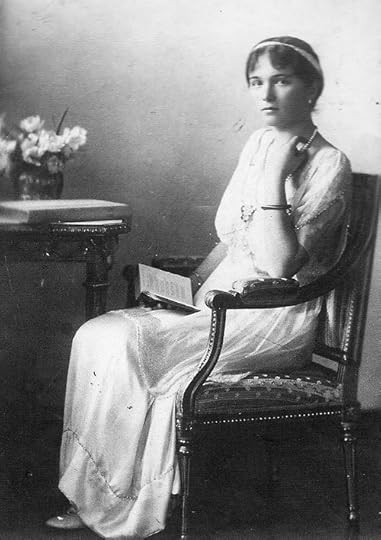
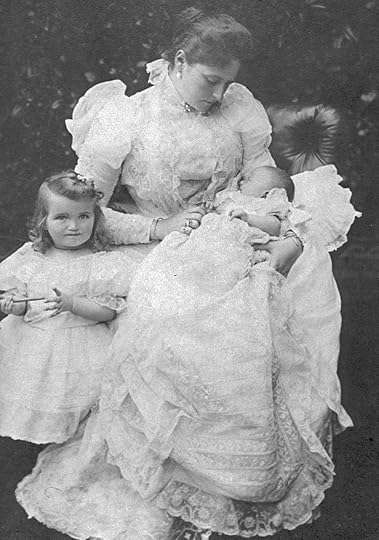
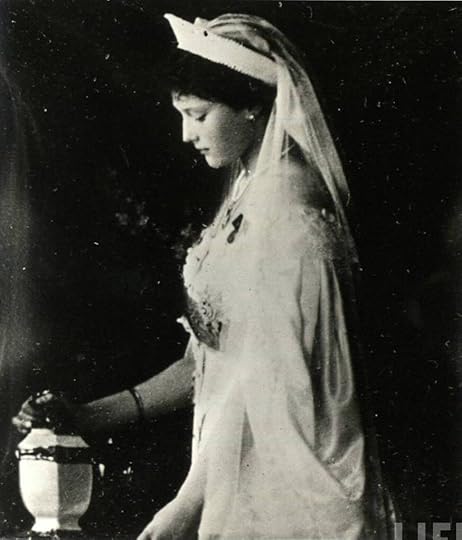
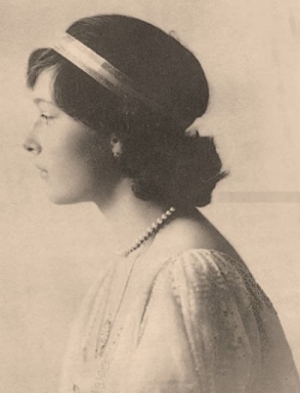
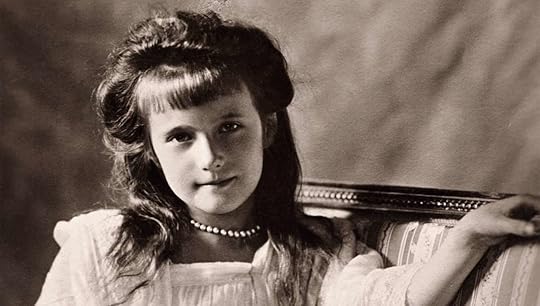
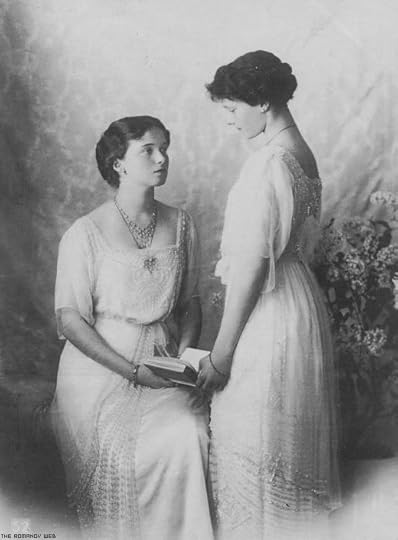
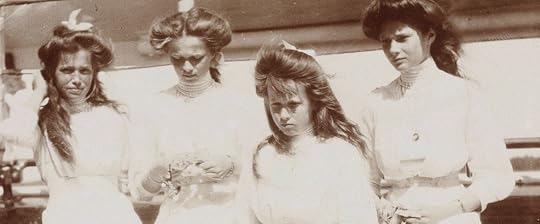
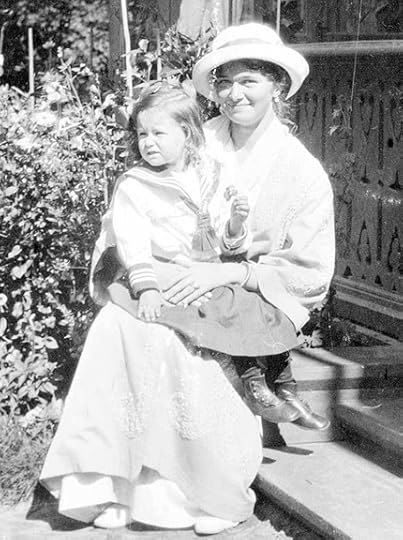
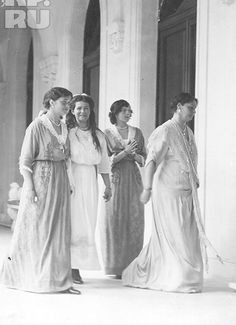
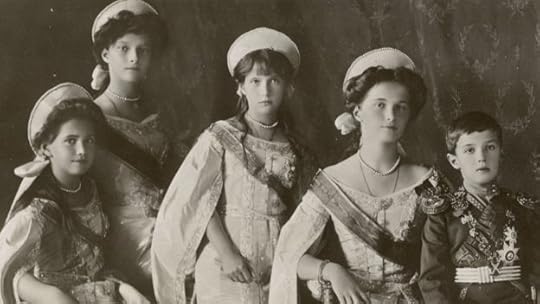
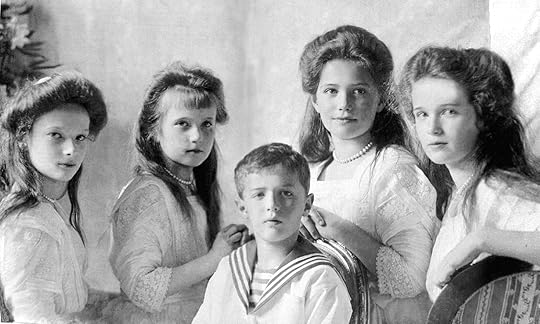
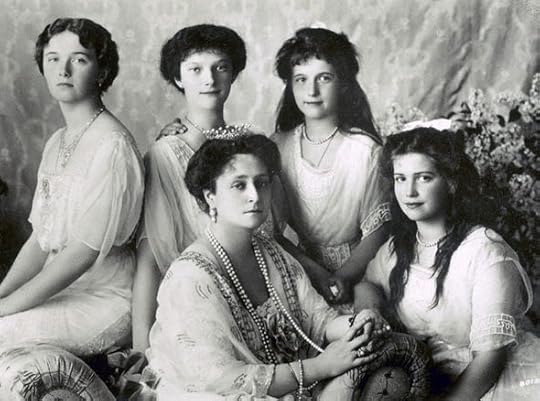
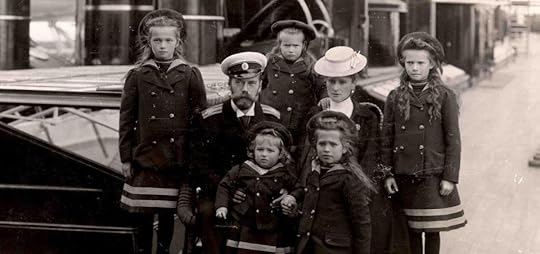
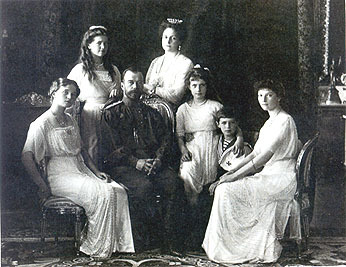
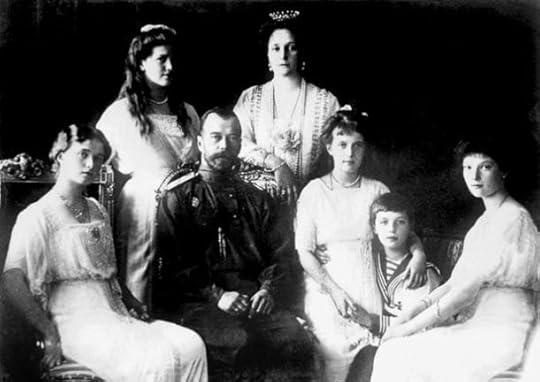
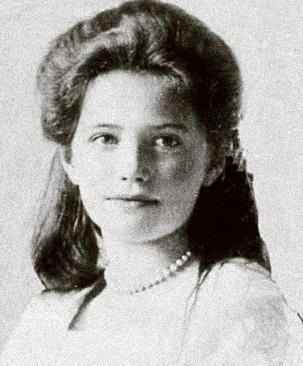
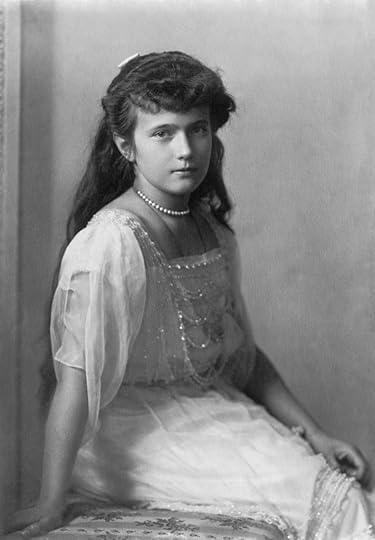
Having read all of Helen Rappaport’s books, including her 2009, “Ekaterinburg: the Last Days of the Romanovs,” I was delighted to read her latest work. “The Romanov Sisters” concentrates on the story of the Romanov’s from a slightly different viewpoint; rather than highlighting the relationship of Nicholas and Alexandra, or the illness of Alexey and Alexandra’s reliance on Rasputin, she takes the largely untold life stories of four sisters and examines them in detail. Of course, the marriage of Nicholas and Alexandra, the birth of Alexey and Rasputin are all there, but instead of the mere mention of four Grand Duchesses, they become individuals – possibly for the first time in print.
When Olga was born, in 1895, Nicholas and Alexandra were besotted with their daughter. After all, Alexandra had given birth to a healthy and beautiful child and there was no reason to believe that the son needed as heir to the dynasty would not follow. In 1897 with the birth of Tatiana, Alexandra did ask what the nation would say to the birth of another daughter – obviously realising that public opinion might shift against her if she failed to produce a son. If she was concerned then, the birth of two more daughters; Maria in 1899 and Anastasia in 1901 could only have caused her – and Nicholas – extreme concern. However, as a couple they adored and loved their daughters. It is reasonable to say that, had Nicholas been in almost any other situation, four royal daughters would have been an asset. However, with Alexandra alienating the aristocracy by her non participation in society, with relatives circling and seeing the possibility of nudging their own sons nearer the throne and with only a male heir able to succeed as Tsar, the situation was a worrying one. The birth of Alexey in 1904 should have solved all problems – sadly, as we know, it caused new ones.
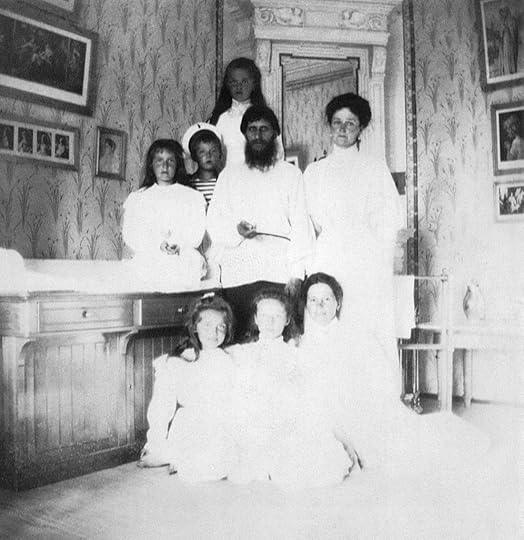
It is fascinating to read that, even before the first world war, many members of the foreign press were nonplussed by the Russian reaction to the birth of the four Grand Duchesses, with some objecting to the discrimination shown the girls. One American journal thought four daughters enough to guarantee the security of the succession and their visit to England in 1909 was a triumph; where the young girls enchanted press and crowds alike. However, in Russia, the knowledge that Alexey had haemophilia led their parents to retreat in order to hide their secret and the world of the four girls began to shrink amidst widespread unrest. As members of the aristocracy bemoaned their lack of contact with society and to blame Alexandra for keeping them almost prisoners in their palaces, the healer and mystic Rasputin entered their lives. Alexandra was wracked with guilt for giving her precious son the hereditary illness and, retreating into solitude and ill health herself, the girls often became carers to both their mother and brother.
This book gives all the girls their own personality and makes fascinating reading. While both Nicholas and Alexandra tended to treat their girls as younger than their age, we read of how they began to receive marriage proposals and to develop crushes on young officers that accompanied the family or on those soldiers they treated during the first world war. By 1914 there were no more desirable and marriageable royal princesses than Olga and Tatiana and, it is apparent, that both girls were young women by this time – naive and unworldly – but certainly struggling with crushes and feelings they were unable to ignore. However, the author also asks the interesting question of whether the girls were also deemed less of a desirable marriage prospect by the fear of haemophilia and the instability of Russia, plus the isolation of the girls, which made them often shy and uncomfortable in society. Although Alexandra insisted her girls were too young and inexperienced to be allowed into the St Petersburg society she objected to, she allowed them often inappropriate contact with officers in the gilded cage she confined them in – and against which they obviously longed to leave, although they rarely voiced that wish, as they were generally obedient and loving daughters.
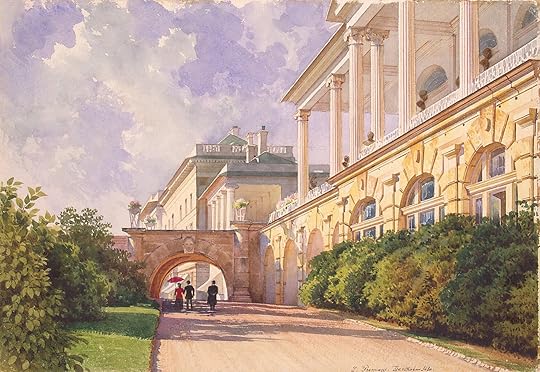
This book follows their life – from the glittering palaces of Imperial Russia, through rare, but much loved trips abroad, and on to the war and revolution. We learn of how the girls nursed the injured, how they studied and how they forlornly hung on to every word about life outside of the one they lived in. Helen Rappaport really makes this time come alive and this is a book to immerse yourself in and which, should you have any interest in this period of history, which you will enjoy immensely. Wonderfully written, sympathetic but honest, this is a welcome appraisal of the life of the four daughters of Nicholas and Alexandra – often sidelined by history, but now shown as the individuals they were and the tragedies they faced with dignity and fortitude. This is another success from an author that I admire greatly and whose books are always a pleasure to read – and re-read.
I received a copy of this book, from the publishers, for review.