Jump to ratings and reviews
Rate this book

Midnight: Three Women at the Hour of Reckoning

Rate this book
Moments of great intensity in the lives of Jane Austen, Mary Shelley, and Joan of Arc, when each faced a decision that would shape her legacy.

When Jane Austen’s father deeded the family home to her brother, Jane was tossed to the winds, no money to her name, probably too old to be wed. At this bleak moment, she receives a proposal of marriage from a rich but boring man. Midnight takes us to the hour of her decision: between financial security and her writing career.

When sixteen-year-old Mary Godwin eloped to France with the poet Percy Bysshe Shelley, she was already pregnant. Midnight finds her pacing the Italian shore, five days after her husband has ventured out in a shaky boat on a stormy day. He has not returned.

The fanatic Joan of Arc maintained faith in divine rescue until the first time she was tied to the stake. Realizing that she would burn, she recanted. In Midnight, she confronts her imminent death before facing the flames for a second time.

208 pages, Hardcover

First published March 12, 2019

15 people are currently reading
1661 people want to read

About the author

Victoria Shorr

9 books63 followers
Victoria Shorr is a writer and political activist who lived in Brazil for ten years. Currently she lives in Los Angeles, where she cofounded the Archer School for Girls, and is now working to found a college-prep school for girls on the Pine Ridge Indian Reservation.

Ratings & Reviews

What do you think?
Rate this book

Friends & Following

Create a free account to discover what your friends think of this book!

Community Reviews

5 stars
21 (14%)
4 stars
51 (35%)
3 stars
55 (38%)
2 stars
13 (9%)
1 star
3 (2%)
Displaying 1 - 30 of 36 reviews
Profile Image for Diane S ☔.
4,901 reviews14.6k followers
May 25, 2019
3.5 What an interesting and original concept, connecting three well known but disparate women through a pivotal decision that led to the lives they lived. Jane Austen's story was the shortest entry, and the decision she ultimately made, allowed her eventually time to write. In a short spate of time this prolific author created book after book.

Mary Shelley, whose story I knew the best. Most can guess what her pivotal decision was, changed her path in life. She was so incredibly young when she took this often difficult road.

Joan of Arc, I found her story the most interesting, since it is one i didn't know. Well, I knew the outcome but not the road taken to the conclusion.

I know I've wondered at different times in my life, when I thought of different roads not taken. How my life would have changed. Had these women not made the decisions they did, we would never have heard of these ladies.

ARC from Edelweiss.
Profile Image for Elyse Walters.
4,010 reviews12k followers
April 23, 2019
Every reader has memories of going to a book reading...
maybe listening to an author whom you respect and adore - only to come away with even more admiration for them.
That’s how I’m left feeling about Jane Austin, Mary Shelly, and Joan of Arc.
... and the author: Victoria Shorr.

We also have memories of ‘big’ life choices.... and may have occasionally wondered how our lives might have been different if we took the ‘other’ choice.

Transported into another time...we visit these powerful brilliant famous women — are are taken into their most private thoughts....
... the choices they made...
or in Mary Shelly’s case - her fate - and how she dealt with it - and the contributions they each left on the world.

We are left to question....
in the throes of a very different life choice - would Jane, and Joan have left a mark on history as they did?

A common thread in all three women: they shared
a sense of alienation and isolation.

I knew essentially nothing about Mary Shelly, other than her famous book,
“Frankenstein” ( still on my to read list)....
But I learned something new about all these women.

There were a few lagging parts for me in each of the stories - but overall I’m definitely glad I read it.

Other than reading the blurb, I went in blind.
I learned new tidbits and got a greater understanding of why events unfolded the way that they did.

3.7 rating


Profile Image for Elizabeth.
273 reviews330 followers
February 4, 2019
Midnight is built around a fascinating premise: a look at Jane Austin, Mary Shelley, and Joan of Arc at crisis ("midnight") moments in their lives. However, while the idea is sound, the execution, particularly in the last third of the book, falters.

The section on Jane Austen is the shortest, and centers on Jane after she finds herself without a permanent residence, moving with her parents and older sister, Cassandra from Bath to various friends and relatives' homes. Shorr poisits that Jane was unable to write as she wished, and then moves to a marriage proposal Jane recieved, accepted, and then withdrew from in the span of less than a day. While no one knows why Jane did this, it certainly is interesting, and Shorr uses this, along with a fortuitous inheritance by another brother that let Jane, Cassandra, and their parents to move into a permanent residence that delighted Jane, who then went on to produce many of her novels in their final form. Shorr doesn't cover any new ground, but the writing is good and the pace is brisk.

The second section covers Mary Shelley, and centers around the time of Percy Bysshe Shelley's death. As she waits in Italy for word from him, as he was supposed to be returning by sea from a short trip, Shorr has her reflect on her almost death prior to his, their unorthodox relationship (to start with, the involvement of her stepsister Claire within their relationship from the beginning of it), and her own writing.

It's the most successful part of Midnight because there's so much ground to cover and it's a look at a very remarkable young woman (she was 25 when Shelley died, been and was a scandal, and had already written Frankenstein) who lived more (beautifully and horribly) in her first two decades than mist of us do in our entire lives.

The final and longest section of Midnight focuses on the death of Joan of Arc, including her renunciation and subsequent change of heart. Sadly, this is the weakest section of the book, as Shorr decides to "frame" Joan's actions by writing her as someone who divides herself into "Girl X" who is afraid of dying and Joan of Arc, who continues to hear the voices of her saints as she burns to death. Shorr seems to have done her research for this section, based on the few materials available (even then, most of the sources related to Joan's life and death are from years later) but her attempt to explain who Joan of Arc was at the time of her death via the dual-sort-of view points doesn't work.

The thing about Joan of Arc, in my opinion, is that all attempts at armchair psychology and psychiatry regarding her mind and mental state, as well as even analysis of how and why a teenage peasant girl managed to inspire a movement to defeat the largely mercenary forces of the English army in France, attempt to label and contain something that was--if not quite miraculous, certainly close to it--which is that despite every odd and obstacle, not just limited to her family, her age, her lack of social standing, and her gender--Joan of Arc believed in what she saw and heard so much that she defied every norm of her place and time to convince a king and a country to not just believe in her but to follow her.

And it was her belief-- her unshakable faith--that accomplished so much, and is so hard for us to understand. Who has that kind of faith in anyone or anything these days? Who can or could withstand the scrutiny and accusations prior to her capture like she did? What terrified the English, and fascinates us is not just how she inspired (which is awe inducing in its own right) but that how, even after capture, Joan continued to out talk educated priests who wanted to prove she was a liar (hertic) and to believe in what she heard and felt. That--the belief of a peasant girl, a literal no one, to stand up for herself, to insist that her beliefs were as solid and real as those who were more "learned" and above her socially--of course she burned. She was terrifying. A girl, an unlearned nothing, with the belief that she and what she believed mattered--could upend and change the world. Which she did, and died for. And all before she'd left her teens.

So, Midnight stumbles quite a bit in that last section, and is scant in the first, while gossipy but interesting in the second, but I would still suggest it for readers who want to read about women who faced for their--or any--age both in years and in history seemingly insurmountable odds and not just survived but thrived, their works and names still with us centuries later.

Tl;,dr: Women who got massively impressive sh*t done.
Profile Image for Jessica.
Author 1 book218 followers
Read
January 9, 2019
I finished Midnight last night (at midnight-ha!) and was absolutely enthralled - the last pages had me sitting bolt upright in bed completely oblivious to anything but Joan of Arc's last moments. I've never read anything like this book and will be recommending it to everyone, especially those looking to read something completely different.
Profile Image for Katie.
1,188 reviews247 followers
May 4, 2019
Summary:Lovely, engaging, personal look at some pretty cool women - but if nonfiction, needs better citations!

This is a story of three women at their hour of reckoning, facing difficult decisions which will shape their lives. The stakes escalate throughout the book, starting with Jane Austen responding to a marriage proposal; continuing with Mary Shelley waiting for her husband to return; and wrapping up with Joan of Arc facing her own execution as a witch.

This was a delightful, personal look at these women. I loved all the direct quotes the author included. The little details from letters really brought these women to life. I particularly enjoyed getting to know Austen, since I love her books so much. Joan of Arc's story was also moving and inspiring. Shelley's story did less for me. She put up with a lot of nonsense from Percy Shelley and made a lot of small bad decisions that added up, but there wasn't one climactic moment as in the other stories. I also felt like we stopped just as her life reached its most challenging point. I wanted to know what happened next! I still enjoyed getting to know her though, even if her story was my least favorite of the three.

All three stories drew heavily on primary sources. There were some some citations. However... it was extremely unclear how much evidence supported many of the author's statements. In particular, much of the story is about the interior lives of these women. When the author is talking about their emotions, there is often no citation. This makes it unclear if she's merely extrapolating from sources or making things up completely. Given that so much of this book falls into this category, without citations to indicate otherwise, I'd be inclined to consider this historical fiction. Based on how people are shelving this on goodreads though, I'm in the minority with that decision. The publisher page for the book gives no indication which classification they support. So, while I loved this book and highly recommend it for its engaging writing, I also suggest taking it with a grain of salt.This review was originally posted on Doing Dewey
Profile Image for Sonia Donelli.
2,513 reviews114 followers
October 24, 2019
http://www.esmeraldaviaggielibri.it/l...

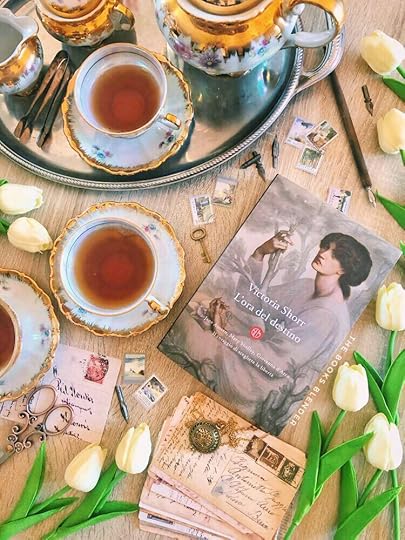
L’ora del destino di Victoria Shorr, libro di narrativa contemporanea e biografia letteraria, pubblicato il 12 settembre da SEM Società editori milanesi.

Quando è uscito questo libro mi sono proposta subito per la lettura perché l’autrice, Victoria Shorr, ha scritto un saggio in cui ci presenta tre tra le più grandi eroine femminili, che hanno in qualche modo avuto un’influenza positiva sulla nostra generazione. Tre figure forti, indipendenti che hanno saputo andar oltre i limiti imposti dalla società del tempo, oltre i pregiudizi e oltre al volere degli altri, cercando in questo modo di affermare se stesse, diventando le donne che oggi conosciamo e ammiriamo. Tre icone femminili della nostra storia, che si trovano di fronte al momento della verità, che coincide con la mezzanotte “anche se il sole è alto in cielo”.
“il momento in cui la vita ci si palesa davanti agli occhi. Qualche volta si ha la possibilità di scegliere, altre volte si ha davanti soltanto il proprio destino, e la prova sta nel modo in cui lo si affronta.”

Chi sarebbero state oggi se avessero fatto scelte diverse? Se avessero accettato le regole del gioco che erano state imposte loro? Grazie a quest’opera scaviamo nel profondo del loro animo, e l’autrice ci svela, da un lato la loro risolutezza e fermezza nelle scelte coraggiose fatte, dall’altro i loro momenti di giustificata fragilità e debolezza.

L’opera è divisa in tre parti, ahimè non totalmente eque, il primo 15% è dedicato a Jane Austen, il secondo 30% a Mary Shelley e il restante 55% a Giovanna D’arco. Il libro è di fatto una biografia delle tre donne, raccontata però con uno stile romanzato, in terza persona, e questo è stato l’espediente che ha reso il libro più interessante. Ho scoperto cose che ignoravo, e le ho lette con curiosità e spesso compassione. Perché scegliere se stesse a dispetto di tutto, scegliere il loro credo, i loro sentimenti, decidere di essere ciò che volevano essere senza subire la vita, che qualcun altro aveva scelto per loro, è costato molto a queste donne

JANE AUSTEN.

Quando parliamo di Jane Austen, ricordiamo sempre la sua spiccata ironia, il suo cinismo e la sua indipendenza. Ma lei era anche una persona che amava fare beneficenza, perfino quando non poteva permetterselo, amava sopra ogni cosa sua sorella Cassandra, con la quale scambiava lunghe lettere, quelle che poi ci hanno permesso di entrare nel suo profondo. Una donna che sfida le convenzioni sociali, rinuncia ai matrimoni combinati pur di preservare la sua integrità. Ma quanti di noi sono al corrente di cosa ha passato l’autrice per arrivare a tanto? Tutte ci siamo innamorate perdutamente di Darcy, tanto da farlo diventare un continuo paragone con gli uomini che abbiamo incontrato sul nostro cammino, ma Jane Austen aveva un suo Darcy?
La risposta è no. Perché la Austen alla fatidica mezzanotte, all’età di 27 anni, ha gettato ogni speranza e possibilità di essere una donna sposata, ricca e rispettabile, rifiutando la proposta di matrimonio di Harris Bigg-Wither, accettando di continuare a sedere “al posto più umile della tavola alle cene a cui era costretta a partecipare”.
Aveva scelto il suo lavoro rispetto a quella che si potrebbe chiamare “vita”, il matrimonio, i figli, la sicurezza, la ricchezza. In quanti lo fanno? Specialmente tra le donne dell’epoca. Chi aveva il fegato di farlo? Nessuna. Statisticamente nessuna.

Era nata per scrivere. Era un’attenta osservatrice della realtà umana, sapeva come esaltarne vizi e virtù nei suoi libri. Avrebbe mai potuto rinunciare al suo sogno in cambio di una vita agiata? Avrebbe mai potuto rinnegare se stessa in cambio di soldi, balli, conversazioni frivole e spente?
Ovviamente no. Ed è stato proprio grazie a quel rifiuto, a quella grande rinuncia, che è potuta diventare la scrittrice letta e riletta da milioni di lettrici. Un rifiuto che pesava come un macigno certo, perché ormai Jane era “vecchia” e non particolarmente bella e non avrebbe potuto sperare in un altro colpo di fortuna. A volte, però, la vita è in grado di riservarti delle sorprese …

MARY SHELLEY
Il racconto su Mary Shelley, nata Godwin, mi ha colpito molto. Non conoscevo le grandi sofferenze che hanno attraversato la vita di questa autrice.
Orfana di madre, ha sempre vissuto con suo padre e la sua sorellastra Fanny. Poi il padre si era risposato e lei non era stata in grado di accettare quella figura, che prendeva il posto della sua amata mamma, morta 11 giorni dopo averla messa al mondo. Ed è stata forse proprio questa grande perdita ad influire nella creazione di Frankenstein.
Povero mostro, povero mostro senza genitori. Lei si ritrovò in lacrime per lui, e per la propria giovane esistenza. Entrambi erano entrati “nella vita senza l’affetto di una madre”

La sua famiglia, inoltre, versava in difficili condizioni economiche, poi di improvviso era arrivato il loro salvatore, uno stimatore dei trattati di William Godwin- padre di Mary, attivista e scrittore politico -, che si rese disponibile a sanare i loro debiti. Quest’uomo era Percy Bysshe Shelley, colui che diventerà il compagno di Mary. Dico compagno perché, in realtà, Percy era spostato quando incontrò e si innamorò di Mary, ma non riuscì a rinunciare a lei, che sembrava capire la sua passione bruciante per la poesia e condivideva il suo amore per la filosofia.
Shelley fu così ardito da chiedere la benedizione al padre di Mary, di poter condividere il resto della sua vita con la donna che amava. Benedizione che gli fu ovviamente negata.
Cosa restava da fare?
Ed eccola la mezzanotte di Mary Shelley. L’ora in cui, bruciante d’amore e passione per quell’uomo, che a poco a poco si era impadronito del suo cuore, aveva deciso di uscire di casa, e raggiungere il suo amante, a dispetto dello scandalo.
Sarà che nelle sue vene scorreva lo stesso sangue di sua madre, la scrittrice Mary Wollstonecraft, che si era sempre battuta per i diritti delle donne, e che era fuggita con un uomo che le aveva promesso amore eterno e poi l’aveva abbondata con una figlia.
“Come sua madre aveva spezzato “le catene delle usanze” e aveva camminato “libera”. Shelley lo chiamò il suo “vero compleanno”.

Mary aveva così sfidato le convenzioni sociali, rinunciando alla sua famiglia, vivendo nello scandalo per quell’amore che sembrava riempirla, un amore che non l’ha protetta dalle delusioni, che l’ha sopraffatta e cambiata nel profondo, un amore complesso e quasi straziante, che l’ha resa libera ma allo stesso tempo prigioniera.

GIOVANNA D’ARCO
L’ultima parte è dedicata alla martire Giovanna D’Arco, e di lei, ci viene mostrato il suo lato umano, fragile, quello spaventato all’idea di morire, di bruciare viva. Giovanna in piedi sulla pira, pronta per essere giustiziata dal boia, decide in un primo tempo di abiurare, sperando di avere salva la vita, anche al costo di rimanere imprigionata, alimentata solo da pane e acqua. Rinuncia così ai sui pantaloni e al suo aspetto maschile, per scoprire poi, di essere stata ingannata.
Ed è proprio attraverso un suggestivo espediente narrativo, che scopriamo le sue debolezze, in contrasto con il suo desiderio di fare la volontà del Signore. Un conflitto interiore che la divide tra il fare ciò che le sue guide spirituali le dicono di compiere – Salvare la Francia – e quello che una ragazza di diciannove anni dovrebbe desiderare – sentirsi a casa, circondata dall’affetto delle persone che ama. Così, grazie ai dialoghi della “Ragazza X” – La Giovanna ragazzina, spaventata, pentita, che vuole vivere a tutti i costi – e Giovanna D’arco – la donna devota, lucida, combattente pronta a bruciare pur di non rinnegare le sue scelte, viviamo emozioni intense e accompagniamo quest’eroina coraggiosa nell’ora del suo destino, che coincide prima con la abiura, e poi con la scelta di finire sul rogo.
Sarebbe andata spedita dove andavano coloro che morivano gloriosamente. E allora sarebbe stata dove voleva essere, fra gli audaci. Il fatto che la settimana precedente fosse stata così spaventata rendeva la cosa ancora migliore.

Ho apprezzato molto la lettura di questo libro, trovando l’autrice davvero capace nel raccontare le vite e l’animo delle persone. Non è il classico riassunto, ricco di date e dettagli, che possiamo spulciare su qualsiasi sito internet. Lo stile romanzato di questo libro e i numerosi accenni alle opere e ai fatti storici rendono la lettura più vivace, scorrevole e interessante

Un libro che pone l’accento sulla potenza delle scelte e del destino, del quale dobbiamo essere i soli e unici padroni.
Profile Image for Sarah.
100 reviews2 followers
April 25, 2019
There’s a lot to say about our literary heroines - our historical mothers - and Midnight, though beautiful, does not say enough. I learned more about the author in reading this book than I did about Jane Austen, Mary Shelley, or Joan of Arc. It turned three individual women into one by reducing them, redefining them. It’s too loose... too fictional.
451 reviews3 followers
April 20, 2019
Most of my friends might not like this book, but it hypnotized me. I am not a Jane Austen fan but liked having an insight into her life as a dependent on others. How her own income changed her life. Mary Shelly’s story as you see her dependent/ independent life with her poet partner. Finally, Joan of Arc as she faces her death by fire and her moment of freedom from her accusers and her life on earth.
Profile Image for Georgiana 1792.
2,420 reviews162 followers
April 6, 2025
Si tratta di un saggio su tre figure femminili del passato: Jane Austen (Jane Austen a mezzanotte), Mary Shelley (Mary Shelley sulla spiaggia) e Giovanna D'Arco (Giovanna d’Arco in catene). L'ora del destino è intesa come la mezzanotte, o comunque un momento di una notte particolare in cui queste tre donne immense hanno preso una decisione fondamentale che ha cambiato le loro vite.
Nel caso di Jane Austen si tratta della notte del 1802 in cui, dopo aver accettato la proposta di matrimonio di Harris Bigg-Wither, decise di rompere subito il fidanzamento, la mattina successiva, cosa che la portò poi a essere una scrittrice (HB-W ebbe dieci figli; difficilmente JA avrebbe potuto scrivere in una situazione simile.)
Il saggio non mi è dispiaciuto, anche se ho dovuto far finta di non vedere un aggettivo (vittoriano) e ho dovuto abbozzare quando Shorr ha scritto che JA ha pubblicato Persuasione in vita.
Il secondo saggio, quello su Mary Shelley è quello che mi è piaciuto meno. Nel suo caso, la notte è quella in cui fuggì di casa accompagnata dalla sorellastra Claire con Percy Bysshe Shelley, per andare a vivere in Italia, ma anche tutta la serie di notti in cui la scrittura di Frankenstein le riempiva la mente di incubi. Mi è piaciuto meno perché l'autrice dedica poco tempo alla scrittura di Mary e molto di più al rapporto tormentato di Mary e Shelley e alla gelosia, motivatissima, di lei (ma tutta interiore, mai esternata). Shelley e Byron ci fanno una figura meschina; ma sono uomini e poeti, egoisti e vanesi, che vivono in un mondo maschilista (anche qui, non ancora vittoriano). E infatti, il saggio si conclude con la morte di Shelley, che per Mary è più dolorosa addirittura della morte dei due figlioletti.
Il saggio su Giovanna D'Arco ce la fa vedere in catene, nell'ultimo periodo di vita, dopo essere stata venduta agli inglesi da Giovanni di Lussemburgo e aver subito il processo, a partire dal 24 maggio del 1431 a Rouen, quando Giovanna si sentì abbandonata dalle sue sante, Santa Caterina e Santa Margherita e si trasformò temporaneamente nella Ragazza X che firmò l'abiura per aver salva la vita, nella speranza di essere incarcerata a vita nella prigione ecclesiastica, sorvegliata da donne (in realtà era la perenne paura di essere stuprata dai suoi carcerieri a farle indossare i pantaloni). Invece, il vescovo Cauchon la fece rinchiudere nello stesso carcere destinato ai prigionieri di guerra che aveva lasciato quella mattina e, dopo tre giorni, le vennero riportati i pantaloni, togliendole l'abito che si era impegnata a indossare per sempre nell'abiura. Indossare i pantaloni la fa tornare a essere Giovanna D'Arco che, con grande serenità e grande forza d'animo - sostenuta da tutti i suoi santi - affronta il rogo lasciando sbalorditi tutti i suoi nemici, che, commossi, ne riconoscono la santità quando ormai è troppo tardi.
Profile Image for Patty Bra.
24 reviews6 followers
May 31, 2020
Devo essere onesta, non sapevo cosa aspettarmi da questa lettura, affrontare 3 storie di donne così diverse con un denominatore comune "la libertà". Ho trovato una lettura poliedrica che varia in base alla protagonista e questa capacità di cambiamento mi ha colpito molto. Parte con Jane Austen, una ragazza che per scelta non accetta una proposta di matrimonio per non rimanere prigioniera in un matrimonio senza amore. Una donna che si riscatta attraverso le sue eroine/protagoniste che nonostante tutto raggiungono sempre un unione d'amore, storie che hanno un riconoscimento di pubblico tardi nella vita della Austen e beffa sarà più famosa post mortem che prima. La sua storia mi è sembrata delicata, una donna sopraffatta dalla società che non ha avuto occasioni di riscattarsi, ma che ha cercato la libertà attraverso la scrittura. Mary Shelley cambio totale di genere e di stile di scrittura, una donna passionale che fugge col suo grande amore e non si gira indietro, andando contro la società e la famiglia. Questa storia è stata scritta in modo più incisivo e appassionato, proprio come la protagonista, una vita difficile e piena di dolore, perdite importanti che hanno segnato dei passaggi importanti e che le danno l'idea per scrivere Frankestein. Mi ha colpito che a differenza della Austen la storia di Mary si chiude col suo più grande dolore, come se anche lei fosse scomparsa quel giorno, il filo della sua vita spezzato irrimediabilmente. Giovanna D'Arco altra storia altro stile, più riflessivo, più forte e più introspettivo. Una donna nata per essere prediletta, una contadina che arriverà al cospetto del re di Francia guidata dalle sante, una donna che dovrà vincere due battaglie e incoronare un re, una ragazza giovane estranea agli intrighi che cercherà con la disperazione di tenersi stretta la vita, ma a che prezzo? Un dialogo tra la ragazza X e Giovanna D'Arco che la porterà a una scelta drastica per raggiungere la libertà della sua anima. Una bellissima lettura che ti trasporta nella vita di queste tre donne in cerca della loro libertà.
Profile Image for Shay.
768 reviews19 followers
March 16, 2019
Shorr divides her work into three separate sections, beginning with Jane Austen, then Mary Shelley, and finally Joan of Arc. The chapters also grow progressively longer; only fifty pages for Jane Austen, then twice that for Mary Shelley, and a full one hundred and twenty pages for Joan of Arc. Austen’s section is short, and sticks closely by the facts, though Midnight is by its nature speculative, imagining what these women must have been thinking and feeling in such circumstances. But this style does not become fully realized until Shelley’s section, and takes its fullest form with Joan of Arc. When she recants, Joan of Arc is no more, and becomes simply Girl X, who knows nothing of saints and kings, and simply wants to live. Joan is the hero, the chosen, the Maid of Orléans. Girl X just wants to avoid being burned alive. more
Profile Image for Giovanna.
3 reviews
July 27, 2022
E-BOOK
Voto totale: 9,5
Voto copertina: 5
Voto scrittura: 9,75
Voto trama: 9,5
Voto personaggi: 10 ( non sono i suoi ma li ho amati hahah)
Questo libro si divide in tre parti: la prima dedicata a Jane Austen e intitolata “Jane Austen a mezzanotte”; la seconda parla di Mary Shelley e porta in nome di “Mary Shelley sulla spiaggia”; mentre la terza è riservata a Giovanna d’Arco ed è chiamata “Giovanna d’Arco in catene”.
Le domande che sorgono spontanee sono: qual è il filo conduttore di questo racconto? Perché queste donne?
Beh, per rispondere dobbiamo, innanzitutto, posare la nostra attenzione ad analizzare il titolo: l’ora del destino.
Eccolo il filo conduttore: il destino. Il fato è in realtà il vero protagonista del libro e viene associato ad un’ora, un momento, poiché nel “l’ora del destino” si sceglie il proprio futuro o si prende coscienza dell’avvenire.
La prima sezione, cioè quella di Jane Austen, parte nel 1802, quando lei ha 26 anni. È povera, senza una casa e zitella. Ci vengono presentate le riflessioni sulla sua vita, su se stessa in modo così convincente da far credere al lettore di che sono state scritte dalla romanziera britannica. In questo periodo difficile, la scrittrice riceve una proposta di matrimonio dal fratello di una sua cara amica di Steventon. Il matrimonio ( sarebbe stato vantaggioso, lei sarebbe diventata ricca e sarebbe ritornata nella sua città natale). Dapprima Jane accetta, ma poi, sola, nella sua stanza, a mezzanotte, si imbatte nella sua ora del destino. Ha il potere di scegliere il suo futuro. Una scelta difficile e non capita, ma lei antepone la sua vita, decide di rompere gli schemi e di non essere la tipica donna georgiana, di diventare la nostra Jane Austen (se volete sapere cosa è successo, leggete il libro! ).

La seconda parla di Mary Shelley. Racconta della sua vita, delle sue scelte, dei suoi dolori…
Parla della sua storia d’amore con Percy Bysshe Shelley, del suo matrimonio. Mary viene decritta non come scrittrice, ma come donna. Parla del dolore di una figlia, di una madre, di una moglie, di una sorella; della gelosia che prova una donna innamorata quando vede il marito scrivere per altre donne. Lei avrà molte ore del destino. Avrà, anche se poche volte, la possibilità di scegliere, mentre altre lo accetterà e cercherà di andare avanti. Sul balcone della sua casa, che si trova sulla spiaggia, avrà l’ora del destino più grande, quella di tutta la sua vita (se volete saperne di più, leggete il libro! ).

La terza è dedicata a Giovanna d’Arco, la pulzella d’Orleans. Questa sezione inizia con la mattina dell’abiura e si conclude con la sua santificazione. Lei non viene presentata come una santa, ma come una ragazza; con le sue paure, incertezze, convinzioni, speranze che accetta il proprio destino, nonostante sappia che il prezzo da pagare è una morte atroce: il rogo. Ci viene mostrato un nuovo lato della santa, una versione sconosciuta: quella umana. Le sue ore del destino coincidono con l’abiura e con la morte sul rogo: la prima dove prevale la paura, la parte più fragile, quella umana, la ragazza X; mentre nella seconda, quella più difficile, si impone Giovanna d’Arco, la pulzella d’Orleans, la santa, la guerriera che ha messo in ginocchio gli inglesi. Due lati della santa, le sue scelte, il suo essere donna.

In questo libro si abbandona l’immagine di forza di queste donne e ci si dedica al ritratto intimo, nascosto, profondo di queste figure femminili che spiccano ancora oggi per la loro vitalità e per le scelte innovative e incomprese per l’epoca; mostrando un lato nascosto di queste donne: quello fragile.
Vengono presentate come esseri umani comuni, attraverso le loro riflessioni e la loro vita. Il romanzo è un tributo a tre donne che hanno saputo abbattere le convenzioni della propria società, piegare le rigide regole a cui erano sottomesse per raggiungere qualcosa di così ambito, ma anche negato da una società tradizionalista, conservatrice e maschilista: la libertà. Queste donne, con le proprie storie, scelte, dolori, sono un esempio lampante di forza e coraggio, di libertà e di voglia di innovazione. Hanno combattuto per le loro idee di libertà troppo innovative per le società del tempo. Non è una lotta femminista, assolutamente, loro vogliono esprimere il loro essere donna e non sostituire gli uomini. Desiderano trovare un ruolo adatto a loro e che non sia quello imposto dalla società. Un modo di scrivere rivoluzionario, un nuovo punto di vista da cui guardare queste tre ribelli e una riflessione sulla vita e sul destino emozionante. Ci fa capire, attraverso tre grandi esempi, che l’uomo è, in un momento preciso della sua vita, posto davanti a delle scelte che influenzano il proprio destino. Esse segnano la nostra vita e la nostra personalità. Viene posta anche una questione molto attuale: essere accettati dalla società oppure esprimere se stessi nonostante le nostre azioni vadano contro l’opinione comune? Secondo me, questo libro pone con raffinatezza questo tema. Credo che tutti i ragazzi dovrebbero leggere questo libro perché la mia generazione si nasconde dietro una maschera per essere accettati e non lo trovo giusto, anzi, inaccettabile.
Le diversità sono preziose perché proprio grazie ad esse possiamo avere una nuova visione del mondo.
Oggi sono poche le persone che lo capiscono, soprattutto per i giovani che, non appena notano che ha un’idea diversa dalla propria in un coetaneo, anche la più blanda, alzano il dito. È una cosa imperdonabile e da cui può nascere il fenomeno che oggi porta il nome di bullismo. Qualcosa di mostruoso e che auguro a tutti di non vivere neanche una volta. Ho amato particolarmente questo libro per i temi principali, cioè il destino, la libertà di essere se stessi; e per tutti i messaggi che mi ha trasmesso: comunicati attraverso storie di altre epoche eppure così attuali. La scrittura così fluida e leggibile, ma che trasmette così tante emozioni da far commuovere il lettore. L’autrice è stata bravissima nel selezionare gli attimi di vita delle tre icone e le parole adatte a comunicare emozioni così forti da arrivare dritte all’ animo del lettore. Un libro da leggere assolutamente per rilassarsi, ma anche per riflettere su temi attuali attraverso le storie di tre donne passate alla storia per non aver permesso alla società del tempo di sminuirle.
ECCEZIONALE, non riesco a trovare parole per descriverlo.
152 reviews1 follower
April 28, 2019
Thank you to Victoria Shorr, W.W. Norton & Company, and Goodreads for the opportunity to win, read, and review this book. I found it completely boring. Had to force myself to keep reading in the hopes that another of the 3 sections would be interesting. For me, it wasn't. The section on Jane Austin jumped around, back and forth according to her age. She is 26 when this happened, then she is 22 when this happened, then 24 when this happened. None of the happenings were interesting and I found no good reason to jump around rather than follow her life in chronologically. Maybe the author thought that would make Jane's boring life more interesting, but it wasn't. The story of Mary Shelley's life was so dull that there was no emotion and no empathy from me when her husband went to sea and never returned. I could not even feel sorry for her. The story of Joan of Arc was no better.
Profile Image for Sara.
524 reviews
April 11, 2020
3.5 stars. A terrific premise -- the "hour of reckoning" in three famous women's lives. We've all had such moments, whether we recognize them as such or not, & it was interesting to think about my own, as well as what the "hour of reckoning" was for each of these subjects. I've read the reviews & comments of others as to their favorite (or least favorite) of the stories & won't poison the well with my thoughts, but I did get bogged down in one of the stories -- hence the 3.5 stars rather than 4.
209 reviews4 followers
July 20, 2021
Tre brevi biografie di donne sotto l'ombrello di "donne forti che hanno fatto scelte difficili": Jane Austen, Mary Shelley e Giovanna d'Arco. La prima biografia, Austen, è la migliore: la più breve, la più intensa, quella anche scritta meglio. Su Mary Shelley si perde un po' a sbrodolare poesia, ma trasmette abbastanza bene quanto fossero stronzi Shelley e Byron. Giovanna d'Arco è tremenda, un'apologia di una povera donna malata di mente trasformata in un'epopea retorica senza il minimo imbarazzo. Libro dimenticabile.
Profile Image for Alice.
35 reviews
December 27, 2024
Sarebbe un 2.5
Il libro non è male per farsi un'idea della vita di Jane Austen, Mary Shelley e Giovanna d'Arco. Il racconto che ho apprezzato di più è proprio dell'ultima (forse perché è il personaggio di cui sapevo meno).
Lo stile in generale però non mi è piaciuto, i racconti sono flashback, un continuo salto temporale tra l'ultimo periodo della loro vita e tutto il resto. Inoltre è davvero troppo romanzato, quasi con la presunzione di sapere cosa hanno pensato e provato queste donne, nei loro momenti peggiori.
L'ho finito per curiosità, ma non lo consiglio.
Profile Image for Mike Koen.
39 reviews2 followers
May 1, 2019
Midnight: Three Women at the Hour of Reckoning

Jane Austen, Mary Shelley, Joan of Arc. Three stories we thought we knew, but we didn’t, not like we know them after we see them at midnight. This book takes each of these women as she faces her greatest challenge—a homeless Jane Austen. Joan of Arc at the stake. Mary Shelley in Italy, watching the water, wondering how she will face all the forces ranged against her if her husband, the poet Percy Shelley, doesn’t come back. Vastly different stories, but the moment is the same, the darkest one.
Profile Image for Erica.
14 reviews
November 23, 2020
Pag. 12: "avrebbe scavalcato lo steccato durante una gita, come la coraggiosa e ambigua Mary Crawford nel suo Mansfield Park, senza preoccuparsi della strisciante moralità VITTORIANA"

Jane Austen
Moralità vittoriana

Mi spiace, ma se sto leggendo un libro in cui si parla di personaggi storici, pretendo che non ci siano errori di questo genere
4 reviews
June 9, 2025
Historical fiction going into the lives of three famous women during their darkest moments; provides context and humanizes these three amazing ladies. The reader empathizes with the experiences of being a remarkable woman during periods where women were not supposed to be remarkable. And yet, the challenges overcome by the protagonists were inspiring.
110 reviews
September 2, 2025
Three women. Three stories. I question why this author felt that Joan of Arc belonged in this collection. Her fanaticism removed her from any sense of a reality, and although she has a place in historical records, I fail to understand how her “midnight hour” decision to recant and put off her execution by burning changed the course of her life. It put off her execution. That is all.
225 reviews2 followers
January 9, 2026
A really interesting trio. This is billed as non-fiction, but it feels more like the most highly researched historical fiction imaginable. I knew the story of each woman less and less aasnd the book progress but found myself more and more engaged with the stories. I would have loved a lengthier and more in-depth afterwards.
1,539 reviews22 followers
February 14, 2020
A 3.5

A solid read. Shorr brings the key moments in the lives of these three women to life. There is real passion and emotion. I enjoyed the Jane Austen & Mary Shelley sections more than the Joan of Arc.
Displaying 1 - 30 of 36 reviews

Can't find what you're looking for?

Get help and learn more about the design.