

What do you think?

هابیل و چند داستان دیگر
Quixotic madmen are the protagonists of these imaginative stories, which probe the horror of a nothingness beyond death.
275 pages, Paperback
First published January 1, 1917
About the author
Miguel de Unamuno
855 books1,145 followersMiguel de Unamuno y Jugo was born in the medieval centre of Bilbao, Basque Country, the son of Félix de Unamuno and Salomé Jugo. As a young man, he was interested in the Basque language, and competed for a teaching position in the Instituto de Bilbao, against Sabino Arana. The contest was finally won by the Basque scholar Resurrección María de Azcue.
Unamuno worked in all major genres: the essay, the novel, poetry and theatre, and, as a modernist, contributed greatly to dissolving the boundaries between genres. There is some debate as to whether Unamuno was in fact a member of the Generation of '98 (an ex post facto literary group of Spanish intellectuals and philosophers that was the creation of José Martínez Ruiz — a group that includes Antonio Machado, Azorín, Pío Baroja, Ramón del Valle-Inclán, Ramiro de Maeztu and Ángel Ganivet, among others).
In addition to his writing, Unamuno played an important role in the intellectual life of Spain. He served as rector of the University of Salamanca for two periods: from 1900 to 1924 and 1930 to 1936, during a time of great social and political upheaval. Unamuno was removed from his post by the government in 1924, to the protest of other Spanish intellectuals. He lived in exile until 1930, first banned to Fuerteventura (Canary Islands), from where he escaped to France. Unamuno returned after the fall of General Primo de Rivera's dictatorship and took up his rectorship again. It is said in Salamanca that the day he returned to the University, Unamuno began his lecture by saying "As we were saying yesterday, ...", as Fray Luis de León had done in the same place four centuries before, as though he had not been absent at all. After the fall of Rivera's dictatorship, Spain embarked on its second Republic, a short-lived attempt by the people of Spain to take democratic control of their own country. He was a candidate for the small intellectual party Al Servicio de la República.
The burgeoning Republic was eventually squashed when a military coup headed by General Francisco Franco caused the outbreak of the Spanish Civil War. Having begun his literary career as an internationalist, Unamuno gradually became a convinced Spanish nationalist, feeling that Spain's essential qualities would be destroyed if influenced too much by outside forces. Thus for a brief period he actually welcomed Franco's revolt as necessary to rescue Spain from radical influence. However, the harsh tactics employed by the Francoists in the struggle against their republican opponents caused him to oppose both the Republic and Franco.
As a result of his opposition to Franco, Unamuno was effectively removed for a second time from his University post. Also, in 1936 Unamuno had a brief public quarrel with the Nationalist general Millán Astray at the University in which he denounced both Astray and elements of the Francoist movement. He called the battle cry of the rightist Falange movement—"Long live death!"—repellent and suggested Astray wanted to see Spain crippled. One historian notes that his address was a "remarkable act of moral courage" and that he risked being lynched on the spot. Shortly afterwards, he was placed under house arrest, where he remained, broken-hearted, until his death ten weeks later.[1]
Unamuno worked in all major genres: the essay, the novel, poetry and theatre, and, as a modernist, contributed greatly to dissolving the boundaries between genres. There is some debate as to whether Unamuno was in fact a member of the Generation of '98 (an ex post facto literary group of Spanish intellectuals and philosophers that was the creation of José Martínez Ruiz — a group that includes Antonio Machado, Azorín, Pío Baroja, Ramón del Valle-Inclán, Ramiro de Maeztu and Ángel Ganivet, among others).
In addition to his writing, Unamuno played an important role in the intellectual life of Spain. He served as rector of the University of Salamanca for two periods: from 1900 to 1924 and 1930 to 1936, during a time of great social and political upheaval. Unamuno was removed from his post by the government in 1924, to the protest of other Spanish intellectuals. He lived in exile until 1930, first banned to Fuerteventura (Canary Islands), from where he escaped to France. Unamuno returned after the fall of General Primo de Rivera's dictatorship and took up his rectorship again. It is said in Salamanca that the day he returned to the University, Unamuno began his lecture by saying "As we were saying yesterday, ...", as Fray Luis de León had done in the same place four centuries before, as though he had not been absent at all. After the fall of Rivera's dictatorship, Spain embarked on its second Republic, a short-lived attempt by the people of Spain to take democratic control of their own country. He was a candidate for the small intellectual party Al Servicio de la República.
The burgeoning Republic was eventually squashed when a military coup headed by General Francisco Franco caused the outbreak of the Spanish Civil War. Having begun his literary career as an internationalist, Unamuno gradually became a convinced Spanish nationalist, feeling that Spain's essential qualities would be destroyed if influenced too much by outside forces. Thus for a brief period he actually welcomed Franco's revolt as necessary to rescue Spain from radical influence. However, the harsh tactics employed by the Francoists in the struggle against their republican opponents caused him to oppose both the Republic and Franco.
As a result of his opposition to Franco, Unamuno was effectively removed for a second time from his University post. Also, in 1936 Unamuno had a brief public quarrel with the Nationalist general Millán Astray at the University in which he denounced both Astray and elements of the Francoist movement. He called the battle cry of the rightist Falange movement—"Long live death!"—repellent and suggested Astray wanted to see Spain crippled. One historian notes that his address was a "remarkable act of moral courage" and that he risked being lynched on the spot. Shortly afterwards, he was placed under house arrest, where he remained, broken-hearted, until his death ten weeks later.[1]
Ratings & Reviews
Friends & Following
Create a free account to discover what your friends think of this book!
Community Reviews
Displaying 1 - 30 of 65 reviews

October 6, 2013
(Edited and pictures added 5/29/21)
We are treated to three short stories; really a novella and two short stories written in the early 1900’s and translated from the Spanish. (The author is Basque.) All three stories have religious overtones. All three revolve around men that some might consider “mad.” (One of the three dies in an asylum.)
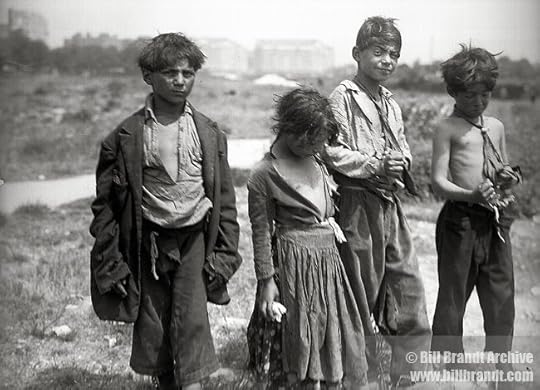
Like Dostoevsky's Crime and Punishment, the stories reflect ideas from the newly developing field of psychology that was spreading though Europe at that time.
The novella, which has the same title as the book, is about an imagined rivalry between two men, a Cain and Abel envy parody. I say imagined, because it exists only in the mind of one of the men. But it lasts his entire life, from youth, when he was rejected by a young woman who married the man that became his rival, until he is on his death bed. The rivalry consumes him even as the two men maintain a surface friendship throughout their lives.
In another story, a very good doctor publishes bizarre fiction. His writing impacts his practice and he can’t figure out why.
The third story is about a priest, so kindly and religious, and such a master at bringing unbelievers into the church, that he is considered a local saint. Yet his burden in life is that that he doesn’t believe in God.

The author (1864-1936) was a professor and a writer of novels, short stories, essays and plays. Abel Sanchez is probably his best-known work in English, although other books of his are more widely known in Spanish. The entry about him on Wikipedia suggests he may have been murdered.
We are treated to three short stories; really a novella and two short stories written in the early 1900’s and translated from the Spanish. (The author is Basque.) All three stories have religious overtones. All three revolve around men that some might consider “mad.” (One of the three dies in an asylum.)
Like Dostoevsky's Crime and Punishment, the stories reflect ideas from the newly developing field of psychology that was spreading though Europe at that time.
The novella, which has the same title as the book, is about an imagined rivalry between two men, a Cain and Abel envy parody. I say imagined, because it exists only in the mind of one of the men. But it lasts his entire life, from youth, when he was rejected by a young woman who married the man that became his rival, until he is on his death bed. The rivalry consumes him even as the two men maintain a surface friendship throughout their lives.
In another story, a very good doctor publishes bizarre fiction. His writing impacts his practice and he can’t figure out why.
The third story is about a priest, so kindly and religious, and such a master at bringing unbelievers into the church, that he is considered a local saint. Yet his burden in life is that that he doesn’t believe in God.
The author (1864-1936) was a professor and a writer of novels, short stories, essays and plays. Abel Sanchez is probably his best-known work in English, although other books of his are more widely known in Spanish. The entry about him on Wikipedia suggests he may have been murdered.

October 12, 2023
《الهی! الهی! مرا چرا ترک کردی؟》
انجیل متی، باب بیستوهفتم، آیهی ۴۶
عدهای کاراکتر که همه شتابان به سمت مرگ در حرکتند، در پی آرامیافتن در لحظهی زندگی هستند. یکی با چنگزدن به مسکنهای سست گاهوبیگاه و دیگری با بازیِ عشق و سومی با گریختن از خود و غرق شدن در دیگران. و هیچکدام جز به مرگ تسکین نمیپذیرند. این است قصهی پر غصهی آدمی.
جدا از این چند خط که خلاصهی برداشت کلی من از سه داستان بود، با دیگر دوستان موافقم که داستان اول تا حدی به درازا کشیده شد و داستان آخر به صورت شگفتانگیزی شفاف صورت مسألهای دشوار رو توصیف میکنه. عزیزی که این کتاب رو به من معرفی کرد خودش تأثیر بسیاری ازش گرفته بود و اعتقاد داشت که دو داستان اول، خواننده رو آمادهی داستان آخر میکنن و من نظرش رو میپسندم.
بریدههایی از کتاب
________________________________________________________
هابیل
"《ولی آیا من هم همسرم را دوست خواهم داشت؟ آیا میتوانم او را دوست بدارم؟ هان؟》
《چرا نه، خیلی هم خوب میتوانی...》
《آخر هلنا، بدترین چیز این نیست که آدم را دوست نداشته باشند یا آدم استعداد محبوب شدن نداشته باشد، بدتر از همه این است که آدم توانایی دوست داشتن و عاشق شدن نداشته باشد.》"
"بزرگواری او مرا میآزرد، گاهی پیش میآمد که _ پناه بر خدا _ آرزو میکردم ای کاش بدخواه و بدخو و بیوفا بود."
"...تظاهر و خودنمایی ما را بیچاره میکند. پنهانیترین و پلیدترین بیماری و بیچارگیمان را بهمعرض تماشای این و آن میگذاریم. به نظر من آدمهایی وجود دارند که دلشان میخواهد چنان غدهی طاعونیای داشته باشند که هرگز و هیچوقت کس دیگری نداشته باشد، فقط برای اینکه به این و آن نشانش دهند و توجه مردم را به مقاومت و سختجانی خود در مقابل آن جلب کنند. فیالمثل همین اعترافات هم آیا چیزی بیشتر از عقدهگشایی روح نیست؟"
"...و ابلیس بین عادهی من و من ایستاده بود. عادهی من فریاد میزد:《با این روح نگرد!》آنتونیای بیچاره! و التماس میکرد که او را نیز از شرّ آن روح رها کنم. عادهی بیچارهی من تا آنجا پیش نمیرفت که از این حالت و حالات من بیزار شود. ولی در عوض آیا من تا آنجا پیش میرفتم که واقعاً او را دوست بدارم؟ حیف! اگر میتوانستم دوستش بدارم، رستگار میشدم."
"...خوآکین خودت را نفریب؛ عقاید و افکاری که خطرناک، جسورانه، لامذهبانه نامیده شدهاند، آنهایی هستند که باب اذهان خشکیدهی مستضعفین نبودهاند، یعنی مردمانی که در سراپای وجودشان یکجو ابتکار و اصالت نیست ولی از عقل مشترک و عقل عام و عوامیت بهرهمندند. از تخیل بیشتر از هر چیزی نفرت دارند، مخصوصاً چون خودشان فاقد تخیلاند.》"
"《اوه، بله! علاقه و محبت را نمیتوان بهطور مساوی بین چند نفر تقسیم کرد، محبتی که به یکی میدهی ناچار از دیگری دریغ کردهای. هرکدام همهچیز را برای خودش میخواهد و فقط برای خودش. نه، نه، من دلم نمیخواهد همان مخمصهی خداوندی را برای خودم درست کنم...》
《مخمصهی خداوندی یعنی چی؟》
《یعنی همین زیاد بچه داشتن. مگر نمیگویند ما بچههای خدا هستیم.》
《این حرفها را نزن خوآکین...》
《توی دنیا، هم آدم سالم هست، هم آدم بیمار... کافیست فکر کنیم که آیا مرض عادلانه بین مردم تقسیم شده است؟》"
"《ولی اگر آدم توبه نکند...》
《هان، بله، جناب مستطاب، بله، آدم باید توبه کند، دوباره گناه کند، و در حالی که گناه میکند بداند که دوباره توبه خواهد کرد و در حالی که توبه میکند بداند که دوباره گناه خواهد کرد تا به آنجا برسد که در عینحال هم گناه کند هم توبه. قبول ندارید؟》"
"《اگر این برادرِ یعقوبوار را کشته بود شاید مرتکب گناهی شده بود، ولی نکشتنش هم گناه بود... و شاید گناهی بزرگتر.》
《این حرف را نزن فدریکو.》
《برای اینکه هم زندگی ننگین و عسرتباری دارد و سربار دیگران است و هم کینهی برادرش را به دل دارد.》
《اگر برادرش را کشته بود چطور؟》
《آنوقت دیگر این کینه را نداشت و از گناهش توبه کرده بود و خاطرهی برادرش را گرامی میداشت. عمل به انسان رهایی میبخشد و احساسات و عواطف مسموم را زائل میکند، و از احساسات مسموم است که روح انسان بیمار میشود. باور کن خوآکین، برای اینکه من این چیزها را خوب میشناسم.》"
"《میتوانی اگر بخواهی چندین سال دیگر هم زنده بمانی...》
《برای چه؟ برای اینکه پیر و پریشانتر بشوم فرسودهتر و فرتوت بشوم؟ نه، پیری به دردسرش نمیارزد، پیری خودخواهانه، مثل بچگی میماند با این تفاوت که آدم مدام به مرگ فکر میکند. آدم پیر، بچهایست که میداند باید بمیرد. نه نه دلم نمیخواهد پیر فرتوت بشوم...》"
قدیس مانوئل نیکوکار شهید
"زندگی او بیشتر در عمل میگذشت تا در نظر. و همواره از بیکارگی حتی از فراغت گریزان بود. هر وقت میشنید که میگویند《تنآسانی و بیکارگی امالفساد است》اضافه میکرد《و بزرگترین فساد این است که از روی تنبلی و تنآسانی فکر کنیم》یک بار از او پرسیدم منظورش از این حرف چیست، جواب داد: 《تنبلانه فکر کردن این است که به جای عمل کردن فقط فکر کنیم، یا همهاش دربارهی چیزهایی که بهعمل درآمده فکر کنیم نه چیزهایی که باید بهعمل درآید. چیزی که جامهی عمل پوشیده، انجام یافته است و انسان باید به فکر کارهای انجامنشدهی دیگر باشد، هیچچیز هم بدتر از انديشيدن به چیزهای غیرعملی و غیرممکن نیست.》عمل! عمل! حتی در آن ایام هم من دریافته بودم که دنمانوئل از تنها ماندن و در خلوت اندیشیدن پروا دارد و احساس میکردم یکجور وسواس برش داشته است."
"《رفتم منزل و شروع کردم به دعا؛ وقتی که به اینجا رسیدم《اکنون و بههنگام وفات، ما گنهکاران را بیامرز.》ندایی در دلم پرسان شد: گنهکاران؟ ما گنهکاریم؟ گناه ما چیست؟ گناه ما چیست پدر؟》
جواب داد:《گناه ما؟ یکی از مجتهدان بزرگ کلیسای حواریانهی کاتولیک اسپانیا،...به این سؤال چنین پاسخ داده است:《بزرگترین گناه بشر، به دنیا آمدن است》بله فرزندم گناه ما این است: به دنیا آمدن.》"
"《شیون نکن آنخلا، فقط برای همهی گنهکاران دعا کن، برای همهی کسانی که داغ ولادت را بر پیشانی دارند. خوابشان را بر هم مزن، بگذار خوب ببینند...آه، چقدر دلم میخواهد بخوابم، و به خوابی بیانتها فرو بروم، تا ابدیت بخوابم و هرگز خواب نبینم! تا این خواب آشفته را که دیدهام فراموش کنم!... وقتی که میخواهند مرا دفن کنند بگو بدنم را توی تابوتی که از آن شش چوب درخت گردوی پیر خواهند ساخت بگذارند. درخت پیر و مظلومی که من در کودکی در سایهاش جستوخیز میکردم... آنوقتها واقعاً به حیات ابد ایمان داشتم. یعنی حالا که فکرش را میکنم میبینم که آنوقتها ایمان داشتم. برای بچهها ایمان داشتن با خواب دیدن فرقی ندارد. برای ملتها هم همینطور... آن شش قطعه چوب را زیر تختخوابم پنهان کردهام.》"
انجیل متی، باب بیستوهفتم، آیهی ۴۶
عدهای کاراکتر که همه شتابان به سمت مرگ در حرکتند، در پی آرامیافتن در لحظهی زندگی هستند. یکی با چنگزدن به مسکنهای سست گاهوبیگاه و دیگری با بازیِ عشق و سومی با گریختن از خود و غرق شدن در دیگران. و هیچکدام جز به مرگ تسکین نمیپذیرند. این است قصهی پر غصهی آدمی.
جدا از این چند خط که خلاصهی برداشت کلی من از سه داستان بود، با دیگر دوستان موافقم که داستان اول تا حدی به درازا کشیده شد و داستان آخر به صورت شگفتانگیزی شفاف صورت مسألهای دشوار رو توصیف میکنه. عزیزی که این کتاب رو به من معرفی کرد خودش تأثیر بسیاری ازش گرفته بود و اعتقاد داشت که دو داستان اول، خواننده رو آمادهی داستان آخر میکنن و من نظرش رو میپسندم.
بریدههایی از کتاب
________________________________________________________
هابیل
"《ولی آیا من هم همسرم را دوست خواهم داشت؟ آیا میتوانم او را دوست بدارم؟ هان؟》
《چرا نه، خیلی هم خوب میتوانی...》
《آخر هلنا، بدترین چیز این نیست که آدم را دوست نداشته باشند یا آدم استعداد محبوب شدن نداشته باشد، بدتر از همه این است که آدم توانایی دوست داشتن و عاشق شدن نداشته باشد.》"
"بزرگواری او مرا میآزرد، گاهی پیش میآمد که _ پناه بر خدا _ آرزو میکردم ای کاش بدخواه و بدخو و بیوفا بود."
"...تظاهر و خودنمایی ما را بیچاره میکند. پنهانیترین و پلیدترین بیماری و بیچارگیمان را بهمعرض تماشای این و آن میگذاریم. به نظر من آدمهایی وجود دارند که دلشان میخواهد چنان غدهی طاعونیای داشته باشند که هرگز و هیچوقت کس دیگری نداشته باشد، فقط برای اینکه به این و آن نشانش دهند و توجه مردم را به مقاومت و سختجانی خود در مقابل آن جلب کنند. فیالمثل همین اعترافات هم آیا چیزی بیشتر از عقدهگشایی روح نیست؟"
"...و ابلیس بین عادهی من و من ایستاده بود. عادهی من فریاد میزد:《با این روح نگرد!》آنتونیای بیچاره! و التماس میکرد که او را نیز از شرّ آن روح رها کنم. عادهی بیچارهی من تا آنجا پیش نمیرفت که از این حالت و حالات من بیزار شود. ولی در عوض آیا من تا آنجا پیش میرفتم که واقعاً او را دوست بدارم؟ حیف! اگر میتوانستم دوستش بدارم، رستگار میشدم."
"...خوآکین خودت را نفریب؛ عقاید و افکاری که خطرناک، جسورانه، لامذهبانه نامیده شدهاند، آنهایی هستند که باب اذهان خشکیدهی مستضعفین نبودهاند، یعنی مردمانی که در سراپای وجودشان یکجو ابتکار و اصالت نیست ولی از عقل مشترک و عقل عام و عوامیت بهرهمندند. از تخیل بیشتر از هر چیزی نفرت دارند، مخصوصاً چون خودشان فاقد تخیلاند.》"
"《اوه، بله! علاقه و محبت را نمیتوان بهطور مساوی بین چند نفر تقسیم کرد، محبتی که به یکی میدهی ناچار از دیگری دریغ کردهای. هرکدام همهچیز را برای خودش میخواهد و فقط برای خودش. نه، نه، من دلم نمیخواهد همان مخمصهی خداوندی را برای خودم درست کنم...》
《مخمصهی خداوندی یعنی چی؟》
《یعنی همین زیاد بچه داشتن. مگر نمیگویند ما بچههای خدا هستیم.》
《این حرفها را نزن خوآکین...》
《توی دنیا، هم آدم سالم هست، هم آدم بیمار... کافیست فکر کنیم که آیا مرض عادلانه بین مردم تقسیم شده است؟》"
"《ولی اگر آدم توبه نکند...》
《هان، بله، جناب مستطاب، بله، آدم باید توبه کند، دوباره گناه کند، و در حالی که گناه میکند بداند که دوباره توبه خواهد کرد و در حالی که توبه میکند بداند که دوباره گناه خواهد کرد تا به آنجا برسد که در عینحال هم گناه کند هم توبه. قبول ندارید؟》"
"《اگر این برادرِ یعقوبوار را کشته بود شاید مرتکب گناهی شده بود، ولی نکشتنش هم گناه بود... و شاید گناهی بزرگتر.》
《این حرف را نزن فدریکو.》
《برای اینکه هم زندگی ننگین و عسرتباری دارد و سربار دیگران است و هم کینهی برادرش را به دل دارد.》
《اگر برادرش را کشته بود چطور؟》
《آنوقت دیگر این کینه را نداشت و از گناهش توبه کرده بود و خاطرهی برادرش را گرامی میداشت. عمل به انسان رهایی میبخشد و احساسات و عواطف مسموم را زائل میکند، و از احساسات مسموم است که روح انسان بیمار میشود. باور کن خوآکین، برای اینکه من این چیزها را خوب میشناسم.》"
"《میتوانی اگر بخواهی چندین سال دیگر هم زنده بمانی...》
《برای چه؟ برای اینکه پیر و پریشانتر بشوم فرسودهتر و فرتوت بشوم؟ نه، پیری به دردسرش نمیارزد، پیری خودخواهانه، مثل بچگی میماند با این تفاوت که آدم مدام به مرگ فکر میکند. آدم پیر، بچهایست که میداند باید بمیرد. نه نه دلم نمیخواهد پیر فرتوت بشوم...》"
قدیس مانوئل نیکوکار شهید
"زندگی او بیشتر در عمل میگذشت تا در نظر. و همواره از بیکارگی حتی از فراغت گریزان بود. هر وقت میشنید که میگویند《تنآسانی و بیکارگی امالفساد است》اضافه میکرد《و بزرگترین فساد این است که از روی تنبلی و تنآسانی فکر کنیم》یک بار از او پرسیدم منظورش از این حرف چیست، جواب داد: 《تنبلانه فکر کردن این است که به جای عمل کردن فقط فکر کنیم، یا همهاش دربارهی چیزهایی که بهعمل درآمده فکر کنیم نه چیزهایی که باید بهعمل درآید. چیزی که جامهی عمل پوشیده، انجام یافته است و انسان باید به فکر کارهای انجامنشدهی دیگر باشد، هیچچیز هم بدتر از انديشيدن به چیزهای غیرعملی و غیرممکن نیست.》عمل! عمل! حتی در آن ایام هم من دریافته بودم که دنمانوئل از تنها ماندن و در خلوت اندیشیدن پروا دارد و احساس میکردم یکجور وسواس برش داشته است."
"《رفتم منزل و شروع کردم به دعا؛ وقتی که به اینجا رسیدم《اکنون و بههنگام وفات، ما گنهکاران را بیامرز.》ندایی در دلم پرسان شد: گنهکاران؟ ما گنهکاریم؟ گناه ما چیست؟ گناه ما چیست پدر؟》
جواب داد:《گناه ما؟ یکی از مجتهدان بزرگ کلیسای حواریانهی کاتولیک اسپانیا،...به این سؤال چنین پاسخ داده است:《بزرگترین گناه بشر، به دنیا آمدن است》بله فرزندم گناه ما این است: به دنیا آمدن.》"
"《شیون نکن آنخلا، فقط برای همهی گنهکاران دعا کن، برای همهی کسانی که داغ ولادت را بر پیشانی دارند. خوابشان را بر هم مزن، بگذار خوب ببینند...آه، چقدر دلم میخواهد بخوابم، و به خوابی بیانتها فرو بروم، تا ابدیت بخوابم و هرگز خواب نبینم! تا این خواب آشفته را که دیدهام فراموش کنم!... وقتی که میخواهند مرا دفن کنند بگو بدنم را توی تابوتی که از آن شش چوب درخت گردوی پیر خواهند ساخت بگذارند. درخت پیر و مظلومی که من در کودکی در سایهاش جستوخیز میکردم... آنوقتها واقعاً به حیات ابد ایمان داشتم. یعنی حالا که فکرش را میکنم میبینم که آنوقتها ایمان داشتم. برای بچهها ایمان داشتن با خواب دیدن فرقی ندارد. برای ملتها هم همینطور... آن شش قطعه چوب را زیر تختخوابم پنهان کردهام.》"

January 15, 2016
داستان هابيل، خيلى عالى بود، ولى اواخرش بيش از حد طولانى شد و از نفس افتاد.
داستان مرد مردستان، به رغم گنگ بودن شخصيت هاش، نمونه ى بسيار زيبايى از داستان عاشقانه بود.
داستان قديس مانوئل هم كه نيازى به تعريف نداره، داستانى كه يك تنه صليب تكفير و ارتداد رو بر دوش نويسنده ش گذاشت!
نكته ى جالبى كه به نظرم رسيد، اين بود كه قديس مانوئل و قابيل (يا خوآكين، در داستان هابيل) هر دو شخصيت هاى مشابهى داشتن، درك مشابهى از انسان و جهان داشتن، ولى دو رويكرد كاملاً متفاوت رو پيش گرفتن: يكى قديس شد و اون يكى قابيل.
داستان مرد مردستان، به رغم گنگ بودن شخصيت هاش، نمونه ى بسيار زيبايى از داستان عاشقانه بود.
داستان قديس مانوئل هم كه نيازى به تعريف نداره، داستانى كه يك تنه صليب تكفير و ارتداد رو بر دوش نويسنده ش گذاشت!
نكته ى جالبى كه به نظرم رسيد، اين بود كه قديس مانوئل و قابيل (يا خوآكين، در داستان هابيل) هر دو شخصيت هاى مشابهى داشتن، درك مشابهى از انسان و جهان داشتن، ولى دو رويكرد كاملاً متفاوت رو پيش گرفتن: يكى قديس شد و اون يكى قابيل.

July 18, 2016
خوآکین در داستان هابیل، و قدیس مانوئل در داستان آخر، شباهت های شخصیتی زیادی داشتند اما شیوه ی زندگی بسیار متفاوتشون قابل تامل بود که یکی قدیس شد و دیگری قابیل! دو داستان جذاب و خواندنی بودند.
"هیچ رازی غریب تر از این برف تماشا کرده ای که در دریاچه جان میبازد و برای کوه بالاپوش می بافد؟"
-از داستان قدیس مانوئل نیکوکار شهید-
داستان مرد مردستان هم یک عاشقانه ی جالب بود.
"هیچ رازی غریب تر از این برف تماشا کرده ای که در دریاچه جان میبازد و برای کوه بالاپوش می بافد؟"
-از داستان قدیس مانوئل نیکوکار شهید-
داستان مرد مردستان هم یک عاشقانه ی جالب بود.

May 16, 2013
Stark, dialogue-based, rarely descriptive and lacking plot, the three pieces in this collection (a novel, a novella, a short story) are nonetheless compelling in their heartfelt urgency. A rector at the University of Salamanca in Spain at the turn of the 20th century, many times relieved of his post and given it back again, also deported to the Canary Islands for ‘attacks on the Monarchy’, Unamuno was a man made well aware of the dangers of truth-telling.
Like the good doctor, I also have an aversion to such analysis. I don’t much care what the ‘themes’ of a piece of fiction are. Montarco’s psychiatrist puts it so:
So, the themes – the types of stone – in this case are: a retelling of Cain and Abel with the focus on Cain (why it’s called ‘Abel Sanchez’ I don’t know); a portrait of a modern so-called saint and his struggle with his unbelief in a small village; a portrait of a lucid writer/doctor unable to reconcile the two strands of his public persona and committed to an asylum. But what makes the stories is their usage of these themes as springboards to whatever it is that occurs to Unamo as he muses on these beginnings. In tone they remind me of mid-career Hesse – Demian especially – though starker and rarely lyrical. And it’s not hard to see how people might have reacted to them as Doctor Montarco’s readers reacted to his writings, because the focus on debating voices gives them a tone something like a work of philosophy, in which the thrust of the argument is all important. To me, again, this is immaterial. To me, it was the magical suggestion of something – lives, a world – beyond the dialogue that kept me reading. And the determination to be true to this world, to the conception. And the fact that the argument had two sides, and evolved.
Despite an occasional sense of the monochrome or (in terms of the descriptive fleshing-out of a world) the one-dimensional, these are good works, intent on a truth beyond politics or sociology. As translator Anthony Kerrigan says: ‘As regards a terrible and troubled honesty, their like is seldom seen.’
What has happened? Simply that five people have already approached me to ask what I meant by writing the piece of fiction I have just published, what I intended to say, and what bearing did it have. Idiots, idiots, and thrice idiots! They’re worse than children who break dolls to find out what’s inside... They believe no-one could write except to prove something, or defend or attack some proposition, or from an ulterior motive...
(‘The Madness of Doctor Montarco’.)
Like the good doctor, I also have an aversion to such analysis. I don’t much care what the ‘themes’ of a piece of fiction are. Montarco’s psychiatrist puts it so:
I have been reading his work since he has been here and I realise that one of their mistakes was to take him for a man of ideas, a writer of ideas, when fundamentally he is no such thing. His ideas were a point of departure, mere raw material, and had as much importance in his writing as earth used by Velasquez in making the pigments had to do with his painting, or as the type of stone Michelangelo used had to do with his Moses... At best, ideas are no more than raw material, as I’ve already said, for works of art, or for philosophy, or for polemics.
So, the themes – the types of stone – in this case are: a retelling of Cain and Abel with the focus on Cain (why it’s called ‘Abel Sanchez’ I don’t know); a portrait of a modern so-called saint and his struggle with his unbelief in a small village; a portrait of a lucid writer/doctor unable to reconcile the two strands of his public persona and committed to an asylum. But what makes the stories is their usage of these themes as springboards to whatever it is that occurs to Unamo as he muses on these beginnings. In tone they remind me of mid-career Hesse – Demian especially – though starker and rarely lyrical. And it’s not hard to see how people might have reacted to them as Doctor Montarco’s readers reacted to his writings, because the focus on debating voices gives them a tone something like a work of philosophy, in which the thrust of the argument is all important. To me, again, this is immaterial. To me, it was the magical suggestion of something – lives, a world – beyond the dialogue that kept me reading. And the determination to be true to this world, to the conception. And the fact that the argument had two sides, and evolved.
Despite an occasional sense of the monochrome or (in terms of the descriptive fleshing-out of a world) the one-dimensional, these are good works, intent on a truth beyond politics or sociology. As translator Anthony Kerrigan says: ‘As regards a terrible and troubled honesty, their like is seldom seen.’

February 6, 2025
ادبیات ِ خالص

June 8, 2010
مجموعۀ سه داستان کوتاه به نامهای هابیل،مردِ مردستان و قدیس مانوئل،نیکوکار شهید که این آخری را بیش از دو داستان دیگه دوست داشتم
مردم به ندرت می دانند حقیقت ایمان چیست و چندان در غم دانستنش هم نیستند
او یکی از ما بود که از شدت زندگی مرد
زندگی باید بپایدتا یک روز که ما مردگان نیز برای همیشه بمیریم
مردم به ندرت می دانند حقیقت ایمان چیست و چندان در غم دانستنش هم نیستند
او یکی از ما بود که از شدت زندگی مرد
زندگی باید بپایدتا یک روز که ما مردگان نیز برای همیشه بمیریم

January 18, 2016
شاهکار! بخصوص مرد مردان و هابیل

August 14, 2022
"و اما من، آیا ایمان دارم؟"

September 13, 2013
In tone and simplicity of form ABEL SANCHEZ reads like a negation of or counterpart to Hesse's SIDDHARTHA. It's the parable of a man's lifelong struggle for inner peace, only instead of slowly climbing toward transcendence, Joaquin's trajectory is a downward spiral through increasingly intense stages of agonizing envy. It gets ugly and disturbing at times, like a Dostoevsky novel. Spain considers Unamuno one of their absolute greatest writers; ABEL is only the tip of the iceberg. It's a shame that so much of his work (and a great deal of modernist Spanish lit in general) isn't available in accessible trade editions for the English reader.

February 14, 2017
کل کتاب شامل سه داستان بود که داستان قدیس مانوئل را قبلا در کتابی مجزا خوانده بودم. در کل بد نبود. نویسنده حالات درونی افراد رو خیلی خوب به تصویر کشیده بود علی الخصوص در داستان هابیل ولی بنظرم درخشانترین اینها همون داستان قدیس شهید باشه.

June 3, 2017
عمیقا به داستانهایی با بنمایه الاهیاتی و فلسفی علاقهمندم.
این کتاب به ویژه داستانهای سوم و اولش بیاندازه دقیق و پر ارجاع و نکته پردازانه بود.
کشیش مانوئل شهید به خوبی به تقابل تقلیل مرارت و تقریر حقیقت پرداخته بود. حبذا
این کتاب به ویژه داستانهای سوم و اولش بیاندازه دقیق و پر ارجاع و نکته پردازانه بود.
کشیش مانوئل شهید به خوبی به تقابل تقلیل مرارت و تقریر حقیقت پرداخته بود. حبذا

April 17, 2019
این کتاب شامل ۳ داستان هست. هر ۳ داستان قشنگن. اولین داستان که طولانی تر از دو تای دیگه هست و برداشتی از هابیل و قابیل هست. داستان دوم یک عاشقانه ی متفاوته، داستان آخر هم که یکی از بهترین داستان های کوتاهی هست که خوندم. به نظرم از اونامونو باید خوند، می ارزه! امتیاز من ۳/۵ هست

July 18, 2026
من فقط داستان "هابیل" رو خوندم که نسبتا خوب بود ولی اصلا نمیشه گفت یه شاهکار یا یه اثر درخشان بود.
اونامونو در این اثر با استفاده از داستان هابیل و قابیل که در همه کتب آسمانی هست یه روایت قرینه میسازه که اتفاقا نقش قابیل (خواکین مونگرو) توی اون خیلی پررنگ تره.
اونامونو در این اثر با استفاده از داستان هابیل و قابیل که در همه کتب آسمانی هست یه روایت قرینه میسازه که اتفاقا نقش قابیل (خواکین مونگرو) توی اون خیلی پررنگ تره.
March 14, 2023
A sad story, which reflects something true in all of us, told with genius.

April 30, 2020
نویسنده کتاب فیلسوف و متکلم اگزیستانسیالیت و دینداره. کتاب رو هم نمیشه بخاطر زیبایی ادبیش خوند. فکرفلسفی درون داستانهاست که زیباست. سه داستان درباره حسد، عشق و ایمان. (بقیه چیزهای خوب و مفصلتر رومیشه تو ریویو های دیگه خوند)
October 12, 2023
What an interesting piece of work. The ontology behind it struck me as very Kierkegaard, but I only really started thinking about Unamuno’s philosophy in ‘San Manuel Bueno, Martyr’, which was definitely my favourite of the three “nivolas” in this collection.
Abel Sanchez was rather on the nose with its subject matter, and very dialogue-heavy. I liked the use of Joaquin’s diary entries to demonstrate his internal musings - though I wish the novel had covered a smaller time period of his life and instead had a more descriptive approach: I found it a bit unnecessary to establish two further generations. Killing Abel in front of his grandson was certainly a Decision, though. I wondered if the grandchildren could be considered ‘offerings’, mirroring Cain’s and Abel’s offerings in Genesis, but couldn’t quite get behind that aspect of the parable. Painter & doctor as Abel’s and Joaquin’s modern jobs (in comparison to shepherd & arable farmer) was an interesting choice, but it brought me to the one thing I’ve never understood about Cain and Abel: Shouldn’t Cain be angry at God? It’s not really Abel’s fault that God didn’t accept his offering. Why not kill God instead?
That’s rather positivist of me innit - which is why I LOVED San Manuel Bueno, Martyr. Angela’s narrative as the “found confession” type source in combination with the epilogue distancing the author from his characters, though the philosophy of this nivola persists. Lazarus, so fittingly named, and Don Manuel the local parish priest, neither of which actually believes in god, strike up companionship over this shared secret. Lazarus outwardly appears converted, after promising his dying mother that he would pray for her, and Don Manuel is very conscientious in his priestly duties, though far more tolerant than a true Catholic would be (i.e. accepting of a woman who had a child out of wedlock and in his attitude towards suicide). They reject faith as a source of knowledge, instead reasoning logically (“Why would you make your mother in her dying moments unhappy instead of promising her that you will pray for her?”). I was quite taken by Manuel and Lazarus close relationship (if they don’t believe in Catholic sin, what are they really doing on their long walks around the lake, huh?).
Also, suicide is actually an interesting subtopic - with Don Manuel claiming that his father as well as himself was/is possessed by a constant obsession with it that they have to fight. Death is a constant thematic choice throughout the nivola.
Finally, Manuel confessing to Angela, Lazarus’ little sister, gave her an unprecedented level of agency. She was in on the secret, but she believed in God - and as the narrator (following Manuel and Lazarus’ deaths) with Manuels beatification coming up, she is the only person holding the “true knowledge”. This makes her the absolute personification of positivism! :)
Abel Sanchez was rather on the nose with its subject matter, and very dialogue-heavy. I liked the use of Joaquin’s diary entries to demonstrate his internal musings - though I wish the novel had covered a smaller time period of his life and instead had a more descriptive approach: I found it a bit unnecessary to establish two further generations. Killing Abel in front of his grandson was certainly a Decision, though. I wondered if the grandchildren could be considered ‘offerings’, mirroring Cain’s and Abel’s offerings in Genesis, but couldn’t quite get behind that aspect of the parable. Painter & doctor as Abel’s and Joaquin’s modern jobs (in comparison to shepherd & arable farmer) was an interesting choice, but it brought me to the one thing I’ve never understood about Cain and Abel: Shouldn’t Cain be angry at God? It’s not really Abel’s fault that God didn’t accept his offering. Why not kill God instead?
That’s rather positivist of me innit - which is why I LOVED San Manuel Bueno, Martyr. Angela’s narrative as the “found confession” type source in combination with the epilogue distancing the author from his characters, though the philosophy of this nivola persists. Lazarus, so fittingly named, and Don Manuel the local parish priest, neither of which actually believes in god, strike up companionship over this shared secret. Lazarus outwardly appears converted, after promising his dying mother that he would pray for her, and Don Manuel is very conscientious in his priestly duties, though far more tolerant than a true Catholic would be (i.e. accepting of a woman who had a child out of wedlock and in his attitude towards suicide). They reject faith as a source of knowledge, instead reasoning logically (“Why would you make your mother in her dying moments unhappy instead of promising her that you will pray for her?”). I was quite taken by Manuel and Lazarus close relationship (if they don’t believe in Catholic sin, what are they really doing on their long walks around the lake, huh?).
Also, suicide is actually an interesting subtopic - with Don Manuel claiming that his father as well as himself was/is possessed by a constant obsession with it that they have to fight. Death is a constant thematic choice throughout the nivola.
Finally, Manuel confessing to Angela, Lazarus’ little sister, gave her an unprecedented level of agency. She was in on the secret, but she believed in God - and as the narrator (following Manuel and Lazarus’ deaths) with Manuels beatification coming up, she is the only person holding the “true knowledge”. This makes her the absolute personification of positivism! :)

June 27, 2022
The infectious disease, the itch of our Spanish literature is the urge to preach. Everywhere a sermon, and a bad sermon at that. Every little Christ sets himself up to dispense advice, and does it with a poker-face. I remember picking up the Moral Epistle to Fabian and being unable to get beyond the first three verses; I simply couldn't stomach it. This breed of men is totally devoid of imagination, and so all their madness is merely silly. An oyster-like breed -- there's no use of your denying it--; oysters, that's what they are, nothing but oysters. Everything here savors of oyster beds, or ground-muck. I feel like I'm living among human tubers. And they don't even break through the ground, or life their heads up, like regular tubers.

April 1, 2026
*pulls out sheet of paper, as if for a roast* *clears throat*
Rip Joaquín, you would have loved friendship breakups
Rip Doctor Montarco, you would have loved social media and “grippy socks” memes
Rip Don Manuel, you would have loved Fleabag and deconstructiontok
And finally…
Rip Miguel de Unamuno, you would have loved real mental healthcare
Rip Joaquín, you would have loved friendship breakups
Rip Doctor Montarco, you would have loved social media and “grippy socks” memes
Rip Don Manuel, you would have loved Fleabag and deconstructiontok
And finally…
Rip Miguel de Unamuno, you would have loved real mental healthcare

August 8, 2018
I don't so much care for the psycho-sexual drama of the title story, but the final story in this collection, "San Manuel Bueno, Martyr," has to be one of the best works about a village clergyman—comparable to George Eliot's "Amos Barton."

April 7, 2020
I've been reading this slim novella regularly for over 20 years. Its implications haunt me anew--and differently--each and every time. Arguably the most impactful book I've ever read, no review I could write could come close to doing it justice.
February 12, 2026
Perhaps there is something lost in translation.
Of the three works here, I found Abel a bit boring and overcooked; Dr. Montarco a bit trite; San Manuel Bueno, the most compelling of the three. However, even here, I felt that Unamuno was overstating things.
Of the three works here, I found Abel a bit boring and overcooked; Dr. Montarco a bit trite; San Manuel Bueno, the most compelling of the three. However, even here, I felt that Unamuno was overstating things.

June 3, 2022
*english version
No comment.
No comment.
April 24, 2016
در داستان اول، از دو دوست گفته می شود که آنقدر به هم نزدیکند که به برادر می مانند. اما حسادت کم کم بین شان شکل می گیرد و تا آخر عمر همراهشان است.
داستان دوم درباره عشق افسانه ای یک مرد است.
و داستان سوم درباره کشیشی که همه را به راه ِ نیک هدایت می کند اما خود ایمان ندارد.
مبالغه هایی در هر سه داستان وجود دارد. داستان اول، برجسته ترین داستان کتاب است. و به نظر من گفتگو های زیبایی در کتاب وجود دارد. و داستان به زیبایی نقل می شود اما زیادی طولانی می شود و همین باعث شد که داستان، جذابیت ِ زیادش را برایم از دست بدهد.
داستان دوم درباره عشق افسانه ای یک مرد است.
و داستان سوم درباره کشیشی که همه را به راه ِ نیک هدایت می کند اما خود ایمان ندارد.
مبالغه هایی در هر سه داستان وجود دارد. داستان اول، برجسته ترین داستان کتاب است. و به نظر من گفتگو های زیبایی در کتاب وجود دارد. و داستان به زیبایی نقل می شود اما زیادی طولانی می شود و همین باعث شد که داستان، جذابیت ِ زیادش را برایم از دست بدهد.

July 12, 2017
چندین بار خوانده ام، هابیل ترحمبرانگیز و مرد مردستان آزاردهنده و قدیس مانوئیل تکاندهنده.
اونامونو در نگاشتن این کتاب بسیار از کتاب دیگر خود درد جاودانگی وام گرفته و دیالوگهای بسیاری در داستانها نقل قولهای کتاب دیگر اوست.
حکایت ایمان قدیس و تقلای حسادتآلود و رققبار خوآکین واقعاً تأملبرانگیز است.
اونامونو در نگاشتن این کتاب بسیار از کتاب دیگر خود درد جاودانگی وام گرفته و دیالوگهای بسیاری در داستانها نقل قولهای کتاب دیگر اوست.
حکایت ایمان قدیس و تقلای حسادتآلود و رققبار خوآکین واقعاً تأملبرانگیز است.

August 30, 2014
سه تا داستانی که هر 3تاش رو دوست داشتم. به خصوص داستان آخر که درباره کشیشی هست که مردم خیلی دوستش دارن، اما خودش به اصول مذهبی که به مردم آموزش میده اعتقاد نداره. داستان اول هم تقابل یک هابیل و قابیل در عصر حاضر هست. قابیل در تمام عمرش به هابیل حسادت می کنه و نهایتا هم او رو میکشه. نویسنده سعی داره بگه که خود هابیل در حسادت های قابیل مقصر بوده. داستان جالبی است.
March 6, 2016
در دسته کتاب هایی که یواش یواش «شک کردن» را به من یاد داد
March 11, 2020
سالهاپیش که این کتاب رو خوندم خیلی لذت بردم از مطالعهش.
بنظر میرسد که انامونو در هابیل و خواکین میخواهد با زیرکی خاصی مارا در برزخ همزادپنداری و قضاوت شخصیت ها قرار بدهد.
بنظر میرسد که انامونو در هابیل و خواکین میخواهد با زیرکی خاصی مارا در برزخ همزادپنداری و قضاوت شخصیت ها قرار بدهد.

August 22, 2020
مجموعهی تمام تضادها. کتاب فوقالعادهای که بینشی عجیب به من داد.

August 11, 2022
Abel Sánchez is about envy and jealousy, which are actually two distinct emotions. However, Joaquín Monegro, our protagonist, feels not only both emotions at the same time, but also extends to vitriolic hatred and love for Abel and what he represents as his brother. The story is an exploration of how envy consumes a person so much so that vengeance becomes their only motive for living, and how he wants to pass down this hatred onto his sons, whether for love or fame and glory.
I think Abel and Joaquín clash because they both represent two things at the same time, concurrently. Joaquín is the doctor yet is clearly the most passionate and tormented one, while Abel is the artist and yet is kinda cold and stoic. Joaquín envies Abel to the point where he plans this long-term game of winning all the affection from Abel’s son and the rest of the children and grandchildren to come.
It’s a brutal tale about loving and admiring someone so much to the point where you would do everything in their power to make sure they cease to exist. After all, it has been said that love and hate are just two sides of the same coin.
It’s a very deep story and a fast-paced read but there are some qualms I have about it, albeit very minor. First is the format: the book is written practically in all dialogue and the exposition is minor if at all. This leaves me feeling like maybe this work would have been accommodated for a play/drama setting, and also makes me feel like I’m reading a bunch of floating heads without any sense of scenery or setting. Don’t get me wrong, I usually find extremely long passages about the countryside and the ambiance very tedious and boring, but I think a little bit of that would have added more color to the story. Second is the source material: obviously, Abel Sánchez is an adaptation of the Abel and Cain story, but I think Unamuno makes it unambiguously clear that this is so by directly referencing it in the text. I only think this might take away any dramatic effect or suspension of disbelief if the actual story is referred to over and over again.
Otherwise, a great, short, yet intense read about a universal feeling. While I do think that other writers have explored envy/jealousy in a much better way (see: Bernhard’s “The Loser”), I think Unamuno’s story lays the foundation for how these feelings can come out of people with action and dialogue.
9/10
I think Abel and Joaquín clash because they both represent two things at the same time, concurrently. Joaquín is the doctor yet is clearly the most passionate and tormented one, while Abel is the artist and yet is kinda cold and stoic. Joaquín envies Abel to the point where he plans this long-term game of winning all the affection from Abel’s son and the rest of the children and grandchildren to come.
It’s a brutal tale about loving and admiring someone so much to the point where you would do everything in their power to make sure they cease to exist. After all, it has been said that love and hate are just two sides of the same coin.
It’s a very deep story and a fast-paced read but there are some qualms I have about it, albeit very minor. First is the format: the book is written practically in all dialogue and the exposition is minor if at all. This leaves me feeling like maybe this work would have been accommodated for a play/drama setting, and also makes me feel like I’m reading a bunch of floating heads without any sense of scenery or setting. Don’t get me wrong, I usually find extremely long passages about the countryside and the ambiance very tedious and boring, but I think a little bit of that would have added more color to the story. Second is the source material: obviously, Abel Sánchez is an adaptation of the Abel and Cain story, but I think Unamuno makes it unambiguously clear that this is so by directly referencing it in the text. I only think this might take away any dramatic effect or suspension of disbelief if the actual story is referred to over and over again.
Otherwise, a great, short, yet intense read about a universal feeling. While I do think that other writers have explored envy/jealousy in a much better way (see: Bernhard’s “The Loser”), I think Unamuno’s story lays the foundation for how these feelings can come out of people with action and dialogue.
9/10
Displaying 1 - 30 of 65 reviews