Jump to ratings and reviews
Rate this book

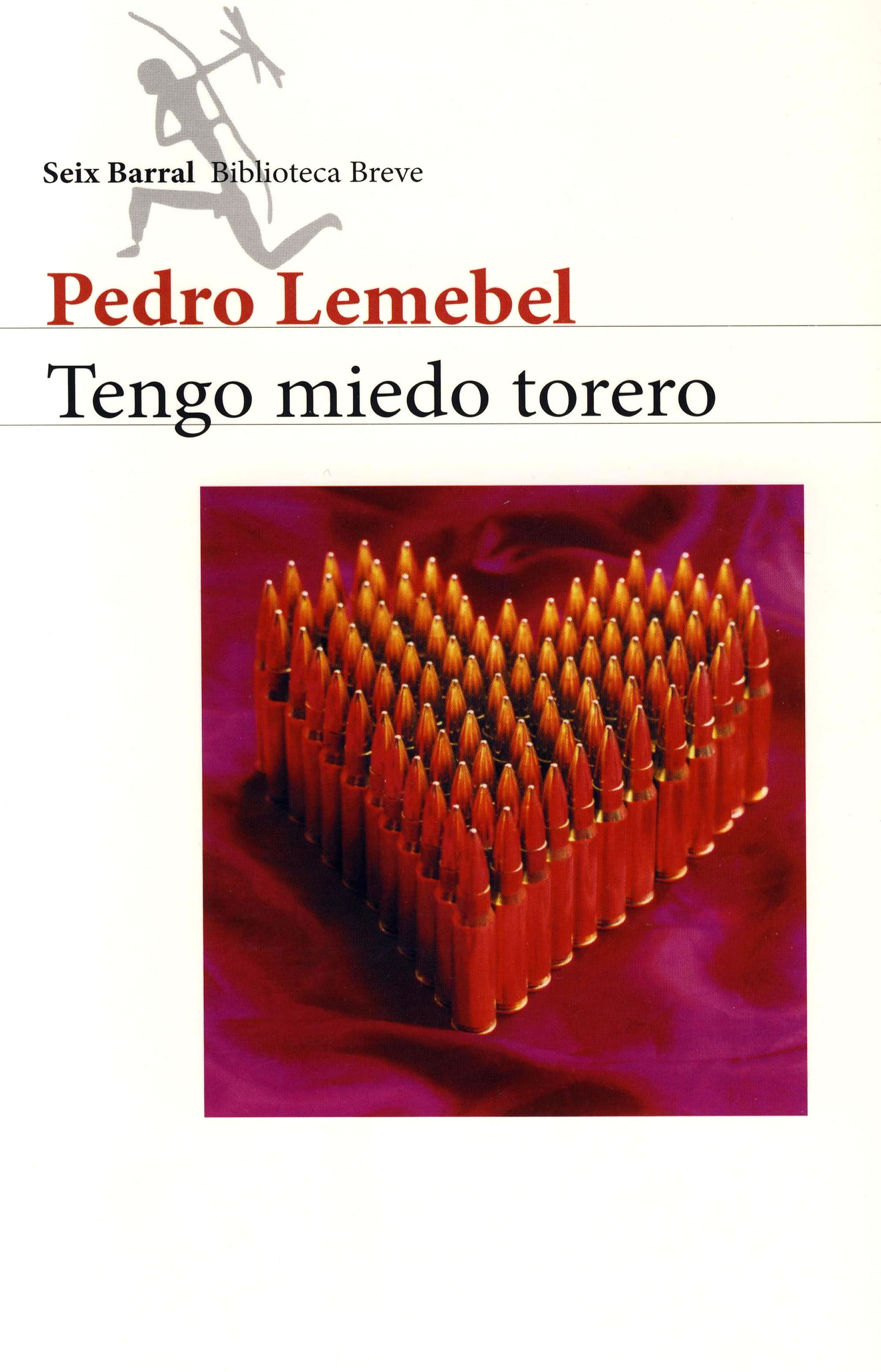
Tengo miedo torero

Rate this book
Pedro Lemebel desafía todo intento catalogador. "Irónico, sarcástico, salvajemente paródico, cursi, relamido, retorcido y, ademas, tierno, divertido y siempre intenso, abrumadoramente lírico," este escritor dirige su mirada a un universo poco o mal explorado entre nosotros: "la identidad homosexual, la alternativa travesti y sus complejidades."Una historia de amor en el Santiago del '86, el año del atentado a Pinochet. Un muchacho del Frente Patriótico Manuel Rodríguez que va a participar en la acción, vive una relación sentimental con un gay, que lo apoya, sin saber-sabiéndolo, en sus planes políticos. Estos fracasan y la ligazón se frustra. El escenario es exactamente el del ano que pudo ser decisivo pero no lo fue: las protestas, los neumáticos humeando en las calles de la capital, los apagones; los boleros, rancheras y baladas de la época; Pinochet lidiando en la intimidad con sus fantasmas y sus pesadillas, y con una Lucia encaprichada con los últimos modelos de Nina Ricci; y la Loca del Frente, protagonista y testigo, personaje entrañable, puente entre los suenos y la desdicha.Tengo miedo torero es el verso de una antigua cancion que interpretaba Sara Montiel. Sus palabras sugieren, mas allá de "su densa teatralidad" y sus ecos melancólicos, la interioridad recóndita de un país que, según lo define Lemebel, "suena muy poco, suena a crédito, no suena lo imposible."

PEDRO LEMEBEL se dio a conocer en la década de los 80 como integrante del colectivo de arte conocido como "Yeguas del Apocalipsis," que desarrolla en esos anos una destacada labor en fotografía, video e instalaciones, protagonizando algunas memorables performances. Su trabajo se concentra enseguida en la literatura,seduciendo casi de inmediato a críticos y lectores, que lo convierten en alguien cercano al escritor de culto. Introduce con sus crónicas un genero virtualmente inaugural en nuestras letras, haciendo del mundo urbano marginal -"esos territorios en los que nadie se atreve a entrar"-"una construcción cultural y existencial poderosa." Dedica al sistema una devastadora visión critica, apoyándose en una escritura transgresora, torrencial, una suerte de fulgurante barroco popular.Su primer libro fue Incontables (1986), un breve volumen de cuentos, pero fue con La esquina es mi corazón. Crónica urbana (1995), que consiguió una inmediata notoriedad, alcanzando con su obra siguiente, Loco afán. Crónicas de sidario (1996), un reconocimiento definitivo. En 1997 apareció otro volumen de crónicas, De perlas y cicatrices. Aparte de haber sido adaptada exitosamente al teatro, Loco afán fue publicada en España, donde tuvo muy buena acogida crítica. Junto con ello, sus viajes a Estados Unidos, México y otros países, en los que ha participado en coloquios y conferencias, han afirmado su perfil de escritor con plena implantación a nivel tanto nacional como internacional. Lemebel es columnista regular de diversas publicaciones, entre ellas, Punto Final y The Clinic. En los años recientes ha gozado de becas otorgadas por el Consejo Nacional del Libro y la Lectura y la Fundación Guggenheim, gracias a las cuales ha podido avanzar en varios proyectos literarios. Entre ellos, la obra presente, Tengo miedo torero, su primera novela.

217 pages, Paperback

First published January 1, 2001

722 people are currently reading
20188 people want to read

About the author

Pedro Lemebel

31 books723 followers
Hijo de Pedro Mardones, panadero, y Violeta Lemebel, nació "literalmente en la orilla del Zanjón de la Aguada" y "vivió en medio del barro" hasta que, a mediados de los años sesenta, "su familia se mudó a un conjunto de viviendas sociales en avenida Departamental".
Estudió en un liceo industrial donde se enseñaba forja de metal y mueblería y, después, en la Universidad de Chile, donde se tituló de profesor de Artes Plásticas. Trabajó en dos liceos, de los cuales fue despedido en 1983 "presumiblemente por su apariencia, ya que no hacía mucho esfuerzo por disimular su homosexualidad".
En sus libros aborda fundamentalmente la marginalidad chilena con algunas referencias autobiográficas. Su estilo irreverente, barroco y kitsch lo ha hecho conocido en toda hispanoamérica. Gay declarado, explica el cambio de su nombre así: "El Lemebel es un gesto de alianza con lo femenino, inscribir un apellido materno, reconocer a mi madre huacha desde la ilegalidad homosexual y travesti".

Ratings & Reviews

What do you think?
Rate this book

Friends & Following

Create a free account to discover what your friends think of this book!

Community Reviews

5 stars
9,916 (58%)
4 stars
5,159 (30%)
3 stars
1,403 (8%)
2 stars
249 (1%)
1 star
86 (<1%)
Displaying 1 - 30 of 2,529 reviews
Profile Image for Juan Naranjo.
Author 24 books4,705 followers
December 20, 2021
Llevaba años queriendo leer este libro y siempre había pensado que era una novela política: nadie me había advertido que debajo de su mensaje antifascista, guerrillero y revolucionario habitaba una de las historias de amor más bonitas que recuerdo haber leído. De amor no correspondido, sí, pero de amor al fin y al cabo.

«Tengo miedo torero» nos cuenta una historia que acontece en el Santiago de Chile de los años ochenta, en plena dictadura de Pinochet. Entre esa violencia, esa represión y esa pobreza se encuentran dos personajes: La Loca del Frente, una mariquita afeminada y transformista, pobre y soñadora, enamoradiza y peliculera, que por fin tiene una casita ruinosa a la que llamar propia; y un apuesto estudiante universitario, bien macho y muy culto, comprometido socialmente y lleno de secretos, de quien, cómo no podía ser de otra manera, La Loca del Frente cae perdidamente enamorada desde el primer minuto. Y ahí empieza un amor no correspondido de los que darían para escribir mil poemas. El joven guerrillero se aprovecha del amor de La Loca y la usa como tapadera: la casa de ésta se convierte en un piso franco en el que reunirse, organizarse y guardar el armamento y las octavillas con los que los guerrilleros pretender derrocar al dictador, si no por la palabra por la fuerza.

No cuento nada más porque merece la pena descubrirlo por uno mismo. Solo diré que lo he sentido muy adentro y que me lo he dosificado para que no se me acabase. Y en ese dosificar coincidió que me lo terminé anoche, mientras el pueblo chileno abarrotaba ‘las grandes avenidas’. Y, por un momento, me descubrí buscando entre las caras de la muchedumbre, con la absoluta certeza de que descubriría a La Loca, con sus gafas de sol ‘de gata’, gritando por el pueblo y por la libertad. Y estoy seguro de que, como a mí, se le habrían saltado las lágrimas viendo salpicadas entre la multitud tantas banderas arcoiris.
Profile Image for Guille.
1,004 reviews3,271 followers
November 13, 2023

Hablando sobre la sorpresa que le supuso el gran recibimiento que los chilenos dieron a su novela, el autor comentaba que a Bolaño no le había gustado, que «Le parecía una novelita rosa, un folletín. ¡Eso era, pues niño! ¡Un folletín cursi!».
“…se la quedó mirando embobado, encaramada sobre una roca, con el mantel anudado en el cuello simulando una maja llovida de pájaros y angelitos. Alzando el garbo con las gafas de gata, mordiendo seductora una florcita, con las manos enguantadas de lunares amarillos, y los dedos en el aire crispado por el gesto andaluz… aplaudiendo esos visajes, esos «besos brujos» que la loca le tiraba soplando corazones, esas pañoletas carmesí que hizo flamear en su costado, quebrándose cual tallo a puro danzaje de patipelá, a puro zapateo descalzo sobre la tierra mojá, sobre el musgo «verde de verde limón, de verde albahaca, de verde que te quiero como el yuyo verde de tanta espera verde y negra soledá»”
Y así es, porque la Loca del Frente, el gran personaje que llena toda la novela, es cursi, es kitsch, porque esa es su forma de afrontar lo feo del mundo, de cara, sin esconder su condición de hombre homosexual que no ha recibido apenas educación, exagerando la feminidad, apasionándose por coplas y boleros, viejas canciones sentimentales en las que vuelca su deseo imposible por Carlos, un hombre heterosexual miembro del Frente Patriótico Manuel Rodríguez al que ayudará por amor y por amor a él irá poco a poco comprometiéndose políticamente con la causa. ¿Y qué amor no es cursi visto desde fuera?
“Así, cual abejorro zumbón, iba y venía por la casa emplumado con su estola de: Sí, Carlos. No, Carlos. Tal vez, Carlos. A lo mejor, Carlos. Como si la repetición del nombre bordara sus letras en el aire arrullado por el eco de su cercanía. Como si el pedal de esa lengua marucha se obstinara en nombrarlo, llamándolo, lamiéndolo, saboreando esas sílabas, mascando ese nombre, llenándose toda con ese Carlos tan profundo, tan amplio ese nombre para quedarse toda suspiro, arropada entre la C y la A de ese C-arlos que iluminaba con su presencia toda la casa.”
Un personaje tierno, conmovedor, valiente, honesto, leal, que tuvo que superar un pasado de abusos y marginalidad transformando la vida a su modo, al modo que Lemebel le imprime a la novela, un “modo de adornar hasta el más insignificante momento”.
“Amores de folletín, de panfleto arrugado, amores perdidos, rastrojeados en la guaracha plañidera del maricón solo, el maricón hambriento de «besos brujos», el maricón drogado por el tacto imaginario de una mano volantín rozando el cielo turbio de su carne, el maricón infinitamente preso por la lepra coliflora de su jaula, el maricón trululú, atrapado en su telaraña melancólica de rizos y embelecos, el maricón rififí, entretejido, hilvanado en los pespuntes de su propia trama. Tan solo, tan encapullado en su propia red, que ni siquiera podía llorar no habiendo un espectador que apreciara el esfuerzo de escenograííar una lágrima...”
He de reconocer que mis grandes expectativas se templaron un poco en las primeras páginas al descubrir el gran parecido que guarda tanto en el planteamiento de la novela como en el personaje de la Loca del Frente con los del clásico de Manuel Puig “El beso de la mujer araña”, de tal forma que incluso el gusto por las viejas canciones de aquel y de las películas clásicas de este se utilizan del mismo modo para que uno y otro expresen sus sentimientos hacia el imposible objeto de su amor. Tampoco estaban ayudando los muchos modismos chilenos, su lengua callejera, su lengua “marucha”, a la que tardé algo en acomodarme.
“Su son maraco al vaivén de la noche, al vergazo oportuno de algún ebrio pareja de su baile, sustento de su destino por algunas horas, por algunas monedas, por compartir ese frío huacho a toda cacha caliente. A todo refregón vagabundo que se desquita de la vida lijando con el sexo la mala suerte.”
Pero poco a poco la novela me fue ganando con una poesía que, lejos de endulzar la justa rabia que tiñe toda la novela, la realza con una belleza que trasciende el feo Chile de los años ochenta y sus feos dirigentes. Me dejé llevar por sus musicales fraseos, su barroquismo, sus juegos verbales, sus palabras inventadas, sus significados metarfoseados. Me terminó por hacer gracia su exagerado maniqueísmo que llega a su máxima expresión en la paródica pareja que forman el dictador Pinochet y su mujer, la cobardía de aquel, su homofobia, su rencor infantil de niño al que ningún otro acompañaba en sus cumpleaños, y la frivolidad y estupidez que caracteriza el parloteo interminable de ella. Me conquistó el final casablanquero con el que termina una historia que muy bien podría haber sido una de las contadas por Molina, el igualmente maravilloso personaje de la novela de Puig.

Tres estrellas y media que redondeo por y con cariño.
Profile Image for Meike.
Author 1 book4,943 followers
March 4, 2024
It's a tragedy that this novel, written by Chilean artist, queer icon and activist Pedro Lemebel, is only famous in Latin America, not in Europe (yet!). Lemebel, a courageous, captivating character, started his career as an author by writing crónicas - hybrid, socially conscious texts -, e.g. about poverty, social stigma, and AIDS. While "Tengo miedo, torero" is mostly referred to as a novel, Lemebel said that he did not know whether it wasn't actually a crónica as well. Revolving around the (real) asassination attempt on dictator Pinochet in 1986, the text tells the story of an aging travesti who falls in love with a young student who is a part of the Marxist-Leninist guerrilla who were responsible for the ambush (a travesti is assigned male at birth, but develops a female gender identity without perceiving themselves as a woman).

The travesti, only refered to as "la loca del frente", lives in a poor neighborhood, she helps her love interest Carlos (his assumed name) hide material for their fight against Pinochet. Lemebel does a great job evoking the atmosphere of revolution in the streets, the unrest, the danger, especially from the perspective of the stigmatized travesti and her friends who live at the fringes of society, but persevere. The travesti dreams of love with Carlos, likes to switch her beloved radio from the dire news of chaos to sentimental songs (like the title-giving "Tengo miedo, torero" by Sara Montiel, which takes on different meanings throughout the story), seeks beauty in her attire and fights off the hate and her advancing age. The dignity this strong, but suffering character maintains and displays is a testament to the resilience of the queer community that Lemebel so fearlessly fought for, the scenes between the travesti and Carlos during the picknick, at Carlo's birthday and on the beach are moving, empathic, and complex renderings of queer love.

My Spanish is not good enough to read the original, especially as the text contains many slang terms that might offend those parts of contemporary audiences who are unable to read a text in its historical perspective: There are many, many expressions in here that we would consider offensive to the queer community nowadays, but one shouldn't underestimate how Lemebel, a queer man, appropriates those terms to incorporate them into a sexually explicit, proud text and thus ostentatiously dismisses the sensibilities of the reactionaries who wanted to oppress his community.

And not only the language, which combines street lingo and high poetry, is complex and over-the-top, no: The narrative voice is a weird third person that often speaks right out of the travesti, and there is a montage that juxtaposes the story between Carlos and the travesti and what happens between Pinochet and his wife - while the latter are shown as decadent brutes, the student and the poor, marginalized travesti are shown as seekers, longing for freedom and love in an environment that aims to destroy them.

There is so much in this text, on the plot and on the aesthetic level, and while I feel that the translations struggle to convey what the original must be, reading Lemebel should become an international trend.

You can learn more and listen to our discussion on the podcast (in German, Torero, ich hab Angst): https://papierstaupodcast.de/allgemei...
Profile Image for Alexis Hall.
Author 59 books15k followers
Read
December 18, 2021
My heavens, this was stunning.

Just a few, err, notes before I get into it: I don’t necessarily see the value of speculating about the gender identity of a fictional queer character from Chile in 1986. The pronouns ‘she’ and ‘he’ are both applied to the Queen of the Corner, as well as the terms like f*ggot, sissy and the Spanish equivalent. My feeling is that she falls into that complex space where non-gender conforming feminine-presenting cis gay men and trans/non-binary folk sort of end up treading on each other’s toes. Which, I hasten to add, is a problem with language, intersectionality and gender categorization. Not with individuals. In any case, some reviewers refer to the Queen of a Corner as a trans woman, others assume she’s a gay man, sometimes she’s called a drag queen. But, fictional or not, as far as I’m concerned her gender identity is her own business. And since she uses the “she” pronoun for herself, I’ll use “she” too.

Anyway, the novel is set in Santiago in 1986, just before the attempted assassination of Augusto Pinochet. A college student, known as Carlos, convinces the Queen of the Corner to store some mysterious boxes in the house she’s renting and allow him and his friends to hold meetings on the roof—meetings she herself is not allowed to attend. Because Carlos is young, handsome and charismatic, the Queen allows herself to maintain the fantasy that this is all nothing but textbooks and study groups. And definitely not any sort of radical plan to, hypothetically, assassinate Pinochet on the anniversary of his coup. Of course the Queen’s love for Carlos is impossible on every level and Carlos himself exists largely in abstract anyway. And the plot has all the hallmarks of potential tragedy.

But I actually found this—for all its melancholy, for all that its characters have suffered, surprisingly resistant to tragedy. Even kind of triumphant. Largely because of the Queen herself: her capacity to carve power from powerlessness and find beauty in the ugliest of worlds.

The writing is also just … gorgeous beyond gorgeous. I got Stendhal-syndrome swoony over it, even (especially?) when it was breaking my heart. And for a such slim volume, the book touches on so much: politics, personal identity, gender, masculinity, love, marginalisation, freedom, fantasy, queerness, otherness.

I will add that it’s not an easy read. The Queen has gone through some harrowing shit. And there are sections from the point of view of Pinochet himself, which occasionally stray close to satire (especially the portrayal of his wife, Lucia), and I’m still kind of processing what they brought to the story. I do feel they brought *something*--especially given how exhausted and defeated, and wretchedly human he seems in them. He provides an interesting, and rather daring, parallel I think to the Queen.

There’s also a bit where the Queen gives Carlos a blowjob while he’s … drunk and asleep? I mean, it’s a very tender scene. And the Queen feels no guilt for it because it’s an act of love. Also she might be dreaming as well, so maybe it never happens? So. Well. That’s a thing.

Anyway, potential non-con, incredibly romantic dream blowjobs aside. Or not aside. I don’t know. IN ANY CASE: this book is a marvel. And is, I think, the only work of Pedro Lemebel’s currently available in English.

So that sucks. About as sincerely and profoundly as a dream blowjob from an aging queer.
Profile Image for Arelis Uribe.
Author 9 books1,716 followers
May 1, 2024
Lo que más me gusta de Lemebel es la voz. Tan recargada, construida con imágenes complejas y con frases de la calle. "Rico, rico, rico, como le dijo el poto al pico" se junta con otras de poesía bellísima. Supongo que para Lemebel el habla popular también es poesía. Amé que durante todo el libro, el narrador y los personajes se refirieran a La Loca del Frente en un ambiguo masculino/femenino. "¿Qué le pasa, se siente mal? Está pálido. Y ella sin mirarlo, le contestó: no se preocupe". Hay una escena en la que los milicos desocupan una micro y dividen a los pasajeros por sexo. Y ella, la Loca, no sabe en cuál de las dos filas alinearse. Ese tránsito por ambos géneros me gustó, porque sintetiza la transexualidad del universo de Lemebel. Sobre el fondo, es una historia simple: una loca que se enamora de un frentista y lo sigue y ayuda en su aventura subversiva. Esa historia de amor se intercala con la historia de desamor y hastío de Pinochet y Lucía. Es un libro precioso, que mezcla la ficción y la no ficción, relatando el clima político que se vivía en Chile en dictadura: las cadenas nacionales, el atentado a Pinochet, las reuniones de Chacarillas. Pero a la vez, que en medio de la guerra, también existía el amor, se celebraban cumpleaños, había espacio para el sexo. Es un enfoque a la vida en contextos de muerte. Y ese foco de vida está representado por la Loca del Frente, que de principio a fin lo único que quise fue abrazar. Bellísimo libro, con lo que más me quedo es con la voz de Lemebel. Inconfundible y necesaria.
Profile Image for Mrs.Martos .
187 reviews7 followers
February 15, 2023
Lemebel expone la represión política y de género de Chile en 1986 a través de la historia de La Loca del Frente, un personaje que no te deja indiferente.
Profile Image for Marlen Leiva.
150 reviews50 followers
August 16, 2017
Es la primera vez que leo un libro de Lemebel. Me siento pésimo, porque creo que debí leer este libro antes. Es un libro MARAVILLOSO, me emocioné muchas veces, siento que el autor es tan poético al describir a los personajes, y sobretodo a la loca de al frente que te hace enganchar fácilmente con ellos y quererlos.
Me encanta como cosas simples adquieren una atmósfera mágica y como el autor logra crear un amor tan puro que me emociona hasta las lágrimas.
Gracias Lemebel, gracias por tu prosa y por crear un obra tan bella.
Profile Image for June García.
Author 8 books2,055 followers
September 21, 2020
Leí muchos libros en los momentos equivocados, Tengo Miedo Torero fue uno de esos. Poco me quedó de este libro a los 17, la sorpresa más que nada, de lo distinto. No sabía mucho de nada, hoy día sé un poquito de las cosas importantes: el amor, la resistencia, la izquierda, las amistades, la disidencia. Mucha cochinada, mucha poesía, mucha vida en esta historia. Tan tierno y triste. La simple y compleja búsqueda de ser querida, de tener amor. Por otra parte, la genialidad de meter en contraposición a la vieja Lucía, con sus diálogos insoportables y a Pinochet siendo una persona de mierda, muy detestable. También fue bacán releer el libro después de haber leído Los Fusileros, tenía la historia de la emboscada demasiado fresca y llena de detalles.
“No podía aplicar en el amor las lecciones sucias de la calle”
“¿Y qué más? ¿Qué más quieres? Que me ames un poquito. Tú sabes que te quiero más que un poquito. No es lo mismo, entre amar y querer hay un mundo de diferencia”
“¿Cómo se mira algo que nunca más se va a ver?”
Profile Image for Brodolomi.
291 reviews196 followers
July 13, 2025
Za Pedra Lemebela sam prvi put čuo kroz kolumne i eseje Roberta Bolanja, koji ga je knjizi Between Parentheses: Essays, Articles, and Speeches, 1998-2003, barem u dva navrata, opisao kao najvećeg pesnika Čilea svoje generacije. Hvalospev tim zanimljiviji što Lemebel zapravo nije pisao poeziju, već raskošnu prozu koju je sam nazivao hronikama. Ipak, Bolanjovo imenovanje Lemebela pesnikom me ne čudi – kod njega je pesnik pre svega egzistencijalna kategorija, koja podrazumeva i margine, i bunt, i nežnost (mada, takođe, u njegovoj prozi postoje i one pesničke figure koje su njihovi antipodi).

Ko god da se potrudi da izgugla Lemebelove fotografije, odmah će videti: reč je o našminkanom muškarcu u haljinama, s perjem u kosi i stavom koji prkosi svakom normativu. Njegovo samoodređenje da piše hronike možda i najbolje odražava tu neuhvatljivost – jer hronika, kao žanr, postoji, ali je niko ne uzima za ozbiljno. Pa, evo, i u srpskoj književnosti, iako su neki od naših najvećih pisaca tvrdili da pišu hronike, mi redovno takve tekstove svodimo na romane ili pripovetke, u zavisnosti od njihove dužine.

Ipak, i ja ću se držati normativa, iskulirati reč hronika, i kazaću da je „Strah me je, Torero“ jedan kratki lirski roman. U središtu romana nalazi se stariji transvestit, imenovan samo kao Ludaja, nežna i sentimentalna figura koja živi na marginama društva, zarađujući od heklanja stolnjaka za bogate gospođe. On je proćelav, bez zuba i ima jednu fotografiju na kojoj je UMALO ispala lepa. Tranvestit se bezandežno zaljubljuje u mladog Karlosa, očigledno strejt momka, marksističkog gerilca koji koristi njen stan kako bi u njoj sklanjao oružje i okupljao se sa drugim levičarima kujući zaveru protiv čileanskog diktatora Augusta Pinočea. Njena zaljubljenost je smešna i tragična istovremeno – groteskna u svojoj iluziji, ali dirljiva u svojoj čistoti. Drugi paralelni tok pripoveda o diktatorskoj svakodnevici Pinočea, često dat kroz prizmu džangrizavih zvocanja njegove supruge.

No, ono što ovu knjigu čini posebnom nije toliko sama radnja, koliko stil koji se može opisati kao eksplozija orhideja i govana.. Lemebel piše raskošno, teatralno, barokno, bez straha od kiča, preteranosti i patosa. U njegovom izrazu, koji naziva peškocvetnim, ne postoji granica između visokog i niskog – kao što ne postoji ni granica između političkog i ličnog. Podjednako je u stanju da napravi neverovatno uspešnu metaforu ili poređenje, a već u sledećoj da sklizne u samosvesno preterivanje i parodiranje. Stoga njegovi pasusi deluluju kao raskošne ikebane napravljene od svežih kraljevskih ljiljana, lala, orhideja i plastičnog cveća na koje su načičkani cirkoni i mašnice tigrastog printa. U tom stilu ima mesta i za uzvišeno i za prosto, i za liriku i za vulgarnost. Time roman ostvaruje karnevalsku dinamiku – kreće se od ideala i uzvišenosti, političkih borbi, demonstracija, majki koje tragaju za svojom pobijenom decom u Pinočeovim čistkama, a paralelno se pripovedanje spušta na nivo telesnosti: izmeta, anusa i kurčeva, uspaljenih perverznjaka, modnih magazina i masovne kulture. Sve to je prožeto stihovima popularnih pesama koje Ludaja obožava da sluša i pevuši. Te pesme su starinski latinoamerički sentiši (besame mucho i slični boleri), koji su tematski – alkohol, neuzvraćena ljubav, patnja i izdaja - vrlo slični našim narodnjacima. Taj kulturni most je važan: Lemebel piše o marginalizovanima, ali im piše jezikom koji im je blizak – sočnim, melodramatičnim, ponekad prostim.

"Strah me je, torero" je roman u kojem dolazi do kolizije intimnog i političkog. Intimno se oblikuje kroz moduse melodrame i pornografije — dva žanra koji dele niz zajedničkih karakteristika. Oba pripadaju sferi žanrova telesnih reakcija i koriste preterivanje kao strategiju: intenzivan lažni emotivni svet u prvoj, istaknuti lažni telesni užitak u drugoj, jasna podela uloga, plošni nerazrađeni likovi i instant zadovoljstvo kroz emocionalno ili fizičko pražnjenje. Međutim, ono što roman provokativno sugeriše jeste sličnost političkog diskursa sa upravo ovim formama. Politika, kao i melodrama i pornografija, teži emocionalnom maksimumu: politički govori i kampanje pune su dramatike, pojednostavljivanja, crno-belih narativa, teatralnosti i jasnih podela na heroje, zlikovce i žrtve. I politika, baš kao i ova dva žanra, koristi preterivanje — ali pod krinkom ozbiljnosti. Za razliku od melodrame i pornografije, koje su tradicionalno posmatrane kao banalne, trivijalne i „nebitne“, politički diskursi uživaju društvenu privilegovanost: oni su predmet naučnih studija, dominiraju vestima i određuju tokove istorije. Stoga politikčki diskursi su donekle melodrame kojima je priznata moć ili, ako hoćete, melodrama sa posledicama. Lemebel to lucidno prikazuje, razotkrivajući ideološku težinu i emocionalnu manipulaciju političkog narativa kroz priču koja je i lična i opasno politička, i erotična i subverzivna u isti mah.

Iako originalan, Lemebelov stil se po svojoj dekadentnoj rascvetalosti može uporediti sa prozom Žana Ženea, a po razbokorenosti i pop-kulturnoj transgresiji sa delima Manuela Puiga – posebno sa "Poljupcem žene pauka", jer oba romana tematizuju odnos feminizirane kvir osobe i politički angažovanog levičara. Filmskim jezikom govoreći, "Strah me je, torero" najbliži je ranom Almodovaru u kojem su kič, bol i otpor spojeni u neponovljivo emocionalno preterivanje. Iako je roman ekranizovan, sudeći po trejleru izgleda baš pogrešno, realistično, bež i lažno, te nemam nameru da ga gledam, ali u idealnoj nikadmogućoj ekranizaciji, voleo bih da se makar u epizodnim ulogama pojave pokojne Sanela i Vjeran Miladinović Merlinka – bukvalno je taj duhovitootužni i socijalna glamurama vajb, te mogu da ih zamislim da barem prodefiluju, da prođu kadrom kao duhovi naše vlastite margine, kao nemi omaž svetu koji je i naš, i njihov, i Lemebelov.
Profile Image for xelsoi.
Author 3 books1,073 followers
December 6, 2024
Reseña de diciembre '24
Agradecidísimo conmigo mismo por poner esta novela entre las lecturas para Balmaceda Arte Joven. Todavía no tengo una copia física, fíjense.

Reseña de diciembre '22
Tengo miedo torero es la única novela publicada por el legendario autor chileno Pedro Lemebel. Narra el "romance" entre la Loca del Frente y un guerrillero del FPMR.
Hace como una década que no regresaba a este libro. Fue, otra vez, un recorrido emocionante. Me sorprende como la médula de este relato - la voluntad fleta de dejarse engañar por un amor ficticio, pongámosle - se siente tan fresca ahora como entonces. Guardando las proporciones por supuesto; la borra de la loca y la occidentalización de la homosexualidad, que el mismo Lemebel profundiza en otros de sus relatos.
También había olvidado la finísima prosa de esta obra. Lo pulida que está cada imagen. Santiago, en su aspereza ochentera, se lee inolvidable en estas páginas. Me sorprende lo sembrado que está su estilo en la escritura contemporánea. Creo que somos muches quienes, tal vez sin darnos cuenta, volvemos al neobarroco a través de Lemebel.
Hoy me di cuenta que, a excepción de Mi amiga Gladys que fue un regalo, no tengo ningún libro de Lemebel. Hice memoria y fue porque leí toda su obra en mis últimos años de colegio, prestada desde la Biblioteca de Santiago. Han cambiado harto las cosas en esta década, pienso. Recuerdo esos sábados desde Pudahuel a Quinta Normal con cariño y gratitud.
Tengo miedo torero es la segunda lectura de mi ciclo mensual "Un amor inventado para nos" sobre el deseo y el afecto disidente. Las próximas lecturas, para enero y febrero respectivamente, son El azul es un color cálido y Stone butch blues. Pueden mandarme un mensaje por @comunidadmana en Instagram si es que quieren participar.
Profile Image for Alberto Villarreal.
Author 16 books13.5k followers
May 19, 2023
Me encanta encontrarme con estos libros que leí solo porque alguien me pidió que lo hiciera. Creo que Pedro Lemebel será para mi Chile lo que Fernando Molano Vargas es para mi Colombia.
Profile Image for Roula.
762 reviews217 followers
February 14, 2022
Το βιβλιο του Λεμεμπελ εξελισσεται σε 2 παραλληλες ιστοριες. Η μια ειναι σχετικη με τη γνωστη ενεδρα που στηθηκε στις 7 Σεπτεμβριου 1986 κατα του δικτατορα της Χιλης, Πινοτσετ. Η αλλη ειναι η ιστορια της επονομαζομενης "Τρελης", ενος 40αρη ομοφυλοφιλου που βρισκεται αθελα του στη μεση τεραστιων πολιτικων εξελιξεων οταν δεχεται να κρυψει στο σπιτι του κουτια με απαγορευμενα βιβλια, για χαρη του Καρλος, ενος νεαρου επαναστατη. Ο συγγραφεας δενει με εναν απιστευτο τροπο την ιστορια και τις πολιτικές εξελιξεις που ελαβαν χωρα στις φτωχογειτονιες της Χιλης, με μια απαγορευμενη ιστορια αγαπης, με πρωταγωνιστη εναν αμφιλεγομενο, ξεχωριστο, αλλα και συμπαθεστατο πρωταγωνιστη που κανει τα παντα με παθος, κυριως το να ζει.
Η ιστορια ειναι εκπληκτικη, αλλα ακομη περισσοτερη αξια αποκτα οταν αναλογιζεται κανεις ποσα κοινα στοιχεια εχει με την ιστορια ζωης του Λεμεμπελ, ενος αντισυμβατικου ακτιβιστη συγγραφεα που συνιδρυσε την οργάνωση "φοραδες της αποκαλυψης", μια παρεμβατικη ομαδα αντικουλτουρας που σκοπο ειχε να κριτικαρει το πολιτικο συστημα. Ο Λεμεμπελ χαρακτηριζε τον εαυτο του ως “queen” (una loca) και “a poor old faggot” (un marica pobre y viejo),δε δισταζε, ουτε φοβοταν κανεναν κατι που απιδεικνυει σε αυτο εδω το μοναδικο του μυθιστορημα οπου τοποθετει τον Πινοτσετ στο ρολο του μαλθακου συζυγου που η γυναικα του τον κανει ο, τι θελει, τον προσβαλει με καθε ευκαιρια και ο ίδιος καταληγει ενα ανθρωπακι που μετα την επιθεση εναντιον του βρισκεται να καθεται στο πίσω καθισμα ενος αμαξιου αναμεσα στα περιττωματα του και να φοβαται τη σκια του. Ομως προσωπικα πανω απο ολα με κερδισε ο χαρακτηρας της "τρελης", ενος ονειροπολου, ρομαντικου ανθρωπου που δεν κρυφτηκε, αλλα εζησε και αγαπησε δυνατα.
Ηταν ενα πολυ δυνατο, συγκινητικο αναγνωσμα με μια γλωσσα που αναδύει λυρισμο και "κρυφα" νοηματα.
🌟🌟🌟🌟🌟/5 αστερια
Profile Image for Maria Thomarey.
578 reviews68 followers
October 25, 2022
Το λιγότερο που μπορείς να πεις γι’ αυτό το βιβλίο είναι συγκλονιστικό. Είναι ένα υπέροχο βιβλίο και πολύ χαίρομαι που μάθαμε αυτό το χιλιανό συγγραφέα.


https://open.spotify.com/playlist/0p4...
Για όσους έχουν ότι φαΐ είναι μία λίστα που βρήκα με τα τραγούδια από το βιβλίο
Profile Image for Gerhard.
1,304 reviews885 followers
June 6, 2020
What an extraordinarily vivid and moving book. Pedro Lemebel is such a playful and gorgeous writer, and the translation by Katherine Silver effortlessly captures the lilting cadences and sweeping poetry of his prose.

I am also privileged in that this first English translation by a Chilean writer I have never even heard of before is my thousandth book read since joining Goodreads in 2012. I do not read nearly enough international or foreign fiction, and I think it is important to do so in that it definitely widens your perspective, especially given how fractured and divisive the world is today.

The book centres on the unsuccessful 1986 assassination attempt on Augusto Pinochet that marked the beginning of the end for this violent dictator. One of Lemebel’s more interesting authorial choices is to have Augusto and his unhinged wife Imelda Marcos appear as themselves, the latter with her shopping and decorating fetish on full display.

There is a running gag in which Imelda tries to convince her volatile husband to change the colour of the army’s uniforms: “… the cadets in the military academies would look lovely in watermelon-colored jackets in the summer, honey yellow in the fall, and, if you really must, the same donkey gray in winter.”

Curiously, these brief interludes are so full of pathos in that they reveal quite starkly how out of touch the ruling couple was with the country (and reality, it seems). I’m unsure if this is due to publisher Grove Atlantic’s widely-varied typesetting, or if it is intentional, but many of these interludes are not clearly demarcated in the text itself.

So the reader really has to pay attention, especially when you realise that Carlos and the Queen of the Corner have suddenly transformed into Augusto and Imelda. An added stylistic difficulty is that Lemebel eschews quoted speech, and often seems to forget about the paragraph, which means that the text can run on for pages without a single break.

It is not quite stream of consciousness, but it is a wonderful way of giving the Queen of the Corner the centre stage of the narrative whenever she appears. The reader is quite entranced and goes with the flow, as it were.

Some reviewers have commented that these sections fade in comparison when the Queen of the Corner is absent from the narrative. But I loved the Pinochet sections, and I think it is a much stronger book because of them. Also, it would have been so easy for Lemebel to have gone the satirical route here. Instead, he attempts the daunting task of humanising the dictator and his scatter-brained wife, and succeeds beautifully.

Interestingly, at one point the Queen of the Corner (we never learn her real name, as far as I can recall) refers to her “trannie sisters” who live near her in a communal set-up. It is clear that the Queen identifies largely as female, but Lemebel uses mixed pronouns. Some reviewers have pointed out that this is an example of conventional stereotyping that scuppers the potentially subversive elements of the novel.

Lemebel is definitely aware of how hyper-masculinised Chilean society is, and how toxic the patriarchy is as a result. It is almost as if such a society tolerates the Queen of the Corner and her kind as a yardstick by which to measure the potency of this masculinity. Indeed, this is where the wonderful title My Tender Matador (I think it is a song reference) comes into its own.

“The brutal way they talk about the urgency of sex, like bullfighters – Me first, I’ll stick it in you, I’ll split you in two, I’ll put it in, I’ll tear you to pieces – with no tact or delicacy.” This is contrasted quite wonderfully with the ‘dream blowjob’ that the Queen of the Corner gives to Carlos near the end, as a physical manifestation of her love and tenderness for him.

Ultimately, this is a truly transgressive novel. Not only is it astonishing that a homosexual underground flourished at this time in Santiago, but how fearless and righteous the Queen of the Corner truly is. And a tad judgemental. “Young people these days. Good-for-nothings. They don’t respect anybody or anything. All they know is how to do is throw stones and put up barricades in the streets.”

She goes on: “Bah, a girl’s got to stand up for what she believes, the Queen said to herself, surprised by her own ideas and a little scared that she had come out and said such things in public.” Indeed, the Queen’s campy flamboyance, which seems to fly in the face of her being part of the reviled maricón subculture, lends her an invisibility that paradoxically affords her some degree of freedom and leverage in her highly restrictive and impoverished society.

“Are you going to let me through? She said to the first uniformed man she encountered. The cop was so surprised by the impertinence of this prissy faggot that he hesitated … But it was already too late: In the blink of an eye, the Queen had broken through the armored wall …”

Every time that the Queen of the Corner flaunts her otherness in such a way (what she refers to “as the emergence of her emergency drag queen”), she is hugely empowered, even though she is part of a minority for which such a rigidly patriarchal society does not even have a proper definition.

Clearly it is this slippery otherness that attracts her to another marginal element of Chilean society, the Manuel Rodriguez Patriotic Front, which is anti-Pinochet. And here we have the grandiose (as perceived through the Queen’s eyes, of course) love affair with Carlos the revolutionary: “That man was so subtly masculine, and she so disgustingly queer, so flagrantly effeminate, that even the air around her smelled of fermented butterflies.”

I think the Queen of the Corner has no delusions about what Carlos stands for, and what is in those heavy boxes his friends lug into and out of her house, or the urgent and furtive late-night meetings they stage there.

She is clearly infatuated with him, and Carlos in his own way is clearly attracted to her – even as they are both using each other for their own purposes in a totally skewed society where such a relationship would never ever be possible, let alone sanctioned. Lemebel’s writing here is quite extraordinary, and the reader can’t help but fall in love with the Queen of the Corner and Carlos, and wish and pray fervently for their eternal happiness.

Another aspect of this novel that resonated with me, and which reminds me how great literature always reflects the time in which a book is read, is Pinochet’s crackdown after the assassination attempt. “He would use an iron fist if necessary, impose a curfew, and the army would take charge of the situation.”

This is quite reminiscent of what is happening in the United States right now, and makes one realise just how slippery a slope that once great country is inexorably sliding down towards ultimate anarchy.

What is scary is that you could easily swop out Augusto and Imelda with Donald and Melania, and the book would honestly read no differently. Of course, such a reading does imply that the days of Donald and Melania are numbered. But at what cost and sacrifice is yet to be weighed up by the scales of justice.

It is fitting that Lemebel’s obituary (he died from laryngeal cancer) in The New Yorker of Friday 28 January 2015 was written by Garth Greenwell:

In his native Santiago, hundreds gathered for his funeral on Saturday, and celebrities and politicians competed to offer the most extravagant praise. “Pedro Lemebel is an essential figure of Chile, a great artist who leaves an enormous void in the country,” said Claudia Barattini, the minister of culture. Chile’s socialist President, Michelle Bachelet, called him “a tireless creator,” “a fighter for social justice and defender of freedom.”

This is a surreal end for a writer who called himself a “queen” (una loca) and “a poor old faggot” (un marica pobre y viejo), and whose style and obsessions were forged on the social margins and in political opposition. Lemebel defined himself against establishments of all kinds: against Pinochet’s military dictatorship, but also against the Marxist resistance that condemned homosexuality as a bourgeois vice; against the neoliberal consensus behind Chile’s “economic miracle,” but also against the LGBT activists who Lemebel believed were making commodities of queer suffering and queer lives.


As the Queen of the Corner herself says: “… wherever she went she could erect a new paltry castle with some boxes and rags and a lot of imagination.”
Profile Image for Katia N.
710 reviews1,110 followers
May 5, 2020
Poignant, poetic and sad love story between a queer and a young student, the member of organised resistance to Pinochet. They called her The Queen of the Corner. She has got a little house and it used by the young people as a hide out for their stuff. Lemebel is a poet, so the book is full of beautiful imaginary. And the Queen is the totally magnificent character.

"That young man was so subtly masculine, and she so disgustingly queer, so flagrantly effeminate, that even the air around her smelled of fermented butterflies."

My only problem with the book is that around one third of it is written from the perspective of Pinochet and his wife. Those sections I found dull and not very well conceived. Though I understand why Lemebel has put it there. I have to admit that I have a general problem when the dictators are inserted as a part of the plot in fiction. Unless it is done as a main part of the plot, it is normally one dimensional and too simplistic. . All of this made me want to skip those bits and come back to the wonderful Queen.

Still, the main story worth going through some drudgery.
Profile Image for Nicolás Tauriani.
181 reviews164 followers
January 13, 2023
Quien quiera leer sobre la revolución, que venga aquí. En estas páginas el amor se levanta entre las ruinas de una Chile azotada por el estado de sitio, por los carabineros, por la represión. Es amor no correspondido, pero amor al fin: el amor de Lemebel al construir el gran personaje que es la Loca del Frente. El amor es la revolución.
Profile Image for Μαρία Δριμή.
Author 6 books53 followers
January 22, 2023
Θαυμάσιο, λυρικό, πολυ��πίπεδο, μια τοιχογραφία της Χιλής στα τελευταία του Πινοσέτ. Κρίμα που ο Λεμεμπέλ δεν άφησε κι άλλα έργα μυθοπλασίας.
Profile Image for Marko K..
178 reviews220 followers
September 27, 2025
Pedro Lemebel, poznati čileanski umetnik i pisac, za svog života napisao je jedan roman. I to kakav roman je napisao. “Strah me je, torero” smešten je u Čile 1986. godine, u vreme borbe protiv diktature Augusta Pinočea i rađanja pokreta koji planiraju njegov atentat. Naša junakinja je Ludaja od Prekoputa, transvestit u četrdesetim, koja živi skromno i zarađuje vezući stolnjake za bogate žene. Zvuk nereda na ulicama utišava pojačavajući bolero muziku na radiju u kojoj maksimalno uživa. Ludaja je nepopravljivi romantik, voli snažno, oseća duboko, i sve to prenosi na čitaoca. Život joj se menja kada upozna Karlosa, mladića koji njen stan koristi za tajne sastanke i odlaganje misterioznih kutija. Paralelno pratimo i samog Pinočea i njegovu suprugu, scene se povremeno ukrštaju, naročito pri kraju romana.

Priče o transvestitima, posebno iz osamdesetih i devedesetih godina prošlog veka, uvek nose neku tihu patnju, i pre nego što zapravo zađemo u nju. Valjda jer smo pripremljeni na to da se takve sudbine neće završiti dobro, ili da će nam slomiti srce. Neću otkrivati da li Ludaju čeka ista sudbina, ali svaka strana odiše i melanholijom i romantikom i ljubavlju. Lemebel piše poetično, zapravo hipnotišuće. Njegov stil ume u početku da zbuni, posebno jer su dijalozi upleteni u naraciju, ali ubrzo shvatite da bi roman izgubio dušu da je napisan drugačije. Jer Lamabel stvarno jeste umetnik. O likovima u ovom romanu bih mogao da pričam satima - od tog divnog, predivnog osećaja koji u nama budi Ludajin lik, pa sve do oblaka misterije koji je zapravo Karlos, o kom znamo tek koliko i ona. Razlika je u tome što je ona zaljubljena, pa ga možda vidi kroz ružičasta stakla. Upravo zato je njegov lik toliko intrigantan do samog kraja.

Bolero muzika je prisutna na svakoj strani ovog romana - kroz stihove koji se čuju na radiju, kroz Ludajine misli, kroz konverzacije Ludaje i Karlosa. “Strah me je, torero” je zapravo i deo jedne bolero pesme koju Karlos i Ludaja često citiraju i kojom se često obraćaju jedno drugom. “Torero” postaje njihov tajni nadimak. Svaku pesmu koja se pominje u ovom romanu sam ubacio u jednu plejlistu, i tu plejlistu sam i slušao dok sam čitao roman. Savršen soundtrack za atmosferu koju je Lemebel želeo da stvori. Poseban nivo ovog romana jeste to je smešten u toku svih nereda i protesta koji su se dešavali u Čileu u toku druge polovine 1986. godine, jer sve te stvari viđamo danas na našim ulicama. Toliko rečenica iz knjige moglo bi da važe i za Srbiju 2025. godine.

Ma, mogu pisati do sutra o ovom romanu. Idealan bi bio za book club. Znam da je kraj neke razočarao - ja ne vidim bolji kraj od ovog koji je bio. Maksimalno simboličan i baš kakav je trebalo da bude.

“Strah me je, torero” je definitivno jedan od boljih romana koje sam pročitao ove godine. Toliko mi se dopao da ne prestajem da razmišljam od njemu otkako sam ga završio.
Profile Image for Laura Peláez M. (IG: lauradevoralibros).
283 reviews120 followers
July 20, 2022
Este libro entra en mi lista de “Si no lo han leído, léanlo ¡por favor!”

Qué belleza de historia de amor no correspondido y qué belleza de personaje el de La loca del Frente.

La loca del Frente es una marica, quien vive sola, razón por la que Carlos se aprovecha de que ella está enamorada de él para entrar a “estudiar” con sus amigos de la universidad y llevar cajas para que le guarde.
Ella aparenta no darse cuenta de lo que su enamorado hace en su casa, pero hay que tener cuidado, es Santiago del ’86, y todos saben que cualquier cosa puede pasar.

La narración nos lleva entre lo que le pasa a La loca del Frente, y a Lucía, la esposa de Pinochet. En esas dos historias se va tejiendo, de manera muy clara, lo que viven los polos opuestos de la sociedad. A través de Lucía conocemos el derroche, la liviandad, lo que ocupa el tiempo y la mente cuando se tiene dinero y poder; y a través de la Loca del Frente, conocemos lo que significa la pobreza, la marginalidad y la necesidad de igualdad.

Me fascinó que cuando el narrador habla desde el interior de la Loca del Frente habla en femenino, y cuando es vista desde “los otros” se habla en masculino. Un juego bastante interesante para poder contextualizar el mundo de quienes viven en esas dos realidades.

Es un libro que vale mucho la pena leer. Tanto su forma como su fondo son espectaculares.
Profile Image for Aggeliki Spiliopoulou.
270 reviews93 followers
January 28, 2022
Το θεμελιώδες συστατικό που μετουσιώνει το συγκεκριμένο μυθιστόρημα σε ανυπέρβλητη ποίηση είναι η μοναδικά χαρισματική προσωπικότητα του Πέδρο Λεμεμπέλ.
Ο λυρισμός,  η ευαισθησία και συνάμα η πολιτική στάση ζωής του δημιουργούν ένα κράμα πολιτικού μυθιστορήματος και μιας ιστορίας αγάπης.
Βάση της αφήγησης του είναι ένα ιστορικό γεγονός.  Στις 7 Σεπτεμβρίου του 1986, στο Σαντιάγο της Χιλής, το Πατριωτικό Μέτωπο Μανουέλ Ροδρίγκες πραγματοποιεί επίθεση κατά του δικτάτορα Πινοσέτ.
Δύο φωνές διηγούνται τις εξελίξεις εκείνων των ημερών, όπου η χώρα ετοιμάζεται για την επέτειο του πραξικοπήματος της 11ης Σεπτεμβρίου. Ο ίδιος ο ματαιόδοξος, αυταρχικός Πινοσέτ και η Τρελή από απέναντι,  ένας 40χρονος ομοφυλόφιλος.
Με αρκετά αυτοβιογραφικά στοιχεία, ο συγγραφέας χαρτογραφεί το κοινωνικό και πολιτικό πλαίσιο της συγκεκριμένης χρονικής περιόδου αναδεικνύοντας τις δυσκολίες που αντιμετώπιζαν οι ομοφυλόφιλοι στη Χιλή, ένα κράτος υπό την σκληρή, καταστροφική διακυβέρνηση του δικτάτορα.
Στις φτωχογειτονιές του Σαντιάγο, μακριά πλέον από την παραγκούπολη, η Τρελή κερδίζει τη ζωή της κεντώντας ασπρόρουχα και τραπεζομάντηλα για τις εύπορες κυρίες της πόλης. Βρίσκει την σαρκική απόλαυση σε σκοτεινές γωνίες, στο περιθώριο της κοινωνίας. Γεμίζει τη ζωή της με μουσική και στίχους μπολερό, μια ζωή στολισμένη με δαντέλες, φτερά και κεντήματα μέχρι τη στιγμή που εισβάλει σε αυτή ο Κάρλος, ένας νεαρός φοιτητής που της ζητά να αποθηκεύει σπίτι της κιβώτια με απαγορευμένα βιβλία. Παραδομένη στο μενεξεδί του βλέμμα, η Τρελή δεν ρώτα κι έτσι το σπιτάκι της γεμίζει με κιβώτια που στολίζει και μετατρέπει σε έπιπλα.
Ερωτικά τραγούδια, ραδιοφωνικές ανακοινώσεις για την αντικαθεστωτική δράση και τα ερωτικά τιτιβίσματα της Τρελής συμπλέκονται, έρωτας και επανάσταση σε περιδίνηση. Ο αγώνας για ελευθερία και η ανάγκη για ένα χάδι.  Η σύγκρουση μεταξύ σαρκικού πάθους και αμόλυντου, αγνού έρωτα. Το εφικτό της πολιτικής ανατροπής και το ανέφικτο της αγάπης. Μια ιστορία αγάπης που συγκινεί, προβληματίζει, ανάμεσα σε αντίρροπα συναισθήματα θλίψης και ευτυχίας.
 
Profile Image for Santiago González.
331 reviews275 followers
June 30, 2023
Puig, esq. Pinochet

Reducir esta novela a una mezcla de historia de Chile con el estilo de Manuel Puig es una crueldad inexacta, pero es lo que pensaba mientras la leía. Una especie de El Beso de la Mujer Araña pero fuera de la cárcel. Está bien, grandes obras de artes están inspiradas o son reelaboraciones de otras anteriores.

Pero esta novela es mucho más que eso. Es como un Walk on the wild side sobre los últimos años de la dictadura de Pinochet en Chile. Con un prosa poética, barroca y hasta kitsch, mezclada con letras de canciones románticas, pero bien. Digamos que el recurso no va en contra de lo que se quiere contar, no distrae ni aburre.

No sé si es una recomendación universal, un libro que le podés regalar a cualquiera para su cumpleaños y lo va a disfrutar, pero seguro que le va a gustar a todos los que les guste la literatura que se cae de la mesa de los best sellers. Aunque este libro fue muy vendido y se sigue reeditando bien, es un longseller o, mejor dicho, un clásico latinoamericano de este siglo.

==

Si te gustan mis reseñas tal vez también te guste mi newsletter sobre libros que se llama "No se puede leer todo". Se pueden suscribir gratis, poniendo su mail en este link: eepurl.com/hbwz7v La encuentran en Twitter como @Nosepuedeleert1, en Instagram como @Nosepuedeleertodo y en Facebook.

Gracias, te espero

Sant
Profile Image for Milly Cohen.
1,437 reviews504 followers
August 18, 2023
hasta pena me da decir que no me gusta
Profile Image for Alex Pler.
Author 8 books273 followers
October 15, 2021
Una maravilla. Con prosa poética, el autor teje una historia de amor imposible en el Chile de la dictadura de Pinochet. El despertar político de un travesti, la Loca del Frente, que es ya un personaje inolvidable. Activismo, romance y petardeo entre boleros y tiroteos.
Profile Image for Dimitri.
176 reviews72 followers
June 23, 2024
Alla fine non riuscì più a trattenersi e le parole gli uscirono a fiotti: Guardi signora io credo che qualcuno deve dire qualcosa in questo paese, con quello che sta succedendo, non va tutto così bene come dice il governo.

Santiago del Cile, 1986. Un travestito - la Fata dell'angolo - si innamora di un giovane rivoluzionario e, per amore, mette a disposizione la sua casa per le riunioni dell’organizzazione.

Stendendo la tovaglia con le mani da colomba tutte bagnate, dalla soffitta lo vide arrivare, attraversare la strada, e l’anima le ritornò in corpo. Si nascose dietro la tovaglia, spiando la sua camminata arcuata, la frangia, le spalle leggermente ingobbite per l’altezza, come un bambino cresciuto in fretta. Poi il vento sollevò la tovaglia, e lui la vide da giù.

La storia principale si alterna con dei gustosi siparietti nei quali lo scrittore ridicolizza un Pinochet tormentato dagli incubi e dalla moglie logorroica.

Non è giusto, guarda che rughe mi stanno venendo sulla fronte, Augusto. Guarda, ne ho quasi quanto te, e dire che sono molto più giovane. Devono essere i brutti momenti, le preoccupazioni e la rabbia che ho patito al tuo fianco, eh sì. Nessuna moglie sopporterebbe che la stampa mondiale trattasse suo marito come un tiranno, un dittatore, un assassino. Sì, ti dico, è un incubo sapere che tutti quei comunisti straccioni, che si credono scrittori, si fanno belli sparlando di te. Così diversi, sai, da Jorge Luis Borges, un cavaliere, un gentleman che si è tanto emozionato quando l’hai decorato con la Croce al merito. Si dice che il poveretto abbia perso il premio Nobel perché ha parlato bene di te. Ma tu guarda questi svedesi che hanno fatto gli gnorri con quel povero vecchio. Dicono che i suoi libri sono molto interessanti, ma sinceramente, Augusto, non ho capito un’acca quando cercò di leggerci l’Olé, l’Haley, l’Alf. Come diavolo si chiama quel libro? Tu mi dirai che non ho cuore, ma come facevo a sapere che Borges era cieco? E quando me l’hanno presentato, invece di darmi la mano, ha afferrato il bracciolo della poltrona. E non mi dire che non ti ha fatto ridere, perché era pieno di autorità e scrittori che si sono morsi la lingua per non scoppiare dalle risate. E non guardarmi con quello sguardo critico, perché oggi è il tuo compleanno; parlo come voglio, che ti piaccia o no. Non c’era verso, neanche il giorno del suo compleanno poteva tacere, e da lontano la sentì ordinare alla domestica di non lasciar entrare nessuno prima che Augusto si fosse alzato.

Segnata dalle cicatrici della vita e circondata dall’inferno, la Fata dell’angolo ha saputo crearsi un spazio fisico e mentale che inferno non è.

Che eleganza!, sospirò il ragazzo, ammirato. Lei principessa riesce a costruire un regno dal nulla.

Romanzo divertente e malinconico. E anche poetico.

La mattina di quel giorno ritagliava gli spazi della casa con paraventi di luce dorata che dividevano gli ambienti in acquari traslucidi, in un equilibrio armonioso.

https://archivio.festivaletteratura.i...
Profile Image for Dagio_maya .
1,106 reviews350 followers
August 25, 2020
"Ci siamo incontrati all’incrocio di due storie che hanno fatto appena in tempo a stringersi la mano nel mezzo degli eventi."

Santiago brucia e scalpita nelle proteste sempre più sfacciate che affrontano nuvole di gas lacrimogeno e manganellate distribuite senza vergogna.
E' il 1986.
Il regime del macellaio Pinochet sempre più arroccato nella sua malvagia resistenza.
Una casa all'angolo ed una Fata che canta sulle note di un ritmo latino:
"“Ho paura torero, ho paura che stasera il tuo sorriso svanisca”..

Quarant'anni passati, con una dentatura posticcia ed una testa spelacchiata: questa è la Fata che si circonda di stoffe colorate e cappelli sgargianti a nascondere abusi e soprusi di chi con violenza ha cercato di negare a quel corpo maschio il suo essere femmina.

La Storia di un paese che combatte il male è anche la storia delicata di un amore che scopre la purezza e si nutre di piccole ricompense fatte di sguardi e ginocchia che si sfiorano:

" Lui un ragazzino così sottilmente virile, e lei frocia persa, tanto checca che perfino l’aria intorno a lei sapeva di finocchio fermentato.".

Con una scrittura assolutamente piacevole e che non fa una grinza, Lemebel costruisce una narrazione che alterna sorrisi e commozione.
Mentre i tumulti del paese si sincronizzano sulla confusione del cuore della Fata, trova spazio una satirica parodia che coglie il dittatore macellaio in un intimo fatto di vigliaccheria e sottomissione ad una moglie dispotica.

"Ho paura torero" è il viaggio in un Cile piegato ma che tenta di rialzare la testa perchè non sia più notte fonda.
Displaying 1 - 30 of 2,529 reviews

Can't find what you're looking for?

Get help and learn more about the design.