

What do you think?

The Collected Stories
Since the publication of Self-Help, her first collection of stories, Lorrie Moore has been hailed as one of the greatest and most influential voices in American fiction. Her ferociously funny, soulful stories tell of the gulf between men and women, the loneliness of the broken-hearted and the yearned-for, impossible intimacies we crave. Gathered here for the first time in a beautiful hardback edition is the complete stories along with three new and previously unpublished in book form: "Paper Losses", "The Juniper Tree", and "Debarking".
656 pages, Hardcover
First published May 15, 2008
About the author
Lorrie Moore
73 books2,681 followersLORRIE MOORE is the Gertrude Conaway Vanderbilt Professor of English at Vanderbilt University. She is the recipient of a Lannan Foundation fellowship, as well as the PEN/Malamud Award and the Rea Award for her achievement in the short story. She is a member of the American Academy of Arts and Letters. She lives in Nashville, Tennessee.
Ratings & Reviews
Friends & Following
Create a free account to discover what your friends think of this book!
Community Reviews
Displaying 1 - 30 of 86 reviews

March 1, 2022
“This is how he gets into bed at night.” Evan stood up to demonstrate. “He whips all his clothes off, and when he gets to his underwear, he lets it drop to one ankle. Then he kicks up his leg and flips the underwear in the air and catches it. I, of course, watch from the bed. There’s nothing else. There’s just that.”
How Lorrie Moore managed to sneak a peek into my bedroom, I guess I’ll never know. It’s a silly trick, that underwear thing, I’m aware of that. If I wasn’t before, I am now.
I spent my winter with this collected edition of Moore’s short stories. I had read other reviews before getting started, like I usually do, and someone had mentioned how such a thick compilation was best enjoyed slowly, with ample pauses and palate cleansers. That reviewer was right.
For all the time it took me to amble my way to the end cover, mixing in other books, skipping entire weeks, these short stories also featured the most kind-hearted observations on human nature I’ve been given to read in a long time, and often the most touching. Fictional as they are – not so much when it comes to underwear disposal, but whatever – the lives within are regular lives, often laced with humor, at times perplexed or stunned from loss. Inner reflections prove spot on in these stories, consistently, and they exhibit Moore’s writing at its best, in my opinion. I may have taken my time, but every time I would return to the book, the stories felt right.
She will live according to the bromides. Take one day at a time. Take a positive attitude. Take a hike! She wishes that there were more things that were useful and true, but it seems now that it’s only the boring things that are useful and true. One day at a time. And at least we have our health. How ordinary. How obvious. One day at a time. You need a brain for that?
“What is beautiful is seized,” my mother said a final time, speaking of my father, whom she said had been destroyed by too many women, a heart picked over, scratched at, taken, lost.
Mack has no great fondness for Memphis. Once, as a boy, he’d been chased by a bee there, down a street that was long and narrow and lined on one side with parked cars. He’d ducked into a phone booth, but the bee waited for him, and Mack ended up stepping out after twenty minutes and getting stung anyway. It wasn’t true what they said about bees. They were not all that busy. They had time. They could wait. It was a myth, that stuff about busy as a bee.
All those ballet and tap lessons as a child – she wasn’t supposed to have taken them seriously! They had been intended as middle-class irony and window dressing – you weren’t actually supposed to become a dancer. But Mitzy had.
I’ll let you discover it on your own, but it’s also pun extravaganza, in there. Fair warning, if you’re not the type. As for myself, I believe I found a new favorite author. I needed something like this, this winter. Comforting, relatable and clever. What a concept.
There’s definitely room in my heart and on my shelves for more. Or, like one of her characters could so easily quip, room for Moore!
How Lorrie Moore managed to sneak a peek into my bedroom, I guess I’ll never know. It’s a silly trick, that underwear thing, I’m aware of that. If I wasn’t before, I am now.
I spent my winter with this collected edition of Moore’s short stories. I had read other reviews before getting started, like I usually do, and someone had mentioned how such a thick compilation was best enjoyed slowly, with ample pauses and palate cleansers. That reviewer was right.
For all the time it took me to amble my way to the end cover, mixing in other books, skipping entire weeks, these short stories also featured the most kind-hearted observations on human nature I’ve been given to read in a long time, and often the most touching. Fictional as they are – not so much when it comes to underwear disposal, but whatever – the lives within are regular lives, often laced with humor, at times perplexed or stunned from loss. Inner reflections prove spot on in these stories, consistently, and they exhibit Moore’s writing at its best, in my opinion. I may have taken my time, but every time I would return to the book, the stories felt right.
She will live according to the bromides. Take one day at a time. Take a positive attitude. Take a hike! She wishes that there were more things that were useful and true, but it seems now that it’s only the boring things that are useful and true. One day at a time. And at least we have our health. How ordinary. How obvious. One day at a time. You need a brain for that?
“What is beautiful is seized,” my mother said a final time, speaking of my father, whom she said had been destroyed by too many women, a heart picked over, scratched at, taken, lost.
Mack has no great fondness for Memphis. Once, as a boy, he’d been chased by a bee there, down a street that was long and narrow and lined on one side with parked cars. He’d ducked into a phone booth, but the bee waited for him, and Mack ended up stepping out after twenty minutes and getting stung anyway. It wasn’t true what they said about bees. They were not all that busy. They had time. They could wait. It was a myth, that stuff about busy as a bee.
All those ballet and tap lessons as a child – she wasn’t supposed to have taken them seriously! They had been intended as middle-class irony and window dressing – you weren’t actually supposed to become a dancer. But Mitzy had.
I’ll let you discover it on your own, but it’s also pun extravaganza, in there. Fair warning, if you’re not the type. As for myself, I believe I found a new favorite author. I needed something like this, this winter. Comforting, relatable and clever. What a concept.
There’s definitely room in my heart and on my shelves for more. Or, like one of her characters could so easily quip, room for Moore!

August 12, 2010
An art teacher once told me to stop drawing a tree's branches, leaves and trunk and to focus on drawing the spaces between them. I really feel like this technique is akin to what Moore achieves with her precise and witty writing in this excellent collection.
From the long, thin line two bodies create as they cling to one another to the angular and disparate shapes thrown by a doomed couple going about their diverging lives, Moore, over the years, consistently draws you in to the ordinary, dreary, extraordinary and endearing worlds of relationships via a delicate and different presentation of familiar details and words.
I'm a big fan of her playful imagery, "she was trying to tease him, but it came out wrong, like a lizard with a little hat on", "Your cat looks up at you from the tub, her head cocked to one side, sweet and puzzled as a child movie star." but also feel like I actually benefit from her insight into the female experience of mother, daughter, friend, partner. I am bereft on finishing!
From the long, thin line two bodies create as they cling to one another to the angular and disparate shapes thrown by a doomed couple going about their diverging lives, Moore, over the years, consistently draws you in to the ordinary, dreary, extraordinary and endearing worlds of relationships via a delicate and different presentation of familiar details and words.
I'm a big fan of her playful imagery, "she was trying to tease him, but it came out wrong, like a lizard with a little hat on", "Your cat looks up at you from the tub, her head cocked to one side, sweet and puzzled as a child movie star." but also feel like I actually benefit from her insight into the female experience of mother, daughter, friend, partner. I am bereft on finishing!

January 15, 2018
I've just finished reading this gigantic collection of short stories from cover to cover! It's the best short story collection I've read so far and what I like most about it is that the characters in all the short stories are real and alive. Their personalities shine through in the way they speak. All of them have their distinct voices and it is lovely to feel that you're friends with the characters in the stories you read. Lorrie Moore really has a way with dialogues.

July 22, 2010
I could easily read nobody other than Lorrie Moore for the rest of my life, she is just that good. I enjoyed every single bit of this 600+page book and would have happily continued reading her forever if it had happened to be some kind of magical novel that never ended.
Moore's writing is superb. That is an understatement. As usual, what do you write about books that you love without sounding trite? Her stories are brilliant, the characters are fully fleshed out, fascinating and usually endearingly eccentric without being over-the-top. Her descriptions are subtly brilliant and she's often hilarious. So many stories, so many charactes and each one so unique and clever.
The best I can do is leave you with some examples, pieces that I underlined with hopes of sharing her brilliance with you.
And unless you see the head crowning, never look at a woman's stomach and ask if she's pregnant.
=
Soon, he was sure, there would be a study that showed that the mentally ill were actually better looking than other people. Dating proved it.
=
When Abby was a child, her mother had always repelled her a bit - the oily smell of her hair, her belly button like a worm curled in a pit, the sanitary napkins in the bathroom wastebasket, horrid as a war, then later strewn along the curb by raccoons who would tear them from the trash cans at night. Once at a restaurant, when she was little, Abby had burst into an unlatched ladies' room stall, only to find her mother sitting there in a dazed and unseemly way, peering out from her toilet seat like a cuckoo in a clock.
=
The trick to flying safe, Zoe always said, was never to buy a discount ticket and to tell yourself you had nothing to live for anyway, so that when the plane crashed it was no big deal. Then. when it didn't crash, when you had succeeded in keeping it aloft with your own worthlessness, all you had to do was stagger off, locate your luggage and, by the time a cab arrived, come up with a persuasive reason to go on living.
=
Along the damp path through the cave there were lights, which allowed you to see walls marbled a golden rose, like a port cheddar; nippled projections, blind galleries, arteries all through the place, chalky and damp; stalagmites and stalactites in walrusy verticals, bursting up from the floor in yearing or hanging wicklessly in drips from the ceeiling, making their way, through time, to the floor. The whole cave was in a weep, everything wet and slippery; still, ocher pools of water bordered the walk, which spiraled gradually down.
=
His lips were smooth and thick and hung open like a change purse.
=
This is why I was pleased. The lump was not simply a focal point for my self-pity; it was also a battery propelling me, strengthening me- my very own appointment with death. It anchored and deepened me like a secret. I started to feel it when I walked, just out from under my armpit - hard, achy evidence that I was truly a knotted saint, a bleeding angel. At last it had been confirmed: my life was really as difficult as I had always suspected.
=
It entailed what Eleanor called, "The Great White Whine"; whiney white people getting together over white wine and whining.
=
"Why are we supposed to be with men anyway? I feel like I used to know"
"We need them for their Phillips-head screwdrivers," I said
Eleanor raised her eyebrows, "That's right," she said, "I keep forgetting you only go out with circumsized men."
There was one story about a mother and father whose child had cancer and their hospital experience while the child was in treatment. I don't know whether it's because I have children of my own, or whether it's my PTSD because of a traumatic hospital experience I had, or whether it's because Moore's writing is just insanely brilliant - but the story hit me hard, right in the gut and because I had read it in the morning, I spent the entire day an emotional wreck.
I wouldn't hesitate in recommending Moore. If you're a fan of short stories, this will be an orgasmic delight. If you're not a fan of short stories, Moore will win you over.
Moore's writing is superb. That is an understatement. As usual, what do you write about books that you love without sounding trite? Her stories are brilliant, the characters are fully fleshed out, fascinating and usually endearingly eccentric without being over-the-top. Her descriptions are subtly brilliant and she's often hilarious. So many stories, so many charactes and each one so unique and clever.
The best I can do is leave you with some examples, pieces that I underlined with hopes of sharing her brilliance with you.
And unless you see the head crowning, never look at a woman's stomach and ask if she's pregnant.
=
Soon, he was sure, there would be a study that showed that the mentally ill were actually better looking than other people. Dating proved it.
=
When Abby was a child, her mother had always repelled her a bit - the oily smell of her hair, her belly button like a worm curled in a pit, the sanitary napkins in the bathroom wastebasket, horrid as a war, then later strewn along the curb by raccoons who would tear them from the trash cans at night. Once at a restaurant, when she was little, Abby had burst into an unlatched ladies' room stall, only to find her mother sitting there in a dazed and unseemly way, peering out from her toilet seat like a cuckoo in a clock.
=
The trick to flying safe, Zoe always said, was never to buy a discount ticket and to tell yourself you had nothing to live for anyway, so that when the plane crashed it was no big deal. Then. when it didn't crash, when you had succeeded in keeping it aloft with your own worthlessness, all you had to do was stagger off, locate your luggage and, by the time a cab arrived, come up with a persuasive reason to go on living.
=
Along the damp path through the cave there were lights, which allowed you to see walls marbled a golden rose, like a port cheddar; nippled projections, blind galleries, arteries all through the place, chalky and damp; stalagmites and stalactites in walrusy verticals, bursting up from the floor in yearing or hanging wicklessly in drips from the ceeiling, making their way, through time, to the floor. The whole cave was in a weep, everything wet and slippery; still, ocher pools of water bordered the walk, which spiraled gradually down.
=
His lips were smooth and thick and hung open like a change purse.
=
This is why I was pleased. The lump was not simply a focal point for my self-pity; it was also a battery propelling me, strengthening me- my very own appointment with death. It anchored and deepened me like a secret. I started to feel it when I walked, just out from under my armpit - hard, achy evidence that I was truly a knotted saint, a bleeding angel. At last it had been confirmed: my life was really as difficult as I had always suspected.
=
It entailed what Eleanor called, "The Great White Whine"; whiney white people getting together over white wine and whining.
=
"Why are we supposed to be with men anyway? I feel like I used to know"
"We need them for their Phillips-head screwdrivers," I said
Eleanor raised her eyebrows, "That's right," she said, "I keep forgetting you only go out with circumsized men."
There was one story about a mother and father whose child had cancer and their hospital experience while the child was in treatment. I don't know whether it's because I have children of my own, or whether it's my PTSD because of a traumatic hospital experience I had, or whether it's because Moore's writing is just insanely brilliant - but the story hit me hard, right in the gut and because I had read it in the morning, I spent the entire day an emotional wreck.
I wouldn't hesitate in recommending Moore. If you're a fan of short stories, this will be an orgasmic delight. If you're not a fan of short stories, Moore will win you over.

August 7, 2024
Es que todos son perfectos, cada cuento.
January 28, 2021
Me encanta Lorrie Moore y cada una de sus novelas me ha maravillado por su vulnerabilidad, espontaneidad y humor.
Aunque esta vez esa magia desapareció por completo y no porque Moore fuese mejor novelista que cuentista, sino porque la traducción de la edición de “Cuentos completos” de Seix Barral es un verdadero DESASTRE.
En anteriores lecturas me impresioné de las increíbles traducciones al español de que supieron, tan bien, entender la escritura de la autora. Tanto Cecilia Pavón como Inés Garland, en “Anagramas” y “Quién se hará cargo del hospital de ranas” son grandes portadoras del lenguaje, tan peculiar y sencillo, de Moore. Traducciones fluidas y modernas que no se comparan a la de “Cuentos completos”, carente en sus casi mil paginas de calidez y dominio.
Podría escribir muchos párrafos más sobre las faltas de ortografía y errores de edición, pero me quedo con las lecturas de antaño, esas que me hicieron encantarme de la autora. No lo recomiendo. Además, es un libro bastante caro.
Aunque esta vez esa magia desapareció por completo y no porque Moore fuese mejor novelista que cuentista, sino porque la traducción de la edición de “Cuentos completos” de Seix Barral es un verdadero DESASTRE.
En anteriores lecturas me impresioné de las increíbles traducciones al español de que supieron, tan bien, entender la escritura de la autora. Tanto Cecilia Pavón como Inés Garland, en “Anagramas” y “Quién se hará cargo del hospital de ranas” son grandes portadoras del lenguaje, tan peculiar y sencillo, de Moore. Traducciones fluidas y modernas que no se comparan a la de “Cuentos completos”, carente en sus casi mil paginas de calidez y dominio.
Podría escribir muchos párrafos más sobre las faltas de ortografía y errores de edición, pero me quedo con las lecturas de antaño, esas que me hicieron encantarme de la autora. No lo recomiendo. Además, es un libro bastante caro.

September 22, 2013
Simply the best. I could read her forever. the way she mixes humour with pain. You laugh out loud and then she shoots an arrow through your heart. Lorrie Moore, the master of the short story

December 11, 2015
Like Life is my favourite of the books, because it was the first Moore I read.
Self Help is second favourite.
Birds of America and Anagrams are 3* ties.
Self Help is second favourite.
Birds of America and Anagrams are 3* ties.

August 6, 2020
Stories from: Self Help (1985), Like Life (1990), a personal favorite: Birds of America (1998). Also some selections from Anagrams (1986) and some stories that will eventually appear in Bark (2014)
-
Rereading most of the stories, I realize that my sense of humor might have derived from reading Lorrie Moore in my early twenties.
-
A review somewhere summarised Lorrie Moore characters as: “Poetry-loving, cat-owning, musical-comedy enthusiast with gift for wordplay seeks conventional man to baffle with puns."
-
Lauren Groff writing in the NYRB : “Her characters put their humor to a wide variety of uses: to try to smooth over awkwardness, to defang their terror, to stave off despair, to endear themselves to lovers they sense are drawing away, to armor themselves against the aggressions of others, to put up a brave front when it seems that everything around them is caving in, to gesture helplessly at the absurdity of the world.”
-
Indeed, there’s a lot of jokes and clever wordplays. And lost, sad, funny interesting people. My kind of people
-
Some people find her stories too punny.
In one of her earlier stories, a character, confined in a mental health facility, exclaimed: “This danish is too sweetish for me to finish.” In another story, a character on a phone call, nervous and “aiming for hilarity” says: “Give to seizure what is seizure’s.” If you don’t like these, then Lorrie Moore is not for you.
-
If you like her though, there’s a 98.4% chance that I’ll like you.
-
PS: I promised an ex-girlfriend, who also loves Lorrie Moore, that should I do drag someday, my drag name will be “Faint Hearted”
-
Rereading most of the stories, I realize that my sense of humor might have derived from reading Lorrie Moore in my early twenties.
-
A review somewhere summarised Lorrie Moore characters as: “Poetry-loving, cat-owning, musical-comedy enthusiast with gift for wordplay seeks conventional man to baffle with puns."
-
Lauren Groff writing in the NYRB : “Her characters put their humor to a wide variety of uses: to try to smooth over awkwardness, to defang their terror, to stave off despair, to endear themselves to lovers they sense are drawing away, to armor themselves against the aggressions of others, to put up a brave front when it seems that everything around them is caving in, to gesture helplessly at the absurdity of the world.”
-
Indeed, there’s a lot of jokes and clever wordplays. And lost, sad, funny interesting people. My kind of people
-
Some people find her stories too punny.
In one of her earlier stories, a character, confined in a mental health facility, exclaimed: “This danish is too sweetish for me to finish.” In another story, a character on a phone call, nervous and “aiming for hilarity” says: “Give to seizure what is seizure’s.” If you don’t like these, then Lorrie Moore is not for you.
-
If you like her though, there’s a 98.4% chance that I’ll like you.
-
PS: I promised an ex-girlfriend, who also loves Lorrie Moore, that should I do drag someday, my drag name will be “Faint Hearted”

October 28, 2021
Lorrie Moore lo sabe hacer y tú no. Ni tú, ni casi nadie; porque conseguir que un relato se convierta en una escena cotidiana de angustia y esperanza es muy difícil, aunque leyéndola a ella parezca fácil.
Hay algo en la selección y/u orden de los relatos que no se por qué no me convence, pero eso solo le resta al libro que quizá sea algo más dinámico en su lectura, nada que reprochar a la calidad de cada uno de sus textos.
Lean a Moore, sientan el terror de lo cotidiano.
Hay algo en la selección y/u orden de los relatos que no se por qué no me convence, pero eso solo le resta al libro que quizá sea algo más dinámico en su lectura, nada que reprochar a la calidad de cada uno de sus textos.
Lean a Moore, sientan el terror de lo cotidiano.

August 29, 2020
Una joya del todo imprescindible

July 29, 2014
This book goes backwards. It starts with Moore's most recent stories and then works backwards to 1988 to her first collection. There's no introduction to explain this decision, or tell us anything about Ms Moore: we're straight into "Foes", a quirky tale of a literary dinner, featuring a sweet but careworn middle aged couple and the difficulty of meeting people; the importance of holding back judgement even on those we don't like. All of Moore's characters are pretty similar: liberals exiled from New York, female friends, couples who are about to split, couples with in-jokes and nicknames (Brocko = Obama), couples who quip. So much quipping.
“Do you think people can be rehabilitated?”
“Sure! Look at Ollie North”.
“Dinner and a movie and sex is not my idea of a relationship.”
“Maybe we could eliminate the movie?”
“The United States, how can you live in that country?”
“A lot of my stuff is there.”
“She had already stepped through the stages of bereavement: anger, denial, bargaining, Haagen Daazs.”
And lots of self-mocking humour:
“She had to get new friends. She would go to conferences and meet more people.”
“[She was] part Shelley Winters, part potato.”
“Sometimes she thought she was just trying to have fun in life, and other times she realised she must be terribly confused.”
There are 37 stories, but as they are mostly set in the same world, it's easy to think that you are reading a novel about 37 different protagonists, who interact with each other off-page; I imagine that these midwest miserably married people meet at the drugstore or the laundromat. Indeed, one collection of four short stories features three revolving characters, Benna, Gerard and Eleanor who play different characters, sometimes in love, sometimes not, their lives echoing their doppelganger's in the next story, whether they be aerobics teacher, lawyer or cancer patient.
I've never read Carver, Cheever, Roth or Updike, but I imagine that they write similarly small lives in the middle of nowhere but with more misogyny; as one of Moore's character says: “I know the difference between feminism and a Sadie Hawkins dance.” Not every married couple is heterosexual, "What You Want Fine" features a blind, gay, Jewish lawyer on a roadtrip to historical sites with his boyfriend. There is even more quipping:
“Is there life on Mars? It think the answer is yes. They are sure there are ice crystals. Where there is ice, there is water, and where there is water, there is waterfront property. And where there is waterfront property, there are Jews!”
The reader goes backwards in time away from marriages to ironic and maudlin girls stuck out in the chirpy, cheerful boondicks with their mother issues (“When she was younger, she was a mean, frustrated mother and is pleased when her children act as if they don't remember”) who are nonetheless witty and, yes, quippy. (“I feel like I've got five years to live, so I'm moving back to Iowa so that it'll feel like fifty.”) We go further back to childhood, with more of the same bookish introverts, unhappy parents, humour to take away the sting of misery. It's a counselling session in 650 pages.
“Do you think people can be rehabilitated?”
“Sure! Look at Ollie North”.
“Dinner and a movie and sex is not my idea of a relationship.”
“Maybe we could eliminate the movie?”
“The United States, how can you live in that country?”
“A lot of my stuff is there.”
“She had already stepped through the stages of bereavement: anger, denial, bargaining, Haagen Daazs.”
And lots of self-mocking humour:
“She had to get new friends. She would go to conferences and meet more people.”
“[She was] part Shelley Winters, part potato.”
“Sometimes she thought she was just trying to have fun in life, and other times she realised she must be terribly confused.”
There are 37 stories, but as they are mostly set in the same world, it's easy to think that you are reading a novel about 37 different protagonists, who interact with each other off-page; I imagine that these midwest miserably married people meet at the drugstore or the laundromat. Indeed, one collection of four short stories features three revolving characters, Benna, Gerard and Eleanor who play different characters, sometimes in love, sometimes not, their lives echoing their doppelganger's in the next story, whether they be aerobics teacher, lawyer or cancer patient.
I've never read Carver, Cheever, Roth or Updike, but I imagine that they write similarly small lives in the middle of nowhere but with more misogyny; as one of Moore's character says: “I know the difference between feminism and a Sadie Hawkins dance.” Not every married couple is heterosexual, "What You Want Fine" features a blind, gay, Jewish lawyer on a roadtrip to historical sites with his boyfriend. There is even more quipping:
“Is there life on Mars? It think the answer is yes. They are sure there are ice crystals. Where there is ice, there is water, and where there is water, there is waterfront property. And where there is waterfront property, there are Jews!”
The reader goes backwards in time away from marriages to ironic and maudlin girls stuck out in the chirpy, cheerful boondicks with their mother issues (“When she was younger, she was a mean, frustrated mother and is pleased when her children act as if they don't remember”) who are nonetheless witty and, yes, quippy. (“I feel like I've got five years to live, so I'm moving back to Iowa so that it'll feel like fifty.”) We go further back to childhood, with more of the same bookish introverts, unhappy parents, humour to take away the sting of misery. It's a counselling session in 650 pages.

July 6, 2010
I really, really really wanted to love this book: It swept through Channel 4 like a plague a few years ago, and I now find myself ahead of the curve in my new office. Having *finally* got around to read it, I have to say I'm conflicted.
The best thing you can do is to pick at random any one of her tales illuminating worn-at-the-edges lives, febrile crises and the daily battle against an implacable 'other'. Do that and you will not be disappointed as you wallow in the mesmeric artistry of her story-telling, the immediacy of her characterisation, her visceral understanding of the disappointments of life and even more wonderfully, as the great Louise Brown points out, her vivid imagery.
However, the very worst thing you could do is read the whole thing cover-to-cover, as I did. That way madness lies as you're hit over the head by a relentless catalogue of Moore's foibles, turns of phrase and idiom, all of which suck the joy and surprise out of each individual vignette the further you go. Cancer follows cancer, drooping Mid-West town follows drooping Mid-West town, populated by dysfunctional family after family. I never knew the US had some many aspiring poets.
Definitely one to dip in and out of, although on the upside it has massively boosted my Total Pages in this year's GoodReads challenge!
The best thing you can do is to pick at random any one of her tales illuminating worn-at-the-edges lives, febrile crises and the daily battle against an implacable 'other'. Do that and you will not be disappointed as you wallow in the mesmeric artistry of her story-telling, the immediacy of her characterisation, her visceral understanding of the disappointments of life and even more wonderfully, as the great Louise Brown points out, her vivid imagery.
However, the very worst thing you could do is read the whole thing cover-to-cover, as I did. That way madness lies as you're hit over the head by a relentless catalogue of Moore's foibles, turns of phrase and idiom, all of which suck the joy and surprise out of each individual vignette the further you go. Cancer follows cancer, drooping Mid-West town follows drooping Mid-West town, populated by dysfunctional family after family. I never knew the US had some many aspiring poets.
Definitely one to dip in and out of, although on the upside it has massively boosted my Total Pages in this year's GoodReads challenge!

June 20, 2022
Mi escritora favorita, lejos. Su estilo es enorme, su humor. Quisiera ser bilingüe para leerla en inglés sin tener que recurrir al diccionario cada diez palabras.

October 30, 2022
A deeply satisfying reread for me. My favorites remain: “Dance in America,” “People Like That,” “Go Like This,” “Thank You For Having Me,” “The Jewish Hunter,” “You’re Ugly, Too,” and “Willing.”

June 5, 2022
This generous volume of Moore stories mostly pulls from previous collections. It opens with 4 (quite wonderful) stories that were published more recently. What the volume ultimately shows is that Moore is a writer who got better over time.
Already talented from the start, Moore began to markedly improve once she embraced the idea of challenging herself in terms of subject matter (esp. when she really seemed to be going out of her comfort zone). To be specific, though I have always liked her work, I would - with some of her earlier stories - feel distanced when I found myself reading yet one more story that was more or less about a man and woman who were clearly mismatched and eventually broke up.
I noticed Moore years ago when I would come across a story of hers in The New Yorker. That led to a reading of her novel 'A Gate at the Stairs' and one of her short story volumes, 'Self-Help' (which I have already reviewed here so I didn't re-read those stories again in 'The Collected Stories').
Though I was quite easily captured by the first half of 'TCS', I did start to notice in the latter half that, yes, she did still manage to hold me more or less but, more importantly, her eventual growth as a storyteller is what stayed with me most.
In 'TCS', Moore gains particular strength when, for example, she explores the mother-daughter dynamic during a trip to Ireland ('Which Is More Than I Can Say About Some People'), the disillusionment gradually felt by a young librarian originally from Transylvania ('Community Life'), and the heart-wrenching experience of parents faced with their child having a rare tumor ('People Like That Are the Only People Here')
In an especially surprising move, Moore has written the 'antidote' to Annie Proulx's 'Brokeback Mountain' (written around the same time). In 'What You Want to Do Fine', a blind gay man and a (basically) straight guy fall into each other's lives and arms with relatively little angst. It's my favorite story in 'TCS'.
I don't want to downplay the truth that Moore is among the breeziest of short story writers. She's forever catching the reader off-guard with humor and refreshing insight (even if / when a particular story isn't her best work).
I may not re-read this entire volume. It's a bit time-consuming. But there are certainly decided gems I will want to revisit.
Already talented from the start, Moore began to markedly improve once she embraced the idea of challenging herself in terms of subject matter (esp. when she really seemed to be going out of her comfort zone). To be specific, though I have always liked her work, I would - with some of her earlier stories - feel distanced when I found myself reading yet one more story that was more or less about a man and woman who were clearly mismatched and eventually broke up.
I noticed Moore years ago when I would come across a story of hers in The New Yorker. That led to a reading of her novel 'A Gate at the Stairs' and one of her short story volumes, 'Self-Help' (which I have already reviewed here so I didn't re-read those stories again in 'The Collected Stories').
Though I was quite easily captured by the first half of 'TCS', I did start to notice in the latter half that, yes, she did still manage to hold me more or less but, more importantly, her eventual growth as a storyteller is what stayed with me most.
In 'TCS', Moore gains particular strength when, for example, she explores the mother-daughter dynamic during a trip to Ireland ('Which Is More Than I Can Say About Some People'), the disillusionment gradually felt by a young librarian originally from Transylvania ('Community Life'), and the heart-wrenching experience of parents faced with their child having a rare tumor ('People Like That Are the Only People Here')
In an especially surprising move, Moore has written the 'antidote' to Annie Proulx's 'Brokeback Mountain' (written around the same time). In 'What You Want to Do Fine', a blind gay man and a (basically) straight guy fall into each other's lives and arms with relatively little angst. It's my favorite story in 'TCS'.
I don't want to downplay the truth that Moore is among the breeziest of short story writers. She's forever catching the reader off-guard with humor and refreshing insight (even if / when a particular story isn't her best work).
I may not re-read this entire volume. It's a bit time-consuming. But there are certainly decided gems I will want to revisit.

May 30, 2015
My favourite short story writer, so utterly brilliant at blending the tragic and comic in life in a way that feels so true. And she makes it look effortless. It's easy to think that her stories are simple but that would be to miss the point of what she writes; the revelations contained in every story about how challenging, awful, exhilarating, poignant and messy living is. How it is always open-ended and never neat. She's a master of her craft and I will always return to these stories. I enjoyed this re-read of them immensely.
July 8, 2022
I mean. Fucking hell.

June 7, 2022
950 páginas de una autora prácticamente desconocida me han acompañado durante horas y horas largas de camino al aeropuerto, también en el avión y a la vuelta del trabajo. Si un acto se convierte en hábito a los veintiún días, entonces este libro ha sido una rutina para mí. Lo voy a echar de menos, creo.
«Perder la confianza era más violento que perder el amor. Perder el amor era una muerte lenta, pero perder la confianza era un golpe rápido, un suelo que se abría de pronto y te tragaba».
«La vida no era una alegría encima de otra. Sólo era la esperanza de menos dolor, la esperanza jugada como una carta sobre otra esperanza, un deseo de amabilidad y misericordia que surgieran como reyes y reinas en un inesperado cambio de juego. Podías sujetar las cartas tú mismo o no: caían del mismo modo de todas formas. La ternura no entraba salvo de manera defectuosa y por azar».
«Perder la confianza era más violento que perder el amor. Perder el amor era una muerte lenta, pero perder la confianza era un golpe rápido, un suelo que se abría de pronto y te tragaba».
«La vida no era una alegría encima de otra. Sólo era la esperanza de menos dolor, la esperanza jugada como una carta sobre otra esperanza, un deseo de amabilidad y misericordia que surgieran como reyes y reinas en un inesperado cambio de juego. Podías sujetar las cartas tú mismo o no: caían del mismo modo de todas formas. La ternura no entraba salvo de manera defectuosa y por azar».
May 31, 2023
Nueva escritora favorita.

September 15, 2024
672 pages - all of them entirely without cliché.

May 25, 2024
Always the most exquisite writing. I can’t get enough of Lorrie Moore!

November 10, 2022
3,5
Llevo prácticamente leyendo desde principios del año esta colección de cuentos de Moore, incluso llegando a haber meses en que no leía nada. Con la aproximación del fin de año he decidido ponerme las pilas estos últimos días y terminar los pocos cuentos que me faltaban. Esta es mi primera introducción a la escritora y por más que haya algunos cuentos que me han impresionado, en su mayoría no me han llegado a llamar la atención. Su estilo de escritura y la temática de sus historias no me ha cautivado, una pena, ya que los cuentos son un género literario que particularmente me encanta.
Estos son los cuentos que me han gustado, una cantidad lamentablemente pequeña:
- Irme de esta manera
- Como hacerse escritora
- Llenar
- Sitios donde buscar la cabeza
- Gracias por la compañía
Llevo prácticamente leyendo desde principios del año esta colección de cuentos de Moore, incluso llegando a haber meses en que no leía nada. Con la aproximación del fin de año he decidido ponerme las pilas estos últimos días y terminar los pocos cuentos que me faltaban. Esta es mi primera introducción a la escritora y por más que haya algunos cuentos que me han impresionado, en su mayoría no me han llegado a llamar la atención. Su estilo de escritura y la temática de sus historias no me ha cautivado, una pena, ya que los cuentos son un género literario que particularmente me encanta.
Estos son los cuentos que me han gustado, una cantidad lamentablemente pequeña:
- Irme de esta manera
- Como hacerse escritora
- Llenar
- Sitios donde buscar la cabeza
- Gracias por la compañía

June 25, 2024
Molt ben escrits, en general, amb un sentit de l'humor peculiar, entre cínic, negre i àcid. 39 relats de 4 llibres compilats en aquest volum de 950 planes. Cal llegir-los íntegres deixant reposar entre relat i relat. De vegades tenen molta fredor intel·lectual. Però valen la pena.
November 6, 2023
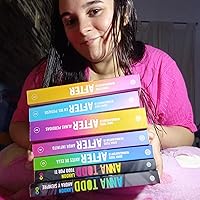
No tenía idea de esta autora hasta que me llamó la atención este libro que vendía una bookstagramer amiga ¿Alguna vez compraron un libro por su portada? ¿Sí? Bueno, a mí me pasó eso. Me llamó la atención sus colores, su tamaño y la cantidad de páginas, porque para mí cuanto más gordito ¡mejor!
Se divide en 4 títulos dentro de los cuales cada uno tiene un índice de cuentos: Autoayuda, Como la vida misma, Pájaros de América, Gracias por la compañía. Ordenados cronológicamente por fecha de publicación.
Más allá de tener casi 1000 páginas la pluma es ágil y engancha así que se lee rápido, es súper manejable y entretenido. Lleva lo cotidiano a lo extraordinario. Tiene una voz muy feminista.
Está bueno salirse de la zona de confort y experimentar, este libro fue todo un desafío. Me dejaba cavilando/dándole vueltas bajo la ducha o durante horas. Además de que requiere de más concentración ya que cada cuento es un una historia distinta, personajes distintos y vidas distintas.
Es una narrativa a la que no estoy acostumbrada pero aún así los cuentos se me hicieron súper entretenidos. Es un libro brillante que recomiendaria sin dudar (de hecho ya lo recomendé).
A continuación les comparto un artículo bastante bien detallado sobre la autora (que me encantó) :
https://www.google.com/amp/s/www.eles...
Y por si les interesa también una reseña completisima en YouTube:
https://youtu.be/X83EJiAfuLI?si=etGT-...
Se divide en 4 títulos dentro de los cuales cada uno tiene un índice de cuentos: Autoayuda, Como la vida misma, Pájaros de América, Gracias por la compañía. Ordenados cronológicamente por fecha de publicación.
Más allá de tener casi 1000 páginas la pluma es ágil y engancha así que se lee rápido, es súper manejable y entretenido. Lleva lo cotidiano a lo extraordinario. Tiene una voz muy feminista.
Está bueno salirse de la zona de confort y experimentar, este libro fue todo un desafío. Me dejaba cavilando/dándole vueltas bajo la ducha o durante horas. Además de que requiere de más concentración ya que cada cuento es un una historia distinta, personajes distintos y vidas distintas.
Es una narrativa a la que no estoy acostumbrada pero aún así los cuentos se me hicieron súper entretenidos. Es un libro brillante que recomiendaria sin dudar (de hecho ya lo recomendé).
A continuación les comparto un artículo bastante bien detallado sobre la autora (que me encantó) :
https://www.google.com/amp/s/www.eles...
Y por si les interesa también una reseña completisima en YouTube:
https://youtu.be/X83EJiAfuLI?si=etGT-...

May 6, 2022
These amiable stories probably work well read aloud by the author to small groups at workshops or bookstore cafes, where the idea is leaving everyone smiling and feeling no smarter or dumber than anyone else. Don't get me wrong. The glue of social cohesion is sometimes just what the doctor, or carpenter, ordered. Far be it from me...
June 26, 2023
Lorrie Moore is a special writer, whose love of word play always adds flavor to her precise, dead-on storytelling about men, women and children, mostly in the 20th Century. "A Gate at the Stairs" is a good novel, but Moore owns the short story form. If you don't know her writing, you are cheating yourself.

July 22, 2008
Only 3 new stories in this U.K. edition (previously published in the New Yorker), but worth it. I couldn't help but reread the old ones too.

December 30, 2012
If I had to keep only one book for the rest of my life, it would be this one. Granted, it's cheating, since it contains multiple volumes in one. But it's that excellent.
January 23, 2021
Noting as I read
“ Agnes of Iowa “ follows a woman on the cusp of disillusioned middle age. Returned to her hometown in Iowa from New York City at thirty she had settled down to the mundane life she was sure didn’t want. When they prove unable to have children the reason for that sort of intimacy is gone. She and her husband have a getaway to NYC but one questions if it helps. She sees what she left and forgets why she did, and he sees that she settled for him.
In “ Amahl and the Night Visitors” we watch a young live in couple’s relationship disintegrate in the month leading up to Christmas. He, working non stop in the titular opera, she obsessed with the news, a new kitten, and her jealously over him is slowly driving him away.
“ Beautiful Grade”is an excellent story. Witty dialogue, some very brilliant observations. A dinner party on New Year’s Eve, a group of college faculty and spouses. Albert, recently divorced for the third time hosts. Bill, public now with his 24 year old grad student girlfriend does not if he should be proud or ashamed but has decided to live in the moment. The conversation is interesting, the ending just a tiny bit too existential
“ Charades “ is a fantastic story. A middle aged woman, a circuit court judge and her tradesman husband join her parents, her siblings and their spouses for Christmas. Games have become part of the tradition. Our family are big game players so I can relate. She describes her parents : Dad, competitive and tense, Mother , proud and a ham when correct. Her siblings are another story. She feels barriers, they have changed and she knows not when. Her husband, a simple roofer who she describes as living dearly but also we read she is having a “ meaningless affair “ because sometimes she needs to be with someone who is “ not dyslexic.” As they prepare to leave her husband acts out his last clue of Charades. He pretends to be lost, he is miming confusion. His card, his card says “ Confucius. “ Dyslexic..Get it?
In “ Childcare” a college girl is seeking part time employment. She applies to be a nanny with several ads and at the last is surprised to find herself being interviewed by a non pregnant woman. It soon comes to pass the woman and her husband ( who we necc be we see) are hoping to adopt. She joins the woman on her first interview with a ankle monitored, rotted toothed pregnant teenager who she still describes as beautiful, and the social worker who has set up the meeting
“ Community Life “ is another story that works exceptionally well on two levels. The story follows a woman who moves to the Midwest to work in a major college library. Her family had emigrated from Romania to Vermont when she was very young. She meets a man who is working on a community political campaign as a manager. He had spent twelve years in prison after a political bombing in the sixties. They move in together and drift apart. The story also works on some great wordplay. She comments on the people he urges her to like “ they were not good people, they were not kind. They played around and lied to their spouses. But they recycled their newspapers.”
When her boyfriend kills a bat in the apartment she regrets it’s death, feels to blame. When asked what he should have done she replies “ I don’t know. Capture it. Rough it up a little.”
Her boyfriends campaign suffers when his candidate is rebuked in the local paper by members of his softball team. Her response “ Well what can you expect from a bunch of grown men who pitch underhand.”
I’m sure it works for me more than most but I think that’s quite clever and enjoyable to fit inside an already entertaining story.
“ Dance in America “ is just wrenching and beautiful at the same time. A woman visits a college friend after years overseas. She teaches dance while he has built a life with a wife and son. The boy has cystic fibrosis and the description of his beauty, innocence and joy is brutal alongside the description of his illness
“ Debarking” didn’t work as well. Divorced man has relationship with Paediatrician with very odd relationship with her sixteen year old son. Does have some funny lines when he, as the only Jewish man, at an Easter friends gathering apologizes for the role of his people in the events of the day’s history
“ Invasion of the Love Killers : Short piece follows a man in love with his nightclub singing building mate
“ Foes” follows an author , most recently of a George Washington biography to a Literary Journal dinner where he finds himself seated next to a Pentagon 9/11 survivor who has nothing g good to say about the potential first black President
“ Four Calling Birds, Three French Hens” is a small story about a woman massively aggrieved, more, she knows, than is realistic, for a wife and mother, by the death of her housecat
“ Go Like This” must be one of the authors earliest stories, dating back to 1980. A woman is dying of cancer, treatment is done, she is failing, and she has made the decision not to linger in front of her husband and daughter. She plans to overdose in her pain medicine
“ How To” is an experiment in form. The narrator describes how to do the many things in her life which take her from meeting a man, living with him, contemplating marriage as well as leaving him.
“ How To Be the Other Woman “ has our narrator describe just that. She a young woman in the city meets and begins a relationship with a married man. In the end she finds out that though he was honest about being married there was one thing he did lie about
“ How To Become A Writer “ continues this story vein. From the early eighties one might assume some autobiographical ideas enter. We follow a woman advising how her life proceeds into college. Entering as a Psychology major she, in her freshman year, gets placed in an elective creative writing class by accident and decides to, for matters of convenience as much as anything, stay in it. It changes her life, though certainly not right away.
“ How To Talk to Your Mother ( Notes) is a very interesting exercise of notes from the years of a woman’s relationship with her Mother. Moving from 1982 at the beginning with her dementia riddled Mother living with her in a rough apartment moving year by year back to her birth in 1939 we see this daughters life unfold
“ The Jewish Hunter” is interesting. A single woman, a poet, has taken a temporary position in a small town college away from the city. Six weeks, a class, a reading or two. While there she meets a friend of a friend and though she finds fault with him she does fall for him. After they have sex he makes a habit of watching Holocaust history videos. Before she leaves to return to the city he tells her he lost his parents in the camps
“ Joy” is an odd story that follows a young woman thru a day taking her cat to the vet, working at a cheese shop in the mall, and reuniting with an old high school friend
“The Juniper Tree” is an oddly supernatural tale. A woman needs to go the hospital to see a dying friend. She resolves not to go late that night but early in the morning. The woman dies in the night. We then see her and a couple friends visit the woman’s house where the dead woman ( with her head attached by a scarf) visits them. This is played for real with no admitting it as a dream sequence
“ The Kids Guide to Divorce” is another different form story. Consisting of notes of how a night with ones Mom progresses with details about popcorn, couch sitting, scary late movies, and most importantly not talking in any detail about the last three days spent at Dad’s house
“ Like Life” didn’t work that well. Following Mamie and Rudy, two late middle aged artistic types living in NYC. Disappointed, disillusioned, there has been some apocalyptic event. It is written in 1989 and set in NYC so makes sense.
“ Paper Losses” continues a run of more mediocre stories. Rafael and Kit, married 14 years with three young children, are seeing the end of their relationship. One strong line to remember “ you could only really understand something if you did not desire it.” Makes strong sense, desire clouds truth like a fog
“ Paris” is a lesser story that follows a married couple on vacation. She is disillusioned, over the story we hear of an argument she and her husband had that led to a physical injury for her. They socioeconomics of Paris are examined peripherally which, in this time of “ essential workers” seems especially significant
“ People Like That Are the Only People Here : A stunning story with a bit of autobiography. A Mother and Father are plunged into the world of childhood cancer when their infant son ( less than two as described) goes thru diagnosis, surgery and beyond. Some memorable lines. “ Courage requires options” implies that parents are on a train of no choice. As they leave her husband says , in talking of the kindness of the other cancer parents about “ how it feels better to be in the same boat.” She states she “ wants out of the boat and never to see any of these people again.”
“ Places to Look For Your Mind “ Melancholy story. A young woman from New Jersey is going to college in England for a year. She offers a room in her parents home to her roommates brother who wants to see America. The Mother picks him up, a 22 year old morose young man named John Spee We learn that her son left home at eighteen, ten years ago, and never returned. When three days into his visit John leaves early one morning with just a note she feels the loss of her son again
In “ Real Estate” we have a story maybe with too much. A woman had cancer. She is now in remission or cured. Her husband had handfuls of affairs but they have moved in together. They buy a new home. It ends up being a money pit. She misses her grown daughter, a successful size 14 ballerina. A man who comes to estimate her lawn has his girlfriend leave him. He starts robbing houses and forcing his victims to sing a song. Our protagonist discovers a homeless teen living in her third floor attic. The song requesting burglar accosts the woman and her husband. She shouts him dead. She goes outside crying in the night realizing in her mind the cancer has returned.
“ Referential “ follows a woman visiting her institutionalized sixteen year old son. Sick for years he is paranoid, delusional, self harming and intelligent.
“Starving Again” shows a man and woman having dinner. He is recently divorced and suffering
“ Subject to Search” shows a couple meeting in Paris sharing a dinner. Now both divorced they had long lusted after each other while married. He has to leave the dinner and their entire rendezvous because he is a government consultant and the Abu Gharhib scandal is about to break
“ A Good Mother” is a heart wrenching tale about a woman, in her early thirties who is involved in a terrible accident that leads to the death of a baby. Even the parents reach out to forgive her. After seven months in solitude in her apartment a close friend insists they get married. They had dated but now she can accompany him to a months long artist in residence colony in the Italian Alps. They grow apart and grow together in this time.
“ Thank You For Having Me “ has a woman and her teenage daughter attending an outdoor wedding of her daughters Former Eastern European nanny that is interrupted by a lost motorcycle gang. Strong quote “ Nickie’s childhood, like all dreams, sharpened artificially into stray vignettes when I tried to conjure it, then faded away entirely.” As a parent of three twenty somethings I can tell you there is no truer statement.
“ To Fill “ Great story. A married woman is having a moment. She has gained more weight than she should. Her husband had an affair the year before. She has started embezzling money at work. Her mother is in the Catholic hospital, feigning ( she feels) senility. And her son is not a toddler anymore and she loves him too much if that’s possible.
The portrayal of the little boy, Jeffrey, here is exquisite. The language, the innocence, the bing bong of the questions from real to fantastical ring so true.
When finally she is fired from work she, while walking home in a smudged mascara daze, sees her husband and five year old son having lunch with the woman he had an affair with. She enters the restaurant, Jeffrey greets her innocently, her husband pales, and Julia is cool as a cucumber. After she stabs her husband she ends up in the same hospital her Mother is in. Her husband refuses to let the boy visit but finally he appears and she hugs him tight.
“ Two Boys “ A young woman in Cleveland date’s two men at once. She brags about it to friends but it’s not really great. # 1 is running for office, is married , with two boys so it’s going nowhere. #2 is morose, kind and clingy. The politician she describes as “ for the redistribution of wealth. He was for cutting defence spending. He was for U.S. out of Latin America. But he’d never given a coin to a beggar. Number Two did that.”
Number Two had his own issues. She didn’t answer his calls one night. He called over and over, hanging up, leaving no message. He calls the next morning saying “ You slept with someone last night, didn’t you?”
She replies “ I wasn’t going to but I kept getting these creepy calls, and I got scared and didn’t want to be alone.”
“ Vissi’di Arte” A playwright has won a three under thirty prize but has been years working on his masterpiece living in the shabby arts district. His physician girlfriend has tired of waiting and left him. When he meets a Tv producer about a script project the producer mines their conversation for his script thereby making his play a plagiarism
“ What is Seized “ is narrated by a woman remembering her parents from her childhood, their separation, and then the backstory told to her by her Mother before she died of what was really going on. Her Mother’s complaint that her Father was cold inside has some repeatedly perfect descriptions of people.
“ What You Want to Do Fine : A man is driving down the Mississippi with his blind live in boyfriend. Separated from his wife and five year old son he met this man at AA and somehow, he doesn’t know how, they are now this, whatever this is.
“ Which Is More Than I Can Say About “ A woman marries a nice, simple, quiet man. She soon is bored and takes a trip to Ireland with her mother.
“ Willing “ A moderately successful actress who once was nominated for a major award has fallen, in her forties, hard times. She leaves LA for Chicago ending up at a residential Days Inn. She meets and dates an auto mechanic who has never heard of her but even he ends up cheating on her
In “ Wings” an almost forty something almost was somebody rock singer washes up in small town Iowa with her equally washed up boyfriend/ guitar player. Walking the dog home from picking up a coffee she meets an elderly man outside his large house. Eventually they become friends, she learns he is a lonely widower. Her boyfriend suggests she be nice to him, maybe the man will leave her something. She is nice to him, genuinely nice, and he does just that.
“ Your Ugly, Too “ follows a mid thirties woman teaching college in the middle of the country to content kids whose parents have given them lots of things. She, unbeknownst to anyone, is dealing with a medical scare when she visits her sister in NYC for an annual Halloween party.
This is a very strong collection
“ Agnes of Iowa “ follows a woman on the cusp of disillusioned middle age. Returned to her hometown in Iowa from New York City at thirty she had settled down to the mundane life she was sure didn’t want. When they prove unable to have children the reason for that sort of intimacy is gone. She and her husband have a getaway to NYC but one questions if it helps. She sees what she left and forgets why she did, and he sees that she settled for him.
In “ Amahl and the Night Visitors” we watch a young live in couple’s relationship disintegrate in the month leading up to Christmas. He, working non stop in the titular opera, she obsessed with the news, a new kitten, and her jealously over him is slowly driving him away.
“ Beautiful Grade”is an excellent story. Witty dialogue, some very brilliant observations. A dinner party on New Year’s Eve, a group of college faculty and spouses. Albert, recently divorced for the third time hosts. Bill, public now with his 24 year old grad student girlfriend does not if he should be proud or ashamed but has decided to live in the moment. The conversation is interesting, the ending just a tiny bit too existential
“ Charades “ is a fantastic story. A middle aged woman, a circuit court judge and her tradesman husband join her parents, her siblings and their spouses for Christmas. Games have become part of the tradition. Our family are big game players so I can relate. She describes her parents : Dad, competitive and tense, Mother , proud and a ham when correct. Her siblings are another story. She feels barriers, they have changed and she knows not when. Her husband, a simple roofer who she describes as living dearly but also we read she is having a “ meaningless affair “ because sometimes she needs to be with someone who is “ not dyslexic.” As they prepare to leave her husband acts out his last clue of Charades. He pretends to be lost, he is miming confusion. His card, his card says “ Confucius. “ Dyslexic..Get it?
In “ Childcare” a college girl is seeking part time employment. She applies to be a nanny with several ads and at the last is surprised to find herself being interviewed by a non pregnant woman. It soon comes to pass the woman and her husband ( who we necc be we see) are hoping to adopt. She joins the woman on her first interview with a ankle monitored, rotted toothed pregnant teenager who she still describes as beautiful, and the social worker who has set up the meeting
“ Community Life “ is another story that works exceptionally well on two levels. The story follows a woman who moves to the Midwest to work in a major college library. Her family had emigrated from Romania to Vermont when she was very young. She meets a man who is working on a community political campaign as a manager. He had spent twelve years in prison after a political bombing in the sixties. They move in together and drift apart. The story also works on some great wordplay. She comments on the people he urges her to like “ they were not good people, they were not kind. They played around and lied to their spouses. But they recycled their newspapers.”
When her boyfriend kills a bat in the apartment she regrets it’s death, feels to blame. When asked what he should have done she replies “ I don’t know. Capture it. Rough it up a little.”
Her boyfriends campaign suffers when his candidate is rebuked in the local paper by members of his softball team. Her response “ Well what can you expect from a bunch of grown men who pitch underhand.”
I’m sure it works for me more than most but I think that’s quite clever and enjoyable to fit inside an already entertaining story.
“ Dance in America “ is just wrenching and beautiful at the same time. A woman visits a college friend after years overseas. She teaches dance while he has built a life with a wife and son. The boy has cystic fibrosis and the description of his beauty, innocence and joy is brutal alongside the description of his illness
“ Debarking” didn’t work as well. Divorced man has relationship with Paediatrician with very odd relationship with her sixteen year old son. Does have some funny lines when he, as the only Jewish man, at an Easter friends gathering apologizes for the role of his people in the events of the day’s history
“ Invasion of the Love Killers : Short piece follows a man in love with his nightclub singing building mate
“ Foes” follows an author , most recently of a George Washington biography to a Literary Journal dinner where he finds himself seated next to a Pentagon 9/11 survivor who has nothing g good to say about the potential first black President
“ Four Calling Birds, Three French Hens” is a small story about a woman massively aggrieved, more, she knows, than is realistic, for a wife and mother, by the death of her housecat
“ Go Like This” must be one of the authors earliest stories, dating back to 1980. A woman is dying of cancer, treatment is done, she is failing, and she has made the decision not to linger in front of her husband and daughter. She plans to overdose in her pain medicine
“ How To” is an experiment in form. The narrator describes how to do the many things in her life which take her from meeting a man, living with him, contemplating marriage as well as leaving him.
“ How To Be the Other Woman “ has our narrator describe just that. She a young woman in the city meets and begins a relationship with a married man. In the end she finds out that though he was honest about being married there was one thing he did lie about
“ How To Become A Writer “ continues this story vein. From the early eighties one might assume some autobiographical ideas enter. We follow a woman advising how her life proceeds into college. Entering as a Psychology major she, in her freshman year, gets placed in an elective creative writing class by accident and decides to, for matters of convenience as much as anything, stay in it. It changes her life, though certainly not right away.
“ How To Talk to Your Mother ( Notes) is a very interesting exercise of notes from the years of a woman’s relationship with her Mother. Moving from 1982 at the beginning with her dementia riddled Mother living with her in a rough apartment moving year by year back to her birth in 1939 we see this daughters life unfold
“ The Jewish Hunter” is interesting. A single woman, a poet, has taken a temporary position in a small town college away from the city. Six weeks, a class, a reading or two. While there she meets a friend of a friend and though she finds fault with him she does fall for him. After they have sex he makes a habit of watching Holocaust history videos. Before she leaves to return to the city he tells her he lost his parents in the camps
“ Joy” is an odd story that follows a young woman thru a day taking her cat to the vet, working at a cheese shop in the mall, and reuniting with an old high school friend
“The Juniper Tree” is an oddly supernatural tale. A woman needs to go the hospital to see a dying friend. She resolves not to go late that night but early in the morning. The woman dies in the night. We then see her and a couple friends visit the woman’s house where the dead woman ( with her head attached by a scarf) visits them. This is played for real with no admitting it as a dream sequence
“ The Kids Guide to Divorce” is another different form story. Consisting of notes of how a night with ones Mom progresses with details about popcorn, couch sitting, scary late movies, and most importantly not talking in any detail about the last three days spent at Dad’s house
“ Like Life” didn’t work that well. Following Mamie and Rudy, two late middle aged artistic types living in NYC. Disappointed, disillusioned, there has been some apocalyptic event. It is written in 1989 and set in NYC so makes sense.
“ Paper Losses” continues a run of more mediocre stories. Rafael and Kit, married 14 years with three young children, are seeing the end of their relationship. One strong line to remember “ you could only really understand something if you did not desire it.” Makes strong sense, desire clouds truth like a fog
“ Paris” is a lesser story that follows a married couple on vacation. She is disillusioned, over the story we hear of an argument she and her husband had that led to a physical injury for her. They socioeconomics of Paris are examined peripherally which, in this time of “ essential workers” seems especially significant
“ People Like That Are the Only People Here : A stunning story with a bit of autobiography. A Mother and Father are plunged into the world of childhood cancer when their infant son ( less than two as described) goes thru diagnosis, surgery and beyond. Some memorable lines. “ Courage requires options” implies that parents are on a train of no choice. As they leave her husband says , in talking of the kindness of the other cancer parents about “ how it feels better to be in the same boat.” She states she “ wants out of the boat and never to see any of these people again.”
“ Places to Look For Your Mind “ Melancholy story. A young woman from New Jersey is going to college in England for a year. She offers a room in her parents home to her roommates brother who wants to see America. The Mother picks him up, a 22 year old morose young man named John Spee We learn that her son left home at eighteen, ten years ago, and never returned. When three days into his visit John leaves early one morning with just a note she feels the loss of her son again
In “ Real Estate” we have a story maybe with too much. A woman had cancer. She is now in remission or cured. Her husband had handfuls of affairs but they have moved in together. They buy a new home. It ends up being a money pit. She misses her grown daughter, a successful size 14 ballerina. A man who comes to estimate her lawn has his girlfriend leave him. He starts robbing houses and forcing his victims to sing a song. Our protagonist discovers a homeless teen living in her third floor attic. The song requesting burglar accosts the woman and her husband. She shouts him dead. She goes outside crying in the night realizing in her mind the cancer has returned.
“ Referential “ follows a woman visiting her institutionalized sixteen year old son. Sick for years he is paranoid, delusional, self harming and intelligent.
“Starving Again” shows a man and woman having dinner. He is recently divorced and suffering
“ Subject to Search” shows a couple meeting in Paris sharing a dinner. Now both divorced they had long lusted after each other while married. He has to leave the dinner and their entire rendezvous because he is a government consultant and the Abu Gharhib scandal is about to break
“ A Good Mother” is a heart wrenching tale about a woman, in her early thirties who is involved in a terrible accident that leads to the death of a baby. Even the parents reach out to forgive her. After seven months in solitude in her apartment a close friend insists they get married. They had dated but now she can accompany him to a months long artist in residence colony in the Italian Alps. They grow apart and grow together in this time.
“ Thank You For Having Me “ has a woman and her teenage daughter attending an outdoor wedding of her daughters Former Eastern European nanny that is interrupted by a lost motorcycle gang. Strong quote “ Nickie’s childhood, like all dreams, sharpened artificially into stray vignettes when I tried to conjure it, then faded away entirely.” As a parent of three twenty somethings I can tell you there is no truer statement.
“ To Fill “ Great story. A married woman is having a moment. She has gained more weight than she should. Her husband had an affair the year before. She has started embezzling money at work. Her mother is in the Catholic hospital, feigning ( she feels) senility. And her son is not a toddler anymore and she loves him too much if that’s possible.
The portrayal of the little boy, Jeffrey, here is exquisite. The language, the innocence, the bing bong of the questions from real to fantastical ring so true.
When finally she is fired from work she, while walking home in a smudged mascara daze, sees her husband and five year old son having lunch with the woman he had an affair with. She enters the restaurant, Jeffrey greets her innocently, her husband pales, and Julia is cool as a cucumber. After she stabs her husband she ends up in the same hospital her Mother is in. Her husband refuses to let the boy visit but finally he appears and she hugs him tight.
“ Two Boys “ A young woman in Cleveland date’s two men at once. She brags about it to friends but it’s not really great. # 1 is running for office, is married , with two boys so it’s going nowhere. #2 is morose, kind and clingy. The politician she describes as “ for the redistribution of wealth. He was for cutting defence spending. He was for U.S. out of Latin America. But he’d never given a coin to a beggar. Number Two did that.”
Number Two had his own issues. She didn’t answer his calls one night. He called over and over, hanging up, leaving no message. He calls the next morning saying “ You slept with someone last night, didn’t you?”
She replies “ I wasn’t going to but I kept getting these creepy calls, and I got scared and didn’t want to be alone.”
“ Vissi’di Arte” A playwright has won a three under thirty prize but has been years working on his masterpiece living in the shabby arts district. His physician girlfriend has tired of waiting and left him. When he meets a Tv producer about a script project the producer mines their conversation for his script thereby making his play a plagiarism
“ What is Seized “ is narrated by a woman remembering her parents from her childhood, their separation, and then the backstory told to her by her Mother before she died of what was really going on. Her Mother’s complaint that her Father was cold inside has some repeatedly perfect descriptions of people.
“ What You Want to Do Fine : A man is driving down the Mississippi with his blind live in boyfriend. Separated from his wife and five year old son he met this man at AA and somehow, he doesn’t know how, they are now this, whatever this is.
“ Which Is More Than I Can Say About “ A woman marries a nice, simple, quiet man. She soon is bored and takes a trip to Ireland with her mother.
“ Willing “ A moderately successful actress who once was nominated for a major award has fallen, in her forties, hard times. She leaves LA for Chicago ending up at a residential Days Inn. She meets and dates an auto mechanic who has never heard of her but even he ends up cheating on her
In “ Wings” an almost forty something almost was somebody rock singer washes up in small town Iowa with her equally washed up boyfriend/ guitar player. Walking the dog home from picking up a coffee she meets an elderly man outside his large house. Eventually they become friends, she learns he is a lonely widower. Her boyfriend suggests she be nice to him, maybe the man will leave her something. She is nice to him, genuinely nice, and he does just that.
“ Your Ugly, Too “ follows a mid thirties woman teaching college in the middle of the country to content kids whose parents have given them lots of things. She, unbeknownst to anyone, is dealing with a medical scare when she visits her sister in NYC for an annual Halloween party.
This is a very strong collection
Displaying 1 - 30 of 86 reviews