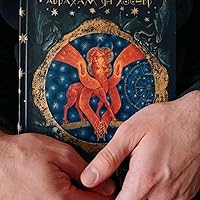
Ο μεγαλύτερος θρησκειολόγος της μεταπολεμικής εποχής στο δεύτερο μισό του 20ου αιώνα και σε παγκόσμια κλίμακα είναι ο ρουμανικής καταγωγής Μιρτσέα Ελιάντε (1907-1986), καθηγητής στη Σορβόννη (1945-1956) και στο Σικάγο (1956-1976), συγγραφέας πολλών βιβλίων μεταφρασμένων στις περισσότερες γλώσσες, εκδότης τριών παγκοσμίου φήμης επιστημονικών περιοδικών και της καλύτερης πολύτομης θρησκειολογικής εγκυκλοπαίδειας (1987) γνωρίζοντας απρόσμενη εκδοτική επιτυχία, έτσι ώστε να κυκλοφορήσει και ως βιβλίο τσέπης με τίτλο "Κόσμος και Ιστορία". Αυτό το αγαπημένο βιβλίο του Μιρτσέα Ελιάντε κρατάτε τώρα στα χέρια σας, το έργο που ο ίδιος συνιστούσε ως την καλύτερη εισαγωγή στη σκέψη του και την πιο έγκυρη σύνοψη του στοχασμού του.
Romanian-born historian of religion, fiction writer, philosopher, professor at the University of Chicago, and one of the pre-eminent interpreters of world religion in the last century. Eliade was an intensely prolific author of fiction and non-fiction alike, publishing over 1,300 pieces over 60 years. He earned international fame with LE MYTHE DE L'ÉTERNAL RETOUR (1949, The Myth of the Eternal Return), an interpretation of religious symbols and imagery. Eliade was much interested in the world of the unconscious. The central theme in his novels was erotic love.
اول سه ستاره دادم، چون بیشتر مطالب کتاب برای من تکراری بود از مطالبی که قبلاً در اسطوره و واقعیت و اسطوره، رویا، راز از الیاده خونده بودم. اما بعد دیدم حق این کتاب چهار ستاره است. چون اگر این کتاب رو قبل از اون دو کتاب می خوندم، قطعاً به همون اندازه از تحلیل های دست اول و جذابش لذت می بردم. کما این که بخش هایی که در این کتاب جدید بود و در اون دو کتاب نیومده بود (مثل توضیح این که حافظۀ جمعی عمر کوتاهی داره، و مردم قهرمان های خودشون رو با قهرمان های اسطوره ای ترکیب می کنن و اعمال اسطوره ای رو بهشون نسبت می دن و به این ترتیب، جاودانه شون می کنن) برام هیجان انگیز و لذت بخش بود. مخصوصاً که مطالب این کتاب منظم تره و نظریۀ اصلی الیاده رو خیلی روشن تر توضیح میده، چون کتاب اصلی الیاده است، نسبت به دو کتاب دیگه که پراکنده ترن. از طرفی شاید همین پراکنده بودن مطالب باعث می شد دو کتاب دیگه متنوّع تر باشن، در نتیجه آدم کمتر احساس خستگی کنه.
کتاب ترجمۀ خوبی داره، به نسبت ترجمه های رؤیا منجم و نصرالله زنگویی. هر چند گاهی سره نویسی های نچسب توی ذوق می زد (مثل "دیسمان" به جای ساختار، یا "بوختارگرایی" به جای منجی گرایی و...).
حین خوندن کتاب خلاصه هایی از نظریۀ اصلی الیاده (بازگشت ابدی) برداشتم، که بدون این که نظمی بهشون بدم اینجا می ذارم. این نظریه رو به شکل کامل تر و منظم تر توی این ریویو نوشتم.
It is always a joy to read a great man's greatest book- and the author himself considered this to be the most significant of all his works. He would expand the central concepts elsewhere, but it is here that they first seem to burst forth. The way he rattles out references and examples with only a line or footnote you get the feeling that he can't be bothered with detailed analysis because he is too caught up with the central ideas and is being swept along with them. It is an infectious enthusiasm.
The central idea here is that for traditional man (man before our brief and temporary modern epoch) no act or object was real if it did not repeat or imitate an archetype. All meaning, all reality, flowed down from above. The goal was to achieve connection through the divine center with the archetype and therefore become one with the god or hero, indeed to abolish profane time itself and be transported into the mythical moment when the original model took place. This wasn't superstitious imitation; it was becoming one with true reality.
Nothing in a traditional society had any reality if it had no connection to the Divine- from buildings, cities, clothing, utensils- or your own life. The goal of life was to find the center of your being in the manner of the great heroes. Through arduous seeking and wandering through the profane and illusory earthly existence one would finally find the center and breakthrough into a life that was real, enduring, and effective.
The ultimate expression of this mode of life and behavior in the West was Platonic philosophy.
In reading this book I could not but wonder if this principle is not at the deepest core of every human being, and the reason why everything "modern" inevitably seems to be so cheap, meaningless, and illusory. Of course I am no academic specialist but rather "the cultivated man" that the author refers to in his foreward...
If I may add one more brief observation, it seems to me that an understanding of the principles of this book are key to an understanding of what 2012 really means. One of the greatest of the cosmic cycles is coming to a close. Mundane time will give way to sacred time. The actual instant of creation comes again- chaos gives way to cosmos. Regeneration is achieved by abolishing past time and reactualizing the cosmogony.
eliade's central premise is that to 'archaic' man an object or act only becomes 'real' insofar as it imitates or repeats an earlier archetype. more than that: man's very experience in the stream of time is altered, shifting from the profane to the sacred, only when he duplicates an earlier archetypical event. to put into a modern context -- a christian who took a sunday off, in replication of god taking the seventh day off, would be thrust into sacred time...
eliade enters into a kind of philosophy of history in which he points out that 'archaic' man existed ahistorically: history, as we understand it, was non-existent; rather a series of events in the present that imitated earlier events/archetypes.
the problem with 'modern' man, as eliade puts it, is that he cannot escape the "terror of history", the tremendous anxiety he feels before the recognition of history and the abandonment of a coherent structure in which all falls into place (does modern man desire a return to eternal return?). 'modern' man struggles to find a means to come to terms with the "suffering and annihilation of so many people for the simple reason that their geographical situation sets them in the pathway of history." modern religion has attempted to give meaning to suffering and historical randomness, as have many thinkers including Marx and, most notably, Hegel with his theory of the "historical moment" and "Universal Spirit". but how to accurately test this kind of stuff? in other words, how the hell can we really ever know if it was the 'tides of history' or 'the universal spirit' that put Hitler in place? we can't.
eliade concludes with an imaginary dialogue between 'archaic' and 'modern' man in which they discuss who is the more free... modern man would surely chastise life as a series of repetitions as less free in that, very simply, man and/or men cannot create his own history. 'archaic' man, on the other hand, could answer that it is 'becoming more and more doubtful that modern man can make history': for either history makes itself or is made by an increasingly smaller number of people. and 'archaic' man could add that if he and his societies were trapped in history, how, then, did they evolve?
سرزمینم را به من بدهید تا در آن برقصم و تبدیل به خدایان شوم!
شاید توانسته باشم این کتاب را در این اظهار نظر خلاصه کنم. گسترش سرزمین و تمدن و رفتار مبهم و زیبای رقص، هر دو نمایندۀ آرمان های انسان ها در طول تاریخ بوده و هست. میرچا الیاده، در کتاب حاضر، با جریان شناسی اسطوره ای و زمانمند سعی در ریشه شناسی باورها و آیین ها دارد. خط فکری وی حول محور اعیاد و جشن ها و باورهای کشورها و اقوام گوناگون می چرخد. «زمان» مهم ترین فاکتور مورد بررسی از نظر وی هست که با دقیق تر شدن و کالبد شکافی فلسفۀ زمان در هر فرهنگ می توان بسیاری از اسطوره ها را رمزگشایی کرد.
الیاده، در پژوهش های خود همیشه بنیادگرایی ویژه ای را منعکس می کند. به این معنا که سعی دارد با رمزگشایی یک آیین از یک کشور و فرهنگ، دیگر باورها را نیز فاکتور بگیرد و فرمول کلی از آن ارائه بدهد. و البته هم باید اقرار کرد که کمتر دچار خبط و خطا می شود. {این کتاب تقریبا بدون هیچ سو برداشت و یا ابهام و خطا تالیف شده است}. برای تایید این نکته باید سراغ مترجم را گرفت که از قضای روزگار یکی از زبان پژوهان و اسطوره پژوهان قَدَر جهان هست. مرحوم «بهمن سرکاراتی» که بدون اغراق هیچ کم از الیاده ندارد. کسانی که با قلم وی آشنایی دارند می دانند که وی یکی از پژوهندگان بسیار موشکاف و مسلط در بحث زبان های باستانی و اسطوره است. به ویژه با احاطۀ بی نظیر بر زبان های بین اللملی و باستانی، به ویژه زبان آلمانی. ترجمۀ سرکاراتی این کتاب را سوای هر ضعف و قوت بسیار آراسته و مزین کرده و ای کاش از این ترجمه ها بیشتر صورت می گرفت.
الیاده، با توجه و تمرکز بر ادیان برجسته (مسیحیت، اسلام و یهودیت) و همچنین ادیان بودا و چند شاخۀ دینی دیگر، به ریشه یابی آیین ها در بستر زمان پرداخته و توسعۀ تمدن را در گرو آرمان های اساطیری انسان برای خلق زایش و تجدید آن می داند. تاسیس هر کشور و یا پدید آمدن هر دین، نشانه ای از خواست انسان برای تجدید جهان است. زمینه های مشترک ادیان در برخی باورها وی را متوجه مشترک بودن باورهای اسطوره ای در آن کرده است. به عنوان مثال، پاداش اخروی کار نیک یادگاری از دین زرتشتی است که در مسیحیت و اسلام انعکاس یافته است. بخش ویژۀ این تحقیق در مورد آیین «نوروز» {نه در معنای منحصر برای عید نوروز ایرانی} است. احاطۀ الیاده بر ادیان و اساطیر شرقی و بخصوص گسترۀ باورهای زروانی و زرتشتی بسیار وسیع است.
هدف از نگارش این کتاب پژوهشی است درباره برخی از جنبه های هستی شناسی کهن و یا به عبارت دقیق تر درباره مفاهیم هستی و واقعیت. آنچنان که مفاهیم مذکور را می توان از طرز رفتار انسان در جوامع کهن استنباط کرد. جوامع کهن یا سنتی هم شامل جهانی است که معمولا از آن با صفت بدوی یاد می شود و هم فرهنگ و تمدن های باستانی آسیا، اروپا و آمریکا را در برمی گیرد.
Mircea Eliade tarih ve dinler hakkındaki eserlerine başlayacaklara ilk olarak Ebedi Dönüş Miti'ni okumalarını önermiş. Kitap tarih felsefesine giriş niteliğinde. Döngüsel zaman kavramı büyük dinler, inanış biçimleri, ayinler, adetler vb. olgulardan örnekler verilerek açıklanmış. Deneme tarzında yazılan kitabın dili oldukça akıcı ve sade. Konudan bihaber olan birisini bile rahatlıkla içine çekebilir. Çeviri de çok güzel. Sırada ne var derseniz, Eliade'nin tüm kitapları. ^.^
لطالما أردت أن أعرف أكثر عن العود الأبدي الذي طرحه كونديرا في رائعته "كائن لا تحتمل خفته"، لم أكن أتوقع أن أجد نفسي أمام كتاب كهذا، مليء بالاساطير المثيرة للاهتمام، وأمام كاتب يكتب بأسلوب مترابط ومفهوم، وأمام مترجم جيد يسهل فهم الكتاب علي.
Francis Fukuyama was a fool. More below. Eliade once again gets to the heart of the problem, the same question children have and adults somehow figure out to live with: how to deal with YOLO (You only live once). In the course of his exposition of the approach of “archaic man” he blows up a few major Christian myths (not directly, but just as the logical conclusion of what he finds, similar to Joseph Campbell), but ends up with the need for a belief in God somehow anyway. But back to Francis Fukuyama. Eliade notes that a basic human need is to solve history, to escape from its inevitable irretrivability … and there you have Francis, with his triumphant "End of History" trying his bestest to help us feel like we are finally through with history, that humanity has (had, in the early 90s, anyway) finally reached the final plateau of the golden age, much like Virgil, trying to reassure the Romans that their wonderful empire would never end, after Emperor Augustus seemingly blows all prior statutes of limitations on the possible sell by date of the Empire, and that same moment, of course, is where Edward Gibbon started his master work, “The Decline and Fall of the ….” Doh!
Основною мотивацією прочитати цю працю Еліаде можна вважати ось цю його цитату:
"Рідко автор буває вдоволений своїм твором, завершеним багато років тому. І все ж я вважаю його — з усіма істотними й неістотними прогалинами — найважливішою з моїх книг. Якщо хтось запитає мене, в якій послідовності краще читати мої праці, я пораджу все ж почати з «Міфу про вічне повернення»."
Далі Еліаде продовжує:
"Якби я не боявся видатися надміру самовпевненим, дав би цій книзі інший підзаголовок — «Вступ до філософії історії», бо саме в цьому полягає головний сенс мого дослідження. Щоправда, я не прагнув іти шляхом умоглядного аналізу історичних явищ, а звернувся до вивчення основоположного уявлення давнього суспільства, яке, хоч і знає певну форму історії, докладає всіх зусиль, аби її уникнути, не брати до уваги. Вивчаючи це традиційне суспільство, особливо впадає у вічі його схильність чинити опір конкретному історичному часові та прагнення періодично повертатися до міфологічного первопочатку, до Великого Часу. Сенс і функції того, що я називаю архетипами й повторенням, стали зрозумілими лише тоді, коли я збагнув прагнення цього суспільства відмовитися від конкретного часу та його ворожість до будь-якої спроби набути автономної історії — історії без архетипового порядку. Це прагнення не приймати історію й бунт проти неї випливають не просто з консервативних тенденцій первісних суспільств. У цьому нехтуванні історією, тобто подіями, що не мають доісторичного прообразу, і в цій відмові від профанного безперервного часу можна вбачати певну метафізичну оцінку людського існування. Проте тут не йтиметься про оцінку людини, хоча від часу відкриття історичної людини в деяких післягегелівських філософських течіях і проводилася думка, що людина існує лише в суспільстві, де вона творить себе в надрах історії. У цьому дослідженні ми не займатимемося вивченням проблеми історії як такої, а обмежимося лише виявленням деяких панівних силових ліній в умоглядному сприйнятті архаїчного суспільства. Однак навіть простий виклад цієї царини знань не позбавлений привабливості — передусім для філософа, який звик знаходити свої проблеми, а також і засоби їх розв’язання в текстах класичних мислителів або в ситуаціях духовної історії Заходу. З усією певністю можна сказати, що західна філософія, якщо взагалі допустиме таке слововживання, може виявитися провінційною, якщо обмежиться вивченням лише власної традиції й, скажімо, омине увагою проблеми та відкриття східної думки. Ба більше, якщо вона визнаватиме лише положення людини історичних цивілізацій і водночас недооцінюватиме досвід первісної людини, що належить до архаїчних суспільств. Філософська антропологія також могла б дещо почерпнути зі з’ясування питання про те, як досократівська людина, інакше кажучи, давня людина, оцінювала своє місце у Всесвіті."
Отже, ціль Еліаде відома - показати мислення та існування людини,яка реалізується себе в рамках архетипних сюжетів, ієрофаній - тобто повторює дії богів та героїв в буденному житті. Звідси й походить його теза про сакральне і профанне і ми розуміємо чому улюбленою фразою, ба навіть мемним словосполученням-паразитом доя Еліаде є "in illo tempore" - "з предковіку". Ось як Еліаде описує взаємодію такої "сатурнівської" людини з Космосом:
"Головна відмінність людини архаїчного й традиційного суспільства від людини сучасної, на яку глибокий відбиток наклав юдео-християнський комплекс, полягає в тому, що перша відчуває себе нерозривно пов’язаною з космосом і космічними ритмами, тоді як сутність другої визначається її зв’язком з історією. Звісно, для архаїчної людини космос також мав свою історію, але, ймовірно, лише настільки, наскільки він був творінням богів і розглядався як утверджений надприродними істотами та міфічними героями. Проте ця історія космосу й людського суспільства — це священна історія, встановлювана й поширювана через міфологію. Ба більше, ця історія може безконечно повторюватися доти, доки міфи правлять за взірці для обрядів, які періодично відтворюють великі події початку часів. Міфи зберігають і передають парадигми, взірці. Наслідуючи їх, здійснюється вся сукупність дій, за які людина бере на себе відповідальність. Силою цих взірцевих прообразів, свідками яких були люди міфічного часу, періодично відтворюються космос і суспільство. "
سيطرت على البشرية اكذوبة قديمة اخذت تتضخم : ان طل شيء يتكرر ولذا يعيش كثير من الناس حيواتهم كما يمليه عليهم المجتمع او الاخرين لاعتقادهم انهم ينفذون المقدر لهم
وحتى قضية الحياة الاولى للبشر في فردوس قبل الخطيئة والطقوس التي كل ماتقوم به هو تدمير الحياة بشكلها الحالي لتولد من جديد على شاكلة الفردوس الاولى
كنت اعتقد ان كراهية الحياة المتجذرة في الاصولية اسلامية فقط لكن يمكن وصفها انها ابراهيمية بالعموم ولاعجب ان ينشد المتطرفيين نهاية العالم لان في نظرهم هم الناجون والعائدون لحياة كاملة مثالية
لفت نظري ان المسيحية حوت لمحة الخلاص بقنل الخطايا والبدء من جديد فقضية الخلاص انهت خطاياهم المطلوب فيها ان يتبعوا الاقدمين وربما هذا احدى مبررات انعتاق متديني الحضارات الاوروبية والغربية
While modern man is primarily an historical being—his life and world grounded with little transhistorical remainder in a succession of concrete, unrepeatable, irrevocable events—archaic man understands history as a “fall” from the real and enduring “paradise of archetypes” into an intolerable condition of chaos, corruption, and ephemerality: one that must be abolished through a ritual repetition of the cosmogony, restoring nature and society to the pure archetypal reality of the mythical before-time—In illo tempore. For the traditional consciousness, time does not exist as a linear progression, but rather as a constellation of “archetypal gestures,” each established in illo tempore by gods, heroes, or a divine race of ancestors; and human activity is only real and meaningful insofar as it participates in these paradigmatic moments.
Thus, to invoke a few examples of a phenomenon ubiquitous in traditional societies, the Yuin people of Australia learned to make their implements from Daramulun, the All Father; the Karuk tribe of California follow in every facet of life the example set by the Ikxareyavs, a quasi-angelic race who lived in the Americas long before them and instituted all their customs, telling them in each instance that “humans will do the same”; New Guinean sailors personify the navigator-hero Aori when they undertake a voyage. Cities, temples, and cultivated lands have their celestial doubles; the wilds do not, as these are emblematic of the welter and waste of pre-creation. The Tabernacle of the Israelites corresponds to a heavenly prototype, as does the earthly Jerusalem, periodically ravaged by foreign enemies, to an everlasting counterpart that, at least in the late biblical imagination, will descend from on high. The conquistadors domesticated the New World by erecting the cross, the axis mundi grounding the cosmic order. Even historical personages are assimilated to myths by the collective memory, losing their individuality and taking on the characteristics of legendary heroes.
Profane doings with no archetypal basis are sins, representative of man’s decline from the ideal and immutable into the particular, the individuated, the transitory—into history, which appears to the archaic mind as a cumulus of guilt to be sloughed off, thereby regenerating the cosmos and the self. This is often accomplished in new year ceremonies, which reenact the defeat of a chaos demon by a god who establishes the created order—Marduk/Tiamat, Re/Apophis, etc.—and which typically feature the confession and annulment of sins, the expulsion of evil spirits and diseases, and a restored communion between the living and the dead; all made possible by the abolition of profane time. The motif of cosmic restoration may likewise be found in rituals pertaining to marriage, childbirth, the founding of a city, and numerous other events critical to communal life.
Eliade asserts that Abrahamic religion pioneered the linear understanding of time familiar to the modern consciousness by positing a God who is not content merely to establish patterns of regenerative behavior, but who reveals himself in concrete historical events. Even the calamities of history become “negative theophanies,” and therefore real and irrevocable. While Abrahamic history is still suspended between the in illo tempore of the beginning and the end, the interval of time has taken on an increasing significance in the modern age. Since Hegel and Marx, the Western mind has endowed history with its own redemptive power—though not completely. Hegel, of course, justified history as the manifestation of a Universal Spirit, echoing the likes of Joachim of Fiore and the Hebrew prophets, while Marx retained a shadowy end-time concept in which the alienating forces that constitute human history as we have heretofore known it would finally be overcome.
For Eliade, history cannot be entirely autonomous: it must stand or fall with its animating Spirit. He ends by suggesting that modern man can only bear the burden of history—now weightier than ever—and transcend “the horizon of archetypes and repetition,” thereby discovering a newfound existential freedom, through a uniquely Abrahamic religious exercise: that of faith.
I read this book at nearly the perfect time, with a great percentage being undertaken around a Christmas/New Year holiday.
The great thing about this book is that it provides a new lens to interpret our own lives while making 'ancient' cultural practices legible, and occasionally more familiar than the relations which we nominally live under.
The primary question this book tackles is: how do we live with respect to history, the events which happen to us? This volume provides four choices:
* to relate all events to those that correspond to some archetype, such that actions recapitulate original activities of venerable figures. In ancient times it might be said that a person would grant particulars no significance, historically burying them in myth. Today, although the removal of specifics is less relentless, individuals engage in archetypical activities such as buying a home or going on vacation, administrative, accounting, and legal documents treat the particulars as though they are parameters in a set information architecture.
* events correspond to the rhythm of some regular cycle for which the particulars do not matter. While ancient people had events of feasting and revelry followed by penance and reorganization, we today have a year of working and building of stocks ended with gift giving, feasting, charitable giving, shopping, and sales, followed by a clearing of stocks and an accounting of tax, the material particulars of each such season mostly economically indistinguishable despite whatever permanent ecological changes entailed.
* historical events are indignities and travails suffered on the way to potential conflict and eventual permanent redemption. Without giving it too much thought, this view seems to remain a unique feature of religion.
* historical events are irreversible changes to one's way of life. This fact was regarded as grand and terrible, appropriate for a book initially written in 1949 given the spectacle of economic volatility and depression, technological war, and atomic destruction. However, making my living in computers, and enjoying the fruit of communications technology and the current bounty of modern agricultural and manufacturing practices, it isn't in a state of terror or decline that I compare my life with my agriculturally-bound ancestors.
This volume, given its age, did not have accessible to it a key theory about how individuals in our current period, and an ongoing basis, cope with history culturally. This theory is post-modernism. The basic argument of the kind of post-modern theory that is relevant is that we should read history critically, with an eye for absences and imbalances, that suggest issues made insignificant by the cultural standards at the time, but unfairly so by our modern standards. Doing so, we expect other readers to do so in the future, interpreting our historical moment according to standards that are not ours, offering a redemption for the forgotten in an interpretive context. This tradition gives us a new archetype, the historically redeemed ahistorical actor, that we create willfully and inevitably embody.
I found this book quite interesting, as I found the other couple of books of Eliade’s that I read interesting. I would basically categorize him as a philosopher of religion. His interpretations of religious traditions and mythology are often as compelling as Jung’s.
In this book, he is discussing the role that cycles of time play in different ancient traditions, I find that topic quite fascinating. I’ve also noted how widespread the idea of cyclical history is in various religions. It is also discussed in Plato. Eliade is right that Christianity and Judaism view time differently than Eastern religions do; that doesn’t necessarily mean that the former refute the idea of cycles. What they do refute is the kind of endless history taught by Buddhism and Hinduism. In Hinduism, there is basically an eternal past and an eternal future. The cycles will go on forever without any change. In Judaism, and especially in Christianity, history has a beginning and an end. Indeed, Christianity sees history as taking part in redemption partially. Nothing like this is found in Eastern religions. They idea that there are cycles though, that often are recapitulative, is not at all denied. Biblical evidence seems to indicate support for such a reading. I’ve often wondered about cyclical cataclysms specifically. Plato talked about that, and the Bible may indicate such a thing as well. While I don’t follow astrology, I do wonder if astronomical signs may indicate cyclical cataclysms.
I look forward to reading more of Eliade. He was quite perceptive and often intuited important themes in religion and mythology.
"Among countless stones, one stone becomes sacred - and hence instantly becomes saturated with being . . . because it commemorates a mythical act . . ." --Eliade, p. 4
Leer a Mircea Eliade siempre es una manera de expandir el conocimiento del mundo y de la civilización mediante los mitos arcaicos y los patrones culturales de las diferentes sociedades. El mito del eterno retorno es uno de sus libros que más me ha gustado. Sintetiza de una manera brillante cómo funciona la historia en las sociedades arcaicas y en las sociedades modernas, cuál es el papel del tiempo y la historia en cada una de ellas, y de qué manera influyen los mitos, ritos y arquetipos religiosos en el devenid de cada una. Una lectura obligada para todo aquel interesado en mitología y antropología.
I found the framework idea of the Archaic thoroughly interesting, though the most valuable section of the book is in the conclusion, where Eliade discusses the consequences for societies that have abandoned the Archaic worldview.
کتابی است با یک سری مجموعه مقالات که به نظرم واسه دوستانی که میخوان در مورد اسطوره و آیین ها مطالعه کنن کتاب بسیار بدی هستش. یه مقاله هم در مورد میمون و گوریل میگه در ضمن نویسنده کتاب هم میرچاالیاده نیست بلکه ایشون یکی دو مقاله داره تو کتاب درکل پیشنهاد نمیکنم
For pre-modern man, the world is filled with suffering. It is a harsh and unforgiving place, in which disease and unpleasant deaths of various kinds are common. This world is essentially caused by history. What I mean by that is that the passage of time causes the continued existence of the world. You could argue that it's the other way around, but for our purposes, it makes no difference. The salient point is that history, time and the world are inextricably connected.
But what if history isn't real? What if this world is just a product of another world that exists beyond linear time? Then all of the suffering that characterises our world isn't real. History would then just be an illusion. Without the passage of time, there would be no history, and with no history, there would be no world, and with no world, there would be no suffering. Essentially, argues Mircea Eliade, this is what many among pre-modern men believed.
In this study, Eliade argues that pre-modern man made sense of the world either by envisaging a path to freedom from history, or by adopting a belief that history itself was illusory. Eliade also argues that this same thinking persists among Utopian thinkers of the modern day, particularly Marxists and Fascists (for example, see Marx's belief in 'the end of history' which will come about free association of labour has been established and the state done away with).
Drawing on a broad variety different cultures, Eliade grounds this theory in Japanese beliefs, Indian beliefs, Judaeo-Christian beliefs, and secular beliefs (among many others). If you're in any way interested in religious studies, it's definitely worth a look, particularly if you're interested in the intepretation of mythology. It's a fairly easy read considering the weight of its subject matter.
ENGLISH: This is the first time I've read this book, although it's not the first book by Eliade that I've read. This book can be considered Eliade's reply to J. Frazer's "The Golden Bough." In contrast to Frazer's theory, which links all the rites of Middle Eastern civilizations to the springtime rebirth of vegetation, Eliade asserts that these rites are frequently a repetition of the story of Creation, according to the cosmogonic myths of each civilization, and that the rebirth of vegetation is then a byproduct of Creation: For traditional man, the imitation of an archetypal model (in this case, Creation) is a reactualization of the mythical moment when the archetype was revealed for the first time..
The last section of chapter 1 (Myth and History) is a very good description with many examples, mostly drawn from the history of Eastern Europe, of how historic characters and feats get converted into mythical stories.
I've found far-fetched some of the arguments Eliade uses to claim that the ideas of primitive man are still at work today. For example, in Chapter 1 he states that taking possession of a new territory was carried out with rites that recalled the transformation of Chaos into Cosmos through the divine act of Creation. He says that when the Spanish and Portuguese conquerors took possession of the islands and continents they had discovered, setting up of the Cross was equivalent to... the consecration of the new country, to a "new birth," thus repeating baptism (act of Creation). In their turn, English navigators took possession of the conquered countries in the name of the King of England, new Cosmocrator. I think both claims are extremely improbable.
Or when he writes: For Christians, medicinal herbs owed their effectiveness to the fact that they were found for the first time on the mount of Calvary. For Christians? I don't think the Church has ever accepted this, which is obviously just a popular belief.
When he applies his ideas to the Hebrew people, who should be most resistant to them, because of their historical view of time, he frequently must resort, not to the Bible, but to Apochrifal Hebrew writings. However, he recognizes the Hebrew difference with other peoples and the appearance of a new way to understand faith and history.
In chapter 3, Eliade recognizes that the Hebrew people was the first to pass from a cyclic idea of time, to a history from a beginning to an end. He offers the suggestion that this is a consequence of monotheism. Further comments about this can be found in this post in my blog: https://populscience.blogspot.com/202...
In the same chapter, Eliade emphasizes the importance of Christianity to free us from many ancient ideas, among them them historical fatality. This is a quote, from the end of chapter 3: Thus Christian thought tended to transcend, once and for all, the old themes of eternal repetition, just as it had undertaken to transcend all the other archaic viewpoints by revealing the importance of the religious experience of faith and that of the value of the human personality.
In the fourth chapter, Eliade quotes amply from Pierre Duhem and Pitirim Sorokin. I have found this part very interesting. Let's look at a quote: If miracles have been so rare since the appearance of Christianity, the blame rests not on Christianity but on Christians.
ESPAÑOL: Es la primera vez que leo este libro, aunque he leído varios libros de Eliade. Este libro puede considerarse la respuesta de Eliade a "La rama de oro" de J.Frazer. Frente a la teoría de Frazer, que relaciona todos los ritos de las civilizaciones de Oriente Medio al renacimiento primaveral de la vegetación, Eliade afirma que esos ritos son a menudo la repetición de la historia de la Creación, según los mitos cosmogónicos de cada civilización, y que el renacimiento vegetal es un subproducto de dicha Creación: Para el hombre tradicional, la imitación de un modelo arquetípico (en este caso, la Creación) es una reactualización del momento mítico en que el arquetipo se reveló por primera vez.
La última sección del capítulo 1 (Mito e Historia) ofrece una descripción muy acertada, con muchos ejemplos sacados principalmente de la historia de Europa Oriental, sobre cómo los personajes y las hazañas históricas se transforman en relatos míticos.
Algunos de los argumentos que utiliza para afirmar que las ideas del hombre primitivo siguen actuando en la actualidad me parecen traídos por los pelos. Por ejemplo, en el capítulo 1 afirma que la toma de posesión de un territorio nuevo se realizaba con ritos que recordaban la transformación del Caos en Cosmos por el acto divino de la Creación. Y dice que cuando los conquistadores españoles y portugueses tomaban posesión de las islas y los continentes que habían descubierto colocando una cruz, equivalía a... la consagración del nuevo país, a un "nuevo nacimiento", repitiendo así el bautismo (el acto de la Creación). A su vez, los navegantes ingleses tomaban posesión de los territorios conquistados en nombre del rey de Inglaterra, el nuevo Cosmocrator. Ambas afirmaciones me parecen extremadamente improbables.
O cuando escibe: Para los cristianos, las hierbas medicinales debían su eficacia al hecho de que fueron descubiertas por primera vez en el monte Calvario. ¿Para los cristianos? No creo que la Iglesia haya aceptado jamás esto, que obviamente es sólo una creencia popular.
Cuando aplica sus ideas al pueblo hebreo, que debería ser el que más se resista a ellas, debido a su concepción histórica del tiempo, con frecuencia debe recurrir, no a la Biblia, sino a escritos hebreos apócrifos. Sin embargo, reconoce la diferencia entre los hebreos y otros pueblos y la aparición de una forma nueva de entender la fe y la historia.
En el capítulo 3, Eliade reconoce que el pueblo hebreo fue el primero en pasar de una concepción cíclica del tiempo a una historia con un principio y un final. Sugiere que esto es consecuencia del monoteísmo. Pueden verse más comentarios respecto a esta idea en este artículo de mi blog: https://divulciencia.blogspot.com/202...
En el mismo capítulo, Eliade subraya la importancia del cristianismo para liberarnos de muchas ideas antiguas, entre ellas la fatalidad histórica. Esta es una cita del final del capítulo 3: "Así, el pensamiento cristiano tendió a trascender, de una vez por todas, los viejos temas de la repetición eterna, del mismo modo que se lanzó a trascender todos los demás puntos de vista arcaicos, al revelar la importancia de la experiencia religiosa de la fe y del valor de la personalidad humana."
En el cuarto capítulo, Eliade cita extensamente a Pierre Duhem y Pitirim Sorokin. Esta parte me ha parecido muy interesante. Veamos esta cita: "Si los milagros han sido tan raros desde la aparición del cristianismo, la culpa no recae en el cristianismo, sino en los cristianos".
أساسي للمهتمين بالاسطورة و التاريخ و الدين، و الأهم انه مركّز و مختصر بدون مقدمات ما الها معنى و حكي بلا طعمة :).. الزمن الدائري التكراري و الزمن المستقيم و سيطرتهما على العقلية البشرية في محاولتها لايجاد المعنى و الصراع مع التاريخ.. كتاب ممتع
ალბათ დამატებით კიდევ 10 წიგნი უნდა წავიკითხო, რომ გავიგო ზუსტად რა და როგორ გავიგე:დდდ უბრალოდ მართლა შესანიშნავი წიგნია განთავისუფლებისთვის, განვითარებისთვის, ახალი, უცხო და ძალიან საინტერესო იდეების გაცნობისთვის, რომელიც შენში აქამდე უცნობ ემოციებს და ფიქრებს ბადებს.
Eliade's thesis is easy enough to sum up -- events in an "archaic person's" life only acquired meaning inasmuch as they emulate an archetypal example performed in mythical time by gods, heroes, whatever. Rituals, naturally, are incredibly important -- given how closely they are modeled after mythical precedenkt, they transport the practitioner to this time before time and imbue them with whatever power was present then. This, of course, leads to a primitive struggle against history; a fixed, linear, unidirectional flow of time can only serve to disrupt the "eternal return" -- the cylical rejuvenation that mythical emulation grants. To back all this up, Eliade takes on with a truly break-neck pace on a survey through all sorts of ancient cultures -- Germanic, Japanese, Sumerian, Greco-Roman, Egyptian, Native American, Babylonian, Australian Aboriginal, &c. He really doesn't run out of examples at any point.
My hesitancy, however, comes in that I still don't know how universal this idea can be. I have read in places (though honestly will probably not follow up on it too much) that this model of valorization simply doesn't apply in all cases (though, then again, what does?) making this more a study of specific myths in specific cultures rather than a description of a premodern psychology. My other two specific issues are with his treatment on the normalization of suffering and the monotheistic creation of history.
I won't go too far into it (just read the book! it's not that long) but I think his claim of a near-universal "understanding" of suffering and its origin is a bit...bold. He spends like half a sentence making a concession regarding the Lokayata tradition but I would like to see a deeper analysis of the many, many more materialist schools of thought in the ancient world.
He also makes a contrast between (many) "polytheistic" (honestly that's almost too narrow -- non-monotheistic is better) beliefs systems and monotheism, specifically ancient Judaism -- in that in the former, gods, heroes, &c. set their example in a mythical time while God actively intervenes in the present day. Thus, for the former, the profane world can only ever be valorized by that emulation of the distant past -- for a monotheist, however, a sense of theophany can be present in everyday life -- so, there's no fear of "history" separating you from the divine. I'm just not so sure I buy the division. Maybe Romans are a bit too "modern" for his analysis but they absolutely believed in their gods' intervention not just in their daily lives but in history on a grand scale, and even with the placement of the divine within profane time (Eliade makes this point regarding ancient Hebrews -- that Moses, at a definite time, at a definite place, received the Ten Commandments from God, making this a divine action in profane time -- but isn't the same true of Numa Pompilius and Egeria?).
This gets somewhat cleared up with his introduction of how the concept of "faith" allows the "historical person" to deal with the terror of history. ...speaking OF...!! The final chapter of this book, "the Terror of History," is maybe the most thought-provoking and inspired Teofilo Ruiz's wonderful monograph of the same title (The Terror Of History: On the Uncertainties of Life in Western Civilization). I would actually suggest reading this book -- at least this chapter -- before delving into Ruiz's work just to know precisely what he's responding to.
Regardless of these aforementioned issues, the book really is a stunning display of his research and will give a deep insight into archaic systems of myth and belief. I strongly recommend it to anyone with any interest in mythology or historical consciousness.
Initially sub-titled "The Philosophy of History," this staggering short read is a probe into humanities' use of time to unconsciously obliterate history, forcing us to mythologize regeneration (the "new' year) in opposition to careful structures for storing historical ideals, models and timelines. Eliade claims history's storage (in text, spoken word) is merely a facade for anyone schooled outside of the deep study of history. Instead, humans store myth and archetypes readily while remain puzzled by facts, perceptions and movements of ideas across centuries. Time is both proof and the operant system to debase the past. Eliade claims actual figures are subsumed in archetypes, readily available to the living to employ as rhetorical answers to present conditions or problems. "Facts" become mutable by needs or desire. A must-read for historians. Examples across early civilization (Sumer-Akkad, Altraic, Babylonian, Greek, Roman) describe the inscribing of myth and the forgotten proofs of real events. Eliade offers real-time examples as well to support his hypothesis. Why do humans desire the myth? Because it supports the archetype more readily. Cosmology, with its designed centers (Rome, Jerusalem) initially AND eventually overtakes history by owning language's mythical structures and sources.
This book serves as a readable introduction to the work of Mircea Eliade, anthropologist of religion and one-time fascist, and to the concept of "time" as it differs between cultures. The primary distinction drawn by the author is between our modern sense of homogeneous (even isotropic, according to some physicists) time proceeding historically through cause and effect and the more common sense, historically and culturally speaking, that time is patterned and repetitive.
This book gave me some small insight into the causal assumptions behind the I Ching and the Bible. It did not much discuss the vagaries of our own lived times, but it certainly spoke to the fact that we don't really experience time as homogeneous. This in turn helped me appreciate the more traditional notions of time represented in the book and to reflect about how the physical sciences have alienated us from our lived experience.
I read this book for a class at Union Theological Seminary--probably Neale's "Religious Symbol" course.
A founding work of the anthropology and history of religion, this book is of considerable interest to historians for Eliade's account of the perception of time in what he describes variously as "archaic" and "pre-modern" cultures. "Primitive" man does not conceive of time as linear and history as a progressive succession of unique events. Instead, "the life of archaic man (a life reduced to the repetition of archetypal acts, that is, to categories and not to events, to the unceasing rehearsal of the same primordial myths, although it takes place in time, does not bear the burden of time, does not record time's irreversibility; in other words, completely ignores what is especially characteristic and decisive in a consciousness of time." The members of primitive culture, therefore, having no sense of history, live "in a continual present" (86). There is no change, no movement, no history, no time. All happenings are recurrences of events recorded in myth; consequently they happened in a primordial, irretrievable past and are simultaneously still happening now. This view, obviously, is the antithesis of the modern view in which time flows irretrievably into an ever-changing future, and history is a continuum of discrete events which are unique and specific.
As an account of primitive cultures, it has likely been superseded. Eliade's own strictures against modern man's historicity are not nearly as persuasive now as they were when written in the wake of hte horrors of the 1940s. But as a depiction of a rival understanding of the nature of time and history, it remains compelling.
In the myth of the Eternal Return, Eliade argues that man being afraid of the unknowns of the future refuses steadfastly to acknowledge the historical nature of time.; that is to say that it advances one-way never turning back. Primitive man found the solution to his dilemma by creating religious rites that constantly return man to his origins thus avoiding the perils of history or linear time. Modern religion (i.e. Christianity) by having Christ exist in history and by promising an imminent, historical end to the world thus fails to deliver to man the comfort of the eternal return to the sources offered by primitive religion. Thus modern man is condemned to live in fear or anxiety. Eliade's theory if nothing else explains the diminishing attendance at many traditional Christian churches and the steadily growing obsession with professional sports which offer all the comforts of primitive religion. Being highly ritualized and highly predictable they perpetually bring man back to his sources. The outcome is identical every year. A championship team is declared at the end of the season that will emerge at the beginning of the next season without its victory laurels but as simply another team competing on equal terms with the others in the league. Because every championship is identical to the founding the championship, the current championship is always the most important. Thus man lives perpetually at the centre of an unchanging time.
In a nutshell, this book concerns the translation of Myth as a way of mans coping with the cruel world and the events therein .To primitive man the only acts that where valid where those that mirrored the actions of the Gods and he frequently wiped his slate clean with frenzied ceremonies,so as to avoid responsibility for his transgressive acts.Modern man developed a more inclusive view of himself where by his experience was/is part of a refinement of the soul and his historic sufferings are lessons on the road to his perfection. The development of these systems is determined by the examination of beliefs sourced from a wide range of ancient texts which when cross referenced form a generalised archaic ontology.The text contains an excessive amount of references and the main points/theories are repeated numerous times, but the length of the book and the information contained within make it quite tolerable for the non-academic to read.The final chapter is particularly illuminating as to the predicament of modern man in respect of his autonomy in a world where history is made by a minority.
My first book by Eliade and in the intro he says this is the place to begin. What a fantastic book, simple yet profound. Even though he writes academically as if he was not Orthodox he grew up in Romania and may have stayed Orthodox, either way, he is very much impacted by it which makes it extremely interesting for us in the West with our objectivity, materialism and hyperrationality. Must read for Orthodox and those interested in symbolism for sure.
Most of the book is explaining the primitive's archetypal religious experience. His main point is explaining what religion used to be like and what it did and how being historical and materialistic has led to modern anxiety and nihilism. Modern man attempted to free himself from superstition and enslaved himself to historical forces he is powerless to control and are blind and seemingly meaningless. Meanwhile the primitive could as Nietzsche say's survive any how because he had a why.
While modern man abhors religious primitive man abhorred the profane. For primitive man an act only has meaning to the degree in which it imitates or repeats the architype. Which makes all profane existence essentially meaningless and it is this profane world we moderns now choose to live in. Which really changes who the "primitives" actually are. Reality is only acquired through participation in the archetype. Which repeats Zack Porcu's thesis and you can see where Peterson's emphasis on story and narrative come from. For an act has meaning based on factors that are above and outside the act itself.
For Eliade there are essentially three takes on history. The first is the primitive archetypal which is essentially circular and constantly repeats itself and renews itself making it essentially anti-historical as history gets constantly abolished. The second one he talks about he does so very briefly and I would have liked if he treated it the same as the first but it's essentially just a variation of the first one. There a periods in history, normally four like golden, silver, bronze and iron is a popular one. Each period get's worse and decays until the cycle is renewed so basically making it a more drawn out version of the first.
The historical perspective arose with the Israelites of the Old Testament. God was no longer a myth that could be repeated but was someone who acted in history, such as giving Moses the law. History became linear instead of circular, moving towards events such as the coming of the Messiah. However, the historic view that was brought by Christianity still had meaning due to faith and events being defined by transcending meanings. What has happened since the enlightenment and the dawn of materialism is we have history without being able to refer to the spiritual realm at all in order to understand what befalls us and while we are free in theory to "make history" in practice only the person at the top or the few who rule can make history, the rest of us become slaves of history without any free will. Eliade points out that the Christian with faith can subvert any natural law through miracles and thus has freedom and also meaning. Also the Christian instead of renewing the cosmos in the archetypal circular myth, the Christian, through repentance can renew himself.
Notes:
pg. 4 "Objects or acts acquire a value, and in so doing become real, because they participate, after one fashion or another, in a reality that transcends them."
pg. 5 "The crude product of nature, the object fashioned by the industry of man, acquire their reality, their identity, only to the extent of their participation in a transcendent reality."
pg. 20 "The theory that these rites imply comes down to this: nothing can endure if it is not "animated," if it is not, through a sacrifice, endowed with a "soul"; the prototype of the construction rite is the sacrifice that took place at the time of the foundation of the world."
pg. 21 "Thus the gods did; thus men do (Taittiriya Brahmana)"
pg. 22 "It is useless to multiply examples; all religious acts are held to have been founded by gods, civilizing heroes, or mythical ancestors."
pg. 23 "The litury is precisely a commemoration of the life and Passion of the Savior. We shall see later that this commemoration is in fact a reactualization of those days."
pg. 34 "Thus, reality is acquired solely through repetition or participation; everything which lacks an exemplary model is "meaningless," i.e., it lacks reality.
"Hence it could be said that this "primitive" ontology has a Platonic structure; and in that case Plato could be regarded as the outstanding philosopher of "primitive mentality," that is, as the thinker who succeeded in giving philosophic currency and validity to the modes of life and behavior of archaic humanity."
pg. 43 ""If certain epic poems preserve what is called "historical truth," this truth almost never has to do with definite persons and events, but with institutions, customs, landscapes."
pg. 46-47 Individuality is forgotten in favor of the archetypal meaning.
pg. 78 "The builders of the Temple not only constructed the world; they also constructed cosmic time."
pg. 86 "Like the mystic, like the religious man in general, the primitive lives in a continual present."
pg. 91 "Hence it is more probable that the desire felt by the man of traditional societies to refuse history, and to confine himself to an indefinite repetition of archetypes, testifies to his thirst for the real and his terror of "losing" himself by letting himself be overwhelmed by the meaninglessness of profane existence."
pg. 96 Ancient religions did not value suffering as purification as Christianity does but it did provide meaning to suffering even if it didn't value it.
pg. 98 "But the important point for us is that nowhere - within the frame of the archaic civilizations - are suffering and pain regarded as "blind" and without meaning."
pg. 149 Talks about Marxism.
pg. 158 "Only, the East does not accept the destiny of the human being as final and irreducible. Oriental techniques attempt above all to annul or transcend the human condition." Father Strickland would say the West is since the Roman schism afflicted with an unreadable pessimism towards man.
Eliade describes and interprets various archaic notions of time and history based on his wide reading in mythology, anthropology and religion. In the latter part of the book, he comments on some modern conceptions of history, including the Christian and the Hegelian.
In his Preface, Eliade writes "I consider it the most significant of my books; and when I am asked in what order they should be read, I always recommend beginning with Cosmos and History.
The style is scholarly, dense with references to other texts both ancient and contemporary to Eliade, and yet accessible as Eliade writes clearly and substantiates his argument with many examples.