

What do you think?

The Best of The Spirit
Presents a collection of twenty-two Spirit stories from 1940-1950, featuring the adventures of Eisner's famous crime fighter.
185 pages, Paperback
First published November 1, 2005
About the author
Will Eisner
762 books548 followersWilliam Erwin Eisner was an American cartoonist, writer, and entrepreneur. He was one of the earliest cartoonists to work in the American comic book industry, and his series The Spirit (1940–1952) was noted for its experiments in content and form. In 1978, he popularized the term "graphic novel" with the publication of his book A Contract with God. He was an early contributor to formal comics studies with his book Comics and Sequential Art (1985). The Eisner Award was named in his honor and is given to recognize achievements each year in the comics medium; he was one of the three inaugural inductees to the Will Eisner Comic Book Hall of Fame.
Ratings & Reviews
Friends & Following
Create a free account to discover what your friends think of this book!
Community Reviews
Displaying 1 - 30 of 128 reviews

August 22, 2017
First I didn't enjoy these stories. There were flat and not interesting. But to the end I began to love them. You got more depth in them and they became more suspenseful during the tales. Also I liked the originality in the drawing style. The had the flavour of old fourties- and fifties films, which I like so much. My conclusion is that actually I loved them.

November 9, 2015
There was no one like Will Eisner during the golden age -and even during the subsequent ones - of American comics. He was the quintessential, fearless innovator who almost single-handedly propelled the craft of sequential storytelling (he coined the term) to formerly undreamt of heights. In the late seventies, he gave birth to the concept of the 'graphic novel', and was a staunch defender of its artistic merits throughout the rest of his career. Quite rightly, he is considered an iconic character in comics history.
From a modern perspective, his Spirit tales from the forties and fifties might seem queer, slightly dated, even outrageously naive. They definitely are, but an argument can be made that that is exactly their strength. There's a charming, sweet innocence to them, even though murder is a recurring element in these strips, and many tales have tragic or melancholic endings.
Visually, however, they feel eerily modern. Eisner had this wonderful, oversized toolbox of stylistic techniques to draw from, some derived from the cinema he loved: ingenious cover spreads, fluent, non-restrictive use of panel grids, subjective viewpoints, dynamic "camera" angles, dramatic lighting, all techniques that previously did not exist in comics at all, or in a very minimal manner. Still very impressive work an odd 65 years later.

Yet, for all these merits I can't bring myself to go any higher than a 3 star rating on this one. Whilst one has to admire the artistic skill, the stories themselves didn't quite manage to hit me on a gut level, with a couple of notable exceptions ( "The Story of Gerhard Shnobble" being especially poignant). This is to be expected from such an old comic directed at children however. By its very nature, it is formulaic. Former detective Denny Colt (The Spirit) isn't a terribly exciting character either. He's more of a vehicle through which Eisner could tell stories about ordinary, heavily flawed people, which is the creative side of him I appreciate the most.
It's fascinating to see where a master started honing his craft, though. There is a very clear evolution noticeable in this collection. To experience him at the very peak of his abilities however, I would recommend The Contract With God Trilogy: Life on Dropsie Avenue and Will Eisner's New York: Life in the Big City. Essential for any lover of the artform.
From a modern perspective, his Spirit tales from the forties and fifties might seem queer, slightly dated, even outrageously naive. They definitely are, but an argument can be made that that is exactly their strength. There's a charming, sweet innocence to them, even though murder is a recurring element in these strips, and many tales have tragic or melancholic endings.
Visually, however, they feel eerily modern. Eisner had this wonderful, oversized toolbox of stylistic techniques to draw from, some derived from the cinema he loved: ingenious cover spreads, fluent, non-restrictive use of panel grids, subjective viewpoints, dynamic "camera" angles, dramatic lighting, all techniques that previously did not exist in comics at all, or in a very minimal manner. Still very impressive work an odd 65 years later.
Yet, for all these merits I can't bring myself to go any higher than a 3 star rating on this one. Whilst one has to admire the artistic skill, the stories themselves didn't quite manage to hit me on a gut level, with a couple of notable exceptions ( "The Story of Gerhard Shnobble" being especially poignant). This is to be expected from such an old comic directed at children however. By its very nature, it is formulaic. Former detective Denny Colt (The Spirit) isn't a terribly exciting character either. He's more of a vehicle through which Eisner could tell stories about ordinary, heavily flawed people, which is the creative side of him I appreciate the most.
It's fascinating to see where a master started honing his craft, though. There is a very clear evolution noticeable in this collection. To experience him at the very peak of his abilities however, I would recommend The Contract With God Trilogy: Life on Dropsie Avenue and Will Eisner's New York: Life in the Big City. Essential for any lover of the artform.

January 5, 2021
This volume collects twenty-two Sunday newspaper supplements of eight-page Spirit stories, with a nice Neil Gaiman introduction. The first two are from 1940 and 1941 and introduce the characters, and the rest range from 1946-1950. The title page includes an extremely impressive list of artists and writers who assisted Eisner on the strip over the years, including Lou Fine, Joe Kubert, Manly Wade Wellman, Wallace Wood, and on and on. The art really is quite striking, especially the opening splash pages, and it's easy to see that Eisner was an amazing innovator, skilled in using the medium to enhance the story, and it's interesting to note the influence he had on the field and the form in subsequent years. I'll have to admit being just a little disappointed that the stories weren't better than I found them to be; I've read so many endorsements and recommendations from so many people over the years that my expectations weren't realistic. While the female characters are almost all well portrayed, both lovely and interesting, the titular Denny Colt is kind of bland and we never learn much about him. Many of the plots are a little simplistic, which I suppose one must expect from a short eight page story. Still, it was an enjoyable read, the style and art is fascinating, and The Spirit is inarguably a seminal influence on modern sequential art. (Trivia: Eisner is credited with coining the term "graphic novel.")

April 18, 2014
Well put together and succinct stories that showcase Eisner's innovative style. The changes in point of view and the overall inventiveness regarding the plot lines are impressive, not to mention the beautiful line work and striking colours. I'm actually completely in awe with the visuals of the 1940s and 1950s comics, and when you add up Eisner's style of story telling, it all comes together to near perfection. I also loved that Eisner doesn't just settle into the one urban setting, but takes the reader into the shadowy streets of Istanbul among other things.
Of course, there's the racism that no one can ignore, but unfortunately that kind of backwardness can be expected from the time period. I have issues with the female characters as well, since they seem to be there only to exemplify the Spirit's amazing qualities. For example, in the story where we meet Satin for the first time, she seems to scream independence and awesomeness. Apparently, Spirit is such a dapper hunk, that Satin soon forgets to be sensible and refuses to kill the Spirit. Obviously it won't do that the Spirit is killed, but the way the conclusion is reached is absolutely ridiculous. In my opinion a femme fatale is not a femme fatale if she's enslaved by men's charms.
Despite the problems, this is an entertaining read and the Spirit is definitely interesting as a character. Eisner seemed to have such passion for the comic book form that it shows in his stories, and I can imagine they can handle multiple reads as well. The outlandish main characters (an alien agent, a flying man, a toy machine gun etc.) demonstrate that Eisner also had a certain playfulness, and that you can expect almost anything from him. Out of all the villains the Octopus appears to be the most intriguing (at least based on this selection). Only his gloves are clearly visible, so because he doesn't show his real face, he's probably able to infiltrate all areas of the society and to reach his tentacles effectively into the life of crime.
For a great view on Eisner's work I strongly recommend this essay.
Of course, there's the racism that no one can ignore, but unfortunately that kind of backwardness can be expected from the time period. I have issues with the female characters as well, since they seem to be there only to exemplify the Spirit's amazing qualities. For example, in the story where we meet Satin for the first time, she seems to scream independence and awesomeness. Apparently, Spirit is such a dapper hunk, that Satin soon forgets to be sensible and refuses to kill the Spirit. Obviously it won't do that the Spirit is killed, but the way the conclusion is reached is absolutely ridiculous. In my opinion a femme fatale is not a femme fatale if she's enslaved by men's charms.
Despite the problems, this is an entertaining read and the Spirit is definitely interesting as a character. Eisner seemed to have such passion for the comic book form that it shows in his stories, and I can imagine they can handle multiple reads as well. The outlandish main characters (an alien agent, a flying man, a toy machine gun etc.) demonstrate that Eisner also had a certain playfulness, and that you can expect almost anything from him. Out of all the villains the Octopus appears to be the most intriguing (at least based on this selection). Only his gloves are clearly visible, so because he doesn't show his real face, he's probably able to infiltrate all areas of the society and to reach his tentacles effectively into the life of crime.
For a great view on Eisner's work I strongly recommend this essay.

March 28, 2013
The best part of Will Eisner’s The Best of the Spirit, is, of course, Neil Gaiman’s introduction. It is as amazingly written as any of Neil Gaiman’s commentary and taught me about the history of comics and Eisner’s contribution. While Eisner is no Gaiman (who is?), the collection makes clear why he is long been considered a master and forefather of the medium.
Because Eisner began with the newspaper strip, the dimension he was restricted to forced him to get creative within the spatial boundaries. He manipulates the size and shape of panels to suggest time and mood. He allows his characters to struggle with moral decisions that are not black and white, while adding twists to his plots and surprises that often allow fate to hand out the deserving consequences.
Most importantly, of course, the strips are still entertaining, in the twenty-first century. For art to remain relevant is the greatest test of its quality, and Eisner remains relevant today, and will retain his relevance.
Because Eisner began with the newspaper strip, the dimension he was restricted to forced him to get creative within the spatial boundaries. He manipulates the size and shape of panels to suggest time and mood. He allows his characters to struggle with moral decisions that are not black and white, while adding twists to his plots and surprises that often allow fate to hand out the deserving consequences.
Most importantly, of course, the strips are still entertaining, in the twenty-first century. For art to remain relevant is the greatest test of its quality, and Eisner remains relevant today, and will retain his relevance.

November 22, 2021
I had not read anything by Will Eisner, so in order to know the master after whom the prize is named I got this volume from the library and enjoyed very much its noir fiction stories. They are well constructed, the cast of characters is varied and interesting, and of course, the art is wonderful.

September 27, 2020
The stories in this were not my cup of tea but the art was fantastic, innovative and way ahead of its time.

July 16, 2015
After enjoying the Contract With God Trilogy, I sought out some more of Will Eisner's work. His most popular hero is The Spirit, whose stories appeared as a Sunday edition insert in many newspapers from 1940 to 1952. In subsequent decades, stories would appear here and there in comic book format. The character has a long history and is an early comic book hero. He's not quite a superhero, though. Police Detective Denny Colt is presumed dead and buried but he was really in a sort of coma. He came out of the grave and decided to become a crime fighter who could work just outside the law. He informed Police Commissioner Dolan of his secret identity, then put on his dark blue suit, hat, and mask and began fighting crime as The Spirit. This collection of stories is from the 1940s and 1950s.
The stories run a wide range of themes and styles. Some are straight up crime or noir dramas. Some are comedies, horrors, and romances (with one science fiction story!). Occasionally, the stories don't even have The Spirit in them or he is an extremely peripheral character. The style is often experimental. One story has two parallel narratives each in its own column. Another story is told through the eyes of one character with each panel showing the outline of his eyes as he sees the scene.
They are all interesting to read. My favorites were "The Christmas Spirit" where Santa sneaks into jail and gives a con one wish that turns out surprisingly well for the con and the reader; "Two Lives" where an escaped convict gets to swap lives with a harried husband with wistfully comic results; and "The Story of Rat-Tat, the Toy Machine Gun" where a department store heist brings a toy tommy gun into the lives of a gang and a child who wants to join the gang.
I highly recommend this book for comic fans and action fans and those who love good storytelling.
The stories run a wide range of themes and styles. Some are straight up crime or noir dramas. Some are comedies, horrors, and romances (with one science fiction story!). Occasionally, the stories don't even have The Spirit in them or he is an extremely peripheral character. The style is often experimental. One story has two parallel narratives each in its own column. Another story is told through the eyes of one character with each panel showing the outline of his eyes as he sees the scene.
They are all interesting to read. My favorites were "The Christmas Spirit" where Santa sneaks into jail and gives a con one wish that turns out surprisingly well for the con and the reader; "Two Lives" where an escaped convict gets to swap lives with a harried husband with wistfully comic results; and "The Story of Rat-Tat, the Toy Machine Gun" where a department store heist brings a toy tommy gun into the lives of a gang and a child who wants to join the gang.
I highly recommend this book for comic fans and action fans and those who love good storytelling.

November 1, 2014
The collected stories are unsurprisingly of varying quality, the earlier ones being especially unremarkable, but Eisner's talent really begins to come through around 1946. His command of the panels is still stunning and his framing is as good as any film noir director's. The writing may be largely unmemorable but the storytelling and concepts are unique and everything else from the coloring to the typography is more than impressive. In many respects Eisner still goes unmatched to this day.

February 5, 2019
Never a dull moment: I've read and reread these stories so many times since encountering them in the 1970s reprint The Spirit magazine from Warren Publishing. The color here is fine, and should draw new readers. That is, if these classic stories are still in print!
Who has the license now that DC has ceased The Spirit reprints? The same publishers churning out new pastiches? That's ok, but these are The Stuff.
I think each generation will find in Eisner's The Spirit the big fun comics that comics can be. I think the blurb that this is comics' Citizen Kane diminishes this achievement: this is storytelling in words and pictures with no peer.
Highest recommendation.
Who has the license now that DC has ceased The Spirit reprints? The same publishers churning out new pastiches? That's ok, but these are The Stuff.
I think each generation will find in Eisner's The Spirit the big fun comics that comics can be. I think the blurb that this is comics' Citizen Kane diminishes this achievement: this is storytelling in words and pictures with no peer.
Highest recommendation.

October 14, 2025
Nota 6.
Pra época era revolucionário e cinematográfico. Inspirando diversos artistas. E é muito difícil avaliar atualmente essas histórias, que se tornam bobas e racistas que só. O racismo é tão grande q tive vergonha de ler umas partes em público.
Os desenhos eram ok, pra época. As cores tbm.
Pra época era revolucionário e cinematográfico. Inspirando diversos artistas. E é muito difícil avaliar atualmente essas histórias, que se tornam bobas e racistas que só. O racismo é tão grande q tive vergonha de ler umas partes em público.
Os desenhos eram ok, pra época. As cores tbm.

September 2, 2014
The Spirit Of Comics
It’s like a Masters Class in what can be done, what is possible, that the page is wide open.
And it was all unleashed on the world decades and decades ago.
Will Eisner provided the lessons and The Spirit was his awesome tool. As the volume The Best Of The Spirit, published by DC Comics, shows so well.
The legendary writer/artist had a long and illustrious career in and out of the comics industry. Before he passed away in 2005 at age eighty-eight, Eisner had not only in 1940 created, perfected, and dazzled us with several years worth of The Spirit, but had entered various other creative and commercial fields in the years and years after.
In 1978 he returned full force to the comics world with his amazing graphic novel A Contract With God, with several more works including The Building appearing from his pen over time. Eisner also graced us with his wisdom on the medium in the textbook like Comics And Sequential Art in 1985.
But all that was later. So lets start at the almost beginning of Eisner, who as a young cartoonist had already produced comics here and there. Will Eisner had an idea and managed to parlay it into a prized newspaper strip of adventure. Running every weekend as several full pages in four colour glory, The Spirit soared in popularity as Eisner grew and grew with his concept.
The Spirit is the tale of private investigator Denny Colt who is supposedly killed while on a case. But Denny survived, straightened up his natty blue suit, plopped back on his cool 1940’s hat, and as a final touch put a small mask over his eyes. Thus was born The Spirit.
The first story in this volume reprints this tale, and we get to witness the roughness of Eisner’s start with writing, layout, and art.
The story is told and the stage is set. And The Spirit shall make criminals pay in his fair city!
Every few pages another story is showcased, chronologically in publishing order, and we see not only The Spirit having great cases and fun and drama and poignant morality lessons, but also the evolution of the creator into something more, something different.
Eisner plays with the form in all different ways. From the inclusion of a splash page where building and objects interact with the features name or the stories title being incorporated all together, to panel layouts morphing all about, to the camera angles switching about very cinematically. Eisner takes full advantage of every possible storytelling concept to tell his tales in a gripping and interesting manner.
And what tales they are. Sometimes, and early on mostly, Eisner gives crime stories that are abit more standard fare, and later on in the run provides interesting twists to juice us with surprise endings. The Spirit as it went on played with the idea of having Denny Colt barely showing up in his own stories and becoming pivotal with a bystanders life while stopping crime. Other times, a wandering citizen would inadvertently help The Spirit, with the audience having no idea how our hero got into his dangerous predicament. It is obvious to even the casual reader that Eisner was very well read and learned.
Some of my favourites from this collection are The Story Of Gerhard Shnobble, which causes a certain sadness, The Story Of Rat-Tat The Toy Machine Gun, that makes you cheer, and Ten Minutes, that has tragedy upon tragedy.
Getting through this book is hazardous to your comics enjoyment, since you will see the potential of words and pictures together. Then you will read a standard everyday comic of today or yesterday. And wonder why they did not try harder.
It is not fair I know, but Will Eisner provokes that feeling.
It’s like a Masters Class in what can be done, what is possible, that the page is wide open.
And it was all unleashed on the world decades and decades ago.
Will Eisner provided the lessons and The Spirit was his awesome tool. As the volume The Best Of The Spirit, published by DC Comics, shows so well.
The legendary writer/artist had a long and illustrious career in and out of the comics industry. Before he passed away in 2005 at age eighty-eight, Eisner had not only in 1940 created, perfected, and dazzled us with several years worth of The Spirit, but had entered various other creative and commercial fields in the years and years after.
In 1978 he returned full force to the comics world with his amazing graphic novel A Contract With God, with several more works including The Building appearing from his pen over time. Eisner also graced us with his wisdom on the medium in the textbook like Comics And Sequential Art in 1985.
But all that was later. So lets start at the almost beginning of Eisner, who as a young cartoonist had already produced comics here and there. Will Eisner had an idea and managed to parlay it into a prized newspaper strip of adventure. Running every weekend as several full pages in four colour glory, The Spirit soared in popularity as Eisner grew and grew with his concept.
The Spirit is the tale of private investigator Denny Colt who is supposedly killed while on a case. But Denny survived, straightened up his natty blue suit, plopped back on his cool 1940’s hat, and as a final touch put a small mask over his eyes. Thus was born The Spirit.
The first story in this volume reprints this tale, and we get to witness the roughness of Eisner’s start with writing, layout, and art.
The story is told and the stage is set. And The Spirit shall make criminals pay in his fair city!
Every few pages another story is showcased, chronologically in publishing order, and we see not only The Spirit having great cases and fun and drama and poignant morality lessons, but also the evolution of the creator into something more, something different.
Eisner plays with the form in all different ways. From the inclusion of a splash page where building and objects interact with the features name or the stories title being incorporated all together, to panel layouts morphing all about, to the camera angles switching about very cinematically. Eisner takes full advantage of every possible storytelling concept to tell his tales in a gripping and interesting manner.
And what tales they are. Sometimes, and early on mostly, Eisner gives crime stories that are abit more standard fare, and later on in the run provides interesting twists to juice us with surprise endings. The Spirit as it went on played with the idea of having Denny Colt barely showing up in his own stories and becoming pivotal with a bystanders life while stopping crime. Other times, a wandering citizen would inadvertently help The Spirit, with the audience having no idea how our hero got into his dangerous predicament. It is obvious to even the casual reader that Eisner was very well read and learned.
Some of my favourites from this collection are The Story Of Gerhard Shnobble, which causes a certain sadness, The Story Of Rat-Tat The Toy Machine Gun, that makes you cheer, and Ten Minutes, that has tragedy upon tragedy.
Getting through this book is hazardous to your comics enjoyment, since you will see the potential of words and pictures together. Then you will read a standard everyday comic of today or yesterday. And wonder why they did not try harder.
It is not fair I know, but Will Eisner provokes that feeling.
March 24, 2014
Will Eisner is one of the great writers of American short fiction. He just so happened to publish his stories with illustrations and included a superhero by the name of The Spirit in them. It's a shame he's not as well regarded in the world of literature as a whole for his work, simply because they were done in the funny pages.
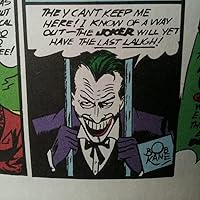
The Spirit is required reading for any comic aficionado and when you glimpse those pages, it becomes clear why. The Spirit seems so much more than just a Golden Age masked hero comic. Eisner was writing beautiful and succinct short stories that spanned every genre, from romance and comedy to mostly crime and noir. But each of them stand on their own and have a rich impact. His post-WWII work seems to especially show a graceful pen (both storytelling- and illustrating-wise) dedicated to writing stories about the human condition. The works of Bob Kane and Jerry Siegel of the era, as important as they may be, seem stale and hacky, in comparison. And that's saying something.
All of which means The Best of the Spirit is a stupendous collection. Covering mostly his post-WWII work (Eisner left The Spirit to fight in the war, being filled in by Lou Fine and even Manly Wade Wellman, among others), the collection gives a dazzling display of some of Eisner's finest Spirit short stories. The coloring is particularly incredible and it's Eisner's use of perspective that separated him from the rest at the time. The stories themselves are all wonderful and give you a real appreciation of his 7-page storytelling style.
Since the only other way to read original Spirit comics is via the very expensive Archives issued by DC, I'd say this is a perfect alternative for those who can't spend well over $1000 for the complete run. Highly recommended.
The Spirit is required reading for any comic aficionado and when you glimpse those pages, it becomes clear why. The Spirit seems so much more than just a Golden Age masked hero comic. Eisner was writing beautiful and succinct short stories that spanned every genre, from romance and comedy to mostly crime and noir. But each of them stand on their own and have a rich impact. His post-WWII work seems to especially show a graceful pen (both storytelling- and illustrating-wise) dedicated to writing stories about the human condition. The works of Bob Kane and Jerry Siegel of the era, as important as they may be, seem stale and hacky, in comparison. And that's saying something.
All of which means The Best of the Spirit is a stupendous collection. Covering mostly his post-WWII work (Eisner left The Spirit to fight in the war, being filled in by Lou Fine and even Manly Wade Wellman, among others), the collection gives a dazzling display of some of Eisner's finest Spirit short stories. The coloring is particularly incredible and it's Eisner's use of perspective that separated him from the rest at the time. The stories themselves are all wonderful and give you a real appreciation of his 7-page storytelling style.
Since the only other way to read original Spirit comics is via the very expensive Archives issued by DC, I'd say this is a perfect alternative for those who can't spend well over $1000 for the complete run. Highly recommended.

September 14, 2014
This is apparently where comic strips grew up (yeah, they say that about dozens of strips, I know). However, Eisner has both beautifully sinuous use of layout, a wonderfully active drawing style and a brevity of storytelling that packs more into 6 pages than most comics books do into 26 pages.
This anthology tries to act as an introduction to Eisner's Spirit work - there are two tales from before WW2 (the introduction of The Spirit and the introduction of Silk Satin - these are fun, but they don't show what made The Spirit so influential, they stick to a rigid panel layout and the drawing and the storytelling is stilted and perfunctory. However, once Eisner returns from the war, the strip flourishes - his deft imagination crafts tales through which the eponymous hero floats as sometimes no more than what Alfred Hitchcock called a McGuffin - a distraction, while the real story goes on among the supporting characters: a shoot out in a bank, while a passer by shows he was born able to fly, before being shot out of the sky before anyone notices; a talking toy machine gun that becomes the hero in a tale told like an ABC child's primer; an alien leaving for its home planet, disguised as a mundane meteorologist.
There are problems; the early strips suffer from the same kind of racist stereotypes that Tom & Jerry cartoons had and Eisner's main characters are pretty one-dimensional - The Spirit never develops as a character and his women are always Femme Fatales .... although having said that, I can't think of another comic book artist who drew more seductive femme fatales than Eisner, one look at P'Gall will tell you that.
Well worth a read if you're dipping into classic comic strips
This anthology tries to act as an introduction to Eisner's Spirit work - there are two tales from before WW2 (the introduction of The Spirit and the introduction of Silk Satin - these are fun, but they don't show what made The Spirit so influential, they stick to a rigid panel layout and the drawing and the storytelling is stilted and perfunctory. However, once Eisner returns from the war, the strip flourishes - his deft imagination crafts tales through which the eponymous hero floats as sometimes no more than what Alfred Hitchcock called a McGuffin - a distraction, while the real story goes on among the supporting characters: a shoot out in a bank, while a passer by shows he was born able to fly, before being shot out of the sky before anyone notices; a talking toy machine gun that becomes the hero in a tale told like an ABC child's primer; an alien leaving for its home planet, disguised as a mundane meteorologist.
There are problems; the early strips suffer from the same kind of racist stereotypes that Tom & Jerry cartoons had and Eisner's main characters are pretty one-dimensional - The Spirit never develops as a character and his women are always Femme Fatales .... although having said that, I can't think of another comic book artist who drew more seductive femme fatales than Eisner, one look at P'Gall will tell you that.
Well worth a read if you're dipping into classic comic strips

January 4, 2009
Hmmmm...rented this to get some perspective before film came out. I think I enjoyed this book mainly as a kind of history lesson about the development of the comic book/graphic novel medium. It's a collection of 7 page comics that, back in the '40s, were inserted into the Sunday paper.
It was interesting to see the stories told in such a quick order (not really much in the way of cliffhangers; each story was entirely self contained). Because the stories were so quick, though, for someone who has been conditioned on what to expect from a slew of police/detective procedural shows it was kinda' odd how the Spirit would always seem to magically show up at the right time with now real explanation of how he knew whodunit and how he got the drop on them.
It was interesting too, to see him play around with different visual perspectives (one story was told in part looking through the eyes of one of the characters, kinda' like on tv where they show a shot of someone looking through binoculars), though you could also see signs of how some things in the medium of comics were still a little clunky, i.e. having the characters explain through exposition things that could have just been shown in the drawings (or often, actually were being shown, adding to the clunkiness): "Drenched in the liquid, Denny sinks to the floor...Dr. Cobra (p.s. funny villain names) drags his aide out through a secret passage..." It kinda' feels like a narrator from an old radio drama, which is why it feels so misplaced in a visual medium.
A recommended read for fans of comics interested in seeing a piece of comics history, but not, I think for the casual reader.
It was interesting to see the stories told in such a quick order (not really much in the way of cliffhangers; each story was entirely self contained). Because the stories were so quick, though, for someone who has been conditioned on what to expect from a slew of police/detective procedural shows it was kinda' odd how the Spirit would always seem to magically show up at the right time with now real explanation of how he knew whodunit and how he got the drop on them.
It was interesting too, to see him play around with different visual perspectives (one story was told in part looking through the eyes of one of the characters, kinda' like on tv where they show a shot of someone looking through binoculars), though you could also see signs of how some things in the medium of comics were still a little clunky, i.e. having the characters explain through exposition things that could have just been shown in the drawings (or often, actually were being shown, adding to the clunkiness): "Drenched in the liquid, Denny sinks to the floor...Dr. Cobra (p.s. funny villain names) drags his aide out through a secret passage..." It kinda' feels like a narrator from an old radio drama, which is why it feels so misplaced in a visual medium.
A recommended read for fans of comics interested in seeing a piece of comics history, but not, I think for the casual reader.

October 24, 2012
Classic nostalgia read, good stuff. It's always fun to come back to Will Eisner's working/middle-class Batman character slugging his fedora'ed way through the economic doldrums and urban hellscapes of the late 1940s. There's this amazing, unique post-war feeling to all the comics after the first couple early ones. The stories and art are hard-bitten yet optimistic, bloody but not gory, grim but innocent. It makes you feel like a little boy being flattered into believing you're a tough he-man type, while actually being a safe little guy curled up with his colorful sheaf of newsprint in a warm living room. The grungy street scenes, whether done by Eisner or Wally Wood or someone else have the perfect feel. I'm sure I'd feel deeply alienated by these stories if I were a woman, but I'm not, so that's that.
The femmes fatales are just delightful, a wonderful fantasy of mid-century sex commingled with death. Wasp-waists, low-back dresses, comically overdone eyelashes and lipstick -- it's a great sort of Golden Age Hollywood vision of deadly women, with a new one in nearly every story.
The Neil Gaiman introduction was boring and added little to the reading experience. Sorry King Morpheus, it wasn't working for me this time around.
It seemed like a decent collection of stories, including the unpleasant presence of Ebony White (oof, ouch) and his almost-literal white-washing into Sammy. I remember reading one awesome Orientalist-style Spirit story when I was a kid where Denny Colt is running around the Casbah somewhere getting shot by shadowy figures in fezzes. Wondering why that didn't make the cut here.
The femmes fatales are just delightful, a wonderful fantasy of mid-century sex commingled with death. Wasp-waists, low-back dresses, comically overdone eyelashes and lipstick -- it's a great sort of Golden Age Hollywood vision of deadly women, with a new one in nearly every story.
The Neil Gaiman introduction was boring and added little to the reading experience. Sorry King Morpheus, it wasn't working for me this time around.
It seemed like a decent collection of stories, including the unpleasant presence of Ebony White (oof, ouch) and his almost-literal white-washing into Sammy. I remember reading one awesome Orientalist-style Spirit story when I was a kid where Denny Colt is running around the Casbah somewhere getting shot by shadowy figures in fezzes. Wondering why that didn't make the cut here.

April 24, 2009
I had read a story or two of the Spirit when I was younger, and I remember being underwhelmed by it at the time. After reading Eisner's Contract With God, however, I decided to give the Spirit another shot, and I'm glad that I did.
Eisner is a very visual storyteller, and he displays a mastery over the panel in his art. He quite liberally brings in elements from children's books, classic art, and other sources; he shows a total mastery over the texture of the drawings he's creating, and controls blank space throughout the page like a conductor in front of a symphony.
Something else that I found absolutely fascinating about the stories is how willing Eisner was to have them not be about The Spirit himself. I mean, he's a fairly standard masked crime-fighter type, so there's not that much about him that would necessarily sustain a series over a long period of time; as a result, Eisner tells these little stories about people living in the inner city, who happen to interact with the Spirit in some minuscule way. I counted in one story; the Spirit was featured in only twelve panels over a ten page story. That provides a great deal of creative flexibility, and Eisner really took it and ran with it.
If you're a comics fan, this is something that you definitely should read. Even if you're not, it's still very readable and, like Gaiman's Sandman series, really opens up the possibility of what graphic fiction can be about.
Eisner is a very visual storyteller, and he displays a mastery over the panel in his art. He quite liberally brings in elements from children's books, classic art, and other sources; he shows a total mastery over the texture of the drawings he's creating, and controls blank space throughout the page like a conductor in front of a symphony.
Something else that I found absolutely fascinating about the stories is how willing Eisner was to have them not be about The Spirit himself. I mean, he's a fairly standard masked crime-fighter type, so there's not that much about him that would necessarily sustain a series over a long period of time; as a result, Eisner tells these little stories about people living in the inner city, who happen to interact with the Spirit in some minuscule way. I counted in one story; the Spirit was featured in only twelve panels over a ten page story. That provides a great deal of creative flexibility, and Eisner really took it and ran with it.
If you're a comics fan, this is something that you definitely should read. Even if you're not, it's still very readable and, like Gaiman's Sandman series, really opens up the possibility of what graphic fiction can be about.

August 15, 2009
This was surprisingly good. It's my first reading of anything Spirit-related. I was expecting it to be more hype than substance, but wouldn't you know it, many of the stories are clever and all feel incredibly modern. After reading about the early days of comics (50s and earlier) I got the impression that it was mostly all trash, just thrown together for money. Granted, everyone usually throws The Spirit and Will Eisner in there as an exception to the rule, but, cynic that I am, I couldn't believe it.
The short format comes off as novel and it's amazing how much Eisner managed to accomplish within each little tale. If he had wanted to, there's no doubt Eisner could have really fleshed out that area of the medium.
The characters and plots are original, they stick in your mind - and they are not typical super hero or even comic book characters. C'mon! Rat tat the toy machine gun! How could you not like that?
It feels surprisingly sophisticated, too. Though nominally a super hero comic book, the reader of a Spirit comic soon realizes that that's really just a thin disguise. Just look at that mask the character wears! It's clear to everyone - including Eisner, I suspect - that it's not critical to conceal the Spirit's identity.
Anyhoo, Abe says read some Spirit comics!
The short format comes off as novel and it's amazing how much Eisner managed to accomplish within each little tale. If he had wanted to, there's no doubt Eisner could have really fleshed out that area of the medium.
The characters and plots are original, they stick in your mind - and they are not typical super hero or even comic book characters. C'mon! Rat tat the toy machine gun! How could you not like that?
It feels surprisingly sophisticated, too. Though nominally a super hero comic book, the reader of a Spirit comic soon realizes that that's really just a thin disguise. Just look at that mask the character wears! It's clear to everyone - including Eisner, I suspect - that it's not critical to conceal the Spirit's identity.
Anyhoo, Abe says read some Spirit comics!

September 10, 2013
Although I knew of Will Eisner's influence on comics, I had never read anything by Will Eisner until now, and he did not disappoint. As the title says, this collection features some of the best strips of The Spirit, detailing the adventures of Denny Colt, who dons a mask and fights crime. Like Batman, he has no superpowers, but unlike Batman, he's not filthy rich, but like Batman, he has a good working relationship with the police commissioner, but unlike Batman, his sidekick is a horrifically racist portrayal of a black kid, but like Batman, he falls in love with an alluring female thief, but unlike Batman okay I'll stop now. What I'm saying is that you can very much see how Eisner has influenced superhero stories.
While characterization felt a little sparse—I never got a real sense of who Denny Colt was—I was blown away by the bravura storytelling. I saw things in this book I've never seen in comics before, and Will Eisner was doing them 70 years ago. The dozens of stories in this collection showcase diverse storytelling styles, from the way Eisner uses the panel and the page to the way he employs narration and POV. Plus, he can tell some whopping-good stories in 7 pages! It reminds me of the way Adventure Time can pack a lot into 11 minutes. It's a real treat to see a legend at work.
While characterization felt a little sparse—I never got a real sense of who Denny Colt was—I was blown away by the bravura storytelling. I saw things in this book I've never seen in comics before, and Will Eisner was doing them 70 years ago. The dozens of stories in this collection showcase diverse storytelling styles, from the way Eisner uses the panel and the page to the way he employs narration and POV. Plus, he can tell some whopping-good stories in 7 pages! It reminds me of the way Adventure Time can pack a lot into 11 minutes. It's a real treat to see a legend at work.

April 8, 2007
So I've read a few Eisner books, all post-Spirit tomes of witty but overwrought moral tales. Always appreciated why he was important but never loved him. But the Spirit, his less weighty work: Amazing!
It's just like with classic Hollywood, the "important" pictures about "big" issues are ponderous and thick while the dirty, cheap and fun pictures carry much more weight and meaning in their shadows and sideways glances at the truth.
Eisner's storytelling in the Spirit is incredible. There is no fat. He does more in 7 pages than most writers can get done in 24, 48, or more. Each panel can be pored over. The little details can make this a very slow read. The depth of emotion in the image, the way his characterizations sway from cartoonish to deeply realistic. The hard-boiled dialogue covering gritty truths of old school New York urban life.
I'll be picking up the Spirit archives soon.
It's just like with classic Hollywood, the "important" pictures about "big" issues are ponderous and thick while the dirty, cheap and fun pictures carry much more weight and meaning in their shadows and sideways glances at the truth.
Eisner's storytelling in the Spirit is incredible. There is no fat. He does more in 7 pages than most writers can get done in 24, 48, or more. Each panel can be pored over. The little details can make this a very slow read. The depth of emotion in the image, the way his characterizations sway from cartoonish to deeply realistic. The hard-boiled dialogue covering gritty truths of old school New York urban life.
I'll be picking up the Spirit archives soon.

August 22, 2014
Brilliant. Absolutely brilliant. I've read comic books since I was a kid. Some were alright, some were exciting, some stick with you because you read them at "just the right time." But Will Eisner....Will Eisner was just plain amazing. His writing runs the full gambit from slapstick goofiness to the kind of macabre that I thought only Rod Serling could bring to the ta le, and all the '40's era pulp fiction action in between. This fits right in with anyone's love of Dick Tracy, The Shadow, Doc Savage, and others.

March 12, 2016
This hasn't held up over time.

December 14, 2017
Este ano o mestre dos quadrinhos americanos, Will Eisner, completaria 100 anos se estivesse vivo. Eu acho incrível que mesmo com toda a pompa e circunstância, com todo valor e importância que Eisner tem, nenhuma editora publicou as histórias clássicas do Spirit desde que a L&PM republicou-as em 5 (cinco) edições na década de 80. E para serem impressas coloridas, faz ainda mais tempo, quando a RGE publicava elas no Gibi Semanal, aquele em formato standard, gigantesco. Esse encadernado foi a primeira compilação de histórias de Denny Colt que eu pude ter acesso a cores. Sim, ele é importado e é impresso em papel jornal e da época em que a DC ainda tinha os direitos de publicação do personagem. As histórias selecionadas são muito boas. Algumas já havia lido em preto e branco e outras foram inéditas para mim, mas sempre com o estilo e classe de Eisner para contar uma boa história. Uma coisa que reparei foi a ausência na seleção de história com o personagem infantil negro, Ébano Branco, que era uma acusação de racismo do pós-guerra, encarnado nas história de Eisner: a famigerada black face, da que Ébano era uma das bandeiras junto com o Tintin no Congo, que era pré-guerra. Bem, talvez uma escolha acertada, talvez tapar o sol com uma peneira bem furada. A verdade é que remendadas ou não, as histórias do Spirit possuem uma baita lacuna no mercado editorial de quadrinhos brasileiro...

August 24, 2019
In his introduction, Neil Gaiman compares Will Eisner to that giant of short fiction O. Henry, and damned if he isn't right on the money. I met Eisner once at a convention and after I picked my jaw up off the floor I remember mumbling something about The Spirit being the greatest thing to ever come out of the Golden Age of Comics. I still stand by those words.
Because The Spirit was a newspaper comic and not part of DC, EC, or Timely, Eisner was able to retain creative control in a way that, say, Siegel and Shuster weren't. The result was Eisner being able to use the Spirit as a platform for any kind of story he wished to tell. As the stories in this "Best Of" collection show, the Spirit himself is often just a figure in the background while the little people and petty criminals who inhabit Central City come to the fore with their tales of pathos, humor, and quiet desperation.
I dare you to read The Best of the Spirit back-to-back with any other collection of comics from the 40s or 50s and tell me that Eisner wasn't a god.
Because The Spirit was a newspaper comic and not part of DC, EC, or Timely, Eisner was able to retain creative control in a way that, say, Siegel and Shuster weren't. The result was Eisner being able to use the Spirit as a platform for any kind of story he wished to tell. As the stories in this "Best Of" collection show, the Spirit himself is often just a figure in the background while the little people and petty criminals who inhabit Central City come to the fore with their tales of pathos, humor, and quiet desperation.
I dare you to read The Best of the Spirit back-to-back with any other collection of comics from the 40s or 50s and tell me that Eisner wasn't a god.

June 4, 2024
That was very much not what I thought it was going to be, but whilst it took a couple of stories to click, I was pleasantly surprised to find this wasn't the usual masked pulp vigilante story I went in expecting it to be. Very quirky, plenty of comedy and some really gorgeous full colour art in each frame, covering different angles and different ways of telling a story - with no two stories feeling too similar.
Great stuff
Great stuff

October 16, 2021
Lyhyitä sarjistarinoita. Osa toimi tosi hyvin, osa ei juuri lainkaan. Kokonaisuutena kivaa luettavaa, omalla tavallaan viihdyttävää. Eisnerin kynänjälki on parhaimmillaan huikeaa.

February 15, 2024
Eisner isn't called a Legend for nothing.

April 2, 2016
if you like this review i now have website: www.michaelkamakana.com
020416: i decided to do a sort of group review of four of the last graphic works i have read: The Best of The Spirit- https://www.goodreads.com/book/show/3..., Two Brothers- https://www.goodreads.com/book/show/2..., Patience- https://www.goodreads.com/review/list..., and Liberty Meadows vol. 2- https://www.goodreads.com/book/show/2...
i am trying to figure out what exactly i want in a graphic work, and to some degree these are emblematic, if only one is a favourite (The Spirit)https://www.goodreads.com/review/list..., the only one i got on sort of impulse buying (needed a break after reading some philosophy), one a gift (Patience) from my friend the comics illustrator, the other two just saw at the library...
i had read the novel by Milton Hatoum (The Brothers)- https://www.goodreads.com/book/show/9...
so i knew the story, i knew it was brazilian, i knew it was exotic, i knew it was translated. i actually prefer the graphic to the novel, the style of art with black/white, compositions often tilted, figures and landscapes often blended together, the images tell the story with representational focus but abstract, immediate, the plot driving through Manaus from the wealthy bourgeoisie to the criminal underworld, the characters particularly of the brothers well-delineated, foreshadowing and thematic intensity work well... mainly i liked this more than the book because it was a swift, easy read, and the artwork made me think of Tardi...
Liberty Meadows vol. 2, well, i liked it but the story, being mostly episodic, mostly comic, mostly familiar from the last time i read Liberty Meadows, do not know what i expected: do know that the artist is very good on smooth, curving lines, the animals are cute, goofy, the humans perfect for each character- and Cho must really like big-breasted women cause he draws her from many expressive angles and the nebbish character seems a stand-in for an assumed straight male reader, which is fine i guess but limits her role, his plot, his misfortunate inability to talk to her, to ask her out... i suppose i would have liked some plot, some complexity, something more than antics of the animals and relentless sexism...
Patience- friend gave it to me liked the plot, wondered how i would take it: yes the plot is cool, is intriguing, is a good mix of romance and 'sci-fi' and revenge and action, moves through well-defined eras with strong characterization, the thug as well as the narrator, the art?... i guess it is just my tendency to find plots in written work and go to graphic work for the art, and this art did not work for me like Ghost World by Clowes, if it was deliberately flat, simple, stiff characterizations and postures, then maybe i need to look at it again. as is, this made me wonder if the artist for Liberty Meadows had drawn this work, i might have liked it more... but would the story work as well?
The Best of The Spirit- i had heard of Will Eisner, had glanced through Contract... but was always put off by the artwork, so here i was pleasantly surprised by what i imagine is only graphic technology of the day, of the solid blocks of colour, of the simple figures, none of this detracted from the remarkable and concise plots of each adventure- i was amazed, i think i have to look at his other work, i enjoyed how he tells the story in images, how swift, how direct, with just the right amount of comic and satiric moments... definitely my favourite of these four works...
020416: i decided to do a sort of group review of four of the last graphic works i have read: The Best of The Spirit- https://www.goodreads.com/book/show/3..., Two Brothers- https://www.goodreads.com/book/show/2..., Patience- https://www.goodreads.com/review/list..., and Liberty Meadows vol. 2- https://www.goodreads.com/book/show/2...
i am trying to figure out what exactly i want in a graphic work, and to some degree these are emblematic, if only one is a favourite (The Spirit)https://www.goodreads.com/review/list..., the only one i got on sort of impulse buying (needed a break after reading some philosophy), one a gift (Patience) from my friend the comics illustrator, the other two just saw at the library...
i had read the novel by Milton Hatoum (The Brothers)- https://www.goodreads.com/book/show/9...
so i knew the story, i knew it was brazilian, i knew it was exotic, i knew it was translated. i actually prefer the graphic to the novel, the style of art with black/white, compositions often tilted, figures and landscapes often blended together, the images tell the story with representational focus but abstract, immediate, the plot driving through Manaus from the wealthy bourgeoisie to the criminal underworld, the characters particularly of the brothers well-delineated, foreshadowing and thematic intensity work well... mainly i liked this more than the book because it was a swift, easy read, and the artwork made me think of Tardi...
Liberty Meadows vol. 2, well, i liked it but the story, being mostly episodic, mostly comic, mostly familiar from the last time i read Liberty Meadows, do not know what i expected: do know that the artist is very good on smooth, curving lines, the animals are cute, goofy, the humans perfect for each character- and Cho must really like big-breasted women cause he draws her from many expressive angles and the nebbish character seems a stand-in for an assumed straight male reader, which is fine i guess but limits her role, his plot, his misfortunate inability to talk to her, to ask her out... i suppose i would have liked some plot, some complexity, something more than antics of the animals and relentless sexism...
Patience- friend gave it to me liked the plot, wondered how i would take it: yes the plot is cool, is intriguing, is a good mix of romance and 'sci-fi' and revenge and action, moves through well-defined eras with strong characterization, the thug as well as the narrator, the art?... i guess it is just my tendency to find plots in written work and go to graphic work for the art, and this art did not work for me like Ghost World by Clowes, if it was deliberately flat, simple, stiff characterizations and postures, then maybe i need to look at it again. as is, this made me wonder if the artist for Liberty Meadows had drawn this work, i might have liked it more... but would the story work as well?
The Best of The Spirit- i had heard of Will Eisner, had glanced through Contract... but was always put off by the artwork, so here i was pleasantly surprised by what i imagine is only graphic technology of the day, of the solid blocks of colour, of the simple figures, none of this detracted from the remarkable and concise plots of each adventure- i was amazed, i think i have to look at his other work, i enjoyed how he tells the story in images, how swift, how direct, with just the right amount of comic and satiric moments... definitely my favourite of these four works...

April 16, 2025
Yeah this was cool. Reminded me of the old Swamp Thing comics. It's interesting to see these types of serialized comics try to be something more, and Eisner does a pretty good job. The first few are pretty rough; I assume they are the oldest. But then you get the rhythm of things and they get a bit more interesting. Of course, the real value of Eisner is his influence so it's a little unfair to judge them critically. At any rate, highly influential art and comic book story telling. Lots of silly names for the mobsters and criminals.

July 23, 2010
The blurb on the front cover calls this "The Citizen Kane of comics." It's an accurate assessment in several ways. These stories were revolutionary when they were first published as newspaper inserts in the forties, but their gradual influence throughout comics makes them appear merely above-average to today's reader. They're best consumed in context. In an era with remarkably crude comics, these selections read extremely smoothly, the equal of comics created thirty or forty years later. In some cases, as in the quiet, elegiac ending to "The Visitor", they stand ready to challenge comics from any era for greatness. These 7-page stories are pat, in most cases, but Eisner (and his team of ghost writers and artists, including a young Jules Feiffer) would use them to explore stories of everyday people and eccentrics, often reducing the Spirit to a cameo role. Here you find a story viewed literally from a criminal's eyes, here a tale laid out like a child's primer on a toy machine gun.
But, of course, there's the problem of Ebony White, a hideous Sambo sidekick that mars the Spirit's historical legacy. While this collection purposefully minimizes his presence, and while Eisner wisely replaced him with the standard boy sidekick later on (the fact that a black man could be replaced by a white boy speaks to the shame of the character), he still pops up here and there, an unfortunate blemish on an otherwise impressive and historic work of comics.
But, of course, there's the problem of Ebony White, a hideous Sambo sidekick that mars the Spirit's historical legacy. While this collection purposefully minimizes his presence, and while Eisner wisely replaced him with the standard boy sidekick later on (the fact that a black man could be replaced by a white boy speaks to the shame of the character), he still pops up here and there, an unfortunate blemish on an otherwise impressive and historic work of comics.
Displaying 1 - 30 of 128 reviews