Having read most of the reviews, I must say I really don’t like it when people evaluate something that they didn’t quite understand!
Not understanding something or feeling that it’s “incomplete” means that you need to do further reading about the story's history or the author's background ..
Otherwise, DON’T EVER READ KAFKA !! He will never be that smooth, clear and direct author you’re looking for!
Having said that, let me tell you what I think and of course, it doesn’t have to be true ..
So the story was written in 1917, right after “Balfour”, the British prime minister, made his famous statement declaring the land of Palestine as a “national home for the Jewish people”, it was a time when the Zionist movement alongside the Jewish emigration from Europe to Palestine were at their peak ..
And it seems that Kafka didn’t really like the Zionist ideology and its long pleading for a national home, so he presented it as the “jackals” mentioned in the story.
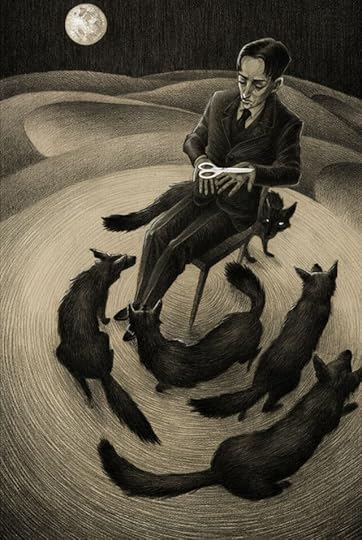
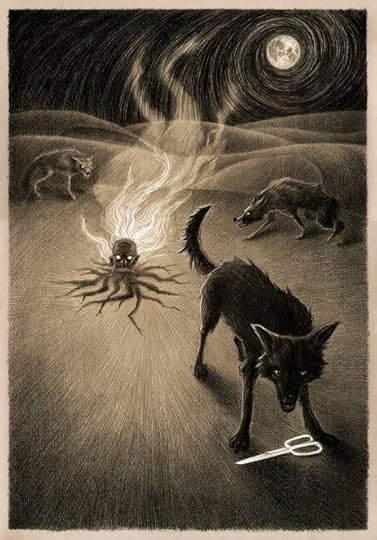
Jackals were always known for their malice, and in the story, they believe in the appearance of a “Savior” that will help them get their land back, so they try to convince the "European" that he is the one.
The idea of “waiting for a savior” can also be seen in Kafka's other story “In the penal colony” where the “old leader” is expected to rise from the dead someday and take control of the colony once more ..
Both stories present us the scene of a foreigner / European being asked for help by those who expect a savior.
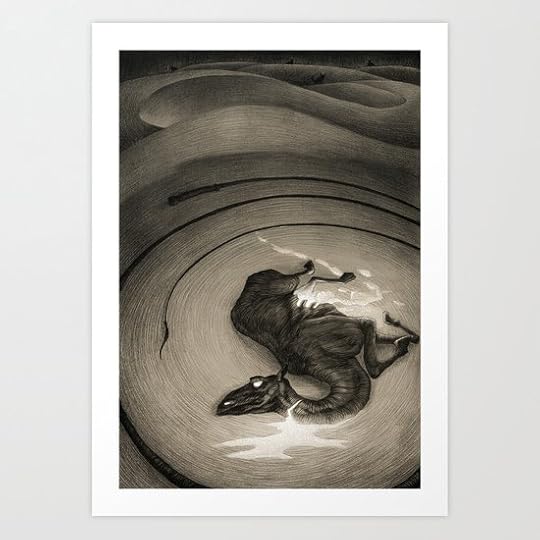
In “In the penal colony” Kafka shows us that the (torture = religion) machine gets destroyed killing the officer, whereas in “Jackals and Arabs” the story ends with the Arabs ignoring (in a clear contempt and neglect) what the jackals are trying to do ..
Therefore I think that both stories are in way:
1. Some sort of a criticism of the Zionist movement that was rising strongly at the time.
2. Some sort of mocking religious beliefs in which Kafka was not very fond of, such beliefs contained: waiting for a savior (both stories), Purges after punishment (in the penal colony).
3. Demonstrating the crucial role that the foreigner / European interference has played recently in this thousand-years old conflict between Arabs and Jews.
For me the story was good, I have always loved Kafka’s thought-provoking writings and this one isn’t an exception.