

What do you think?
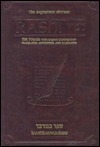
Bible #4
The Torah with Rashi's Commentary Translated, Annotated and Elucidated, Vol. 4: Numbers [Bamidbar]
The Book of Numbers is the fourth book of the Hebrew Bible, and the fourth of five books of the Jewish Torah/Pentateuch.
455 pages, Hardcover
First published January 1, 701
About the author
Anonymous
3,456 followersBooks can be attributed to "Anonymous" for several reasons:
* They are officially published under that name
* They are traditional stories not attributed to a specific author
* They are religious texts not generally attributed to a specific author
Books whose authorship is merely uncertain should be attributed to Unknown.
See also: Anonymous
* They are officially published under that name
* They are traditional stories not attributed to a specific author
* They are religious texts not generally attributed to a specific author
Books whose authorship is merely uncertain should be attributed to Unknown.
See also: Anonymous
Ratings & Reviews
Friends & Following
Create a free account to discover what your friends think of this book!
Community Reviews
Displaying 1 - 30 of 208 reviews

February 27, 2026
I mean it's a book of the bible, so it's perfect ofc 😌
Highly recommend 🔥
Highly recommend 🔥

March 23, 2024
Much of Numbers is hard to get through: long lists of sacrifices and people, now-defunct laws, etc. However, unlike Leviticus, this does have one very good story: Balaam and the talking donkey.
Like the previous book, for those who are reading the Bible from cover to cover, there are parts that may make you want to stop reading...but, don't let that happen. From Joshua through 2 Kings, and even in the books of Chronicles and Esther, there are several stories that have enough action, romance and/or drama to rival a Hollywood film.
Like the previous book, for those who are reading the Bible from cover to cover, there are parts that may make you want to stop reading...but, don't let that happen. From Joshua through 2 Kings, and even in the books of Chronicles and Esther, there are several stories that have enough action, romance and/or drama to rival a Hollywood film.

Read
May 20, 2021کتاب چهارم تنخ یا شریعت، امروزه به تبعیت از عنوانی که ترجمههای یونانی برای آن انتخاب کرده بودند، «کتاب اعداد» مینامند. و این نام به دوبار سرشماری افراد بالغ مذکر در اسباط اسرائیلیان باز میگردد؛ یک بار به هنگام عزیمت از کوه سینا در ابتدای کتاب و بار دوم در انتهای کتاب.
کتاب اعداد، از نظر فرم و ساختار و تاریخچه شکلگیری، یکی از پیچیدهترین کتابهای عهد عتیق می باشد. کتاب فاصلهی زمانیِ بین فرود موسی از کوه سینا تا رسیدن قوم اسرائیل به حاشیه رود اردن را پوشش می دهد؛ از نظر زمانی، تقریبا با «کتاب لاویان» همپوشانی دارد.
اما در حالی که در لاویان با حجم یکدستِ انبوه و فشردهای از قوانین شرعی روبرو بودیم، کتاب اعداد از قطعاتی پراکنده و در هم پیچیده از ژانرهای مختلف تشکیل شده است: مجموعهای از روایات تاریخی (جنگ با موابیان و مِدیان، درگذشت هارون و ...)، قوانین شرعی (میراث زنان شوهردار و اعیاد)، دستورات و قوانین مربوط به مناسک (قوانین نذورات و ...)، و اشعار فولکلوریک (مکالمه بین بِلعام و بالاقِ موابی).
همین ساختارِ پیچیده و رنگارنگِ کتاب موجب شده است که محققان نتوانند بر روی مرزهای بین سنتهای مختلفی که به کتاب شکل دادهاند، به یک تفاهم نسبی برسند. برای مدتها تصور بر این بود که کلِ کتاب اعداد، محصولِ دورانی متأخر (دورانِ تبعید و پساتبعید)، و نشان دهندهی وسواسِ فکری حلقههای کهانتی نسبت به رعایت کامل شریعت و پرهیز خشم مجدد یهوه (که پیشتر موجب تنبیه و تبعید آن ها شده بود) میباشد؛ در واقع این قوانین سفت و سخت را نه به دورانِ کوچگردی و قوم محوریِ اسرائیلیان، بلکه به دورانِ شهرنشینیِ اسرائیل و انگیزههای هویتگرایانهی کاهنین مربوط میشوند.
امروزه گرچه همه توافق دارند که تدوینِ نهایی کتاب اعداد، به همین دوران باز میگردد، اما به سختی میتوان آن سلسله مراتبِ بین سنت های روایی و سیرِ خطیِ پیشرفتشان را (که پیشفرضِ نظرات بالاست) قبول داشت. بسیار از محققانِ انتقادی بر این باورند که نمیتوان بین سنتهای شکلدهندهی کتاب، خط و مرزی ترسیم کرد؛ زیرا همهی آنها (کهانتی، تثنیهگرا، و الوهیمی-یهوهگرا) بطور همزمان نفس میکشیده، در طی قرون تکامل و تغییر شکل پیدا کرده اند. هر کدام از این سنتها، تأکیدات، زاویهدیدها و موضوعاتِ مورد علاقه خود را در متن کتاب برجای گذاشتهاند، بدون اینکه مصححهای نهایی دغدغه این را داشته باشند که این مطالب متنوع (که گاهاً متناقض یکدیگر بودند) را بصورت متنی یکدست در آورند.
عنوان عبری کتاب اعداد، "بمیدبار" به معنی «در بیابان» میباشد. همانطور که از این عنوان برمی آید، این کتاب روایتگر چهل سال آوارگیِ قوم اسرائیل در بیابان سینا، از لحظه فرود موسی از کوه سینا تا رسیدن به کرانهی سرزمین موعود در ساحل رود اردن میباشد.
در این مسیر، این قوم برگزیده بارها بارها با ناسپاسی، نابردباری و از روی بیایمانی به شکایت از موسی میپردازند و موجب خشم یهوه میگردند؛ و چندین بار یهوه آنها را با عذابهای متعددی روبرو میکند (از جمله فرستادن مارهای سمی و باز شدنِ دهان زمین). در واقع روایت، به تبیین شک و بیایمانی نسبت به وعدههای یهوه و عواقبِ الوهی آن میپردازد. شکی که دامنگیرِ افراد تقدیس شدهای مانند مریم و هارون، و حتی نمونه مثالین پیامبران اسرائیل، موسی نیز میشود؛ بخاطر همین است که یهوه اسرائیلیان را آنقدر در صحرای سینا میچرخاند تا زمان که همه افرادی که مصر را ترک کردهاند (بجز یوشع پسر نون و کالیب)، بمیرند... و پس از آن است که آنها را به سرزمین موعود میرساند.
همانطور که اشاره شد، موسی نمونهی مثالین و کلاسیکی برای پیامبرانِ اسرائیل می باشد؛ او در کنارِ سرزنش کردن و ملامتگریِ قومش بخاطر گناهان و طغیانهاشان (مثلا در ماجرای جاسوسان فرستاده شده به قادش، و یا فحشای مردان با دختران مدیانی)، بایستی به هنگام خشم و غضبِ یهوه، شفاعتِ قومش را در پیشگاه او به جای آورده و جلوی خشم و عقوبتِ وی را بگیرد (مثلا در مورد مارهای سمی، یا طغیان مریم و هارون). موسی اگرچه یک بار از بار سنگینی که بر دوشش گذارده شده، با نومیدی به پیشگاه یهوه شکایت میبرد، اما قوم برگزیدهی او را در پایان، به سلامت به سرزمین موعود رسانده و وعدهی الوهی به اسرائیلیان را محقق میسازد.
کتاب اعداد، از نظر فرم و ساختار و تاریخچه شکلگیری، یکی از پیچیدهترین کتابهای عهد عتیق می باشد. کتاب فاصلهی زمانیِ بین فرود موسی از کوه سینا تا رسیدن قوم اسرائیل به حاشیه رود اردن را پوشش می دهد؛ از نظر زمانی، تقریبا با «کتاب لاویان» همپوشانی دارد.
اما در حالی که در لاویان با حجم یکدستِ انبوه و فشردهای از قوانین شرعی روبرو بودیم، کتاب اعداد از قطعاتی پراکنده و در هم پیچیده از ژانرهای مختلف تشکیل شده است: مجموعهای از روایات تاریخی (جنگ با موابیان و مِدیان، درگذشت هارون و ...)، قوانین شرعی (میراث زنان شوهردار و اعیاد)، دستورات و قوانین مربوط به مناسک (قوانین نذورات و ...)، و اشعار فولکلوریک (مکالمه بین بِلعام و بالاقِ موابی).
همین ساختارِ پیچیده و رنگارنگِ کتاب موجب شده است که محققان نتوانند بر روی مرزهای بین سنتهای مختلفی که به کتاب شکل دادهاند، به یک تفاهم نسبی برسند. برای مدتها تصور بر این بود که کلِ کتاب اعداد، محصولِ دورانی متأخر (دورانِ تبعید و پساتبعید)، و نشان دهندهی وسواسِ فکری حلقههای کهانتی نسبت به رعایت کامل شریعت و پرهیز خشم مجدد یهوه (که پیشتر موجب تنبیه و تبعید آن ها شده بود) میباشد؛ در واقع این قوانین سفت و سخت را نه به دورانِ کوچگردی و قوم محوریِ اسرائیلیان، بلکه به دورانِ شهرنشینیِ اسرائیل و انگیزههای هویتگرایانهی کاهنین مربوط میشوند.
امروزه گرچه همه توافق دارند که تدوینِ نهایی کتاب اعداد، به همین دوران باز میگردد، اما به سختی میتوان آن سلسله مراتبِ بین سنت های روایی و سیرِ خطیِ پیشرفتشان را (که پیشفرضِ نظرات بالاست) قبول داشت. بسیار از محققانِ انتقادی بر این باورند که نمیتوان بین سنتهای شکلدهندهی کتاب، خط و مرزی ترسیم کرد؛ زیرا همهی آنها (کهانتی، تثنیهگرا، و الوهیمی-یهوهگرا) بطور همزمان نفس میکشیده، در طی قرون تکامل و تغییر شکل پیدا کرده اند. هر کدام از این سنتها، تأکیدات، زاویهدیدها و موضوعاتِ مورد علاقه خود را در متن کتاب برجای گذاشتهاند، بدون اینکه مصححهای نهایی دغدغه این را داشته باشند که این مطالب متنوع (که گاهاً متناقض یکدیگر بودند) را بصورت متنی یکدست در آورند.
عنوان عبری کتاب اعداد، "بمیدبار" به معنی «در بیابان» میباشد. همانطور که از این عنوان برمی آید، این کتاب روایتگر چهل سال آوارگیِ قوم اسرائیل در بیابان سینا، از لحظه فرود موسی از کوه سینا تا رسیدن به کرانهی سرزمین موعود در ساحل رود اردن میباشد.
در این مسیر، این قوم برگزیده بارها بارها با ناسپاسی، نابردباری و از روی بیایمانی به شکایت از موسی میپردازند و موجب خشم یهوه میگردند؛ و چندین بار یهوه آنها را با عذابهای متعددی روبرو میکند (از جمله فرستادن مارهای سمی و باز شدنِ دهان زمین). در واقع روایت، به تبیین شک و بیایمانی نسبت به وعدههای یهوه و عواقبِ الوهی آن میپردازد. شکی که دامنگیرِ افراد تقدیس شدهای مانند مریم و هارون، و حتی نمونه مثالین پیامبران اسرائیل، موسی نیز میشود؛ بخاطر همین است که یهوه اسرائیلیان را آنقدر در صحرای سینا میچرخاند تا زمان که همه افرادی که مصر را ترک کردهاند (بجز یوشع پسر نون و کالیب)، بمیرند... و پس از آن است که آنها را به سرزمین موعود میرساند.
همانطور که اشاره شد، موسی نمونهی مثالین و کلاسیکی برای پیامبرانِ اسرائیل می باشد؛ او در کنارِ سرزنش کردن و ملامتگریِ قومش بخاطر گناهان و طغیانهاشان (مثلا در ماجرای جاسوسان فرستاده شده به قادش، و یا فحشای مردان با دختران مدیانی)، بایستی به هنگام خشم و غضبِ یهوه، شفاعتِ قومش را در پیشگاه او به جای آورده و جلوی خشم و عقوبتِ وی را بگیرد (مثلا در مورد مارهای سمی، یا طغیان مریم و هارون). موسی اگرچه یک بار از بار سنگینی که بر دوشش گذارده شده، با نومیدی به پیشگاه یهوه شکایت میبرد، اما قوم برگزیدهی او را در پایان، به سلامت به سرزمین موعود رسانده و وعدهی الوهی به اسرائیلیان را محقق میسازد.

March 11, 2025
Yayyy! I loved reading this! It was so good!
This is book 6/73 for m challenge of reading the whole Bible this year!
This is book 6/73 for m challenge of reading the whole Bible this year!

March 20, 2018
Previously the book of Numbers has been a difficult read for me. However this time round I really enjoyed it. From chapter fourteen I loved the narratives that were included because they were very thought provoking. My eyes have been opened to a side of God that i was not fully aware of. This book has caused me to examine if I take Grace for granted.
Definitely one of my favourite Old Testament books.
Recommended for those who want to know more about Gods law for Israel and for narratives regarding the Israelites journey in the wilderness.
Definitely one of my favourite Old Testament books.
Recommended for those who want to know more about Gods law for Israel and for narratives regarding the Israelites journey in the wilderness.

March 11, 2023
I will say that Numbers is not the most immersive read in the Bible. It is quite literally a bunch of numbers; however, it clarified the 12 tribes of Israel, which is why it gets four stars. Here's a quick note about lineage to help with my thoughts below: Jacob is essentially the father of the 12 tribes of Israel because each of the tribes comes from his sons' lineages. Jacob is also known as Israel because his name was changed due to his faithfulness to God (Genesis 35).
I wondered why the two sons of Joseph (a son of Jacob), Ephraim and Manasseh, had their tribes rather than just being the 12 sons of Jacob. I concluded that the Levites were not included in the 12 tribes. After all, they were a part of the priestly line. I got some info to back that up too. In Genesis, "Jacob claimed both Ephraim and Manasseh as part of the great nation that God had promised him. They became the heads of two of the twelve tribes of Israel. One took the place of Joseph and the other the place of Levi, whose tribe became the priestly line and was not reckoned as one of the twelve tribes during the organization of the nation."
I'll link my source at the bottom!
But yeah. Although Numbers isn't my favorite (and I'm looking forward to other books), I'm glad I could piece some things together.
https://ebible.com/questions/100-who-... (Where I researched).
I wondered why the two sons of Joseph (a son of Jacob), Ephraim and Manasseh, had their tribes rather than just being the 12 sons of Jacob. I concluded that the Levites were not included in the 12 tribes. After all, they were a part of the priestly line. I got some info to back that up too. In Genesis, "Jacob claimed both Ephraim and Manasseh as part of the great nation that God had promised him. They became the heads of two of the twelve tribes of Israel. One took the place of Joseph and the other the place of Levi, whose tribe became the priestly line and was not reckoned as one of the twelve tribes during the organization of the nation."
I'll link my source at the bottom!
But yeah. Although Numbers isn't my favorite (and I'm looking forward to other books), I'm glad I could piece some things together.
https://ebible.com/questions/100-who-... (Where I researched).

January 2, 2022
24 The Lord bless thee, and keep thee:
25 The Lord make his face shine upon thee, and be gracious unto thee:
26 The Lord lift up his countenance upon thee, and give thee peace.
Numbers 6:24–26

December 29, 2022
numbers and leviticus competing for most boring book ever i see.

January 17, 2023
I have been reading the Bible through every year since 1974 and I can testify it is fresh every time. I was amazed, once again, at the details the Holy Spirit included. Every year I find more reason to believe that Bible, from Genesis to Revelation, is the very Word of the living God. I understand more each year and yet have so much more to take in [it can never, this side of glory, be exhausted]. If you find something in the Bible you don't understand don't assume the Bible is wrong, assume that YOU don't understand ... yet. There are many people even in their reviews here that testify they once had a hard time even reading this book but now experience a blessing when they do. Grant God the honor of being God and knowing more than us.
On a side note: the idea of having individual copies of each book of the Bible is a good one... kind of pricy but good nonetheless. [this review only refers to the Bible text - NOT any preface, comment or additional information.]
On a side note: the idea of having individual copies of each book of the Bible is a good one... kind of pricy but good nonetheless. [this review only refers to the Bible text - NOT any preface, comment or additional information.]

Read
April 16, 2024Duro de leer, muy en la linea del resto del antiguo testamento.
Sobre todo son el pueblo quejándose, leyes y como repartir la tierra/temas de herencia
Sobre todo son el pueblo quejándose, leyes y como repartir la tierra/temas de herencia

September 18, 2025
My reply to a GR friend a couple of weeks ago, who asked me what I thought of the biblical book "Numbers":
"...I haven't finished Numbers yet, but so far it's basically a census record along with divine threats and punishments against an apparently ungrateful mob, in the divine view, whose leaders have amassed (over 40 years) thousands of former Hebrew slaves, now bedouin, for an eventual invasion of the desirable land already occupied by strong tribes who had been there for quite awhile. I was raised on this stuff and glad that I was, but now I'm reading all the Bible again for nostalgic reasons, also for historic perspective and searching for pearls of wisdom that I missed in my youth or should have absorbed, but alas. There seems to be a parallel between then and now with what is going on in ancient Palestine/Canaan/Israel and the modern state of Israel and a new hoard of Hebrews from a completely new direction."
Well, that was around chapter 16 of Numbers. Meanwhile, the Hebrews/Israelites are getting fed up with the leadership of Moses and Aaron, and they complain about their lot in life which is understandable. And, if you have ever spent several years and hot months in Arabian deserts, you will agree wth those discontented, especially without air conditioning and sparse sources of water. Moreover, you can hardly blame most Israelites for not having given up their old ingrained superstitions about who is God and wh0 is not, and why not several gods instead of just one, especially one that doesn't hesitate from making you sick and eventually killing you because of infractions of his law. It was enough to make many of Yahweh's followers consider that after all this time the prospect of going back to Egypt whence they had escaped a generation before might not be a bad idea. And, as I understood it, none of them would be able to enter the "promised land", an idea and goal that had kept them marching around practically in a circle in the inhospitable Sinai. Yahweh and Moses' captains were harsh in their duty to keep the twelve tribes intact until they had the 'number' to invade Caanan, the place that Abraham had led them to from today's Iraqi/Iranian border to their place between two seas, the Mediterranean and the Red. (Israel had two other "seas" also--Galilee and the Dead Sea.). At this point, two Biblical heroes of mine from childhood appear: Joshua, who had appeared earlier, and Caleb.
Since the initial names of the books in the Old Testament are Greek, what's going on with "Numbers", since the Greek word for that was and still is Arithmoi (-oi) is pronounced(-ee), not (-oy) as in oy-vey or goy or boy or Roy Rogers? My unprofessional view is that (-oy) sounded too Slavic or Cyrillic for translators in King James' court and -ee too outlandish, so the easy way to get around it was to cave to Latin, then to pronounceable and familiar Anglo-Saxon /number/ plain and simple.
So, at the end, this huge number of migrants from the Wilderness of Zin are perched on the border of Moab, south of Jericho and east of the Jordan River ready to pounce on the plains of Canaan.
"...I haven't finished Numbers yet, but so far it's basically a census record along with divine threats and punishments against an apparently ungrateful mob, in the divine view, whose leaders have amassed (over 40 years) thousands of former Hebrew slaves, now bedouin, for an eventual invasion of the desirable land already occupied by strong tribes who had been there for quite awhile. I was raised on this stuff and glad that I was, but now I'm reading all the Bible again for nostalgic reasons, also for historic perspective and searching for pearls of wisdom that I missed in my youth or should have absorbed, but alas. There seems to be a parallel between then and now with what is going on in ancient Palestine/Canaan/Israel and the modern state of Israel and a new hoard of Hebrews from a completely new direction."
Well, that was around chapter 16 of Numbers. Meanwhile, the Hebrews/Israelites are getting fed up with the leadership of Moses and Aaron, and they complain about their lot in life which is understandable. And, if you have ever spent several years and hot months in Arabian deserts, you will agree wth those discontented, especially without air conditioning and sparse sources of water. Moreover, you can hardly blame most Israelites for not having given up their old ingrained superstitions about who is God and wh0 is not, and why not several gods instead of just one, especially one that doesn't hesitate from making you sick and eventually killing you because of infractions of his law. It was enough to make many of Yahweh's followers consider that after all this time the prospect of going back to Egypt whence they had escaped a generation before might not be a bad idea. And, as I understood it, none of them would be able to enter the "promised land", an idea and goal that had kept them marching around practically in a circle in the inhospitable Sinai. Yahweh and Moses' captains were harsh in their duty to keep the twelve tribes intact until they had the 'number' to invade Caanan, the place that Abraham had led them to from today's Iraqi/Iranian border to their place between two seas, the Mediterranean and the Red. (Israel had two other "seas" also--Galilee and the Dead Sea.). At this point, two Biblical heroes of mine from childhood appear: Joshua, who had appeared earlier, and Caleb.
Since the initial names of the books in the Old Testament are Greek, what's going on with "Numbers", since the Greek word for that was and still is Arithmoi (-oi) is pronounced(-ee), not (-oy) as in oy-vey or goy or boy or Roy Rogers? My unprofessional view is that (-oy) sounded too Slavic or Cyrillic for translators in King James' court and -ee too outlandish, so the easy way to get around it was to cave to Latin, then to pronounceable and familiar Anglo-Saxon /number/ plain and simple.
So, at the end, this huge number of migrants from the Wilderness of Zin are perched on the border of Moab, south of Jericho and east of the Jordan River ready to pounce on the plains of Canaan.

June 6, 2021
Có vẻ vay hơn quyển số #3 nhiều. Nhưng tại sao người Israel lại bướng bỉnh như vậy? Đọc mà cáu thật đấy

Read
December 20, 2021Slogged my way through this one. Onward!

October 9, 2026
Numeri è uno dei libri più strani e irregolari del Pentateuco ma proprio questa struttura composita gli dà una notevole forza letteraria. Alterna censimenti, leggi, itinerari e racconti di ribellione, trasformando il viaggio nel deserto in una lunga storia di crisi collettiva.
La sua importanza risiede nella rappresentazione di un popolo incapace di diventare immediatamente ciò che dovrebbe essere. Dopo la liberazione dell’Esodo, qui emergono paura, nostalgia dell’Egitto, conflitti interni e continui fallimenti. Il deserto diventa quindi uno spazio morale prima ancora che geografico, il luogo in cui una generazione viene messa alla prova e progressivamente sostituita.
Rispetto a Genesi ed Esodo manca una struttura narrativa altrettanto compatta e fondativa. Le sezioni legislative e amministrative interrompono spesso il movimento del racconto e rendono il libro meno potente come opera unitaria.
Resta comunque fondamentale per il modo in cui trasforma il viaggio nel deserto in un archetipo di prova, transizione e fallimento collettivo destinato a riapparire continuamente nella tradizione religiosa e letteraria successiva.
La sua importanza risiede nella rappresentazione di un popolo incapace di diventare immediatamente ciò che dovrebbe essere. Dopo la liberazione dell’Esodo, qui emergono paura, nostalgia dell’Egitto, conflitti interni e continui fallimenti. Il deserto diventa quindi uno spazio morale prima ancora che geografico, il luogo in cui una generazione viene messa alla prova e progressivamente sostituita.
Rispetto a Genesi ed Esodo manca una struttura narrativa altrettanto compatta e fondativa. Le sezioni legislative e amministrative interrompono spesso il movimento del racconto e rendono il libro meno potente come opera unitaria.
Resta comunque fondamentale per il modo in cui trasforma il viaggio nel deserto in un archetipo di prova, transizione e fallimento collettivo destinato a riapparire continuamente nella tradizione religiosa e letteraria successiva.

April 4, 2023
Después de dar en detalle instrucciones y normativas para que Israel sea merecedor de las bendiciones de Dios en el libro anterior, en Números llega de nuevo la acción y con ella un nuevo escenario y oportunidad para este pueblo.
Se llama número por los sensos realizados acá, pero en el idioma original, el libro se llama algo parecido a En El Desierto, ya que aquí se centra toda la peregrinación de Egipto a la Tierra Prometida.
Este libro es un primer vistazo o preview de una especie de Game of thrones o más específicamente Game of rebellions donde desatan un espiral de castigo y perdón dónde el primero ascendía y el segundo descendía pero ambos se mantenían para hacer cumplir las promesas hechas a Abraham en Génesis.
El libro termina con un cambio de líder y un Moisés ya listo para morir pero con una última tarea que hacer: últimas palabras, deseos e instrucciones para que el pueblo siga con Dios... Cosa que continuará en el siguiente libro.
Se llama número por los sensos realizados acá, pero en el idioma original, el libro se llama algo parecido a En El Desierto, ya que aquí se centra toda la peregrinación de Egipto a la Tierra Prometida.
Este libro es un primer vistazo o preview de una especie de Game of thrones o más específicamente Game of rebellions donde desatan un espiral de castigo y perdón dónde el primero ascendía y el segundo descendía pero ambos se mantenían para hacer cumplir las promesas hechas a Abraham en Génesis.
El libro termina con un cambio de líder y un Moisés ya listo para morir pero con una última tarea que hacer: últimas palabras, deseos e instrucciones para que el pueblo siga con Dios... Cosa que continuará en el siguiente libro.

February 7, 2025
Bible reading challenge
The book of Numbers
Start date: January 29th
Finish date: February 6th
Number of chapters: 36
The book of Numbers
Start date: January 29th
Finish date: February 6th
Number of chapters: 36

November 21, 2025
I'm slowly making my way through all the books of The Bible! I didn't actually read it in one day, I just don't remember when I started and finished it, and I need it for my reading challenge...

March 17, 2019
The Book of Numbers begins and ends with a census. If that seems odd, you're right. Why?
God ordered Moses to take a census of Israel to organize them into camps for a military invasion of the Promised Land. This includes not just today's Israel, but also part of the Sinai, a lot of Jordan and Syria and part of Iraq.
Naturally, things go wrong. After they spy out the land for 40 days, 10/12 spies give a bad report and scare the nation into returning to Egypt. Only God's appearance stopped them from killing Moses and doing that. Then, only Moses' prayer stopped God from destroying Israel right there.
Instead, God decided they'd all die in the wilderness after 40 years of wandering and their children would inherit the Promised Land. After they were all dead, God had another census. The numbers were very close.
There are some cool stories in here. Number one must be the talking donkey. Don't miss it!
But I can't do it justice in a review. Read it for yourself. The book is embedded in our culture.
God ordered Moses to take a census of Israel to organize them into camps for a military invasion of the Promised Land. This includes not just today's Israel, but also part of the Sinai, a lot of Jordan and Syria and part of Iraq.
Naturally, things go wrong. After they spy out the land for 40 days, 10/12 spies give a bad report and scare the nation into returning to Egypt. Only God's appearance stopped them from killing Moses and doing that. Then, only Moses' prayer stopped God from destroying Israel right there.
Instead, God decided they'd all die in the wilderness after 40 years of wandering and their children would inherit the Promised Land. After they were all dead, God had another census. The numbers were very close.
There are some cool stories in here. Number one must be the talking donkey. Don't miss it!
But I can't do it justice in a review. Read it for yourself. The book is embedded in our culture.

April 15, 2022
We begin with a census and end with another, marking the death of the generation who refused to enter the promised land the first time they came near. They stand now on the east side of the Jordan, poised to cross and begin claiming the land as their own; but there is business to take care of. Land is distributed, “final” instructions delivered for the Levites and what they will receive for their inheritance (48 cities, with pasture land surrounding each). It took me a long time to get through this book (distractions), so I’m struggling to give an emotional or spiritual response to it.

March 25, 2020
Like it's name suggests, this book involved the censuses taken of Israel. But unlike what I thought, there was more story then actual numbers. A lot of what you hear in kids' stories happened in this book. Much better than Leviticus and its laws.

July 10, 2024
36 chapters in Numbers
2/22/2024 - 3/21/2024 with The Bible Recap
3/16/2024 - 3/31/2024 with the kids (The Message)
2/23/2025 - 3/10/2025 with The Bible Recap
2/26/2026 - 3/11/2026 with the One Year Bible
2/22/2024 - 3/21/2024 with The Bible Recap
3/16/2024 - 3/31/2024 with the kids (The Message)
2/23/2025 - 3/10/2025 with The Bible Recap
2/26/2026 - 3/11/2026 with the One Year Bible

February 27, 2025
I got a lot more out of this this time around (I believe it's my 3rd time through)
April 18, 2020
"Thou shalt not kill." ~ God, Exodus 20:13
The Book of Numbers begins by enumerating the tribes of Israel, a census of sorts. They are numbered and assigned jobs at the tabernacle. But having counted his flock, God then sends them off to war. They've circled the desert for forty years, and now it's time to take what's theirs.
Numbers gets some bonus points for mostly following a coherent story line. Not exactly riveting stuff, though. As usual, I saw a lot of moral problems in the book, and a theme of imperialism that runs contradictory to the pacifist sentiment of the commandment to not kill.
God and his chosen ones not only kill by the score in this book, they do it on the grounds that they have a divine right to the land the other tribes are living on. God does much more than offer verbal support of this notion; he helps kill the other tribes himself. When the Israelites scout out a location and see they are massively outnumbered by its inhabitants, they complain to Moses who complains to God that there's just no way they're going to take over that land. God responds by killing the complainers for doubting him, and then the ones left alive go and slaughter entire groups of people simply for existing in a place.
"And Moses sent them to spy out the land of Canaan, and said unto them, Get you up this way southward, and go up into the mountain: And see the land, what it is, and the people that dwelleth therein, whether they be strong or weak, few or many; And what the land is that they dwell in, whether it be good or bad; and what cities they be that they dwell in, whether in tents or in strong holds; And what the land is, whether it be fat or lean, whether there be wood therein, or not. And be ye of good courage, and bring of the fruit of the land." ~ Numbers 13:17-20
"And they brought up an evil report of the land which they had searched unto the children of Israel, saying, The land, through which we have gone to search it, is a land that eateth up the inhabitants thereof; and all the people that we saw in it are men of a great stature." ~ Numbers 13:32
But they are certain that God will help them kill all these people. "If the LORD delight in us, then he will bring us into this land, and give it us." ~ Numbers 14:8
And they're right. In 14:12, God claims, "I will smite them with the pestilence, and disinherit them, and will make of thee a greater nation and mightier than they."
In the mid-1700s, Paul-Henri Thiry, Baron d'Holbach, wrote a book called Christianity Unveiled, which is strongly recommended reading from me. It details how the monarchs of the feudal world wielded Christianity as a means of controlling the populace. It's easy to see how those ideas have translated into modern times. It's passages like these, in Numbers, that contribute to those means of control. If you have a population who believes in a god who grants them a right to land, then you have a population who blindly supports imperialism. This is the broken "might makes right" mentality, pressed into us through religion. People are then convinced to vote in a particular way because they blindly believe their party members are "righteous" without giving any serious consideration to the ideologies underlying their positions. The position doesn't matter because the godly man is unquestionable. Obviously, I take some serious umbrage with these passages in the Bible and their horrific morality and the way people brush these things under the rug despite their effects on the world.
By chapter 21, God's chosen people are killing Canaanites to take over their land, with God's help and express approval. "the LORD hearkened to the voice of Israel, and delivered up the Canaanites; and they utterly destroyed them and their cities" (Numbers 21:3).
God's not above killing his own people, either. When they complain that there's no food or water in the wilderness, god kills them with "fiery serpents". But... those people's lives are spared if they are bitten by the "fiery serpents" but then look upon a "serpent of brass" that Moses makes. Pretty absurd way to go about killing people, but that's what the Bible says.
Back to war after that. The Israelites want to pass through the land of the Amorites, but Sihon, their king, won't let them. So "Israel smote him with the edge of the sword and possessed his land from Arnon unto Jabbok" (Numbers 21:24). They have a violent takeover of all the Amorite cities. They "drove out the Amorites" in the city of Jaazer before turning toward Bashan. The king of Bashan, Og, sets his entire people against the Israelites and God declares that he'll do the same thing to Og as he did to Sihon. And the Israelites, who have been given the commandment, "Thou shalt not kill," "smote him, and his sons, and all his people, until there was none left him alive: and they possessed his land." That's 21:35.
Next on the chopping block: Balak of Zippor, king of the Moabites. He sees all the killing that God said not to do but also said to definitely do, and he calls in help from Balaam, the ruler of a nearby nation. Balaam prays on it, and God tells him not to help, so he refuses. The next night God talks to him again and tells him to go along with Balak, but not to do anything with them that God doesn't explicitly ordain. That happens in 22:20: "God came unto Balaam at night, and said unto him, If the men come to call thee, rise up, and go with them; but yet the word which I shall say unto thee, that shalt thou do." But only two verses later, when Balaam does exactly what God told him to do, God gets pissed about it. "God's anger was kindled because he went: and the angel of the LORD stood in the way for an adversary against him."
God possesses a donkey and starts causing the donkey to hurt Balaam. Balaam doesn't know it's God, of course, and starts hitting his donkey for hurting him. Then God makes the donkey talk and chastise Balaam for striking the donkey for hurting him. This completely irrelevant absurdity is followed up by God telling Balaam to do the thing God originally told him to do (go with Balak and not do anything he doesn't say to do) but which God then got mad at him for doing.
Now he's given the same directive, and I genuinely can't figure out what the fuck God wants Balaam to do here. He's given massively conflicting inputs with no explanation or justification. "Go! Don't go! I'll hurt you... with a talking donkey... for going... Wait, go!" Same with the Israelites. "Don't kill! Wait, kill all these people! What, you don't believe that you can kill them all? I'll kill you for that! Go kill them!" And then in Deuteronomy, they will be reminded not to kill again, but that's a story for another day.
Anyway, they get to a hill overlooking Baal and Balaam calls for animal sacrifice, natch. They kill seven oxen and seven rams across seven altars, which makes total sense and is exactly what a normal, sensible person with their wits about them would do in this situation, because this behavior summons God, natch. God "put a word in Balaam's mouth" (Numbers 23:5) and Balaam tells it to Balak. That is, he refuses to help Balak take on the Israelites. There's some back and forth here as Balak gets mad that he's trekked across the countryside to be put off like this and Balaam consults with God again (he has to kill more animals to do this) and God puts another word into Balaam's mouth, but nothing really changes. Balaam blesses the Israelites. Balak doesn't like that. Balaam kills another 14 animals to summon God again, and this process once again ends with Balaam saying that going after the Israelites is like poking a sleeping lion and it's a bad idea. He prophecies that "there shall come a Star out of Jacob, and a Sceptre shall rise out of Israel, and shall smite the corners of Moab, and destroy all the children of Sheth" and that "Out of Jacob shall come he that shall have dominion" and on and on with this imperialist bullshit.
So all of this happens, but nothing comes of it. Plot twist in chapter 25, though: Israel moves in and begins to live in Moab and (gasp) "the people began to commit whoredom with the daughters of Moab" and they start worshiping the Moabite gods. God doesn't like that (not worshiping other gods is basically the only commandment God seems to actually care about and stick to), so he commands Moses to decapitate all of the Israelites who did that. Thou shalt not kill.
There's a confusing passage here, but as best I can make it out, Israelites having sex with Moabites is considered by God to be a "plague" and that "plague" is "stayed from the children of Israel" by Aaron's grandson Phinehas. He sees that an Israelite and his pregnant Moabite woman come to the tabernacle of the congregation. They're about to go in, but Phinehas "took a javelin in his hand" and "thrust both of them through, the man of Israel, and the woman through her belly." This is confusing because nothing is mentioned of plague before he kills this man, the woman, and her in utero child. But afterward, 24,000 people die of plague, and the Israelites are spared because killing these people "turn[s] my wrath away from the children of Israel". So all in all, let's summarize... Thou shalt not kill, unless you're killing two adults and an unborn child to prevent God from killing people with plague. Kill to stop killing from happening. Thou shalt not kill.
None of this makes any sense. How can anybody come away from reading the Bible thinking that this is all coherent, much less true? I've isolated this series of stories among many others to point this out. This constant back and forth with God, God constantly violating his own commandments and punishing people for doing what he says or for not violating his commandments that he previously said he'd punish them for violating... It's complete nonsense. It's ultimate caprice. It's impossible to obey God's every command because God's commandments are contradictory to each other.
You cannot win when you worship the God of the Bible.
But that's not stopping him from creating more rules and laws. The land they've conquered is meant to be divided in very specific and very male-focused ways that I won't get into detail about here (just read chapter 27 if you're that interested). In Chapter 28, God makes even more demands of even more animal sacrifices. Chapter 29 outlines a series of days in which loads of animals must be killed. By my count, over the course of a week, that entails executing 77 bullocks, 16 rams, 110 lambs, and 7 goats. Chapter 30 outlines how men can do what they want but women need permission from men to do most anything.
And by Chapter 31, we're off to war again, this time against the Midianites. They "warred against the Midianites, as the LORD commanded Moses; and they slew all the males. And they slew the kings of Midian, beside the rest of them that were slain." (Numbers: 31:7-8) So all that killing again. But the real kicker here is that "Balaam also the son of Beor they slew with the sword." So they kill the guy that God himself forced into having Israel's back. Holy shit, why does anybody do what God tells them to do? It never ends well for them.
So the Israelites kill all these people, enslave their women and children, steal their livestock and their stores, and they burn down their cities. (Numbers 31:9-11) Thou shalt not kill.
They take all the women and children to Moses, and Moses is appalled. How could you leave them alive? This is how you get God to give us plagues! "Now therefore kill every male among the little ones and kill every woman that hath known man by lying with him. But all the women children, that have not known a man by lying with him, keep alive for yourselves." (31:17-18)
But the spoils... They get parceled out among Moses's people. There is a dispute in the next chapter over how to use the land, with some people wanting to use this conquered land to raise cattle. This "kindles God's anger" and "he made them wander in the wilderness forty years, until all the generation, that had done evil in the sight of the LORD, was consumed." (Numbers 32:13)
This begins a very long chapter about all the places the tribes traveled to before they arrived at the promised land. Aaron dies along the way. But in the end, God delivers the Israelites to the land of Canaan. Of course it's not empty. King Arad is there, and God wants him dead (Numbers 35:51-53). He commands his people to kill all the Canaanites and drive them from their land, etc, etc. He outlines the borders of the promised land and instructs Moses to take it. He also describes how to construct a city there, marking the first time in *checks book* 201 pages that God has created something instead of destroying it.
"We built this city! We built this city on heathen souls!" ~ Jefferson Starship
God outlines some laws about how to keep people accused of crimes while they await their judgment. Thou shalt not kill, unless it's to kill a murderer. Or lots of other things. Throw it on the pile. Marry your cousins, too. Don't marry people from another tribe, but marry your cousins. Lots of them, actually. Marry lots of your cousins.
The lesson I've learned so far reading the Bible, and Numbers especially, is that anyone who calls the Bible the "Good Book" has never read it. I cannot fathom reading the Bible and coming away thinking it has a positive morality. This book is atrocious, confusing, contradictory, and BAD.
The Book of Numbers begins by enumerating the tribes of Israel, a census of sorts. They are numbered and assigned jobs at the tabernacle. But having counted his flock, God then sends them off to war. They've circled the desert for forty years, and now it's time to take what's theirs.
Numbers gets some bonus points for mostly following a coherent story line. Not exactly riveting stuff, though. As usual, I saw a lot of moral problems in the book, and a theme of imperialism that runs contradictory to the pacifist sentiment of the commandment to not kill.
God and his chosen ones not only kill by the score in this book, they do it on the grounds that they have a divine right to the land the other tribes are living on. God does much more than offer verbal support of this notion; he helps kill the other tribes himself. When the Israelites scout out a location and see they are massively outnumbered by its inhabitants, they complain to Moses who complains to God that there's just no way they're going to take over that land. God responds by killing the complainers for doubting him, and then the ones left alive go and slaughter entire groups of people simply for existing in a place.
"And Moses sent them to spy out the land of Canaan, and said unto them, Get you up this way southward, and go up into the mountain: And see the land, what it is, and the people that dwelleth therein, whether they be strong or weak, few or many; And what the land is that they dwell in, whether it be good or bad; and what cities they be that they dwell in, whether in tents or in strong holds; And what the land is, whether it be fat or lean, whether there be wood therein, or not. And be ye of good courage, and bring of the fruit of the land." ~ Numbers 13:17-20
"And they brought up an evil report of the land which they had searched unto the children of Israel, saying, The land, through which we have gone to search it, is a land that eateth up the inhabitants thereof; and all the people that we saw in it are men of a great stature." ~ Numbers 13:32
But they are certain that God will help them kill all these people. "If the LORD delight in us, then he will bring us into this land, and give it us." ~ Numbers 14:8
And they're right. In 14:12, God claims, "I will smite them with the pestilence, and disinherit them, and will make of thee a greater nation and mightier than they."
In the mid-1700s, Paul-Henri Thiry, Baron d'Holbach, wrote a book called Christianity Unveiled, which is strongly recommended reading from me. It details how the monarchs of the feudal world wielded Christianity as a means of controlling the populace. It's easy to see how those ideas have translated into modern times. It's passages like these, in Numbers, that contribute to those means of control. If you have a population who believes in a god who grants them a right to land, then you have a population who blindly supports imperialism. This is the broken "might makes right" mentality, pressed into us through religion. People are then convinced to vote in a particular way because they blindly believe their party members are "righteous" without giving any serious consideration to the ideologies underlying their positions. The position doesn't matter because the godly man is unquestionable. Obviously, I take some serious umbrage with these passages in the Bible and their horrific morality and the way people brush these things under the rug despite their effects on the world.
By chapter 21, God's chosen people are killing Canaanites to take over their land, with God's help and express approval. "the LORD hearkened to the voice of Israel, and delivered up the Canaanites; and they utterly destroyed them and their cities" (Numbers 21:3).
God's not above killing his own people, either. When they complain that there's no food or water in the wilderness, god kills them with "fiery serpents". But... those people's lives are spared if they are bitten by the "fiery serpents" but then look upon a "serpent of brass" that Moses makes. Pretty absurd way to go about killing people, but that's what the Bible says.
Back to war after that. The Israelites want to pass through the land of the Amorites, but Sihon, their king, won't let them. So "Israel smote him with the edge of the sword and possessed his land from Arnon unto Jabbok" (Numbers 21:24). They have a violent takeover of all the Amorite cities. They "drove out the Amorites" in the city of Jaazer before turning toward Bashan. The king of Bashan, Og, sets his entire people against the Israelites and God declares that he'll do the same thing to Og as he did to Sihon. And the Israelites, who have been given the commandment, "Thou shalt not kill," "smote him, and his sons, and all his people, until there was none left him alive: and they possessed his land." That's 21:35.
Next on the chopping block: Balak of Zippor, king of the Moabites. He sees all the killing that God said not to do but also said to definitely do, and he calls in help from Balaam, the ruler of a nearby nation. Balaam prays on it, and God tells him not to help, so he refuses. The next night God talks to him again and tells him to go along with Balak, but not to do anything with them that God doesn't explicitly ordain. That happens in 22:20: "God came unto Balaam at night, and said unto him, If the men come to call thee, rise up, and go with them; but yet the word which I shall say unto thee, that shalt thou do." But only two verses later, when Balaam does exactly what God told him to do, God gets pissed about it. "God's anger was kindled because he went: and the angel of the LORD stood in the way for an adversary against him."
God possesses a donkey and starts causing the donkey to hurt Balaam. Balaam doesn't know it's God, of course, and starts hitting his donkey for hurting him. Then God makes the donkey talk and chastise Balaam for striking the donkey for hurting him. This completely irrelevant absurdity is followed up by God telling Balaam to do the thing God originally told him to do (go with Balak and not do anything he doesn't say to do) but which God then got mad at him for doing.
Now he's given the same directive, and I genuinely can't figure out what the fuck God wants Balaam to do here. He's given massively conflicting inputs with no explanation or justification. "Go! Don't go! I'll hurt you... with a talking donkey... for going... Wait, go!" Same with the Israelites. "Don't kill! Wait, kill all these people! What, you don't believe that you can kill them all? I'll kill you for that! Go kill them!" And then in Deuteronomy, they will be reminded not to kill again, but that's a story for another day.
Anyway, they get to a hill overlooking Baal and Balaam calls for animal sacrifice, natch. They kill seven oxen and seven rams across seven altars, which makes total sense and is exactly what a normal, sensible person with their wits about them would do in this situation, because this behavior summons God, natch. God "put a word in Balaam's mouth" (Numbers 23:5) and Balaam tells it to Balak. That is, he refuses to help Balak take on the Israelites. There's some back and forth here as Balak gets mad that he's trekked across the countryside to be put off like this and Balaam consults with God again (he has to kill more animals to do this) and God puts another word into Balaam's mouth, but nothing really changes. Balaam blesses the Israelites. Balak doesn't like that. Balaam kills another 14 animals to summon God again, and this process once again ends with Balaam saying that going after the Israelites is like poking a sleeping lion and it's a bad idea. He prophecies that "there shall come a Star out of Jacob, and a Sceptre shall rise out of Israel, and shall smite the corners of Moab, and destroy all the children of Sheth" and that "Out of Jacob shall come he that shall have dominion" and on and on with this imperialist bullshit.
So all of this happens, but nothing comes of it. Plot twist in chapter 25, though: Israel moves in and begins to live in Moab and (gasp) "the people began to commit whoredom with the daughters of Moab" and they start worshiping the Moabite gods. God doesn't like that (not worshiping other gods is basically the only commandment God seems to actually care about and stick to), so he commands Moses to decapitate all of the Israelites who did that. Thou shalt not kill.
There's a confusing passage here, but as best I can make it out, Israelites having sex with Moabites is considered by God to be a "plague" and that "plague" is "stayed from the children of Israel" by Aaron's grandson Phinehas. He sees that an Israelite and his pregnant Moabite woman come to the tabernacle of the congregation. They're about to go in, but Phinehas "took a javelin in his hand" and "thrust both of them through, the man of Israel, and the woman through her belly." This is confusing because nothing is mentioned of plague before he kills this man, the woman, and her in utero child. But afterward, 24,000 people die of plague, and the Israelites are spared because killing these people "turn[s] my wrath away from the children of Israel". So all in all, let's summarize... Thou shalt not kill, unless you're killing two adults and an unborn child to prevent God from killing people with plague. Kill to stop killing from happening. Thou shalt not kill.
None of this makes any sense. How can anybody come away from reading the Bible thinking that this is all coherent, much less true? I've isolated this series of stories among many others to point this out. This constant back and forth with God, God constantly violating his own commandments and punishing people for doing what he says or for not violating his commandments that he previously said he'd punish them for violating... It's complete nonsense. It's ultimate caprice. It's impossible to obey God's every command because God's commandments are contradictory to each other.
You cannot win when you worship the God of the Bible.
But that's not stopping him from creating more rules and laws. The land they've conquered is meant to be divided in very specific and very male-focused ways that I won't get into detail about here (just read chapter 27 if you're that interested). In Chapter 28, God makes even more demands of even more animal sacrifices. Chapter 29 outlines a series of days in which loads of animals must be killed. By my count, over the course of a week, that entails executing 77 bullocks, 16 rams, 110 lambs, and 7 goats. Chapter 30 outlines how men can do what they want but women need permission from men to do most anything.
And by Chapter 31, we're off to war again, this time against the Midianites. They "warred against the Midianites, as the LORD commanded Moses; and they slew all the males. And they slew the kings of Midian, beside the rest of them that were slain." (Numbers: 31:7-8) So all that killing again. But the real kicker here is that "Balaam also the son of Beor they slew with the sword." So they kill the guy that God himself forced into having Israel's back. Holy shit, why does anybody do what God tells them to do? It never ends well for them.
So the Israelites kill all these people, enslave their women and children, steal their livestock and their stores, and they burn down their cities. (Numbers 31:9-11) Thou shalt not kill.
They take all the women and children to Moses, and Moses is appalled. How could you leave them alive? This is how you get God to give us plagues! "Now therefore kill every male among the little ones and kill every woman that hath known man by lying with him. But all the women children, that have not known a man by lying with him, keep alive for yourselves." (31:17-18)
But the spoils... They get parceled out among Moses's people. There is a dispute in the next chapter over how to use the land, with some people wanting to use this conquered land to raise cattle. This "kindles God's anger" and "he made them wander in the wilderness forty years, until all the generation, that had done evil in the sight of the LORD, was consumed." (Numbers 32:13)
This begins a very long chapter about all the places the tribes traveled to before they arrived at the promised land. Aaron dies along the way. But in the end, God delivers the Israelites to the land of Canaan. Of course it's not empty. King Arad is there, and God wants him dead (Numbers 35:51-53). He commands his people to kill all the Canaanites and drive them from their land, etc, etc. He outlines the borders of the promised land and instructs Moses to take it. He also describes how to construct a city there, marking the first time in *checks book* 201 pages that God has created something instead of destroying it.
"We built this city! We built this city on heathen souls!" ~ Jefferson Starship
God outlines some laws about how to keep people accused of crimes while they await their judgment. Thou shalt not kill, unless it's to kill a murderer. Or lots of other things. Throw it on the pile. Marry your cousins, too. Don't marry people from another tribe, but marry your cousins. Lots of them, actually. Marry lots of your cousins.
The lesson I've learned so far reading the Bible, and Numbers especially, is that anyone who calls the Bible the "Good Book" has never read it. I cannot fathom reading the Bible and coming away thinking it has a positive morality. This book is atrocious, confusing, contradictory, and BAD.

May 24, 2026
“Numbers” wasn’t quite so tedious as “Leviticus” for the most part, but the ways in which it was were . . . different. There are moments when this book takes very much after the previous one, with some technical details regarding certain laws (like who is and isn’t considered a murderer), and other general practices (like the various different kinds of sacrificial offerings). There are other moments, most especially in the first handful of chapters or two where the *numbers* that the book is named after are forefront: largely census data and the like with very, VERY repetitive wording and the like (even beyond that which can already be seen in other parts of the Torah).
But “Numbers” isn’t completely tedious the way that “Leviticus” is. For better or worse (in both these books’ cases), “Leviticus” is essentially all instruction and law and that kind of stuff, with no real story content to speak of, while this book kinda goes back and forth at a couple different points between some near-story content and the other material. So, in a way, knowing that and being in the frame of mind to work with it in the case of the former isn’t so difficult. Heck, there are ways in which I appreciate that book for what it is even if much of it is not very relevant today - and can certainly be called rather dry reading for a couple of hours. But, in the case of the latter, it means that there are some trains of chapters that you could hardly wish would end sooner, while there are other segments that you wish had more detail because they kind of just gloss over really interesting things! This is also made worse by the fact that much of what is difficult about “Numbers” is difficult not just because it is *like* “Leviticus”, but because it also repeats several things from it too, or near enough.
What I’m getting at is that there is some manner of trial with working through “Numbers” that comes across like adding insult to injury after “Leviticus”, despite it also having portions that are a good bit more mentally stimulating at the same time. I still appreciate the more “tedious” stuff (as I’ve been referring to it), but it was a lot harder to appreciate in this book after that entire previous book just being that. I feel like no small amount of the Torah is the kind of thing that ought to be really, truly *studied* within a very particular setting that regards and interprets and extrapolates the context of the time, the meaning of the scripture therein, and comes to terms with that, then proceeding to compare that to a lens of usefulness (or lack thereof) to the modern man. (Basically, something like the Talmud, being - so far as I understand - a binding of commentary and “case law” of sorts, arguments between different people about the meaning and quote-unquote “proper” interpretations of certain things - as well as how to apply much of that to the changing of times, perhaps not unlike the way the US Supreme Court is supposed to handle the Constitution - might not be a bad means of looking into much of the details of old Hebrew/Jewish Law and the way that has adapted over time.)
It’s hard to put my finger on with certainty, but I’d say that the problem with “Numbers” is less that it is *worse* or *harder* than “Leviticus”, and moreso that it doesn’t really change the reading pace for the most part, despite the semi-narrative pieces that do break up the monotony now and again. So it’s both easier and harder; both better and worse.
I will certainly be interested to continue reading into “Deuteronomy”, however, as I recall that more or less summarizing these previous couple of books in a somewhat more digestible and maybe personal manner. Am I right to remember it as basically being Moses’s parting words for the Israelites as they cross over into the promised land of Canaan, where he was forbidden from following? I guess I’ll find out soon enough.
By the way, you can easily read my reviews, alike to this, for the other books of the Torah via the following hyperlinks:
Genesis
Exodus
Leviticus
But “Numbers” isn’t completely tedious the way that “Leviticus” is. For better or worse (in both these books’ cases), “Leviticus” is essentially all instruction and law and that kind of stuff, with no real story content to speak of, while this book kinda goes back and forth at a couple different points between some near-story content and the other material. So, in a way, knowing that and being in the frame of mind to work with it in the case of the former isn’t so difficult. Heck, there are ways in which I appreciate that book for what it is even if much of it is not very relevant today - and can certainly be called rather dry reading for a couple of hours. But, in the case of the latter, it means that there are some trains of chapters that you could hardly wish would end sooner, while there are other segments that you wish had more detail because they kind of just gloss over really interesting things! This is also made worse by the fact that much of what is difficult about “Numbers” is difficult not just because it is *like* “Leviticus”, but because it also repeats several things from it too, or near enough.
What I’m getting at is that there is some manner of trial with working through “Numbers” that comes across like adding insult to injury after “Leviticus”, despite it also having portions that are a good bit more mentally stimulating at the same time. I still appreciate the more “tedious” stuff (as I’ve been referring to it), but it was a lot harder to appreciate in this book after that entire previous book just being that. I feel like no small amount of the Torah is the kind of thing that ought to be really, truly *studied* within a very particular setting that regards and interprets and extrapolates the context of the time, the meaning of the scripture therein, and comes to terms with that, then proceeding to compare that to a lens of usefulness (or lack thereof) to the modern man. (Basically, something like the Talmud, being - so far as I understand - a binding of commentary and “case law” of sorts, arguments between different people about the meaning and quote-unquote “proper” interpretations of certain things - as well as how to apply much of that to the changing of times, perhaps not unlike the way the US Supreme Court is supposed to handle the Constitution - might not be a bad means of looking into much of the details of old Hebrew/Jewish Law and the way that has adapted over time.)
It’s hard to put my finger on with certainty, but I’d say that the problem with “Numbers” is less that it is *worse* or *harder* than “Leviticus”, and moreso that it doesn’t really change the reading pace for the most part, despite the semi-narrative pieces that do break up the monotony now and again. So it’s both easier and harder; both better and worse.
I will certainly be interested to continue reading into “Deuteronomy”, however, as I recall that more or less summarizing these previous couple of books in a somewhat more digestible and maybe personal manner. Am I right to remember it as basically being Moses’s parting words for the Israelites as they cross over into the promised land of Canaan, where he was forbidden from following? I guess I’ll find out soon enough.
By the way, you can easily read my reviews, alike to this, for the other books of the Torah via the following hyperlinks:
Genesis
Exodus
Leviticus

March 3, 2021
In reading Numbers this quickly after the first 3 books of the Bible (and Job), I was able to follow the generations and the importance of the data kept throughout this book better than I have before. And I actually appreciated it more than I ever have too.
Numbers always felt like an info-dump to me, but this time, that wasn't the case. I understand so much more of Israel's customs than I did before, and in seeing the amount of effort God put in to be able to establish His covenant and Promise to Abraham, Isaac, and Jacob in Genesis with a people who continually rejected Him, it just reminded me of how faithful He is in His promises.
My biggest takeaway from Numbers, however, is the reminder that God is Holy. I think, many times, we like to focus on the "God is love" part, and forget that He is also perfect in His holiness and that we are unable to be in His presence without the atonement of our uncleanliness and sins. This gave me a renewed appreciation for Jesus and a more reverent way of viewing our Creator.
I really enjoyed reading through Numbers!
Numbers always felt like an info-dump to me, but this time, that wasn't the case. I understand so much more of Israel's customs than I did before, and in seeing the amount of effort God put in to be able to establish His covenant and Promise to Abraham, Isaac, and Jacob in Genesis with a people who continually rejected Him, it just reminded me of how faithful He is in His promises.
My biggest takeaway from Numbers, however, is the reminder that God is Holy. I think, many times, we like to focus on the "God is love" part, and forget that He is also perfect in His holiness and that we are unable to be in His presence without the atonement of our uncleanliness and sins. This gave me a renewed appreciation for Jesus and a more reverent way of viewing our Creator.
I really enjoyed reading through Numbers!

April 30, 2022
This is part of a series where I am reading the Bible in chronological order. I am not doing this for reasons of faith, as I am agnostic, but because of my interest in mythology, ancient literature, and history. I chose the NRSV because I used to be Catholic and still have sympathies there. More importantly, this version seeks a balance between an accurate translation and the literary qualities of the King James Bible. So it seems you get the best of two worlds.
Numbers is an odd book. It does not have as many famous incidents as Genesis and Exodus. Much of it is census data with more laws thrown in. The story though is a bleak one of punishment, mass death, and nomadic warfare. God once again almost annihilates the Israelites. The genocide of tribes and minor kingdoms occurs in only a few lines. The fate of the Midianites is blood chilling. Genghis Khan would have liked this book.
Numbers is an odd book. It does not have as many famous incidents as Genesis and Exodus. Much of it is census data with more laws thrown in. The story though is a bleak one of punishment, mass death, and nomadic warfare. God once again almost annihilates the Israelites. The genocide of tribes and minor kingdoms occurs in only a few lines. The fate of the Midianites is blood chilling. Genghis Khan would have liked this book.

October 2, 2023
NUMBERS:
- Our walk with God often looks like following the cloud like the Israelites did. Journey for a couple of days, linger for even longer, wait a little bit yet, stay awhile, then go for a few miles, and repeat. God only shows us the step right in front of us and we have to trust Him with the rest
- Its not that the Lord has learned to "control" His anger towards sin (it's a perfect, righteous, holy anger!!), it's that Christ has taken that wrath upon himself and paid for our sins
- A serpent was a symbol of evil and sin. Moses put a serpent on a pole as a picture of Christ becoming sin for us. We have only to turn, look, and believe on Him to be saved from our sin.
The Lord bless you and keep you; the Lord make his face to shine upon you and be gracious to you; the Lord lift up his countenance upon you and give you peace. Numbers 6:24-26
- Our walk with God often looks like following the cloud like the Israelites did. Journey for a couple of days, linger for even longer, wait a little bit yet, stay awhile, then go for a few miles, and repeat. God only shows us the step right in front of us and we have to trust Him with the rest
- Its not that the Lord has learned to "control" His anger towards sin (it's a perfect, righteous, holy anger!!), it's that Christ has taken that wrath upon himself and paid for our sins
- A serpent was a symbol of evil and sin. Moses put a serpent on a pole as a picture of Christ becoming sin for us. We have only to turn, look, and believe on Him to be saved from our sin.
The Lord bless you and keep you; the Lord make his face to shine upon you and be gracious to you; the Lord lift up his countenance upon you and give you peace. Numbers 6:24-26

August 31, 2026
Cuarto libro del Pentateuco. Quitando la parte aburrida de los censos de tribus y las explicaciones de los rituales, todo lo que tiene que ver con la travesía del pueblo de Israel durante 40 años por el desierto es increíble.
No entiendo muy bien algunas cosas, como el por qué Baalán acaba siendo asesinado a espada por el pueblo de Israel cuando este los había bendecido por 3 veces, pero supongo que Dios no quería que ninguno que no perteneciese a las 12 tribus de Israel habitase en la tierra prometida.
Como he dicho con todos los libros de la Biblia anteriores, no le puedo poner menos de un cinco por la repercusión que ha tenido a lo largo de la historia.
No entiendo muy bien algunas cosas, como el por qué Baalán acaba siendo asesinado a espada por el pueblo de Israel cuando este los había bendecido por 3 veces, pero supongo que Dios no quería que ninguno que no perteneciese a las 12 tribus de Israel habitase en la tierra prometida.
Como he dicho con todos los libros de la Biblia anteriores, no le puedo poner menos de un cinco por la repercusión que ha tenido a lo largo de la historia.

February 28, 2023
Book 25 I think the book of Numbers Book 4 of the bible. This has been a really hard yet encouraging journey going through the old testament. Ive read books I never bothered to look at before. Numbers is one of them. The cenus is not fun but there is a lot of good stuff in between if you keep looking for God and pressing on!

July 27, 2026
I struggled this time going through Numbers. I'm reading through an app plan, & every chapter of Numbers was paired with a chapter or two from Psalms. Now Psalms is the cries of people's hearts to God. Psalms knocks me on my butt all day every day, lol ;).
I don't like scoring the Bible lol but my scores are based on my "heart connection" with the book at the present time. 3/5
I don't like scoring the Bible lol but my scores are based on my "heart connection" with the book at the present time. 3/5
Displaying 1 - 30 of 208 reviews