Jump to ratings and reviews
Rate this book

Το μαύρο κορίτσι που αναζητούσε το Θεό

Rate this book
Το μαύρο κορίτσι που αναζητούσε το θεό, είναι από τα πιο έξοχα δείγματα της συγγραφικής μεγαλοφυΐας του Σω. Γραμμένο στο ίδιο ύφος με την Καντίτ του Βολταίρου, το μαύρο κορίτσι έρχεται αντιμέτωπο με μια σειρά από γηραιούς κυρίους, όλοι τους, σχεδόν πάντα, ντυμένοι με άσπρες μακρυές νυχτικιές. Όταν όμως κουραστεί από την αναζήτησή της, τότε θα βρει καταφύγιο στον κοκκινομάλλη Ιρλανδό σοσιαλιστή, ακολουθώντας τη συμβουλή του Βολταίρου ότι η πιο σοφή στάση απέναντι στη ζωή είναι να καλλιεργείς το δικό σου κήπο.

121 pages, Paperback

First published January 1, 1932

43 people are currently reading
1433 people want to read

About the author

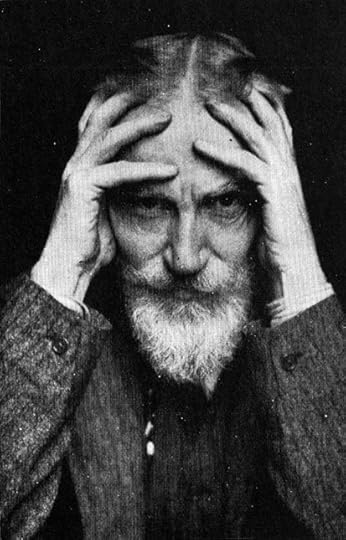
George Bernard Shaw

1,982 books4,122 followers
George Bernard Shaw was an Irish playwright, socialist, and a co-founder of the London School of Economics. Although his first profitable writing was music and literary criticism, in which capacity he wrote many highly articulate pieces of journalism, his main talent was for drama. Over the course of his life he wrote more than 60 plays. Nearly all his plays address prevailing social problems, but each also includes a vein of comedy that makes their stark themes more palatable. In these works Shaw examined education, marriage, religion, government, health care, and class privilege.

An ardent socialist, Shaw was angered by what he perceived to be the exploitation of the working class. He wrote many brochures and speeches for the Fabian Society. He became an accomplished orator in the furtherance of its causes, which included gaining equal rights for men and women, alleviating abuses of the working class, rescinding private ownership of productive land, and promoting healthy lifestyles. For a short time he was active in local politics, serving on the London County Council.

In 1898, Shaw married Charlotte Payne-Townshend, a fellow Fabian, whom he survived. They settled in Ayot St. Lawrence in a house now called Shaw's Corner.

He is the only person to have been awarded both a Nobel Prize for Literature (1925) and an Oscar (1938). The former for his contributions to literature and the latter for his work on the film "Pygmalion" (adaptation of his play of the same name). Shaw wanted to refuse his Nobel Prize outright, as he had no desire for public honours, but he accepted it at his wife's behest. She considered it a tribute to Ireland. He did reject the monetary award, requesting it be used to finance translation of Swedish books to English.

Shaw died at Shaw's Corner, aged 94, from chronic health problems exacerbated by injuries incurred by falling.

Ratings & Reviews

What do you think?
Rate this book

Friends & Following

Create a free account to discover what your friends think of this book!

Community Reviews

5 stars
172 (24%)
4 stars
259 (36%)
3 stars
214 (29%)
2 stars
53 (7%)
1 star
16 (2%)
Displaying 1 - 30 of 91 reviews
Profile Image for Fergus, Weaver of Autistic Webs.
1,270 reviews18.4k followers
December 9, 2024
Most critics take The Black Girl in Search of God to be a depiction of The Religious or Philosophical Way - specifically, the search for a Truth that will put all our nagging doubts to rest. I guess a lot of us here on Goodreads persist in that Search - through our reading - for final answers.

That’s good, cause So Do I. Some of the time.

That Road, though, as Frodo said, goes on Forever - and like his and this girl’s search, gets thornier and thornier.

But we persist.

Until we find, as some do, that:

the end of all our searching
Will be to arrive at the place we started
And KNOW the place for the first time.

Recently I arrived back at my starting place - the cause of ALL my problematic questioning - and knew I’d had that exact feeling 50 years ago. It was a sudden insight into the world in the Absolute Present: the present of sheer concrete actuality.

I think the message of its reoccurrence - endlessly echoed in my mind - was that it was Sufficient that I Saw it, the rest of the answer being of course blind faith.

But like Chogyam Trungoa says we all - alas! - have Monkey Minds. And though the Seeing is Sufficient, we all search again and again for that insight to buttress ourselves against the necessary reaction to that Seeing in the face of Evil.

We keep chasing, like U2, after “every breaking wave.” As I did 50 years ago, when confronted by bleak Nothingness.

But the real experience is that the Newness of Being “bloweth where it listeth”, and that this truth to us now appears almost to randomize the intuition of Being.

So if we’re not careful, we’ll fight Evil by Searching for solace, repeatedly.

This, I think, is what Shaw and the young girl do.

Continuing to search until death. A mistake, unless you can help it.

But Christianity teaches us quite another response: Don’t Resist Evil. Just BEAR its weight humbly and quietly.

So 50 years later and now a confirmed believer, I chose, this time, not to resist evil - to try and bear the reaction of pain toward nothingness with equanimity and an altruistic attitude.

Now, we all Know no fix is foolproof, and for Buddha the first truth of existence is its PAIN.

So we’re always gonna stumble and fall.

But by just bearing our loads patiently, we’ll find that that response works best:

As we return again and again to the Joy of a Fresh, New Beginning.
Profile Image for Agir(آگِر).
437 reviews700 followers
August 27, 2016
این پیرمرد ایرلندی واقعا معرکه اس

description

جورج برنارد شاو در سفری کوتاه اما پر ماجرا، ما را با دخترک سیاه زیبایی همراه می سازد تا به گونه ای دیگر با عقاید کهن و خدایان گوناگون آشنا شویم. او با طنز مخصوص خودش و نه به وسیله فحش و ناسزا، با مقدسات و اعتقادات عامه روبرو می شود. البته گاهی با چماق به جان این خدایان که بسیار از خود راضی هستند می افتد
:)

در کتاب مقدس چند تصویر از خدا وجود دارد که تفاوت های عجیب و زیادی باهم دارند. در ابتدا خدای خشمگینی می بینیم که مانند یک دیکتاتور خونخوار از خون انسان و حیوان لذت می برد

ـ ای دختر نادان زود به سجده درآ و دفعه دیگر که پیش من می آئی عزیزترین فرزند خود را بیاور و در پای من به رسم فدیه قربانی کن زیرا من از بوی خونی که تازه ریخته شود بسی لذت می برم
ـ من فرزندی ندارم و دختری بکر هستم
ـ پس برو پدرت را بیاور تا ترا قربانی کند و به قوم خود نیز بگو که میش و بز و گوسفند فراوان آورند و به رسم فدیه در پیش من بسوزانند تا غضب مرا نسبت به خویش فرو نشانند وگرنه هر آینه آنها را به بلایی سخت گرفتار سازم تا بدانند که من خدا هستم


همانطور که "اوبوت سن لورانس" می نویسد: چون خداوند بوی گوشت سوخته را بویید و از آن لذت برد از اینکه بار دیگر نوع بشر را به وسیله طوفان هلاک سازد صرفنظر نمود و چنانکه کتاب مقدس می گوید نوح از هر جانور پاک و هر پرنده پاک گرفته در قربانگاه بسوزانید. فکر قربانی خون و عقیده به اینکه انتقام خون آلود و هراسناک خدا را می توان به وسیله قربانی خون دیگری فرو نشانید در سراسر انجیل و سایر کتب عهد جدید منعکس است. شکنجه و قتل مسیح را فدیه گناهان دیگران می شناسند تا به شفاعت آن بتوانیم وجدان خود را فریب داده از انجام مسئولیت های اخلاقی شانه خالی کنیم و شرمساری ها و خجالت های خود را به تسلای خاطر تبدیل کنیم و بار گناهان و کثافت کاری های خود را بر دوش مجروح مسیح قرار دهیم

خدای بعدی خدایی است که خود را منطقی و اهل بحث و گفتگو می پندارد و می گوید حتی ایوب را هم مجاب کرده که چرا او را مورد عذاب قرار داده

ـ از من نترس، من خدای ظالمی نیستم. با من بحث کن
ـ من اهل مجادله و مباحثه نیستم. من فقط می خواهم بفهمم که اگر واقعا تو دنیا را آفریده ای چرا اینقدر بد خلق کرده ای؟

ـ حالا کار تو بجایی رسیده که از من حساب می کشی؟ تو اصلا خودت کی هستی که می خواهی از من انتقاد کنی؟ اگر می توانی دنیای بهتر خلق کنی بسم الله؛ فقط یک قسمت کوچکی از دنیا را خلق کن. ملتفت شدی؟ حشره مضحک بی مقدار

ـ این که استدلال نیست این فحش و تمسخر است. معلوم می شود تو اصلا نمی دانی مباحثه و استدلال یعنی چه؟ من به خنده تو اهمیتی نمی دهم ولی تو هیج به من نگفتی که چرا دنیا را تمام و خوب نیافریده ای و آن را مخلوطی از خوب و بد ساخته ای؟ اینکه از من می پرسی آیا می توانم دنیای بهتری خلق کنم جواب سوال من نمی شود. اگر من خدا بودم هرگز این مگس های مرض خواب را نمی آفریدم. مردمی که من ایجاد می کردم هرگز عصبانی نمی شدند و مرتکب گناه نمی گردیدند. چرا باید به بعضی مارها زهر داد در صورتیکه سایر مارهای بی زهر با کمال راحتی زندگی می کنند؟ چرا میمونها را اینقدر زشت و پرندگان را آنقدر قشنگ آفریدی؟

ـ چرا نباید این کارها را بکنم؟
ـ چرا باید بکنی اگر ریگی به کفش خود نداری و مقصوردت از این مگس های خطرناک اذیت مردم نیست؟
ـ پرسیدن معماهای ابهام دار که مباحثه نمی شود. اینها خارج از مقررات مناظره است
ـ اصلا خدایی که نتوانند به پرسش های من جواب بدهد به درد من نمی خورد


بعد نوبت دیدار با میکاه نبی می شود که خدای خشمگین اولی را بشدت رد می کند. و ما را بسوی خدای مهربانی میخواند که فقط باید عبادتش کرد و سپس او ما را هدایت خواهد کرد

تو با فروتنی سالک باش و خداوند تو را دلالت خواهد نمود. وقتی خدا رهبر تو باشد چه حاجت است بدانی به کجا می روی؟
ـ خدا مرا چشم داده تا راه خود را ببینم و هوش و عقل بخشیده که آنرا بکار ببندم. دیگر چگونه می توانم از او بخواهم که به جای من ببیند و برای من فکر کند؟


جواب دخترک طوری او را به خشم می آورد که نعره اش تمام جنگل را بر می دارد. و دخترک می فهمد این بار چماق بدرد نخواهد خورد و فرار را برقرار ترجیح می دهد
:)

اینبار نوبت دیدار با دانشمندی است که مانند خیلی از هم پیشگانش صرفا فقط به دنبال علم محض است
کار من این است چیزی که تا بحال مجهول بود را بیاموزم و آن را بصورت علم بدنیا تقدیم کنم و بدین طریق به مجموع حقایقی که عملا ثابت شده است چیزی بیافزایم
برنارد شاو آنان را مورد تمسخر قرار می دهد چون آنها اصلا به این نمی اندیشند که آیا این علمشان استفاده ای برای زندگی و انسان ها دارد یا نه. فقط می خواهند هر طور شده چیزی را اثبات کنند یا کشف کنند

سپس نوبت دیدار با مسیح می شود که مطابق با مسیحی است که کلیسا تعریف کرده است یعنی پسر خدا و از مراسم به صلیب کشیدنش بتی ساخته اند

شعبده باز(مسیح) گفت: تو نباید شکایت کنی چرا این خدایان صورت مرد به خود گرفته اند...برای ایجاد رابطه میان الوهیت و انسانیت لازم است خدایی به صورت مرد در آید
دخترک سیاه گفت: یا زنی به صورت خدا در آید و این ترتیب بهتر خواهد بود زیرا خدایی که به صورت انسان در آید از رتبه ی خود تنزل نموده ولی زنی که خدا شود ترقی کرده است

البته مسیح از نظر خیلی از روشنفکران انسانی بسیار بزرگ و آزاده بودند و بسیار متفاوت تر از مسیح کلیساست. در طول داستان دخترک سیاه با سفیدپوستان اروپایی و ولتر و محمد هم برخورد می کند که هرکدام حاوی نکات جالبی است

:حرف آخر

برنارد شاو میخاد بگه وقت ارزشمندمان را برای پیدا کردن راه زندگی مان در آیین کهنی که از لحاظ اخلاقی اشکالات زیادی دارند و قوانین آن با زندگی امروز سنخیتی ندارند، تلف نکنیم. شاید مروری ساده در آن کتابها کافی باشد تا به نتایجی همانند نظرات برنارد شاو برسیم. این کتابها فقط برای آن مفیدند تا بدانیم پدران و اجدادمان چگونه اندیشیده اند و برخی پرسش های تحقیقی دیگر را در آن جستجو کنیم

سوالی که با خواندن این کتاب پیش می آید اینست که آیا دیگر وقت آن نرسیده که در همه جهان با راه و روشی زندگی کنیم که انسانیت و تمدن بشری به آن رسیده است؟

ـ اگر بفهمی که اصلا خدایی نیست آنوقت چه؟
ـ اگر من بدانم خدایی نیست آنوقت زن بدی خواهم بود
ـ کی چنین حرفی به تو زده است؟ تو نباید اجازه دهی دیگران فکر تو را با این قیود محدود سازند. پس اول باید بفهمی چه چیزی باید باشی؛ آنوقت تشخیص دهی زن بد و خوب چیست

ـ اما بعد از مرگ هم آینده ایست که اگر من نتوانم در آن زندگی کنم، می توانم آنرا درک کنم
ـ آیا از گذشته با خبری؟ اگر گذشته که حقیقتا واقع شده است از حدود دانایی تو خارج می باشد، چگونه می خواهی بر آینده که هنوز اتفاق نیافتاده است واقف گردی؟

Profile Image for Paul Bryant.
2,408 reviews12.6k followers
September 26, 2018


Like all of these satires (Pilgrim’s Progress, Rasselas, Candide, etc) a cartoon figure wanders about a cartoon landscape and encounters other cartoon figures who Represent Something. This novella has a pop at several versions of God and perhaps surprisingly not just Christian versions. Along with Jesus, Mohammed himself appears to debate with the Black Girl at one point. I would be interested to find out if modern Muslims find this part offensive.

I liked the feminism of the following dialogue –

“A Man needs many wives and a large household…” said the Arab. “He should distribute his affection. Until he has known many women he cannot know the value of any; for value is a matter of comparison.” [Note : Smokey Robinson in “Shop Around” by the Miracles says the same thing.]

“And your wives?” said the black girl. “Are they also to know many men in order that they may know your value?”

“Learn to hold your peace, woman, when men are talking and wisdom is their topic. God made Man before he made Woman.”

“Second thoughts are best,” said the black girl. “If it is as you say, God must have created woman because he found Man insufficient. By what right do you demand fifty wives and condemn them to one husband?”


(In case anyone may think that this is a rather racially stereotyped argument aimed at the famous Arab harems, I was watching an excellent documentary on Netflix called Oklahoma City, all about the Timothy McVeigh bombing. The background to that bombing was the attack by the US government on the Branch Davidians at Waco, Texas, so all that came under the spotlight, and guess what, David Koresh had himself a real harem going on in Waco before it all went up in flames. As do most cult leaders. My theory is that cults are started by men to accomplish just that, and all the theology involved is just a means to that end. The Arab's point of view is still shared by a great number of men. Look no further than all the Harvey Weinsteins and Bill Cosbys.)

ANSWERS TO THE BLACK GIRL

This information is all from Wikipedia, but pretty interesting – Shaw’s book caused a few people to write responses in 1933 :

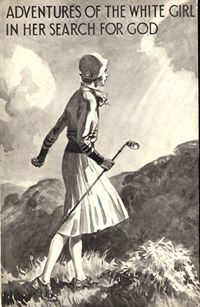
The Adventures of the White Girl in her Search for God by Charles Herbert Maxwell

A white girl meets Shaw and the black girl and they visit H. G. Wells, Aldous Huxley and other authors to discuss modern ideas about God.


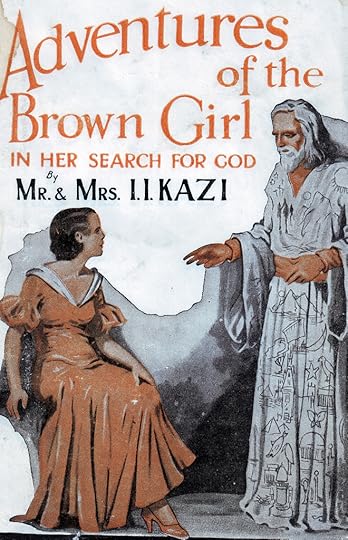
The Adventures of the Brown Girl in her Search for God by Mr and Mrs I. I. Kazi. A Muslim answer to Shaw. Promotes the idea that because all true religion is monotheistic "every prophet preached Islam".


The Adventures of the Black Girl in her Search for Mr Shaw by Mabel Dove

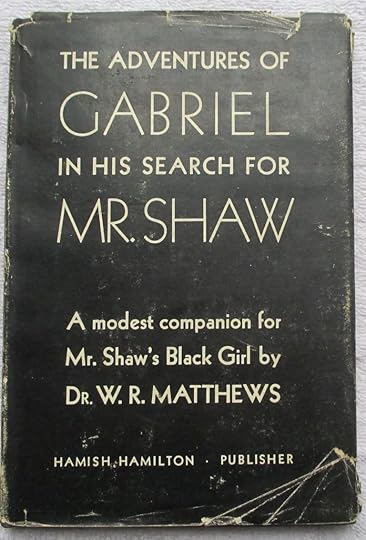
The Adventures of Gabriel in his Search for Mr. Shaw by W R Matthews
God sends the Archangel Gabriel to seek out the real Bernard Shaw, discovering four "sham" Shaws


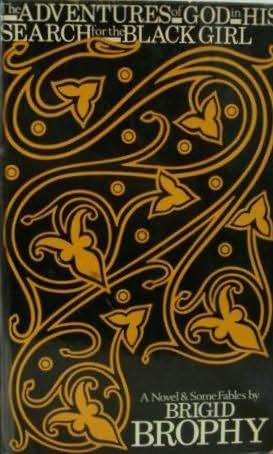
The Adventures of God in his Search for the Black Girl by Brigid Brophy

Profile Image for Elinor.
173 reviews113 followers
December 30, 2020
“The Adventures Of The Black Girl In Her Search For God”, published in 1932, must have been viewed as unconventional, perhaps even heretic.

In this short story, Shaw’s wit and humour shimmer on the surface at times, but it is a rather more solemn affair than Pygmalion. This is definitely Shaw the polemicist, and/or political activist writing. A second part was later added to the book (included in this version) in which Shaw gives context to his black girl allegory against a backdrop of worldwide crisis.

The tale tells the story of a black girl converted to Christianity. Dissatisfied with her missionary’s answers to her questions, she sets off to find answers herself in a quite literal interpretation of “seek and you shall find.”

And she does find quite an army of Gods and Messiahs, and Scientists along the way. If we compare it to contemporary thinking about the scriptures, Shaw’s views are somewhat outdated (but perhaps he contributed to creating what are today well-trodden paths).

It is interesting to read what a commotion this publication caused at the time and that many critical parodies were written in return. I’d be interested in reading them but for lack of time and my already humongous pile of books to read!

Happy reading everybody and thank you Fergus for the buddy read, and the sharing of ideas and feelings on this one 🙂.
Profile Image for Paradoxe.
406 reviews153 followers
September 4, 2018
Η περίληψη έλεγε πως η παραβολή αυτή είναι αντίστοιχη με τον Καντίντ. Όχι δεν είναι. Είναι πιο επιθετική, αμεσότερη και τα θεμέλια της είναι πλατύτερα. Είναι μια αναζήτηση για την αυτοπραγμάτωση μέσα απ’ όλα εκείνα που μπορούν να απασχολήσουν τον άνθρωπο: την ηθική, τη φύση του καλού ή του κακού, την ισότητα, την ύπαρξη του θείου έξω από ‘μας, ή μέσα μας. Είναι ένα παιχνίδι που τίθενται όλες οι σωστές ερωτήσεις για τις οποίες δεν υπάρχουν εύκολες απαντήσεις. Η απάντηση απαιτεί να έχεις ζήσει, να έχεις αναζητήσει, να έχεις βάλει μικρούς στόχους που διαρκώς σε οδηγούν σε ένα νέο δωμάτιο. Θα συναντήσεις πολλούς σταθμούς και ανθρώπους καλούς, κακούς, ανόητους, μέντορες. Από ‘σενα εξαρτάται ποιους θα πάρεις μέσα σου – μαζί σου και ποιους θα προσπεράσεις. Τα σημάδια που θα αναζητήσεις προκειμένου να δεχτείς ή να απορρίψεις.

Μια μικρή ιστοριούλα που δε χάνει κανένας τίποτα αν τη διαβάσει. Δεν κερδίζει όμως και πολλά. Έγραψα παραπάνω πως είναι επιθετικότερη και αμεσότερη απ’ τον Καντίντ, δεν είναι όμως ανθεκτικότερη. Ο λόγος της είναι πιο ξεκάθαρος, αλλά όχι πιο βαθύς. Θέλει να πει πολλά, να μιλήσει για τα πάντα, να σατιρίσει, να εξηγήσει, ή να ανατρέψει, να θίξει το άδικο απέναντι στη γυναίκα, απέναντι στη φυλετική διάκριση και στο τέρας του εκπολιτισμού των ιθαγενών και γι’ αυτό τελικά περνάει πάνω απ’ όλα, με ταχύτητα και δε στέκει πουθενά.

<< Πόσο καλύτερος θα είναι ο κόσμος όταν όλα θα είναι γνώση και δε θα υπάρχει διόλου οίκτος >>;

<< Μου έδωσε μάτια να καθοδηγώ τον εαυτό μου. Μου έδωσε μυαλό και μ’ άφησε να το χρησιμοποιώ. Πώς μπορώ τώρα να στραφώ σ’ αυτόν και να του πω να βλέπει για λογαριασμό μου και να σκέφτεται για ‘μενα >>;

<< - Άλλωστε γιατί θα ‘πρεπε οπωσδήποτε να μην είσαι κακιά γυναίκα;
- Α μα μη λες ανοησίες τώρα! Το να ‘σαι κακιά γυναίκα σημαίνει να είσαι κάτι που δε θα ‘πρεπε καθόλου να είσαι.
- Τότε θα πρέπει ν’ ανακαλύψεις πρώτα αυτό που είναι σωστό να είσαι.
- Αυτό είναι αλήθεια. Αλλά ξέρω ότι θα ‘πρεπε να είμαι καλή γυναίκα, έστω κι αν είναι άσκημο πράγμα το να είναι κανένας καλός >>
Profile Image for Shirin.
43 reviews10 followers
January 29, 2019
برنارد شاو حدود ۱۰۰ سال قبل،به زیباییِ تمام،تاریخ پیدایش و ترقی فکر بشری راجع به خدا رو در قالب یه حکایت گیرا نوشته و چقدر همراه شدن با قلم و تفکرش لذت بخشه.

بخشی از کتاب:
"بیشتر اوقات میزان زودباوری و شوق و استقبال مردم درقبول افکار جدید و به کار بستن آن ها بدون داشتن کوچکترین دلیل مقنع موجب ترس و هراس من می شود.مردم به هر چیزی که موجب تفریح آن ها شود یا شهوات آنها را اقناع نماید یا امید سودی در آن باشد،ایمان می آورند و تنها تسلی خاطر من آن است که در طی زمان عقاید سخیف و ابلهانه لطف و زیبایی آنی خود را از دست می دهند و از مد می افتند و رهسپار دیار عدم می گردند."
Profile Image for Elina.
510 reviews
July 19, 2016
Ένα απίθανο αλληγορικό κείμενο, με στόχο την αναζήτηση του Θεού. Καταπληκτικό, ζωντανό, αληθινό!!! Διαβάστε το!!!
Profile Image for robin friedman.
1,945 reviews415 followers
September 6, 2024
A Book From A Friend

During a weekend visit, an old friend recommended Shaw's short 1932 novel, "The Black Girl in Search of God." He lent me his hoary old paperback copy -- with the smell of must which he has owned and kept at his side for over fifty years. (His copy of the book includes a nameplate with a pre-zip code address.) I was reluctant to borrow what appears to be a book with heavy sentimental value, but my friend's wife seemed happy to have an old bad-smelling book out of the house. There is always so much to read and learn, and Shaw's book covers some of my own preoccupations over the years.

In a concise, sharp, and polemical way, Shaw deals with difficult questions of religion and the search for God. Shaw wrote this little parable in 1932 while visiting in South Africa. In addition to the story, the book includes Shaw's epilogue which reflects upon and interprets his own work.

The book tells of the spiritual quest of an unnamed young naked African woman after her conversion by a female European missionary who has also taught her to read. The young woman is unable to accept what she has been taught and embarks on a journey in search of God. Thus, the book is in the form of a spiritual quest, in common with many other books. In the course of the journey, the young woman meets people or figures with different concepts of God. These include various representatives of the different views of God in the Old Testament, from the God of the Pentateuch to the God of Job to the God of Micah, to the God of the New Testament. The young woman also meets an Arab with an Islamic understanding of God. In addition, the heroine meets scientists and artists with their own understandings. She also meets an elderly man who advises her to remain within herself and her finitude in the manner of Voltaire's Candide and an Irishman whom she marries. A comic figure, the Irishman offers what may be something of a complex, modern religious teaching.

"Sure God can search for me if He wants me. My own belief is that He's not all that He sets up to be. He's not properly made and finished yet. There's something in us that's dhrivin at Him, and something out of us that's dhrivin at Him: that's certain; and the only other thing that's certain is that the something makes plenty of mistakes in thrying to get there. We'v got to find out its way for it as best we can, you and I; for there's a hell of a lot of other people thinking of nothin but their own bellies."

As I understand it, the Irishman believes in a developing, ideal God. His statement suggests that God is not a thing but rather a developing ideal. Human beings search for God through knowledge and through kind behavior but make mistakes in the process. God is a process that inspires and is realized in human behavior and thought at their best rather than a creator or a giver of commands. Science and causation are not substitutes for God because they lack ideals and purpose. Hence, there is a need for religious and metaphysical understanding without repeating the views of the past or accepting wrong concepts. There may be a suggestion in Shaw that socialism is a consummation of the search for God, so understood. But such a belief would be separate from the Irishman's primary insight.


Shaw's parable combines heavy skepticism with a story of a religious quest. In addition to the allusion to Voltaire, the story reminded me of other longer and more difficult books, including Spinoza's Theological-Political Treatise. Most of the time, people probably come to books such as this little work by Shaw when they are young, as my friend did, and their minds have not fully hardened. I imagined giving this book to some friends of my own age to read and thinking about the response it would likely receive. (In Ireland, Shaw' was condemned as a blasphemer when the book first came out.) People find the books they need in odd ways at different stages of their lives. And I am glad to have found this book through a friend.

Robin Friedman
Profile Image for Preetam Chatterjee.
6,737 reviews355 followers
March 26, 2025
"Not all those who wander are lost." — J.R.R. Tolkien

ভূমিকা: জর্জ বার্নার্ড শ’র The Adventures of the Black Girl in Her Search for God (১৯৩২) শুধুমাত্র একটি ধর্মীয় অনুসন্ধানের গল্প নয়, বরং এটি ধর্মীয় প্রতিষ্ঠান, বিশ্বাসের দ্বন্দ্ব এবং যুক্তিবাদী চেতনার প্রতি শ’র বিদ্রুপাত্মক পর্যবেক্ষণের এক উজ্জ্বল নিদর্শন। আফ্রিকান এক তরুণী, যিনি খ্রিস্টান ধর্ম গ্রহণের পরেও ঈশ্বর সম্পর্কে এক গভীর অনুসন্ধানে বের হন, তার পথচলার মধ্য দিয়ে শ’ সমাজ, ধর্ম এবং দর্শনের মূলগত প্রশ্নগুলোকে চ্যালেঞ্জ করেন।

"Faith is a fine invention / When gentlemen can see—" — Emily Dickinson

ধর্ম ও যুক্তির সংঘাত: শ’র গল্পটি মূলত ধর্মীয় প্রতিষ্ঠানের প্রচলিত ধ্যানধারণার বিরুদ্ধে এক প্রবল যুক্তিবাদী আক্রমণ। প্রধান চরিত্র যখন একের পর এক তথাকথিত ঈশ্বরের প্রতিনিধিদের সম্মুখীন হন, তারা প্রত্যেকে বিভিন্ন ঈশ্বরের অস্তিত্বের যুক্তি উপস্থাপন করেন, যা শেষ পর্যন্ত পরস্পরবিরোধী ও অসংলগ্ন হয়ে ওঠে। শ’ এখানে ব্যঙ্গাত্মক ভঙ্গিতে দেখিয়েছেন কীভাবে বিশ্বাস ও যুক্তি প্রায়শই একে অপরের বিরুদ্ধে অ��স্থান নেয়।

"I, too, sing America." — Langston Hughes

উপনিবেশবাদ ও পরিচয়ের প্রশ্ন: একটি আফ্রিকান তরুণীকে কেন্দ্র করে গল্প গড়ে তোলার মাধ্যমে শ’ ব্রিটিশ উপনিবেশবাদের ধর্মীয় ও সাংস্কৃতিক আগ্রাসনের বিষয়টিকেও ইঙ্গিত করেছেন। তরুণী যখন বিভিন্ন ঈশ্বরের অনুসন্ধানে বের হয়, তখন বোঝা যায়, তার বিশ্বাসের ভিত্তি মূলত ইউরোপীয় প্রচারের ফল। কিন্তু প্রশ্ন করার ক্ষমতা তাকে এই ভিত্তি থেকে দূরে সরিয়ে নিয��ে যায় এবং নিজের পরিচয়ের দিকে নতুনভাবে তাকাতে বাধ্য করে।

"Tell all the truth but tell it slant." — Emily Dickinson

শ’র বিদ্রুপ ও রসবোধ: শ’র লেখার অন্যতম বৈশিষ্ট্য তার চাতুর্যপূর্ণ বিদ্রুপ। এখানে তিনি ধর্মীয় গুরুদের যুক্তির অসারতা এবং অন্ধবিশ্বাসের হাস্যকর দিকগুলো অত্যন্ত সূক্ষ্ম ও রসাত্মকভাবে তুলে ধরেছেন। গল্পের ভাষা সরল, তবে তীক্ষ্ণ এবং কখনো কখনো কৌতুকপূর্ণ।

"We are such stuff as dreams are made on." — William Shakespeare\

পরিশেষে যা বলার থাকে: শ’র The Adventures of the Black Girl in Her Search for God মূলত এক গভীর চিন্তার অন্বেষণ। এটি একাধারে ধর্মীয় সংকীর্ণতার বিরুদ্ধে এক যুক্তিবাদী প্রতিবাদ এবং ব্যক্তিস্বাধীনতার এক উদযাপন। এই ছোট উপন্যাসের মাধ্যমে শ’ আমাদের ভাবাতে বাধ্য করেন— ঈশ্বরের অনুসন্ধান কি আদৌ শেষ হয়, নাকি তা আসলে এক অন্তহীন আত্ম-অন্বেষণ?

শ’ এই বইয়ের মাধ্যমে কেবল ধর্ম নয়, বরং জ্ঞানের প্রকৃতি ও মানব সভ্যতার অন্তর্নিহিত দ্বন্দ্বকেও গভীরভাবে প্রশ্ন করেছেন। গল্পটি তার সরল ভাষার আড়ালে যে গভীর দার্শনিক বিতর্ক তুলে ধরে, তা আজও সমানভাবে প্রাসঙ্গিক।
Profile Image for Philip.
Author 8 books153 followers
September 19, 2008
The title piece in this anthology is a parable on the nature of religious belief. When first published in 1932 it caused quite a stir and I wondered whether the intervening 75 years might have rendered it something less of a shocker. I found that, apart from one violation of current political correctness and a few inevitable stylistic issues, the message had lost none of its poignancy and perhaps little of its ability to shock.

The Black Girl in Search of God is not a novel or a novella. It is not really a short story either. I choose to describe it as a parable because others have, but equally it could be classed alongside Plato’s symposium as a vehicle for examining a philosophical idea. It’s not a discourse, but it could be a meditation, albeit a rather energetic one. The idea in question, of course, is the nature of religious belief.

The Black Girl of the title is only cast as such, I think, to provide Shaw with a literary vehicle to convey his otherwise naïve questions about Christianity. To this end, The Black Girl is presented as a “noble savage”, and thus a tabula rasa. It is here – and only here – that Shaw violates current correctness. The character could have been cast as a child, but then she could not have threatened to wield her knobkerrie, her weapon, and nor could she have been portrayed as bringing no tradition of her own. We must accept, therefore, that there remains a functionality about the role of this character. She does not represent anything, except her ability to ask the questions she is required to ask.

The Black Girl has been converted to Christianity by a young British woman who has taken delight in amorously jilting a series of vicars. She then becomes a missionary, despite her clearly thin grasp of the subject matter. She is, perhaps, an allegory of colonial expansion. She goes abroad to teach others despite not having achieved fulfilment or knowledge in her own life. It might be important that the teacher and the taught are both women.

When her convert starts asking questions, fundamental questions that the missionary herself has never heard asked, never mind answered, she reverts to invention, not scholarship. Shaw’s intention is clear. She invents myth to mystify myth. And this cloak satisfies the curiosity of the average Christian, but not The Black Girl, who thus goes off in search of God.

And, guided by snakes, she finds Him. And not just once, because there is more than one God in the Bible she carries. There is the God of Wrath, who demands the sacrifice of her child. When she cannot comply, He demands she find her father so he can sacrifice her. A good part of the Bible thus disappears from her new-found faith.

She meets an apparent God of Love, but he laughs at Job for being so naively and blindly devout. More of her book blows away.

She meets prophets who, one by one, deliver their different messages, most of which conflict and communicate individual political positions or bigotry rather than personal revelation.

On the way she belittles Imperial power and male domination. She learns that most “civilised” countries have given up on God and hears a plea that people like her should not be taught things that the mother country no longer believes.

Scientists offer her equally conflicting opinions. They are careful only to describe, never to conclude or interpret. In a way, they are just modern prophets, each with their own interested positions.

There is an amazing episode where a mathematician implores her to consider complex numbers, the square root of minus x, which The Black Girl hears as Myna sex or perhaps its homophone minor sex, and is clearly a reference to feminism. Along with economic power and male dominance, The Black Girl sees guns as the highest achievement of white society. This anticipates the description of colonialism’s trinity in Ngugi’s Petals of Blood.

Then, in a strange section, an Arab discusses belief with a conjuror. These appear to be a pair of major prophets in thin disguise. But their discussions merely confuse the girl and their words skirt her questions.

And so she meets an Irishman, marries and settles down. She devotes herself to him, their coffee-coloured children and the fruits of their garden. Note that she does not devote herself to herself. She projects out, does not analyse within. And in this utterly humanist universe she finds not only personal happiness, but also fulfilment and, with that, answers to her own metaphysical questions that religion per se could not even address.

And so, as the parable closes, we ponder whether the Irishman she marries is Shaw, and whether The Black Girl is the questioning, non-racist, non-sexist, socialist and humanist vision of the future he has personally espoused.

And as for the Lesser Tales, they are generally lesser. Don Giovanni explaining himself was fun and the Death of an Old Revolutionary Hero was prescient of the role of the Socialist Workers’ Party adopted in maintaining Margaret Thatcher in power in the 1980s. A great, historical and fundamentally contemporary read.
Profile Image for Alvand.
70 reviews11 followers
April 26, 2020
دخترک سیاه نماد انسانی است که در جستجوی خداست، راهی سفری می‌شود تا خدا را بیابد، زیرکی او نشانگر انسان جستجوگری است که با هر پاسخی قانع نمیشود، او این سفر را آغاز می‌کند و هربار با اشخاصی روبرو می‌شود که هریک از آن‌ها آدرس خدایی را به او می‌دهند ولی...
.
.
این داستان سراسر نقد است، نقد به دین و مذهب و عقایدی که لازم است انسان متمدن برای یک‌بار هم شده به آن‌ها فکر کند، کتاب در قالب دیالوگ‌های مختلف پرسش‌ها و پاسخ‌هایی را به سمت مخاطب پرتاب می‌کند که مخاطب را در عمل تصمیم‌گیری قرار می‌دهد، تصمیم بر اینکه کدام پرسش یا پاسخ را انتخاب کند، به عهده‌ی خود اوست.
محوریت اصلی نقد این کتاب بر مهم‌ترین منبع ادیان، یعنی همان کتاب مقدس است، خصوصا نقد بر محتوای کتاب‌های مقدس؛
نقد به اشخاصی که به نوعی عالم بی‌عمل هستند، نقد به صدور دستور کلی و قطعی زندگی، نقد به حرص و طمع انسان، نقد به تقدس پوچ بناهای مذهبی، نقد به منتظران منجی، نقد به موجودیت خدا و ...
در طرف مقابل، کتاب ادیان الهی یهودیت، مسیحیت و اسلام است، تا جاییکه با شخص پیامبر اسلام نیز دیالوگ‌هایی را مشاهده می‌کنیم.
.
.
برنارد شاو در نهایت پس از پایان قصه، در آخر کتاب برخی از نظراتش را پیرامون کتاب ذکر می‌کند و به نکات جالب و قابل تاملی (خصوصا در مورد کتاب مقدس) اشاره می‌کند؛ که در زیر برخی از آن‌ها را آورده‌ام:

_ امروز در حال بحرانی هستیم که یک‌دسته کتاب مقدس را به اسم مذهب در میان ابرها نگاه می‌دارند و دسته‌ای دیگر به‌نام دانش می‌خواهند آن را بطور کلی نابود سازند ولی پیشنهاد من آنست که کتاب مقدس را نه در میان ابرها نگه‌داریم و نه سعی بیهوده و محال در محو آن نماییم، چرا نباید آن‌را به زمین آورد و همانطور که هست با آن رفتار نمود؟
.
_ جامعه‌ای که بر اساس کتاب مقدس برنامه‌ای تاریخی در خانه و مدرسه بر او تحمیل شده باشد، از ملتی که هیچ چیز نمی‌خواند و یا فقط به خواندن داستان‌های مزخرف و اخبار مسابقه فوتبال و مقالات شهرداری اکتفا نماید، برای همسایگان خود خطرناک‌تر می‌باشد و خطر اضمحلال و نابودی خود آن جامعه، بواسطه روح ناسازگاری و جنون بزرگی که بدان دچار می‌گردد بیشتر است.
.
_ اگر شخصی در تمام عمر خویش به این جهان نیاندیشد و از خود نپرسد که مقصود از همه‌ی این اوضاع چیست، باید او را از زمره‌ی کسانی دانست که ملعون ازلی بشمار می‌آیند.
Profile Image for Kevin Osborne.
3 reviews2 followers
July 3, 2012
Truly magnificent. Shaw provides one of the best nonpartisan views of religion, metaphysics, and materialism. His "black girl" follows the intellectual evolution of God, starting with the brutish and sadistic genocidal God of Noah, to the confusingly totalitarian God of Job, through the improved but misunderstood Jesus, and culminating in her aiding of Voltaire's contemplative garden. I'm a little disappointing in myself for not immediately recognition the old man in the garden as Voltaire. The last line of Voltaire's magnum opus Candide reads, "But we must cultivate our garden." This after Candide's arduous voyage replete with more torment than one man should ever suffer.
Shaw's epilogue is a must read for Christians and atheists alike. It almost perfectly matches the views of Robert Wright in The Evolution of God. Realizing this, I searched the index of Wright's book, and surprisingly found no references to Bernard Shaw. I'd love to know if Wright had read this piece by the great playwright.
This is one of a few books that has really forced me to question my ideals, and made me think in new ways; just as Robert Wright has.
Profile Image for Chris.
170 reviews175 followers
August 18, 2015
In a sentence: A strong African woman casts off the restraints of a slave’s religion, challenges whitey’s gods, and pushes through to a way of life that is more natural, productive, and happy.

It doesn’t take long for nearly every intelligent author in the course of their career to weigh in on the one topic most try to avoid until they have had at least a small amount of success under their belt. The question of religion and of God are nearly inevitable in an author’s career, and I enjoy the challenge of searching/waiting for works which reveal authors’ best kept biases and most petty/profound insights. Sometimes I am devastated by the inanity and childishness of the reveal, and other times I am deeply moved and persuaded that there is more to the author than her works generally exhibit. Either way it’s entertaining.

So I was excited to stumble upon a work of George Bernard Shaw that performed quite well on this front. Mr. Shaw has thrown his hat in the ring of authors who have spoken out quite bluntly about God and religion, and he pulled no punches. Not only did Shaw tangle with millennia of Christian tradition—a.k.a. ‘God’—in the epilogue of the book, but he also slammed his atheist brothers and sisters for presuming to banish transcendent ‘meaning’ groped for in a mythos, and castigated agnostics for not committing either way and thinking to sidestep the question altogether (“mere agnosticism leads nowhere”). This much was made explicit only in the essay at the end of the book about the failure of modern Christianity, severed as it is from its original context and embellished and contorted in order to fit two millennia of evolving sensibilities and changing environments. But the beginning and middle of the book didn’t make the final comments any easier for the faithful to swallow.

Shaw’s heroine, called ‘the Black Girl’ throughout, is a smart, strong, African woman with as healthy a glow to her spirit as to her earth-strong skin and body. She was, in Shaw’s words, “a fine creature, whose satin skin and shining muscles made the white missionary folk seem like ashen ghosts by contrast.” And with this social commentary on the rooted superiority of African blood, body, and brain compared to the ‘ashen’ feebleness of their western ‘saviors’, the author sets up a contest between his protagonist the Champion of religion—namely, God. The Black Girl had been converted to Christianity by a sad, single missionary woman who had found no satisfaction in her life, and the Black Girl decides to go travelling through her jungle to see if she could find the real God of the Bible that the missionary had depicted. She strides off into the jungle, her knobkerrie in hand (a sort of club with a knob-tip used in hunting and battle), naked and shameless as the earth who mothered her.

Throughout the story she meets with different versions of the God of the Bible, each representing a successive stage of god-progression from blood-thirsty Lord of Hosts, to the God of Job and Micah, to the ascetic and passive Jesus who speaks of a kind of love that consumes individuals for the sake of the collective and frees no one. She debates with each of these gods, and ultimately moves on in search of a more perfect deity that offers more answers.

Perhaps the most interesting part of the story is when the Black Girl discusses God with a few enlightened westerners, and is told by one of the more honest ones that it were best that the Africans—who were “stronger, cleaner, and more intelligent”—not be taught to believe in the “simple truth that the universe has occurred through Natural Selection, and that God is a fable.” Why would this behoove the Westerners to teach? In the words of one pale-thing, “It would throw them back on the doctrine of the survival of the fittest…and it is not clear that we are the fittest to survive in competition with them...I should really prefer to teach them to believe in a god who would give us a chance against them if they started a crusade against European atheism.”

And there Shaw has put it about as succinctly and potently as he could. The Black Girl has felt the bottom of Christendom, and is ready to break out of the religious labyrinth that had been designed for the Third World by Western imperialists (though I don’t believe that the suppression of Third World freedom by Western religious controls is necessarily a conscious thing in all cases, but I wonder if white faithful folk would change their tune if they weren’t the saviors, and felt more in need of the saving). The Black Girl finds no theology which could deliver to her the perfected essence of the imperfect, traditional, Christian God with its heterogeneous limbs, faces, and purposes. The God she seeks doesn’t exist, and she ends up marrying a good Irishman who believes that “God can search for me if he wants me” (not bad terms to be on with God, if God is good that is). She later becomes a mother, reflects on the futility of wasting her life making assumptions about God and chasing mirages, and in the distraction of living her life and taking care of her family and children, completely loses interest in the search for a God whose absence didn’t ultimately affect her much. Later, after she had raised her children, she considers again taking up the search. But “by that time her strengthened mind had taken her far beyond the stage at which there is any fun in smashing idols with knobkerries.”

A brilliant little ending for a brilliant little book about the triumph of humanity over a few of its stubborn and isolated beliefs. It’s not that Shaw had no appreciation for Christianity—“at worst the Bible gives a child a better start in life than the gutter”—but he urged his fellow Sapiens to put behind them the cruder elements of a faith that must be outgrown, and make progress in the search for what William James called, “the More, and our union with it.” He knew the danger of a closed mind, and when one or more people are not willing to move forward and question tradition, things like Christian religion and the Bible become a little more than an impediment to growth—“[if] we cannot get rid of the Bible, it will get rid of us.”

Now all I need is to find me a knobkerrie and crack some ignorant skulls with it. And…I have learned nothing.
13 reviews8 followers
April 26, 2020
اگه شما هم مثل من در مورد خدا سوال دارین، این کتاب رو بخونین.
طنز نویسنده به گونه‌ای بود که دوست داشتی بیشتر و بیشتر بخونی و بدونی قراره چه اتفاقی بیوفته.

همونطور که نویسنده اشاره کرد گاهی باید چماق رو به دست بگیریم و بریم پی جست و جوی حقیقت :)
Profile Image for Kuszma.
2,849 reviews285 followers
February 9, 2020
Fehér férfi keresi az igazságot

avagy:

„Most pedig, miután megírtam a fekete leányzó történetét, azon elmélkedem, mi a tulajdonképpeni értelme, bár nem ismételhetem eléggé, hogy ebben a tekintetben én éppen olyan könnyen tévedhetek, mint bárki más és hogy az úttörő írók, mint minden úttörő, éppen úgy eltéveszthetik a célt, akárcsak Columbus.” (63. oldal)

Az ugye köztudott, hogy G. B. Shaw szatirikus hajlamával és igazságérzetével komplett erőműveket lehetett működtetni. No ő most fogja ember, vallás, tudomány és filozófia kapcsolatát, ennek minden ellentmondásával és kétszínűségével, majd képességei teljes arzenáljával bumm, odapörköl neki. Tanmeséjének főszereplőjéül kiválasztja a címbéli fekete lányt, aki ugye fekete is, meg lány is (ezt a 30-as évek kontextusában nyugodtan nevezhetjük halmozottan hátrányos helyzetnek), és elindítja: nosza, most keresd meg az Istent. A lány pedig ordas nagy bunkósbotjával nekiered, naivitásánál pedig csak romlatlan és éles, nyugati civilizációtól nem fertezett intelligenciája nagyobb (no meg a bunkósbotja), úgyhogy bárkivel fut össze, jól megmondja neki a valót.

Bizonyos passzusok nagyon tetszettek – szórakoztató és elgondolkodtató szöveg, ráadásul úgy világít rá álszentségeinkre, hogy közben többnyire elkerüli a didaktikusság medvecsapdáit. Ám mintha túl sokat akarna markolni, mindenről akar szólni (mert ember, vallás, tudomány és filozófia viszonya nyugodtan nevezhető mindennek, azt hiszem), de hát mindenről azért mégsem szólhat egy könyv, egy ilyen rövid meg pláne nem. Úgyhogy néha zavarosnak, kuszának tűnnek a kalandok, amire fényes bizonyíték, hogy maga Shaw is szükségét érezze, hogy a főszöveg mögé biggyesszen egy 20 oldalas utószót arról, hogy tulajdonképpen mit is akart mondani. Feltételezem, ha sikerült volna tökéletesen elmondania, akkor utószóra nem is lett volna szükség.
Profile Image for Manny.
Author 48 books16.1k followers
June 17, 2011
Attempts to do to The Pilgrim's Progress what The Wiz does to The Wizard of Oz, but unfortunately was written by a honky. Oh well.

Looking it up just now on Wikipedia, I'm struck by the following passage (it came out in 1932):
Both the story and the essay outraged the religious public, creating a demand that supported five reprintings ... Shaw exacerbated the general furor by proposing intermarriage of blacks and whites as a solution to racial problems in South Africa. This was taken as a bad joke in Britain and as blasphemy in Nazi Germany.
Profile Image for Xristina Hodor'i.
51 reviews3 followers
October 18, 2014
“A God who cannot answer my questions is no use to me” said the black girl.
“Besides, if you had really made everything you would know why you made the whale
as ugly as he is in the pictures.”

“My father beat me from the time I was little until I was big enough to lay him out
with my knobkerry” said the black girl; “and even after that he tried to sell me to
a white baas-soldier who had left his wife across the Seas. I have always refused to
say ‘Our father which art in heaven.’ I always say ‘Our grandfather.’
I will not have a God who is my father.”
Profile Image for Akram.
39 reviews3 followers
October 16, 2024
Comedically pretentious. Almost-amateurly Voltairesque.

I did not enjoy this as much as I thought I would for I have been ruined by religion and its pseudo-revelations. No one can fix it. Not even Shaw. But the message was felt.
Agnosticism is dumb, but very important. Also, always marry a Socialist.
Profile Image for Judith Johnson.
Author 1 book99 followers
January 28, 2014
It's literally decades since I read this book - been meaning to re-read for some time and may re-rate it once I do!
Profile Image for Alberony Martínez.
599 reviews37 followers
July 8, 2025
Aventuras de una negrita en busca de Dios es un texto que, aunque pareciese llevar un título provocador, despliega una meditación intensa sobre la espiritualidad, la inocencia y el conflicto entre culturas. Dejando aun lado la atribución o no a George Bernard Shaw, el texto cobra vida a través de la voz de una niña africana que, armada únicamente con su pureza y curiosidad, desafía los dogmas del poder colonial y las religiones impuestas. No busca a Dios en templos ni en sermones, sino en el valor de las preguntas que nadie se atreve a formular.

La fuerza del relato reside en su aparente simplicidad: una niña que no entiende por qué su mundo ha sido dividido entre los que mandan y los que obedecen, entre los que creen y los que son obligados a creer. Este contraste entre la mirada infantil y la autoridad adulta revela una crítica sutil pero penetrante al colonialismo y a la manipulación de lo sagrado. La protagonista no se rebela con ira, sino con una lógica implacable y una ternura que desarma: lo que busca no es el Dios de los conquistadores, sino una verdad que se parezca al amor, a la justicia, a su propia dignidad.

Tras su lectura, lo más valioso del texto no es su trama, sino el eco que deja en el lector: una invitación a desconfiar de las verdades impuestas y a escuchar con respeto las voces que se atreven a cuestionarlas desde la fragilidad. Es un libro breve, pero profundo, cuya relevancia crece en un mundo que aún arrastra los fantasmas del desprecio cultural y espiritual. Para algunos, leerlo podría ser una conversación incómoda, pero es necesaria, sobretodo por lo que entendemos por fe, poder y humanidad. Cuando lo leas, recordaras La alegoría de la "cachiporra" y el "agua sucia"
Profile Image for taonoui.
70 reviews9 followers
May 19, 2021
Eine sehr schöne Geschichte die als Hauptthema die Religionskritik hat. Sie ist auch gut geschrieben und ich war doch positiv überrascht wie in einer 1932 erstveröffentlichte Geschichte auch schon eine so klare Kolonialismuskritik drin steckt. Aber leider ist die Sprache der Epoche entsprechend auch rassistisch, so kommt z.B. das N-Wort als auch das M-Wort drin vor. Ehrlich gesagt hatte ich mich auf schlimmeres dahingehend eingestellt, schön zu reden ist es trotzdem nicht.
Ich kann mir gut vorstellen, dass sie zum Zeitraum der Erstveröffentlichung einen Eklat/Skandal ausgelöst hat. Heutzutage wäre es aber kaum eine Aufregung wert.

Der Epilog dazu wurde 1946 beendet und erklärt quasi die Geschichte und was dahinter steckt. Also so etwas wie ein Lektürenschlüssel. Sehr schön genacht

Meine Ausgabe ist eine Neuübersetzung von Ursula Michels-Wenz aus dem Jahre 1989. Die sich glücklicherweise mehr an den Originaltext hält und nicht durch die Übersetzung schon mehr Rassismus in den Text bringt. Vielleicht gibt es ja mal eine überarbeitet Neuauflage ohne die rassistischen Begriffe und Äußerungen. Zu wünschen wäre es, dem sonst sehr gelungenem Text.
Profile Image for Lukerik.
604 reviews7 followers
August 19, 2021
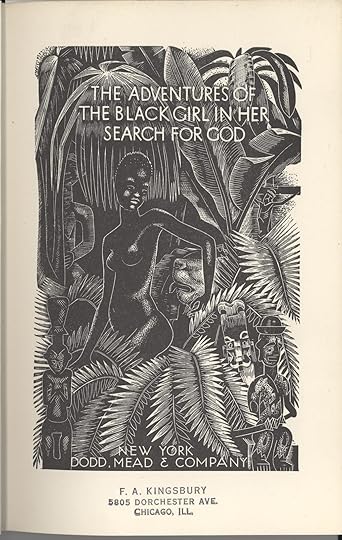
A satire designed to shock and outrage as many people as possible. It did the job back in the day just as well as it does now, though I doubt any mainstream publisher would touch it as a new book. The immediate cancelling would be the least of their worries. I suspect the depiction of Mohammed would lead to Charlie Hebdo moments for all concerned. There are text only editions on the market. Don’t bother with these. John Farleigh’s engravings really bring something to the text.

There’s something nasty about the book as you would expect from a satire. It’s saved by some clever writing and some very funny moments. The brutal character assassination of the missionary with which Shaw opens the book had me in stitches.
Profile Image for Ellen.
189 reviews2 followers
April 2, 2023
It would’ve had ⭐️ ⭐️ ⭐️ but for the ending.
It was going well but the ending wasn’t at all satisfying, though I do dispute his view of the God or Gods of the Bible: he hasn’t checked his facts. In his own words that George himself falls prey to, “I am often appalled at the avidity and credulity with which new idea are snatched at and adopted without a scrap of evidence.”
102 reviews
March 18, 2020
Ultimately a dismal story affirming my thesis that the Epicurean gardener type can't really be considered fully human. Some witty moments.
Profile Image for Nektarios kouloumpos.
186 reviews3 followers
February 19, 2018
Παραμυθάκι από τα λίγα! Σε 100 περίπο�� σελίδες σε περνάει από όλα τα γνωστά ιδεολογικά κινήματα και θρησκευτικά.
Profile Image for Glass River.
598 reviews
fic-guided
June 12, 2020
Shaw began writing as a novelist at a time when, as he said, any manuscript which wasn’t actually misspelled could get published. Which, of course, is why there are so many bad Victorian novels. Shaw himself wrote five such bad Victorian fictions at the start of his career. Shavians from time to time try to whip up interest in, say, Cashel Byron’s Profession. But it’s poor stuff, and even devotees must yawn a bit. Nonetheless Shaw wrote, later in his career, what qualifies as one very good novel: The Black Girl in Search of God. It’s an extended parable on the necessity of iconoclasm (never believing what you’re told) and a critique of empire (a dominion which, at the time, included a big chunk of Shaw’s Ireland). ‘Where is God?’ asks the ‘Black Girl’ of the female missionary who has converted her. ‘He has said “Seek and ye shall find me”,’ replies the missionary – a sexual neurotic who ‘At eighteen began falling in love with earnest clergymen, and actually became engaged to six of them in succession. But when it came to the point always broke it off’. The Black Girl, by contrast, is ‘a fine creature, whose satin skin and shining muscles made the white missionary folk seem like ashen ghosts by contrast . . .’ Knobkerry in hand, with which to smash false idols, the black girl goes off to seek the true creator. Her first encounter is with the God of the Old Testament – an awful brute, the prototype of every drunk father who comes home on Friday night and beats the kids. The New Testament God (her second encounter) is a namby-pamby. So much for the traditional deities.
Her most interesting encounter is with the new god of science – in the person of Pavlov, who has worked out why dogs do things by cutting out their brains and ‘observing their spittle by making holes in their cheeks for them to salivate through instead of through their tongues’. ‘The whole scientific world is prostrate at my feet in admiration of this colossal achievement’, he tells her. Do you know you’re sitting on a crocodile? asks the Black Girl. Pavlov promptly climbs a tree with an agility he didn’t know he possessed. There was no crocodile, she then tells him. Why did you do it? asks the great scientist, forlornly, from high up in the branches. ‘An experiment’, she blandly replies. At least she didn’t bore a hole in his face. So it goes, until returning home she finds ‘a red-haired Irishman labouring in the back garden where they grew the kitchen stuff’. Is it CANDIDE? No, it is GBS, as famous in youth for his flaming red locks as he was in age for his pepper-and-salt beard. This garden, the Black Girl explains, belongs to ‘the Old Gentleman’. Does he know he’s trespassing? ‘I’m a Socialist,’ replies the Irishman. She likes the reply and converts to Socialism and proposes marriage. At first he is coy. ‘Is it me marry a black heathen niggerwoman? Lemme go, will yous. I dont want to marry annywan.’ But he finally yields. They go on to have a brood of ‘charmingly coffee-coloured’ children.
There was much to offend (Shaw’s stock in trade) readers of the time in his fable – blasphemy and miscegenation, notably. But his choice of illustrator, John Fairleigh, and Fairleigh’s aphrodisiac woodcuts, which made much of the Black Girl’s unclothed bella figura, proved most offensive to Shaw’s contemporaries. In its noble tradition of persecuting its nation’s own great books, the Irish government banned The Black Girl in Search of God in 1933.
This entire review has been hidden because of spoilers.
Profile Image for Ferial Fattahi.
181 reviews15 followers
October 10, 2015
جورج برنارد شاو بخوانيد تا ذهن تان تازه شود.
نويسنده اى خلاق و توانا كه مشخصا با استفاده ى به جا از بهره ى هوشى بالاى خود و در قالب يك طنز شگفت آور خواننده را متوجه مسائل خطير و نكات عمده ى بشريت و زندگى و تعاملات آن مى سازد.
بررسى داستان هاى كوتاه و مقالات وى بيش از هر چيز گواه پيشرويى وى از لحاظ فكرى و روحى در زمانه ايست كه از نظر فلسفه ى مدرن، بشر همچنان درگير مفاهيم بنيادى بوده و به نظر من همچنان متكى به ابناى ماورالطبيعه محسوب مى شده است. سوسياليسم در نگاه برنارد شاؤ شكل ويژه اى دارد كه از بند زمان و مكان خارج است و قابل تبيين و تمشيت در همه ى زمان هاست .
در مقدمه ى اين مجموعه داستان، كه همه قصه ها در آن وجه مشترك "خداجويى" دارند و در همه ى آن ها كم و بيش مسئله ى ألوهيت مطرح است، نكات قابل توجه ى مطرح ميشود.
مثل معروفى هست كه ميگويد: "آبِ كهنه و مانده در انبارت را دور نريز تا زمانى كه آبِ تازه به دست آورى!" اين مثل ميتواند شكل جامع ترى بيابد اگر اينطور به آن نگاه كنيم :" وقتى آبِ تازه و گوارا به دست آوردى، حتماً آب كهنه را دور بريز!" و خواهشاً نگذار اين دو مخلوط شوند!
بى شك بسط مطالعات يك فرد از علوم طبيعه تا ماوراالطبيعه عواقب درخشانى براى ذهن و ادراك وى خواهد داشت ولي از نظر نياندازيم كه براى استفاده از درايت كاسبه حتما و به حكم منطق ، فرد مورد نظر نيازمند دور ريختن باور ها و انديشه هاى نخ نما و ته نشين شده در تفكرش است. اين مبحث در جوامع مدرن و رو به رشد خصوصا، بسيار هائز اهميت است.

به عقيده ى برنارد شاؤ، اين كاريست كه ما هيچ گاه نميكنيم و اصرار غريبى داريم كه آب هاى پاك و زلال به دست آورده را روى اندوخته هاى چركين و كهنه قبلى بريزيم. در نتيجه افكار بدست آمده از اذهانِ اين چنينى هيچ گاه به ايده آلِ شفافيت و تازگى ، كه نهايت آرزوى فرد طالب حقيقت است، نخواهد رسيد.
مثال هاى فراواني براى اين موضوع موجود است كه ميتوان با اندوهمندى آن ها را بررسي كرد!!
ذهن بشرِ تحصيل كرده ى امروز درست مثل مغازه ايست كه در آن تازه ترين و ارزنده ترين اجناس روى تلنبارى از كهنه پاره هاى بى ارزش و عتيقه جات بي استفاده آويزان اند. پر واضح است كه اين مغازه هميشه ورشكسته مى ماند. ذهني كه ملغمه ايست از قهرمانان و اسطوره هايي چون: موسي، عيسي، ملكه ويكتوريا، اسحاق نيوتن، كارل ماركس، انشتين و حتي خود برنارد شاؤ!! شكى نيست كه در چنين بلبشو نمى تواند به درستى كار كند. همين تفكر در خلال داستان هاى اين مجموعه به طرق مختلف مطرح ميشود و از هر كدام ميتوان استنباط ويژه اى كرد كه در نهايت منجر بِه يك تلنگر بزرگ در ذهن مخاطب خواهد شد.
به باور من تفكر، منشأ تمامِ موجوديت جهان است و بى مبالغه ارزشمندترين متاعى ست كه در اختيار تام بشر قرار دارد و اين كاملا وابسته به خود اوست كه تا كجا به رشد و توسعه ى دامنه ى آن بها دهد و به آن بپردازد، محدوديت هاى ذهنى را كنار بگذارد، از هر طريق براى گسترش فكر بكوشد و دنياى پيش رويش را جاى بهترى براى زندگى كردن بسازد. از افكار تازه مراقبت كنيم و از همسايگى شان با تحجر بپرهيزيم.

85 reviews1 follower
July 2, 2018

Too long to be a short story, too short to be a novella, this is a tale of an African woman who takes the advice of a European missionary quite literally and walks the land searching for God. What emerges is a clever commentary on many the world's perspectives on religion and God: A wrathful god who insists that the girl offer a sacrifice via "spilled blood;" A god who offers no answers but only arguments; a scientist who finds truisms in cruel animal experiments; gods in the form of churches carried on the backs of people. Ultimately, the God she finds may not be what one would expect. Neither nihilistic nor atheistic, this short work is instead an clever commentary on humanitie's search for answers in others.
Profile Image for Stacy Hope.
26 reviews
August 22, 2022
I am still trying to interpret the meaning of this book, like the Black Girl in her quest to find God. Hopeful that enlightenment may find her.
Upon being schooled by a missionary on God, the Black Girl went searching for God. Her quest met various characters claiming to be or to know God, God’s many forms and many meanings.
Is God but one meaning or form? No, but of the ever evolving world in which we live. To question who God is, his actions and his intentions would’ve been blasphemous, Satanic even. Yet, it is contradictory, so the Black Girl perseveres, armed, until she finds peace, momentarily.
Profile Image for fyo.
23 reviews
August 8, 2008
the best way i can describe this is gb shaw's version of the little prince or candide but about religion...it is written very simply with all of shaw's satire, wit, and insight...this book will probably offend the religious...but it offends not because the book is written to ridicule, but because they cannot accept the truths that shaw points out...
Displaying 1 - 30 of 91 reviews

Join the discussion

Can't find what you're looking for?

Get help and learn more about the design.