

What do you think?

The Tango Player
In Leipzig, East Germany, in 1968, Dallow, a young history professor, is released from prison after spending twenty-one months there for playing a tango with subversive lyrics and sets out to rebuild his life in a corrupt system that has lost face
219 pages, Hardcover
First published January 1, 1989
About the author
Christoph Hein
112 books69 followersChristoph Hein is a German author and translator.
Growing up in Bad Düben near Leipzig as a clergyman's son and thus not allowed to attend the Erweiterte Oberschule in the communist East, he received secondary education at a gymnasium in the western part of Berlin. After jobbing as an assembler, bookseller and assistant director, he studied philosophy. Upon graduation he became dramatic adviser at the Volksbühne in Berlin, where he worked as a resident writer from 1974. Since 1979, he has worked as a freelance writer, becoming known for his 1982 novella Der fremde Freund (The Distant Lover).
Growing up in Bad Düben near Leipzig as a clergyman's son and thus not allowed to attend the Erweiterte Oberschule in the communist East, he received secondary education at a gymnasium in the western part of Berlin. After jobbing as an assembler, bookseller and assistant director, he studied philosophy. Upon graduation he became dramatic adviser at the Volksbühne in Berlin, where he worked as a resident writer from 1974. Since 1979, he has worked as a freelance writer, becoming known for his 1982 novella Der fremde Freund (The Distant Lover).
Ratings & Reviews
Friends & Following
Create a free account to discover what your friends think of this book!
Community Reviews
Displaying 1 - 17 of 17 reviews

September 25, 2020
SU CIÒ DI CUI NON SI PUÒ PARLARE, SI DEVE POCO A POCO CESSARE DI TACERE

Nel 1968 Hans-Peter esce di prigione dove ha scontato quasi due anni (ventuno mesi per l’esattezza) per aver suonato al piano un tango che aveva il testo satirico.
“Il sonno della ragione” è al potere e non si scherza, la censura agisce, burocrazia, demagogia, delazione, abuso di potere, interdizioni e anche crimini sono la norma. Der Tangospieler prende subito il connotato, come già i precedenti due romanzi, quello breve, L’amico estraneo, e quello più lungo, La fine di Horn, di critica del socialismo sovietico regnante nell’allora DDR, dello stalinismo in salsa tedesco-orientale.
Ma siccome questo romanzo è stato pubblicato nel 1989, diventa anche incredibilmente anticipatore del crollo dell’URSS e del Patto di Varsavia. Fenomeno che ricorda, ahinoi, quello che sta accadendo a ghiacciai e iceberg per colpa del riscaldamento globale.

Il suonatore di tango del titolo è un docente di storia all’università di Lipsia: in un cabaret studentesco ha accompagnato al piano un canzone di cui ignorava il testo, che si è rivelata dileggiare importanti personalità politiche. Per ventuno mesi si è chiesto cos’ha mai fatto di tanto grave da essere detenuto, per giunta così a lungo.
Quando torna libero, Hans-Peter non è più quello di prima, i lunghi mesi in prigione hanno lasciato un segno profondo, che sembra indelebile: non ha più voglia di suonare il piano, non ha più voglia di essere il suonatore di tango, non ha voglia di partecipare, contribuire, condividere, è indifferente a tutto…
L’arco narrativo abbraccia dall’inizio dell’anno alla fine dell’autunno. Siamo nel 1968.
Roessler, il collega che ha preso la sua cattedra all’università, gli spiega la differenza tra il 1966, anno del suo arresto, e la realtà del momento (1968) così:
Era un periodo di grande tensione quello, si fiutavano nemici dappertutto e si reagiva in modo isterico. Oggi ti farebbero una diffida e finirebbe lì. Abbiamo fatto dei passi avanti.

Per Hans-Peter i giorni scorrono vuoti e anonimi nel grigio: va in giro con la sua vecchia Trabant, a cui è molto affezionato, gira per locali, rimorchia ragazze che frequenta per una notte o poco più, ma è meglio non riconoscersi al mattino, è meglio se dopo aver consumato ognuno riprende la sua strada:
Sul tavolo di cucina c’è una chiave di casa. Prendila se pensi di ritornare. Altrimenti, chiudi e mettila nella cassetta della posta.
Gli dice Elke nel cui letto è rimasto fino al risveglio.
Hans-Peter arriva a rimpiangere la cella, dove se non altro era altri a dover decidere per lui.
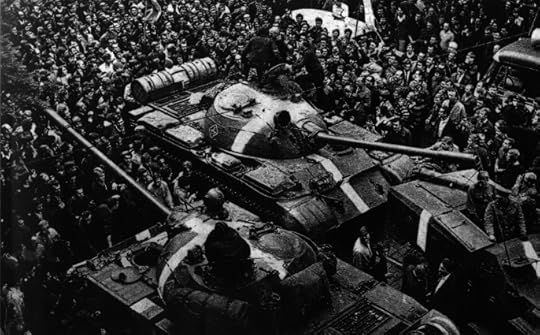
A Praga la folla non reagisce entusiasta davanti ai carrarmati sovietici.
In contemporanea, pallidamente riverberata, si svolge la storia della Cecoslovacchia: a Praga viene eletto segretario del Partito Comunista Dubček, inizia il “nuovo corso”, quello passato alla storia come Primavera di Praga.
Ma anche questa si rivelerà una falsa speranza, una libertà illusoria: tra il 20 e il 21 agosto di quell’anno 1968 tra i 5.000 e i 7.000 carrarmati invadono il paese (il che vuol dire tra i 200mila e i 600mila soldati). Insieme all’esercito russo c’è anche quello della DDR.
Roessler, il collega usurpatore, commenta in classe negativamente la partecipazione tedesca all’invasione. Parole che gli costano il posto di lavoro.
La cattedra torna libera e Hans-Peter viene reintegrato.
Hein racconta come un cronista: secco, asciutto, essenziale, scabro, ricco di dettagli e particolari.
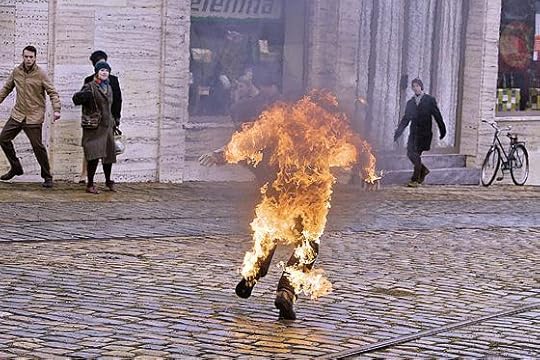
"Hořící keř/Il roveto ardente" il film di Agnieszka Holland che racconta la storia di Jan Palach, morto il 16 gennaio 1969.
È stata Christa Wolf a dire:
Su ciò di cui non si può parlare, si deve poco a poco cessare di tacere
Il film omonimo, Der tangospieler, è perfino più anonimo e grigio della vita di Hans-Peter dopo il carcere, una regia senza convinzione e senza scopo. A metà del film qualcuno chiede al protagonista “Ma qual è il tuo problema?”: la domanda andrebbe piuttosto rivolta al regista Roland Gräf.
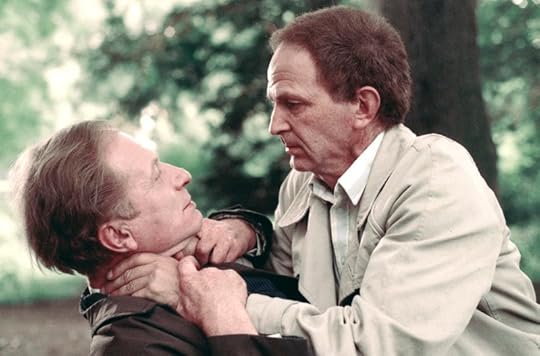
Nel 1968 Hans-Peter esce di prigione dove ha scontato quasi due anni (ventuno mesi per l’esattezza) per aver suonato al piano un tango che aveva il testo satirico.
“Il sonno della ragione” è al potere e non si scherza, la censura agisce, burocrazia, demagogia, delazione, abuso di potere, interdizioni e anche crimini sono la norma. Der Tangospieler prende subito il connotato, come già i precedenti due romanzi, quello breve, L’amico estraneo, e quello più lungo, La fine di Horn, di critica del socialismo sovietico regnante nell’allora DDR, dello stalinismo in salsa tedesco-orientale.
Ma siccome questo romanzo è stato pubblicato nel 1989, diventa anche incredibilmente anticipatore del crollo dell’URSS e del Patto di Varsavia. Fenomeno che ricorda, ahinoi, quello che sta accadendo a ghiacciai e iceberg per colpa del riscaldamento globale.
Il suonatore di tango del titolo è un docente di storia all’università di Lipsia: in un cabaret studentesco ha accompagnato al piano un canzone di cui ignorava il testo, che si è rivelata dileggiare importanti personalità politiche. Per ventuno mesi si è chiesto cos’ha mai fatto di tanto grave da essere detenuto, per giunta così a lungo.
Quando torna libero, Hans-Peter non è più quello di prima, i lunghi mesi in prigione hanno lasciato un segno profondo, che sembra indelebile: non ha più voglia di suonare il piano, non ha più voglia di essere il suonatore di tango, non ha voglia di partecipare, contribuire, condividere, è indifferente a tutto…
L’arco narrativo abbraccia dall’inizio dell’anno alla fine dell’autunno. Siamo nel 1968.
Roessler, il collega che ha preso la sua cattedra all’università, gli spiega la differenza tra il 1966, anno del suo arresto, e la realtà del momento (1968) così:
Era un periodo di grande tensione quello, si fiutavano nemici dappertutto e si reagiva in modo isterico. Oggi ti farebbero una diffida e finirebbe lì. Abbiamo fatto dei passi avanti.
Per Hans-Peter i giorni scorrono vuoti e anonimi nel grigio: va in giro con la sua vecchia Trabant, a cui è molto affezionato, gira per locali, rimorchia ragazze che frequenta per una notte o poco più, ma è meglio non riconoscersi al mattino, è meglio se dopo aver consumato ognuno riprende la sua strada:
Sul tavolo di cucina c’è una chiave di casa. Prendila se pensi di ritornare. Altrimenti, chiudi e mettila nella cassetta della posta.
Gli dice Elke nel cui letto è rimasto fino al risveglio.
Hans-Peter arriva a rimpiangere la cella, dove se non altro era altri a dover decidere per lui.
A Praga la folla non reagisce entusiasta davanti ai carrarmati sovietici.
In contemporanea, pallidamente riverberata, si svolge la storia della Cecoslovacchia: a Praga viene eletto segretario del Partito Comunista Dubček, inizia il “nuovo corso”, quello passato alla storia come Primavera di Praga.
Ma anche questa si rivelerà una falsa speranza, una libertà illusoria: tra il 20 e il 21 agosto di quell’anno 1968 tra i 5.000 e i 7.000 carrarmati invadono il paese (il che vuol dire tra i 200mila e i 600mila soldati). Insieme all’esercito russo c’è anche quello della DDR.
Roessler, il collega usurpatore, commenta in classe negativamente la partecipazione tedesca all’invasione. Parole che gli costano il posto di lavoro.
La cattedra torna libera e Hans-Peter viene reintegrato.
Hein racconta come un cronista: secco, asciutto, essenziale, scabro, ricco di dettagli e particolari.
"Hořící keř/Il roveto ardente" il film di Agnieszka Holland che racconta la storia di Jan Palach, morto il 16 gennaio 1969.
È stata Christa Wolf a dire:
Su ciò di cui non si può parlare, si deve poco a poco cessare di tacere
Il film omonimo, Der tangospieler, è perfino più anonimo e grigio della vita di Hans-Peter dopo il carcere, una regia senza convinzione e senza scopo. A metà del film qualcuno chiede al protagonista “Ma qual è il tuo problema?”: la domanda andrebbe piuttosto rivolta al regista Roland Gräf.

August 2, 2022
Samo sam svirao tango je ozbiljan i važan roman koji podiže ozbiljna i važna pitanja, donoseći, pre i više od svega drugog, prijatnost čitanja koju će potvrditi najrazličitiji čitalački ukusi i pretenzije. To je, rekla bih, zbog stila Kristofa Hajna čija je najupadljivija karakteristika jednostavnost: ona zdrava i prava, sveprožimajuća običnost, koja se, kao i istina, najteže vidi i najlakše zabašuruje, a koja, uprkos svemu, opstaje u razarajućoj snazi. Nema kod njega nikakvih metafizičkih uznosa, gnomskog pametovanja, alegorijskih produbljivanja, ni zabasavanja u višeznačje. Sve je jednostavno – tako kako jeste i kako jednostavno piše, sve se nalazi gde se i očekuje. Nema buke, nema uzbuđenja. Najkraće, postavka je takva da bi klimaks moglo biti kako visnulo dugme na pidžami tako i samoubistvo. Ili se, makar na prvu loptu, to tako čini.
Narečeno važi i za U vezi sa strancem, drugi Hajnov roman koji je kod nas takođe objavio Radni sto (čiju sam posvećenost već isticala, a od koje ni ovde ne odstupa), takođe u prevodu Dušana Nikolića, takođe sasvim dobrom. Ova dva romana nisu povezana na način koji bi uslovljavao redolsed čitanja, niti su dve varijacije na istu temu u uobičajenom smislu, ali se međusobno rasvetljavaju i produbljuju, što je inspirativno i uzbudljivo na više nivoa. Zaista uzbudljivo.
Kao i u U vezi sa strancem, i ovde je u centru privid: slobode, pravde, prava, izlaska, povratka, zaborava. Sveukupno – življenja. I ovde bi vas protagonista mogao nervirati, pa biste ga mogli proglašavati sujetnim drznikom i razmaženim inadžijom i emotivno nezrelim sebičnjakom i lenštinom koja ne zna šta će od sebe i kukavicom koja se skriva iza požude i vazda nešto komplikuje, umesto da herojski usklikne „ma pusti, bilo pa prošlo“, pa da svi lepo odemo u čiča-miču do kraja života. Problem nastaje kad se, tako zaigrani (sopstvenim) mogućim rešenjima, pretpostavljenim pravim izborima i najbržim izlazima, sapletete o (sopstvenog) demona ovaploćenog u pitanju: zar je to očekivano herojstvo? Delija što se junački bori za dobro-nema-veze, plutajući nizvodno do prvog narednog ćuti-dobro-je? Jer, šta se uopšte i može u kadija-te-tuži-kadija-ti-sudi svetu, u kome obitavamo jer su svi bolji svetovi zauzeti, a zauzeli su ih neki što se nisu molili zrncima graška da, čarobna, daju berićeta, kao što smo morali ubogi mi, prestravljeni proročanstvom da ćemo biti gladni, žedni, goli i bosi, napušteni i sami u mraku, hladnoći i skupoći.
Ovaj šestomesečni izvod iz života tridesetšestogodišnjeg doktora Dalova koji predaje istoriju na lajpciškom univerzitetu, možete doživeti na razne načine: od omaža Kafki (i Dalova kao i Jozefa K. po ćoškovima presreće nekakav avetinjski dvojac, dužebrišno mu nudeći pomoć i spasenje), preko krokija Štazijevih nepočinstava ili kratke istorije Praškog proleća, sve do zumiranja stvarnosti u negdašnjem NDR-u. Ili u sadašnjem trenutku. Vašem, ovdašnjem, ovom ovcijatom.
Reč je o romanu za osvešćujućim a-ha! efektom koji će vam, ma koliko ih grčevito stezali, iz ruku izbiti džokere „proći će i njihovo“ i „e ..., ma druga bi se pesma pevala“.
A, koja je to druga?
I, kako ćemo znati da umuknemo pre nego i ona postane kažnjiva?
Ma, ustvari, što uopšte i mora da se peva? Hajde, bogati!
P.S. Moli se neki dobar librarian da ubaci srpsko izdanje i prateće podatke.
Narečeno važi i za U vezi sa strancem, drugi Hajnov roman koji je kod nas takođe objavio Radni sto (čiju sam posvećenost već isticala, a od koje ni ovde ne odstupa), takođe u prevodu Dušana Nikolića, takođe sasvim dobrom. Ova dva romana nisu povezana na način koji bi uslovljavao redolsed čitanja, niti su dve varijacije na istu temu u uobičajenom smislu, ali se međusobno rasvetljavaju i produbljuju, što je inspirativno i uzbudljivo na više nivoa. Zaista uzbudljivo.
Kao i u U vezi sa strancem, i ovde je u centru privid: slobode, pravde, prava, izlaska, povratka, zaborava. Sveukupno – življenja. I ovde bi vas protagonista mogao nervirati, pa biste ga mogli proglašavati sujetnim drznikom i razmaženim inadžijom i emotivno nezrelim sebičnjakom i lenštinom koja ne zna šta će od sebe i kukavicom koja se skriva iza požude i vazda nešto komplikuje, umesto da herojski usklikne „ma pusti, bilo pa prošlo“, pa da svi lepo odemo u čiča-miču do kraja života. Problem nastaje kad se, tako zaigrani (sopstvenim) mogućim rešenjima, pretpostavljenim pravim izborima i najbržim izlazima, sapletete o (sopstvenog) demona ovaploćenog u pitanju: zar je to očekivano herojstvo? Delija što se junački bori za dobro-nema-veze, plutajući nizvodno do prvog narednog ćuti-dobro-je? Jer, šta se uopšte i može u kadija-te-tuži-kadija-ti-sudi svetu, u kome obitavamo jer su svi bolji svetovi zauzeti, a zauzeli su ih neki što se nisu molili zrncima graška da, čarobna, daju berićeta, kao što smo morali ubogi mi, prestravljeni proročanstvom da ćemo biti gladni, žedni, goli i bosi, napušteni i sami u mraku, hladnoći i skupoći.
Ovaj šestomesečni izvod iz života tridesetšestogodišnjeg doktora Dalova koji predaje istoriju na lajpciškom univerzitetu, možete doživeti na razne načine: od omaža Kafki (i Dalova kao i Jozefa K. po ćoškovima presreće nekakav avetinjski dvojac, dužebrišno mu nudeći pomoć i spasenje), preko krokija Štazijevih nepočinstava ili kratke istorije Praškog proleća, sve do zumiranja stvarnosti u negdašnjem NDR-u. Ili u sadašnjem trenutku. Vašem, ovdašnjem, ovom ovcijatom.
Reč je o romanu za osvešćujućim a-ha! efektom koji će vam, ma koliko ih grčevito stezali, iz ruku izbiti džokere „proći će i njihovo“ i „e ..., ma druga bi se pesma pevala“.
A, koja je to druga?
I, kako ćemo znati da umuknemo pre nego i ona postane kažnjiva?
Ma, ustvari, što uopšte i mora da se peva? Hajde, bogati!
P.S. Moli se neki dobar librarian da ubaci srpsko izdanje i prateće podatke.

May 10, 2023
Sprachlich eindrücklich und überzeugend inszenierte Endzeitstimmung.
Ausführlicher, vielleicht begründeter auf kommunikativeslesen.com
Christoph Heins erster Roman, Horns Ende (1985), erschien wie sein zweiter Der Tangospieler (1989) noch in der DDR. Der Tangospieler handelt jedoch nicht von der Spätzeit der DDR. Er spielt zur Zeit des Prager Frühlings, also im Jahr 1968. Dennoch schwebt Politik in Heins Roman nur im Hintergrund. Im Vordergrund steht allein das äußerst subjektive Leben und Erleben von Dr. Hans-Peter Dallow, der wegen politisch-unliebsamer Kunst für 21 Monate ins Gefängnis musste. Mit seiner Entlassung beginnt der Roman. Es ist Winter:
Die kalte Luft rötete Wangen und Nase. Als er ans Ende des Waldstücks kam, spürte er den eisigen Wind und kehrte um. Er ging zum Auto zurück und dann wieder den gleichen Weg bis zum Ende des Wäldchens. Immer wieder lief er das gleiche Stück Landstraße auf und ab. Er wollte sich über die vielen Ungewißheiten, die unbestimmten, ungefähren Gedanken klar werden, die ihn fortgesetzt beschäftigten, ohne daß er fähig war, sie auch nur ansatzweise zu formulieren.
Hein schreibt reduziert, lakonisch, unsentimental. Er kennt kein Pathos. Er kennt keine Lyrik. Trocken, kleinteilig, akribisch geht er zu Werke und zeichnet das Psychogramm seiner Hauptfigur nach. Dallow, 36 Jahre alt, geschieden, einst Dozent am Historischen Institut in Leipzig, nun arbeitslos, ledig, läuft verloren, sexhungrig, orientierungslos im Jahr 1968 in Leipzig herum und weiß nichts mit sich anzufangen. Sein soziales System hat sich in Luft aufgelöst. Der Verlust seines Status ist absolut. Er will mit niemandem reden, und niemand will mit ihm reden. Die Resozialisierung gelingt nicht.
Er war müde. Zu müde, um ins Bett zu gehen. Wie ein entlaufener und verwilderter Hund, dachte er. Er lächelte über seinen Vergleich und dachte dann lange darüber nach. Das Bild erschien ihm einleuchtend. Entlassene Häftlinge, sagte er sich, sind diesen armseligen Hunden vergleichbar, sie wirken räudig, sind struppig, laufen mit ständiger Angst vor Prügeln durch die Stadt, beharrlich auf der Suche nach etwas, was sie nicht kennen und doch sehnsüchtig aufzuspüren suchen.
Weil er nicht zurück zu seinen Eltern auf den Bauernhof will, weil er nicht zurück ins Institut möchte, und weil er auch sonst keine Arbeit findet, heuert er auf den Klausner in Hiddensee an, zieht an die Ostsee und nutzt seine Unterkunft, um eine Urlaubsbekanntschaft nach der anderen zu genießen, denn Sex und Alkohol ist alles, was ihm geblieben ist. Der Tangospieler zeichnet diesen Lauf der Ereignisse in geraffter Zeit nach, bleibt dich an der Person Dallows hängen, wagt keine Experimente, keine Zeitsprünge, keine sprachlichen Extravaganzen. Das Biedere der Erzählweise erzeugt eine tief melancholische, triste Stimmung, die sich über das ganze Buch legt. Es wirkt steif, aber nicht bemüht. Es wirkt kalt, aber nicht tot. Es wirkt depressiv, ziellos, antriebslos wie Dallow:
Er goß Schnaps nach und sah durch das Küchenfenster in die Nacht. Er sah die Zweige des Baumes vor seiner Küche, nicht aber den Stamm und schon gar nicht die dahinter liegenden Trockenplätze, Garagen und kleinen Gärten. Das dunkle Küchenfenster beunruhigte ihn. Er hatte das lächerliche Gefühl, die Nacht sehe ihn durch sein Küchenfenster an, das Fenster sei eins der Augen der Nacht. Unverwandt blickte er in das dunkle Fenster. Er wagte es nicht, sich mit dem Rücken zum Fenster zu setzen. Morgen früh kaufe ich mir eine Gardine, sagte er laut und trank den Schnaps aus.
Aber es gibt kein Morgen. Christoph Hein erzeugt in Der Tangospieler eine unvergleichlich dichte Intensität der Leere. Alles wirkt starr. Alles wirkt unveränderbar, zäh, sinn- und freudlos. Durch die Augen Dallows geblickt, entfärbt sich die Welt, wird alles grau und belanglos. Zeit vergeht nicht. Zeit bleibt stehen. Hier entschleunigt sich die Prosa bis ins Schmerzhafteste, aber nie gekünstelt, nie gewollt. Der Sog des Stillstandes gebietet dem Lesen Einhalt. Es schleicht heimlich von Wort zu Wort, fast geduckt, voller Angst, aber ohne Grusel, nur trist und hoffnungslos. Selten schafft ein so leicht lesbarer Roman Weltverlust deutlicher vor Augen zu führen, Welt- und Sinn- und Seinverlust.
Minimalistisch, auf den Punkt, ohne viel Federlesens steigt zwischen den Zeilen die Endzeitstimmung des Jahres 1989 in der DDR hervor. Zusammen mit Jenny Erpenbecks „Kairos“ bildet Christoph Heins „Der Tangospieler“ den vollen und kontrapunktischen Abgesang auf die DDR. Andere, vom Inhalt her vergleichbare Romane bleiben dagegen Fußnoten wie Anne Rabes „Die Möglichkeit von Glück“, Lutz Seilers „Kruso“, Bettina Wilperts „Herumtreiberinnen“ oder Jan Faktors „Trottel“. Ihnen eignet nicht die bis zur völligen Entschleunigung ausgedehnte Zeitlosigkeit und innere Bodenlosigkeiten, diese innere Entleerung, die der Implosion von 1989 wohl vorangegangen sein mussten.
Ausführlicher, vielleicht begründeter auf kommunikativeslesen.com
Christoph Heins erster Roman, Horns Ende (1985), erschien wie sein zweiter Der Tangospieler (1989) noch in der DDR. Der Tangospieler handelt jedoch nicht von der Spätzeit der DDR. Er spielt zur Zeit des Prager Frühlings, also im Jahr 1968. Dennoch schwebt Politik in Heins Roman nur im Hintergrund. Im Vordergrund steht allein das äußerst subjektive Leben und Erleben von Dr. Hans-Peter Dallow, der wegen politisch-unliebsamer Kunst für 21 Monate ins Gefängnis musste. Mit seiner Entlassung beginnt der Roman. Es ist Winter:
Die kalte Luft rötete Wangen und Nase. Als er ans Ende des Waldstücks kam, spürte er den eisigen Wind und kehrte um. Er ging zum Auto zurück und dann wieder den gleichen Weg bis zum Ende des Wäldchens. Immer wieder lief er das gleiche Stück Landstraße auf und ab. Er wollte sich über die vielen Ungewißheiten, die unbestimmten, ungefähren Gedanken klar werden, die ihn fortgesetzt beschäftigten, ohne daß er fähig war, sie auch nur ansatzweise zu formulieren.
Hein schreibt reduziert, lakonisch, unsentimental. Er kennt kein Pathos. Er kennt keine Lyrik. Trocken, kleinteilig, akribisch geht er zu Werke und zeichnet das Psychogramm seiner Hauptfigur nach. Dallow, 36 Jahre alt, geschieden, einst Dozent am Historischen Institut in Leipzig, nun arbeitslos, ledig, läuft verloren, sexhungrig, orientierungslos im Jahr 1968 in Leipzig herum und weiß nichts mit sich anzufangen. Sein soziales System hat sich in Luft aufgelöst. Der Verlust seines Status ist absolut. Er will mit niemandem reden, und niemand will mit ihm reden. Die Resozialisierung gelingt nicht.
Er war müde. Zu müde, um ins Bett zu gehen. Wie ein entlaufener und verwilderter Hund, dachte er. Er lächelte über seinen Vergleich und dachte dann lange darüber nach. Das Bild erschien ihm einleuchtend. Entlassene Häftlinge, sagte er sich, sind diesen armseligen Hunden vergleichbar, sie wirken räudig, sind struppig, laufen mit ständiger Angst vor Prügeln durch die Stadt, beharrlich auf der Suche nach etwas, was sie nicht kennen und doch sehnsüchtig aufzuspüren suchen.
Weil er nicht zurück zu seinen Eltern auf den Bauernhof will, weil er nicht zurück ins Institut möchte, und weil er auch sonst keine Arbeit findet, heuert er auf den Klausner in Hiddensee an, zieht an die Ostsee und nutzt seine Unterkunft, um eine Urlaubsbekanntschaft nach der anderen zu genießen, denn Sex und Alkohol ist alles, was ihm geblieben ist. Der Tangospieler zeichnet diesen Lauf der Ereignisse in geraffter Zeit nach, bleibt dich an der Person Dallows hängen, wagt keine Experimente, keine Zeitsprünge, keine sprachlichen Extravaganzen. Das Biedere der Erzählweise erzeugt eine tief melancholische, triste Stimmung, die sich über das ganze Buch legt. Es wirkt steif, aber nicht bemüht. Es wirkt kalt, aber nicht tot. Es wirkt depressiv, ziellos, antriebslos wie Dallow:
Er goß Schnaps nach und sah durch das Küchenfenster in die Nacht. Er sah die Zweige des Baumes vor seiner Küche, nicht aber den Stamm und schon gar nicht die dahinter liegenden Trockenplätze, Garagen und kleinen Gärten. Das dunkle Küchenfenster beunruhigte ihn. Er hatte das lächerliche Gefühl, die Nacht sehe ihn durch sein Küchenfenster an, das Fenster sei eins der Augen der Nacht. Unverwandt blickte er in das dunkle Fenster. Er wagte es nicht, sich mit dem Rücken zum Fenster zu setzen. Morgen früh kaufe ich mir eine Gardine, sagte er laut und trank den Schnaps aus.
Aber es gibt kein Morgen. Christoph Hein erzeugt in Der Tangospieler eine unvergleichlich dichte Intensität der Leere. Alles wirkt starr. Alles wirkt unveränderbar, zäh, sinn- und freudlos. Durch die Augen Dallows geblickt, entfärbt sich die Welt, wird alles grau und belanglos. Zeit vergeht nicht. Zeit bleibt stehen. Hier entschleunigt sich die Prosa bis ins Schmerzhafteste, aber nie gekünstelt, nie gewollt. Der Sog des Stillstandes gebietet dem Lesen Einhalt. Es schleicht heimlich von Wort zu Wort, fast geduckt, voller Angst, aber ohne Grusel, nur trist und hoffnungslos. Selten schafft ein so leicht lesbarer Roman Weltverlust deutlicher vor Augen zu führen, Welt- und Sinn- und Seinverlust.
Minimalistisch, auf den Punkt, ohne viel Federlesens steigt zwischen den Zeilen die Endzeitstimmung des Jahres 1989 in der DDR hervor. Zusammen mit Jenny Erpenbecks „Kairos“ bildet Christoph Heins „Der Tangospieler“ den vollen und kontrapunktischen Abgesang auf die DDR. Andere, vom Inhalt her vergleichbare Romane bleiben dagegen Fußnoten wie Anne Rabes „Die Möglichkeit von Glück“, Lutz Seilers „Kruso“, Bettina Wilperts „Herumtreiberinnen“ oder Jan Faktors „Trottel“. Ihnen eignet nicht die bis zur völligen Entschleunigung ausgedehnte Zeitlosigkeit und innere Bodenlosigkeiten, diese innere Entleerung, die der Implosion von 1989 wohl vorangegangen sein mussten.

February 2, 2026
In Der Tangospieler erleben wir Dr. Dallow nach seiner Entlassung aus dem Gefängnis als einen Menschen, dem der Sinn abhandengekommen ist. Warum er inhaftiert war, erfahren wir rückblickend: Dallow wollte sich seinem Vater erklären, der unter der Verurteilung des Sohnes sichtbar litt. Die Anklage lautete auf Verächtlichmachung führender Persönlichkeiten des Staates.
Dallow war für einen Pianisten eingesprungen. Die Texte zur Musik wurden geringfügig verändert – genug, um eine Gefängnisstrafe nach sich zu ziehen.
Auffällig ist die selbstverständliche sexuelle Freizügigkeit, die im Roman nahezu beiläufig erscheint. Sie wirkt weniger emanzipatorisch als vielmehr entkoppelt von emotionaler Bindung – ein weiterer Ausdruck jener inneren Leere, die Dallow nach der Haft bestimmt.
Wird sich Dallow wieder berappeln?
Mit der Figur Dallow tauchen wir tief in die Wirklichkeit der DDR ein, in eine Existenz zwischen Anpassung, innerer Leere und verlorener Orientierung.
Die Geschichte ist unterkühlt erzählt, fast gleichgültig, streng beobachtend. Diese Nüchternheit verstärkt die Wirkung: Das Drama liegt nicht im Pathos, sondern in der Selbstverständlichkeit, mit der Biografien beschädigt werden.
Genre: DDR-Literatur.
Dallow war für einen Pianisten eingesprungen. Die Texte zur Musik wurden geringfügig verändert – genug, um eine Gefängnisstrafe nach sich zu ziehen.
Auffällig ist die selbstverständliche sexuelle Freizügigkeit, die im Roman nahezu beiläufig erscheint. Sie wirkt weniger emanzipatorisch als vielmehr entkoppelt von emotionaler Bindung – ein weiterer Ausdruck jener inneren Leere, die Dallow nach der Haft bestimmt.
Wird sich Dallow wieder berappeln?
Mit der Figur Dallow tauchen wir tief in die Wirklichkeit der DDR ein, in eine Existenz zwischen Anpassung, innerer Leere und verlorener Orientierung.
Die Geschichte ist unterkühlt erzählt, fast gleichgültig, streng beobachtend. Diese Nüchternheit verstärkt die Wirkung: Das Drama liegt nicht im Pathos, sondern in der Selbstverständlichkeit, mit der Biografien beschädigt werden.
Genre: DDR-Literatur.

June 5, 2020
This short novel (or long story, as the author seems to avoid the word novel here) is one of those superfluous men's stories that we have seen before. We follow the protagonist for a few weeks of his life, from the moment he is released from prison, where he served nearly two years as a political prisoner, until the moment when he feels he can attempt to get back to work in his original profession (as an academic). In between those two moments he is a Dangling Man. The prison sentence, which is based on ridiculous charges, derailed him, and when the firm daily schedule of prison life breaks away after his release, he just lets himself go and floats around without purpose.
So far the story can be seen as quite universal and can relate to human life in all kinds of eras and locations.
Yet the historical setting of the book adds something to it, and makes it particularly interesting: It's 1968 in the GDR, and there are those rumours on what is going on Prague at the time. The Prague Spring movement or its protagonists are not mentioned often, but notes on them keep recurring through the whole book, from beginning to end. So this story's protagonists dangling is parallelized with the occurrences in the neighbouring country. Until August, the Prague Spring movement was practicing free speech and open discussions, after years of censorship (another kind of imprisonment). Change and improvement seem possible, until the tanks of the Warsaw Pact nations invade Czechoslovakia. After that, a period of so-called "normalization" re-installs the original status quo.
The parallels between the novel's protagonist and the political history should not make us blind towards the differences: The protagonist comes out from prison in a rather disillusioned fashion, he is not full of hope or zest for action, but dangling and floating, as I said above. The fact that there are parallels as well as tensions in the development of the story makes this a good book, well worth reading.
So far the story can be seen as quite universal and can relate to human life in all kinds of eras and locations.
Yet the historical setting of the book adds something to it, and makes it particularly interesting: It's 1968 in the GDR, and there are those rumours on what is going on Prague at the time. The Prague Spring movement or its protagonists are not mentioned often, but notes on them keep recurring through the whole book, from beginning to end. So this story's protagonists dangling is parallelized with the occurrences in the neighbouring country. Until August, the Prague Spring movement was practicing free speech and open discussions, after years of censorship (another kind of imprisonment). Change and improvement seem possible, until the tanks of the Warsaw Pact nations invade Czechoslovakia. After that, a period of so-called "normalization" re-installs the original status quo.
The parallels between the novel's protagonist and the political history should not make us blind towards the differences: The protagonist comes out from prison in a rather disillusioned fashion, he is not full of hope or zest for action, but dangling and floating, as I said above. The fact that there are parallels as well as tensions in the development of the story makes this a good book, well worth reading.

October 21, 2021
Mit der Novelle „Der Tangospieler“ legt Christoph Hein eine Novelle vor, die sich mit dem Thema politischer Haft in der DDR widmet. Das besondere daran ist, dass das Buch sogar schon 1989 in der DDR erschienen ist.
Es erzählt die Geschichte des Dr. Hans-Peter Dallow, Historiker an der Uni Leipzig im Jahre 1968. Der Roman setzt ein mit der Entlassung Dallows aus dem Gefängnis. Dort saß er 21 Monate, weil er im Studentenkabarett an einem Abend als Klavierspieler aushalf. An diesem Abend gab es einen Spotttext, der alle Beteiligte ins Gefängnis brachte.
Nun, nach der Entlassung steht er vor dem Nichts. Verlassen von der Freundin, die Stelle am historischen Institut neu besetzt, Freunde und Bekannte halten Abstand und die Eltern sind beschämt.
Dallow treibt einsam durch die folgenden Tage und Wochen, verbringt die Nächte in Bars und macht Frauenbekanntschaften. Ein Haltloser, der die zurück gewonnene Freiheit soweit wie möglich auskosten will. Die einzigen Menschen, die sich um ihn kümmern wollen, sind die auffällig unauffälligen Herren mit den Allerweltsnamen Müller und Schulze, die ihn für das MfS anwerben wollen und versuchen, ihn unter Druck zu setzen.
Da das Buch 1968 angesiedelt ist, wabern die Ereignisse des Prager Frühlings im Hintergrund immer mit, mal deutlicher mal nur in Andeutungen. Dallow nimmt das nur mit Desinteresse zur Kenntnis und sorgt auch damit für erhebliche Irritationen bei seinen Gegenübern. Hier wird auf subtile Art und Weise deutlich, wie ein von System verurteilter Mensch in die innere Migration geht und dort seine Freiheit findet. Doch in einem unfreien System bedeutet diese Freiheit nur wenig, das macht Hein mit dieser kleinen Novelle mehr als deutlich.
Es erzählt die Geschichte des Dr. Hans-Peter Dallow, Historiker an der Uni Leipzig im Jahre 1968. Der Roman setzt ein mit der Entlassung Dallows aus dem Gefängnis. Dort saß er 21 Monate, weil er im Studentenkabarett an einem Abend als Klavierspieler aushalf. An diesem Abend gab es einen Spotttext, der alle Beteiligte ins Gefängnis brachte.
Nun, nach der Entlassung steht er vor dem Nichts. Verlassen von der Freundin, die Stelle am historischen Institut neu besetzt, Freunde und Bekannte halten Abstand und die Eltern sind beschämt.
Dallow treibt einsam durch die folgenden Tage und Wochen, verbringt die Nächte in Bars und macht Frauenbekanntschaften. Ein Haltloser, der die zurück gewonnene Freiheit soweit wie möglich auskosten will. Die einzigen Menschen, die sich um ihn kümmern wollen, sind die auffällig unauffälligen Herren mit den Allerweltsnamen Müller und Schulze, die ihn für das MfS anwerben wollen und versuchen, ihn unter Druck zu setzen.
Da das Buch 1968 angesiedelt ist, wabern die Ereignisse des Prager Frühlings im Hintergrund immer mit, mal deutlicher mal nur in Andeutungen. Dallow nimmt das nur mit Desinteresse zur Kenntnis und sorgt auch damit für erhebliche Irritationen bei seinen Gegenübern. Hier wird auf subtile Art und Weise deutlich, wie ein von System verurteilter Mensch in die innere Migration geht und dort seine Freiheit findet. Doch in einem unfreien System bedeutet diese Freiheit nur wenig, das macht Hein mit dieser kleinen Novelle mehr als deutlich.
Read
August 19, 2026Ambitionsloser Antiheld in DDR Tristesse. Einsamkeit, Sex und Alkohol und keinerlei Zukunftsperspektive. Gut, weil immer wieder komisch.
August 7, 2024
Cutati ili govoriti?
Prvo te kosta razuma, drugo glave.
Prvo te kosta razuma, drugo glave.

May 2, 2016
Good material for a Kaurismäki film...
February 20, 2020
Vor einer Weile fiel mir „der Tangospieler“ in die Hände, als ein Freund von mir und ich uns in der Münchner texxt-Buchhandlung gegenseitig ein Buch kauften. Es war also ein ziemlicher Zufall, dass ich überhaupt auf das Buch gestoßen bin.
Die Handlung des Romans begleitet den ehemaligen Uni-Dozenten Dallow, der gerade aus einer 21-monatigen Haft entlassen wird. Durch die Zeit seiner Isolation vom gewöhnlichen Leben, findet er sich in einer ihm fremdgewordenen Umgebung wieder, in die es ihm schwerfällt, sich wieder einzufügen.
Der Tangospieler ist stilistisch eine gut geschriebene Geschichte, ich konnte mich leider für die Handlung nicht begeistern. Insgesamt war mir der Protagonist zu unnahbar und was noch entscheidender ist- der Plot findet nicht zu einem wirklichen Höhepunkt. Die Erlebnisse reihen sich ohne besondere Spannungskurven aneinander. Das ist authentisch und beschreibt wie die Tage an dem Protagonisten vorbeiziehen, war aber nicht unbedingt mein Fall. Anderen Lesern mag der realistisch gehaltene Erzählstil von „Der Tangospieler“ durchaus zusagen.
Die Handlung des Romans begleitet den ehemaligen Uni-Dozenten Dallow, der gerade aus einer 21-monatigen Haft entlassen wird. Durch die Zeit seiner Isolation vom gewöhnlichen Leben, findet er sich in einer ihm fremdgewordenen Umgebung wieder, in die es ihm schwerfällt, sich wieder einzufügen.
Der Tangospieler ist stilistisch eine gut geschriebene Geschichte, ich konnte mich leider für die Handlung nicht begeistern. Insgesamt war mir der Protagonist zu unnahbar und was noch entscheidender ist- der Plot findet nicht zu einem wirklichen Höhepunkt. Die Erlebnisse reihen sich ohne besondere Spannungskurven aneinander. Das ist authentisch und beschreibt wie die Tage an dem Protagonisten vorbeiziehen, war aber nicht unbedingt mein Fall. Anderen Lesern mag der realistisch gehaltene Erzählstil von „Der Tangospieler“ durchaus zusagen.

September 4, 2024
Christoph Hein è sempre sì. Un peccato che i suoi romanzi, così apprezzati negli anni Novanta, oggi siano praticamente fuori catalogo. Anche se incentrati sulla società e la politica di quel tempo, penso abbiano ancora da dire molto. E la sua scrittura semplice, scarna, cronachistica, apparentemente inoffensiva, trasmette qualcosa di torbido, che pian piano ti si inserisce dentro.

September 5, 2021
Interesting look behind the scenes at East Germany during the 50s/60s. Well-developed psychological portrait of the main character, Dallow, but the end kind of just happens.
May 7, 2016
(Read in German) "Der Tangospieler" is a novel set in the former East Germany in 1968. Hans-Peter Dallow returns to Leipzig after serving a 21-month sentence for playing the accompaniment in a student cabaret performance to a song which insulted the leadership. He doesn't wish to return to his former job as a history lecturer but has difficulties deciding exactly what he does want. His relationships are strained because no-one knows how to refer to his prison term. An enjoyable if rather depressing book. I have also read Christoph Hein's "Willenbrock" which is set shortly after German reunification in the 1990s which was unsettling.

June 24, 2012
Picked this book by accident as the back cover sounded interesting; a pianist gets jailed for two years for playing a tango with anti-government message, after release he struggles to find a place for himself. Otherwise I've never heard of Hein before.
Overall I expected the story to be quite different... and even if it began in a promising manner, essentially it was quite dull with a disappointing happy end. The book is pretty thin so it wasn't difficult to read, but I don't think it'll stay in my memory for long.
Overall I expected the story to be quite different... and even if it began in a promising manner, essentially it was quite dull with a disappointing happy end. The book is pretty thin so it wasn't difficult to read, but I don't think it'll stay in my memory for long.

January 17, 2010
My third Hein novel and the weakest, though not for any reason I can really explain. The main character, imprisoned for his peripheral role as a piano player in a student cabaret mocking East Germany, wasn't as compelling as Hein's other characters. This was also a book where you wind up hating every character.
June 4, 2015
Im Grunde geht es also um einen Kerl, der wegen eines unsinnigen "Verbrechens" gegen die DDR eingeknastet wurde, der nach seiner Entlassung nichts mit sich anfangen kann, und sich deshalb durch ganz Leipzig vögelt, um nur nicht arbeiten zu müssen.
Geschichten, die das Leben schreibt.
Geschichten, die das Leben schreibt.

Displaying 1 - 17 of 17 reviews