What do you think?
Rate this book


416 pages, Paperback
First published October 1, 2014


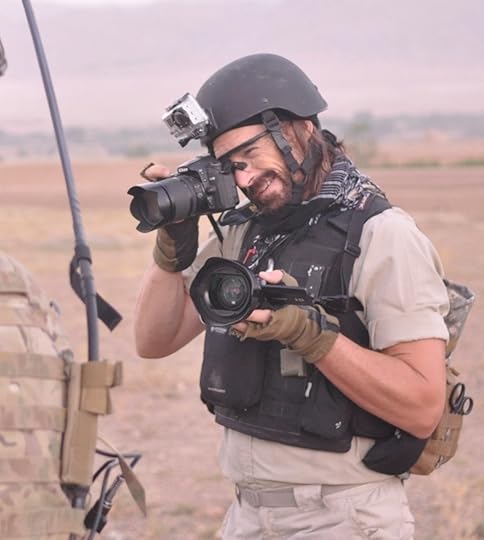
“If the central government doesn’t stay together,” he said, “I’ll have to find a way to protect my people.”There is a lot to like in journalist Kevin Sites’s latest report from the front, Swimming with Warlords. Sites takes us from point to point on his journey through geography and history, offering a look at the Afghanistan of 2001 as compared to the Afghanistan of late 2013. He spends considerable ink on warlords, but not enough, IMHO, to justify the title of the book. And this is just as well, because the other elements he finds to report on are even more interesting. He notes the extant miseries, for sure, but also finds some flowers blooming in the rubble, offering the fragrance of hope. He looks at the condition of women, notes gains and losses, bright spots and expectations maybe not so bright as we might hope. He looks at what is likely to happen when the US leaves. One major element here is the conflict between former allies within Afghanistan. Of course, he has been back to Afghanistan several times in between, but it is the bookend experience on which he focuses here. What changed between the time when American forces attacked in the wake of 9/11, and 2014, as US troops were preparing to depart in 2014? (The US retains about 15,000 troops in Afghanistan as of late 2018)
What he said was a bad sign. “My people” in Afghanistan means one’s tribe. Very few outside of Kabul thought of themselves as citizens of the country—as Afghans.
“The Taliban is really from Pakistan; they came here to destroy our country. That is clear to everyone,” said Jilani [a former Taliban member]. “In the beginning, I thought it was jihad against international troops, but I found out we were fighting for Pakistani interests—we were getting orders from Pakistan. Most of the leaders are not religious; they want to come to Afghanistan and tax the locals during the time of the harvest and take the money back to Pakistan. There is no jihad.” Jilani said.I imagine banners being hung from the bullet-pocked remnants of rafters noting local