

What do you think?
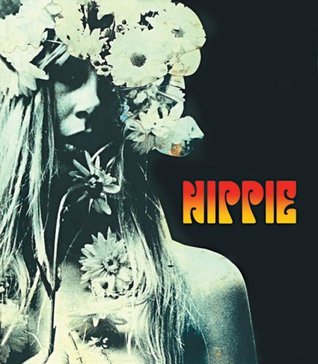
Hippie
Let your freak flag fly!
Climb on the psychedelic bus with the Merry Pranksters and take the Acid Test….Groove on the streets of Haight-Ashbury during the Summer of Love….Get experienced with Hendrix at Monterey and commune with the mud and 400,000 free spirits at Woodstock….From the mid-60s to the early 70s, the hippie counter culture burst upon the scene in celebration of freedom, love, peace, and the limitless possibilities of sensual and spiritual exploration. Alive with the outrageous personalities and revolutionary upheavals of a time that changed the world, Hippie is trippy and true to the spirit of a time unlike any other. Far out, man!
Climb on the psychedelic bus with the Merry Pranksters and take the Acid Test….Groove on the streets of Haight-Ashbury during the Summer of Love….Get experienced with Hendrix at Monterey and commune with the mud and 400,000 free spirits at Woodstock….From the mid-60s to the early 70s, the hippie counter culture burst upon the scene in celebration of freedom, love, peace, and the limitless possibilities of sensual and spiritual exploration. Alive with the outrageous personalities and revolutionary upheavals of a time that changed the world, Hippie is trippy and true to the spirit of a time unlike any other. Far out, man!
384 pages, Paperback
First published October 9, 2003
About the author
Barry Miles
65 books154 followersBarry Miles is an English author best known for his deep involvement in the 1960s counterculture and for chronicling the era through his prolific writing. He played a key role in shaping and documenting the London underground scene, becoming a central figure among the poets, musicians, and artists who defined the decade's rebellious spirit. A close associate of figures such as Allen Ginsberg and Paul McCartney, Miles not only witnessed the cultural revolution firsthand but also actively participated in it through ventures like the Indica Gallery and the alternative newspaper International Times.
In the early 1960s, Miles began working at Better Books in London, a progressive bookshop that became a hub for the avant-garde. While there, he was instrumental in organizing the International Poetry Incarnation at the Royal Albert Hall in 1965, an event that marked the emergence of the British underground movement and featured prominent poets like Allen Ginsberg. The same year, Miles co-founded the Indica Bookshop and Gallery, which became a gathering place for creatives and countercultural icons. It was here that John Lennon first met Yoko Ono, at one of her art exhibitions.
Miles also played a role in launching International Times, one of the UK's first underground newspapers, which Paul McCartney discreetly funded. Miles introduced McCartney to the people behind the project and facilitated many of his early connections with the underground scene. In 1967, he co-organized The 14 Hour Technicolor Dream, a legendary multimedia event at Alexandra Palace featuring Pink Floyd, Yoko Ono, and John Lennon, among others.
Later in the decade, Miles took on the management of Zapple Records, an experimental subsidiary of Apple Records. During this time, he produced poetry albums, including one by Richard Brautigan. However, his personal relationship with Brautigan became strained after Miles became romantically involved with Brautigan's partner, Valerie Estes. The fallout led to communication only through legal representatives. Although Zapple closed before releasing the Brautigan album, it was eventually issued by another label in 1970.
Miles also produced a recording of Allen Ginsberg's musical interpretation of William Blake's Songs of Innocence and Experience, which was released in 1970. He briefly lived with Ginsberg in New York before returning to England following the breakdown of his first marriage. He later married travel writer Rosemary Bailey and continued to live and work in London.
In addition to his memoirs In the Sixties and In the Seventies, Miles has written definitive biographies of cultural icons such as Paul McCartney (Many Years from Now), Frank Zappa, William S. Burroughs, Jack Kerouac, Charles Bukowski, and Allen Ginsberg. He is also the author of Hippie, a visual and narrative exploration of the 1960s counterculture. His writings often reflect a mix of personal experience and historical documentation, offering insight into the worlds of rock, literature, and art.
Miles is known not only for his historical accounts but also for his critical views, including pointed commentary on musicians like Rush and Frank Zappa, examining the political and commercial aspects of their work. With a career that spans over five decades, Barry Miles remains one of the most insightful chroniclers of the countercultural and musical revolutions of the 20th century.
In the early 1960s, Miles began working at Better Books in London, a progressive bookshop that became a hub for the avant-garde. While there, he was instrumental in organizing the International Poetry Incarnation at the Royal Albert Hall in 1965, an event that marked the emergence of the British underground movement and featured prominent poets like Allen Ginsberg. The same year, Miles co-founded the Indica Bookshop and Gallery, which became a gathering place for creatives and countercultural icons. It was here that John Lennon first met Yoko Ono, at one of her art exhibitions.
Miles also played a role in launching International Times, one of the UK's first underground newspapers, which Paul McCartney discreetly funded. Miles introduced McCartney to the people behind the project and facilitated many of his early connections with the underground scene. In 1967, he co-organized The 14 Hour Technicolor Dream, a legendary multimedia event at Alexandra Palace featuring Pink Floyd, Yoko Ono, and John Lennon, among others.
Later in the decade, Miles took on the management of Zapple Records, an experimental subsidiary of Apple Records. During this time, he produced poetry albums, including one by Richard Brautigan. However, his personal relationship with Brautigan became strained after Miles became romantically involved with Brautigan's partner, Valerie Estes. The fallout led to communication only through legal representatives. Although Zapple closed before releasing the Brautigan album, it was eventually issued by another label in 1970.
Miles also produced a recording of Allen Ginsberg's musical interpretation of William Blake's Songs of Innocence and Experience, which was released in 1970. He briefly lived with Ginsberg in New York before returning to England following the breakdown of his first marriage. He later married travel writer Rosemary Bailey and continued to live and work in London.
In addition to his memoirs In the Sixties and In the Seventies, Miles has written definitive biographies of cultural icons such as Paul McCartney (Many Years from Now), Frank Zappa, William S. Burroughs, Jack Kerouac, Charles Bukowski, and Allen Ginsberg. He is also the author of Hippie, a visual and narrative exploration of the 1960s counterculture. His writings often reflect a mix of personal experience and historical documentation, offering insight into the worlds of rock, literature, and art.
Miles is known not only for his historical accounts but also for his critical views, including pointed commentary on musicians like Rush and Frank Zappa, examining the political and commercial aspects of their work. With a career that spans over five decades, Barry Miles remains one of the most insightful chroniclers of the countercultural and musical revolutions of the 20th century.
Ratings & Reviews
Friends & Following
Create a free account to discover what your friends think of this book!
Community Reviews
Displaying 1 - 30 of 73 reviews

April 23, 2017
This is basically just a big picture book with some accompanying text. The pictures are pretty interesting, capturing a lot of the vibe of the time, and we can be grateful to Mr. Miles and his elves for putting them together, especially since they spew from the pre-dawn world before digital photography. I also read every word of the text as is my compulsion, searching for detail and atmosphere as I struggle to create a work of fiction set during the period. I turned 21 in 1969. I was there. This book has a lot of cliche. Yes, indeed, hippies grew their hair long and took a lot of drugs. But there was some good information I will find useful as well. I was disappointed with the last chapter, the "Hippie Legacy" which was mostly about the several ill-fated attempts to resurrect the Woodstock festival into the 21st century. Nobody is going to remember these fiascos and few will realize how we got to where we are today, both the good things and the bad. Today's environmentalism, feminism, social conscience and artistic experimentation all owe their origins to those martyrs of the 60's counterculture who blew themselves apart trying to push on through to the other side.

June 12, 2016
Covering seven years- 1965 through 1971- this book gives good picture of the main hippie era. Yes, hippies still exist, but these were the years when they flooded western culture with new music, new social movements, new clothing and new ways of living. Some of it wasn’t entirely new- the movement was rooted partly in the Beats of the 50s and in the intentional communities that went back some 100 years.
I really enjoyed this book; while I’ve read a good deal about the era, Miles really brought it to life. Pretty much every page has an illustration on it: photos, posters, ads. The main subjects are music and concerts, drugs, and protest movements. While “Hippie” is the title, the author also covers the Beats, the Black Power movement, Gay Pride, the Mods, and more. It’s all part of the era.
I lived through the era, but I was a child and my exposure was limited to TV, radio, and magazines. This book made me wish I had been just a little older. I would have loved to have gone to a Be-In, a Dead or Joplin concert, seen the Merry Pranksters with their bus. This book isn’t just the pretty stuff, though. He exposes the meth and heroin use, the Hell’s Angels becoming an unwelcome force at concerts, the ODs and the VD, and all the ugly parts. Five stars.
I really enjoyed this book; while I’ve read a good deal about the era, Miles really brought it to life. Pretty much every page has an illustration on it: photos, posters, ads. The main subjects are music and concerts, drugs, and protest movements. While “Hippie” is the title, the author also covers the Beats, the Black Power movement, Gay Pride, the Mods, and more. It’s all part of the era.
I lived through the era, but I was a child and my exposure was limited to TV, radio, and magazines. This book made me wish I had been just a little older. I would have loved to have gone to a Be-In, a Dead or Joplin concert, seen the Merry Pranksters with their bus. This book isn’t just the pretty stuff, though. He exposes the meth and heroin use, the Hell’s Angels becoming an unwelcome force at concerts, the ODs and the VD, and all the ugly parts. Five stars.

January 19, 2008
A nostalgic look back at a moment in time when anything seemed possible. This is not a misty-eyed light-weight self-indulgent fantasist's tale. This takes a hard look at the good and the bad, but most of all underscores the level of commitment and organization that these people had that made it all possible. A lesson for the willing.

April 11, 2021
The best coffee table book ever ❤️

March 30, 2022
"Hippie" di Barry Miles è un libro di foto, ma anche di musica, storia e cultura .
Ho fatto la sua conoscenza in una casa di Parigi, una casa data in prestito, con dei libri come mobili, sotto una finestra, poggiati come gradini per salirci, ma anche un po' trascurati perchè abbandonati a giacere nella semi oscurità.
Mi è dispiaciuto vederli lì nel buio e guardando tra le coste ho preso questo.
Poi l'ho lasciato lì, era una casa in prestito, con libri in prestito, ma senza consenso, come si presta una cucina o una vasca da bagno.
Sono tornata a casa e ho continuato a pensare a "Hippie", me lo son fatto arrivare dall'Inghilterra per pochi euro, molto ben spesi, ma per me è come se me l'avesse regalato la casa di Parigi data in prestito.
Le parole che riscrivo sono di Valerie Solanas. E' una donna che ha cercato di uccidere Andy Warhol, ma non ricordo perchè. Ricordo invece che è una femminista, l'ho reincontrata in una bella libreria della mia città, sulla copertina di un libro scritto da lei o a lei dedicato e nelle pagine di un altro libro che mi hanno regalato per il mio compleanno.
“A true community consists of individuals- not mere species members, not couples- respecting each other’s individuality and privacy, at the same time inter-acting with each other mentally and emotionally - free spirit in free relation to each other - and co-operating with each other to achieve common ends.
Traditionalists says the basic unit of “society” is the family, “ hippies” say the tribe; no one the individual. The “hippie” babbles on about individuality, but has no more conception of it than any other man.
He desires to get back to Nature, back to the wilderness, back to the home of the furry animals he is one of, away from the city, where there is at least a trace, a bare beginning of civilization, to leave at species level, his time taken up with simple, not intellectual activities - farming, fucking, bead stringing.
The most important activity of the commune, the one on which it is based is gangbanging.
The “hippy” is entinced to the the commune mainly by the prospect of all the free pussy- the main commodity to be shared, to be had just for the asking, but blinded by greed, he fails to anticipate all the other men he has to share with, or the jealousies and the possessiveness of the pussies themselves.
Men cannot co-operate to achieve a common end, because each man’s end is all the pussy for himself. The commune, therefore, is doomed to failure”
Sono d'accordo con Valerie, ma anche con tanto altro in quel bel libro che è "Hippie" e che dalla casa in prestito, attraverso i miei pensieri, passando per una sconosciuta libreria inglese, ho fatto arrivare nella mia stanza, qui da me.
Ho fatto la sua conoscenza in una casa di Parigi, una casa data in prestito, con dei libri come mobili, sotto una finestra, poggiati come gradini per salirci, ma anche un po' trascurati perchè abbandonati a giacere nella semi oscurità.
Mi è dispiaciuto vederli lì nel buio e guardando tra le coste ho preso questo.
Poi l'ho lasciato lì, era una casa in prestito, con libri in prestito, ma senza consenso, come si presta una cucina o una vasca da bagno.
Sono tornata a casa e ho continuato a pensare a "Hippie", me lo son fatto arrivare dall'Inghilterra per pochi euro, molto ben spesi, ma per me è come se me l'avesse regalato la casa di Parigi data in prestito.
Le parole che riscrivo sono di Valerie Solanas. E' una donna che ha cercato di uccidere Andy Warhol, ma non ricordo perchè. Ricordo invece che è una femminista, l'ho reincontrata in una bella libreria della mia città, sulla copertina di un libro scritto da lei o a lei dedicato e nelle pagine di un altro libro che mi hanno regalato per il mio compleanno.
“A true community consists of individuals- not mere species members, not couples- respecting each other’s individuality and privacy, at the same time inter-acting with each other mentally and emotionally - free spirit in free relation to each other - and co-operating with each other to achieve common ends.
Traditionalists says the basic unit of “society” is the family, “ hippies” say the tribe; no one the individual. The “hippie” babbles on about individuality, but has no more conception of it than any other man.
He desires to get back to Nature, back to the wilderness, back to the home of the furry animals he is one of, away from the city, where there is at least a trace, a bare beginning of civilization, to leave at species level, his time taken up with simple, not intellectual activities - farming, fucking, bead stringing.
The most important activity of the commune, the one on which it is based is gangbanging.
The “hippy” is entinced to the the commune mainly by the prospect of all the free pussy- the main commodity to be shared, to be had just for the asking, but blinded by greed, he fails to anticipate all the other men he has to share with, or the jealousies and the possessiveness of the pussies themselves.
Men cannot co-operate to achieve a common end, because each man’s end is all the pussy for himself. The commune, therefore, is doomed to failure”
Sono d'accordo con Valerie, ma anche con tanto altro in quel bel libro che è "Hippie" e che dalla casa in prestito, attraverso i miei pensieri, passando per una sconosciuta libreria inglese, ho fatto arrivare nella mia stanza, qui da me.

September 30, 2012
Hippie is a nearly 400-page illustrated history of the 1960s counterculture, mostly the scene in the United States, with sparse mentions of the London underground, and one brief section on the events in Paris in 1968. The book is divided into innumerable vignettes of 2–3 pages each on some feature of the counterculture, e.g. descriptions of individual rock bands, important festivals and protests, drug use and fashion, etc.
The downside of the book is that it is generally not a firsthand account. While Barry Miles was a major figure in the London underground, he has assembled this history of the American counterculture from earlier publications. Not all the material here is trustworthy. For example, he unquestionably passes along Emmett Grogan's made-up biography, and there are other assertions that I am sure are myths. I am fascinated by this era in history, but I prefer to read accounts written by participants instead of later historians, and ideally published as close in time to the events as possible.
However, the abundant photos make Hippie worth looking at. Over half of them are in vivid colour, and many I had not seen before in spite of having read many books on this subject.
The downside of the book is that it is generally not a firsthand account. While Barry Miles was a major figure in the London underground, he has assembled this history of the American counterculture from earlier publications. Not all the material here is trustworthy. For example, he unquestionably passes along Emmett Grogan's made-up biography, and there are other assertions that I am sure are myths. I am fascinated by this era in history, but I prefer to read accounts written by participants instead of later historians, and ideally published as close in time to the events as possible.
However, the abundant photos make Hippie worth looking at. Over half of them are in vivid colour, and many I had not seen before in spite of having read many books on this subject.

November 29, 2007
Went over the main topics of the 60s, but didn't really go into much depth. Some typos that bothered me, some things might not be so factual, most of it you've probably read before if you're as obsessed with the 60s as I am, but the pictures are great and it's a good place to start learning about the 60s and it's nice to have it all in one place. It talked more about politics and the L.A. and San Fransisco scenes and less about NYC and Paris and a bit about London, but not so much. Of course the Beatles and Dylan are mentioned quite a bit, but I feel Warhol and art in the 60s in general should have been mentioned more.

July 12, 2010
An insightful look at the counterculture of the late 1960's, when long hair and drugs ruled the day. I hadn't thought in a long time about how crazy the US got at this time. I don't remember bombings of draft offices at that time either, though I think I would have agreed in principle to what they were doing; that seems stange to me as I spent 24 years in the US navy afterwards.
In this day of political activism, I think it is good to be reminded of what the western world went through at that time, when the generation gap was played out over the war in Vietnam.
In this day of political activism, I think it is good to be reminded of what the western world went through at that time, when the generation gap was played out over the war in Vietnam.

October 4, 2013
The photogarphs and illustrations are wonderful, but it's obviously a toss-off text jammed with all sorts of on-their-own-not-that-big-a-deal but cumulatively really irritating minor inaccuracies. Miles knows this material better, should have hired a fact checker.
But if you just want to thumb it to get a sense of the mostly non-political counterculture in the last half of the Sixties, it's pretty cool.
But if you just want to thumb it to get a sense of the mostly non-political counterculture in the last half of the Sixties, it's pretty cool.

April 25, 2013
I wish this book had a different title considering no one like being coined a hippie during this time period!

March 17, 2015
Decent coffee table book.
Excellent photography and illustrations. Content was lacking though.
Excellent photography and illustrations. Content was lacking though.

August 21, 2017
I LOVE THIS BOOK!
Full of gorgeous photos from the 60's and 70's, with commentary on the side.
Very enjoyable for anyone who has interest in the "hippy" movement and culture.
Full of gorgeous photos from the 60's and 70's, with commentary on the side.
Very enjoyable for anyone who has interest in the "hippy" movement and culture.

September 16, 2021
Nem igazán tudok “belekötni” az albumba a kiadás minőségén túl. Látszik, hogy nem sokat volt fogatva, mégis szétesik. A kötet egyértelműen jobban koncentrál a képi világra, de annyira apró betűvel van írva a szöveg, hogy kvázi nagyító szükséges hozzá. (...)
Az elején kapunk egy általános ismertetőt a hippimozgalom kialakulásáról, legjelentősebb éviről, illetve mindennek kulturális, társadalmi, politikai, gazdasági...stb hatásáról. Bevallom, nem gondoltam, hogy ez a dolog ekkora és ennyi területen bírt jelentőséggel. Ezután a kötet 6 év nagyobb történéseit gyűjti össze 1965-71 között évekre lebontva. Akik ismerik ezen évek zenei felhozatalát, máris nagy előnyben vannak. engeteg lemezborító van a képeken. Persze azon kívül, hogy rengeteg előnye volt, fejlődést hozott a mozgalom, a könyv szerzője nem hallgatja el annak káros hozadékát sem.
Hiányoznak a hasonló, jól összeszedett munkák, amik nem féligazságokat állítanak, és nem hemzsegnek a helyesírási hibáktól!
https://libellumkonyvek.blogspot.com/...
Az elején kapunk egy általános ismertetőt a hippimozgalom kialakulásáról, legjelentősebb éviről, illetve mindennek kulturális, társadalmi, politikai, gazdasági...stb hatásáról. Bevallom, nem gondoltam, hogy ez a dolog ekkora és ennyi területen bírt jelentőséggel. Ezután a kötet 6 év nagyobb történéseit gyűjti össze 1965-71 között évekre lebontva. Akik ismerik ezen évek zenei felhozatalát, máris nagy előnyben vannak. engeteg lemezborító van a képeken. Persze azon kívül, hogy rengeteg előnye volt, fejlődést hozott a mozgalom, a könyv szerzője nem hallgatja el annak káros hozadékát sem.
Hiányoznak a hasonló, jól összeszedett munkák, amik nem féligazságokat állítanak, és nem hemzsegnek a helyesírási hibáktól!
https://libellumkonyvek.blogspot.com/...

November 12, 2022
I’ve been reading about the 1960s to counter balance my fear of the 2020s. We’ve had existential troubles before. The 60s were somewhat dangerous with Vietnam and generational warfare. I think the rolling boil of the current civil war here is potentially worse as it is amplified by Fox News and social media.
The rock stars of the 60s were not really so peaceful and they ushered in stadium concerts and music festivals to maximize their profit. The Monkees were not necessarily the only created boy band. The pictures of bananas were in reference to the urban myth that you could get high from smoking a peel.
This book is a little trippy and disorganized. Cited pages are missing. Seems appropriate considering the subject!
The rock stars of the 60s were not really so peaceful and they ushered in stadium concerts and music festivals to maximize their profit. The Monkees were not necessarily the only created boy band. The pictures of bananas were in reference to the urban myth that you could get high from smoking a peel.
This book is a little trippy and disorganized. Cited pages are missing. Seems appropriate considering the subject!
February 20, 2019
This is a fun book visually. It covers much of the mainstream music of the era. Some of the political, social, and generational upheaval is touched upon, but in a glamorized way. The more mundane parts of hippiedom are left for another day. I applaud the author's rose-colored glasses approach to a moment of history based, for the most part, on peace, love, and Rock and Roll. (And a fair amount of illegal substances)

December 28, 2020
Great read!! This was my first time reading a non fiction for personal enjoyment! Structured into mini stories which always kept me engaged and eager to read new topics. Covered various topics like politics, music, art, and the culture.

October 18, 2024
Enjoyed the photographs & the small portion of backstories on a handful of musicians and 'IT' people of that era; the info is surface level if you know what I mean. Delightful & still informative although not a deep dive into the belly of the counterculture age.

January 5, 2018
Great read and insight into the era. So many things we take for granted started in this era and this book brings them to life with great photos and narrative.
June 7, 2019
Excellent book. Learned a lot about what took place back then.
August 20, 2019
What a gas, gas, gas!
April 14, 2024
great pics !!
September 9, 2024
I looked at all the pictures - it's a coffee table book really... Good pics though, brought back some memories!

December 28, 2024
Very large and heavy book!!
September 14, 2025
A good overall read. I really am interested in this time period so for me this was a very important read

April 12, 2012
'Hippie' is the perfect pop culture nostalgia trip for those
who lived through the '65 -'72 era or perhaps for those who
were alive, but due to psychedelic influences, don't remember
it all that well. If you are younger, it will give you plenty
of insight, and material to embarrass your parents, or
grandparents; Did you really wear clothes like that?
When was your first love-in Mom?
At first glance it's a photo book, but there are also plenty
of stories. Author Barry Miles touches on all the topics of
the era, Vietnam, drugs, riots, race relations, women and
gay rights, but he uses those to give context to his primary
focus- the music of the era, specifically music he considers
of the hippie genre.
Miles has written several biographies on rock and rollers
of the era, and by his own admission, is a founding hippie.
I think this book is a composite paste-up, he took a bunch
of tales from all the other books and articles he's written
and glued them with the photography. However, if you're
into the background of the musicians of this time,
the tales are interesting!
Thankfully Miles does not use the first person in his
narration, which would sound a bit pretentious, but in one section
he does allow himself to talk about 'Barry Miles likes to be called Miles'
where he shows he was buddies with the Beatles.
Mmmm, come to think of it, I'd be proud of that too.

December 18, 2007
You would expect a book about hippies to be visually exciting, titillating even. After all, hippies were on the experimental edge of a '60s youth culture that rejected the black-and-white world of the '50s. Hippies came in colors everywhere. They danced naked in the streets. They took their trips on LSD. They launched a rock 'n' roll revolution. And they created vibrant, colorful, sometimes disorienting photographic and graphical styles to represent their experiences.
So it's no real surprise that Barry Miles' excellent book Hippie—with its wealth of photographs, psychedelic album-cover art and exotic typefaces—captures the dynamic visual energy of the youth culture of the '60s, an energy that continues to influence the way we see things to this day. What is a surprise is that Hippie is so readable, so interesting and, for the most part, so good humored. ....[the rest of my review]:
http://www.bookpage.com/0412bp/nonfic...
So it's no real surprise that Barry Miles' excellent book Hippie—with its wealth of photographs, psychedelic album-cover art and exotic typefaces—captures the dynamic visual energy of the youth culture of the '60s, an energy that continues to influence the way we see things to this day. What is a surprise is that Hippie is so readable, so interesting and, for the most part, so good humored. ....[the rest of my review]:
http://www.bookpage.com/0412bp/nonfic...

April 10, 2013
Yippie, I have this book! Searching for long time and I got it from Periplus Indonesia. This book is so FANTASTIC! Barry Miles explain about every single things about Hippie. Started in 1965 and ended in 1971s.
The art work of Hippie; such as: graffiti. Their music; such as: The Rolling Stones, The Beatles, Grateful Dead, Jefferson Airplane, Butterfield Blues Band (Blues Project), Janis Joplin, Bob Dylan, The Byrds, The Doors, Jimi Hendrix, and many more. Their music festivals; Monterey International Pop Festival (1967), Summer of Love (1967), Woodstock (1969) and Altamont (1969). The places of Hippie: St mark’s Place in New York, Sunset Strip in Los Angeles, telegraph Avenue in Berkeley, Mifflin Street in Madison, Haight-Ashbury in San Fransisco, Wells Street in Chicago. And also about the drugs.
Miles explain in structural and chronological; year by year and event by event. It such a worth to read, guys!
The art work of Hippie; such as: graffiti. Their music; such as: The Rolling Stones, The Beatles, Grateful Dead, Jefferson Airplane, Butterfield Blues Band (Blues Project), Janis Joplin, Bob Dylan, The Byrds, The Doors, Jimi Hendrix, and many more. Their music festivals; Monterey International Pop Festival (1967), Summer of Love (1967), Woodstock (1969) and Altamont (1969). The places of Hippie: St mark’s Place in New York, Sunset Strip in Los Angeles, telegraph Avenue in Berkeley, Mifflin Street in Madison, Haight-Ashbury in San Fransisco, Wells Street in Chicago. And also about the drugs.
Miles explain in structural and chronological; year by year and event by event. It such a worth to read, guys!
September 26, 2011
Hippie is a descriptive timeline of the variety of events occurring in the 1960s and 70s relating to the counterculture. Along with the re-telling of these events, many photographs are included to go with each topic. The topics covered include art, music, drugs and political movements of the decade. California during the counterculture is also a large portion of the book. I could easily call this a great coffee table book due to the large variety of photographs, but it is so much more than that. Ken Kesey and Bob Dylan, two huge names from that era, have interviews in this book. Popular quotes are headlined, making it easy to flip open at any page and tune in. If you are looking to time travel through reading, Hippie is the perfect read. The photographs and artifacts included are very authentic, along with the information. Every aspect of the counterculture seems to be covered.

July 10, 2013
Hippie provides an insightful look at the "hippie" counterculture from 1965 to 1971.
It goes from the simple to the outrageous; but, I would not call Mile's effort sensationalized.
It just gives you the facts of what was going on at that time.
Chapters are years and each is brimming with highlights of historical, political, social and cultural transformation.
Narratives, illustrations and photographs vividly capture an age of change.
I believe the author visits the whole cultural experience and provides an interesting look at that moment in time.
------
"It was the best of times....
It was the worst of times....
It very much depends on whom you ask"
It goes from the simple to the outrageous; but, I would not call Mile's effort sensationalized.
It just gives you the facts of what was going on at that time.
Chapters are years and each is brimming with highlights of historical, political, social and cultural transformation.
Narratives, illustrations and photographs vividly capture an age of change.
I believe the author visits the whole cultural experience and provides an interesting look at that moment in time.
------
"It was the best of times....
It was the worst of times....
It very much depends on whom you ask"

July 21, 2008
This was a wonderful book especially for someone who grew up in the 60's and 70's as I did. Chock full of so much information on the political views of that time, the Vietnam war and the anti-war protests, Woodstock!!, famous musical groups, popular drugs of the time, Make Love Not War!, communes, even Charles Manson. This book done a great job of covering anything and everything pertaining to the era. Full of more full color and black and white great glossy photos than I could count. This brought so many memories back for me and I loved it!! What a blast from the past, especially for an old hippie such as myself. Thrilled!!
Displaying 1 - 30 of 73 reviews