I'm torn between giving this book 1 or 2 stars. I feel as if there should be two reviews.
First review:
This is an interesting murder mystery set in Saudi Arabia. The reader will think they are being given a behind the scenes look into everyday life in Saudi Arabia, which adds to some of the intrigue. Setting aside, the plot encourages reader to continue reading to find out "whodunnit" without resorting to the over the top style of murder mystery that seems really popular these days (you know what I mean, books where the murderer is a mass murderer, where there's a lot of gory, detailed sex and a lot of even gorier, even more graphic murder/torture scenes). This is a murder mystery that can take its place next to literature, not next to cheap, mass market paperback murder mysteries (not that those aren't fun to read, too).
Second review:
Most readers will think they are being given an "inside" peek into everyday life in Saudi Arabia. And why not? The author married a Saudi and lived in Saudi Arabai for a bit (I believe about two years, but I could be mistaken). I won't pretend to be an expert on Saudis or even Middle Eastern life/culture, but I have a good feeling the author is really just giving Westerners what they want to read/see/hear. Ferraris fits very nicely into what I think is called New Orientalism in that she's viewed as an "insider" but in reality she's more of an outsider. Several books of this sort concerning Middle Eastern women have been written lately (and often by women... but maybe this is only noteworthy b/c men have been doing this for years); these books are written by white, Western women about Middle Eastern women. These Western women are believed to be experts b/c they have often lived in the Middle East and/or have done research there. While I'm sure some of them are indeed experts, many of these books are less reflections of what the Middle East is really like, less reflections of what Middle Eastern women are really like, and more a reflection of what we as Westerners want Middle Eastern women to be like, what we already think they are like.
Case in point, this book is about the death of a wealthy, privileged, 16 year old Saudi girl who desired to escape her life in Saudi by running away to America. America! Land of the free! Here, America is poised as a direct opposite to Saudi Arabia. America equals freedom, choice, etc. Saudi Arabia equals oppression, unhappiness, lack of agency. I should stop here and note that I am in no way arguing that, yes, many women in Saudi Arabia are probably very unhappy with their lack of rights, many women probably do indeed want to emigrate to America, etc. But what happens to this girl who desires to escape? She is murdered. For most of the book, we are led to believe her family murdered her for her sins (wanting to run away, sex outside of marriage, pregnancy). Because all Middle Eastern families murder their rebellious daughters! That's just what "those people" do! Good grief.
I could give more examples, but my point is that life in Saudi Arabia and the Middle East is, no doubt, a LOT more nuanced than we are often led to believe through this type of New Orientalist literature. And yet, all we read about are plucky, rebellious women who desire to leave their countries, who are unhappy there, etc. Sigh.
The very anti-Saudi sentiment in the book really bothered me, too. There were several instances where the author included some pretty snarky commentary on Saudis. Again, I'm not saying that the Saudis are perfect and that maybe some of the author's sentiments weren't given w/o reason, but the overall tone of the book was pretty anti-Saudi. According to the authors, the Saudis are too wealthy, they believe they are better than everyone else, they're superstitious, they're lazy, overweight, etc.
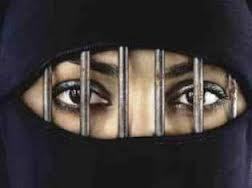
Is this book a peak "under the veil?" Heck no. Do I believe I have really learned much about the Saudis from reading this book? Heck no. If anything, I have learned more about what the author believes about the Saudis than what is really true. The saddest part about this book is that, b/c it's well written, many, many Westerners are reading it only to have their preconceived negative notions about Saudis and the Middle East confirmed.
A note on the adoption tag: I tagged this in my "adoption" shelf because Othman is an adoptee, thus his relationship with Nouf is deemed acceptable (barely). It's probably worth looking into a bit more, but I wonder how many books feature adoptees engaging in incestuous activities (having sexual relationships with their adopted siblings).