Jump to ratings and reviews
Rate this book

Gran Sertón: Veredas

Rate this book
Spanish, Portugese (translation)

464 pages, Paperback

First published January 1, 1956

1089 people are currently reading
18350 people want to read

About the author

João Guimarães Rosa

92 books647 followers
João Guimarães Rosa (27 June 1908 - 19 November 1967) was a Brazilian novelist, considered by many to be one of the greatest Brazilian novelists born in the 20th century. His best-known work is the novel Grande Sertão: Veredas (translated as The Devil to Pay in the Backlands). Some people consider this to be the Brazilian equivalent of Ulysses.

Guimarães Rosa was born in Cordisburgo in the state of Minas Gerais, the first of six children of Florduardo Pinto Rosa (nicknamed "seu Fulô") and D. Francisca Guimarães Rosa ("Chiquitinha").
He was self-taught in many areas and from childhood studied many languages, starting with French before he was seven years old.
Still a child, he moved to his grandparents' house in Belo Horizonte, where he finished primary school. He began his secondary schooling at the Santo Antônio College in São João del Rei, but soon returned to Belo Horizonte, where he graduated. In 1925, at only 16, he applied for what was then called the College of Medicine of Minas Gerais University.
On June 27, 1930, he married Lígia Cabral Penna, a girl of only 16, with whom he had two daughters, Vilma and Agnes. In that same year he graduated and began his medical practice in Itaguara, then in the municipality of Itauna, in Minas Gerais, where he stayed about two years. It is in this town that he had his first contact with elements from the sertão (semi-arid Brazilian outback), which would serve as reference and inspiration in many of his works.
Back in Itaguara, Guimarães Rosa served as a volunteer doctor of the Public Force (Força Pública) in the Constitutionalist Revolution of 1932, heading to the so-called Tunel sector in Passa-Quatro, Minas Gerais, where he came into contact with the future president Juscelino Kubitschek, at that time the chief doctor of the Blood Hospital. Later he became a civil servant through examination. In 1933, he went to Barbacena in the position of Doctor of the 9th Armed Battalion (Official Médico do 9º Batalhão de Infantaria). Most of his life was spent as a Brazilian diplomat in Europe and Latin America. In 1938 he served as assistant-Consul im Hamburg, Germany, wher he met his future second wife, the Righteous Among the Nations Aracy de Carvalho Guimarães Rosa
In 1963, he was chosen by unanimous vote to enter the Academia Brasileira de Letras (Brazilian Academy of Letters) in his second candidacy. After postponing for 4 years, he finally assumed his position only in 1967: just three days before passing away in the city of Rio de Janeiro, victim of a heart attack. His masterpiece is The Devil to Pay in the Backlands. In this novel, Riobaldo, a jagunço is torn between two loves: Diadorim, supposedly another jagunço, and Otacília, an ordinary beauty from the backlands. Following his own existential quest, he contemplates making a deal with Lucifer in order to eliminate Hermogenes, his nemesis. One could say that Sertão (the backlands) represents the whole Universe and the mission of Riobaldo is to pursue its travessia, or crossing, seeking answers for the metaphysical questions faced by mankind. In this sense he is an incarnation of the classical hero in the Brazilian backlands.
Guimaraes Rosa died at the summit of his diplomatic and literary career. He was 59.

Ratings & Reviews

What do you think?
Rate this book

Friends & Following

Create a free account to discover what your friends think of this book!

Community Reviews

5 stars
4,698 (74%)
4 stars
1,000 (15%)
3 stars
385 (6%)
2 stars
121 (1%)
1 star
66 (1%)
Displaying 1 - 30 of 613 reviews
Profile Image for Vit Babenco.
1,781 reviews5,776 followers
April 16, 2023
The Devil to Pay in the Backlands is generously and lushly multilayered: a soldier of fortune’s tale, historical saga, insurgent chronicles and even a delicate romantic mystery – and always at the highest narrative level.
What is the nature of Devil? Is he the antagonist of God? Or is he just the other side of God? When you’re at war are you on the side of God or the Devil? When you’re in love is your love inspired by God or by the Devil?
What is not of God is of the devil’s domain. God exists even when they say He doesn’t. But the devil does not need to exist to be – when people know that he does not exist, then is when he takes over. Hell is a limitless thing which cannot even be seen.

There are plenty of dark moments and often The Devil to Pay in the Backlands subtly echoes Heart of Darkness by Joseph Conrad.
As long as there is one fearful soul in the world, or a frightened child, everyone is in danger.

Life is “neither mean nor kind, it takes away or gives, it pleases or embitters you, according as you treat it”.
Life is what you make it…
Profile Image for Epicarmo Papoula.
28 reviews12 followers
December 28, 2010
Antes de mais nada, dois conselhos simples sobre este livro: primeiro, ignore toda a massa de textos acadêmicos e teses sobre ele, são muralhas inibidoras que o transformam em algo aparentemente inacessível, só para intelectuais. Pura bobagem. A Fortuna Crítica ao redor deste grande romance mais afasta do que aproxima os leitores comuns, os segrega e os desmotiva, este livro não é para intelectuais, e sim para brasileiros leitores de lingua portuguesa e como não? Para o Mundo. Está ao lado de Camões Jorge Amado e de Machado de Assis no que diz respeito a literatura em nossa língua a merecerem respeito em outros países. É a língua brasileira colocada no seu máximo sem precisar de outra coisa além de si mesma, e como uma grande história, é uma grande história de Amor, uma grande história de Guerra e uma profunda meditação sobre Destino e Livre-Arbítrio. Haverá diferença entre elas? Há Diabo?
Segundo conselho, aparentemente pueril, mas efetivo: Leia cantando, leia como se fôsse uma longa Canção, como se riobaldo Tatarana fôsse aquele velho jagunço contando tudo para você na varanda de um espelho distante, onde o Sertão é Ser-Tão. Tome um café com ele, puxe de seu fumo. Leia como se bastasse cantar, e ao ouvir os tiros da Guerra estale palmas...Mergulhe como brasileiro que é neste livro sem medo de nada e deixe as lágrimas de Alegria caírem de seu rosto por pura felicidade e contentamento de poder ter em sua língua uma das maiores experiências da Literatura. Depois, se quiser, pode ir ler o Finnegans Wake...
Profile Image for Luís.
2,370 reviews1,358 followers
October 25, 2024
Sertao is a territory of nameless harshness. It is hot and humid there. The land belongs only to the large landowners who, to defend themselves, hire formidable mercenaries, the jagunços, who employ the highest bidder. But, like all South American literature, nature occupies its right, becoming a character in which men blend in, whom they bless as much as they damn her.
In a long monologue, without chapters and almost without dialogues, Diadorim tries to read a long journey through words and sensations, which leaves a strange torpor on the skin and the soul. The reader follows the path of Riobaldo, who became a wealthy but old farmer. He recounted his youthful years when he was a jagunço, where he pursued with his family the vile Hermogenes, the assassin of the charismatic Joca Ramiro. Beyond this story of men, where honor and violence are essential foundations of community life, there is the strange relationship that Riobaldo has with Reinaldo, nicknamed Diadorim, who oscillates between friendship and love. Riobaldo represses this feeling. Finally, a spiritual aura surrounds the story, maintained by Father Quelémém and the devil himself, that Riobaldo waits all night at the crossroads.
Diadorim is of extraordinary power in world literature. Its density and lexical richness make it a test for the reader, who will emerge grown. It is a monster novel that overwhelms as much as it delights. Through mighty rivers and characters as numerous as different, it gives a glimpse of this emerging Brazil at the beginning of the 20th century.
Profile Image for Guille.
1,004 reviews3,272 followers
March 25, 2021
Una obra coral en torno a la vida de un personaje y repleta de historias, de aventuras, que se desarrollan y se enredan alrededor del tronco central entre filosofías, leyendas y poemas en prosa.

No es una obra fácil. Hay que dejarse llevar por su desmesura, por su barroquismo, por las aguas de ese río que ”no quiere ir a ninguna parte, lo que él quiere es llegar a ser más grande, más profundo”. Pero ya les anuncio que cualquier esfuerzo será más que recompensado, y que la satisfacción les puede llegar aunque ustedes no sean conscientes de cómo ni por qué. Ya lo dice Guimaraes, “Uno solo sabe bien aquello que no entiende”.

Según los que saben, esta es una de esas novelas sudamericanas imprescindibles. Estoy de acuerdo, por su estilo, por su poética, por su musicalidad, por su vanguardia, por su vocabulario (una parte importante inventado por el propio autor), por lo bien que nos retrata: el Sertón es el mundo entero.
Profile Image for Mike Bull.
85 reviews
December 2, 2013
I wouldn't have discovered this book without my brother, who mentioned it to me in late 2012.

Wow! After reading it, now I understand why in a 2002 poll of 100 noted writers (see this book's entry in Wikipedia) the book was named among the top 100 books of all time!!!
This is all the more amazing because in the English speaking world the book is all but unknown and very hard to get in print. However, check online and you may be able to download a pdf copy.

The book is set in the wild backlands of Brazil around the end of the 19th century where jaguncos (armed ruffians) war against each other in Brazil's wild sertao (hinterland of Brazil's northeast, especially northern Minas Gerais state).

The novel is told in the first person by Riobaldo, now an old man, to an anonymous silent listener from the city. While the book appears chaotic and without plot to begin with, telling stories of jaguncos hunting each other's war parties in the backlands, the plot eventually takes definite shape and there are important climaxes throughout the book. What makes it such a classic is the continual philosophy on love, good and evil, especially the thread throughout questioning the existence or not of the devil, and if so whether a pact can be made with him.

Riobaldo has wild, memorable mentors such as Ze Bebelo and vicious enemies like Hermogenes. He is in love with various women, particularly Otacilia who he met once at a Fazenda and promised to marry her, and his mind returns to her again and again while traveling and fighting. But even more striking again is Riobaldo's relationship with the companion he travels with, along with other jaguncos as they all ride throughout the sertao bent on justice and revenge: he is Diodorim, a young man who Riobaldo is so taken with he wonders time and again if he is in love, he is sure it is love, and yet it is only a thought, an idea with no consummation, running snake-like through the book as if it is another of Brazil's rivers.

The explosive descriptions of battle and the tremendously tense scenes which periodically arise are punctuated with Riobaldo's constant thoughts and emotional struggles, philosophical musings.

The book's ending is as unexpected and memorable as any of the best in fictitious literature.

Definitely the best of the twenty books I've read so far this year, it compares to such western epics as The Three Musketeers or Les Miserables, but with a completely different style.

If you can get your hands on this book, read it. The 492 pages get better and better throughout, like a gathering whirlwind.
Profile Image for Malacorda.
598 reviews289 followers
December 5, 2017
Recensione 2006 - Un grande poema epico, un meraviglioso affresco, nella mia personale classifica al pari di Guerra e Pace, o de Il mulino del Po, o dell'Iliade.
E' stato il primo libro che mi ha emozionato al punto da farmi piangere.


Recensione 2017 - Dell'imparare a vivere: vivere è molto pericoloso...

Riletto a distanza di oltre dieci anni dalla prima volta, mi ha di nuovo emozionato con la grandiosità dell'epica, dei tormenti psicologici, con il funambolismo di un lessico colorito e spumeggiante, e una traduzione che già altri hanno giustamente definito sontuosa. Ricopio @Catoblepa dal gruppo di lettura: "...pagine di una bellezza monumentale, entusiasmante e contagiosa...". Dietro un discorso apparentemente farneticante si nasconde una struttura ben precisa in cui nessun dettaglio viene lasciato al caso, nessun filo resterà a penzoloni, un puzzle che diventa tanto più grande quanto più da lontano l'autore parte per costruirlo. Dal punto di vista temporale, più che un puzzle è una matrioska: un flashback con dentro un altro flashback: i diversi piani del racconto andranno a ricongiungersi per poi precipitare verso il finale.

Uomo e Sertão si compenetrano, in questo libro divengono l'uno metafora dell'altro. E citando @Siti dal gruppo di lettura: Sertão come luogo dell'anima dove tutto è possibile, anche fare il bandito senza esserlo.

Anche se le numerose azioni dànno al racconto un'atmosfera epica con un deciso retrogusto western, e i personaggi sembrano proprio inquadrati con i primissimi piani di Sergio Leone, i temi trattati non sono spaghetti. Il principale punto di riflessione, che ricorre dall'inizio alla fine, gira intorno alle domande: esiste il Diavolo? Esiste Dio? Può uno dei due annullare l'altro? Non sarebbe forse più corretto vederli come due enti entrambi presenti, contemporaneamente, nell'essere umano? E ancora: c'è di che disquisire a proposito di che cosa è fatto il carisma (o come si dice oggi, leadership) e di cosa è fatto il destino di una persona, come si fa a trovare la propria via. Perché se ci si convince che per ognuno c'è un percorso già stabilito, allora sì che "vivere è molto pericoloso": se uno non sa infilarlo, quel cammino prestabilito, saranno dolori per tutta la vita.

Un altro paragone che mi viene spesso di fare parlando di questo libro, è quello – azzardato ma non troppo – con l'Iliade: le azioni epiche, e i momenti topici, e se nell'Iliade può accadere che gli Dèi scendano dall'Olimpo per intervenire nelle umane faccende, non dimentichiamo che qui siamo in Sud America e gli antichi ci insegnano che avvenimenti soprannaturali mescolati con la quotidianità sono del tutto plausibili.

La storia si svolge in Brasile, si snoda tra le zone desertiche e la foresta, inizia come un lungo flashback del protagonista ormai anziano che ricorda tutta la sua vita, ha anzi urgente necessità di ricordarla ed esporla, e mette in azione un elevato numero di personaggi: vedremo infatti muoversi sul territorio svariate bande di Jagunços, che si fronteggeranno principalmente in due fazioni distinte che in seguito si 'rimescoleranno' tra loro. Per chi non lo sapesse, il Jagunço è una metà via tra un gaucho, un mercenario, un campiere e un 'bravo' di manzoniana memoria.

Il finale, che se spiattellato in spoiler potrebbe quasi sembrare una robetta melodrammatica, anzi da operetta, se resta invece supportato e accompagnato da tutto il resto dell'opera è commovente per la forza della scena e dei sentimenti, e fa sì che nell'analisi del libro lo si possa affiancare, per temi e trama, al Faustus di Mann.

"Ma io sono stato sempre un fuggitivo. Sono fuggito perfino dalla necessità della fuga."

"Paura di sbagliare, l'ho sempre avuta. La paura di sbagliare è la mia pazienza."

"Maestro non è chi sempre insegna, ma chi d'improvviso apprende."

"Vivendo, s'impara; ma quel che s'impara, di più, è solo a fare altre e maggiori domande."

"Ho venduto la mia anima a qualcuno? Ho venduto la mia anima a chi non esiste? Non sarà peggio?"

"esiste una ricetta, la norma di un cammino certo, stretto, per ogni persona viverci – e questa linea c'è per ognuno – ma la gente stessa, in genere non la sa trovare; […] e cercar di trovare quel cammino certo, io volli, feci del mio meglio; solo che esagerai, o cercai sbagliato. Una miseria della mia mano. Ma la mia anima deve essere di Dio: se no, come potrebbe essere mia?"

"L'imparare-a-vivere è che è il vivere, stesso."
Profile Image for Ana.
230 reviews91 followers
April 13, 2017
"O senhor sabe: sertão é onde manda quem é forte, com as astúcias. Deus mesmo, quando vier, que venha armado! E bala é um pedacinhozinho de metal..."

"De mim, pessoa, vivo para minha mulher, que tudo modo-melhor merece, e para a devoção. Bem-querer de minha mulher foi que me auxiliou, rezas dela, graças. Amor vem de amor. Digo. Em Diadorim, penso também – mas Diadorim é a minha neblina..."
Grande Sertão: Veredas é uma obra ímpar e a sua leitura foi, para mim, um desafio inegável. A narrativa é apresentada na forma de um longo monólogo, em que o protagonista, o ex-jagunço Riobaldo, agora na condição de velho e rico fazendeiro, relata as suas experiências de vida da juventude a um interlocutor não identificado (aparentemente um visitante que Riobaldo recebe na sua fazenda e a quem trata por "senhor" ou, ocasionalmente, por "doutor"). Este interlocutor nunca chega a intervir mas a sua presença é indicada pelas falas do narrador-protagonista.

O relato desenvolve-se em torno de duas histórias principais: a actividade de Riobaldo na jagunçagem, com destaque para o desígnio a que se propõe para vingar a morte de um companheiro, e a atracção amorosa de Riobaldo pelo seu amigo Diadorim (ou Reinaldo, seu nome de jagunço). Nas duas situações Riobaldo vive em situação de conflito interior. Na primeira porque, para atingir o seu objectivo de vingança, propõe-se fazer um pacto com o Diabo; na segunda porque se trata de um amor proibido que, por contra-natura, lhe causa apreensão e até repulsa. Pelo meio são relatadas pequenas histórias independentes das histórias nucleares, sem influência no desenrolar destas, mas que são significantes para a construção do cenário físico e humano.

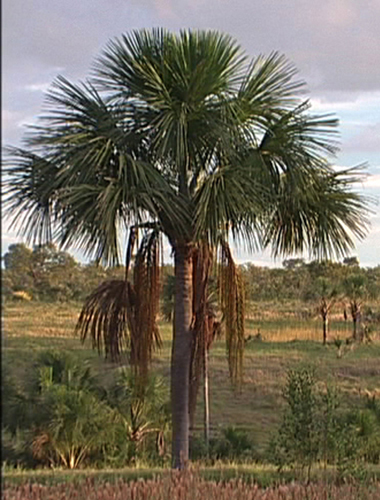
Toda a narrativa é marcada pela dualidade e pela ambiguidade, que estão presentes logo no título da obra. O Grande Sertão é uma extensa região do nordeste brasileiro, muito quente, seca e com vegetação típica das regiões desérticas, que abarca vários Estados (ao longo do romance, e pelas conversas dos personagens percebemos que neste romance a acção tem lugar numa região que abrange parte dos Estados de Minas Gerais, Bahia e Goiás). As veredas são formações vegetais, que ocorrem em zonas específicas dos sertões, próximas de rios ou linhas de água, e onde abundam os buritis (espécie de palmeira amplamente mencionada ao longo da narrativa); são zonas verdes e amenas, que se assemelham a oásis, no meio do semideserto que é o sertão. Esta dicotomia é simbólica e transversal a toda a obra. Está presente na personagem principal de várias formas:
- na sua origem - filho bastardo de um coronel, que no romance nos é apresentado como seu “padrinho”, e de uma criada;
- nos seus afectos - divididos entre Diadorim (o seu amor proibido) Otacília (noiva por quem nutre um amor ascético e respeitoso) e Nhorinhá (prostituta que lhe desperta evocações do prazer carnal);
- na sua religiosidade mística - que o coloca numa luta interior entre o bem e o mal, entre a luz e as trevas (a sua dúvida obsessiva relativamente à existência ou não da figura do Diabo e se a sua condição de "pactuário" se chegou a efectivar ou não, pois disso depende a salvação da sua alma);
- nas duas facetas da sua personalidade - o jagunço guerreiro que, com destemor, enfrenta qualquer peleja e o homem sensível cujas reflexões sobre o seu sentir se revestem de lirismo e poesia.
"sempre que se começa a ter amor a alguém, no ramerrão, o amor pega e cresce é porque, de certo jeito, a gente quer que isso seja, e vai, na ideia, querendo e ajudando; mas, quando é destino dado, maior que o miúdo, a gente ama inteiriço fatal, carecendo de querer, e é um só facear com as surpresas. Amor desse, cresce primeiro; brota é depois."
A leitura apresenta dificuldades várias e, para a levar a bom termo, tive de apelar a toda a minha persistência. As dificuldades advêm de a narrativa ser, a todos os níveis, marcada pela oralidade. O relato é um contínuo, sem divisão em partes ou capítulos e não segue uma sequência cronológica linear. Estando o tempo da acção separado do tempo da narração por um intervalo de cerca de 30 anos (inferimo-lo a partir de alguns excertos do relato), os acontecimentos vão sendo relatados à medida que afluem à memória do narrador, como ele próprio explica ao seu interlocutor (e que funciona como indicação para o leitor, ajudando-o a situar-se):
"Eu estou contando assim, porque é o meu jeito de contar. Guerras e batalhas? Isso é como jogo de baralho, verte, reverte."

"A lembrança da vida da gente se guarda em trechos diversos, cada um com seu signo e sentimento, uns com os outros acho que nem não misturam.Contar seguido, alinhavado, só mesmo sendo as coisas de rasa importância. (...) Tem horas antigas que ficaram muito mais perto da gente do que outras, de recente data."
Contudo a maior dificuldade reside na linguagem utilizada que, reproduzindo o falar das gentes sertanejas, transgride a sintaxe e o léxico regular. Se ao primeiro aspecto me habituei com alguma rapidez, já o segundo obrigou-me a recorrer ao dicionário inúmeras vezes. Para além da utilização de regionalismos, arcaísmos, palavras de etimologia indígena, outras derivadas de onomatopeias, há também inúmeras referências a elementos da geografia, da fauna e da flora (para a minha apreciação desta obra foi decisivo o facto de a ter lido num e-reader que dispõe de dicionário e de opção de pesquisa no Google e na Wikipedia; se tivesse lido uma versão impressa nunca teria conseguido ter a mesma compreensão do que li).

Paradoxalmente, uma vez ultrapassada a barreira da linguagem (ao fim de umas cinquenta páginas a leitura começa a fluir, ao fim de cem está dominada), percebemos que é nela que reside a maior beleza da narrativa. Por um lado a sonoridade e a métrica conferem-lhe uma quase musicalidade (apercebemo-nos disso quando, para facilitar a compreensão, lemos em voz alta) assemelhando a narrativa a um longo poema. Por outro lado, o modo como Riobaldo expõe a suas reflexões e evocações são de um lirismo que combina a profundidade do conteúdo (o típico saber das gentes que habitam os grandes espaços e vivem em estreito contacto com uma natureza inóspita) com uma ingenuidade quase infantil da forma como são expressas.

As numerosas descrições do ambiente natural parecem-me ir muito além da mera de criação de cenário. Elas permitem-nos ver a realidade através dos olhos do narrador-personagem, cujo "saber" limitado o leva a procurar a explicação do transcendente (que ele chama de "sobre-coisa") nas forças da natureza, como que evocando uma religiosidade animista. Têm também a intenção de colocar foco nos sentimentos de Riobaldo por Diadorim. Foi Diadorim quem, ainda em criança, ensinou a Riobaldo a apreciação estética da natureza (e este excerto é uma coisa deliciosa):
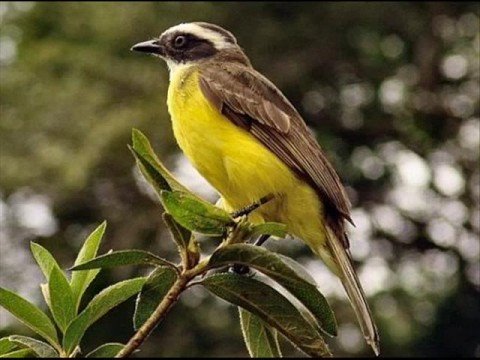
"O rio, objeto assim a gente observou, com uma crôa de areia amarela, e uma praia larga: manhã-zando, ali estava re-cheio em instância de pássaros. O Reinaldo mesmo chamou minha atenção. O comum: essas garças, enfileirantes, de toda brancura; o jaburu; o pato-verde, o pato-preto, topetudo; marrequinhos dançantes; martim-pescador; mergulhão; e até uns urubus, com aquele triste preto que mancha.
Mas, melhor de todos – conforme o Reinaldo disse – o que é o passarim mais bonito e engraçadinho de rio-abaixo e rio-acima: o que se chama o manuelzinho-da-crôa. Até aquela ocasião, eu nunca tinha ouvido dizer de se parar apreciando, por prazer de enfeite, a vida mera deles pássaros, em seu começar e descomeçar dos vôos e pousação. Aquilo era pra se pegar a espingarda e caçar. Mas o Reinaldo gostava: - “É formoso próprio...” – ele ensinou. "

manuelzinho-da-crôa (Charadrius collaris)

Não obstante a aparente delimitação geográfica e temporal deste romance, a simbologia dos elementos utilizados confere-lhe um carácter universal e intemporal. A mais imediata é o próprio Sertão que pode ser encarado como símbolo da existência, com todos os seus obstáculos; um percurso quase sempre difícil e tortuoso que somos obrigados a desbravar.
"… o real não está na saída nem na chegada: ele se dispõe para a gente é no meio da travessia."

"É que o senhor vê bem: como é que o sertão vem e volta. Não adianta se dar as costas. Ele beira aqui, e vai beirar outros lugares, tão distantes. Rumor dele se escuta. Sertão sendo do sol e os pássaros: urubu, gavião – que sempre voam, às imensidões, por sobre... Travessia perigosa, mas é a da vida."
E não será por acaso que a expressão repetida de forma mais recorrente ao longo do romance é "viver é muito perigoso" .

Se compreendi todas as palavras e frases que li? Não. A criação não cabe em dicionários nem em enciclopédias. Se compreendi a história? Sim. E mais do que ter compreendido, senti. Dou razão a quem diz que, mais do que entendida, a arte deve ser sentida. E eu senti o calor e o pó do deserto, senti o suor da "cavalhada", senti a frescura dos buritizais ("verde que afina... belimbeleza"), ouvi o "chiim dos grilos", senti cada batida do coração de Riobaldo, apaixonei-me por Riobaldo e Diadorim "parmente" e até fiquei a conhecer o manuelzinho-da-crôa. O sentimento por esta obra, foi crescendo, cresceu e brotou. E brotaram-me os sorrisos; e as lágrimas também. Então. E agora outra vez.

E chamem-me doida, mas este é para reler.


Profile Image for Davide.
508 reviews140 followers
December 9, 2018
Paesaggio con serpente

Una voce evoca un mondo.
Una voce che parla, parla, parla.
E racconta, a tratti avvince a tratti divaga; a volte coinvolge profondamente nel suo punto di vista e a volte ne lascia trapelare l’inaffidabilità; sempre è creatrice di miti.
Tramite il “vossignoria” a cui si rivolge, conduce il lettore dentro il suo mondo; lo allestisce per noi: «Il sertão è grande come il mondo».
Un mondo violento e ingiusto.
Un mondo bellissimo.
Lirico e epico.
La bellezza e la durezza del Sertão sembrano inseparabili: nomi su nomi (molti sono lasciati in originale ma troviamo continue invenzioni linguistiche anche nella traduzione) evocano zone desertiche e veredas, uccellini vezzosi e avvoltoi che si cibano di cadaveri, amici e nemici.

Simbolo della vereda è il buritì:

description.
«Vengon fuori dagli stessi acquitrini - enormi palmeti di buritìs» (p. 29)
«buritì - verde che sfina e riveste, gentilbellezza» (p. 40)
«O palma che non si curva:
buritì – dritto slanciato…
» (p. 69)
«Mi venne nostalgia di qualche palmeto di buritìs, andando per una vereda dall’erba ultraverde, fine di pianoro.» (p. 241)
«Ogni buritì si prese delle pallottole.» (p. 453)

Un mondo di animali affascinanti, nel loro libero e rapido movimento, come il manuelzinho-del-greto:
description
«la bizzarria di quell'uccellino vezzoso: il manuelzinho-del-greto»

E poi c'è il serpente: l'urutù [è nascosto perché più pericoloso: non apra chi ha la fobia dei rettili! :)]

ma non è quello che potremmo immaginare prima della lettura.

Il racconto c’è eccome, e c'è anche un sapiente incrocio di piani temporali, ma non è l’obiettivo principale, che è invece comprendere-giustificare, nella parola detta a un altro, la propria esistenza e tutto il proprio mondo.

Per questo il racconto è lirico: con le frequenti evocazioni della bellezza della natura, i suoni degli uccelli, lo svariare del cielo, i canti (Riobaldo compone anche rime!), la descrizione della potenza incomprensibile e incontrollabile dell’amore.

Ed è epico: con tanto di cataloghi degli "eserciti", con la potenza evocativa dei nomi, gli epiteti ripetuti, le descrizioni di battaglie, le ripetizioni formulari (a partire dal ritornello più ribattuto: «Vivere è molto pericoloso…»; «Vivere è molto pericoloso, l’ho già detto a vossignoria.»; «Vivere è molto pericoloso, davvero»... e avanti fino al definitivo: «Vivere – non è vero? – è molto pericoloso. Perché ancora non si sa. Perché l’imparare-a-vivere è che è il vivere, stesso.»)

E ricorda la tradizione epica anche un altro elemento che non si può dire :)

Bisogna un po' affidarsi, abbandonarsi al flusso. Perché chi racconta sa che «sto raccontando sbagliato, dall’alto. A sbalzi. Ma non è per mascherare le cose, non pensi»; è la forma che è dettata dalle cose, perché «raccontare è molto, molto difficile. Non per gli anni che già sono passati. Ma per l’astuzia che hanno certe cose passate – di fare l’altalena, di muoversi dai loro posti.»

E bisogna però anche un po' diffidare, stare all'erta. Perché in qualche modo ogni lettore dovrà rispondere alla domanda centrale (che non dico): «Non ho intenzione di riferire a vossignoria la mia vita passo per passo; a che servirebbe? Quel che voglio è mettere a punto un fatto, per poi chiederle un consiglio.»

Oltre a comprendere gli incastri del racconto, quindi, vanno capiti gli andirivieni interni della voce che parla; il suo continuo arrovellarsi sul rapporto tra le fedeltà che sempre mutano («Ma la natura della gente è molto lunedì-e-sabato. C’è il giorno e c’è la notte, alternantisi, in amicizia d’amore») e l'odio per il tradimento che è anche un'inesauribile tentazione («Quasi tutto quello che uno fa o tralascia di fare, non è alla fin fine tradimento?»)

Va bene, allora lo dico: la domanda a cui ogni lettore alla fine deve rispondere è legata al titolo che ho dato qui: in che senso quello che ci presenta Guimarães Rosa è un Paesaggio con serpente?
Profile Image for Sandra.
963 reviews333 followers
December 16, 2017
Un romanzo con echi dostoevskjiani, nel senso che nelle pagine aleggia l’ossessione della presenza del male nell’uomo, anche se con Dostojevskij nulla ha a che vedere, siamo dall’altra parte del mondo, nel desertico altipiano brasiliano del Sertao, dove la natura presenta aspetti inattesi ed imprevedibili, così come gli uomini che vi vivono, uomini che trascorrono l’esistenza in moto perpetuo, a cavallo, a combattere, fra loro o contro chi dovrebbe rappresentare l’autorità, una entità lontana. E’ uno di loro, Riobaldo, nella sua parabola da maestro a jagunço dalla mira implacabile fino a diventare capo di una schiera di jagunço, l’Urutù Bianco, a raccontare l’emblematica guerra fra bande per uccidere Ermogene, capo di un gruppo di banditi rivale, ad un silenzioso ascoltatore cerimoniosamente chiamato Vossignoria: una guerra che richiama l’eterna lotta fra il bene e il male che squarcia l’uomo. Non ci si aspetti un western, anche se a tratti ce ne sono gli echi, perché il romanzo è molto complesso, con una scrittura che fluisce tortuosa ad esprimere i pensieri, spesso oscuri, di Riobaldo, che raggiunge a volte picchi di poesia al livello delle grandi tragedie e dei poemi epici classici, mentre in alcuni casi risulta pesante e lenta. Tanti sono i protagonisti, gli uomini del Sertao, tra i quali spicca l’amico del cuore di Riobaldo, Diadorim, guerriero coraggioso dall’aspetto diafano e singolare, la cui presenza illanguidisce il guerriero Riobaldo. Diadorim è il personaggio che meno ho apprezzato, l’ho sentito come una figura mitologica impalpabile.
Comunque sia, si tratta di una lettura difficile, che compensa gli sforzi con momenti di alta letteratura, che ho affrontato grazie al gdl e a Malacorda che ci ha guidati con abilità e che ringrazio.
Profile Image for Sidharth Vardhan.
Author 23 books771 followers
October 11, 2016

“I speak with twisted words. I narrate my life, which I did not understand. You are a very clever man, of learning and good sense. But don't get impatient, don't expect rain during the month of August. I'll soon tell you, I'm coming to the subject that you are waiting for. Did the Evil One exist ?"

Okay, first things first, if nothing in this review makes you want to read it than remember that this work has been called ‘Ulysses of Portuguese Literature’ (not at all as challenging as Ulyssess is perceived to be) – and is the standard against which all the Brazilian works are compared.

Translation

It is probably most rarely read title on ‘World Library List’. The reason why this book is not read more in English world is because the English translation has been considered faulty – from what Brazilians over net have to say, that is only putting things very lightly. A big part of greatness of the original work was – the lyrical prose, the usage of culturally loaded words, stuff like that which is lost in translation. It is supposed to be really, really hard to translate(Can you imagine reading Ulysses in translation?) The author knew it was bound to happen and was willing to compromise anyway – there is so far more in it beyond prose. Still he wasn’t satisfied with resulting English translation.

And so English translation is no longer in publication. I had to read it anyway – it has devil in its title. What I read was a copy I found online – and whether or not translation was faulty, I really, really liked it.

Title

“The original title refers to the Veredas - small paths through wetlands usually located at higher altitudes characterized by the presence of grasses and’ other natural vegetation, ‘that criss-cross the Sertão region in northern Minas Gerais as a labyrinthine net where an outsider can easily get lost, and where there is no single way to a certain place, since all paths interconnect in such a way that any road can lead anywhere.” – Long live Wikipedia! (Reading story gives that Veredas like feeling in which every event is seen from various interconnected perspectives.) Grand Serta (Great Becklands) is a region of Brazil.

That explains original title – Grande Sertao: Veredas (Great Becklands: Paths). As to English title, it refers to an event – a pact with Devil, which may or may not have happened in latter half of book. The narrator is not sure.

Narrator

"These things all happened later. I have got ahead of myself in my story. You will please excuse this bad habit of mine. It is ignorance. I hardly ever get to talk with anyone from the outside. I don't know how to tell things straight. I learned a little with my compadre Quelemem; but he wants to hear about the facts in the case, the inner meanings, the undertones. Now, on this day of ours together, with you listening to me so attentively, I am beginning to learn to tell things straight."


The book is basically a first person narrator Riobaldo, telling – orally telling the story of his life in a long, really long, really really long monologue, At least in English translation, there are no divisions into chapters of what-so-ever kind. There is forever a sense of urgency, tension and doubt coming out of his words throughout the book. Is this excitement of fear or guilt?

Is he unreliable? From very beginning you will realize, he is trying to solve a puzzle so far engraved in his life that it won’t let him live peacefully unless it was solved. At least he is trying to tell the truth. That being said story is told up in highly jumbled broken pieces at least in the first half of the book.

Also, there is at least one lie, a big one, that he maintains throughout before revealing the truth in the end. This big there-is-no-way-you-could-have-guessed-it kind of revelation turns the story over its head for n th time. It was important for him to maintain the lie so that you listen could see the things from his perspective (he himself didn’t discover the truth until the end). I’m going to maintain that lie myself. So there you have it – this time I have an excuse to lie in my review.

"I believe all my own lies."

Listener

“You can laugh, sir : your laughter shows wisdom. I know. But I want you to think my crazy words over."

If it is a monologue, who is the listener than? Search me. There are some clues thrown throughout, especially towards the end, but neither Riobaldo nor me are sure. Could it be Devil? Could it be? R hints suspicions to the effect in the very beginning. He has, he says, come from the city – alright, may be officer of some kind? And why is he such a patient listener? Why won’t he interrupt? Ask questions? Does he know psychotherapists get paid for that kind of thing?

Occasionally he laughs as our narrator notices or thinks aloud as once again our narrator notices. Sometimes Riobaldo will ask his listener a yes-or-no question which he seems to answer with a nod or a shake of head. Riobaldo’s monologue continues with phrases like ‘so you think so too’ after such questions – you never really hear from listener, except may be (it is a very confusing book) a single sentence towards the end which provides yet another perspective to the whole thing.

Devil

“The worst things cannot be kept out by closing doors."

As you see, Devil gets a lot of mention in the story. Whatever the puzzle R. is trying to solve, the question is dear to him. He is constantly breaking the already otherwise broken threads of his story to tell the unrealated stories of exorcisms and deals with Devil,black-magic etc. we can easily see that it is foreshadowing a later event in the story. So is there a deal with Devil? Does Devil shows up in the story? If yes why is R. not sure about his existence when he is narrating the story? A deal with Devil (for English title may suggest so much) presupposes existence of Devil – or does it?

Somehow these questions are very important to R and his understanding of his life. Often he uses weird logic – to reach conclusion that Devil doesn’t exist but you get the idea, that it is more an effort to reconcile himself out of some fear or guilt. And he doesn’t seem to hold much belief in those non-sequiturs, if he had his mind at rest with his logic – he wouldn’t keep returning to the subject repeatedly.

Another thing really worrying for a Devil enthusiast that the novel is so much grounded into reality that a fantastic element like Devil seems out of place. Still try to think from POV of a religious, superstitious, largely uneducated person. Aren’t things like gods, demons etc more real to them? R believes in all the fantastic stories on the subject told to him. So is it imagination?

This review is full of questions because the suspense within the novel is, IMO, a crucial part of its charm. Every new event, ever false alarm, brings a new way to seeing the things. Anyway aren’t we all confused about our lives, why expect R to have any more answers than we have?

Bandits

"So, it would seem that those over there-the Judases -were not all mad dogs but some, like ourselves, were merely jagunas working at their trade. Looking at it in another way : were we now, to avenge the killing of Joca Ramiro, terrible as it was, going to spend our whole time in wars and more wars, dying, killing, five, six, ten at a time, all the bravest men in the sertao?"

R. when he is telling the story has retired, but he was Jagunco. A jagunco was a person hired by rich and powerful – as bodyguard or to kill people. The term later referred to bandits as well. R is more or less a bandit. Gang wars? Well, there are gang wars – but R. isn’t graphic about details. He is more focused on his thoughts.

Also R. and his fellow bandits are not as hard-hearted people as their profession suggests. R. in particular, though a very good shooter, has lots of soft spots in his heart – and is in his fashion, very averse to violence. Still he kills people, so what is evil?

He wants to be a Jagunco but struggles in affirming to the philosophy of being one.
Anyway, while we are on the subject, I can validate the truth of following from personal experience:


“It is hard, sometimes, to be always evil; it takes practice in villainy, experience”


Much of the book is about R. telling us things like that - how great his fellow bandits are, that you surely can’t strike deal with Devil since he don’t exist, since Devil has proved he doesn’t exist (make out what you will), how silly violence is, how beautiful were the women he slept with, his many reflections on nature of love and above them all Diadorium. Diadorium! How could I come this far without talking about Diadorium?

Diadorium

“ The months and the years went by. But Diadorim took me with him, wherever he wished to go. I am sure that Diadorim could tell when I was thinking about Otacilia-he divined it and suffered.”

Although R. tells things in no particular order - if you look at chronologically first event he describes, it is about his meeting as a boy with another boy. He later meet Diadorium again as a fellow Jagunco and from there-on till the end of book, they are more or less togather.
In very beginning of his long confession, we see R.’s reluctance to admit his love for Diadorium. As the story progresses, he becomes more obvious – either he seems to trust his listener more or it is just ever-growing-desire to make a complete confession.

He is prejudiced against homosexual love. R. sleeps with a lot of women in the novel. Diadorium, whom you can almost call his tail, too seems to return his love – at least by R’s account, although it is unrequited on both sides through out.

So is it this the ‘evil’ that he thinks was the deal with Devil? May be but from very first, R. is quick to clarify that nothing ‘unethical’ ever happened between them – yet there are a number of moments they seem to come close.

That said, there is a lot of tension between two. There are sort of lovers’ quarrels. Diodorium is obviously jealous when R tells him about his plans of retiring and starting a family or sleeps with women. R on his part is jealous when he discovers that Diodorium had another equally close best (male) friend like R in past. And that ending, oh! That ending! If only I could talk about it.

"There was a moment when I wavered. Was it on that occasion? Or some other? It was once ; I remember. My body longed for Diadorim. I put out my hand to touch him; but as I was about to do so, he looked at me-his eyes stopped me. Diadorim, grave, head held high. I felt a chill. Only his eyes denied me. Did I know what was happening to me? My body longed for his body. Terribly. Gloom surrounded us, as when a downpour threatens. I could bury my head in my arms , and stay that way, like a fool, without coming to any decision. What was it I wanted? I didn't want what was hanging over us, so I fetched an idea from afar. I spoke as in a dream : "Diadorim, haven't you, don't you have a sister, Diadorim ?"
Profile Image for Francesco.
320 reviews
May 5, 2024
invidio chi ancora lo dovrà leggere

ps guardate tra le biblioteche o su ebay

feltrinelli d10 c4n3 muoviti a ristamparlo e a riempire almeno un scaffale di ogni libreria
Profile Image for Patrizia.
536 reviews164 followers
February 27, 2018
Il sertão è un’attesa enorme


Non c’è molto da aggiungere alle splendide recensioni di @Malacorda, @Cosimo, @Davide, @Siti, @Sandra, @Joseph, @Carloesse e @Vit Babenco, grandi lettori cui devo la scoperta di questo romanzo e che per questo ringrazio.
Scritto in prima persona, è il racconto di una vita fatto a un non meglio identificato “Vossignoria”, ospite colto e di passaggio, da Riobaldo, vecchio fazendeiro dal passato avventuroso.
Il linguaggio è sorprendente, un fiume di parole, alcune delle quali create appositamente, da cui scaturiscono immagini vive, pensieri, riflessioni e domande, l’essenza della ricerca di un senso a un’esistenza che sembrerebbe guidata dal caso.
La storia è entusiasmante, come lo è il luogo che inizialmente fa da teatro per poi trasformarsi in coprotagonista, rubando spesso la scena.
Siamo nel sertão, terra impervia e dura, un inferno che si attraversa per poter crescere e trovare sé stessi. Se è quello che si vuole. Il sertão è madre e matrigna. Non ha confini certi, impossibile conoscerlo,

“Il sertão: chi lo conosce è l'urubè, lo sparviero, il gabbiano, quegli uccelli: loro stanno sempre in alto, palpando l'aria con la zampa sospesa, rimisurando con lo sguardo l'allegria e le miserie tutte...”

“Sertão è il penale, il criminale. Sertão è dove l'uomo deve avere nuca dura e mano quadrata”

“Il luogo sertão si riconosce: è dove i pascoli mancano di steccati; dove uno può andare dieci, quindici leghe, senza trovare una casa abitata; e dove il criminale vive a suo piacere, lontano dalle strette delle autorità.”

Il sertão è metafora del mondo e dell’esistenza, plasma l’uomo, è vecchio come il vento che lo attraversa. Le notti sono buie, nonostante la luna, scandite dal verso lugubre dell’urutáu che penetra sogni e pensieri.
Riobaldo vi entra da ragazzo, in fuga da una vita di cui non comprende lo scopo, unendosi a un gruppo di jagunços, fuorilegge in una realtà priva di giustizia, che vivono per combattere. Farà carriera, fino a diventare capo di una banda.
Il suo racconto è un tributo d’amore alla natura, che improvvisamente regala la bellezza delle veredas, dove l’acqua è limpida e risuona delle mille voci degli uccelli che vi si abbeverano; è un canto d’amore a donne conosciute per una sola notte, a un compagno di viaggio dagli occhi verdissimi, compagno e guida in questo viaggio quasi dantesco, a una donna vista per pochi istanti, che sarà ad aspettarlo fuori dal sertão; è il canto dell’odio, che si impadronisce dell’animo e spesso lo domina, per comprendere alla fine che

“Credo che traevo un odio dall'altro, cucitamente, così rifacendo di seguito dall'avanti all'indietro tutto il passato. In modo che l'essenza della mia vita, fin da bambino, era per farla finita una volta per sempre con l'Ermogene - in quel giorno, in quel luogo.”


Ancora, è il canto epico della lotta tra Bene e Male, che nel sertão diventano estremi, nella quasi certezza dell'esistenza di Dio e nel dubbio sull’esistenza del diavolo. Ma quest’ultimo non si nomina, non si sa mai. È una fede superstiziosa, ci si affida alle immagini della Madonna e a scapolari miracolosi che si portano addosso come talismani.
La morte è sempre in agguato, come gli avvoltoi neri del sertão. Si spara per uccidere, spesso per il solo gusto di farlo.

“vossignoria pensa che la morte è pianto e sofisma - terra fonda e ossa quiete...
Vossignoria dovrebbe poter immaginare una persona aurorare di tutto amore e morire come fosse solo per uno. Vossignoria dovrebbe vedere uomini ammazzarsi a bruciapelo, spumando rabbia!”

Il racconto si snoda con salti temporali,

“io vedo il tempo venire dal basso, quieto molle, come acqua che inonda...
Tempo è la vita della morte: imperfezione.”

seguendo il filo di ricordi, di pensieri, della nostalgia e, soprattutto, di un grande rimpianto. È disordinato, perché la memoria non torna a comando. Riobaldo racconta per capire, per dare un senso alle scelte che lo hanno guidato, alle azioni commesse, a quello che è diventato dopo il sertão,

“Il sertão mi ha prodotto, poi mi ha inghiottito, poi mi ha sputato dal caldo della bocca...”

Una sola certezza

“Vivere - non è vero? - è molto pericoloso. Perché ancora non si sa. Perché l'imparare-a-vivere è che è il vivere, stesso”

Anche queste mie riflessioni sono disordinate e confuse, dettate dal flusso di sensazioni nate da una lettura che sorprende e commuove, in cui anche lo straordinario racconto di una battaglia è intriso di poesia.


Inviato da iPad
Profile Image for Siti.
406 reviews165 followers
December 5, 2017
Non è semplice parlare di un libro che , datato 1956, si è imposto nella letteratura brasiliana divenendone una sua pietra miliare. Non lo conoscevo e devo la sua scoperta ad una vivace comunità di lettori che dopo averlo scovato tramite la partecipazione di un nutrito numero di essi ad un sondaggio teso a scovare “perle nascoste” nella letteratura mondiale, ha fatto sì che con votazione divenisse l’eletto per un successivo gruppo di lettura. Ho partecipato dunque alla mia prima lettura collettiva e devo dire che l’esperienza è stata edificante perché i contributi degli altri hanno sostenuto un leggere non sempre piacevole e spesso difficoltoso rendendomi tra l’altro maggiormente accessibili alcuni passaggi. Resistenze innumerevoli hanno siglato la lettura e primariamente una prosa arricchita di un linguaggio ricalcante la vera natura del Sertão: Brasile centrosettentrionale, lande brulle in altitudine solcate da palme, piccoli fiumi, una fauna curiosa variopinta, onnipresente, un esercito di solitari uccelli che scandiscono i ritmi di una natura bella e selvaggia. Una terra di nessuno o forse una terra di pochi, i fortunati possessori di isolate fazende che per proteggere le loro microeconomie hanno necessità di asservire i molti sfortunati i quali, armati, fanno valere una legge, quella del più forte, in un luogo dove la legge non arriva mai. Riobaldo, ormai vecchio, sposato, sistemato e protetto dai suoi banditi è anche lui divenuto uno di essi. È divenuto appunto giacché non fu in gioventù: persa prematuramente la madre, raggiunto un padrino, sottrattosi alla sua cura, si unisce ad una delle bande che percorrono il Sertão e questo luogo immenso, difficile, ostile e accogliente al tempo stesso lo ospita, lo fagocita e lo istruisce. La sua natura però pare rifuggire dalle leggi della sua nuova casa ma in essa lui dovrà faticosamente trovare un suo ruolo, una sua ragione, una sua identità. È sua la voce narrante che si rivolge ad un ospite di passaggio “Vossignoria”, uomo di certo istruito che viaggiando per quei luoghi capirà la sua parabola esistenziale se avrà la pazienza di ascoltare lo sfogo di un uomo che vive fondamentalmente di rimpianti, in realtà di un unico grande rimpianto. Il suo narrare è una mistura di ricordi e di considerazioni di carattere più generale che vanno a toccare le grandi verità di una terra intrisa di credenze, superstizioni, attribuzioni di caratteristiche soprannaturali anche al reale più tangibile, una terra che ha necessità di interrogarsi e di capire le grandi forze antitetiche che governano la vita umana: il bene e il male e le loro incarnazioni nelle idee di dio e del diavolo. Il ritmo narrativo discontinuo, squarciato da stupendi passaggi descrittivi che offrono bellissimi quadri d’insieme dove regnano sovrane la flora e la fauna del Sertão, zigzagato da continue analessi, inframmezzato da sequenze frenetiche al sapore di piombo regala un’esperienza di lettura unica che mima l’episodicità della stessa esistenza: tempesta e risacca. Riobaldo si dipinge in tutta la sua umanità fatta di incertezze, paure, limiti ed errori anche nei momenti più alti del proprio percorso; un uomo solo come tutti d'altronde anche se riuniti in bande, con gli stessi”valori” da condividere, con le stesse esperienze da raccontarsi, anche le più brutali. Un uomo che pur accettando tale sistema sempre nel suo profondo lo rinnega, se ne distanzia e insieme ne viene risucchiato ancora accertandosi tra sé e sé che “la vita della gente procede per errori, come resoconto senza piedi né testa, per mancanza di buon senso e di allegria”. E se solo l’avesse avuto un po’ di buonsenso il nostro Riobaldo oggi non sarebbe lì a ricordare e contemplare l’unica vera “nebbia” della sua vita: Diadorim. Qui ci vorrebbe proprio la “misericordia di una buona pallottola” a porre fine al suo narrare- rimuginare, ancora basiti per la sua rivelazione finale, riconciliandoci infine con lui e con la sua “traversia”.
Profile Image for piperitapitta.
1,050 reviews464 followers
December 17, 2017
Del Grande Sertão ovvero dell'Umana Commedia

Del dire e non dire o disdire
del sapere e non sapere
del volere e non volere
del vedere e non vedere


description

Mi è venuto l'ardire improvviso, veleggiando verso la fine, di paragonare il peregrinare di Riobaldo all'Inferno dantesco, al divino commediare. Cos'è, del resto, la vita, se non l'attraversamento di Inferno, Purgatorio e Paradiso?
Non fu, Riobaldo, vossignoria, jugunço e capo, prigioniero prima di poter essere libero?
Non uscì, finalmente, infine, dopo aver attraversato in lungo e in largo i Campos Gerais, per sertão e veredas, a riveder le stelle e l'amata angelicata Otacilia?
Della presenza di Dio, e del demonio, delle caratteristiche umane, non è forse pieno il Sertão?
La vita è molto discordata. Ha parti. Ha arti. Ha le nebbie di Siruiz. Ha tutte le facce del Cane*, e le pendici del vivere.
E siccome sono capocciona e quando credo di aver intravisto qualcosa metto a soqquadro il web finché non ne trovo conferma, scartabellando che cosa ti trovo? Un'analisi comparata (in portoghese, ahimè) fra Il Grande Sertao e La Divina Commedia. [Tão território que não foi feito para isso, por lá esperança não acompanha (Lasciate ogne speranza, voi ch’intrate.)]

*Ah, il potere del cane!

Fendemmo il Sertão.
Picaresco, epico, canzone di gesta, simbolico, umano. Molto umano, soprattutto.

Perché vivere è molto pericoloso; ma non vivere, non rischiare, non osare, non combattere, lo è molto di più. Perché l'imparare-a-vivere è che è il vivere, stesso [...] e quel che esiste è l'unico modo umano.

E l'amore è questo: quel che vuol bene e fa male?


[Durante la lettura

Vivere è molto pericoloso... Volere il bene con troppa forza, in maniera incerta, può essere già uno star volendo il male, tanto per cominciare.

«L'amore mente soltanto per dire maggior verità.»


description
jaguncos


Ho un sacro timore reverenziale nei confronti di questo libro, la paura di non capire e così, dopo avergli dato un'occhiata un paio di sere fa ed essermi detta "ecco, è così, lo sapevo", oggi che sono a casa dal lavoro decido di iniziare, di ricominciare, leggendo ad alta voce.
E niente, divoro il 2% dell'ebook senza nemmeno accorgermene, con il Kindle in mano e il glossario sul Mac, la pagina di Google Traslate che mi spiega l'esatta pronuncia della parola jagunço , che sono un po' tanto puntigliosa, a volte, sento che l'unica cosa che potrebbe fermarmi sono le pause pipì e l'ora di pranzo, che il Grande Sertão mi ha già catturata.]

Gruppo di lettura di Pianobi
(commento in progress)

description
Pequi

Eira barbara
Eira barbara

description
Bem-te-vi

description
Manuelzinho-da-crôa
Profile Image for Cosimo.
443 reviews
March 8, 2015
Il Sertao, dove invecchia il vento

“Coraggio è quel che il cuore batte; se no, batte falso”.

A dire di cosa parla questo romanzo, direi che è un'epica del coraggio. E' la storia di un uomo che si forma nell'esperienza di una banda di jaguncos, attraverso la lotta, l'imitazione, la sfida e la partecipazione, arrivando a divenire un capo, facendo emergere le proprie qualità e la virtù necessaria in quelle terre desertiche e tra vicende di guerra. Il sertao è luogo di tristi inganni, sempre in movimento, altopiano dello spirito; è specchio selvaggio e onda di memoria. Un mondo di astuzia e di malizia, di malandros e cavalieri, di pistole, frutti e cavalli, di oasi e piante e giungla: un'inestricabile visione di metafisica potenza. Ciò che più attrae tra archetipi e mitologie, racconti e storie, è la forza del linguaggio, l'espressività della prosa, la concretezza materiale della parola, in una narrazione di respiro omerico. La figura del jagunco (antico soldato del fazendeiro) ha analogie con quella del gaucho e del pistolero: sono capitani di ventura, mercenari, banditi intelligenti e leggendari. Sono religiosi guerrieri, cavalieri feroci; uomini da spietate maledizioni e processi sull'onore. Il jagunco è un diavolo dal volto dipinto di nero. Ed è come se elemento umano e ambiente geografico potessero fondersi in un unico colore, in un paesaggio poetico e immaginario: i confini si fanno invisibili, la natura e il cielo abbracciano ogni cosa, sono notti di luna e giorni di sangue. Ad ogni lettore fortunato spetta così l'avventura di incontrare il senso misterioso e nostalgico di un libro straordinario.
Profile Image for diario_de_um_leitor_pjv .
780 reviews139 followers
August 29, 2022
Uma obra prima. Uma maravilha da literatura. Um livro único sobre a amizade, sobre as relações humanas, sobre as masculinidades, sobre o desejo e a tensão erótica em espaço hipermasculinizados.
Um livro único sobre um território mito, sobre a resistência e a sobrevivência.
Guimarães Rosa é um dos maiores escritores de sempre da língua portuguesa. Um livro a voltar sempre...
Profile Image for Nathan "N.R." Gaddis.
1,342 reviews1,654 followers
Read
July 1, 2016
Learn the name Alison Entrekin. She is translating. Translating Grande Sertão: Veredas.

The excerpt ::
http://www.wordswithoutborders.org/pr...

What she says ::
"When in Hell, Embrace the Devil: On Recreating “Grande Sertão: Veredas” in English"
http://www.wordswithoutborders.org/di...

"Alison Entrekin is an Australian literary translator working from the Portuguese. Her translations include City of God by Paulo Lins, The Eternal Son by Cristovão Tezza, Near to the Wild Heart by Clarice Lispector, Budapest by Chico Buarque, and Blood-Drenched Beard by Daniel Galera. Her work has been shortlisted for a number of awards and she is a three-time finalist in the New South Wales Premier’s Translation Prize & PEN Medallion."


____________
Okay so and in The Borzoi Anthology of Latin American Literature, Volume 2 is an alternative translation of the They're Killing Our Ponies scene (page 280ff in the US edition). The editors of this volume are incorrect when they say (and Rabassa repeats the mistake in his memoir) it is "one of the episodes eliminated from the U.S. translation." But the mistake is one of those of the felix type because it allows us a glimpse behind the englishing of Taylor & Onis.

Credit where due : the Borzoi translation is made by Jack E. Tomlins.

It should be emphasized that the Borzoi editors say Guimarães is "beyond dispute Latin America's greatest novelist" [1977]. If you don't believe that because you believe everything is subjective, then, well, you probably don't read any of my gr=discourse.... And further, speaking of Guimarães's first book, Sagarana: A Cycle of Stories, "Widely admired among the 'happy few', it was totally rejected by others who found it too 'difficult'. Its publication marked the beginning of what has been called 'the Guimarães Roasa revolution'. After this book, it was impossible in Brazil to write stories as before." That's just other words for 'canonical'. Here's some more words from the Borzoi editors (1977, remember)
From that moment {publication of Sertao and Corpo de Baile} Guimarães was generally recognized as the greatest Brazilian novelist since Machado de Assis. If Machado radically transformed nineteenth-century narrative, Guimarães succeeded in completely revolutionizing the style and diction of twentieth-century narrative. Moving away from the realistic approach of the regionalists, and rejecting as well some of the more frivolous experiments of the Paulista Group, Guimarães rediscovered the baroque possibilities of the oral tale. In Grande Sertai, the entire narrative unfolds in a single endless monologue by the protagonist, Riobaldo, evoking in minutest detail various pivotal episodes of his youth. He is presumed to be talking to a silent, absorbed listener whom he apparently wishes to persuade or convince, and this need to persuade lends his account a persistent note of dramatic urgency. His narrative, however, is decidedly not realistic in either form or manner; for instead of adopting a conventional, colloquial style of speech and presenting events in a more or less orderly sequence (as would be characteristic, say, of a narrator in regionalist fiction), Riobaldo constantly deforms words to suit his mood or purpose, leaves sentences unfinished, and throughout makes continual detours, and twists and turns backward and forward. His ceaseless telling and retelling of essentially the same story, without ever quite giving away the key to the mystery he is unraveling, exerts a hypnotic effect on his listener (and reader). And the tale he tells has the scope and character of an epic.


so what I'm going to do is an A=B comparison of the trans'es. You decide which is which. [answer below in the spoilers]

First
"I'll bet they're killing our ponies!"
And the hell of it was, they were. The corral was full up with our mounts and the poor horses were trapped, hardy and blameless as they were; and they, the damned dogs, with no fear either of God or the law in their hearts, outdid themselves to torment and plunder--as if they were tearing our hearts from our bodies--firing into our ponies, to right and left! It made you sick to see such a sight. Bobbing up and down--somehow understanding, without knowing for sure, that the devil had been turned loose in their midst--the horses whirled crazily around and around, galloping in fits and starts. Some of them reared up on their hind legs and pawed the air with their front hoofs, and fell on top of one another, and tumbled in a whirling jumble. And some with their heads held high in the air beat the necks of others, shaking their stiff and prickly manes: they seemed no more than twisted, curved lines! Their whinnying came as it clutched at their hearts: a shrill, brief cry, if neighed out of rage; short also, but deep and hoarse, if neighed out of fear, like the shriek of a wildcat, blasted from flared nostrils. They spun madly about the enclosure, colliding with the stakes as they ran wild, kicking in frenzied welter. What we were seeing was like an infinity of wildly fluttering wings. They raised dust from the very stones! Then they began to fall flat on the ground, their legs widespread, holding up only their jaws or forelocks: their bodies rippled. They began to fall, nearly all of them, and finally all. those that were slow to die whinnied in pain. From some it was a piercing, snorted groan, almost as if they were speaking. From still others a constrained whine in the teeth, uttered with great difficulty. That whinny was not breathed out as the animal gave up its strength; it was squeezed out as the animal gasped for its final breath.
"Those damned bastards!"
[this will be getting rather long, so, ...continues in MyWritings ::
https://www.goodreads.com/story/show/... ]


Second
"Look, they are killing the horse!"
Damned if they weren't. The corral filled with our good horses, the poor things imprisoned there, all so healthy, they were not to blame, and those dogs, with neither fear of God nor justice in their hearts, were firing right and left into that living mass, to torture and sear our souls! What an appalling sight. Realizing without understanding that the devil was at work, the frantic horses galloped around, rearing and pawing and coming down with their front hoofs on the backs of others, stumbling, colliding, their heads and necks stretched, their manes stiffly flying: they were just a lot of writhing curves! They were whinnying, too--high, brief whinnies of anger, and whinnies of fear, short, hoarse, as when a wildcat snarls through wide-open nostrils. Round and around they went, bumping into the fence, kicking, scattering, panic stricken. They began falling, sprawled on the ground, spreading their legs, only their jaws or foreheads held upright, trembling. They were falling, nearly all, then all of them. Those slow to die were crying pain--a high snorting groan, some as if they were talking, others whickering through their teeth, struggling with their last breath, gasping, dying.
"Those devils from hell! The damned wretches!"
[this will be getting rather long, so, ...continues in MyWritings ::
https://www.goodreads.com/story/show/... ]


Profile Image for ferrigno.
552 reviews110 followers
December 14, 2017
Per alcuni il protagonista di Grande Sertão è il Sertão; immagino si riferiscano al fatto che l'ambientazione ha un'importanza fondamentale in senso stevensoniano: il Sertão partecipa alla costruzione della storia -quasi come fosse esso stesso un personaggio- proponendo ambientazioni sempre diverse, che intervengono sulle emozioni dei personaggi, alterandole. Ma questo è senza dubbio il romanzo di Riobaldo, l'unico vero protagonista e narratore in prima persona. È lui stesso che racconta il suo percorso personale, lui che ragiona a proposito del percorso -Riobaldo è un po' filosofo- lui che domina la scena col suo modo di raccontare unico e peculiare. Quello ricostruito da João Guimarães Rosa non è un flusso di coscienza alla Joyce: è un parlato iperrealistico che riproduce i limiti stessi del parlato. Ricco di incongruenze e modi di dire, quello di Riobaldo è un racconto entropico e non lineare, molto affascinante e a tratti (lunghi tratti) difficile da interpretare, ma sempre affascinante. Per essere puro intrattenimento dovrebbe essere più breve di duecento pagine. Ma ci sono momenti di puro godimento. E scene memorabili.
Letto con il gruppo di lettura di pianobi - Lettere da Vecchi e Nuovi Continenti, nell'ambito del concorso Caccia alle Perle Nascoste - ed. 2017.
Profile Image for Monique Gerke.
308 reviews30 followers
May 30, 2017
Ontem, quando terminei de ler esse livro, de imediato me veio a frase de Jean Valjean na cabeça.. "morrer não é nada, não viver é que é horrível".
E eu comecei a chorar as 03hrs da manhã, com a cabeça no travesseiro, porque esse livro fala sobre VIDA. TRAVESSIA. SER TÃO; Porque esse livro é incrivelmente lindo, verdadeiro, cru.
Riobaldo Tatarana..seu Urutu-branco, vou sentir saudades imensas.
Melhor livro que li até agora, em 2017.
Profile Image for Paolo del ventoso Est.
218 reviews61 followers
January 25, 2018
Ostico, ammantato di un fascino disdegnante. Allo stile tornitissimo di Guimarães Rosa, un ibrido tra poesia e prosa, si aggiungano le acrobazie di una traduzione per forza di cose inventiva: letteratura sudamericana, più sbrigliata e rigogliosa che mai. C'è un grande fascino nel mondo del Sertão brasiliano, tra cavalieri erranti jagunços, fazendeiros e poveracci, ma c'è pure un innegabile intrico lessicale, irto roveto di parole che ferisce e punzecchia la capacità di concentrazione del lettore. La storia è pure coinvolgente, avendo dei tratti da revenge western tropicale; sono le confessioni di un uomo, Riobaldo, che rivolgendosi a un indefinito Vossignoria narra delle sue difficoltà a essere capo jagunço (uomini armati assoldati per difendere i proprietari terrieri, dediti al banditismo) del suo rapporto con l'amico Diadorim, di un presunto patto con il demonio che inficia o determina i suoi successi. Tra bivacchi al chiaro di luna, assedi, tradimenti e lunghe cavalcate sotto le intemperie si dipana la matassa di questo autore piuttosto impegnativo, di quelli che alternano solari descrizioni a pagine criptiche in cui le parole sembrano grossi invadenti cuculi sistematisi in un nido che non appartiene loro.
Profile Image for Josef Del Processo.
48 reviews41 followers
December 14, 2017
GRANDISSIMO SERTAO

Eh sì, grandissimo, perché grande qui non basta mica! Un libro stupendo, che andrebbe letto tutto d’un fiato (sì, bisognerebbe leggerlo in una settimana, invece io l’ho spezzettato troppo e sono sicuro di aver perso più di qualcosa, perché il sertao vuol essere un flusso che ti tramortisce, un’atmosfera che ti avvolge tutto e ti rapisce). Una grandissima epica, anche da tavola rotonda leggo in giro, con questa presenza ostinata e incombente del diavolo di cui però mai si riesce a dire qualcosa di definitivo, perché la sua presenza è sfuggente e maligna come il dubbio.
Come al solito, non sono in grado di scrivere recensioni, leggete quelle di Malacorda & co. e del GdL, ma soprattutto leggete il libro!
Grazie agli organizzatori della caccia al tesoro nascosto (che poi nascosto non era di certo!) e grazie all’infallibile Malacorda che lo ha proposto!
Profile Image for Ana Ramos.
127 reviews14 followers
May 3, 2020
Pode adiar-se a leitura de um grande romance muitos anos, mas no dia em que finalmente deixamos que nos ecoe na alma a voz poderosa do seu narrador, ficamos presos, até à última página, desse mundo construído de palavras, dessas paisagens de papel que, apesar disso, têm sangue a vibrar. São as histórias, é o ritmo e o fluxo da linguagem, é o registo, a música das palavras. E o orgulho da língua portuguesa, em todo o seu esplendor.
Profile Image for Sérgio Avelleda.
49 reviews5 followers
February 4, 2025
"Mas liberdade - aposto - ainda é só alegria de um pobre caminhozinho, no dentro do ferro e grandes prisões. Tem uma verdade que se carece de aprender, do encoberto, e que ninguém não ensina: o bêco para a liberdade se fazer. Sou um homem ignorante. Mas, me diga o senhor: a vida não é cousa terrível?"
Profile Image for Jenn Avery.
56 reviews18 followers
October 31, 2011
The Devil to Pay is the first Brazilian novel that I've ever read and it is one of the most explicit and beautiful explorations of gender and sexuality in literature: particularly of masculinity and male love. (It's a shame that it's out of print.)

In short, the narrator is Riobaldo who, like Scheherazade from One Thousand and One Nights, seems to be storytelling as away to save his life. The narrative is winding, out of order, repetitive and somewhat unreliable but it functions as a way to learn about Riobaldo's two true passions: brutal war in the backlands and violent love for his fellow soldier Diadorim.

And who is the calm and speechless listener to whom Riobaldo narrates his tale? It must be the devil to whom Riobaldo fears that he accidentally sold his soul in order to become leader of a large group of jacuncos when, one night when he can't stand his burning passion for Diadorim's body, he walks out to the crossroad and beseeches the devil to erase his fears so that he can be the hero to lead his men to avenge the death of Diadorim's father, Joca Ramiro.

Riobaldo loves to be in love, but the first time he falls in love it is with a nameless boy -- later, we learn that this boy was Diadorim -- whom he spies across the way at market. The boy is beautiful with glowing green eyes and the softness/hardness that always puzzles Riobaldo later. The boy invites Riobaldo out on a boat with him and Riobaldo is very scared because he can't swim. He is intoxicated by the boy's blunt courage on the boat as it rocks violently. He asks, "Aren't you ever scared?," to which the boy says that he never is, even though he, too, can't swim. They arrive on a bank where they hide in the grass to enjoy each other's company. The boy teaches Riobaldo about birds, particularly the long-, red-legged birds that come to symbolize the men's deep love for each other as they grow older.

Later, Riobaldo's mother dies and he is sent to live with his "godfather" who is really his dead-beat dad. When he finds out he abandons his rich father and takes refuge in the dangerous sertao (backlands) where life is hard. He falls in with a band of jacuncos headed by the intellectual Ze Bebelo but he leaves them due to his distaste for their violence. He ends up in the cottage of a group of supporters of Ze Bebelo's enemy where he sees Diadorim again. His burning passion for Diadorim prompts him to join these jacuncos and travel with them until he grows old, so that he can be close to his friend.

In some of the most beautiful phrases I have ever read about love, Riobaldo tells his listener (the devil?) about the difficult time that he had coming to terms with his love for Diadorim.

Diadorim and Riobaldo are two of the bravest and most violent fighters among the jacuncos. They live and breathe war. Riobaldo is a sharp-shooter. He never misses and is the team's prize player. Diadorim is the bravest hand-to-hand fighter with courage like a lion. These two men are probably the most "manly" characters next to Hemingway's figures. Diadorim observes of Riobaldo: "You're a man's man" (122). There is no doubt in the text, ever, about their manhood. Literature never knew more "masculine" characters.

At the same time, their romantic love for each other is unparalleled. They yearn, independently, for what they believe that they can never have. No matter how bad the yearning, neither Diadorim nor Riobaldo give in to their feelings with physical action. Only once, before their last battle in which Diadorim dies, does Riobaldo shyly call his lover "My loved-one," to which Diadorim feigns anger. They play with each other like this, repelling that which they desire most.

Literature has never known more beautiful a love than that which Riobaldo and Diadorim share. What is most lovely about it is their futile resistance to it: "I loved Diadorim in a way that I frowned upon; I no longer thought about loving him, I just knew that I would love him always" (77).

Of all the affective experiences that describe the two love-birds, fear and shame are paramount for Riobaldo. In this way, his love -- and Diadorim himself -- are demonized to a certain extent, suggesting that the real devil to whom Riobaldo has sold his soul is Diadorim: the perpetual tempter. Riobaldo constantly asks, "could love be sent by the Devil?" (118).

Nevertheless, their love blossoms with time rather than diminishes. What persists, also, is Riobaldo's debate about the justness of his love:

"It was a kind of spell. Let him be near me and I lacked for nothing. Let him frown or look sad, and I would lose my peace of mind. Let him be far from me, and I thought only of him. And did I myself, then, no understand what this was? I know that I did. But no. I didn't really want to understand it. [...] That rough tenderness which he concealed most of the time. And in me a desire to get as close to him as I could, a craving almost to inhale the odor of his body, of his arms, which at times I madly imagined. This temptation made me feel weak, and I upbraided myself severely" (124).

What Riobaldo feels for Diadorim is like nothing else due, in part, to Diadorim's nature as truly "different from everyone else" (91). Indeed, when his corpse is laid on the table Riobaldo sees that he is actually a woman.

Riobaldo says that "every girl is gentle, white, and dainty" (159), yet the bravest and most violent of all men is actually a woman, Maria Diadora.

Gender-shifting is a familiar theme in much literature, from Shakespeare's Twelfth Night to Tahar Ben Jelloun's The Sand Child. In The Devil to Pay, however, Diadorim's gender is not really of much concern. Riobaldo, for example, reveals Diadorim's gender at the end. That's it. He continues to call her "him" and doesn't make the kind of observations that one might expect -- such as surprise or a rethinking of gender roles.

Rather, the truth of Diadorim's body reveals only one truth to Riobaldo: that sometimes "selling" the soul is actually "buying" it back.
Profile Image for Carloesse.
229 reviews92 followers
December 9, 2017
Un libro che forse non avrei mai letto, o che avrei letto in un altro momento, se non fossi stato trascinato (pigro come sono ho sempre bisogno di qualche traino) nel GdL organizzato qui.
Per questo dico: grazie Malacorda! (e scusate se troverete qui alcune ripetizioni di ciò che avevo già scritto tra i miei commenti nel corso di lettura).
Perché il libro è un grande libro. Un vero e proprio viaggio nell’entroterra del Brasile ancora un po’ selvaggio nel momento di passaggio tra i due ultimi secoli trascorsi, al seguito di bande armate di “jaguncos” (gruppi più o meno banditeschi al servizio ora di ricchi “fazenderos”, ora di politici più o meno corrotti, ora di semplici avventurieri a volte con aspirazioni di giustizia o in attesa di trasformare la fama acquisita con le eroiche imprese in carriere politiche…).

Chi ci trascina in questo viaggio, in questa sorta di anabasi nel corso della quale da “jagunco” quasi per caso, senza particolari aspirazioni se non quella di potere a suo piacere abbandonare appena possibile la banda e ritirarsi in pace (spesso fortemente critico nei confronti della rozzezza, dell’ignoranza, della violenza e prepotenza dei suoi compagni, ma poi impedito a mollare tutto da una strana attrazione, sentimentale e fisica, per un altro dei suoi membri) ma finisce per diventarne “capobanda”, è Riobaldo, che tutto ci racconta in un lunghissimo e sofferto monologo, memorie rese in forma quasi di confessione a un imprecisato “Vossignoria” che potrebbe essere anche l’autore stesso di questo libro, ma che sostanzialmente in fondo è proprio chi lo sta leggendo, come se lo trovasse di fronte a sé nel momento in cui decide di raccontargli la sua “vita da Jagunco” di anni ormai lontani.
Riobaldo, proprio per questo, racconta inventandosi un idioma il più deferente possibile “Vossignoria , che è più istruito di me, comprenderà…., inventandosi spesso parole che non esistono per cercare di essere meglio capito, come se si trovasse ad affrontare un discorso ben al di sopra del suo basso livello di istruzione (e creando non pochi problemi al traduttore…). L’effetto può in un primo momento anche respingere il lettore in difficoltà, ma indubbiamente crea, una volta calati in questo lessico, anche un certo fascino, ed è uno dei grandi pregi di quest'opera.

E rapidamente, anche affrontando alcuni salti temporali nella prima parte, si entra nel lungo fiume della narrazione, che affronta le rapide scoscese di scontri armati tra bande rivali, agguati e assedi, violenze e scorrerie, e i momenti di placido ozio in acque più tranquille, talvolta stagnanti e infide nelle quali comunque è necessario sostare.

Il “Sertao” (la regione del Minas Geiras nella quale sono ambientate le vicende), con tutta la sua vegetazione (dal deserto alle foreste pluviali, dagli altopiani pascolosi ai campi coltivati da pochi poveri coloni o da ricchi possidenti “fazenderos”) e la sua variopinta fauna, che ci vengono descritti minuziosamente, diventa una metafora di questa vita un po’ selvaggia, molto estrema, dove il diritto spesso viene a mancare o a sostituirsi con quello dei più forti o prepotenti, dove i confini tra il bene e il male sono spesso labili o facilmente spostabili da chi riesce a imporli con la forza dei fucili e dei coltelli.
Riobaldo si interroga spesso su se stesso, sul senso di questa vita, sull’esistenza di Dio e soprattutto su quella del demonio, perché in fondo non crede alla reale presenza ne dell’uno né dell’altro, ma comprende che solo scendendo a patti con il secondo, come Faust, potrà ottenere ciò che vuole ottenere.
"Dico a Vossignoria: il Diavolo non esiste, non c'è, e a lui ho venduto l'anima... La mia paura è questa. A chi l'ho venduta? La mia paura è questa, signor mio: allora , l'anima, se uno la vende, da solo, senza nessun compratore..."
In questi ragionamenti, dopo essere divenuto “capo” in seguito a un appuntamento notturno con il Demonio da lui richiesto, ma al quale sembra che Belzebù non si sia neanche presentato, Riobaldo si perde e si confonde.
Il Diavolo ha quindi un ruolo molto importante. Esiste? Non esiste? Riobaldo se lo chiede continuamente, senza giungere mai a una conclusione definitiva. Però riconosce di avere venduto la sua anima, quindi ad avere tradito se stesso, i propri ideali, i propri sogni e le proprie aspirazioni originarie.

Il potere acceca, il potere guasta se stessi, ma se non è opera del diavolo, cui potere affibbiare la colpa, a chi darla se non all'uomo stesso e alle sue scelte? E' questo ciò che in fondo atterrisce Riobaldo e ne fa un grande personaggio. E molto Shakesperiano.

Ed è' in questo continuo rimuginare di Riobaldo sul "bene" e sul "male", sul giusto e l'ingiusto, sull'esistenza di Dio e del diavolo (anche solo i diversi nomi che continuamente dà a quest ultimo...) che trovo la grandiosità e l'universalità di questo libro. E la sua “epicità”.
Perchè non credo si possa parlare di "epica" se non si tocca o almeno si sfiori il tema del "sacro", un sacro che pure non necessariamente ammetta l'esistenza di un Dio. Un sacro come mistero dell'anima. Un sacro che appartiene all'uomo o anche semplicemente alla natura.
Quella del Sertao, di qualsiasi Sertao.
Profile Image for Gabriel Franklin.
504 reviews29 followers
December 16, 2021
"E aquela era a hora do mais tarde. O céu vem abaixando. Narrei ao senhor. No que narrei, o senhor talvez até ache mais do que eu, a minha verdade. Fim que foi.

Aqui a estória se acabou.
Aqui, a estória acabada.
Aqui a estória acaba."
Profile Image for charta.
306 reviews5 followers
June 28, 2012
Il sertão è un luogo fisico reale: lo sconfinato territorio del Brasile centro-settenrionale; le veredas sono i sentieri che lo intersecano.
La salienza geografica si fonde, qui, con l'interiore, immensità - o vacuità - del nostro ego, le scelte che lo caratterizzano, ne mutano l'aspetto, vi creano circuiti e cortocircuiti nel corso dell'esistenza.
In questo territorio si muovono sparute bande di jagunços perennemente in lotta fra loro in un agire che rappresenta e coglie tutte le sfumature dell'umano: perché tradiamo, cosa ci spinge a vivere esistenze dimezzate, in quale modo i sensi di colpa erodono la possibilità di essere un intero, quali i motivi per cui, sotto un palese narcisismo, non ci piaciamo o, nonostante i nostri sforzi, veniamo ostracizzati dal simile, e assieme e per contro, mediante personaggi minori, segnacoli impalpabili, percepiamo in maniera tangibile, quanto percorrere veredas di pulizia interiore (generosità e giustizia per usare termini desueti) ci renda sempre presenti a noi stessi, nella mutevolezza della fantasia e della trasformazione.
Questo profondo ed altissimo ricorso alla metafora esplode letteralmente nel linguaggio: Guimarães Rosa nell'oralità fra locale e virtuale amplia le possibilità del portoghese sino a concretizzare l'impossibile, elabora sintesi filosofiche epifaniche che traducono l'apprendistato esistenziale dei suoi personaggi, crea neologismi, conia alliterazioni, attua mistioni poetiche: un autentico carnevale del "verbo", tratto pertinente dell'uomo.
Parola e persone si dispongono in righe di un pentagramma, la cui nota dominante è il sertão, assurto a mondo (esso sta dappertutto...) e dove la multiformità di azioni e pensieri, riflessioni e comportamenti si configura come terrena, immanente, umanissima bibbia.
Profile Image for Rise.
308 reviews41 followers
January 17, 2016
UPDATE: Thoughts after rereading the book this year.

This novel from Brazil was a haphazard record of Riobaldo's tale of his adventures as a member of a jagunço (armed ruffian) outfit under different leaders. He was speaking to an unnamed man, a learned person, almost certainly a writer who was interviewing the retired bandit in order to write about his exploits. The tale was told out of order, following the unpredictable courses of winding rivers, branching out into various tributaries. Characters crossed and re-crossed each other. The sertão backlands contained a world, and that world was small. The succession of events made for a jumbled telling but the compositional choices—the details and images, the succession of surprises one after another, the reappearances of characters—were perfectly timed, in a narrative that was seemingly without letup in its spontaneous flow.

The elegiac tone of the narration was like a hymn to a vanishing land; that is, Brazil in the first half of nineteenth century, at a time when the government was starting to compartmentalize the region by building roads. The bandit wars in the sertão region of Brazil were being fought by private armies funded by the landed class (owners of fazendas) against government troops who were harassing them. The story was set during the heydays of vigilante fighting when different factions of armed militias went at cross purposes and even fought each other. Food rations, weapons, and horses were sourced out by exacting tributes from fazendeiros.

The breakdown of law led to more groups being formed to "impose justice" and bring order to the world. They had ���taken up arms in the cause of justice and honest government” and to protect friends (their benefactors) who were persecuted by government soldiers. It's not really that different to some regions today which are at war or in conflict or to the most violent cities in the world. Then, as now, warlords and their armies ruled the world.

War strategies and the politics of warfare figured prominently in the novel. They were tempered by the melancholic voice of Riobaldo who was recounting his violent past, sweet loves, and disappointments. Reflecting on the several changes in leadership in his jagunço army, Riobaldo was able to examine his own peripatetic life and give a glimpse of the personal and public lives of jagunços in peace and war.

The imposition of "order and justice" in the sertão was best exemplified by a key scene in the book. It was during the trial of Zé Bebelo, who made war in the pay of government against Joca Ramiro's group, that the ideas for the dispensation of justice were explored. Parliamentary procedures were carefully observed during the trial. It made for a riveting courtroom drama, in fact. It turned out that in a world of chaos and war, jagunços could still be bound by certain codes of conduct.

The prisoner's rights were protected, along with the right to defend himself in a court of war. The "fair" trial demonstrated some ethical considerations in pursuing the rules of war. Human rights, against torture and against death, were safeguarded. Being a senior member of the Brazilian diplomatic community, Guimarães Rosa must have been familiar with the discussions on human rights prior to their international adoption as the Universal Declaration of Human Rights in 1948, eight years before the publication of the novel.

The novel also explored ideas about the individual as a free agency of good and evil, equipped with human feelings and human reason. The individual has seemingly unlimited capacity to change, to reform his ways, from one station in life to another. This individual political will to change was closely tied to Riobaldo’s metaphysical discussions on God and the devil, on saints, reincarnation, and the afterlife. Does the devil exist or not? Does God exist to thwart the devil's plans? How free are we to make a choice between good and evil? What is a "just" war? What compels a man to transform himself from good to bad and the other way round?

It was significant that Riobaldo had a special ability. He was an expert marksman. He held the life of his target enemy on his trigger finger. The latter's hearbeat depended on Riobaldo's error, but Riobaldo never made any. Choosing whom to mark out for death and whom to spare may be the same as playing God.
Those fellows there were really a gang of kind friends who helped each other at every turn, and who did not balk at sacrifices to that end. But the fact remained that, in support of some political feud, they would not hesitate to shoot up a village of helpless people, people like ourselves, with mothers and godmothers. And they found it quite natural to go out and do the same thing for the sake of health and exercise. I was horror-stricken—you know what I mean? I was afraid of the race of men.
In several instances in the novel, Riobaldo was faced with a decision to choose between what he perceived as right and what he knew to be wrong. A single word from him could decide the fate of an innocent young woman. A single bullet could pass judgement on the life of a man or a horse or a dog. Every day, in battle or outside them, a jagunço may have to decide, one way or another, on things whose outcome may haunt him forever. "Living is a dangerous business", the apologetic narrator repeated many times, too many for one's comfort. When Riobaldo pulled the trigger, he knew his entire being decided it, not just his hand: "I tell you, this right hand of mine had fired almost by itself. What I know is, it returned Adam to dust. That's just my way of talking."

It didn’t help that Riobaldo often courted unreliability. In many instances he denied the existence of the devil, in others he subscribed wholly to the concept and was even willing to make a pact with the "dark side". The power to do good and evil resides in any one of us, but it is regulated not only by the societal rules and legal frameworks governing our actions, but by the God of our chosen religion. But in the sertão, where "God himself, when he comes here, had better come armed", the situation was not simple. "It is man who exists," Riobaldo reflected at one point. Are devil and God then mere labels for acts of men?
God exists, yes, slowly or suddenly. He acts, all right—but almost wholly through the medium of persons, good and bad. The awesome things of this world! The backlands are a powerful weapon. Is God a trigger?


[More thoughts posted here]

***

Original post:

Considered by many to be the Great Brazilian Novel of the 20th century, The Devil to Pay in the Backlands, is said to be a flawed and abridged translation of Grande Sertão: Veredas that is still cinematic and powerful despite its apparent shortcomings.

The novel recounts the violent wars raging in the hinterlands of Brazil. It is narrated by Riobaldo, a jagunço or bandit, to a writer who was silent interlocutor throughout the book. Riobaldo freely confesses his story and his candid thoughts and in the process betrays his philosophical meditations on various existential and spiritual questions: the place of the individual in the world, the existence of the devil, the place of honor in a violent world, the forgiveness of sins, the costs of betrayal, the costs of love, the value of friendship, the art of war, the ways to grab power and leadership. One of my favorite quotes: "Life is a motley confusion. Write it in your notebook, sir: seven pages."

Profile Image for Célia | Estante de Livros.
1,188 reviews275 followers
September 28, 2020
Se hoje me perguntassem “Qual foi a tua leitura mais desafiante até à data?“, a resposta seria, sem dúvida, Grande Sertão: Veredas. Tomei conhecimento da existência deste livro através de alguns booktubers brasileiros, que o elogiaram como um grande clássico brasileiro e marco na literatura do país. Quando foi publicado em Portugal no ano passado, comprei-o e a leitura conjunta realizada pela Isabella Lubrano, do canal literário Ler Antes de Morrer, no passado mês de julho foi o empurrão que precisava para finalmente lhe pegar.

Não sou do tipo de leitora que desiste facilmente de um livro; aliás, nem sequer consigo dizer qual foi o último livro que deixei de lado. Quando iniciei a leitura de Grande Sertão: Veredas e li a primeira página não percebi absolutamente nada. Aliás, só ao fim da terceira tentativa comecei a conseguir dar algum sentido às palavras que estava a ler. Li mais algumas páginas e, perante a enorme dificuldade, considerei seriamente desistir. Li algumas opiniões sobre o livro e houve uma que dava uma sugestão preciosa: se tiverem a possibilidade de ler em formato e-book, num e-reader no qual possam consultar significados, irá ajudar imenso. E foi assim que, juntando a minha teimosia à ajuda esporádica do dicionário, fui avançando na leitura.

Demorei umas boas 40-50 páginas a habituar-me à oralidade e complexidade do discurso do texto de João Guimarães Rosa, mas depois disso, com maior ou menor dificuldade, consegui levar a água ao meu moinho. Já idoso, um homem marcado pelo seu passado de jagunço conta a história da sua vida a um visitante que passa pela sua fazenda. Riobaldo, assim é o seu nome, viveu no período áureo dos jagunços, bandos de homens que faziam justiça pelas próprias mãos e que, não raras vezes, eram contratados por chefes políticos para defenderem os seus interesses.

A narrativa consiste, assim, num enorme monólogo ao longo do qual Riobaldo vai falando em episódios da sua vida, de forma não linear, sendo o seu discurso sempre marcado pelos regionalismos sertanejos, deixando muitas vezes ao leitor a tarefa de desvendar o verdadeiro sentido de tudo o que diz. E a verdade é que, ainda que tenha havido várias partes das quais não consegui retirar muito sentido ou que tive de reler, ultrapassadas as dificuldades reconheço estar perante um livro rico de significado, inovador na forma e bastante interessante na análise dos conflitos psicológicos que rondam as personagens.

Eu leio por diversos motivos: para me divertir, para aprender, mas também para me desafiar. Apesar de não poder dizer que Grande Sertão: Veredas foi um livro divertido ou cuja leitura me entusiasmou ou emocionou (com exceção das surpreendentes páginas finais), sinto-me mais rica depois de o ter lido, precisamente pelo desafio que a sua leitura propunha. Não recomendo de ânimo leve, mas se gostarem de um bom desafio aqui fica a dica.
Profile Image for Maurizio Manco.
Author 7 books131 followers
October 6, 2017
"Uno sta sempre al buio, è soltanto all’ultimo istante che illuminano la sala."

"Molte cose importanti mancano di nome."

"L’uomo? E’ una cosa che trema."
Displaying 1 - 30 of 613 reviews

Can't find what you're looking for?

Get help and learn more about the design.