Jump to ratings and reviews
Rate this book

Le poesie

Rate this book
"La poesia di Trakl è una fondazione del mondo; egli è uno di quei poeti che,come Hölderlin, sono chiamati a fondare una verità o a svelarne l'assenza, a rendere abitabile la terra o a mostrarne l'inabitabilità. Leggere Trakl significa interrogarsi sulle cose ultime, sulla possibilità stessa della poesia, sul senso estremo della vita. Le interpretazioni di Trakl sono dei confronti con l'essenza del nostro destino". (dalla prefazione di Claudio Magris)

323 pages, Paperback

First published January 1, 1914

14 people are currently reading
1150 people want to read

About the author

Georg Trakl

161 books207 followers
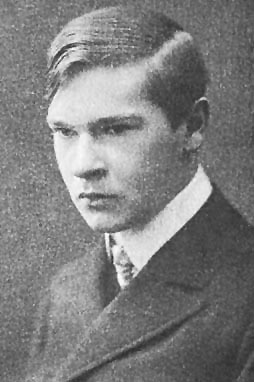
Georg Trakl was an Austrian poet. He is considered one of the most important Austrian Expressionists.

Ratings & Reviews

What do you think?
Rate this book

Friends & Following

Create a free account to discover what your friends think of this book!

Community Reviews

5 stars
270 (51%)
4 stars
169 (31%)
3 stars
74 (13%)
2 stars
13 (2%)
1 star
3 (<1%)
Displaying 1 - 30 of 34 reviews
Profile Image for Cosimo.
443 reviews
May 10, 2018
C'è una luce che si spegne nella mia bocca

Romanza di notte
Il solitario sotto la volta stellata/attraversa la silenziosa mezzanotte./Il fanciullo si sveglia turbato dai sogni, il suo volto offuscato si disfa nella luna./La pazza piange coi capelli scompigliati/alla finestra, cinta da inferriata./In dolce viaggio attorno allo stagno/vagano meravigliosamente gli amanti./L'assassino sorride pallido nel vino, il terrore della morte assale gli ammalati./La monaca prega flagellata e nuda/di fronte al tormento del redentore crocifisso./La madre assorta canta sottovoce./Il bambino di notte così placido/guarda con occhi, che sono veritieri./Nel bordello echeggiano risate./Alla luce di candele giù in cantina/il morto disegna con mano bianca/un ghignante silenzio sulla parete./Il dormiente sussurra ancora nel sonno.

Boschi, salici, faggi, foglie e germogli, bambini che dormono e brividi da cimitero, mulini abbandonati e campi di segale; cavalieri e vessilli e maghi bianchi. Il lutto, le risa, la follia. I pastori cantano e i cervi entrano nel fuoco, l'antico lutto che danza sul muro nero.
Sempre ritorna la malinconia, dolcezza dell'anima sola. Piegate al dolore, le note risuonano di mortale lamento e stelle autunnali. Giardini incendiati di rosso, la vita tacita si rivela tramite le mani che recano i segni del tempo, il dolore nascosto allo sguardo. Un animale azzurro si inchina e affonda nell'erba, accarezzato dal profumo dei fiori. Il vento aggira le case, l'arco delle palpebre e la curva della fronte ricoprono l'austero sorriso; Cuore di ragno, notte di brughiera, tempo passato e mani sottili. Apri gli occhi rotondi. Tu appari bianca seppure soggiogata da una primaverile armonia. Trascorso è l'oro dei giorni, l'azzurro e il bruno della sera: morirono i dolci flauti dei pastori l'azzurro e il bruno della sera, trascorso è l'oro dei giorni. Georg Trakl morì giovane, aveva appena ventisette anni; traumatizzato dall'esperienza della guerra, dove da ufficiale sanitario curò novanta feriti gravi a Grodek, tentò il suicidio e fu ricoverato a Cracovia: un'overdose di cocaina fu fatale. È considerato uno dei maggiori poeti espressionisti di lingua tedesca; magister in farmacia, fu legato alla sorella minore Grete da amore totale, forse incestuoso. Amico di Krauss e Wittgenstein e Kokoschka, amato da Heidegger e Rilke, visse inebriato dalla nostalgia dell'unità perduta, attratto dal mondo dei diseredati e pieno di pietà per le creature deboli. Vedeva il mondo come un insieme di frammenti disgregati, del quale esplorava le zone vitali e fantasmatiche, abitate dalla decadenza crepuscolare e dal dolore della solitudine. Non aveva scelta, sradicato e scisso, era preda della vocazione, la sua patria era la parola. Scriveva immerso nel senso della fine e con i suoi versi fondava un mondo di sogno e di amore, una natura limpida e selvaggia densa di azzurritudine (blaue) e insieme una terra in disfacimento, inesorabile e trasfigurata. Le ferite del suo io lasciano cantare la voce del vento, la triste infanzia e l'angelo dell'eros.

Canzone della sera
La sera, quando percorriamo oscuri sentieri,/le nostre pallide figure appaiono davanti a noi./Quando abbiamo sete,/beviamo le bianche acque dello stagno,/ la dolcezza della nostra triste infanzia./Ci riposiamo come morti sotto il cespuglio di sambuco,/guardando i voli dei grigi gabbiani./Nubi di primavera salgono sopra la fosca città/che tace dei più nobili tempi monacali./Poiché presi le tue mani sottili/tu apristi delicata gli occhi rotondi,/ma questo è passato da tempo/.Eppure, se un'oscura armonia soggioga l'anima,/tu appari bianca nel paesaggio autunnale dell'amico/.
Profile Image for Danilo Scardamaglio.
116 reviews11 followers
October 5, 2024
Trakl è una contorta via di sangue, ansia, paura e morte, è il continuo svelamento di un universo inquieto, torbido, terribile, ma anche dolce nel suo anelito di morte, di pace. È poesia pura, pregna di lirismo, affascinante eppure complessa nella sua tortuosa verbosità, nel suo nervosismo ritmico.
È poesia che si evolve nella continua ricerca di perfezione, di assoluto, ma che resta ancorata ad un preciso universo oscuro, oscurissimo, alle sue immagini ricorrenti e al suo dolore: si inizia da una produzione di stampo perlopiù sonettistico, dal ritmo lento, assorto, meditabondo, dove rieccheggia una sospensione di eco onirico-nietzschiano (che continuamente torna e ritorna in Trakl): s'inizia dalla contemplazione di un mondo silenzioso, muto, che talvolta balugina una stilla di segno (che sia verità o illusione non è dato saperlo): si evolve verso un mondo sempre più ricco di echi e risonanze, dove l'orrido e il macabro affiorano d'improvviso e squarciano il quotidiano, urlando l'unica verità che regge l'esistenza umana: la morte e la putrescenza. Anche il ritmo diventa più complesso, più nevrotico, meno assorto, l'immagine si fa più incomprensibile, più evanescente, per quanto si formi un ben riconoscibile e ricorrente universo di segni (e che forma l'unica piccola nota dolente della raccolta, ossia una leggera monotonia). Con l'appressarsi della prematura morte del poeta, suicida, quasi come se il tempo scorresse via e s'insinuasse una disperata consapevolezza di urlare tutto, la poesia esplode in puro espressionismo, che non risparmia nulla: esplode il verso in verso libero o addirittura in prosa, le immagini deflagrano fino a diventate a volte incomprensibili: il mondo diventa sempre più sogno, sempre più illusione. Quando si crea il giusto equilibrio tra suggestione e chiarezza, sangue e notte, come in quel capolavoro che è la poesia Helian, Trakl è un poeta meraviglioso.
Profile Image for Raquel.
394 reviews
April 22, 2021
Quando tomei contacto de forma muito superficial com a escrita de G. Trakl, não encontrei as palavras certas para a descrever: talvez saudade, talvez desapontamento, ou talvez muita raiva poética pela estranheza de 'se' ser Homem. Depois de conhecer melhor a sua obra, continuo sem palavras, embora esta plataforma seja destinada a descrever as emoções e aprendizagens que os livros nos dão.

Talvez com muito esforço me ocorra a palavra - ainda assim muito precária - assombro.

Um belíssimo poeta, uma vida tumultuosa (escandalosa?) e um suicídio difícil (que o filósofo Wittgenstein não conseguiu evitar).

Vale muito a pena conhecer a obra deste assombroso poeta que nos assombra e nos deixa sem palavras.


*

"On the way home
The shepherd found the sweet body
Decayed in a bush of thorns.

I am a shadow far from darkening villages.
I drank the silence of God
Out of the stream in the trees.

Cold metal walks on my forehead.
Spiders search for my heart.
It is a light that goes out in my mouth."
Profile Image for Josh Paul.
215 reviews6 followers
January 6, 2024
I share Wittgenstein’s assessment: I do not understand [Trakl's poems]; but their tone pleases me.
Profile Image for Mec.
59 reviews17 followers
March 13, 2018
Non ho mai nutrito una particolare predilezione per la poesia, ma Trakl rappresenta un'eccezione. I suoi componimenti mi danno l'impressione di toccare con mano il tramonto di un'epoca e di affacciarmi su un mondo nuovo, simile però ad un abisso. Il linguaggio è cupo, la speranza rifugge dalle pagine e le poesie trasudano disperazione, morte e disfacimento.
Appare chiaro il senso di inadeguatezza nutrito dal poeta, la sua impreparazione di fronte alla vita, la disperazione per un amore totale ma eticamente sbagliato, anzi orribile.
Nonostante tutto, o forse proprio per questo, amo Trakl e l'unico rammarico è non averlo letto prima.
Profile Image for Iohannes.
105 reviews61 followers
January 16, 2020
one of the best, if not the best, at phanopoeia and evocing synesthesia; gotta say I liked his more mature free-flowing poems like Helian, de profundis and esp. the Sebstian im Traum cycle way better than his earlier rhymed bits in sonnet- or /abba/-form this time around.
Profile Image for Laurent De Maertelaer.
804 reviews165 followers
April 5, 2024
Om te lezen en te herlezen en nog meer te herlezen. Hermetisch maar oh zo compact: alles zit er in. Tweetalige editie met een boeiende inleiding en uitvoerige commentaren achterin.
Profile Image for M.W.P.M..
1,679 reviews27 followers
January 24, 2022
I discovered Georg Trakl during my visit to Kraków, Poland. I can't remember what brought him to my attention, but I remember feeling anxious upon learning that Trakl had died of a drug overdose during a period of military service that brought him to Kraków, Poland. Where Trakl's life ended, my admiration for Trakl began.

I've read few translations of his work. Perhaps one day I will compare them. Whether the poem was one of Trakl's best to begin with, or one of Lucia Getsi's best translations, or both... No matter. Here are a few that caught my attention...
Under tent of stars, a solitary man
Moves through a silence of midnight.
The boy awakes bewildered from his dreams,
His gray face shrinking in the moon.

At the window stiff with lattice-work
A foolish woman weeps with unbound hair.
In awe lovers drift by on the pond,
Floating in sweet journey.

The murderer smiles pale in the wine;
The horror of death infects the sick.
Naked and wounded, nuns pray
Before the savior's agony.

The mother sings softly in sleep.
The child gazes peacefully toward night
With eyes wholly sincere.
Laughter rings in the brothel.

In the tavern below, by grease lamp
And with white hand the dead paints
A leering silence on the wall.
The sleeper still whispers.
- Ballad to Night (pg. 20-21)


Always you return, melancholy,
O gentleness of the lonely soul.
A golden day glows toward its end.

Humbly the patient one endures pain,
Entoning harmony and gentle madness.
Look! darkness already falls.

Again night returns and a mortal laments
And suffers with another.

Shuddering under autumnal stars
Each year the head bows more deeply.
- In an Old Album (pg. 41)


At evening the homes lie brown and desolate.
A gray stench permeates the air.
The roar of a train on arched bridges
And sparrows flutter over bush and fence.

Humble shacks, paths scattered in disorder,
Confused motions in the gardens,
While lamentation swells from muffled movement,
A red dress runs through a crowd of children.

A chorus of rats screams, enamored on the rubbish.
Women carry entrails in baskets;
In a loathsome procession of rotting filth,
They emerge from twilight.

And suddenly from beneath the slaughterhouse
A canal spews rich blood into the calm river.
Föhn winds colour the sparse shrubs brighter
And the red creeps slowly through the stream.

A whisper, which drowns in troubled sleep.
Images leap up from water ditches,
Perhaps the memory of an earlier life
Which rises and falls with the warm winds.

From the clouds plunge shimmering avenues
Filled with lovely chariots, bold riders.
Then a boat is seen foundered upon reefs;
Or sometimes rose-tinged mosques.
- Suburb in Föhn (pg. 53)


O the black angel, who softly stepped from the soul of the tree,
When we were tender playmates in the evening
At the edge of the blue-tinged fountain.
Calm was our step, the round eyes in the brown coolness of autumn,
O the purple sweetness of the stars.

But one descended the stone steps of the Mönchsberg,
A blue smile on his face and strangely enfolded
In his quieter childhood, and died;
And the silver dace of his friend remained in the garden,
Listening in the leaf or ancient stone.

The soul sang death, the green decay of the flesh,
And it was the soughing of the forest,
The fervent lament of the deer.
Always the blue evening bells pealed from dusky towers.

Time came when the other saw shadows in a purple sun,
Shadows of putrefaction in bare branches;
At evening, when by the twilit wall the blackbird sand,
The ghost of the dead youth quietly appeared in the room.

O the blood that runs from his singing throat,
Blue flower; o the fiery tear
Wept into night.

Golden cloud and time. In a lonely room
You more often invite the dead child to be your guest,
You wander in intimate conversation under elms along the green river.
- To One Who Died Young (pg. 117)
Profile Image for Ştefan Bolea.
Author 26 books187 followers
September 3, 2014
https://www.youtube.com/watch?v=POWAI...

Die Ratten

In Hof scheint weiß der herbstliche Mond.
Vom Dachrand fallen phantastische Schatten.
Ein Schweigen in leeren Fenstern wohnt;
Da tauchen leise herauf die Ratten

Und huschen pfeifend hier und dort
Und ein gräulicher Dunsthauch wittert
Ihnen nach aus dem Abort,
Den geisterhaft der Mondschein durchzittert

Und sie keifen vor Gier wie toll
Und erfüllen Haus und Scheunen,
Die von Korn und Früchten voll.
Eisige Winde im Dunkel greinen.


The Rats (tr. Eric Plattner)

The hunter’s moon cuts straight through the farmyard.
From the roof’s edge a shadow descends.
The window empties itself without a word.
Up the stairs, below one’s breath, the rats cavort.

And the scuttling whistles here and there
and the grizzly whiff of your human stink
gives you away,
the ghost in the moonlight trembles through and through

and their bottomless greed tugs at you
and the houses and barns comply,
pregnant with corn and fruit.
In the dark out there the icy wind thrashes and weeps.

Les rats (tr. Pierre Mathé)
La lune d'automne baigne de blanc la cour.
Des ombres fantastiques tombent du bord du toit.
Un mutisme habite les fenêtres vides ;
De là émergent doucement les rats.

Et en couinant ils se glissent ça et là
Et une émanation grisâtre s'exhale
Derrière eux en provenance des latrines,
Tremblement fantomatique dans le clair de lune

Et comme fous, ils glapissent de voracité
Et emplissent maisons et granges
Emplies de grains et de fruits.
Des vents glacés pleurnichent dans le noir.

Guzganii (tr. Mihail Nemeş)

În curte, tomnatică lună de var.
Streşini aruncă fantastice umbre.
În goale ferestre e linişte iar;
Guzganii acum din cotloane sumbre

Ies şuierând, şi se ia pe urmele lor
Un groaznic miros de latrină
Ce-n clarul de lună, uşor,
Ca o fantomă se-nclină.

Şi lacomi se ceartă, turbaţi,
Şi-n hambare şi-odăi se răsfaţă,
Prin grâne şi fructe uitaţi.
În neguri gem vânturi de gheaţă.

Profile Image for —.
80 reviews82 followers
May 18, 2020
This collection is comprised of a few other books, Gedichte,Sebastian im Traum, and publications in the paper Der Brenner. Here, the German-language poetry of Georg Trakl, an Austrian pharmacist-turned-soldier, is presented in the sublimely inspirited and melodically flawless original text. All of the fluidities and subtle elements that compose a Trakl poem are preserved in their endless lyrical inspiration. The ebb and flow of a piece, an invaluable part of the emotional resonance a reader desires, is sustained here, as is the meticulous arrangement and precise vocation, which allows the sensuous and disquietingly vivid poetic expression to shine forth unmitigated. It is mystifying and quite uncommon that one sees such old writings enduring the scrutiny of progress so well, nonetheless, the results are wondrous and ascendant of all preconceived notions of what poetry can be.

*This review is for Trakl's first two books of poetry in their original German, not for the translation of said book.
Profile Image for Alessandro.
80 reviews
December 1, 2019
"Sei potente, bocca oscura
Nel tuo interno, forma plasmata
Da nubi autunnali,
Di aurea quiete serale;
Torrente che livido si abbuia
Nella cerchia ombrosa
Dei pini spezzati;
Un villaggio
Che casto si spegne in immagini brune.

Ecco balzare i cavalli
Sul prato nebbioso.
Soldati!
Dal colle dove rotola il sole morente
Precipita ilare il sangue -
Sotto le querce
Mute! Oh, sdegnata tristezza
Dell'esercito; un elmo lucente
Cadde stridendo da fronte purpurea.

Notte d'autunno così fresca viene,
Con le stelle risplende
Sulle ossa spezzate degli uomini,
Monaca silenziosa."
Profile Image for The Literary Chick.
221 reviews64 followers
December 19, 2013
Discovered Trakl from Boll's Group Portrait With Lady, when the doomed Boris tells Leni to read Trakl. Stark, clear, and haunting, these poems and their imagery have stayed with me.
Profile Image for Sagu do Mal.
4 reviews1 follower
July 8, 2021
Este livro deu-me vontade de aprender alemão, para ouvir a melodia que me escapa na tradução.
Profile Image for Nicholas Trandahl.
Author 16 books90 followers
August 2, 2017
Georg Trakl was a tragic German poet that published poetry in the early 1900s, and died as a young man in Krakow. In him, I've found a kindred spirit. His writing is a chimera that reminds me of Gary Snyder, William Burroughs, and Edgar Allan Poe. It's free, chaotic, grim, macabre, observational, and pays homage to the beauty of nature. It's amazing. The recurring themes that popped up from poem to poem, such as certain colors or imagery, brought a frequent smirk to my face.
I lament that the tragic passing of Trakl deprived the world of more of his outstanding work.
Profile Image for Dalisima85.
2 reviews
Read
July 13, 2025
Georg Trakl

Dvasios sutemos / Geistliche Dämmerung

Translated by Linas Rybelis

ISBN: 9786098338010
Author : Georg Trakl
Published: 2024
Number of pages: 226
Language: Lithuanian
Format: Paperback
Profile Image for Tyrone_Slothrop (ex-MB).
843 reviews113 followers
August 6, 2017
Precipitando nel crepuscolo della morte, nostalgici dell'Arcadia...

E' un poeta su uno spartiacque, Trakl: nella sua breve vita sembra avere assorbito in sè due universi culturali e mentali opposti - il tardo romanticismo di matrice tedesca, bucolico, nostalgico, anelante una pace naturale ormai perduta e il devastante cupio dissolvi esistenziale novecentesco che finirà nella tragedia della Grande Guerra. I versi sono quindi un susseguirsi di evocazione di morte, oblio, funesto dolore contrapposto a visioni bucoliche di pastori, foreste, montagne - e la grandezza delle poesie di Trakl è tutta in questa continua tensione tra la coscienza della dura condizione dell'uomo, solo, trafitto, condannato al dolore (la figura dello "straniero", del "viandante" è un tipico tropo trakliano) e il ricordo nostalgico ed idealizzato di una natura romantica ormai perduta. Così avviene sia per i suoni dove lenti e lontani rumori della natura rompono un silenzio malinconico e mortale che annienta il solitario straniero, sia per i colori che sono fissati in chiari rimandi ad immagini e concetti (azzurro: freddo/ghiaccio; nero: morte/buio; bianco: figli/fanciulli/cadaveri; rosso: fiera/animali/natura selvaggia; oro: metallo/orrore/assenza di vita). Per mio gusto personale, ho trovato la sua ultima produzione la migliore - visioni potentissime e assolutamente originali, vitali e pulsanti nel rendere la devastazione della ossessione della morte, modernissime testimonianze del massacro a cui lo stesso Trakl partecipò - "Peregrinazione senza pace attraverso il selvaggio pietrame, lontano da borghi serali, da greggi al ritorno"
Profile Image for Riccardo.
282 reviews4 followers
February 1, 2025
"Sorella, poi che ti trovai in desolata radura del bosco,/ ed era a mezzo del giorno, e vasto e grande il silenzio degli animali;/ biancore sotto la quercia silvestre, e fioriva argenteo lo spino./ Immensa la morte, e la fiamma cantante nel cuore."

Poeta di difficile classificazione (simbolista? espressionista?) duro ed impenetrabile come pochi, ma la cui musicalità e lirismo esercitano un fascino magnetico sul lettore.
Profile Image for Joanna.
1,760 reviews54 followers
December 30, 2010
This book is recommended by Harold Bloom (on his Western Canon list) and the author seems to have a troubled life followed by a suicide. But the poems didn't seem all that interesting or compelling to me. He had a weird sort of love for his sister, though I couldn't tell from this collection whether she was still alive. A majority of the poems used blue images.
Profile Image for Julia.
31 reviews39 followers
March 9, 2018
Podobało mi się 14 z 57 wierszy zawartych w tym tomiku. Nastrój wielu z nich gwałtownie się zmienia i nie wszystkie metafory były dla mnie zrozumiałe.
Bardzo dobrym pomysłem było umieszczenie niektórych wierszy nawet w czterech różnych tłumaczeniach.
PS: Przeczytałam ponieważ dowiedziałam się, że Georg Trakl zmarł w krakowskim szpitalu wojskowym.
Profile Image for Ondřej.
99 reviews13 followers
Read
April 25, 2022
Ein Schatten bin ich ferne finsteren Dörfern.
Gottes Schweigen
Trank ich aus dem Brunnen des Hains.

Auf meine Stirne tritt kaltes Metall
Spinnen suchen mein Herz.
Es ist ein Licht, das in meinem Mund erlöscht.

Nachts fand ich mich auf einer Heide,
Starrend von Unrat und Staub der Sterne.
Im Haselgebüsch
Klangen wieder kristallne Engel.
Profile Image for pedro.
170 reviews19 followers
June 14, 2023
Não desfazendo esta edição do rpf. Caeiro, que admiro e recomendo, fico com a impressão que a tradução do Prof. Barrento tem momentos mais assinalaveis que esta.
Vale a pena ler, Traktl. Seja quem for quem traduza.

messi
Profile Image for The Literary Chick.
221 reviews64 followers
December 19, 2013
Picked this up after reading of it in Group Portrait With Lady by Heinrich Boll. Sparse, haunting, and beautiful poetry. This review refers to the English translation edition.
Displaying 1 - 30 of 34 reviews

Can't find what you're looking for?

Get help and learn more about the design.