Ten years ago, Tom Drury's groundbreaking debut, The End of Vandalism, was serialized in The New Yorker, was compared to the work of Sherwood Anderson and William Faulkner by USA Today, and was named a Best Book of the Year in multiple publications. Now, appearing simultaneously with his first new novel in six years, Drury's debut is back in print.
Welcome to Grouse County — a fictional Midwest that is at once familiar and amusingly eccentric — where a thief vacuums the church before stealing the chalice, a lonely woman paints her toenails in a drafty farmhouse, and a sleepless man watches his restless bride scatter their bills beneath the stars. At the heart of The End of Vandalism is an unforgettable love triangle set off by a crime: Sheriff Dan Norman arrests Tiny Darling for vandalizing an anti–vandalism dance and then marries the culprit's ex-wife Louise. So Tiny loses Louise, Louise loses her sense of self, and the three find themselves on an epic journey.
At turns hilarious and heart-breaking, The End of Vandalism is a radiant novel about the beauty and ache of modern life.
Tom Drury was born in 1956. The recipient of a Guggenheim Fellowship, Drury has published short fiction and essays in The New Yorker, A Public Space, Ploughshares, Granta, The Mississippi Review, The New York Times Magazine, and Tricycle: The Buddhist Review. His novels have been translated into German, Spanish, and French. "Path Lights," a story Drury published in The New Yorker, was made into a short film starring John Hawkes and Robin Weigert and directed by Zachary Sluser. The film debuted on David Lynch Foundation Television and played in film festivals around the world. In addition to Iowa, Drury has lived in Massachusetts, Connecticut, Florida, and California. He currently lives in Brooklyn and is published by Grove Press.
This book is a literary highwire act. There's no good reason it should be as wonderful as it is. The plot meanders all over the place. It jumps from character to character with little reason, and it has what would be described as "tone problems" if we were all sitting around workshopping it. Yet it's perfect. I can't decide whether it's the funniest sad book I've ever read or the saddest funny book. It was better than Hunts in Dreams which I really liked. Just read this guy already.
This might the novel you have been looking for if you like laconic meandering American comedy cooked on a very low light for several hours, make that several days. The story lolls and saunters around some small towns, the stuff of life gently happens, there’s a sheriff who gets married, there’s unpredictable old guys who should just quit but won’t, it’s pretty much a whole lot of stuff you wouldn’t bother to tell anyone about if you met them in town, and that being said, it’s almost perfect.
We’re almost-but-not-quite in Garrison Keillor’s Lake Wobegone territory here, or maybe Charles Portis, which is high praise indeed.
One favourite quote:
Dan climbed the water tower. A cage made of hoops protected the ladder, but it seemed that if you slipped and fell the main function of the hoops would be to shear off your head on the way down.
One interesting reference:
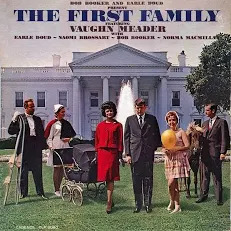
Vaughn Meader. At some point there’s a gathering at a house where the mother and father are obsessed with John F Kennedy and in the evening they play records by Vaughn Meader. Who was he? I found out that he was a comedian in the early 60s who rose to fame doing impressions of JFK – he was one of the only people to get a number one album (The First Family) without having any singles in the top 100. And the other thing is : his career slammed to a sudden halt on 22 November 1963, the album was pulled from all shops, his tv and night club bookings were all cancelled overnight.
In this novel there are quite a few pop references, I always enjoy that. The following acts get namechecks
Talking Heads Neil Young Paula Abdul Bad Company Paul Simon Ten Years After Suzanne Vega Sly and the Family Stone Carole King George McRae Rod Stewart John Cougar Mellencamp Van Morrison Al Green Todd Rundgren Joe Cocker
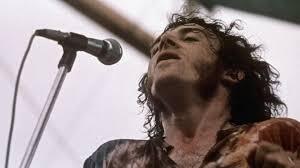
Joe Cocker provokes the following argument: “What the hell’s your problem?” (says the father). “Nothing,” (says the son).
“Don’t give me that.” “Why? Because I listen to music? Because I happen to like music.” “I like boxing , but I wouldn’t want to see two people boxing in my bedroom for four and five hours at a time.” “Good analogy.”
And Rod Stewart inspires a well-made point :
Rod Stewart sang “Maggie May” on the jukebox. ”You know what I never liked about that song?” said Cheryl. “What?” “Well, if it really don’t worry him none, you know, when the morning sun shows her age – why even mention it?” “This is true,” said Louise.
This novel is 366 pages long but if it was 466 or 566 that would have been fine with me.
The End of Vandalism was a great book once you start to "get it." It is written in extremely simple language, deliberately paced, and the humor is DRY in the extreme. The writing has a very specific rhythm to it -- unlike any book I can think of that I've read before -- that takes some getting used to. But once you are won over to these characters and style and pacing it is an absolutely wonderful read and ultimately very affecting. (I am interested to read something else by Tom Drury; this was his first novel.) The dialogue is especially wonderful - seeming disconnections and roundabout rejoinders that (again, once you start to hear it) ring true and can be absolutely hilarious. The characterizations in the novel are especially razor-sharp and always accomplished with a complete deadpan. No character seems to be authorially judged in the book, nor does anyone stray into the realm of "comedic creation" or "caricature." No wild or wacky hilarious people in this book, only deft and quietly funny (and/or quietly tragic) people that you might know, do know, or could certainly imagine knowing. And while there IS a lot of dry humor, there's also a lot of quiet philosophy and rumination about America in general, the Midwest more specifically, the way people relate to each other, and also about a certain quiet, small way of life that may or may not be endangered at this time in the world. It's funny, sure, but also smart and sad and moving. A really terrific book full of purposeful, careful writing. Five stars for sure.
Altro colpaccio della NN. Se vi è piaciuto Kent Haruf qui non si va troppo lontano. Più personaggi e situazioni ma lo stesso andamento pacato, la stessa lentezza e quei modi semplici da Midwest. Grouse County è la nuova Holt. È quasi un ritorno a casa.
Per me molto consigliato. [77/100]
Louise si trattenne al lago Seldom. La sua casetta aveva una stufa a gas che lei inizio ad accendere in settembre, quando le foglie rosse e gialle cominciarono a battere contro le finestre. Continuò a fare il giro delle consegne e prese a occuparsi anche della campagna abbonamenti. Distribuì tutti i plichi e si soffermò, a bordo dell’auto di Carol, con alcuni fattorini che consultavano l’elenco dei premi cui potevano aspirare. «Posso farti una domanda?» le chiese un ragazzo con degli occhiali da gufo. «C’è una ragazza con cui ho scambiato lettere per tutta l’estate, che ogni volta concludeva scrivendo: Ti amerò sempre, e io facevo altrettanto. Ma ora che siamo tornati tutt’e due a scuola, lei non mi guarda neanche di striscio. Non solo non credo che mi amerà sempre, ma credo che non mi ami neanche adesso. Perciò pensavo di farle un regalo, e ho visto che se riesco a trovare tre nuovi abbonati posso vincere un cane di peluche con una radio AM/FM incorporata». Louise guardò la foto del cane in questione. «Sì, ma sei sicuro di riuscire a trovare tre nuovi abbonati entro la scadenza del concorso?» gli domandò. «Il paese è piccolo, e nelle istruzioni si dice chiaramente di non farsi troppe illusioni». «Io penso di farcela» disse il ragazzo. «Ma che te ne pare dell’idea? Ti piacerebbe una radio-cane se tu fossi una ragazza? Cioè, tu sei una ragazza. Ti piacerebbe una cosa del genere se avessi la mia età?». “Vediamo» disse Louise. La sua opinione era che forse quell’oggetto non andava tanto bene né come cane né come radio. Guardò il ragazzo e disse: «Se avessi la tua età, mi piacerebbe un sacco».
I really loved the hilarious simplicity of this. I'm getting so tired of this trend of ridiculous quirkiness in literature and film, where the "interesting" characters wear two different shoes and own gerbil-costume stores and talk in Juno-speak. It always seems like the author is trying too hard.
On the other hand, Drury effortlessly creates completely engrossing characters whose quirks are understated and believable; whose deadpan dialogue is sparse yet powerful; who can capture your attention just by having a simple conversation about why a bucket is in the yard. Seriously. This book is awesome. I highly recommend it.
Bellissimo. Ma non è stato un colpo di fulmine. Anzi, mi sono innamorato della Grouse County di Tom Drury piano piano, pagina dopo pagina. La fine dei vandalismi è un racconto del quotidiano e di una comunità che popola una piccola contea del Midwest americano; quella di Drury è una scrittura secca, semplice ma pervasa da una irresistibile vena di ironica malinconia che rende estremamente reali i personaggi -anche i più bizzarri-, e le loro interazioni diventano quindi estremamente trasversali. Certe frasi o conversazioni le senti tue anche se non sei mai stato nel freddo Minnesota, perché Drury racconta l'animo umano spogliandolo di tutte le sovrastrutture e gli abbellimenti tipici del romanzo. Uno scrivere, il suo, che conquista lentamente ma che poi non ti molla più. Mi mancheranno molto queste pagine e non vedo l'ora di leggere il secondo capitolo. Di nuovo grazie a NN.
Here’s a late passage that sums up this extremely enjoyable book:
“Come July it will have been 27 years we’ve run the camp,” said Carol. “And right after it opened I had a guy come up to me. ‘Carol,’ he said, ‘you know the trail from that comes down to the water?’ And I said, ‘Yeah, I know it,’ and he said ‘Why didn't you cut it straighter? It meanders, Carol.’ See, he was an engineer, and everywhere he looked, he saw the straight lines that people could have made but failed to. And I said, ‘I thought that was straight,’ and he said, ‘Well, it isnt.’ And I said, ‘You get your own camp and you can make the trails any way you want.’
A large cast of characters, who meander through the months that make their lives. I don’t believe there’s a chance of a straight line and indeed the book itself doesn’t have much of a plot. It’s a rendering of many characters in a fading midwestern town. The selling points are the low-key humor and the cast.
Tom Drury is adept at drawing a character with description and detail:
One Saturday, Sheriff Dan Norman was kneeling on the top of his trailer house, trying to patch a rusty spot that was beginning to leak, when a religious woman came by. She had yellow hair pulled into a thick braid. Her Bible was white, and she held it in both hands, like a big white sandwich. - His name was Frank. He was a handsome man in a yellow shirt who sold billboard space and breath mints. He had been popular in high school and felt somehow victimized by everything that came after. - Over the counter Johnny White was hitting golf balls at a putting machine. “Johnny?” said Tiny. “Shh,” said Johnny. “If this goes in, I’ll be a success in life.” - Louise watched them go, and noticed Hans Cook sitting two rows back. The chairs were small, especially in relation to Hans. He wore a red Tyrolean hat and smoked a Tiparillo, the ash of which he deposited in the cuff of his gray pants. - Then Dave Green came to the door. He wore jeans, a turquoise sweatshirt, and glasses with black frames. He was in shape.
For me, one of the funniest passages was this:
The waitress took her dishes to the kitchen, and the man with the Heinlein book came over and sat down. He was pale and straw-haired, and wore a sweatshirt from Storybook Gardens in Wisconsin. His name was Mike, and he claimed to be the distributor in this area for a self-help program called Lunarhythm. Tiny wondered if Mike approached every stranger or just those who seemed to need self-help. “I’ll start a sentence and you finish it,” said Mike. “‘I don’t mean to complain, but —’” “I get headaches sometimes.” “Good. ‘If there was one thing I could change about myself —” “I would go ahead and do it.” “‘I wish I were an eagle, with —‘“ “‘With?’ What do you mean?” “There is no right or wrong answer. ‘I wish I were an eagle, with —‘“ “Deadly claws.” “Sure. ‘Deadly claws’ is fine. Why not . . . ‘I don’t consider myself a loser, and yet —‘“ “I have lost things.”
I recommend this book! By page 19 I was looking up what else Tom Drury had written so I could put it on my list, and scrambled to finish it by New Year’s Eve, so I could give it to my mother who would be taking long flight the next day.
In questo romanzo, primo capitolo della "Trilogia di Grouse County", innumerevoli sono i personaggi, principali, secondari o semplici comparse e innumerevoli i fatti, salienti, determinanti o di poca importanza, come succede nella vita reale, vera e indiscussa protagonista del libro. Anche quando le vicende sono usuali e semplici come ad esempio l'attesa di un refolo di vento su una veranda, non risultano mai banali; Drury ha la straordinaria capacità di raccontare la vita nel suo svolgersi, senza indagare motivazioni e cause né esprimere interrogativi che per altro non avrebbero risposte certe, lo fa 'al rallentatore', con semplicità a volte ironica a volte di pacata tristezza, riuscendo in tal modo a mettere a fuoco i dettagli. Trovo sia un libro musicale, come è musicale la vita.
La fine dei vandalismi Tom Drury Traduzione: Gianni Pannofino Editore: NNEditore Pag: 392 Voto: 4/5
’En el condado de Grouse’ (The End of Vandalism, 1994), del norteamericano Tom Drury, fue publicada en principio por capítulos en The New Yorker, hasta que tras su éxito fue completada para formar una novela propiamente dicha. La acción transcurre en el territorio ficticio de Grouse, y el peso de la historia recae en tres personajes, el sheriff Dan Norman, Louise y Tiny. Aunque se les da voz a más personajes (predicadores, granjeros, comerciantes, estudiantes, artistas, etc.), y por tanto podría hablarse de novela coral, no lo es tanto, ya que las voces principales en torno a las que gira el argumento, son estas tres.
En este condado del Medio Oeste americano, un territorio mítico donde los haya, plagado de particularidades geográficas y sociales, transcurre esta historia sencilla de personajes sencillos y familiares. Pero lo mejor de la novela de Drury son sus protagonistas, las relaciones que se establecen entre todos ellos, y el transcurrir de sus vidas. Porque no se trata de una novela de acción trepidante, todo sucede de manera tranquila y paulatina, casi de manera minimalista. Y no es no que no suceda nada, claro que pasan cosas, pero son las típicas situaciones de una pequeña población, o de cualquier ciudad, como puedan ser el traslado de una caravana. La novela está llena de pequeños detalles, pero sin abundar en excesivas y ampulosas descripciones. Y aquí está el buen hacer de Drury, acercarnos a estos personajes, a estas personas, de manera engañosamente simple, porque no es fácil escribir de manera sencilla.
En fin, que se trata de una buena novela, con muchos aciertos, recomendable, aunque en algunas ocasiones me ha parecido algo fría.
Drury has such a wonderful and distinct style that blows my mind. How he's able to write this novel with such a detached omniscience, yet give such an intimate understanding of these characters, is something I don't know if I'll ever understand. And I suppose that's alright. I know that there's no way that I'll ever be able to write like this, as it's just not my voice, but, man... I do love this man's writing.
I read this simply because I picked up his newest novel, PACIFIC, only to see that it was a sequel to this book. Kind of. So, I figured I should read this first. And if Pacific is anything like this one, I'm sure I'll be in for a good time.
Drury is a writer that I fully understand that not everyone will get into him. His voice is so distinct that it's bound to turn plenty of folks away--especially if they're into thought-heavy, first-person POVs, but what he creates, here, is noting short of amazing. Plus, he has such a dry sense of humor that his one liners will catch you off guard and surprise you with their originality.
It's most definitely the strongest novel on discontentment that I've ever read, and I enjoyed every word of every page.
Rispetto l’opinione di tutti coloro a cui è piaciuto ma, sinceramente, ho fatto molta fatica a finirlo.... Vedremo il secondo che, ottimista, avevo comperato subito dopo. Ero ancora sulle ali dell’entusiasmo per Haruf....
Mi rendo conto di aver dato un voto sotto la media. Credo di poter definire la mia esperienza di lettura ‘un viaggio a Galway’. Ora vi racconto del mio viaggio a Galway. Mia madre negli anni ’60, da giovanissima, se ne andò qualche anno in Irlanda, ospite di una famiglia. Gli aneddoti delle sue avventure in Irlanda per me erano storie mitiche. Anni dopo toccò in età da liceo e dopo qualche esperienza in Inghilterra me ne vado a Galway. Aspettative altissime. Delusione massima. Mi trovai malissimo. E non sono più tornata in Irlanda. L’Irlanda è oggettivamente bella e Galway è una cittadina molto gradevole. Ma a me non è piaciuta.
La fine dei vandalismi: attese altissime, i miei riferimenti me ne danno opinioni fantastiche. Eppure fatico tantissimo a entrare nella storia. E poi a continuare. E poi a finire. Senza nemmeno trovare una ragione valida, in realtà. È scritto bene, lo riconosco. C’è una narrazione di classe, profonda anche se non lo sembra, tutta giocata sui dettagli. Epperò: non c’è stato il click. Non ci siamo presi. Leggerei il capitolo successivo della trilogia di Grouse County? Sì. Perché sento di non averci capito qualcosa. E forse dovrei insistere. Non so. Alla fine, credo che non tutti i libri possono piacere a tutti, per quanto belli siano. Riconosco la maestria dell’autore, ma non siamo entrati in empatia.
Certo, non ho dato un giudizio negativo. Quello sarebbe stato eccessivo. Però non sono stata troppo convinta. Sopratutto perché quello che funziona nella narrazione di un racconto, a volte non funziona in un romanzo - per me, il ritmo. Che per i racconti andava bene (parte di questo romanzo è stato pubblicato come racconti singoli e poi riutilizzato come capitolo di romanzo), ma in un romanzo… Non lo so. Cercherò con positività di ritornare a frequentare Drury e Grouse County. Per togliermi il dubbio. Alla prossima.
Racconto corale che narra la vita in una normale contea rurale del Midwest. Indubbiamente ben scritto, l'ho trovato però fiacco e mi ha lasciato sempre una sensazione di attesa, lasciandomi ad aspettare che prima o poi la narrazione prendesse il volo. E invece no, non lo fa mai. Tutto viene narrato con questa nota di fondo di malinconia e lentezza, quasi di noia. Moltissimi personaggi, che elencati alla fine del libro in ordine di apparizione riempiono più di due pagine e, ora che sono arrivata alla fine, a rileggere l'elenco non me li ricordo mica tutti. La sensazione che mi resta è quella di aver sbirciato dalle finestre altrui per un po' e che, ora che ho smesso, la vita di Dan, Louise, Tiny, Mary e tutti gli altri stia continuando esattamente come prima. Che, forse, è semplicemente un ritratto di quello che è la vita.
"Dan's tie was crooked and he had a kind of careless happiness on his face. This is the way of men."
"Dan surprised Louise with his sexual side, and she felt like a retired skier from the movies who learns everything over again and wins the big jump against the East Germans in a blur of sun on snow."
"In the window of the houses she could see people washing dishes, huddling before the flickering fire of television, reading magazines in chairs."
*** Just re-read this and am stunned by how odd it is. And funny. And beautiful.
The novel, Drury's first, follows the lives of a large hroup of characters in a rural US town,the key ones being Dan, the Sheriff, Tiny Darling, the 'bad-guy', and Louise, soon to be Tiny’s ex-wife. There is not much of a plot, Drury bases the novel on the strength of his characters and their day to day lives in Grouse County, told with empathy and dry humour. It’s a gentle tale of ordinary lives but is not as readable as the likes of Proulx or Haruf. With the hype the book has received, I was expecting more.
I just re-read this book. What a wondrous world Drury creates. Masterful character development. Delightful dialogue. Heartbreaking and hilarious. It really is a marvel. Perfection. What else can I say?i love it.
Technically, I really shouldn’t have enjoyed this book at all - it contains every single thing that I usually say I don’t enjoy in books: it pretty much depends on the characters’ actions driving the plot and story, there’s not much in the way of literary style or gimmicks (though there were a few delightful ones!), the story line is all over the place with a plethora or characters coming in and out of it with little to no significant contribution. It was quick-paced, dense with characters and actions, jumping from person to person and without a clear plot, and yet I really enjoyed it! How???
The End of Vandalism follows the lives of the people in a fictional Grouse County in rural America - a small community that has everything: their own sheriff, photographer, a local religious lady knocking from door to door to spread unwanted biblical wisdom, their own criminal / addiction councillor / politician, and naturally all of their neighbours, relatives, bosses and friends. And all of them were so alive and vibrant I kept on reading just so I can spend a bit more time with them. My favourite one, however, was Colette Sandover who had three marriages, three children and three dead husbands which earned her the nickname Killem. “She had been a redhead all her life and one day woke up with perfectly white hair. The children of Boris regarded her as a witch, an impression she encouraged by casting spells and walking in her garden calling “O Lucifer, appear to me now. O Lucifer.” - I immediately clicked with her. In a parallel universe I would BE her.
There’s not much I can say about the plot itself because not much happens, really, and what does happen feels more like the mundane and everyday events of an ordinary rural life. Reading the book was like moving into a small town for a couple of years and living a life there in fast-forward mode. You live there, you talk to people, things happen to them, you observe local politics, ageing, marriages, political campaigns and then a few years later you pack your bags and leave town while they all just keep going with their own lives. And honestly… it felt refreshing!
4.5 Stars. Beautifully understated and deadpan. Perfectly captures the sensibilities and rhythm of life in a small town. Numerous anecdotes that made me laugh aloud, but the book as a whole walks a fine tragicomic line.
What...did I just read? I finished the last page and just said, "Huh."
But I think I liked it?
This is one of those books that starts in a meandering way, rambles around for a few hundred pages, and then just peters out. And yet...it was enjoyable. I've usually one of those people who reads a book for the plot, but this didn't really have one. It was just about the inhabitants of a small town, going about their lives. I really shouldn't have liked it. In fact, several times throughout the book I'd think, "What's the point of this? I should DNF..." but then some little quirky or funny moment would happen, and I'd keep reading.
It's hard to explain the humor in this book. It is some drryyyy humor. Like, so dry you almost wonder if the author is writing funny stuff on accident. I don't even have an example, because nothing would make humorous sense out of context. Oh, wait, I suppose near the end there was one part that made me chuckle out loud: Albert Robeshaw and Armageddon held a practice on the stage of the high school lunchroom in Morrisville. They were playing a song about snowmobiling called "(Look Out for the) Clothesline."
This might be one of the few examples of obvious humor, but usually it was much more subtle than that. It kind of reminded me of a Wes Anderson film, where the characters say really random or absurd things in abrupt way, completely deadpan. Or maybe this reminded me of the film Fargo, minus the murder, in that it's a small town setting with people talking to each other in a slow Midwesterny way that seems completely inane to outsiders. Lots of random asides and conversations that take a circuitous routes to get to the point, if it ever arrived there.
So.....if I had to explain what this book was about, answer would be "nothing". Maybe this would be better compared to Napolean Dynamite, in that there doesn't really seem to be a point. It's about nothing. It's just the characters being a little bit strange and having weird conversations with one another. Actually, there's an election in both this book at that movie, so maybe that comparison makes sense.
Strange dry humor aside, this also had surprisingly poignant moments as well. One of the main characters suffers at loss of pregnancy at 8 months, and has to deliver a stillborn baby. Even for me, not a "baby person", this was incredibly sad. The indirect ways that her and her husband's grief are portrayed are so subtle and touching.
There's that word "subtle" again, but that's the best way I can describe the highs and lows of this book. The humor is dry and subtle, and the serious stuff is tender and subtle. Another reviewer here called it "the funniest sad book" and that is spot on.
Yeah, I don't know how else to explain this book. I don't even have any "tags" to assign it, unless we want to call the early 90s "historical". It's about nothing, but it's weirdly compelling anyway. I see now that it's a trilogy, and I may have to read the rest....
"The visitors were farm women, for the most part, and they came shaking the water out of their scarves, and carrying bundles of diapers, cases of formula, and bales of bleached-out clothing that in at least one case had not been worn since World War II. Helene Plum even brought a beef-macaroni casserole in Corning Ware, although it was not clear who was supposed to eat it. But then, Helene Plum reacted to almost any kind of stressful news by making casseroles, and had once, in Faribault, Minnesota, attended the scene of a burned-out eighteen-wheeler with a pan of scalloped potatoes and ham. True story, told by her daughter-in-law."
.
"Dan met Earl Kellogg and Ed Aiken in Romyla at ten-thirty on the Sunday morning of the benefit. They were all in their reflective sunglasses, and they stood in front of the Cotter Pin Tap watching the Methodist women unloading a van full of cakes for the cakewalk. The sun was bright, and it seemed that all the grass in town had just been mowed. Romyla had a hostile kind of pride that you didn't find anywhere else in the county, Dan thought. Earl Kellogg sneezed eleven times in rapid succession, and Ed pounded him on the back to help him stop."
This is a widely praised debut novel that I found to be a little unusual. Set in a rural Midwestern town (seems like Iowa or southern Minnesota), the story revolves around three central characters; Dan, the mild-mannered sheriff who may be a little to forgiving and naive, Louise, a photographer, and Tiny, Louise's soon to be ex-husband who continually finds himself in some sort of trouble. Swirling around these three are dozens of local characters, so many that the author provides us with a cast list so we can keep it straight. The thing is, not much happens. Louise leaves Tiny and takes up with Dan, and Tiny hatches scheme to turn things around. Dan runs for re-election. Otherwise, life goes on. The humor is very dry and subtle, and the author has a definite knack for the dialog and sense of place in small-town America. I can't say I feel any differently after reading it, but I'm not sorry I read it either. Maybe that's the point. It's a slice of the human condition. Funny, sad, poignant, and tragic. Like life itself.
Academics and urban types always talk about how funny Drury is. As if provincial life seems so foreign and banal to them, that it has to be regarded as funny or else it would be unbearable to read accounts of lives such as these. What I find most striking about reading Drury's work is that he relies solely on his characters. There is no clear, discernable plot. There is only life. I'm not claiming that the novel isn't funny. But it's a lot of things. It's unsettling, in it's unflinching honesty, and it's sad, at times excruciatingly so. Drury is all about minutia and tone. He wants you to see these people and he wants you to see yourself in them. That's probably his main agenda. More so than to mine these lives for comedy. But then again, what do I know? To quote the man himself: "There is no answer, it's just interesting".
Ho sperato fino all'ultimo di cambiare idea, ma La fine dei vandalismi è un libro piatto, che non mi ha trasmesso niente. Non succede nulla per tutte le quasi 400 pagine di narrazione e no, non c'è nemmeno un'analisi psicologica approfondita dei personaggi, perché i personaggi sono degli zombie. Portano avanti la loro vita per dovere, per sopravvivenza, senza particolari motivazioni. Non ci sono i buoni e non ci sono i cattivi, sono tutti sullo stesso piano e c'è da chiedersi perfino su quale basi l'autore abbia scelto i suoi protagonisti, visto che hanno una verve pari a quella di tutti gli altri personaggi (ovvero nulla). Il libro, non è scritto male, è scorrevole, ma è davvero davvero noioso.
Perhaps I would have enjoyed this more if I hadn't read several things telling me how funny it was. It's not that funny. It's sort of Vonnegut funny, but not as deep. The writing is interesting and there are some great moments. But the story is weird and unfocused, and I never ended up caring for the characters all that much.
Bello. Lo inserisco nel solco di "Prateria" di Moon, nonostante non sia altrettanto bello. Un libro in cui non succede niente e succede tutto. Una sorta di documentario, altrettanto asettico, sulla vita di una contea americana, dove, per un paio di anni, seguiamo le vite dei suoi abitanti.